On This Page
Description
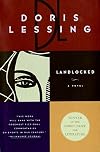
"Doris Lessing is the Cassandra of the documentary novel...crying for something harshly denied to our age: a longing for magic, for the irrational. Her concern for life, her independence of judgment and her gift for diagnosing our hydra-headed social ills is extraordinary." — The ObserverIn the aftermath of World War II, Martha Quest finds herself completely disillusioned. She is losing faith with the communist movement in Africa, and her marriage to one of the movement's leaders is show more disintegrating. Determined to resist the erosion of her personality, she engages in the first satisfactory love affair and breaks free, if only momentarily, from her suffocating unhappiness.
Landlocked is the fourth novel of Doris Lessing's classic Children of Violence sequence of novels, each a masterpiece in its own right, and collectively an incisive, all encompassing vision of our world in the twentieth century.
. show less
Tags
Recommendations






















Member Recommendations

Member Reviews
This is the fourth book in Lessing’s children of Violence series. The children of violence are those people who had all of their idealism knocked out of them by the horror and waste of World War II and this includes Lessing herself because this series is semi-autobiographical and tells the story of one young woman’s journey through life in a British African Colony, thinly disguised as Southern Rhodesia (Zimbabwe). This book picks up Martha Quests’s story a couple of years after her Marriage to Anton and the war is coming to an end. There was no fighting in the Southern part of Africa, but local men were called up and a large Royal Air force (RAF) base was established just outside the capital city. The government were mainly show more concerned with the war effort and this allowed revolutionary groups to exist hovering just above their radar. Anton was the leader of the communist group who were trying to forge a relationship with the undereducated and largely servile black majority. They were optimistic that a Russian victory in the war (they were allies) would give an opportunity for a communist/socialist revolution.
Martha was heavily involved with the group not only as Anton’s wife but as an educator and organiser. The war years however had largely extinguished any optimism and she realised that her marriage to Anton was still a marriage of convenience and they would divorce and go their separate ways after the war had ended. Many of the members of the communist group had come from the RAF base and they were being killed or posted elsewhere as the war progressed. Anton had lost his enthusiasm and was concentrating his efforts on getting back to Germany once the war was over. Martha was set on going to England and so their lives were in Limbo. She embarked on a series of affairs at a time when everybody seemed to be waiting for the world to change (the end of the war).
The book introduces us to the scattered remnants of the communist group, all at sea in a town that they were desperate to get away from. A Greek contingent anxious to get back home to fight in the war against the Nationalists (although this was a war that they knew they would not survive). Thomas a Polish Jew who has a love affair with Martha, but the destruction of his homeland has left him shell shocked. Anton of course wanting to go back to East Germany to continue the ideological struggle and Johnny Lindsay, the fierce trade unionist wasting away with disease. The men in the group seem to be resigned to and waiting for death while the women are taking what comfort they can from a transitory existence. Martha keeps busy, falls in love, manages other peoples problems, which covers the gap in her life left by the disintegration of the communist group.
Lessing writes powerfully about her own experiences during this time; for large sections of the novel she is Martha Quest. There is a brilliant description of her group going to the cinema and sitting through a newsreel; describing the probable defeat of the Germans. They are of course cheered by the victory but horrified by the allied bombing, while at the same time the Nazi’s extermination programmes are filtering out and they as outsiders cannot comprehend the deaths of over 44 million people. Martha avoids the victory parade.
“Every fibre of Martha’s body everything she thought, every movement she made, everything she was, was because she had been born at the end of one world war, and had spent all her adolescence in the atmosphere of preparations for another, which had lasted five years and had inflicted such wounds on the human race that no one had any idea what the results should be.
Martha did not believe in Violence.
Martha was the essence of violence She had been conceived bred, fed and reared on violence.
Martha argued with Thomas: What use is it, Thomas, what use is violence.”
Martha’s relationship with her mother and the guilt she feels over the desertion of her daughter closes in on her, she is indeed Landlocked, fervently wishing to escape and start again. The book ends with a black workers strike that is based on the Black railway workers strike of 1945 (Southern Rhodesia) and significantly the old communist group are completely sidelined. They do not even know the names of the leaders of the strike. History has passed them by, their hard work has been futile and they can only watch as a younger generation meet to form a new group.
As before Lessing”s personal history/experience combines with the history of a Southern African state and the power of her writing lies in her ability to place the reader in that time and place. Martha Quest is a figure in this landscape that sucks up the feelings of a liberal minded young woman desperate to leave. She does not hide her faults, but displays her feelings with a gusto - here I am; this is what I did. Another excellent novel in this personal historical novel series. 4 stars. show less
Martha was heavily involved with the group not only as Anton’s wife but as an educator and organiser. The war years however had largely extinguished any optimism and she realised that her marriage to Anton was still a marriage of convenience and they would divorce and go their separate ways after the war had ended. Many of the members of the communist group had come from the RAF base and they were being killed or posted elsewhere as the war progressed. Anton had lost his enthusiasm and was concentrating his efforts on getting back to Germany once the war was over. Martha was set on going to England and so their lives were in Limbo. She embarked on a series of affairs at a time when everybody seemed to be waiting for the world to change (the end of the war).
The book introduces us to the scattered remnants of the communist group, all at sea in a town that they were desperate to get away from. A Greek contingent anxious to get back home to fight in the war against the Nationalists (although this was a war that they knew they would not survive). Thomas a Polish Jew who has a love affair with Martha, but the destruction of his homeland has left him shell shocked. Anton of course wanting to go back to East Germany to continue the ideological struggle and Johnny Lindsay, the fierce trade unionist wasting away with disease. The men in the group seem to be resigned to and waiting for death while the women are taking what comfort they can from a transitory existence. Martha keeps busy, falls in love, manages other peoples problems, which covers the gap in her life left by the disintegration of the communist group.
Lessing writes powerfully about her own experiences during this time; for large sections of the novel she is Martha Quest. There is a brilliant description of her group going to the cinema and sitting through a newsreel; describing the probable defeat of the Germans. They are of course cheered by the victory but horrified by the allied bombing, while at the same time the Nazi’s extermination programmes are filtering out and they as outsiders cannot comprehend the deaths of over 44 million people. Martha avoids the victory parade.
“Every fibre of Martha’s body everything she thought, every movement she made, everything she was, was because she had been born at the end of one world war, and had spent all her adolescence in the atmosphere of preparations for another, which had lasted five years and had inflicted such wounds on the human race that no one had any idea what the results should be.
Martha did not believe in Violence.
Martha was the essence of violence She had been conceived bred, fed and reared on violence.
Martha argued with Thomas: What use is it, Thomas, what use is violence.”
Martha’s relationship with her mother and the guilt she feels over the desertion of her daughter closes in on her, she is indeed Landlocked, fervently wishing to escape and start again. The book ends with a black workers strike that is based on the Black railway workers strike of 1945 (Southern Rhodesia) and significantly the old communist group are completely sidelined. They do not even know the names of the leaders of the strike. History has passed them by, their hard work has been futile and they can only watch as a younger generation meet to form a new group.
As before Lessing”s personal history/experience combines with the history of a Southern African state and the power of her writing lies in her ability to place the reader in that time and place. Martha Quest is a figure in this landscape that sucks up the feelings of a liberal minded young woman desperate to leave. She does not hide her faults, but displays her feelings with a gusto - here I am; this is what I did. Another excellent novel in this personal historical novel series. 4 stars. show less
Here we go then with the penultimate instalment of Doris Lessing's Children of Violence sequence, and we've now reached 1945 and the end of the war. Still in southern Africa – but making plans to get out – Martha deals with her ageing parents, makes a civilised agreement with her husband that they should both have affairs, and tries to reassess her political sympathies in the postwar world. As always, it's a slow, meticulous depiction of the period and of people's lives, and it's not always easy to explain why it feels so powerful, so significant – except to say that it's so deeply felt. Lessing describes a bike-ride through town in terms of political epiphany, a glum conversation with a friend like a momentous sexual psychodrama. show more Which is, after all, how everything feels when you're an imaginative and politically aware twentysomething.
Still, there is a more serious, even morbid, tone here, as Martha faces up to the deaths of several people close to her – lovers, comrades, family members. But these are described in the light of what is transpiring of just how many millions were killed in the war, something that informs all of their reactions and, indeed, this whole series of novels.
Every fibre of Martha's body, everything she thought, every movement she made, everything she was, was because she had been born at the end of one world war, and had spent all her adolescence in the atmosphere of preparations for another which had lasted five years and had inflicted such wounds on the human race that no one had any idea of what the results would be.
Martha did not believe in violence.
Martha was the essence of violence, she had been conceived, bred, fed and reared on violence.
There are loads of fascinating moments in here. We see, for instance, Martha and her friends in the local Communist groupuscules reading the new books smuggled out of the Soviet Union and learning just what is going on in Stalin's Russia – for some, a devastating intimation that ‘everything we have been saying over the last five years has been a lie’, but for others, something to make excuses for: ‘after all, they are not saints’. The ability of those on the left to deal with the horrors of Stalinism was one of the key political tests of the twentieth century and a lot of writers talk about it – but I've never seen the actual moment of realisation described before. It's awesome.
The measured narration of a native strike is also riveting for what it reveals about the social and political and racial dynamics of the colony, and how those dynamics interact. And of course Martha's lovelife is a constant whirlwind of questionable decisions and ruthless self-examination that really makes you feel like you're getting a direct line into how intelligent women in the 30s and 40s thought about sex, marriage, flirting, adultery, children. This is a thick, heady novel with big ideas and killer phrasing, stripping all the usual clichés away from this period of the recent past, and giving it back the tang of lived experience. Reading it feels like virtual reality. Lessing lived it, now you can too. show less
Still, there is a more serious, even morbid, tone here, as Martha faces up to the deaths of several people close to her – lovers, comrades, family members. But these are described in the light of what is transpiring of just how many millions were killed in the war, something that informs all of their reactions and, indeed, this whole series of novels.
Every fibre of Martha's body, everything she thought, every movement she made, everything she was, was because she had been born at the end of one world war, and had spent all her adolescence in the atmosphere of preparations for another which had lasted five years and had inflicted such wounds on the human race that no one had any idea of what the results would be.
Martha did not believe in violence.
Martha was the essence of violence, she had been conceived, bred, fed and reared on violence.
There are loads of fascinating moments in here. We see, for instance, Martha and her friends in the local Communist groupuscules reading the new books smuggled out of the Soviet Union and learning just what is going on in Stalin's Russia – for some, a devastating intimation that ‘everything we have been saying over the last five years has been a lie’, but for others, something to make excuses for: ‘after all, they are not saints’. The ability of those on the left to deal with the horrors of Stalinism was one of the key political tests of the twentieth century and a lot of writers talk about it – but I've never seen the actual moment of realisation described before. It's awesome.
The measured narration of a native strike is also riveting for what it reveals about the social and political and racial dynamics of the colony, and how those dynamics interact. And of course Martha's lovelife is a constant whirlwind of questionable decisions and ruthless self-examination that really makes you feel like you're getting a direct line into how intelligent women in the 30s and 40s thought about sex, marriage, flirting, adultery, children. This is a thick, heady novel with big ideas and killer phrasing, stripping all the usual clichés away from this period of the recent past, and giving it back the tang of lived experience. Reading it feels like virtual reality. Lessing lived it, now you can too. show less
Despite dropping out of school at the age of 13 Doris Lessing educated herself is Southern Rhodesia (now Zimbabwe) soon after World War One and became a Noble Prize winning author creating a celebrated series of books known as The Children of Violence sequence. And while this one is an extremely dark read, we are in many ways, a deeply flawed species when someone even has to write a Children of Violence series. I mean children should be raised with love and kindness, not violence. But Lessing managed to get past her traumatic upbringing and truly make something of herself and for this this I say, this is a book well worth reading !
This fourth part provides Lessing with a kind of interlude to reflect on the tremendous damage left around the world by the war, as reflected in the lives of people in the colony. Even though Labour has come to power in the UK, the beginnings of the Cold War and the rise of nationalism in South Africa are making things very difficult for the Left in the colony. Martha's friends are attempting to support political action in the black community, but are frustrated by the Africans' understandable distrust of any white involvement. Martha herself is essentially marking time, waiting for the opportunity to end her marriage with Anton and to leave the colony.
Fourth book in the Children of Violence series. The Labour Party wins power in Zambesia but is ripped apart by the tensions between the left wing supporters of black emancipation and the right wing trade unionists who have traditionally prevented black people from training for skilled work. It's the Cold War, and the sentimental support engendered during WWII by the Russian army's massive casualties on the eastern front has been replaced by fear and loathing. The British Army is turning Jews away from Palestine. The Americans and the British are supporting a right wing Greek Government that is murdering partisans. Martha's husband, the Communist Hess, has given up politics and is spending his time with a rich and powerful family, show more planning to marry the daughter.
This is a bleak book about a terrible time. 44 million people have died. The world knows about the massacre of the Jews. Hiroshima and Nagasaki have been wiped out as an experiment, to test two types of atomic bomb. show less
This is a bleak book about a terrible time. 44 million people have died. The world knows about the massacre of the Jews. Hiroshima and Nagasaki have been wiped out as an experiment, to test two types of atomic bomb. show less
A brilliant story, told with Lessing's attention to detail and political savvy, showing the futility of history repeating itself generation upon generation. Read out of context with the rest of the series, but a great standalone book nonetheless. And a brilliant lesson in the futility of history repeating itself generation upon generation.
Read during Winter 2002/2003
Too disjoint, esp. the ending. It's almost as if Lessing was in a hurry to end it. There are events merely described instead of written about. Yet, in the center, Martha falls in love and finds happiness. This part seems very real. The rest seems like connecting material.
Too disjoint, esp. the ending. It's almost as if Lessing was in a hurry to end it. There are events merely described instead of written about. Yet, in the center, Martha falls in love and finds happiness. This part seems very real. The rest seems like connecting material.
Members
- Recently Added By
Author Information

265+ Works 37,250 Members
Doris Lessing was born in Kermanshah, Persia (later Iran) on October 22, 1919 and grew up in Rhodesia (the present-day Zimbabwe). During her two marriages, she submitted short fiction and poetry for publication. After moving to London in 1949, she published her first novel, The Grass Is Singing, in 1950. She is best known for her 1954 Somerset show more Maugham Award-winning experimental novel The Golden Notebook. Her other works include This Was the Old Chief's Country, the Children of Violence series, the Canopus in Argos - Archives series, and Alfred and Emily. She has received numerous awards for her work including the 2001 Prince of Asturias Prize in Literature, the David Cohen British Literature Prize, and the 2007 Nobel Prize for Literature. She died on November 17, 2013 at the age of 94. (Bowker Author Biography) show less
Series

Work Relationships
Common Knowledge
- Original publication date
- 1965
- People/Characters
- Martha Quest; Jasmine Cohen; Sol Cohen
- Important places
- Africa; Zimbabwe (Rhodesia)
- First words
- The afternoon sun was hot on Martha's back, but not steadily so; she had become conscious of a pattern varying in impact some minutes ago, at the start of a telephone conversation that seemed as if it might very well go on fo... (show all)r hours yet.
- Last words
- (Click to show. Warning: May contain spoilers.)Then she vanished from sight.
Classifications
Statistics
- Members
- 516
- Popularity
- 58,450
- Reviews
- 8
- Rating
- (3.67)
- Languages
- 8 — Danish, Dutch, English, Finnish, French, German, Spanish, Swedish
- Media
- Paper, Ebook
- ISBNs
- 32
- ASINs
- 11