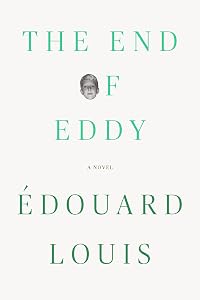
The End of Eddy
by Édouard Louis
On This Page
Description
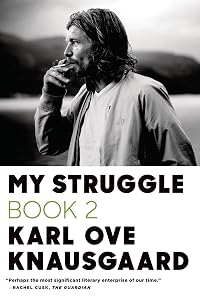
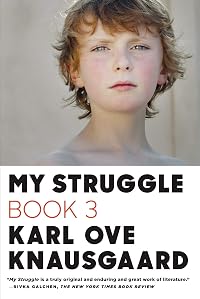
"An autobiographical novel about growing up gay in a working-class town in Picardy. "Every morning in the bathroom I would repeat the same phrase to myself over and over again. Today I'm really gonna be a tough guy." Growing up in a poor village in northern France, all Eddy Bellegueule wanted was to be a man in the eyes of his family and neighbors. But from childhood, he was different -- "girlish," intellectually precocious, and attracted to other men. Already translated into twenty show more languages, The End of Eddy captures the violence and desperation of life in a French factory town. It is also a sensitive, universal portrait of boyhood and sexual awakening. Like Karl Ove Knausgaard or Edmund White, Édouard Louis writes from his own undisguised experience, but he writes with an openness and a compassionate intelligence that are all his own. The result -- a critical and popular triumph -- has made him the most celebrated French writer of his generation."-- "An autobiographical novel about growing up gay in a working-class town in Picardy"-- show lessTags
Recommendations















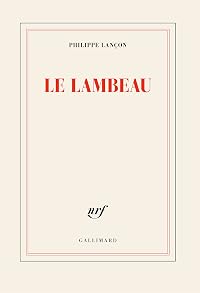
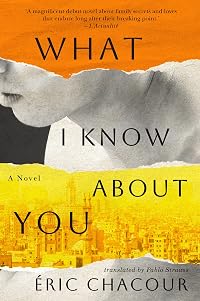

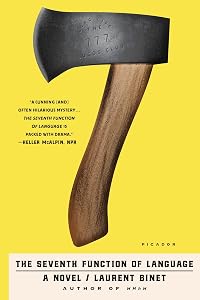
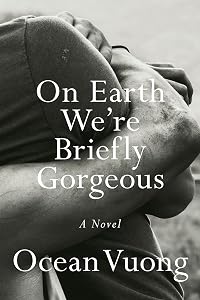







Member Recommendations
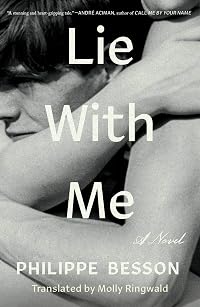
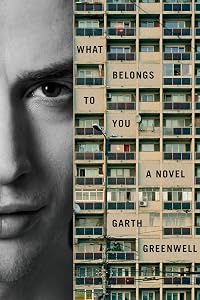
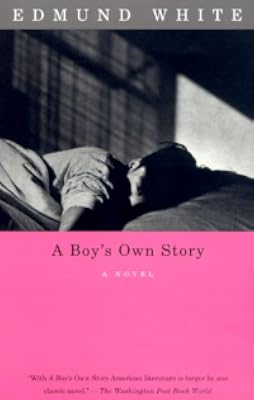
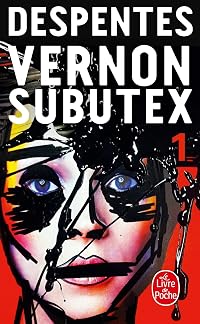
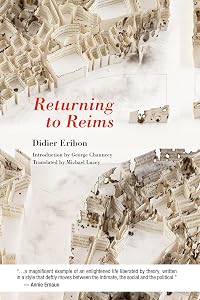
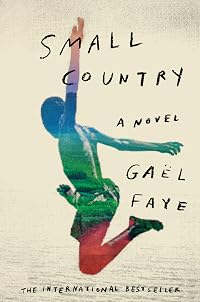
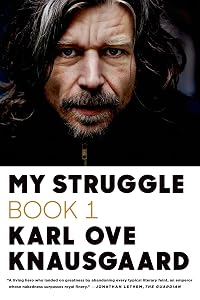
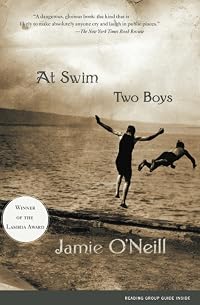
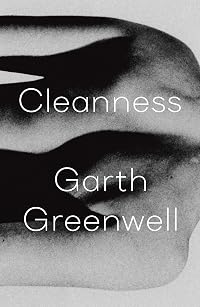
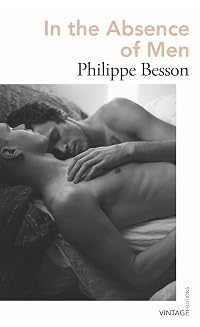
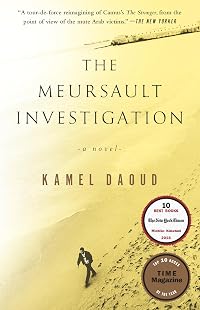
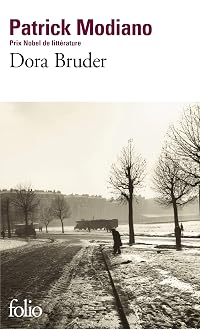
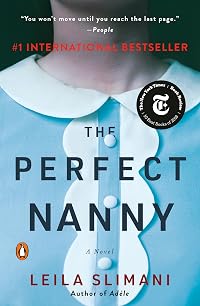
librorumamans Also autobiographical fiction about growing up gay in a hostile, lower-class environment.
Member Reviews
I read this mostly after reading and watching a lot of his interviews and finding myself gravitating to how honest he was and how he was able to describe the violence of being working-class and the invisibility that is deliberately enforced on them. So when I read this, I honestly did not read it as "a novel" since I knew it was based so much on his own life and gave up trying to make my head think of it as so.
The book is a spare and brutal telling of growing up in a poor village in northern france, and also about the masculinity that he struggled with, to live up to the socially acceptable version of masculinity that was so virile perhaps because the men there felt so disempowered and angry with their life, and the violence and show more punishment when you did not live up to this standard was so harsh. When he later entered into more bourgeois spaces, he notes how the men were more "feminine" and gentle.
"I do not know if the boys from the hallway would have referred to their own behaviour as violent. The men in the village never used that word; it wasn't one that ever crossed their lips. For a man violence was something natural, self-evident."
What struck me most was the violence that was recounted, not simply as a series of events, but as experiences felt on the body, that even in re-telling cannot ever be truly described. In fact, the body's experience of poverty, violence, homophobia and the rigid masculinity enforced on it is persistently felt throughout the book. His re-telling of what his cousin Sylvain's life was like, the domestic violence faced by women, his own violent bullying by two homophobic boys, his father's destroyed back due to work in the factory. He connected these threads together: that the violence they produced in that village was also in part due to the violence they were being subjected to, as people sacrificed to the social order.
And then there's the persistent theme of self-policing and self-consciousness. If you grow up working-class or poor, when you enter into the middle-class or bourgeois spaces, the experience of realising that so much of your body is behaving in ways that feel wrong is such an intense, private, even humiliating feeling. It's so humbling in a way that makes you even want to turn back even as you dream of running away. There were moments of this throughout the book, most starkly for me (perhaps because it's near the end) when he throws the jacket his family saved up for because it is no longer fashionable in the middle school he went to.
I thought the final chapter felt rushed which is such a shame, but for a first book, it is really quite brilliant. Here are the first lines, that say so much already:
"From my childhood I have no happy memories. I don't mean to say that I never, in all those years, felt any happiness or joy. But suffering is all-consuming: it somehow gets rid of anything that doesn't fit into its system." show less
The book is a spare and brutal telling of growing up in a poor village in northern france, and also about the masculinity that he struggled with, to live up to the socially acceptable version of masculinity that was so virile perhaps because the men there felt so disempowered and angry with their life, and the violence and show more punishment when you did not live up to this standard was so harsh. When he later entered into more bourgeois spaces, he notes how the men were more "feminine" and gentle.
"I do not know if the boys from the hallway would have referred to their own behaviour as violent. The men in the village never used that word; it wasn't one that ever crossed their lips. For a man violence was something natural, self-evident."
What struck me most was the violence that was recounted, not simply as a series of events, but as experiences felt on the body, that even in re-telling cannot ever be truly described. In fact, the body's experience of poverty, violence, homophobia and the rigid masculinity enforced on it is persistently felt throughout the book. His re-telling of what his cousin Sylvain's life was like, the domestic violence faced by women, his own violent bullying by two homophobic boys, his father's destroyed back due to work in the factory. He connected these threads together: that the violence they produced in that village was also in part due to the violence they were being subjected to, as people sacrificed to the social order.
And then there's the persistent theme of self-policing and self-consciousness. If you grow up working-class or poor, when you enter into the middle-class or bourgeois spaces, the experience of realising that so much of your body is behaving in ways that feel wrong is such an intense, private, even humiliating feeling. It's so humbling in a way that makes you even want to turn back even as you dream of running away. There were moments of this throughout the book, most starkly for me (perhaps because it's near the end) when he throws the jacket his family saved up for because it is no longer fashionable in the middle school he went to.
I thought the final chapter felt rushed which is such a shame, but for a first book, it is really quite brilliant. Here are the first lines, that say so much already:
"From my childhood I have no happy memories. I don't mean to say that I never, in all those years, felt any happiness or joy. But suffering is all-consuming: it somehow gets rid of anything that doesn't fit into its system." show less
This is a moving story about growing up gay in a small town in northern France. What struck me particularly is how easily the events described could have taken place in the north of England, or probably in any economically disadvantaged region in an industrialised country. I feel like this is autofiction, in the sense that it claims to be fiction, but I think it's basically a memoir. The first person narrator, Eddy, endures relentless homophobia, loneliness and poverty. However, the subject matter is lifted from pure misery and anger by the Eddy's charming presence. He is philosophical, humorous and playful. There is a sense that he's not just trying to tell the story of his life, but to understand it and connect it to something larger show more than himself.
The prose is lively and charming. There's a sense that the narrator is struggling to find a way the best way to tell this story and is not embarrassed about bringing the reader on that journey. I, for one, am very glad to have been invited along. show less
The prose is lively and charming. There's a sense that the narrator is struggling to find a way the best way to tell this story and is not embarrassed about bringing the reader on that journey. I, for one, am very glad to have been invited along. show less
A tough read but worthwhile, about growing up poor, gay and isolated in a blue-collar part of France. He gets that working class mindset and milieu. The bullying he experiences is harrowing and awful; his escape through education and theater is inspiring and feels true to life. I know this is a roman a clef but it is called a novel and marketed as fiction, so it's always a little confusing when it comes to how to review it. I loved it basically and plan to read it in the original French soon.
I like this book very much, not so for Eddy’s personal struggle with his gay identity but its context in one of the poorest parts of France. The grit of their (fellow villagers in Hallencourt) lives is shocking and memorable. So are their offending behavior and defeatist outlook, which however I have learned to identify with over time (their ways are the natural result of entrenched poverty vs our prejudice derived from relative comfort).
Good to know that it’s real and not completely fictional like ‘A Little Life’, which was no doubt very gripping but loses its sensation once I remind myself of the here and now.
Good to know that it’s real and not completely fictional like ‘A Little Life’, which was no doubt very gripping but loses its sensation once I remind myself of the here and now.
I enjoyed this book to a certain extent, in spite of the sometimes desperate nature of the protagonist. However, the prose is somewhat unimpressive and detached, not in a way that amplifies the emotion. I liked how Louis blended social science and fiction, but even though he used it very skillfully, too often the social science prevented the fiction and characters from coming to life. Hopefully, his skill will have improved for his upcoming second novel.
I really enjoyed this book, that tells the story of how incredibly difficult circumstances sometimes make it for a young person to make the transition from childhood to adulthood, and how just a tiny bit of luck can make it possible in spite of those circumstances.
It is all the more astonishing that this is the author's debut book. I hope to read more from him.
It is all the more astonishing that this is the author's debut book. I hope to read more from him.
This is a mixed bag of a book. Eddy Bellegueule is a gay, gender-queer child growing up in a Picardy village where masculinity and violence are the expected performative behaviors for boys. He can't do it no matter how hard he tries, and he's punished at home and at school for his departures from the norm. It's a familiar tale of gay adolescence in some ways, but it's also a departure in its style and its affect.
This novel is part of the new trend in autofiction and straddles the line between memoir and fiction. I'm glad it is classified as a novel, because as a result I didn't have to think about whether it was "true" or not and I could concentrate on the characters as presented on the page. Louis has love and sympathy for his family, show more the girls and women he unsuccessfully tries to partner with, and even some of his tormentors, and even though he is unsparing in recording the violence of his male relatives, his father and brother in particular, they aren't just stereotypes or reaffirmations of bourgeois perspectives. Sometimes, as in the story featuring Sylvain, the prose is shatteringly effective.
But most of the time the prose is flat and distancing, and not in a way that heightens the effect of the emotion. I appreciated the way that Louis combines social science and fiction, but too often the social science kept the characters and fiction from coming alive, even though it was deployed extremely well. Here's hoping his craft has improved in his forthcoming second novel.
P.S. I looked at the original French version and it seems to be fairly literally translated, so I don't think it's a translation issue but rather a faithful rendering of the original style. show less
This novel is part of the new trend in autofiction and straddles the line between memoir and fiction. I'm glad it is classified as a novel, because as a result I didn't have to think about whether it was "true" or not and I could concentrate on the characters as presented on the page. Louis has love and sympathy for his family, show more the girls and women he unsuccessfully tries to partner with, and even some of his tormentors, and even though he is unsparing in recording the violence of his male relatives, his father and brother in particular, they aren't just stereotypes or reaffirmations of bourgeois perspectives. Sometimes, as in the story featuring Sylvain, the prose is shatteringly effective.
But most of the time the prose is flat and distancing, and not in a way that heightens the effect of the emotion. I appreciated the way that Louis combines social science and fiction, but too often the social science kept the characters and fiction from coming alive, even though it was deployed extremely well. Here's hoping his craft has improved in his forthcoming second novel.
P.S. I looked at the original French version and it seems to be fairly literally translated, so I don't think it's a translation issue but rather a faithful rendering of the original style. show less
Members
- Recently Added By
Lists

2018 Tournament of Books
18 works; 12 members

Books featuring alcoholics
103 works; 17 members

Dysfunctional Families
133 works; 7 members

Fiction about the Working Class
74 works; 10 members

Books Read in 2017
4,249 works; 130 members

Review 3
41 works; 1 member

Books Read in 2019
4,052 works; 108 members

Childhood: Books for or about children in different cultures around the wor
345 works; 18 members

Class mobility in fiction
18 works; 1 member

Not the NYT list of top 100 21st century books
100 works; 6 members

Books in English
14 works; 1 member
Author Information

16+ Works 2,662 Members
Some Editions
Awards and Honors
Awards
Distinctions
Notable Lists
Series
Belongs to Publisher Series
Common Knowledge
- Canonical title
- The End of Eddy
- Original title
- En finir avec Eddy Bellegueule
- Original publication date
- 2014
- People/Characters
- Eddy Bellegueule
- Epigraph
- For the first time my name said out loud names nothing.
- Marguerite Duras, The Ravishing of Lol V. Stein - Dedication
- For Didier Eribon
- First words
- Aan mijn kinderjaren bewaar ik geen enkele goede herinnering.
From my childhood I have no happy memories. - Last words*
- (Click to show. Warning: May contain spoilers.)De anderen moeten erom lachen. Ik ook.
- Original language
- French
*Some information comes from Common Knowledge in other languages. Click "Edit" for more information.
Classifications
Statistics
- Members
- 1,087
- Popularity
- 23,641
- Reviews
- 34
- Rating
- (3.73)
- Languages
- 18 — Catalan, Czech, Danish, Dutch, English, Finnish, French, German, Hebrew, Italian, Norwegian (Bokmål), Norwegian, Polish, Portuguese, Serbian, Spanish, Swedish, Turkish
- Media
- Paper, Audiobook, Ebook
- ISBNs
- 55
- ASINs
- 13