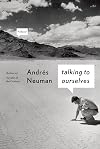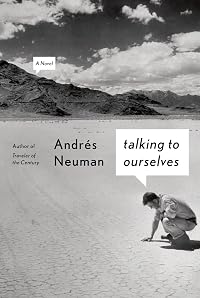
Talking to Ourselves
by Andrés Neuman
On This Page
Description
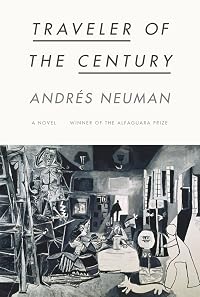
A searing family drama from one of Latin America's most original voicesOne trip. Two love stories. Three voices.Lito is ten years old and is almost sure he can change the weather when he concentrates very hard. His father, Mario, anxious to create a memory that will last for his son's lifetime, takes him on a road trip in a truck called Pedro. But Lito doesn't know that this might be their last trip: Mario is gravely ill. Together, father and son embark on a journey takes them through show more strange geographies that seem to meld the different parts of the Spanish-speaking world. In the meantime, Lito's mother, Elena, restlessly seeks support in books, and soon undertakes an adventure of her own that will challenge her moral limits. Each narrative of father, son, and mother embodies one of the different ways that we talk to ourselves: through speech, through thought, and through writing. While neither of them dares to tell the complete truth to the other two, their individual voices nonetheless form a poignant conversation.Sooner or later, we all face loss. Andres Neuman movingly narrates the ways the lives of those who survive loss are transformed; how that experience changes our ideas about time, memory, and our own bodies; and how the acts of reading, and of sex, can serve as powerful modes of resistance. Talking to Ourselves presents a tender yet unsentimental portrait of the workings of love and family; a reflection both on grief and on the consolation of words. Neuman, the author of the award-winning Traveler of the Century, displays his characteristic warmth, bittersweet humor, and wide-ranging intellect, giving us the rich, textured, and strikingly different voices and experiences of three singular characters while presenting, above all, a profound tribute to those who have ever had to care for a loved one." show lessTags
Recommendations

















Member Reviews
I was impressed with the mastery the author had over the voices of the three characters who tell the story in this small but profound novel. As the title suggests, the story is told by each of the characters in turn through a narrative of what they are telling themselves. This is accomplished through successive chapters devoted to each of the characters.
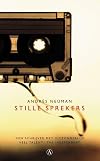
The father, Mario is dying of cancer. His decision to share a last few meaningful days with his 10-year-son Lito, results in a road trip in his brother’s truck. His wife Elena remains at home, seeking solace in books. Elena keeps a journal of her life, Mario records his thoughts on a series of tapes to leave for his son, and the son Lito, unaware of his father’s true illness, show more recounts the road trip in glorious detail. Lito’s humorous observations sounded very true to me with references to video games and dreams of riding in convertibles. They demonstrate the skill of the author as he lightens the darker material and provides a vivid sense of a 10-year-old’s voice and preoccupations.
In an attempt to make sense of her husband's impending death and her own turbulent emotions, Elena devours books and notes quotations from the authors she reads. These include John Banville, Roberto Bolaño, Javíer Marias and Virginia Woolf. In On Being Ill, Woolf declares “let a sufferer try to describe a pain in his head to a doctor and language at once runs dry”. Woolf’s question, why “illness has not taken its place with love and battle and jealousy among the prime themes of literature,” is just as relevant today.
After entering an intense sexual relationship with her husband’s doctor, Elena experiences shame and guilt but cannot stop herself. As Neuman suggests, grief has its own, often impenetrable, logic. When Mario is finally hospitalized Elena remarks “[p]ity has its own way of destroying”. She contemplates the horror of having lost all desire for Mario, feeling disgust, and yet still loving him: “He has shadows under his eyes, drawn features, no belly. There is a paleness about him that doesn't seem to come from a lack of sunshine, but from somewhere deeper. A sort of white glow beneath the skin. There, between his ribs.”
The multitude of emotions experienced on the death of a loved one are difficult if not impossible to describe. The right words seldom come to you and the result is a form of emotional isolation. The feelings consume you suddenly--on a moments notice.
I was drawn to this novel by Andrés Neuman because I enjoyed his previous award-winning Traveller of the Century. Talking to Ourselves, while a miniature by comparison, is articulate and profound, providing a meditation on illness, death and bereavement. It suggests ways that one may use literature to confront and understand mortality. As a reader I enjoyed it as much as his first novel and look forward to more from his pen. show less
The father, Mario is dying of cancer. His decision to share a last few meaningful days with his 10-year-son Lito, results in a road trip in his brother’s truck. His wife Elena remains at home, seeking solace in books. Elena keeps a journal of her life, Mario records his thoughts on a series of tapes to leave for his son, and the son Lito, unaware of his father’s true illness, show more recounts the road trip in glorious detail. Lito’s humorous observations sounded very true to me with references to video games and dreams of riding in convertibles. They demonstrate the skill of the author as he lightens the darker material and provides a vivid sense of a 10-year-old’s voice and preoccupations.
In an attempt to make sense of her husband's impending death and her own turbulent emotions, Elena devours books and notes quotations from the authors she reads. These include John Banville, Roberto Bolaño, Javíer Marias and Virginia Woolf. In On Being Ill, Woolf declares “let a sufferer try to describe a pain in his head to a doctor and language at once runs dry”. Woolf’s question, why “illness has not taken its place with love and battle and jealousy among the prime themes of literature,” is just as relevant today.
After entering an intense sexual relationship with her husband’s doctor, Elena experiences shame and guilt but cannot stop herself. As Neuman suggests, grief has its own, often impenetrable, logic. When Mario is finally hospitalized Elena remarks “[p]ity has its own way of destroying”. She contemplates the horror of having lost all desire for Mario, feeling disgust, and yet still loving him: “He has shadows under his eyes, drawn features, no belly. There is a paleness about him that doesn't seem to come from a lack of sunshine, but from somewhere deeper. A sort of white glow beneath the skin. There, between his ribs.”
The multitude of emotions experienced on the death of a loved one are difficult if not impossible to describe. The right words seldom come to you and the result is a form of emotional isolation. The feelings consume you suddenly--on a moments notice.
I was drawn to this novel by Andrés Neuman because I enjoyed his previous award-winning Traveller of the Century. Talking to Ourselves, while a miniature by comparison, is articulate and profound, providing a meditation on illness, death and bereavement. It suggests ways that one may use literature to confront and understand mortality. As a reader I enjoyed it as much as his first novel and look forward to more from his pen. show less
Neuman, Andrés (2012). Parlare da soli (trad. Silvia Sichel). Firenze: Ponte alle Grazie. 2012. ISBN 9788862208130. Pagine 197. 9,99 €
Vorrei sgombrare subito il campo da ogni possibile equivoco: stiamo parlando di un romanzo molto triste. La trama – se possiamo chiamarla così – è di una semplicità disarmante: Mario è molto malato e gli resta poco da vivere; il figlio Lito ha appena compiuto 10 anni; fanno insieme un viaggio in camion, un modo di stare insieme; la moglie, Elena, resta a casa.
Quello che è particolare di questo romanzo, dal punto di vista tecnico, è che i 3 protagonisti parlano da soli, a capitoli alterni (per quelli più pedanti di me: sì, l’ho controllato sul Vocabolario Treccani, lo si può dire anche se show more ad avvicendarsi sono in tre, e non soltanto in due, nonostante l’etimologia). Tre voci differenti, tre monologhi interiori, che vanno a formare una storia che le singole voci prima delineano e poi arricchiscono e completano.
E infatti, quello che ho trovato speciale in questo romanzo, pure così triste, è che nella vita di persone che si amano, anche se imperfettamente come si amano queste tre persone e come anche noi nelle nostre quotidiane esperienze ci amiamo (imperfettamente nella migliore delle ipotesi, perché nella peggiore non ci amiamo per niente), la diversità delle prospettive e dei punti di vista arricchisce e completa. E, se ci pensate, è per questo che in molti casi non stiamo da soli, ma costruiamo un nucleo in cui ci specchiamo e ci confrontiamo. Questo, secondo me, è quello che c’è di naturale nella famiglia come nucleo delle società umane, non una composizione standard sancita da qualche autorità superiore. La vita di queste tre persone (e il romanzo che ce la racconta) si dispiega così, nel contrappunto delle voci anche nella drammaticità e nella rassegnata tristezza di una storia come questa, in cui l’amore (imperfetto) finisce per la più irrimediabile delle ragioni, la morte di uno dei protagonisti.
Ed è il modo di raccontare di questo giovane scrittore argentino (posso chiamare giovane uno scrittore nato nel 1977? o sono io che invecchiando sposto l’asticella?) che rende questo romanzo veramente speciale, perché la storia – le dinamiche tra padre, madre e figlio – è quasi un luogo comune narratologico, da In viaggio con Pippo all’Ulysses di Joyce.
A parte gli scherzi, questo è un libro serissimo e molto bello. Vi consiglio vivamente di leggerlo (magari non in una grigia giornata di pioggia).
Prima di lasciare la parola a Neuman, vorrei segnalare l’uso che Elena, che è un’insegnante, fa delle letture che punteggiano le sue giornate, sottolineando dei brani e commentandoli con la sua voce, riportandoli alla sua vita e alle sue sensazioni di quel momento:
«La malattia, come la scrittura, ci viene imposta», sottolineo nel diario [di Juan Gracia Armendáriz]. «Perciò gli scrittori si sentono a disagio quando li si interroga circa la loro condizione», a noi professori, in un certo senso, capita il contrario, sembra sempre che sventoliamo il nostro ruolo come una bandiera, viviamo in un’aula. Immagino sia così anche per i medici, anzi ben peggio: per gli altri, sono sempre e soprattutto medici. «Però, se si domanda loro quali siano le tecniche preferite, o gli scrittori che amano di più, non smetteranno di parlare, proprio come gli ammalati che diventano particolarmente loquaci quando mostriamo interesse per i loro acciacchi», la differenza sarebbe che gli scrittori non possono evitare di parlare di ciò che li salva, mentre i malati non possono evitare di parlare di ciò che più odiano. [159]
Naturalmente non è tanto un vezzo di Elena, quanto una tecnica che Neuman usa per dare spessore alla dimensione filosofica del suo racconto e per aggiungere (molte) altre voci alle tre principali. E curiosamente (curiosamente almeno per me, cui è capitato di leggere fortuitamente questo romanzo a ridosso di Inventario sentimentale) è l’esatto opposto di quello che fa Giacomo Papi, che invece i riferimenti non li dissimula, ma li pone sotto i riflettori. E però sono del tutto inventati.
* * *
Qualche piccolo assaggio, per farvi capire come Neuman sia capace di far parlare le sue tre voci (consueti riferimenti alla posizione Kindle):
A volte ho la sensazione che i medici non ci parlino per farci capire cosa sta succedendo, ma perché impieghiamo ancora di più a capirlo. Nel frattempo, se si è fortunati, si guarisce dalla malattia. E, se non si guarisce, il medico almeno si sarà risparmiato la bega di anticipare gli eventi. [171: questa è Elena]
Il tappeto puzza di sigaretta. Ha dei buchi più grandi dei miei piedi. Ci si potrebbe giocare al minigolf [726: questo è Lito]
Il futuro: non la sua previsione, ma la semplice possibilità che esista. È questo che la malattia uccide, ancor prima di uccidere il malato. [726: questo è Mario]
L’amore non può entrare in noi che siamo disabitate. [948]
«L’immagine che costruisce Mallarmé parla della malattia come rassegnazione a vivere. E per evitare lo sfacelo gli oppone invano la lettura e il sesso». [996]
Quando muore una persona con cui sei andata a letto, cominci a dubitare del suo corpo e del tuo. Il corpo che avevi toccato si allontana dall’ipotesi di un nuovo incontro, diventa inverificabile, forse non è nemmeno esistito. Il tuo corpo stesso perde materialità. [1344]
L’amore fraterno è un legame sconcertante. In un secondo, può trasportarci dal più bieco distacco a una totale identificazione, e viceversa. [1667] show less
Vorrei sgombrare subito il campo da ogni possibile equivoco: stiamo parlando di un romanzo molto triste. La trama – se possiamo chiamarla così – è di una semplicità disarmante: Mario è molto malato e gli resta poco da vivere; il figlio Lito ha appena compiuto 10 anni; fanno insieme un viaggio in camion, un modo di stare insieme; la moglie, Elena, resta a casa.
Quello che è particolare di questo romanzo, dal punto di vista tecnico, è che i 3 protagonisti parlano da soli, a capitoli alterni (per quelli più pedanti di me: sì, l’ho controllato sul Vocabolario Treccani, lo si può dire anche se show more ad avvicendarsi sono in tre, e non soltanto in due, nonostante l’etimologia). Tre voci differenti, tre monologhi interiori, che vanno a formare una storia che le singole voci prima delineano e poi arricchiscono e completano.
E infatti, quello che ho trovato speciale in questo romanzo, pure così triste, è che nella vita di persone che si amano, anche se imperfettamente come si amano queste tre persone e come anche noi nelle nostre quotidiane esperienze ci amiamo (imperfettamente nella migliore delle ipotesi, perché nella peggiore non ci amiamo per niente), la diversità delle prospettive e dei punti di vista arricchisce e completa. E, se ci pensate, è per questo che in molti casi non stiamo da soli, ma costruiamo un nucleo in cui ci specchiamo e ci confrontiamo. Questo, secondo me, è quello che c’è di naturale nella famiglia come nucleo delle società umane, non una composizione standard sancita da qualche autorità superiore. La vita di queste tre persone (e il romanzo che ce la racconta) si dispiega così, nel contrappunto delle voci anche nella drammaticità e nella rassegnata tristezza di una storia come questa, in cui l’amore (imperfetto) finisce per la più irrimediabile delle ragioni, la morte di uno dei protagonisti.
Ed è il modo di raccontare di questo giovane scrittore argentino (posso chiamare giovane uno scrittore nato nel 1977? o sono io che invecchiando sposto l’asticella?) che rende questo romanzo veramente speciale, perché la storia – le dinamiche tra padre, madre e figlio – è quasi un luogo comune narratologico, da In viaggio con Pippo all’Ulysses di Joyce.
A parte gli scherzi, questo è un libro serissimo e molto bello. Vi consiglio vivamente di leggerlo (magari non in una grigia giornata di pioggia).
Prima di lasciare la parola a Neuman, vorrei segnalare l’uso che Elena, che è un’insegnante, fa delle letture che punteggiano le sue giornate, sottolineando dei brani e commentandoli con la sua voce, riportandoli alla sua vita e alle sue sensazioni di quel momento:
«La malattia, come la scrittura, ci viene imposta», sottolineo nel diario [di Juan Gracia Armendáriz]. «Perciò gli scrittori si sentono a disagio quando li si interroga circa la loro condizione», a noi professori, in un certo senso, capita il contrario, sembra sempre che sventoliamo il nostro ruolo come una bandiera, viviamo in un’aula. Immagino sia così anche per i medici, anzi ben peggio: per gli altri, sono sempre e soprattutto medici. «Però, se si domanda loro quali siano le tecniche preferite, o gli scrittori che amano di più, non smetteranno di parlare, proprio come gli ammalati che diventano particolarmente loquaci quando mostriamo interesse per i loro acciacchi», la differenza sarebbe che gli scrittori non possono evitare di parlare di ciò che li salva, mentre i malati non possono evitare di parlare di ciò che più odiano. [159]
Naturalmente non è tanto un vezzo di Elena, quanto una tecnica che Neuman usa per dare spessore alla dimensione filosofica del suo racconto e per aggiungere (molte) altre voci alle tre principali. E curiosamente (curiosamente almeno per me, cui è capitato di leggere fortuitamente questo romanzo a ridosso di Inventario sentimentale) è l’esatto opposto di quello che fa Giacomo Papi, che invece i riferimenti non li dissimula, ma li pone sotto i riflettori. E però sono del tutto inventati.
* * *
Qualche piccolo assaggio, per farvi capire come Neuman sia capace di far parlare le sue tre voci (consueti riferimenti alla posizione Kindle):
A volte ho la sensazione che i medici non ci parlino per farci capire cosa sta succedendo, ma perché impieghiamo ancora di più a capirlo. Nel frattempo, se si è fortunati, si guarisce dalla malattia. E, se non si guarisce, il medico almeno si sarà risparmiato la bega di anticipare gli eventi. [171: questa è Elena]
Il tappeto puzza di sigaretta. Ha dei buchi più grandi dei miei piedi. Ci si potrebbe giocare al minigolf [726: questo è Lito]
Il futuro: non la sua previsione, ma la semplice possibilità che esista. È questo che la malattia uccide, ancor prima di uccidere il malato. [726: questo è Mario]
L’amore non può entrare in noi che siamo disabitate. [948]
«L’immagine che costruisce Mallarmé parla della malattia come rassegnazione a vivere. E per evitare lo sfacelo gli oppone invano la lettura e il sesso». [996]
Quando muore una persona con cui sei andata a letto, cominci a dubitare del suo corpo e del tuo. Il corpo che avevi toccato si allontana dall’ipotesi di un nuovo incontro, diventa inverificabile, forse non è nemmeno esistito. Il tuo corpo stesso perde materialità. [1344]
L’amore fraterno è un legame sconcertante. In un secondo, può trasportarci dal più bieco distacco a una totale identificazione, e viceversa. [1667] show less
I had high hopes for this after delighting in 'Traveller of the Century', but my, what a let down. At times the story works well but at the heart of it all there's so little that happens and yet so much that is *thought* about that I struggled towards the end. When one of the characters is drawn to the irony of the name 'living room' because they've just lost somebody, you know that the game is up.
Solid 3.5. By no means bad, but not unforgettably amazing either. I thought this was overall well written and very touching. However, I think Elena's character was a little unbearable to read at times. I'd go into detail about why but I don't know how to mark that a review contains spoilers with the app.
At 150 pages, you really can't go wrong picking this up. It's a quick read and well worth your time.
At 150 pages, you really can't go wrong picking this up. It's a quick read and well worth your time.
I loved this book by a young, up and coming Spanish novelist. I praticularly like the writing. There are three characters, Lena, the mother, Mario the father, and Lito the ten year old son. The chapters alternate with the voices of each and each has a wonderful voice. Most takes place in the head of each, a style i find appealing. I recommend this novel with no equivocation.
Three Narrators... Three Ways of Experiencing Life... One Family...
Beautifully composed...
One of those books you will remember for the way the text makes you feel...
A Great Read...
Beautifully composed...
One of those books you will remember for the way the text makes you feel...
A Great Read...
Each chapter written from the point of view of a different character. Young son enjoys time with his father and doesn't know that the father is dying. Father hoping for the best for his son. Wife/mother a minor character.
Members
- Recently Added By
Lists

Dublin Literary Award Longlist 2016
148 works; 4 members

Literature in Translation
113 works; 5 members
Author Information

75+ Works 1,345 Members
Some Editions
Awards and Honors
Common Knowledge
- Canonical title
- Talking to Ourselves
- Original title
- Hablar solos
- Original language
- Spanish
Classifications
Statistics
- Members
- 171
- Popularity
- 191,992
- Reviews
- 8
- Rating
- (3.72)
- Languages
- 6 — Dutch, English, French, Italian, Portuguese, Spanish
- Media
- Paper, Ebook
- ISBNs
- 21
- UPCs
- 1
- ASINs
- 7