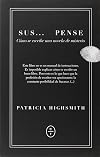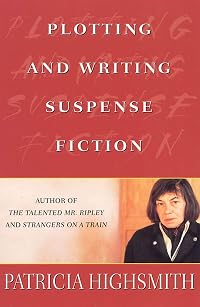
Plotting and Writing Suspense Fiction
by Patricia Highsmith
On This Page
Description
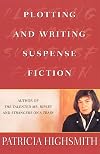
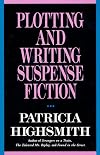
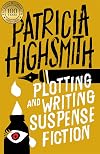
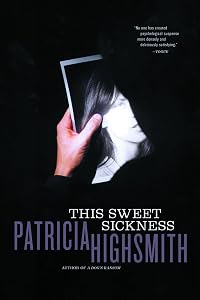
Named by The Times as the all-time number one crime writer, Patricia Highsmith was an author who broke new ground and defied genre cliches with novels such as The Talented Mr Ripley and Strangers on a Train. In the classic creative writing guide Plotting and Writing Suspense Fiction, Highsmith reveals her secrets for producing world-class crime and thrillers, from imaginative tips for generating ideas to useful ways of turning them into stunning stories.Tags
Recommendations

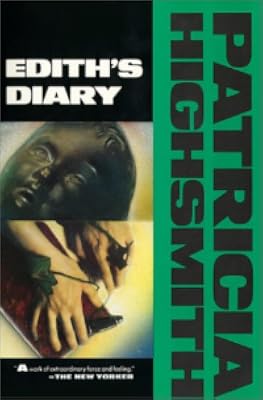
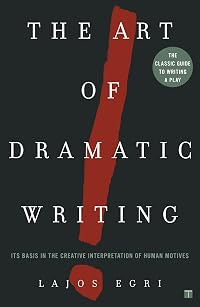
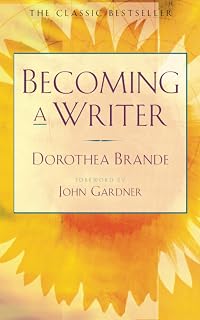

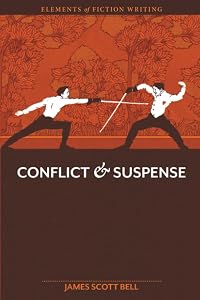


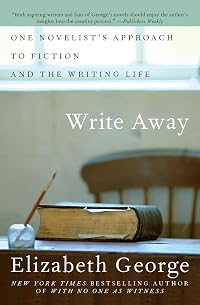
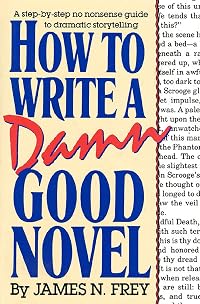
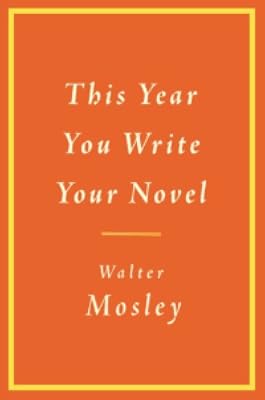
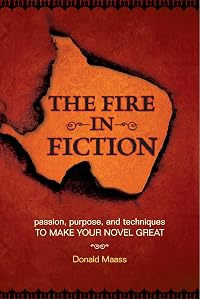

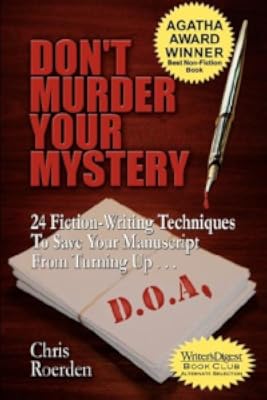
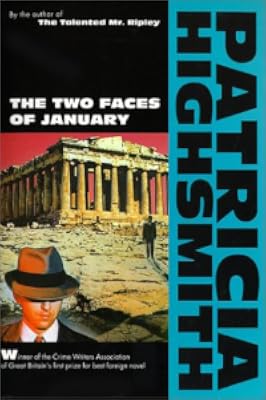
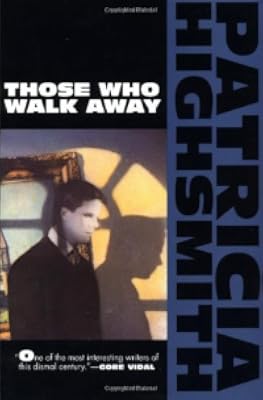
Member Recommendations
by anonymous user
by anonymous user
Member Reviews
One of the best books I've ever read about the creative process of writing short stories, novels, and journals for noting useful ideas. This is also probably the worst book title ever devised. Highsmith is an accomplished writer. Having produced a series of Ripley-character based novels she offers examples from her own work as how she made revision changes to improve the work. I have only read A Game for the Living & A Dog's Ransom. Each was excellent. Usually an author will sprinkle aspects of the creative process throughout their works as a bonus to the dedicated reader about the preparation a publisher uses to bring an author to print. Highsmith puts it all into one book of 11 chapters. Basically Highsmith says that an author has to show more have a personality which is known to themselves as distinctive. This personality makes itself the driving force for the characters and their actions without revealing the author per se. I am always fascinated with how an original literary work originates and is made available to readers. Homer and Plato had oral traditions to precede them but with writing came the opportunity to revise written products. Highsmith says that suspense fiction, which she writes, is different from horror fiction which Stephen King is usually classified as. Her opinion is that suspense fiction has fuller character development with violence and death while horror fiction depends more on action and less so character development. In the few Kings books I've read King seems to try to overcome this characterization by making his books longer to engage the reader with the characters more easily. King may have taken this observation to heart as Highsmith wrote this in 1983. King has his own work on writing books titled, On Writing. Highsmith gives the reader feelings of foreboding similar to Dostoevsky and Kierkegaard. Highsmith reveals some unpleasant truths about herself. That she doesn't find other writers personally engaging, she reads a lot, and she admires a few fellow author whom she studies to improve her own writing e.g., Graham Greene, Thomas Mann, Baudelaire, and Henry James. Highsmith broaches the old topic of whether (fiction) books are moral in themselves. This goes back to Plato's Republic. Highsmith says that people prefer happy resolutions within fiction but they would accept a bad person or murder-hero if the character is likable. Highsmith says that her Ripley is this type of character. The reader does not have to respect Ripley but they identify with him through his likability. show less
In this short little book, Highsmith has a chat with you about plotting and writing suspense, whilst pulling apart her own work. It is that last part the pulling apart of her own writing where you gain insight and knowledge about her approach. How she develops an idea, how she knows that something is not going to work and how she knows when to push on through.
This a great book and really does enhance your admiration for Highsmith's ability.
This a great book and really does enhance your admiration for Highsmith's ability.
Patricia Highsmith wrote some fantastic novels, and also this volume, examining the craft of fiction writing. Unlike many other guides to writing, Highsmith concentrates on showing the would-be writer something of her own process, from the generation of ideas to the completion of a fully-realised final draft. She discusses the pitfalls and problems that writers face, and while this is not a how-to guide as such, it is extremely valuable, and should be read by anyone with an interest in developing their writing skills.
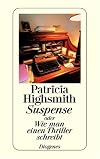
Wie man einen Thriller schreibt wer wüsste das besser als die Meisterin des subtilen Terrors und der Banalität des alltäglichen Schreckens? Patricia Highsmith lässt sich über die Schulter schauen, sie hat ein Werkstattbuch geschrieben für alle, die selbst schreiben oder nur wissen wollen, warum sie vom Werk dieser Autorin so gefesselt sind.
This is a wonderful book. Some readers may be disappointed that it is not a "how-to write a book" story, i.e. a paint by number approach to writing. It takes a broad brush approach to writing a book, from the point of view f a successful writer. In addition to that a reader will get insight into Highsmith's writings. A readable and entertaining volume.
The author who gave us Strangers on a Train and Mr. Ripley offers sound writing advice on creating suspenseful stories and novels.
Original: Plotting and Writing Suspense Fiction
Members
- Recently Added By
Author Information

302+ Works 33,017 Members
Patricia Highsmith wrote twenty-one novels including "Strangers on a Train" & the "Ripley" series. She died in 1995 in Switzerland, where she resided much of her life. (Publisher Provided) Patricia Highsmith (January 19, 1921 -- February 4, 1995) was an American novelist and short story writer, most widely known for her psychological thrillers, show more which led to more than two dozen film adaptations. She was born in Fort Worth, Texas. Highsmith grew up with her maternal grandmother in Astoria, Queens, and attended Barnard College. Her first novel, Strangers on a Train (1950), was adapted for stage and screen numerous times, notably by Alfred Hitchcock in 1951. In addition to her acclaimed series about murderer Tom Ripley, which was made into a film in 1955, she wrote many short stories, often macabre, satirical or tinged with black humor. Highsmith liked to examine the ways in which people can get to the point where they are capable of murder, as well as who they become after they have committed a crime. In carefully constructed stories and novels, she integrated this scrutiny of the human psyche into complex plots that often took unexpected twists. In Strangers on a Train, architect Guy Haines meets Charles Bruno on a train. Bruno conceives a plan to have Haines kill Bruno's father, while Bruno will kill Haines's wife. The effect that this plan has on Haines is the focus of the story. Highsmith's awards include: O. Henry Award for best publication of first story, for "The Heroine" in Harper's Bazaar (1946), Grand Prix de Littérature Policière, for The Talented Mr. Ripley (1957), and the Dagger Award -- Category Best Foreign Novel, for The Two Faces of January from the Crime Writers' Association of Great Britain (1964). Highsmith died of aplastic anemia and cancer in Locarno, Switzerland, at age 74. Her last novel, Small G: A Summer Idyll, was published one month after her death in 1995. (Bowker Author Biography) show less
Common Knowledge
- Original title
- Plotting and Writing Suspense Fiction
- Original publication date
- 1966
- First words
- The first person you should think of pleasing, in writing a book, is yourself.
Classifications
- DDC/MDS
- 808.3872 — Literature & rhetoric Literature, rhetoric & criticism Rhetoric and collections of literary texts from more than two literatures Rhetoric of fiction Genre writing Mysteries, horror, westerns, science fiction and fantasy Writing mysteries
- LCC
- PN3355 .H52 — Language and Literature Literature (General) Literature (General) Prose. Prose fiction Technique. Authorship
- BISAC
Statistics
- Members
- 429
- Popularity
- 72,015
- Reviews
- 9
- Rating
- (3.65)
- Languages
- 7 — Catalan, English, French, German, Italian, Portuguese, Spanish
- Media
- Paper, Ebook
- ISBNs
- 27
- ASINs
- 5