On This Page
Description
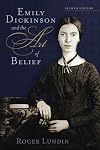
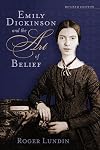
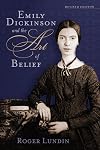
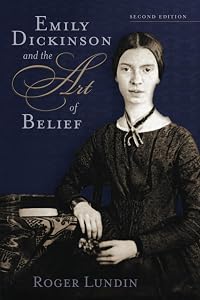
Garnering awards from Choice, Christianity Today, Books & Culture, and the Conference on Christianity and Literature when first published in 1998, Roger Lundin's Emily Dickinson and the Art of Belief has been widely recognized as one of the finest biographies of the great American poet Emily Dickinson. Paying special attention to her experience of faith, Lundin skillfully relates Dickinson's life -- as it can be charted through her poems and letters -- to nineteenth-century American show more political, social, religious, and intellectual history. This second edition of Lundin's superb work includes a standard bibliography, expanded notes, and a more extensive discussion of Dickinson's poetry than the first edition contained. Besides examining Dickinson's singular life and work in greater depth, Lundin has also keyed all poem citations to the recently updated standard edition of Dickinson's poetry. Already outstanding, Lundin's biography of Emily Dickinson is now even better than before. show lessTags
Recommendations












Member Reviews
Summary: A biography of Dickinson focused on her life and faith drawing upon poetry and letters.
I would describe Emily Dickinson as a “beloved enigma.” Her poetry is among the most loved of American poetry, celebrated for her unusual phrasing and keen insight. That is all the more the case considering that she lived the last three decades of her life as a virtual recluse and with only a few exceptions, refused publication of her work during her lifetime.
Roger Lundin’s biography explores that reclusive behavior without explaining it, apart from the poet’s choice. What is more significant, is that he explores her religious faith. Her life was lived in the intersection of a Calvinist-Puritan New England upbringing and the rise of show more enlightenment romanticism. Lundin writes of her father’s reading of serious books on sabbaths and Emily’s sense of the distance of God the Father while identifying more closely with Christ. She never entered into church membership, eventually ceasing to attend her parent’s church. While others went down the path of Unitarianism, she remained a Trinitarian, and had some sense of Christ giving away his life for us. And she grieved the loss of those close to her in her last years but clearly believed in an afterlife. Challenged by skepticism, she never gave way to it.
The closest Lundin gets to Dickinson’s inner turn is to explore the idea of her inner Preceptor. For Dickinson, her inner life, her perception of the world was of far greater interest than externals. This “romantic isolation of the self” was so powerful that it led to avoiding social contact outside her home for the last thirty years, apart from treatments for her eyes in Boston. It explains her decision to not publish, forgoing all the literary contacts this would necessitate.
This, however did not mean complete isolation. She and her sister Lavinia were close and, together they cared for her parents, in whose home Emily lived. She had a more difficult relationship with Sue, her brother Austin’s wife. Eventually, the social center of the Dickinson family shifted to their house, and Sue and Emily became more distant. Her rare visitors talked to her from a hallway near her room, separated by a partially open door. She was steeped in books, and missed her Shakespeare when forbidden to read due to an eye condition. And she carried on a significant correspondence, particularly with Thomas Wentworth Higginson, who was her frankest critic and eventually, a friend. He shared in editing the earliest posthumous edition of her work.
Lundin traces the chronology of her work, including her explosion of writing between 1858 and 1865. Then her production tailed off, particularly as affliction struck down members of her family and close friends, and finally Emily herself. She died at 58 of Bright’s disease, a kidney disease, passing into her “Rendezvous of Light.’
A feature of this work is that Lundin quotes frequently from her poems. By doing so, her underscores her perceptions of her inner world and the world beyond. And other quotes articulate her own surviving faith. He also uses her correspondence as well as the spiritual and intellectual backdrop of her life in Amherst to sketch her life and the influences that formed her.
The revised edition of this book (which I did not have access to) includes a standard bibliography, expanded notes, and more discussion of her poetry, something I would have liked to see in the first edition. The revision “has also keyed all poem citations to the recently updated standard edition of Dickinson’s poetry.” These enhance what was already an important biography of this quintessentially American poet. show less
I would describe Emily Dickinson as a “beloved enigma.” Her poetry is among the most loved of American poetry, celebrated for her unusual phrasing and keen insight. That is all the more the case considering that she lived the last three decades of her life as a virtual recluse and with only a few exceptions, refused publication of her work during her lifetime.
Roger Lundin’s biography explores that reclusive behavior without explaining it, apart from the poet’s choice. What is more significant, is that he explores her religious faith. Her life was lived in the intersection of a Calvinist-Puritan New England upbringing and the rise of show more enlightenment romanticism. Lundin writes of her father’s reading of serious books on sabbaths and Emily’s sense of the distance of God the Father while identifying more closely with Christ. She never entered into church membership, eventually ceasing to attend her parent’s church. While others went down the path of Unitarianism, she remained a Trinitarian, and had some sense of Christ giving away his life for us. And she grieved the loss of those close to her in her last years but clearly believed in an afterlife. Challenged by skepticism, she never gave way to it.
The closest Lundin gets to Dickinson’s inner turn is to explore the idea of her inner Preceptor. For Dickinson, her inner life, her perception of the world was of far greater interest than externals. This “romantic isolation of the self” was so powerful that it led to avoiding social contact outside her home for the last thirty years, apart from treatments for her eyes in Boston. It explains her decision to not publish, forgoing all the literary contacts this would necessitate.
This, however did not mean complete isolation. She and her sister Lavinia were close and, together they cared for her parents, in whose home Emily lived. She had a more difficult relationship with Sue, her brother Austin’s wife. Eventually, the social center of the Dickinson family shifted to their house, and Sue and Emily became more distant. Her rare visitors talked to her from a hallway near her room, separated by a partially open door. She was steeped in books, and missed her Shakespeare when forbidden to read due to an eye condition. And she carried on a significant correspondence, particularly with Thomas Wentworth Higginson, who was her frankest critic and eventually, a friend. He shared in editing the earliest posthumous edition of her work.
Lundin traces the chronology of her work, including her explosion of writing between 1858 and 1865. Then her production tailed off, particularly as affliction struck down members of her family and close friends, and finally Emily herself. She died at 58 of Bright’s disease, a kidney disease, passing into her “Rendezvous of Light.’
A feature of this work is that Lundin quotes frequently from her poems. By doing so, her underscores her perceptions of her inner world and the world beyond. And other quotes articulate her own surviving faith. He also uses her correspondence as well as the spiritual and intellectual backdrop of her life in Amherst to sketch her life and the influences that formed her.
The revised edition of this book (which I did not have access to) includes a standard bibliography, expanded notes, and more discussion of her poetry, something I would have liked to see in the first edition. The revision “has also keyed all poem citations to the recently updated standard edition of Dickinson’s poetry.” These enhance what was already an important biography of this quintessentially American poet. show less
I liked this book a lot, but the actual biographical bits were more interesting than the philosophical bits. He also seemed to reuse some of Dickinson's quotes a lot, which struck me as strange. Additionally, many of the concluding paragraphs in each chapter said the same thing in different ways which annoyed me. It's like he only had one main point (despite the diversity of the chapter subjects), and felt the need to reiterate it frequently.
This work, while well-researched, is not very readable. As a disclaimer, I must state that I read this in the Kindle version. I have no idea how the quotes were formatted in the original edition, but the manner in which quotes, particularly those featuring her poetry, had a lot of em dashes to indicate line breaks which made it not flow as well and which were distracting. I also felt that the author relied too much on quotations and did not analyze the material as much as he could have. While the author takes a look at Dickinson's use of the Bible and remarks on or alluding to faith in her letters and poems, there is no definitive answer to the question of whether or not she was really a believer or not. Doubt is shown at several times, show more but comfort in the Bible is taken at times as well. In the introduction, the author tells why he is placing source information in the back of the book and trying to leave the narrative free of cumbersome source citations. The book itself, however, begs for a more carefully sourced narrative because its audience is likely to be more of an academic than lay one. When we got to the end, there were numbered endnotes. The bibliography is quite extensive. There are several useful indexes. show less
Ratings
Members
- Recently Added By
Author Information

14+ Works 1,032 Members
Roger Lundin is the Arthur F. Holmes Professor of Faith and Learning at Wheaton College. His other books include Believing Again: Doubt and Faith in a Secular Age, Emily Dickinson and the Art of Belief, and The Culture of Interpretation: Christian Faith and the Postmodern World.
Awards and Honors
Series

Common Knowledge
- Canonical title
- Emily Dickinson and the Art of Belief
- People/Characters
- Emily Dickinson
Classifications
- Genres
- Literature Studies and Criticism, Fiction and Literature, Biography & Memoir, Poetry
- DDC/MDS
- 811.4 — Literature & rhetoric American literature in English American poetry 1861-1899
- LCC
- PS1541 .Z5 .L86 — Language and Literature American literature American literature Individual authors 19th century
- BISAC
Statistics
- Members
- 126
- Popularity
- 258,734
- Reviews
- 3
- Rating
- (3.90)
- Languages
- English
- Media
- Paper, Ebook
- ISBNs
- 5
- ASINs
- 3