On This Page
Description
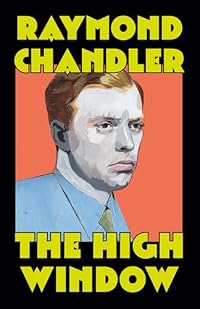
Crime fiction master Raymond Chandler's third novel featuring Philip Marlowe, the "quintessential urban private eye" (Los Angeles Times). A wealthy Pasadena widow with a mean streak, a missing daughter-in-law with a past, and a gold coin worth a small fortune--the elements don't quite add up until Marlowe discovers evidence of murder, rape, blackmail, and the worst kind of human exploitation. "Raymond Chandler is a star of the first magnitude." Erle Stanley Gardner "Raymond Chandler has show more given us a detective who is hard-boiled enough to be convincing . . . and that is no mean achievement." --The New York Times show lessTags
Recommendations
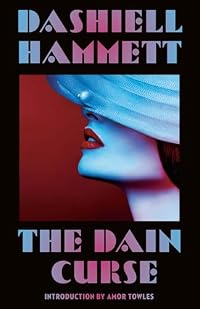



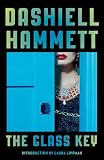
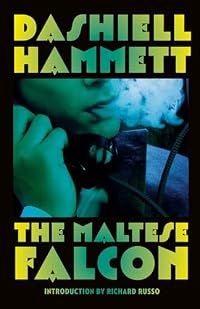
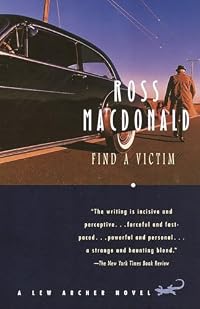


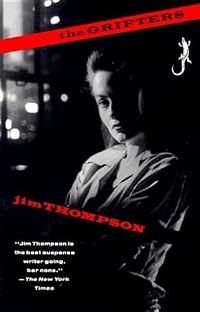




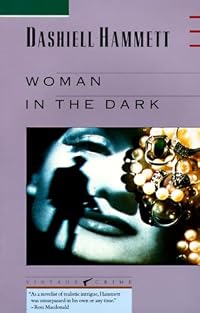
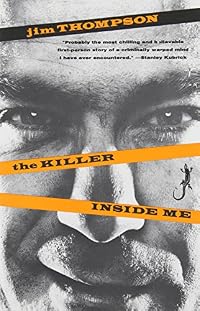
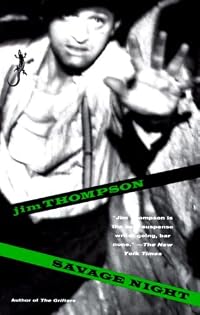
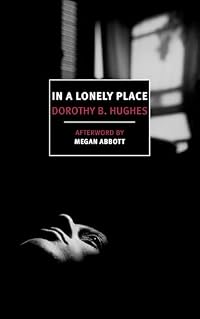


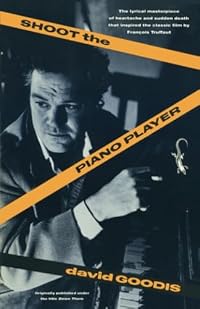
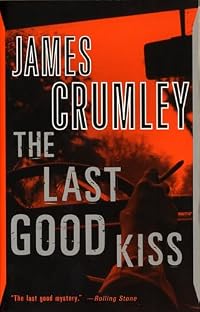
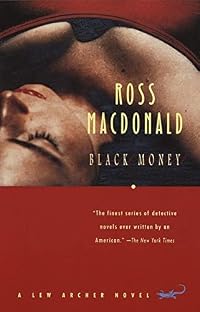

Member Recommendations

JenniferRobb Similar small town feels in both books. A clergyman features prominently in both books.
Member Reviews
I once almost got in to a fist fight with an acquaintance for suggesting that Dashiell Hammett was a better writer than Raymond Chandler. I was trying to rile him and was (kind of) joking. I've always preferred Hammett's style - more forthright, and yet intricate and layered. I will never forget the feeling of utter shock and breathlessness on reading Red Harvest in a single sitting; THIS was written in 1929??? Tarantino has nothing on this dude!
Rereading The High Window my mind isn't changed exactly, but I realise that perhaps I am jaded to Chandler through familiarity. His voice and style so absolutely defined through his fiction and screenwriting what we think of as noir - and the detective fiction and cinema that has come since - show more that it is easy to take him for granted, but the writing is simply superb. The plotting goes without saying, and the unexpected turn of metaphor is nonpareil. Of course, we have to give a pass to the sexism and homophobia as very much a product of its time, but this is superb, seminal, detective fiction. I would go so far as to say it transcends to become literature.
But i still think Hammett was better and am ready to roll up my sleeves. show less
Rereading The High Window my mind isn't changed exactly, but I realise that perhaps I am jaded to Chandler through familiarity. His voice and style so absolutely defined through his fiction and screenwriting what we think of as noir - and the detective fiction and cinema that has come since - show more that it is easy to take him for granted, but the writing is simply superb. The plotting goes without saying, and the unexpected turn of metaphor is nonpareil. Of course, we have to give a pass to the sexism and homophobia as very much a product of its time, but this is superb, seminal, detective fiction. I would go so far as to say it transcends to become literature.
But i still think Hammett was better and am ready to roll up my sleeves. show less
Like all of Raymond Chandler’s novels, The High Window features private detective Philip Marlowe as first-person narrator reporting events unfolding as he attempts to crack a case in sun-soaked Los Angeles. I marvel at his perceptiveness and cleverness. Can anybody surpass Marlowe in his ability to see all the angles, to size people up, to catch all the clues, to ask the right questions, to crack wise at those times cracking wise is the wisest, to put the puzzle together so all the pieces fit in place? Maybe Sam Spade in the Maltese Falcon, but that's about it. Oh, clever Odysseus, who fooled the Cyclopes, who heard the song of the sirens and lived to tell the tale, Raymond Chandler gave you a rebirth as a private eye.
For anybody show more unfamiliar with Chandler, here is a snatch of dialogue taking place in Marlowe's office when a member of a very rich family comes to speak with the detective:
He looked me over without haste and without much pleasure. He blew some smoke delicately and spoke through it with a faint sneer.
"You're Marlowe?"
I nodded.
"I'm a little disappointed," he said. "I rather expected something with dirty fingers."
"Come inside," I said, "and you can be witty sitting down."
I held the door for him and he strolled past me flicking cigarette ash on the floor with the middle nail of his free hand. He sat down . . . He leaned back in his chair with the smile of a bored aristocrat.
"All set?" I inquired. "Pulse and respiration normal?" You wouldn't like a cold towel on your head or anything."
Through Marlowe, Chandler introduces us to a host of gangsters, crooks, con-artists, thugs, goons and their dames, who take turns planning, threatening and committing violence as if they were flesh-and-blood members of the weasel patrol from Toontown. Here is another bit of dialogue where Marlowe watches from behind a curtain as a shady nightclub manager speaks to his wife after they find his wife's boyfriend shot in the head:
Silence. Then the sound of a blow. The woman wailed. She was hurt, terribly hurt. Hurt in the depths of her soul. She made it rather good.
"Look, angel," Morny snarled. "Don't feed me the ham. I've been in pictures. I'm a connoisseur of ham. Skip it. You're going to tell me how this was done if I have to drag you around the room by your hair. Now - did you wipe off the gun?"
Philip Marlowe is not only an incredibly super-sharp observer, but he is also an intelligent, well-educated, highly ethical man. Two cases in point: when the name Heathcliff is mentioned, he knows the character is from Wuthering Heights and when someone shows him entries in a diary, he alludes to the diary of Samuel Pepys. This contrast between the crime and social grime of 1940s Los Angeles and the presence of Philip Marlow gives Chandler's work real abiding depth.
There are hundreds of authors, some very good, who have written detective fiction or crime fiction. What sets Raymond Chandler apart is the polished literary language matching any American author, including the likes of F. Scott Fitzgerald, Ernest Hemmingway, William Falkner. This is the prime reason I have included the above quotes and the reason I will end this review with another sparkling vintage Chandler quote, this one where Marlowe describes the woman he sees when being led by a tall, dark, olive skinned crook to the back yard of a suburban LA mansion:
"A long-limbed languorous type of showgirl blond lay at her ease in one of the chairs, with her feet raised on a padded rest and a tall misted glass at her elbow, near a silver ice bucket and a Scotch bottle. She looked at us lazily as we came over the grass. From thirty feet away she looked like a lot of class. From ten feet away she looked like something made up to be seen from thirty feet away. Her mouth was too wide, her eyes were too blue, her makeup was too vivid, the thin arch of her eyebrows was almost fantastic in its curve and spread, and the mascara was so thick on her eyelashes that they looked like miniature iron railings." show less
Noir fiction at its best. The first-person narrative of Marlowe is the big draw for me in reading Chandler. And, Chandler is no ordinary writer. He's a superb writer of dialogue, description, and story. A real artist of the written word.
"From thirty feet away, she looked like a lot of class. From ten feet away, she looked like something made up to be seen thirty feet away."
"From thirty feet away, she looked like a lot of class. From ten feet away, she looked like something made up to be seen thirty feet away."
Recently I bought all of Chandler’s Marlowe novels and short stories and have begun reading them in chronological order. It’s possible that I shouldn’t have dove into the stories ahead of the novels since many of the latter are drawn from the former, some in so much detail that it brought on serious washes of deja vu. Not so with The High Window which is cut from whole cloth, not scraps of other projects. And it shows. To me, unlike The Big Sleep or Farewell, My Lovely, this novel is tighter, more focused and coherent even if the plot is as complex as Chandler liked to write them.
Right from the beginning, the writing crackles off the page like describing someone as “thin as an honest alibi”. Oh that’s so great. Then show more there’s Marlowe’s solid trade craft and sleight of hand when it comes to manipulating situations to his advantage (always with the client’s best interest in mind). The first scene at the coin dealer’s office was knife-edged with longing to see Marlowe play the culprits off each other. When more bits of information are dropped, the whole sinister plot is just delicious in its duplicity and cunning. At least we think we know the whole plot. Chandler keeps a few things back to surprise us with in the end.
And of course, Marlowe wears his heart on his sleeve the whole time. I forget what a big mush he really is, what with believing in real justice and all. When he sees a person put upon and he can right the wrong, he goes out of his way to do the right thing. Sure, his cynicism runs deep, but Marlowe is a romantic at his core. And that’s just what we love about him. show less
Right from the beginning, the writing crackles off the page like describing someone as “thin as an honest alibi”. Oh that’s so great. Then show more there’s Marlowe’s solid trade craft and sleight of hand when it comes to manipulating situations to his advantage (always with the client’s best interest in mind). The first scene at the coin dealer’s office was knife-edged with longing to see Marlowe play the culprits off each other. When more bits of information are dropped, the whole sinister plot is just delicious in its duplicity and cunning. At least we think we know the whole plot. Chandler keeps a few things back to surprise us with in the end.
And of course, Marlowe wears his heart on his sleeve the whole time. I forget what a big mush he really is, what with believing in real justice and all. When he sees a person put upon and he can right the wrong, he goes out of his way to do the right thing. Sure, his cynicism runs deep, but Marlowe is a romantic at his core. And that’s just what we love about him. show less
The laconic and principled private detective Philip Marlowe is hired for what appears to be a family related theft of a valuable coin. What he eventually uncovers is a convoluted murder and blackmail plot, also somewhat family related.
Raymond Chandler twisted words and phrases in a way that made them all his own. There are gems on almost every page. “I’m not tough,” Marlowe says to a woman. “Just virile.” He describes Los Angeles and its inhabitants in unique terms but his faces may be the best. There are “old men with faces like lost battles” and “women who should be young but have faces like stale beer,” and a man with “the sort of face that can turn from a polite simper to cold-blooded fury almost without moving a show more muscle.”
Chandler was an original. show less
Raymond Chandler twisted words and phrases in a way that made them all his own. There are gems on almost every page. “I’m not tough,” Marlowe says to a woman. “Just virile.” He describes Los Angeles and its inhabitants in unique terms but his faces may be the best. There are “old men with faces like lost battles” and “women who should be young but have faces like stale beer,” and a man with “the sort of face that can turn from a polite simper to cold-blooded fury almost without moving a show more muscle.”
Chandler was an original. show less
WooHoo! Its a Raymond Chandler Book. So my initial thoughts on this book is that it follows the detective noir genre to a tee... and then I remember this is the guy who invented the genre (with a few others), so...... this is one of the ORIGINAL detective novel, not a derivative knock off.
Of course, we have a cynical detective with a ratty office, a missing rare coin belonging to a matriarch of rich family, and the local crime syndicate makes an appearance. Its well written, kept my interest, and the mystery truly was a mystery until the end of the book. At times, the main mystery (the missing coin) got lost in the story, and while it was solved at the end, it was tacked on, not integrated very well.
The book is of its time - stereotypes show more about, from the naive young women, to the conspiring matron. Of course, it was originally written in 1942, so that is expected. As for the setting, it didn't feel that dated. Outside of the lack of land lines and computers, it could be set in the modern. show less
Of course, we have a cynical detective with a ratty office, a missing rare coin belonging to a matriarch of rich family, and the local crime syndicate makes an appearance. Its well written, kept my interest, and the mystery truly was a mystery until the end of the book. At times, the main mystery (the missing coin) got lost in the story, and while it was solved at the end, it was tacked on, not integrated very well.
The book is of its time - stereotypes show more about, from the naive young women, to the conspiring matron. Of course, it was originally written in 1942, so that is expected. As for the setting, it didn't feel that dated. Outside of the lack of land lines and computers, it could be set in the modern. show less
“From thirty feet away she looked like a lot of class. From ten feet away she looked like something made up to be seen from thirty feet away.”
Marlowe is hired to recover the Brasher Doubloon, an expensive rare coin that the owner believes was stolen by her daughter-in-law. Three murders plop into his investigation, both connected to the coin. “Marlowe practically knee-deep in dead men.” It's a good, fast-paced read and with Chandler you get the authentic noir vibe! I'm excited, and a bit sad, to be almost done with the series!
“A man leaning out of a high window. A long time ago.”
Marlowe is hired to recover the Brasher Doubloon, an expensive rare coin that the owner believes was stolen by her daughter-in-law. Three murders plop into his investigation, both connected to the coin. “Marlowe practically knee-deep in dead men.” It's a good, fast-paced read and with Chandler you get the authentic noir vibe! I'm excited, and a bit sad, to be almost done with the series!
“A man leaning out of a high window. A long time ago.”
Members
- Recently Added By
Lists

Best Noir Fiction
160 works; 14 members

Best Crime Fiction
262 works; 39 members

H.R.F. Keating's 100 Best Crime & Mystery Books
100 works; 8 members

Favorite Books from the 1940s
38 works; 3 members

20th Century Literature
1,161 works; 54 members

Books Read in 2014
2,343 works; 89 members

Backlisted Podcast
65 works; 3 members
Backlisted
109 works; 9 members
1940s
221 works; 25 members

Books Read in 2012
815 works; 34 members
Books Set in Los Angeles
40 works; 8 members

American Lit for Eng 11 Research Project
368 works; 6 members

Books Read in 2022
5,164 works; 113 members

Mental health fiction
55 works; 18 members

Favourite Books
1,817 works; 309 members
Author Information

278+ Works 47,969 Members
Raymond Chandler was born in Chicago, Illinois on July 23, 1888. Before becoming a professional writer in 1933, he worked as a reporter, an accountant, bookkeeper, and auditor. He wrote several novels featuring private detective Philip Marlowe including The Big Sleep, The High Window, The Lady in the Lake, The Little Sister, and The Long Goodbye. show more In addition to novels and short stories, he wrote screenplays. He won two academy awards, for Double Indemnity (1944) and The Blue Dahlia (1946). He died on March 26, 1959. (Bowker Author Biography) show less
All Editions
Some Editions
Awards and Honors
Notable Lists
Series

Belongs to Publisher Series
SaPo (13)
El País. Serie negra (33)
Libro amigo [Bruguera] (478)
Den svarte serie (109)
Colecção Vampiro (155)
Zephyr Books (201)
Work Relationships
Is contained in
Raymond Chandler: Stories and Early Novels: Pulp Stories / The Big Sleep / Farewell, My Lovely / The High Window (Library of America) by Raymond Chandler
The big sleep/Farewell my lovely/The high window/The lady in the lake/The long goodbye/Playback by Raymond Chandler
The Big Sleep / Farewell, My Lovely / The High Window / The Lady in the Lake / The Little Sister / The Long Goodbye / Playback by Raymond Chandler
The Raymond Chandler Omnibus: The Big Sleep / Farewell, My Lovely / The High Window / The Lady in the Lake by Raymond Chandler
Five Novels: Finger Man; The big sleep; Farewell my loveley; High window; The lady in the lake by Raymond Chandler
Has the adaptation
Inspired
Common Knowledge
- Canonical title
- The High Window
- Original title
- The High Window
- Original publication date
- 1942
- People/Characters
- Philip Marlowe; Elizabeth Bright Murdock; Elisha Morningstar; Linda Conquest; Alex Morny; Lou Vannier (show all 23); George Anson Phillips; Detective-Lieutenant Jesse Breeze; Eddie Prue; Merle Davis; Leslie Murdock; Kenny Haste; Lois Morny; Shifty; Mr. Shaw; Delmar Hench; Lieutenant Spangler; Maybelle Masters; Passmore; Pietro Palermo; Pop Grandy; Doctor Carl Moss; Miss Lymington
- Important places
- Los Angeles, California, USA; California, USA; Pasadena, California, USA; USA
- Related movies
- The Brasher Doubloon (1947 | IMDb); Time to Kill (1942 | IMDb)
- First words
- The house was on Dresden Avenue in the Oak Noll section of Pasadena, a big solid cool-looking house with burgundy brick walls, a terra cotta tile roof, and a white stone trim.
- Last words
- (Click to show. Warning: May contain spoilers.)"You and Capablanca," I said.
- Blurbers
- Gardner, Erle Stanley
- Original language
- English
Classifications
Statistics
- Members
- 3,173
- Popularity
- 5,444
- Reviews
- 57
- Rating
- (3.97)
- Languages
- 19 — Catalan, Czech, Danish, Dutch, English, Estonian, Finnish, French, German, Greek, Hungarian, Italian, Korean, Norwegian (Bokmål), Norwegian, Polish, Portuguese, Spanish, Swedish
- Media
- Paper, Audiobook, Ebook
- ISBNs
- 98
- ASINs
- 62