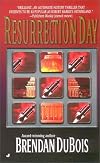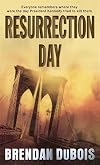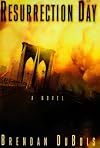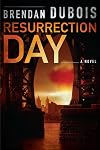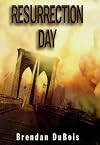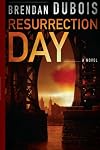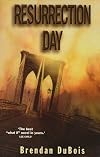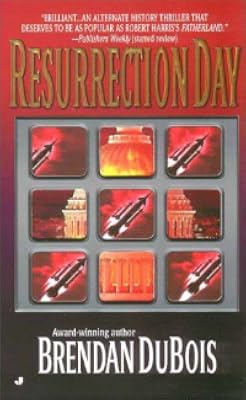
Resurrection Day
by Brendan DuBois
On This Page
Description
An alternate-history novel in which the 1962 Cuban Crisis ends in a war which ravages the U.S. The country becomes dependent on British aid and a Boston reporter discovers a plot to transform the U.S. into a British colony.Tags
Recommendations
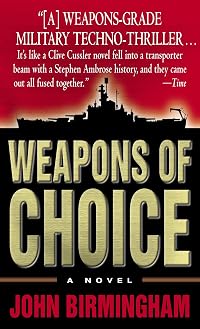
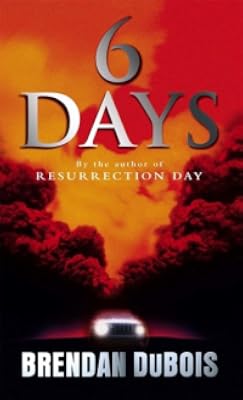
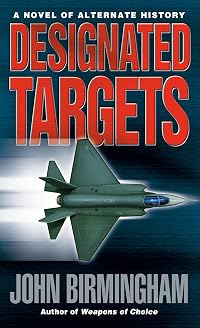
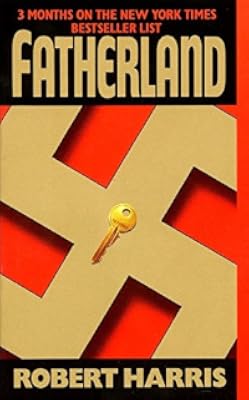


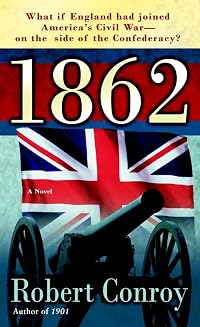
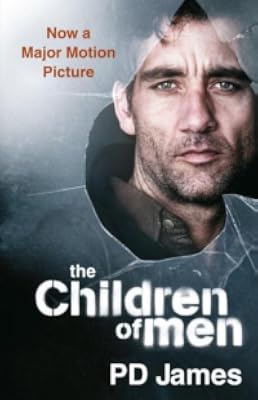
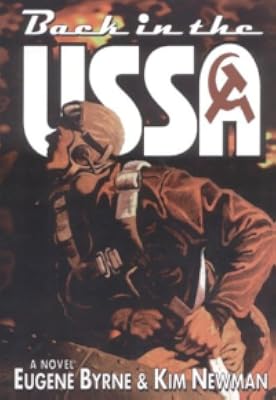

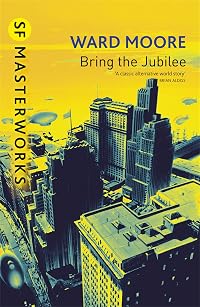
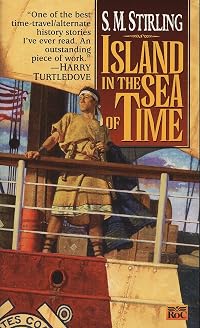
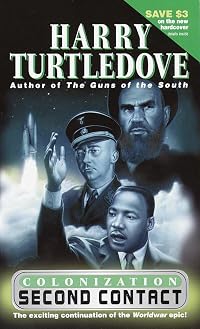
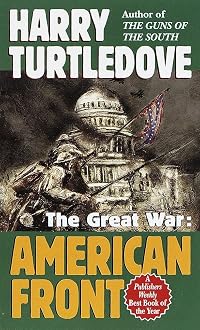


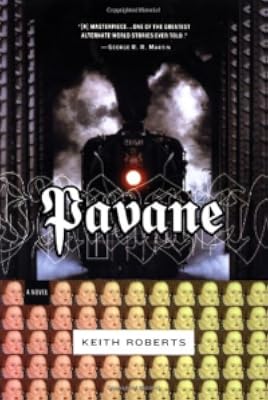

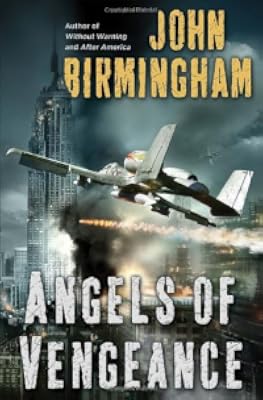

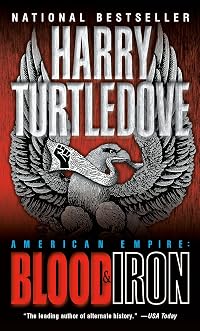
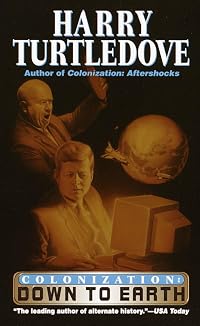
Member Recommendations

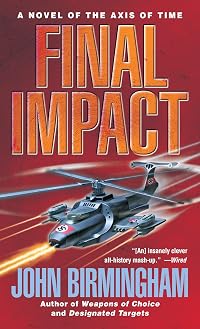
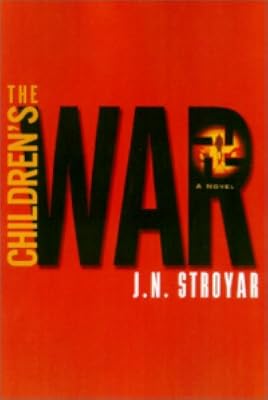
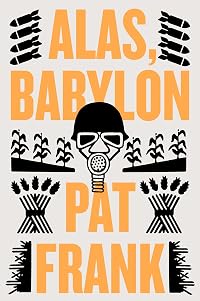
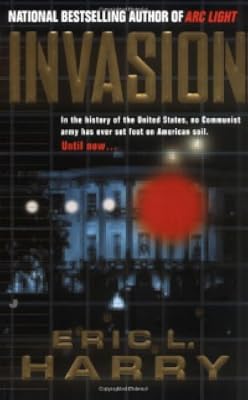
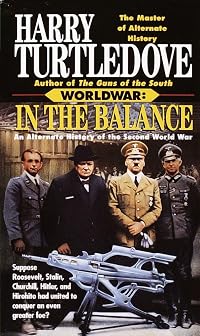
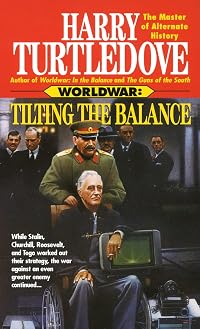
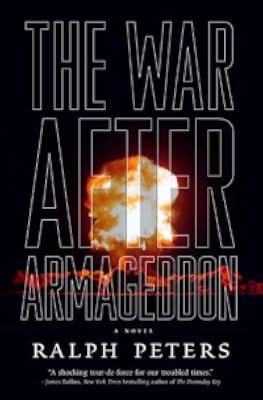
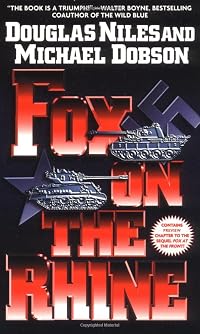
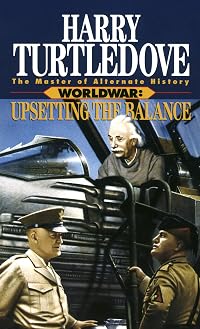
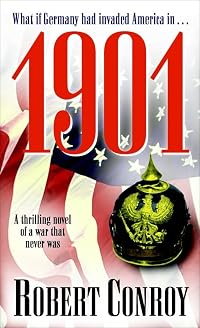
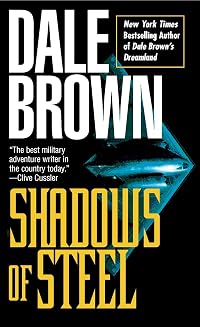
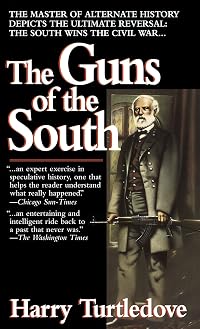
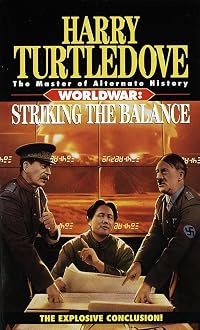
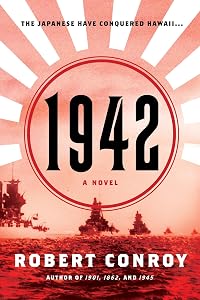
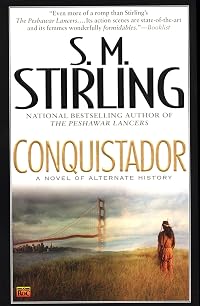
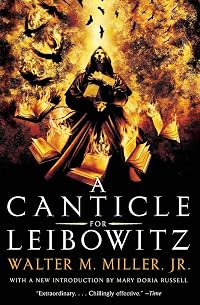
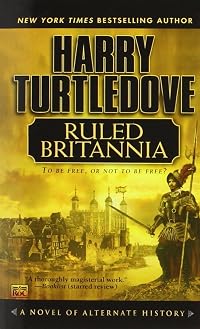
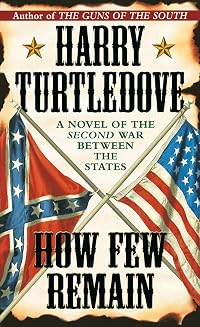
TomWaitsTables American invasion of Japan during WWII, after failing to develop the atomic bomb.


Member Reviews
Very good alternative history book. The Cuban Missile crisis is not averted; instead, the Soviets launch 10 missiles, causing devastation in a number of cities and the U.S. destroys the Soviet Union. Ten years later, the U.S. is still recovering, with substantial support from the British. Boston reporter Carl Landry starts investigating the routine murder of a former military liaison, especially when his story is quashed by editorial censor. There is much political intrigue, especially about what led to the murder, but also about underground patriots rallying for freedom in the devastated war zones. While predictable in places, I especially liked the surprise at the end of the book.
This is an alternate history novel set in America in 1972, a decade after the Cuban missile crisis developed into a full scale nuclear war which destroyed much of America, Cuba and practically the whole of the Soviet Union. America in 1972 is a repressive and rundown society, which receives food parcels from Britain (incidentally, it is ruled by a President Romney - George, not Mitt). One journalist has received clues that lead him to a series of secrets that overturns the assumptions of his society, though in a way that seemed a bit sudden and unlikely against the backdrop of the society depicted here.
The novel is gripping and the descriptions of the history that led to the current situation make for chilling reading when one thinks show more how near this alternate reality came to being true 50 years ago this month. The characters are rather cliched but this is a good page turner. 4/5 show less
The novel is gripping and the descriptions of the history that led to the current situation make for chilling reading when one thinks show more how near this alternate reality came to being true 50 years ago this month. The characters are rather cliched but this is a good page turner. 4/5 show less
October 1962 was a nerve-wracking time for most people but it was only much later that I learned that I probably should have been closer to “terrified” than to “nervous.” I remember well reading the headlines and short articles in my thin local newspaper about the confrontation between Khrushchev and Kennedy that was happening in Cuba. There was a sense of great danger in the articles but I don’t recall talking with anyone who really believed that Russia and the United States would actually fire nuclear missiles at each other over the incident. Of course, I was only 14 at the time and may have been spared the truth about what adults were really thinking, but subsequent release of details about the confrontation show how show more utterly naïve so many of us were. (I do remember one of the infamous nuclear bomb drills, the old “duck and cover” routine, at my school that week but even that didn’t really scare me since I had already experienced several of those silly things.)
Resurrection Day, by Brendan DuBois, starts with the Kennedy-Khrushchev stalemate over the nuclear-tipped missiles that Khrushchev was installing in Cuba at Castro’s “invitation.” But DuBois takes an alternate path, the path we came so close to actually following, and explores what might have happened if Khrushchev had not blinked at nearly the last possible moment and agreed to remove his nuclear weapons from Cuba.
Ten years later, 1972-America has still not recovered from the devastation of the short war with Russia. Washington D.C. is still a blank spot on the map, New York City is off limits and has been fenced in by the military, and the country is still partially dependent on food supplies from Great Britain in order to feed people in its major cities. Russia has been effectively wiped off the map and its survivors forced into primitive living conditions in which their long term survival is still in doubt. It seems that the Soviet arsenal was greatly overrated and contained far fewer missiles capable of reaching the U.S. than had been thought before the war.
Carl Landry, military veteran turned Boston newspaper reporter, opens up a can of worms when he refuses to end his investigation into the murder of an old man who had contacted him with promises of a huge story. Despite being warned off the story by his editor and the paper’s resident military censor, Landry keeps snooping around and begins to uncover, with the help of his new British girlfriend, secrets about the true condition of New York City, the upcoming presidential election, and a plot between British and American military forces.
Brendan DuBois has created an intriguing version of America struggling to recover from the loss of its major city and its capitol. It is an America in which many want to believe that Kennedy survived the destruction of Washington D.C. and will return to power with a plan to rebuild the country while others despise him and blame him for being so trigger happy that he started a war that resulted in the deaths of millions of Americans and Russians. It is a world in which most of America’s former allies seem to delight in the fact that she is on her knees and needs their help, a condition in which some wish her to remain forever more. It is a country filled with paranoid citizens who truly do have to worry about being watched, arrested, and sent to detoxification camps if they say the wrong things to the wrong people.
Resurrection Day is not perfect. It probably overstates the difficulty that America would have rebounding from the kind of limited nuclear war described, one she actually won, and some of the characters, particularly the chief villain of the piece, are a bit on the stereotypical side and the ending feels a little too formulaic, too much like the culmination of so many other “spy thrillers,” But fans of alternate history will appreciate the world that DuBois created for us to ponder and should take a look at Resurrection Day.
Rated at: 3.5 show less
Resurrection Day, by Brendan DuBois, starts with the Kennedy-Khrushchev stalemate over the nuclear-tipped missiles that Khrushchev was installing in Cuba at Castro’s “invitation.” But DuBois takes an alternate path, the path we came so close to actually following, and explores what might have happened if Khrushchev had not blinked at nearly the last possible moment and agreed to remove his nuclear weapons from Cuba.
Ten years later, 1972-America has still not recovered from the devastation of the short war with Russia. Washington D.C. is still a blank spot on the map, New York City is off limits and has been fenced in by the military, and the country is still partially dependent on food supplies from Great Britain in order to feed people in its major cities. Russia has been effectively wiped off the map and its survivors forced into primitive living conditions in which their long term survival is still in doubt. It seems that the Soviet arsenal was greatly overrated and contained far fewer missiles capable of reaching the U.S. than had been thought before the war.
Carl Landry, military veteran turned Boston newspaper reporter, opens up a can of worms when he refuses to end his investigation into the murder of an old man who had contacted him with promises of a huge story. Despite being warned off the story by his editor and the paper’s resident military censor, Landry keeps snooping around and begins to uncover, with the help of his new British girlfriend, secrets about the true condition of New York City, the upcoming presidential election, and a plot between British and American military forces.
Brendan DuBois has created an intriguing version of America struggling to recover from the loss of its major city and its capitol. It is an America in which many want to believe that Kennedy survived the destruction of Washington D.C. and will return to power with a plan to rebuild the country while others despise him and blame him for being so trigger happy that he started a war that resulted in the deaths of millions of Americans and Russians. It is a world in which most of America’s former allies seem to delight in the fact that she is on her knees and needs their help, a condition in which some wish her to remain forever more. It is a country filled with paranoid citizens who truly do have to worry about being watched, arrested, and sent to detoxification camps if they say the wrong things to the wrong people.
Resurrection Day is not perfect. It probably overstates the difficulty that America would have rebounding from the kind of limited nuclear war described, one she actually won, and some of the characters, particularly the chief villain of the piece, are a bit on the stereotypical side and the ending feels a little too formulaic, too much like the culmination of so many other “spy thrillers,” But fans of alternate history will appreciate the world that DuBois created for us to ponder and should take a look at Resurrection Day.
Rated at: 3.5 show less
In a little-known alternate history book, Brendan DuBois throws you back to 1972, ten years after the Cuban Missile Crisis turns into a full blown war between the United States and Soviet Union. Washington, Omaha, San Diego, Miami and New York have all been struck by Soviet nukes, while Russia is a radioactive pile of ash. Millions died in Asia as a result of radiation poisoning. The British and Canadians have been helping out there American friends...or so the US thought.
In a surprisingly plausible novel, DuBois tells us what could've been had President Kennedy launched ICBMs Russia's way. I really enjoyed this book. It's fantastic, and I think it's underrated.
In a surprisingly plausible novel, DuBois tells us what could've been had President Kennedy launched ICBMs Russia's way. I really enjoyed this book. It's fantastic, and I think it's underrated.
A fast paced thriller which I have now read twice. A great mood was created and the stoic cental character was perfect for the role. It would make a good movie. Somehing between Fatherland and escape from New York.
It'll loosen your bowels...
Ratings
Members
- Recently Added By
Lists

Best Alternate History
111 works; 60 members
Author Information

64+ Works 4,908 Members
Brendan DuBois, Brendan DuBois is a former newspaper reporter who has taken to writing thrilling military/mystery novels. His first novel, entitled "Dead Sand," was published in 1994, followed by the sequel, "Black Tide," in 95 and "Shattered Shell" in 1999. DuBois has had almost 40 short stories included in various magazines including, "Playboy," show more "Ellery Queen's Mystery Magazine" and "Alfred Hitchcock's Mystery Magazine." In 1995, DuBois' short story "The Necessary Brother" won the Shamus Award for Best Short Story of the Year from the Private Eye Writers of America. His short stories have been nominated three times for the Edgar Allen Poe Award from the Mystery Writer's of America. In 1997, one of his short stories was nominated for the Anthony Award for Best Mystery Short Story of the Year. His stories have appeared in five editions of "The Year's Best Mystery and Suspense Stories," two editions of "The Year's 25 Best Mystery Short Stories" and the 1997 edition of "Best American Mystery Stories." His latest book "Resurrection Day" received the Sidewise Award for best alternative history novel of 1999. show less
Awards and Honors
Awards
Common Knowledge
- Original title
- Resurrection Day
- Original publication date
- 1999
- People/Characters*
- Ramsey Curtis (Generaal); Carl Landry; Sandra Price; Jim Rowley; Two-Tone
- Important places*
- Boston, Massachusetts, USA; Manhattan, New York, New York, USA; Washington, D.C., USA
- Dedication*
- Dit is voor mijn vrouw, Mona.
- Quotations*
- In de annalen van de geschiedenis zal worden opgetekend dat deze bittere worsteling zijn hoogtepunt bereikte aan het van de jaren '50 en het begin van de jaren '60. Laat ik daarom als president van de Verenigde Staten nadrukk... (show all)elijk verklaren dat ik vastberaden ben het overleven en welslagen van onze maatschappelijke ordening zeker te stellen, ongeacht de kosten en de gevaren. (President John F. Kennedy-20 april 1961)
Ik wil vrede, maar als u oorlog wilt, dan is dat uw probleem. (Minister-President Nikita Chroesjtsjov)
We zullen kernwapens inzetten zodra we dat noodzakelijk achten voor het beschermen van onze vitale belangen. (Minister van Defensie Robert S. McNamara)
*Some information comes from Common Knowledge in other languages. Click "Edit" for more information.
Classifications
Statistics
- Members
- 426
- Popularity
- 72,704
- Reviews
- 7
- Rating
- (3.39)
- Languages
- Dutch, English, German
- Media
- Paper, Audiobook, Ebook
- ISBNs
- 10
- ASINs
- 5