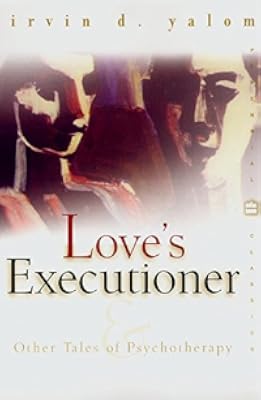
Love's Executioner & Other Tales of Psychotherapy
by Irvin Yalom
On This Page
Description
The collection of ten absorbing tales by master psychotherapist Irvin D. Yalom uncovers the mysteries, frustrations, pathos, and humor at the heart of the therapeutic encounter. In recounting his patients' dilemmas, Yalom not only gives us a rare and enthralling glimpse into their personal desires and motivations but also tells us his own story as he struggles to reconcile his all-too human responses with his sensibility as a psychiatrist. Not since Freud has an author done so much to show more clarify what goes on between a psychotherapist and a patient. show lessTags
Recommendations

















Member Reviews
This is one of the most enthralling books about psychology I have ever read. Yalom is a psychiatrist at Stanford University and a practitioner of what he calls existential psychotherapy. This method of therapy seeks to help patients come to and cope with core existential realities and problems: the inevitability of death, our ultimate loneliness, the need to create/find meaning in life, and our terrifying freedom. While these are rarely openly discussed, they often linger in the background of other issues his clients bring to him. This book is composed of case studies of different clients who came to him, how the therapy worked, how he felt and reacted, and what the outcomes were.
Yalom is not afraid to be self-critical. He includes one show more chapter in which his method didn't work at all. In another chapter he openly (perhaps too openly) reveals his disgust at a client who was obese. I discussed this book with my therapist (a Jungian) and we agreed that Yalom seems rather guiding than what we are doing. He knows where he is going and tries to bring the session there, whereas my therapist follows what I do and only suggests possible directions. More starkly, my method of therapy affirms the reality and importance of the sacred, whereas Yalom sees it as an illusion to avoid existential reality.
So this book not only helped me see more of how Yalom's mode of therapy works, but also how mine works by contrast. I enjoyed the book but would not want Yalom to be my therapist. show less
Yalom is not afraid to be self-critical. He includes one show more chapter in which his method didn't work at all. In another chapter he openly (perhaps too openly) reveals his disgust at a client who was obese. I discussed this book with my therapist (a Jungian) and we agreed that Yalom seems rather guiding than what we are doing. He knows where he is going and tries to bring the session there, whereas my therapist follows what I do and only suggests possible directions. More starkly, my method of therapy affirms the reality and importance of the sacred, whereas Yalom sees it as an illusion to avoid existential reality.
So this book not only helped me see more of how Yalom's mode of therapy works, but also how mine works by contrast. I enjoyed the book but would not want Yalom to be my therapist. show less
A friend recommended this book to me because she found it life-changing. I’m not sure that I’d say the same, but it did find it very moving and powerful. I suppose I expected the case studies to be more about the therapist applying a theoretical framework, like detective work. The author is much wiser than that, though. He insists that theoretical frameworks always end up being abandoned and that there isn’t one key memory from childhood that explains current pain. I suppose popular depictions of therapy tend to promulgate such cliches. Yalom writes lucidly and sympathetically, without arrogantly assuming that he knows what is going on in his patients’ heads. I really appreciated this insight into the mind of a skilled show more therapist, one who explains in detail how difficult it is to know what is going through someone else’s mind. His list of barriers includes the gap between image and language, selective disclosure, and bias error.
The cases recounted in the book are varied and interesting, although at their core all the patients are suffering from the same basic human worries: fear of death, or of loneliness, or of freedom, or of life’s meaninglessness. One of Yalom’s aims seems to be to reconcile patients to their inevitable death, without it being a paralysing fear. I liked that not all the cases he recounts were successful as such - in ‘Do Not Go Gentle’ the patient suddenly dropped therapy, for example, and the outcome in ‘Love’s Executioner’ was ambiguous. This demonstrates that there is no single linear path to improvement to be derived from the case studies; people are too complex for that. My favourite chapter was ‘Two Smiles’ for its discussion on misinterpretation and unknowability. I particularly liked this quote: ‘Even the most liberal system of psychiatric nomenclature does violence to the being of another. If we relate to people believing that we can categorise them, we will neither identify nor nurture the parts, the vital parts, of the other that transcends category. The enabling relationship always assumes that the other is never fully knowable.’ show less
The cases recounted in the book are varied and interesting, although at their core all the patients are suffering from the same basic human worries: fear of death, or of loneliness, or of freedom, or of life’s meaninglessness. One of Yalom’s aims seems to be to reconcile patients to their inevitable death, without it being a paralysing fear. I liked that not all the cases he recounts were successful as such - in ‘Do Not Go Gentle’ the patient suddenly dropped therapy, for example, and the outcome in ‘Love’s Executioner’ was ambiguous. This demonstrates that there is no single linear path to improvement to be derived from the case studies; people are too complex for that. My favourite chapter was ‘Two Smiles’ for its discussion on misinterpretation and unknowability. I particularly liked this quote: ‘Even the most liberal system of psychiatric nomenclature does violence to the being of another. If we relate to people believing that we can categorise them, we will neither identify nor nurture the parts, the vital parts, of the other that transcends category. The enabling relationship always assumes that the other is never fully knowable.’ show less
Në këtë libër, rrëfehen historitë e dhjetë pacientëve që iu drejtuan terapisë, gjatë së cilës u përleshën me dhimbjen e ekzistencës. Kjo nuk ishte arsyeja për të cilën ata iu drejtuan për ndihmë psikoterapisë; përkundrazi, që të dhjetë ata ishin duke vuajtur nga probleme të zakonshme të jetës së përditshme: vetmi, vetëpërçmim, impotencë, migrenë, kompulsion seksual, mbipeshë, hipertension, zi, obsesion konsumues dashurie, ndryshime humori, depresion. Megjithatë, në njëfarë mënyre (dhe mënyra shpaloset ndryshe në çdo histori), terapia zbulonte rrënjët e thella të këtyre problemeve të jetës së përditshme, që shtriheshin poshtë, në themelin e ekzistencës.
Të qenit i veçantë është show more besimi që njeriu nuk është i dobët, dhe është i paprekshëm - përtej ligjeve të zakonshme të biologjisë humane dhe fatit njerëzor. Në një pikë të caktuar në jetë, secili prej nesh do të përballet me një lloj krize: mund të jetë një sëmundje serioze, një dështim i karrierës ose një divorc; mund të jetë një ngjarje aq e thjeshtë sa edhe vjedhja e një kulete, që papritmas zbulon hapur se sa i zakonshëm është njeriu dhe sfidon hamendjen e thjeshtë që jeta do të jetë gjithnjë një spirale e përjetshme që ngjitet lart.
Ashtu si Frojdi, Yalom-i është një shkrimtar i urtë, me stil elegant. Materiali psikoterapik që është njëherësh tërheqës, shterues fuqish dhe plot të papritura, rrëfehet me kursim dhe, ç’është më befasuesja, me humor. show less
Të qenit i veçantë është show more besimi që njeriu nuk është i dobët, dhe është i paprekshëm - përtej ligjeve të zakonshme të biologjisë humane dhe fatit njerëzor. Në një pikë të caktuar në jetë, secili prej nesh do të përballet me një lloj krize: mund të jetë një sëmundje serioze, një dështim i karrierës ose një divorc; mund të jetë një ngjarje aq e thjeshtë sa edhe vjedhja e një kulete, që papritmas zbulon hapur se sa i zakonshëm është njeriu dhe sfidon hamendjen e thjeshtë që jeta do të jetë gjithnjë një spirale e përjetshme që ngjitet lart.
Ashtu si Frojdi, Yalom-i është një shkrimtar i urtë, me stil elegant. Materiali psikoterapik që është njëherësh tërheqës, shterues fuqish dhe plot të papritura, rrëfehet me kursim dhe, ç’është më befasuesja, me humor. show less
I'm just going to go ahead and write about this book, even though I'm not quite done. I'm going to write about this book even though I'm not quite done partly out of sheer need to be distracted from the hours of grading I have yet to do. And partly because I wish I could talk about this book with someone.
Yalom's honesty is so troubling at times that I find myself reacting to him personally. Sexist, fatphobic, weirdly condescending and afraid of his own power, he's at heart just absolutely fascinated by his clients. That passion drives his language and allows him to be darkly, almost riskily, funny. I don't know if riskily is a word.
And Yalom is a satisfying writer. Most of the psychology books for lay people I've read seem to either show more overjustify or oversimplify in the interest of keeping the reader. In the case of Lauren Slater, I feel as though I'm reading true crime - she's trying so hard to personify the scientific method (who wields mind-knives in the neverending black night of the soul). But Yalom has a gift for narrative and suspense. He's also willing to admit defeat, failure, attempts at manipulation of his clients - all kinds of things that humanize the therapist/patient relationship and make his own story as compelling as his patients'.
He's written some book WITH one of his writer clients - a two-sided account of someone's year or two in therapy. I'm going to check it out, I think. show less
Yalom's honesty is so troubling at times that I find myself reacting to him personally. Sexist, fatphobic, weirdly condescending and afraid of his own power, he's at heart just absolutely fascinated by his clients. That passion drives his language and allows him to be darkly, almost riskily, funny. I don't know if riskily is a word.
And Yalom is a satisfying writer. Most of the psychology books for lay people I've read seem to either show more overjustify or oversimplify in the interest of keeping the reader. In the case of Lauren Slater, I feel as though I'm reading true crime - she's trying so hard to personify the scientific method (who wields mind-knives in the neverending black night of the soul). But Yalom has a gift for narrative and suspense. He's also willing to admit defeat, failure, attempts at manipulation of his clients - all kinds of things that humanize the therapist/patient relationship and make his own story as compelling as his patients'.
He's written some book WITH one of his writer clients - a two-sided account of someone's year or two in therapy. I'm going to check it out, I think. show less
I'm just going to go ahead and write about this book, even though I'm not quite done. I'm going to write about this book even though I'm not quite done partly out of sheer need to be distracted from the hours of grading I have yet to do. And partly because I wish I could talk about this book with someone.
Yalom's honesty is so troubling at times that I find myself reacting to him personally. Sexist, fatphobic, weirdly condescending and afraid of his own power, he's at heart just absolutely fascinated by his clients. That passion drives his language and allows him to be darkly, almost riskily, funny. I don't know if riskily is a word.
And Yalom is a satisfying writer. Most of the psychology books for lay people I've read seem to either show more overjustify or oversimplify in the interest of keeping the reader. In the case of Lauren Slater, I feel as though I'm reading true crime - she's trying so hard to personify the scientific method (who wields mind-knives in the neverending black night of the soul). But Yalom has a gift for narrative and suspense. He's also willing to admit defeat, failure, attempts at manipulation of his clients - all kinds of things that humanize the therapist/patient relationship and make his own story as compelling as his patients'.
He's written some book WITH one of his writer clients - a two-sided account of someone's year or two in therapy. I'm going to check it out, I think. show less
Yalom's honesty is so troubling at times that I find myself reacting to him personally. Sexist, fatphobic, weirdly condescending and afraid of his own power, he's at heart just absolutely fascinated by his clients. That passion drives his language and allows him to be darkly, almost riskily, funny. I don't know if riskily is a word.
And Yalom is a satisfying writer. Most of the psychology books for lay people I've read seem to either show more overjustify or oversimplify in the interest of keeping the reader. In the case of Lauren Slater, I feel as though I'm reading true crime - she's trying so hard to personify the scientific method (who wields mind-knives in the neverending black night of the soul). But Yalom has a gift for narrative and suspense. He's also willing to admit defeat, failure, attempts at manipulation of his clients - all kinds of things that humanize the therapist/patient relationship and make his own story as compelling as his patients'.
He's written some book WITH one of his writer clients - a two-sided account of someone's year or two in therapy. I'm going to check it out, I think. show less
The book sends you in a merciless spiral of emotions, charges at you head on with compelling descriptions of its subjects and things we think we understand very clearly. I was astonished to read how common and recurring themes of life, sex, or death could go so deeply in our mind.
The book is beautiful read, both in terms of writing style and the subject itself. It took unusually long to finish this book because almost after every chapter, I had to pause and reflect on the emotions it evoked. Many scenes resonated vibrantly with very own episodes of my life.
I have never read such a rich description of experiences.
The book is beautiful read, both in terms of writing style and the subject itself. It took unusually long to finish this book because almost after every chapter, I had to pause and reflect on the emotions it evoked. Many scenes resonated vibrantly with very own episodes of my life.
I have never read such a rich description of experiences.
A bit surprising that Yalom revealed some of the things in this book, but it's certainly a remarkable look at modern psychiatry (or at least psychiatry as Yalom practiced it).
Members
- Recently Added By
Lists

Psicología - Clásicos
165 works; 2 members

Blue Pyramid 1,276 Best Books of All Time
1,248 works; 32 members

Tom's Bookstore
346 works; 2 members
Author Information

33+ Works 12,639 Members
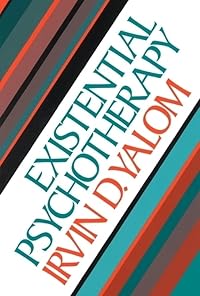
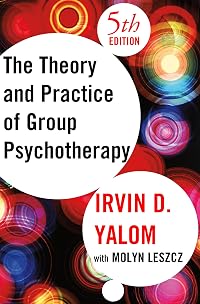
Irvin D. Yalom was born in Washington, D.C. on June 13, 1931, of parents who immigrated from Russia shortly after World War I. Yalom entered into medical school intent on studying the field of psychiatry. His first writings were scientific contributions to professional journals. His first book, "The Theory and Practice of Group Psychotherapy" was show more widely used as a text for training therapists. It has been translated into twelve languages and spawned four editions. "Existential Psychotherapy" followed, which was a textbook for a course that did not exist at the time, and then "Inpatient Group Psychotherapy," a guide to leading groups in the inpatient psychiatric ward. In an effort to teach aspects of Existential Therapy, Yalom turned to a literary conveyance and wrote a book of therapy tales called "Love's Executioner", two teaching novels, "When Nietzsche Wept" and "Lying on the Couch" and, "Momma and the Meaning of Life," a collection of true and fictionalized tales of therapy. These books went on to be best sellers, and "When Nietzsche Wept" won the Commonwealth Gold Medal for best fiction of 1993. They have been widely translated,each into about fifteen to twenty languages, and have had considerable distribution abroad. (Bowker Author Biography) show less
Some Editions
Awards and Honors
Distinctions
Series
Belongs to Publisher Series
btb (72378)
Common Knowledge
- Canonical title
- Love's Executioner & Other Tales of Psychotherapy
- Original title
- Love's Executioner & Other Tales of Psychotherapy
- Original publication date
- 1989
- First words
- The stories ahead are creative revolutions. They will turn you upside down, inside out.
Classifications
- Genres
- Nonfiction, General Nonfiction
- DDC/MDS
- 616.8914 — Applied science & technology Medicine & health Diseases, Allergies, Skin Conditions Nervous Disorders: Autism, Anorexia, OCD Mental disorders: bi-polar/schizophrenia Therapy Psychotherapy
- LCC
- RC489 .E93 .Y345 — Medicine Internal medicine Internal medicine Neurosciences. Biological psychiatry. Neuropsychiatry Psychiatry Therapeutics. Psychotherapy
- BISAC
Statistics
- Members
- 1,826
- Popularity
- 11,917
- Reviews
- 26
- Rating
- (4.02)
- Languages
- 21 — Czech, Danish, Dutch, English, Finnish, French, German, Greek, Hungarian, Italian, Lithuanian, Norwegian (Bokmål), Polish, Romanian, Serbian, Slovenian, Spanish, Swedish, Turkish, Ukrainian, Portuguese (Portugal)
- Media
- Paper, Audiobook, Ebook
- ISBNs
- 55
- ASINs
- 15