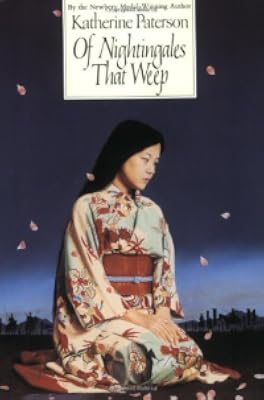
Of Nightingales That Weep
by Katherine Paterson
There is 1 current discussion about this work.
On This Page
Description
The vain young daughter of a samurai finds her comfortable life ripped apart when opposing warrior clans begin a struggle for imperial control of Japan.Tags
Recommendations
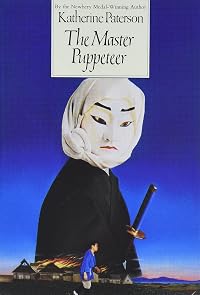
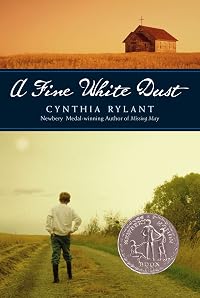
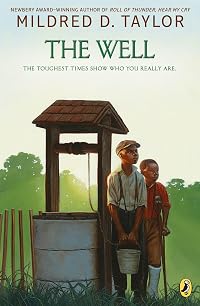
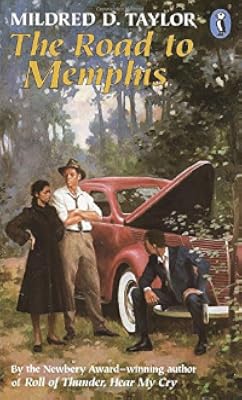
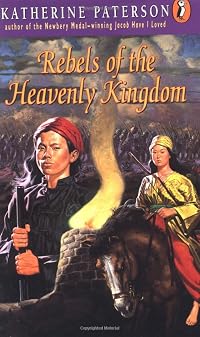
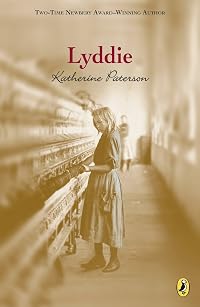

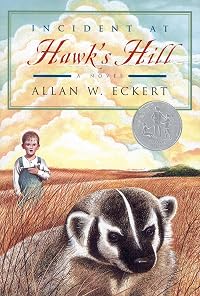
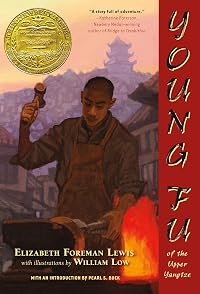
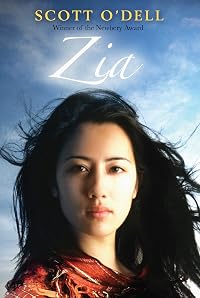
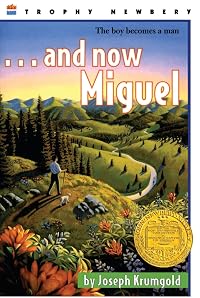
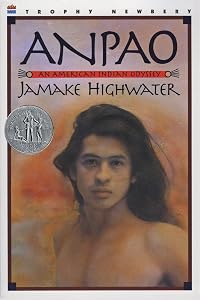
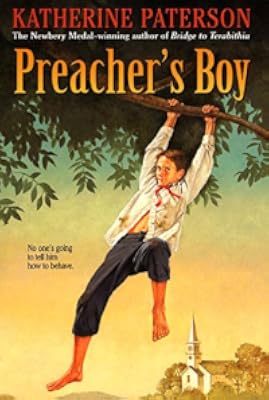
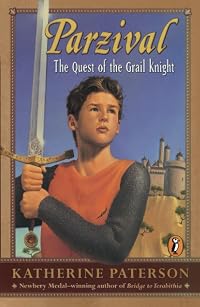
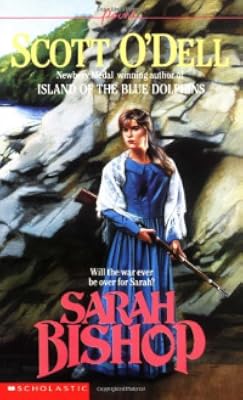




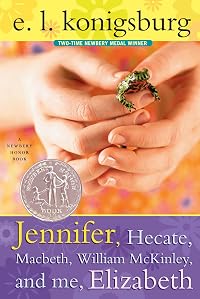
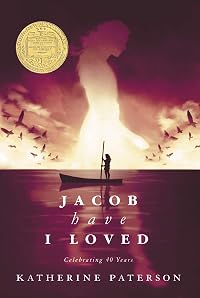
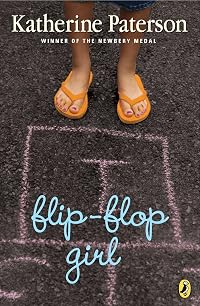

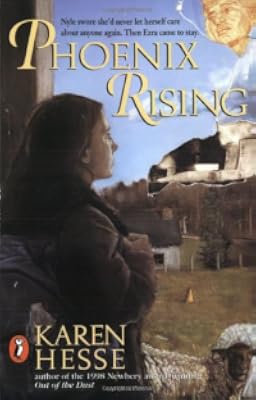
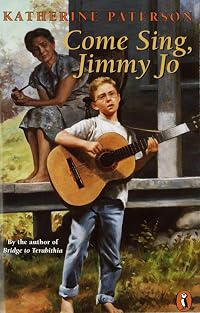



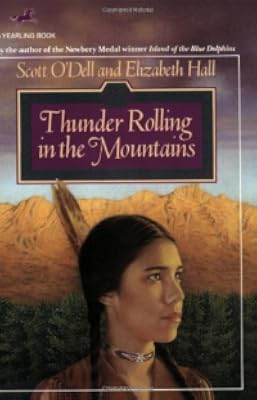
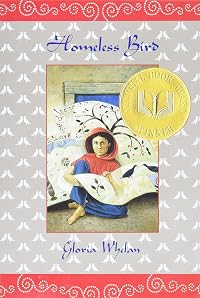
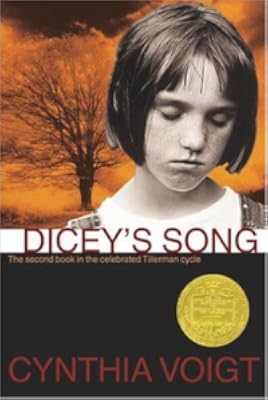
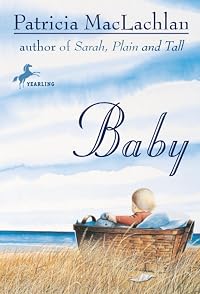
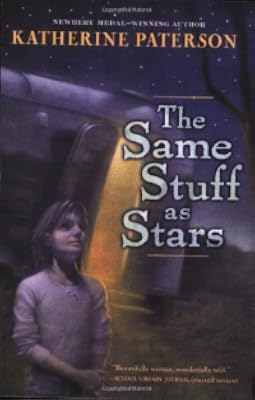
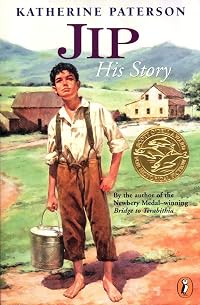

Member Recommendations
Member Reviews
I read Katherine Paterson's Japan novels as a child and loved them, but had been reluctant to revisit them as an adult. What if my nine-year-old self hadn't been able to spot the Orientalism? What if my mind had filled in narrative holes I hadn't realised were there?
Well, having reread Of Nightingales That Weep, I can now state that my fears were unfounded. This is a damn good book; the vast majority of YA fiction out there can't hold a candle to it. Paterson uses all the themes--the meaning of family, of honor, of loyalty, of growing up, even bona fide history--that we've been told Young Readers Don't Like and all the elements--war, death, insecurity, disappointment--we've been told Young Readers Can't Handle and turns them into a show more powerhouse of a story, one that neither pulls its punches nor resorts to either the cutesiness or prurience of more recent YA titles that posit that kids just want pap.
Paterson's Japan is realistically depicted, and she doesn't gloss over the elements of Japanese society that modern Western readers would find disturbing or inappropriate for young readers, but neither does she pass value judgments on them. Her only misstep is the ending: it confused me as a child, and as an adult I found it ill-conceived and ill-justified compared to the rest of the novel. Still we're talking about a few pages in an otherwise excellent book. show less
Well, having reread Of Nightingales That Weep, I can now state that my fears were unfounded. This is a damn good book; the vast majority of YA fiction out there can't hold a candle to it. Paterson uses all the themes--the meaning of family, of honor, of loyalty, of growing up, even bona fide history--that we've been told Young Readers Don't Like and all the elements--war, death, insecurity, disappointment--we've been told Young Readers Can't Handle and turns them into a show more powerhouse of a story, one that neither pulls its punches nor resorts to either the cutesiness or prurience of more recent YA titles that posit that kids just want pap.
Paterson's Japan is realistically depicted, and she doesn't gloss over the elements of Japanese society that modern Western readers would find disturbing or inappropriate for young readers, but neither does she pass value judgments on them. Her only misstep is the ending: it confused me as a child, and as an adult I found it ill-conceived and ill-justified compared to the rest of the novel. Still we're talking about a few pages in an otherwise excellent book. show less
This book is about a girls whose father passes away. She is left alone and must learn how to fend for herself. She moves to a new place to start a life for herself. She falls in love and gets involved with the wrong crowd. She has to learn how to get out of the place she has found herself in. I would not have this book as a read aloud in the educational sense, but maybe for a fun read as a break for the students.
Ratings
Members
- Recently Added By
Lists

Animals in the Title
498 works; 11 members
Talk Discussions
Current Discussions
Found: YA book set in Asia - ancient times - girl plays harp for royals in Name that Book (March 2)
Author Information

73+ Works 56,776 Members
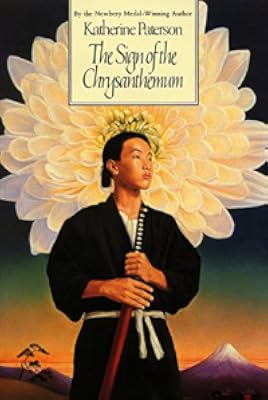
Katherine Paterson was born in Qing Jiang, Jiangsu, China in 1932. She attended King College in Bristol, Tennessee and then graduate school in Virginia where she studied Bible and Christian education. Before going to graduate school, she was a teacher for one year and after graduate school, she moved to Japan to be a missionary. Her first book, show more Sign of the Chrysanthemum was published in 1991. Other titles to follow included The Bridge to Terabithia and Jacod Have I Loved which both won her a Newbery Award, The Great Gilly Hopkins, Lyddie and The Master Puppeteer. In addition to the Newbery Award, she is the recipient of numerous others including the Scott O'Dell Award, the National Book Award for Children's Literature, the American Book Award, the American Library Association's Best Books for Young Adults Award and the New York Times Outstanding Books of the Year Award. She was also honored with the Hans Christian Anderson Award. (Bowker Author Biography) show less
Awards and Honors
Common Knowledge
- Original publication date
- 1974
- People/Characters
- Takiko; Hideo; Cheiko; Goro; Ichiro; Cheko
- Important places
- Japan
- Dedication
- For Elizabeth PoLin Paterson with love
- First words
- The daughter of a samurai never weeps. But Takiko, whose warrior father was killed in battle, finds this a hard rule, especially when her mother remarries a strange and ugly country potter. To get away from her miserable home... (show all), Takiko eagerly accepts a position at the imperial Japanese court. There, her beauty and nightingale voice captivate the handsome young warrior, Hideo -- who also turns out to be an enemy spy. As war breaks out, Takiko flees the court and is forced to choose between loyalty to her people and her love for Hideo. She painfully learns that whatever choice she makes, she cannot run away from her samurai honor.
- Last words
- (Click to show. Warning: May contain spoilers.)Then they laughed and wept together without caring if the peasants outside the hut were listening or not.
Classifications
- Genres
- Fiction and Literature, Kids, Tween, Children's Books, Young Adult
- DDC/MDS
- 813 — Literature & rhetoric American literature in English American fiction in English
- LCC
- PZ7 .P273 — Language and Literature Fiction and juvenile belles lettres Fiction and juvenile belles lettres Juvenile belles lettres
- BISAC
Statistics
- Members
- 388
- Popularity
- 80,854
- Reviews
- 2
- Rating
- (3.61)
- Languages
- English, Italian, Swedish
- Media
- Paper
- ISBNs
- 11
- ASINs
- 1