On This Page
Description
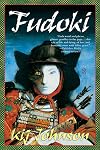
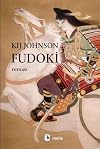
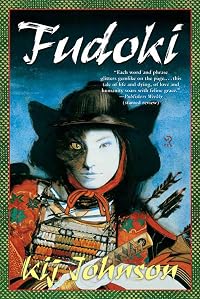
In her skillful debut novel, Kij Johnson took the classic Japanese myth of the fox who dared to become a woman to win true love and created The Fox Woman, a luminous, lyrical tale of love, desire, joy, and the nature of the soul. Set in the same universe as The Fox Woman, this time Kij Johnson takes on another animal totem and enters the world of the creature who comes to be known as Kagaya-hime, a sometime woman warrior, occasional philosopher, and reluctant confidante to noblemen. And who show more may or may not be the figment of the imagination of an aging empress who is embarking on the last journey of her life, setting aside the trappings of court life and reminiscing as she follows the paths that are leading her to the nunnery and death. Fudoki is the tale of a being who starts her journey on the kami, or spirit road, as a humble-if ever a being such as a Cat can be humble-small tortoiseshell feline. She has seen her family destroyed by a fire that decimated most of the Imperial city. This loss renders her taleless, the only one left alive to pass on such stories as The Cat Born the Year the Star Fell, the Cat with a Litter of Ten, the Fire-Tailed Cat. Without her fudoki-self and soul and home and shrine-she cannot keep the power of her clan together. And she cannot join another fudoki because, although she might be able to win a place within another clan, to do so would mean that she would cease to be herself. So a small cat begins an extraordinary journey. Along the way she will attract the attention of old and ancient powers, including gods who are curious about this creature newly come to Japan's shores, and who choose to give the tortoiseshell a human shape. And who set her on a new kami road, where Kagaya-hime will have to choose a way to find what happiness she can. Weaving a haunting story of one being's transformation and journey of discovery with the telling of another's long life set against the backdrop of the courtly rituals of Imperial power, Kij Johnson has written a powerful novel about the nature of freedom and the redemptive power of transformation--if only one is brave enough to risk it all. show lessTags
Recommendations

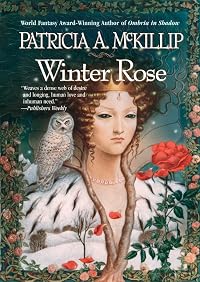

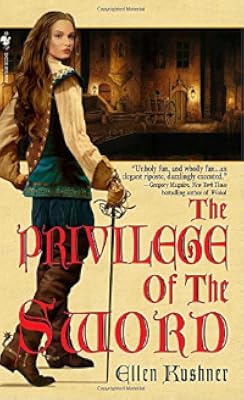

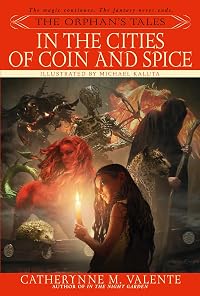
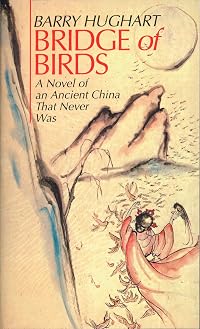
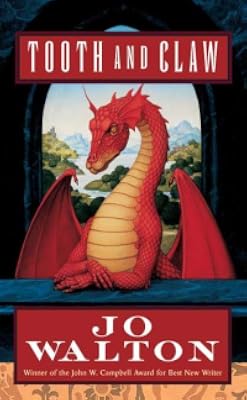
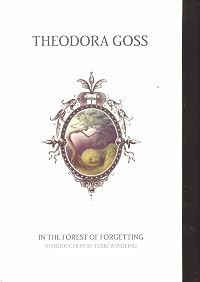
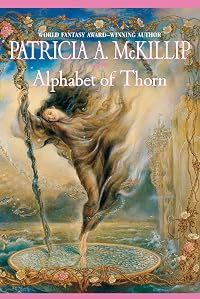
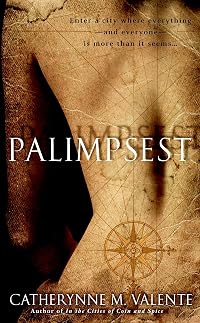




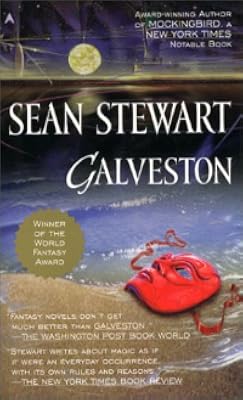

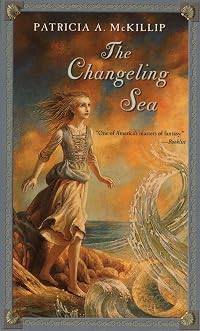

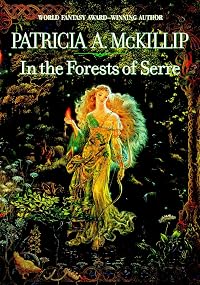


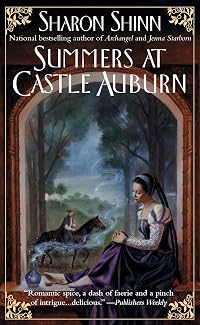



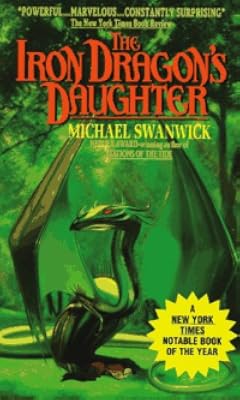
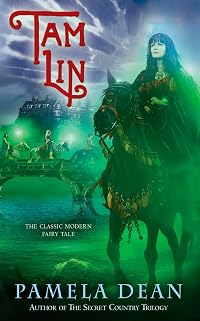

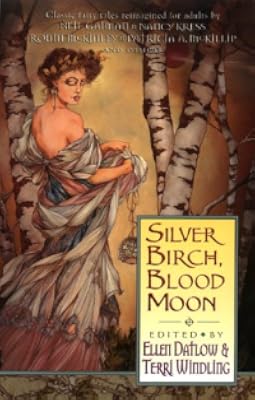
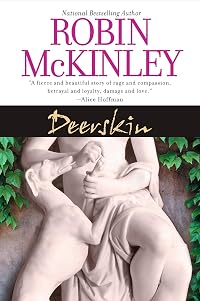
Member Recommendations


Member Reviews
The conceit of a story within a story can be horrid when done badly; but when it's done well, as it is here, it's brilliant. The two tales couldn't be more different – and couldn't be more similar. There's a light touch to the twists and turns, so they startle and at once seem perfectly natural; and a deft, gentle humour in perfect balance with the soft melancholy. There's nothing in this novel that I didn't admire immensely.
I cannot remember who it was who recommended this novel to me, so I will just have to thank the happy serendipity which caused my eye to fall upon it while I was pottering around in the Forbidden Planet in London, and made me pick it up. The prose is a delight--vivid and subtle and precise--full of insights which are sharp without ever being overstated. Johnson also manages to interweave the two main strands of the story incredibly well--of Princess Harueme, old and slowly dying, and of the cat-turned-woman, Kagaya-hime. They are never made truly distinct from one another, flowing from Harueme's story to Kagaya-hime's and back again. In the hands of a lesser writer, such a story-telling device would be confusing, but Johnson makes it show more work incredibly well for her. This is apparently the successor to a previous novel, which is definitely going on my to-look-for list. show less
As the half-sister, aunt, and great grand-aunt respectively of the last three Japanese Emperors, the princess Harueme has lived a very long, very privileged life. Now elderly and dying, she is preparing to leave the court for a convent. This necessitates the packing up or destroying of her lifetime of belongings. In this process, she comes upon a stack of empty notebooks and feels compelled to fill them. Harueme’s story begins as a monogatari tale, or traditional Japanese epic, about a young female cat whose entire feline family is killed, sending her on a long, mythic journey across Japan. In the course of this journey, a kami, or spirit, changes the cat into a girl. But as Harueme writes her story, a story about a life so very show more different from her own sheltered and carefully pruned existence, she begins interspersing reflections and memories of her own long life and the many ways her life has both fulfilled and disappointed her. The two stories weave together to create a vivid, gloriously textured view of both Japanese traditional folklore and 12th century Japanese culture.
Gorgeously written, with two compelling main characters in the tamed princess Harueme and the untamable cat-girl, Fudoki is luminous and absorbing. Highly recommended. show less
Gorgeously written, with two compelling main characters in the tamed princess Harueme and the untamable cat-girl, Fudoki is luminous and absorbing. Highly recommended. show less
At 4.5/5 stars, Fudoki is a entertaining and fascinating read. If you've enjoyed 'The Fox Woman', you will enjoy this book. The main character in question here is a cat rather than a fox. At first you wonder why she is on this journey, but the events that transpire along the journey make it interesting. The parts of the story from the Princess' point of view are also interesting and educational, though if I were a Princess in that era, I'd be bored due to the restrictions. Personally, I feel the story would have done better without Princess' part of the story, it just didn't feel relevant to the story of the cat.
At the end of the story, the reason for the journey is revealed, and everything makes so much sense - so if you didn't like show more this book at first because of the seemingly pointless story, just KEEP READING ON and your patience will pay off. It was a strangely satisfying ending, and I was happy when mention of the kitsune appeared within the story (a nice nod to Kij's first book) Overall a enjoyable and satisfying book, highly recommended! show less
At the end of the story, the reason for the journey is revealed, and everything makes so much sense - so if you didn't like show more this book at first because of the seemingly pointless story, just KEEP READING ON and your patience will pay off. It was a strangely satisfying ending, and I was happy when mention of the kitsune appeared within the story (a nice nod to Kij's first book) Overall a enjoyable and satisfying book, highly recommended! show less
It took me a full 120 pages to finally get truly interested in this book. It's jut so very slow. Now, it's meant to be. It's about a dying old woman who, while writing a fictional story, is contemplated her life. From the very beginning there was a lot to think about, but I was honestly bored. However, once Hime becomes human things pick up a little...or maybe I had finally just adjusted to the slow pace.
But once I got past the slow pace, I was really impressed with this as a contemplation on place—the idea of one's social place, place as a physical location and the intersection of these ideas that construct our sense of ourselves (Fudoki). Harueme is a princess—daughter, grandaughter, sister and aunt to emperors. But this same show more high rank (place in society) is a prison of sort, keeping her in her place dreaming of being free, of seeing the world and new places. She is never allowed to escape her place, physical or cultural. While simultaneously, Hime is a cat who has lost her Fudoki, her place and therefore the sense and understand of self that it provided. She spends the whole book looking for a place to be her and her own.
If you're looking for a contemplative read and have any interest in 11th century Japanese culture I recommend picking this one up. show less
But once I got past the slow pace, I was really impressed with this as a contemplation on place—the idea of one's social place, place as a physical location and the intersection of these ideas that construct our sense of ourselves (Fudoki). Harueme is a princess—daughter, grandaughter, sister and aunt to emperors. But this same show more high rank (place in society) is a prison of sort, keeping her in her place dreaming of being free, of seeing the world and new places. She is never allowed to escape her place, physical or cultural. While simultaneously, Hime is a cat who has lost her Fudoki, her place and therefore the sense and understand of self that it provided. She spends the whole book looking for a place to be her and her own.
If you're looking for a contemplative read and have any interest in 11th century Japanese culture I recommend picking this one up. show less
A story within a story, somewhat related to her other book, The Fox Woman. A dying princess fills her last notebooks before she is to be moved to a convent. She tells the story of a cat that has lost everything and hits the road. Its spirit changes her into a warrior and she has the adventures that the princess never had. Sometimes it seemed a little soulless in its beauty, but I liked the story (December 08, 2003)
A beautiful book, half fantasy novel and half folktale. More melancholy and serious than you might expect from the back blurb. Underrated and highly recommended.
Members
- Recently Added By
Lists

Metamorphoses
35 works; 4 members

BingoDOG - Animals in Adult Fiction
78 works; 20 members
Author Information

47+ Works 3,485 Members
Some Editions
Awards and Honors
Awards
Series

Classifications
- Genres
- Fiction and Literature, Fantasy, General Fiction, Historical Fiction
- DDC/MDS
- 813.54 — Literature & rhetoric American literature in English American fiction in English 1900-1999 1945-1999
- LCC
- PS3560 .O379716 .F83 — Language and Literature American literature American literature Individual authors 1961-
- BISAC
Statistics
- Members
- 428
- Popularity
- 72,052
- Reviews
- 8
- Rating
- (3.93)
- Languages
- English, Turkish
- Media
- Paper, Ebook
- ISBNs
- 4
- ASINs
- 1