On This Page
Description
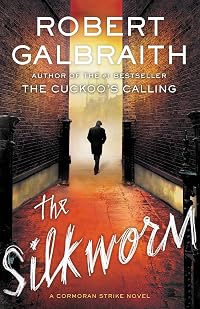
When novelist Owen Quine goes missing, his wife calls in private detective Cormoran Strike. At first, Mrs. Quine just thinks her husband has gone off by himself for a few days--as he has done before--and she wants Strike to find him and bring him home. But as Strike investigates, it becomes clear that there is more to Quine's disappearance than his wife realizes. The novelist has just completed a manuscript featuring poisonous pen-portraits of almost everyone he knows. If the novel were to show more be published, it would ruin lives--meaning that there are a lot of people who might want him silenced. When Quine is found brutally murdered under bizarre circumstances, it becomes a race against time to understand the motivation of a ruthless killer, a killer unlike any Strike has encountered before. show lessTags
Recommendations

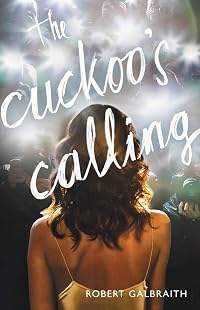
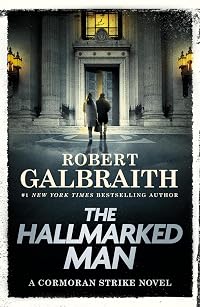
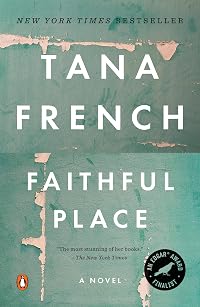
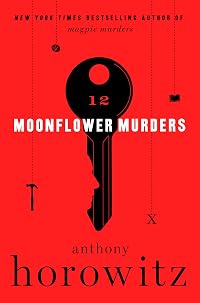


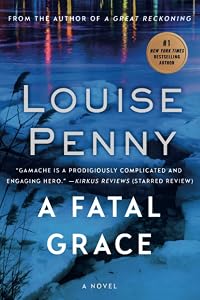
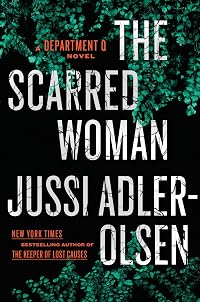
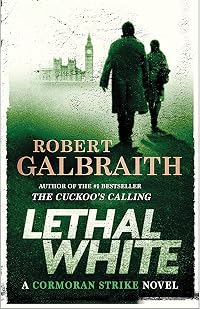
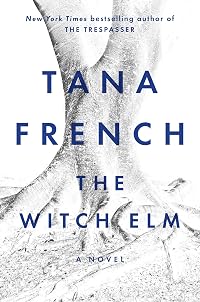

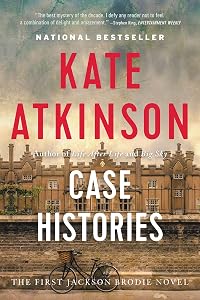

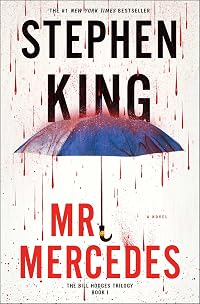


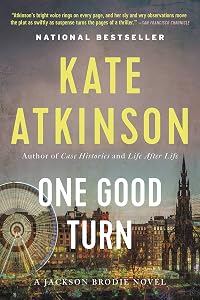
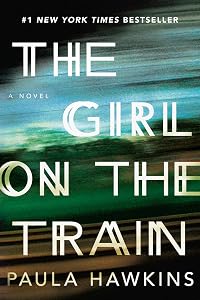
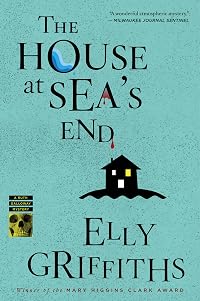
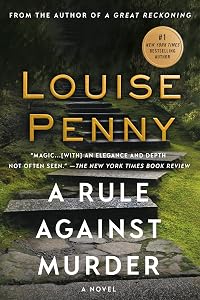


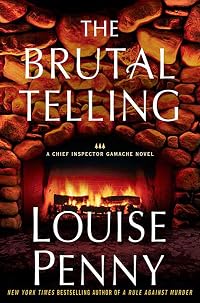
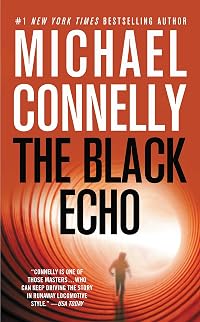
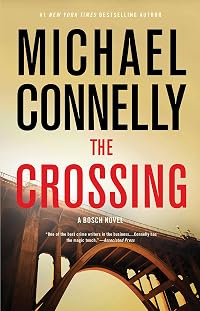
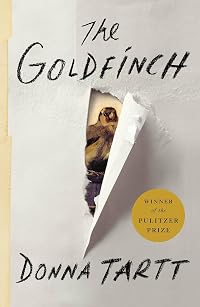
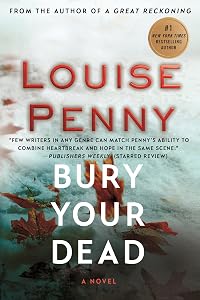

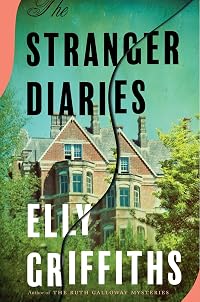
Member Recommendations
keywestnan Like Robert Galbraith, aka J.K. Rowling, Kate Atkinson excels at creating interesting, complex but believable characters in her series of novels about Jackson Brodie, a cop-turned-private detective. Case Histories is the first in the series -- not my absolute favorite but they're all really good and I think you should start at the beginning.
Member Reviews
My highest compliment: I read *all* the pages, some more than once when Galbraith was in the prose zone. Oh, and *bought* the hardcover from B&N to stick it to A---- because they were sticking it to the author. Not disappointed in the least. At 464 pp, stayed up very late some nights, took work breaks during the day, anything to simultaneously find out who did it and not have to finish. Enjoyed it as much, if not more --- the literary cruelties, yum! --- than Cuckoo's Calling. Delighted with the author's on-going exploration of primary characters, amazed at the acute, deft outlines of the secondary players. Well done! And is Strike the crankiest P.I. since Nero Wolfe? I'm in for the long haul. Only 7? {Sighs resignedly}
Cuando leí el primer libro de esta serie, ya me había parecido que J.K. Rowling había hecho un trabajo fenomenal escribiendo estos libros, pero es que ahora no solo me ratifico si no que me reitero, es absolutamente maravillosa.
Hay que tener mucho talento para crear una serie como Harry Potter, así que no vamos a poner en tela de duda el talento de esta mujer, pero es que hay que tener un par bien puestos, esta mujer exuda talento literario por cada poro, me tiene de verdad ganada desde Harry Potter, pero con estos libros se ha ganado mi más grande admiración y voy a explicar la razón.
Me parece que alguien que tiene la capacidad de reinventarse es ya de por sí extraordinario, tener un éxito tan grande como ella lo tuvo con show more su serie de fantasía ya es algo y algo muy grande, pudo, como muchos lo han hecho, seguir la línea, seguir explotando sus personajes, que segura estoy que si escribiera más libros sobre Potter los leería hasta Dios, pero no, esta mujer se ha atrevido a no solo cambiar completamente de género y escribir esta serie policiaca, sino que además lo ha hecho fenomenalmente y para inri bajo seudónimo, nada más que decir, me quito el sombrero.
Ahora bien, el primer libro ya me pareció extraordinariamente bueno, la capacidad de Rowling para crear personajes, hacerlos profundos, agradables, fáciles de comprender, entrañables, cercanos, pero tan complicados al mismo tiempo, me pareció lo mejor que tuvo su primera entrega, así pues, ya teníamos personajes buenos, una buena historia bien contada y una primera entrega razonablemente buena.
Pues nada, la señora ha escrito un libro policiaco de una complejidad asombrosa, una historia realmente buena, por un lado tenemos un escenario de una novela policiaca muy típica inglesa, por no decir muy al estilo de Agatha Christie, donde hay muchos personajes y todos son sospechosos, incluyendo al muerto y por otro lado tenemos una historia que se mueve en el mundo literario, Rowling nos presenta el argumento de una novela fatídica, pero no solo se queda en contarnos el argumento, que por cierto hay que tener mucha imaginación para eso, sino que se dedica a desentrañar las alusiones y fondos literarios de ese libro, realmente ha sido magnifico, ha sido un deleite para mí leerme este libro, recorrer sus páginas, conocer sus personajes, ver el lado negro de cada personaje, personajes además tan pero tan bien definidos que pude perfectamente ponerles cara y odiarlos, ir pasando de sospechoso en sospechoso, motivaciones, vidas secretas, problemas personales de antaño, para luego junto con Strike leerme un libro que de verdad te dejaba con la boca abierta de lo que decía y contaba ( Muy elocuente señora Rowling y muy atrevido de su parte también) para luego además adentrarme la vida personal de Strike y de Robin, en fin, no puedo más que decir que me la he pasado genial leyendo este libro.
Una narrativa buenísima, un argumento fenomenal, una historia atrapante e inteligente, este libro ha sido toda una revelación para mí y de verdad ya era fan de esta autora, pero después de estos libros además me declaro admiradora de la persona que ella es, no cualquiera tiene la capacidad de reinventarse como ella lo ha hecho. show less
Hay que tener mucho talento para crear una serie como Harry Potter, así que no vamos a poner en tela de duda el talento de esta mujer, pero es que hay que tener un par bien puestos, esta mujer exuda talento literario por cada poro, me tiene de verdad ganada desde Harry Potter, pero con estos libros se ha ganado mi más grande admiración y voy a explicar la razón.
Me parece que alguien que tiene la capacidad de reinventarse es ya de por sí extraordinario, tener un éxito tan grande como ella lo tuvo con show more su serie de fantasía ya es algo y algo muy grande, pudo, como muchos lo han hecho, seguir la línea, seguir explotando sus personajes, que segura estoy que si escribiera más libros sobre Potter los leería hasta Dios, pero no, esta mujer se ha atrevido a no solo cambiar completamente de género y escribir esta serie policiaca, sino que además lo ha hecho fenomenalmente y para inri bajo seudónimo, nada más que decir, me quito el sombrero.
Ahora bien, el primer libro ya me pareció extraordinariamente bueno, la capacidad de Rowling para crear personajes, hacerlos profundos, agradables, fáciles de comprender, entrañables, cercanos, pero tan complicados al mismo tiempo, me pareció lo mejor que tuvo su primera entrega, así pues, ya teníamos personajes buenos, una buena historia bien contada y una primera entrega razonablemente buena.
Pues nada, la señora ha escrito un libro policiaco de una complejidad asombrosa, una historia realmente buena, por un lado tenemos un escenario de una novela policiaca muy típica inglesa, por no decir muy al estilo de Agatha Christie, donde hay muchos personajes y todos son sospechosos, incluyendo al muerto y por otro lado tenemos una historia que se mueve en el mundo literario, Rowling nos presenta el argumento de una novela fatídica, pero no solo se queda en contarnos el argumento, que por cierto hay que tener mucha imaginación para eso, sino que se dedica a desentrañar las alusiones y fondos literarios de ese libro, realmente ha sido magnifico, ha sido un deleite para mí leerme este libro, recorrer sus páginas, conocer sus personajes, ver el lado negro de cada personaje, personajes además tan pero tan bien definidos que pude perfectamente ponerles cara y odiarlos, ir pasando de sospechoso en sospechoso, motivaciones, vidas secretas, problemas personales de antaño, para luego junto con Strike leerme un libro que de verdad te dejaba con la boca abierta de lo que decía y contaba ( Muy elocuente señora Rowling y muy atrevido de su parte también) para luego además adentrarme la vida personal de Strike y de Robin, en fin, no puedo más que decir que me la he pasado genial leyendo este libro.
Una narrativa buenísima, un argumento fenomenal, una historia atrapante e inteligente, este libro ha sido toda una revelación para mí y de verdad ya era fan de esta autora, pero después de estos libros además me declaro admiradora de la persona que ella es, no cualquiera tiene la capacidad de reinventarse como ella lo ha hecho. show less
I'm not generally a fan of mystery novels, but a NYT Book Review piqued my interest and I'm glad I took a chance. The characters are well-developed and it moved along at a nice pace. The literary references, especially the self-publishing snubs (sorry—I'm sure I'll offend someone there) were spot-on and made me smile.
A few pieces, however, didn't quite come together for me, and a vital clue needed to solve the mystery wasn't revealed until almost the end, making it difficult for the reader to figure it out. Holding on to some secrets worked well in the Harry Potter series with surprise twists in the final book, but here I think the author should have given the reader a bit more with which to work. Also, the gathering of a critical show more bit of evidence was a tad far-fetched. If I thought this was Galbraith's second novel, perhaps I wouldn't be so pernickety, but Rowling definitely has the ability to catch the inconsistencies and produce a somewhat smoother story (and there was at least one typo).
That being said, I do anxiously await a sequel so I can continue to follow Cormoran and Robin. show less
A few pieces, however, didn't quite come together for me, and a vital clue needed to solve the mystery wasn't revealed until almost the end, making it difficult for the reader to figure it out. Holding on to some secrets worked well in the Harry Potter series with surprise twists in the final book, but here I think the author should have given the reader a bit more with which to work. Also, the gathering of a critical show more bit of evidence was a tad far-fetched. If I thought this was Galbraith's second novel, perhaps I wouldn't be so pernickety, but Rowling definitely has the ability to catch the inconsistencies and produce a somewhat smoother story (and there was at least one typo).
That being said, I do anxiously await a sequel so I can continue to follow Cormoran and Robin. show less
J.K. Rowling returns with The Silkworm, her second novel written as Robert Galbraith and featuring the damaged but good-hearted soldier-turned-private detective Cormoran Strike; despite all the palaver about disappointing sophomore efforts, The Silkworm proves even better than The Cuckoo’s Calling.
That’s perhaps because Rowing explores territory that’s much more familiar: Rather than the modeling world examined in The Cuckoo’s Calling, The Silkworm explores the backbiting, insular world of publishing. Owen Quine, a self-dramatizing has-been cultivating an enfant terrible image, has produced a libelous manuscript he calls Bombyx Mori, the Latin name for the silkworm. In it, he skewers fellow writers and even his own publishing show more house through parody and thinly veiled characters. After a row with his dragon-lady agent, Quine vanishes, and Mrs. Quine hires Strike. When Quine turns up dead, Strike and his pretty, clever assistant, Robin Ellacot, set out to find out what was so damaging in Bombyx Mori that the author had to be silenced and the manuscript taken.
The Silkworm, ever entertaining, becomes arresting in the last third of the book. I know it’s a cliché, but I really couldn’t put it down. I never suspected the murderer — or even the motive — until the last few pages. Readers won’t be able to put it down, either. The Silkworm turned out to be one of the best mystery I’ve read in a long time. Readers will remember the ending, supremely exciting, for years to come.
Robin Ellacot proves herself just as clever, passionate and indispensable as in The Cuckoo’s Calling. To tell any more would be to ruin The Silkworm for readers, but let’s just say that, courageous and loyal, Robin does herself great credit. While I do love Cormoran Strike, I absolutely adore the conscientious and loyal Robin.
The novel also fleshes out Cormoran’s relationship with his privileged half-brother, Alexander Rokeby, a fascinating look into the one member of Cormoran’s rock-star father’s family who takes an interest in the illegitimate eldest son of Jonny Rokeby. Al, 9 years younger and legitimate, has benefited from his father’s fame and wealth — a Swiss secondary school, trans-Atlantic travel, skiing holidays, access to the poshest circles of London and New York society. It was wonderful to see Al help out his big brother. I hope we’ll be seeing more from him in future books. show less
That’s perhaps because Rowing explores territory that’s much more familiar: Rather than the modeling world examined in The Cuckoo’s Calling, The Silkworm explores the backbiting, insular world of publishing. Owen Quine, a self-dramatizing has-been cultivating an enfant terrible image, has produced a libelous manuscript he calls Bombyx Mori, the Latin name for the silkworm. In it, he skewers fellow writers and even his own publishing show more house through parody and thinly veiled characters. After a row with his dragon-lady agent, Quine vanishes, and Mrs. Quine hires Strike. When Quine turns up dead, Strike and his pretty, clever assistant, Robin Ellacot, set out to find out what was so damaging in Bombyx Mori that the author had to be silenced and the manuscript taken.
The Silkworm, ever entertaining, becomes arresting in the last third of the book. I know it’s a cliché, but I really couldn’t put it down. I never suspected the murderer — or even the motive — until the last few pages. Readers won’t be able to put it down, either. The Silkworm turned out to be one of the best mystery I’ve read in a long time. Readers will remember the ending, supremely exciting, for years to come.
Robin Ellacot proves herself just as clever, passionate and indispensable as in The Cuckoo’s Calling. To tell any more would be to ruin The Silkworm for readers, but let’s just say that, courageous and loyal, Robin does herself great credit. While I do love Cormoran Strike, I absolutely adore the conscientious and loyal Robin.
The novel also fleshes out Cormoran’s relationship with his privileged half-brother, Alexander Rokeby, a fascinating look into the one member of Cormoran’s rock-star father’s family who takes an interest in the illegitimate eldest son of Jonny Rokeby. Al, 9 years younger and legitimate, has benefited from his father’s fame and wealth — a Swiss secondary school, trans-Atlantic travel, skiing holidays, access to the poshest circles of London and New York society. It was wonderful to see Al help out his big brother. I hope we’ll be seeing more from him in future books. show less
I admire a writer who keeps me turning the pages even as a part of my mind is saying "Wait a minute, would that really happen?" and "Why aren't there any likable characters except Robin?" and "How many times are we going to have to hear that Strike's leg hurts"? (The answer to that last question seems like hundreds.) It is cold in London in winter. That, too, is not left in doubt.
Robert Galbraith, aka J. K. Rowling, turns a jaundiced eye on the publication business this time. With a few exceptions, everyone is awful. The murder victim is as repulsive as the suspects. The ending was set up nicely (much better than the big reveal in the Cuckoo's Calling), but I didn't buy into the psychology of it.
This book is compulsively readable show more though. No question. show less
Robert Galbraith, aka J. K. Rowling, turns a jaundiced eye on the publication business this time. With a few exceptions, everyone is awful. The murder victim is as repulsive as the suspects. The ending was set up nicely (much better than the big reveal in the Cuckoo's Calling), but I didn't buy into the psychology of it.
This book is compulsively readable show more though. No question. show less
I liked the second installment of detective Strike's and Robin's adventures a bit less than the first. Here's my reasoning:
* Gore. I am not a fan of it and didn't really think it was necessary for the story to feature such a gory crime. The theatrical ambience of it could have been recreated by other means.
* Several times in the last third Strike offers explanations, or else instructions, to one or more of his collaborators, but the reader is left in the dark. The scene is literally the summary "and then Strike divulges to Robin who the murderer is". Even though all this information is eventually revealed, this leaves a bit of a grating feeling, not in the least because it happens three different times. What is the purpose of even show more having the scene if you're going to keep all the important details hidden? I can understand doing it once to keep the suspense, but three different times is just too much.
* This is not specific to The Silkworm, but I noticed it even more than usually this time - the "I never met an adjective I didn't like syndrome". A lot of delicately nuanced adjectives that you rarely meet outside of ornate literature are used, thus necessitating frequent use of Kindle's built-in dictionary. Now I'm not sure if native speakers have the same problem, but seriously, sometimes you can just characterize something as pale instead of browsing through a thesaurus for exactly the right shade.
* I think Ms Rowling needs to be careful about where she's taking the Robin character. While generally likable enough, her "pangs of annoyance" every time Strike fails to acknowledge her successes or says anything remotely not to her liking might tip her over to the aggravating side of the scale. I like the possibly slightly more distant, but in a way more heartwarming relationship between Strike and Robin in The Cookoo's Calling better.
* I do not feel all the loose threads connect into a satisfying ending as well as they do in the Cookoo. Maybe this is the result of the above-mentioned passages where the reader is left in the dark, but generally I'm not too sure that the conclusion very logically follows the investigative process. The reasons that are pinned on the actual perpetrator could have just as easily been pinned on any of the other members of the small circle of suspects.
* Much as The Cookoo's Calling is a bit of a shot against the paparazzi and the press, The Silkworm could be construed as engaging in a bit of mockery of the amateur writing community. Yes, everyone and their grandma is writing a novel, no, almost nobody is as good as you, Ms Rowling, but the judgmental attitude of "the world needs more readers, less writers", a direct quote, is somewhat unbecoming. Maybe I'm reading that wrong, though.
Despite all this, The Silkworm is an easy and entertaining read. I got through it in just a couple of days. There are some improvements on the previous installment, too. London is featured even more prominently and I always like books where the setting rises nearly to the level of a character in the novel, although here we're just short of that. The dialogues where Strike and/or Robin talk to witnesses and suspects have decreased too, which is an improvement. And it seems that investigative methods that a private detective would use have been even more thoroughly researched by the author, painting Strike in a more professional light.
Like I said for the first book, a possibly more than decent whodunit. show less
* Gore. I am not a fan of it and didn't really think it was necessary for the story to feature such a gory crime. The theatrical ambience of it could have been recreated by other means.
* Several times in the last third Strike offers explanations, or else instructions, to one or more of his collaborators, but the reader is left in the dark. The scene is literally the summary "and then Strike divulges to Robin who the murderer is". Even though all this information is eventually revealed, this leaves a bit of a grating feeling, not in the least because it happens three different times. What is the purpose of even show more having the scene if you're going to keep all the important details hidden? I can understand doing it once to keep the suspense, but three different times is just too much.
* This is not specific to The Silkworm, but I noticed it even more than usually this time - the "I never met an adjective I didn't like syndrome". A lot of delicately nuanced adjectives that you rarely meet outside of ornate literature are used, thus necessitating frequent use of Kindle's built-in dictionary. Now I'm not sure if native speakers have the same problem, but seriously, sometimes you can just characterize something as pale instead of browsing through a thesaurus for exactly the right shade.
* I think Ms Rowling needs to be careful about where she's taking the Robin character. While generally likable enough, her "pangs of annoyance" every time Strike fails to acknowledge her successes or says anything remotely not to her liking might tip her over to the aggravating side of the scale. I like the possibly slightly more distant, but in a way more heartwarming relationship between Strike and Robin in The Cookoo's Calling better.
* I do not feel all the loose threads connect into a satisfying ending as well as they do in the Cookoo. Maybe this is the result of the above-mentioned passages where the reader is left in the dark, but generally I'm not too sure that the conclusion very logically follows the investigative process. The reasons that are pinned on the actual perpetrator could have just as easily been pinned on any of the other members of the small circle of suspects.
* Much as The Cookoo's Calling is a bit of a shot against the paparazzi and the press, The Silkworm could be construed as engaging in a bit of mockery of the amateur writing community. Yes, everyone and their grandma is writing a novel, no, almost nobody is as good as you, Ms Rowling, but the judgmental attitude of "the world needs more readers, less writers", a direct quote, is somewhat unbecoming. Maybe I'm reading that wrong, though.
Despite all this, The Silkworm is an easy and entertaining read. I got through it in just a couple of days. There are some improvements on the previous installment, too. London is featured even more prominently and I always like books where the setting rises nearly to the level of a character in the novel, although here we're just short of that. The dialogues where Strike and/or Robin talk to witnesses and suspects have decreased too, which is an improvement. And it seems that investigative methods that a private detective would use have been even more thoroughly researched by the author, painting Strike in a more professional light.
Like I said for the first book, a possibly more than decent whodunit. show less
A solid mystery with satisfyingly unexpected twists, but it is not particularly fast-paced. It takes time to gather all the pieces and put them together - and I like that allocates the necessary time to do that justice. It progresses steadily, if slowly, and helps maintain interest with personal tensions and minor mysteries.
The writing is charismatic, with an eye for visual details and astute observations. The descriptions bring the characters and the places they move through to life. The author (not surprisingly) is insightful about the various tensions of the literary world. And insightful about the role the media - from formal publications to internet fansites - plays in discussing authors.
The murder is gruesome, but I think it show more helped that I'd been warned.
One thing I've noticed with regards to murder mysteries is that, sometimes as an investigation goes on, the murder victim becomes less likeable. Darker secrets are brought to light, fractured relationships are revealed... It's an effective way of ensuring that suspicion can fall on several people. But there's something ugly about it.
The Silkworm doesn't do that. It looks to be headed in that direction. But by the end, some of the victim's dignity is restored. He is still a very flawed, often unlikeable person, but there were people in his life that he cared about. And he matters, even in death, to those people. Which not only restores dignity to the victim, but to the people who cared about him. Galbraith takes them seriously, even though, it would be very easy to ridicule them.
I can't say I exactly enjoyed reading about the victim or the revelations about the literary world he was a part of, but I certainly enjoy reading about Strike and Robin and their investigative efforts. I like Strike's interactions with his friends - I think it's great that he has old friends and they all enjoy each other's company. Also, he couldn't solve this mystery without his friends.
Robin's a more minor character than Strike is - but I love that she wants to be more. To do more, to learn more, to further her skills as much as she can. I love the way she finds joy in being good at her job. I also agree with Strike, that Robin being in a committed relationship is a good way to keep any romantic subtext to a minimum. Not interested in shipping Strike and Robin romantically, nope, not at all. But as colleagues who have a good working relationship, I'm super invested.
(Reviewed July 2014) show less
The writing is charismatic, with an eye for visual details and astute observations. The descriptions bring the characters and the places they move through to life. The author (not surprisingly) is insightful about the various tensions of the literary world. And insightful about the role the media - from formal publications to internet fansites - plays in discussing authors.
The murder is gruesome, but I think it show more helped that I'd been warned.
One thing I've noticed with regards to murder mysteries is that, sometimes as an investigation goes on, the murder victim becomes less likeable. Darker secrets are brought to light, fractured relationships are revealed... It's an effective way of ensuring that suspicion can fall on several people. But there's something ugly about it.
The Silkworm doesn't do that. It looks to be headed in that direction. But by the end, some of the victim's dignity is restored. He is still a very flawed, often unlikeable person, but there were people in his life that he cared about. And he matters, even in death, to those people. Which not only restores dignity to the victim, but to the people who cared about him. Galbraith takes them seriously, even though, it would be very easy to ridicule them.
I can't say I exactly enjoyed reading about the victim or the revelations about the literary world he was a part of, but I certainly enjoy reading about Strike and Robin and their investigative efforts. I like Strike's interactions with his friends - I think it's great that he has old friends and they all enjoy each other's company. Also, he couldn't solve this mystery without his friends.
Robin's a more minor character than Strike is - but I love that she wants to be more. To do more, to learn more, to further her skills as much as she can. I love the way she finds joy in being good at her job. I also agree with Strike, that Robin being in a committed relationship is a good way to keep any romantic subtext to a minimum. Not interested in shipping Strike and Robin romantically, nope, not at all. But as colleagues who have a good working relationship, I'm super invested.
(Reviewed July 2014) show less
Members
- Recently Added By
Published Reviews
ThingScore 75
In the case of “The Silkworm,” it’s clear that two narrow genres of literature have been the source of inspiration: the old-fashioned detective story with its careful parsing of evidence; and the Jacobean play, renowned for its biting satire and dark fascination with betrayal and revenge, death and cruelty and corruption.
added by ozzer
Lists

Best Crime Fiction
262 works; 39 members

Crime and Mysteries to Read
746 works; 31 members

Recommend the 20 best books you've read in the last five years
2,168 works; 606 members

Best Revenge Stories
69 works; 9 members

Sources of epigraphs in Robert Galbraith's The Silkworm
22 works; 1 member

Books Read in 2016
4,666 works; 197 members

Next in Series
85 works; 1 member

Books Read in 2021
5,361 works; 114 members

Books Read in 2020
4,379 works; 124 members

Top Five Books of 2018
802 works; 265 members

To Read
617 works; 7 members

Books Read in 2017
4,249 works; 129 members

Top Five Books of 2015
811 works; 241 members

Summer Reads 2014
207 works; 70 members

Dublin Literary Award Longlist 2016
148 works; 4 members
Books read in 2015
213 works; 5 members
Books Read in 2014
2,343 works; 87 members
Books Read in 2015
3,299 works; 129 members

The 3 Rs Blog 2014 Books of the Year
16 works; 1 member

MBL's Top 5 of 2014
5 works; 1 member

Top Five Books of 2014
1,064 works; 398 members
Kirkus Reviews Best Fiction of 2014
100 works; 7 members

Books Read in 2022
5,164 works; 113 members

Female Author
1,235 works; 67 members
Author Information

13 Works 34,054 Members
Some Editions
Awards and Honors
Awards
Distinctions
Notable Lists
Series

Belongs to Publisher Series
A tot vent (630)
Work Relationships
Is contained in
Has the adaptation
Common Knowledge
- Canonical title
- The Silkworm
- Original title
- The Silkworm
- Original publication date
- 2014-06-19
- People/Characters
- Cormoran Strike; Robin Ellacott; Owen Quine; Leonora Quine; Kathryn Kent; Nina Lascelles (show all 28); Orlando Quine; James Waldegreave; Daniel Chard; Michael Fancourt; Elizabeth Tassell; Dominic Culpepper; William Baker; Matthew John Cunliffe; Joanna Waldegreave; Elspeth Fancourt; Fenella Waldegreave; Joseph North; Richard Anstis; Charlotte Campbell; Ilsa Herbert; Dorcus Pengelly; Todd Harkness; Alexander Rokeby; Pippa Midgley; David Polworth; Jude Graham; Duncan Gilfedder
- Important places
- London, England, UK
- Related movies
- Strike (2017 | IMDb)
- Epigraph
- ...blood and vengeance the scene, death the story,
a sword imbrued with blood, the pen that writes,
and the poet a terrible buskined tragical fellow,
with a wreath about his head of burning match instead of bays.
The Noble Spanish Soldier
Thomas Dekker - Dedication
- To Jenkins,
without whom ...
he knows the rest - First words
- 1
QUESTION
What dost thou feed on?
ANSWER
Broken sleep.
Thomas Dekker, The Noble Spanish Soldier
'Someone bloody famous,' said the hoarse voice on the end of the line, 'better've died, Strike.' - Last words
- (Click to show. Warning: May contain spoilers.)Then, with a grin and a wave, he was gone.
- Publisher's editor
- Shelley, David
- Original language
- English
- Canonical DDC/MDS
- 823.92
Classifications
Statistics
- Members
- 7,106
- Popularity
- 1,647
- Reviews
- 384
- Rating
- (3.92)
- Languages
- 21 — Catalan, Czech, Danish, Dutch, English, Estonian, Finnish, French, German, Hungarian, Italian, Norwegian (Bokmål), Polish, Romanian, Russian, Slovenian, Spanish, Swedish, Turkish, Ukrainian, Portuguese (Portugal)
- Media
- Paper, Audiobook, Ebook
- ISBNs
- 102
- ASINs
- 35