On This Page
Description
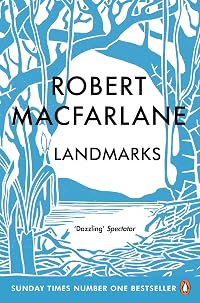
"Explores the landscape of the British Isles through its ancient place names, interspersed with biographical essays on some of the author's favorite writers who have paid close attention to the natural world."--Provided by publisher.Tags
Recommendations


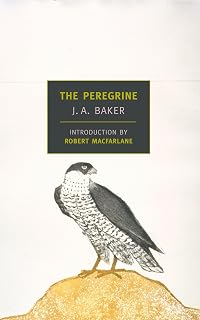



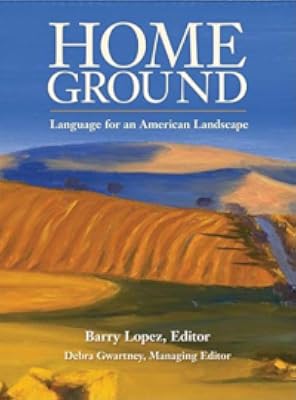

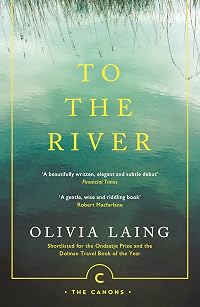

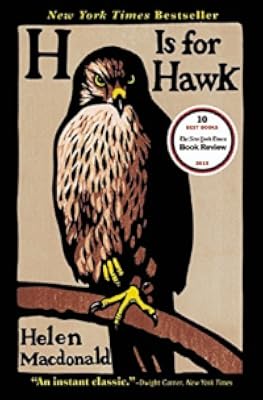

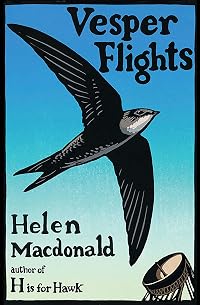

Member Recommendations
Member Reviews
Over the last few years I must have bought at least 10 copies of Landmarks to send to special friends. It was originally lent to me my a friend, Laura Hartley after a discussion about where we thought we belonged. Robert Macfarlane doesn't just write about place, he writes about writers who write about place. Consequently, this book's chapters celebrate the work of wonderful writers such as Nan Shepherd, Barry Lopez, John Muir, J.A. Baker, and Roger Deakin. Their books have cascaded out of Landmarks on to my shelves and into my understanding of place.
I love the way Macfarlane tastes the nuances of language as it creates place. I just wish I could talk to him about my place and actually show him what it means to me to be in place.
I show more didn't start at the beginning when I read this book and often recommend to my friends that they start at the end with the enchanting Chapter 'Childish'. show less
I love the way Macfarlane tastes the nuances of language as it creates place. I just wish I could talk to him about my place and actually show him what it means to me to be in place.
I show more didn't start at the beginning when I read this book and often recommend to my friends that they start at the end with the enchanting Chapter 'Childish'. show less
A book and a resource for those who are or still wish to be more connected to their landscapes, wild or cultivated, mountainous or flat, huge as the sea or a shallow as a puddle in a farmyard. Or perhaps you might relish knowing twenty different names for poo, one for every animal, not to mention for the condition of said item. Seriously, there are words for dry cracked soil, for the holes at the bottoms of hedges small animals make squeezing through (sometimes specialized names, depending on size), words for a small thorny thicket as opposed to a larger thicket composed more of young beech and alder. These words are like the bones that remain from the time when observing, knowing, calculating when to plow, when to plant, when to move show more the sheep mattered. MacFarlane takes the reader on a tour that will also lengthen your must read book, from the Cairngorms of Nan Shepherd to the Sierras of John Muir, your "must read" booklist will lengthen. The bibliography at the end is a wonderful resource -- with headings like: "On Close Attention" and "On Wonder." Somewhere near the start of the book MacFarlane mentions that The Oxford Junior Dictionary has dropped the word 'acorn' on the basis of what kids cares or needs to know? Between 1970 and 2010 the outdoor areas where children were permitted to play on their own has shrunk 90%. What does that mean for the future? ***** show less
For those who love language and landscape (particularly the British landscape), Robert Macfarlane's Landmarks is essential reading.
The book opens as follows:
"This is a book about the power of language - strong style, single words - to shape our sense of place. It is a field guide to literature I love, and it is a word-hoard of the astonishing lexis for landscape that exists in the comprision of islands, strands, fells, lochs, cities, towns, corries, hedgerows, fields and edgelands uneasily known as Britain and Ireland."
That is certainly a rich and intriguing premise, made even more powerful by a disturbing shift in language that is underway. Macfarlane explains how words concerning nature have been culled from the Oxford Junior show more Dictionary as no longer relevant to modern-day childhood, and replaced by words of technology and the virtual world. The deletions include acorn, buttercup, dandelion, heather, lark, nectar, newt, willow; some of the new words introduced are blog, broadband, bullet-point, chatroom. Macfarlane sees where this trend could lead, as younger generations drift towards an ensconced indoors from the vast and varied outdoors; and he is sounding the alarm so that we do not lose the wonder and magic of our nuanced language of the natural world.
This book works so well on so many levels as to be dizzying in its scope, execution, and scholarship; a single reading is not nearly sufficient to grasp all within. At one level, it is an ode to the majesty and precision of our language, with words passed down through generations and gathered from disparate towns and regions to describe remarkably specific land features. Landmarks also functions as a wonderful sampler of great and truly evocative nature writing, and will inevitably spark the reader to seek out many of the writers referenced, such as Nan Shepherd, Roger Deakin, J.A. Baker, Barry Lopez, and John Muir. And it should also be noted that Macfarlane too, another master nature writer, writes with great verve throughout.
Interspersed between chapters are selected glossaries, chosen from the multitude of words Macfarlane has collected, each devoted to a particular facet of the landscape, such as flatlands, uplands, coastlands, and northlands.
And there a sublime bonus in the 2016 paperback edition: an added section entitled "Gifts". In response to the original 2015 publication, thousands of readers from around the world, clearly touched and moved by Landmarks, sent Macfarlane additional words and place-terms either remembered or still in use in their little corner of the British Isles or the world at large.
Landmarks is a singular masterpiece: enchanting and inspiring. show less
The book opens as follows:
"This is a book about the power of language - strong style, single words - to shape our sense of place. It is a field guide to literature I love, and it is a word-hoard of the astonishing lexis for landscape that exists in the comprision of islands, strands, fells, lochs, cities, towns, corries, hedgerows, fields and edgelands uneasily known as Britain and Ireland."
That is certainly a rich and intriguing premise, made even more powerful by a disturbing shift in language that is underway. Macfarlane explains how words concerning nature have been culled from the Oxford Junior show more Dictionary as no longer relevant to modern-day childhood, and replaced by words of technology and the virtual world. The deletions include acorn, buttercup, dandelion, heather, lark, nectar, newt, willow; some of the new words introduced are blog, broadband, bullet-point, chatroom. Macfarlane sees where this trend could lead, as younger generations drift towards an ensconced indoors from the vast and varied outdoors; and he is sounding the alarm so that we do not lose the wonder and magic of our nuanced language of the natural world.
This book works so well on so many levels as to be dizzying in its scope, execution, and scholarship; a single reading is not nearly sufficient to grasp all within. At one level, it is an ode to the majesty and precision of our language, with words passed down through generations and gathered from disparate towns and regions to describe remarkably specific land features. Landmarks also functions as a wonderful sampler of great and truly evocative nature writing, and will inevitably spark the reader to seek out many of the writers referenced, such as Nan Shepherd, Roger Deakin, J.A. Baker, Barry Lopez, and John Muir. And it should also be noted that Macfarlane too, another master nature writer, writes with great verve throughout.
Interspersed between chapters are selected glossaries, chosen from the multitude of words Macfarlane has collected, each devoted to a particular facet of the landscape, such as flatlands, uplands, coastlands, and northlands.
And there a sublime bonus in the 2016 paperback edition: an added section entitled "Gifts". In response to the original 2015 publication, thousands of readers from around the world, clearly touched and moved by Landmarks, sent Macfarlane additional words and place-terms either remembered or still in use in their little corner of the British Isles or the world at large.
Landmarks is a singular masterpiece: enchanting and inspiring. show less
This is a difficult book to clearly categorise. It is a book about the natural world, about language to describe that natural world, but is also about the writers and in some cases friends, that he has learnt so much from in his journeys around the UK, up mountains and on long walks.
As he writes about those authors, Nan Shepherd, Roger Deakin, Richard Mabey and Richard Skelton, seminal writers that have provided so much influence, through their work and books, it comes across that this is as much about his formative years and the sense of wonder that nature has given him. Woven into their eulogies, are accounts of journeys taken to favourite places, icy cold lochs swum in, and natural and literary discoveries.
But it is also a call to show more arms. Part of this was prompted by the Oxford Junior Dictionary dropping certain words like acorn, mistletoe and kingfisher. These were removed as children no longer hear or feel or see these things; the replacements MP3, Blackberry and tablet, and objects that are used inside and alone. MacFarlane wants them to bring these words back in to normal use, by getting children to discover them for themselves, and use them in their own ways as they explore the landscape and their imaginations equally.
But more importantly, this is a reference, not complete, of local words to describe what people have been seeing around themselves for hundreds of years. There are words for places, water, weather, woods, rocks and animals. Drawn from all parts of the UK, Ireland and Jersey, some of these are familiar and others are brand new to me. They range from the brutally blunt, like 'turdstall' which means a substantial cowpat to 'huffling' which means sudden gust of wind. These lists punctuate the book, giving breathing spaces between the chapters, so you are not faced with the enormity of a huge list.
MacFarlane is one of my favourite writers, his poetic prose and keen observation skills mean that the mundane can become the interesting, and the beautiful the breathtaking. It is different to his other books, but it is equally significant. If you have a moment, take some time to read this and immerse yourself in the evocative language he has sown you on the other side of the hedge. show less
As he writes about those authors, Nan Shepherd, Roger Deakin, Richard Mabey and Richard Skelton, seminal writers that have provided so much influence, through their work and books, it comes across that this is as much about his formative years and the sense of wonder that nature has given him. Woven into their eulogies, are accounts of journeys taken to favourite places, icy cold lochs swum in, and natural and literary discoveries.
But it is also a call to show more arms. Part of this was prompted by the Oxford Junior Dictionary dropping certain words like acorn, mistletoe and kingfisher. These were removed as children no longer hear or feel or see these things; the replacements MP3, Blackberry and tablet, and objects that are used inside and alone. MacFarlane wants them to bring these words back in to normal use, by getting children to discover them for themselves, and use them in their own ways as they explore the landscape and their imaginations equally.
But more importantly, this is a reference, not complete, of local words to describe what people have been seeing around themselves for hundreds of years. There are words for places, water, weather, woods, rocks and animals. Drawn from all parts of the UK, Ireland and Jersey, some of these are familiar and others are brand new to me. They range from the brutally blunt, like 'turdstall' which means a substantial cowpat to 'huffling' which means sudden gust of wind. These lists punctuate the book, giving breathing spaces between the chapters, so you are not faced with the enormity of a huge list.
MacFarlane is one of my favourite writers, his poetic prose and keen observation skills mean that the mundane can become the interesting, and the beautiful the breathtaking. It is different to his other books, but it is equally significant. If you have a moment, take some time to read this and immerse yourself in the evocative language he has sown you on the other side of the hedge. show less
I remember reading this book in blistering heat in Patras in 2017. The heat was such that I longed for the damp, cool and wet of the English countryside. Three local Patras train tickets acted as bookmarks on pages 52 and 53 that list fascinating words and definitions such as: pyllau, pools, puddles, Welsh; slams, boggy strip of land bordering fen riverbanks, Fenland; wham, swamp, Cumbria; stomach, to churn up waterlogged land, as cattle do in winter, Kent, Sussex - and many more. Just glancing at this paperback again I recall my enjoyment at the erudition and definitions as well as the triggers it generates in my mind - the girl who served me cold drinks in the bar where I read most of the book, the graffiti at a time of Greek show more financial crisis; deserted streets during the day due to the heat and not to anything like Coronavirus, and the shade and coolness of the hotel. show less
In Landmarks, Robert Macfarlane explores the relationship between language and landscape. The book is structured in a series of essays covering nature writers and their works. It also serves as a memoir. Macfarlane traverses the British Isles and beyond, collecting specialized vocabularies that different communities have developed to describe their local terrains. These glossaries are inserted between each essay. The author believes we are losing our ability to describe the natural world just as we are losing our connection to it.
Macfarlane excels at nature writing. His prose is lyrical. He makes a compelling case for the importance of maintaining these specialized vocabularies as tools to express our appreciation for the natural show more world. I particularly enjoyed his essay regarding Barry Lopez, one of my personal favorite nature writers. I will likely be looking into several of the works mentioned in this book. It is a peaceful and relaxing read that I enjoyed very much. show less
Macfarlane excels at nature writing. His prose is lyrical. He makes a compelling case for the importance of maintaining these specialized vocabularies as tools to express our appreciation for the natural show more world. I particularly enjoyed his essay regarding Barry Lopez, one of my personal favorite nature writers. I will likely be looking into several of the works mentioned in this book. It is a peaceful and relaxing read that I enjoyed very much. show less
Kniha o jazyce, přírodě a spisovatelích, kteří o ní píšou. Asi nejjednodušší způsob, jak to uvést je, že je to jako kdyby u nás někdo napsal knihu o Nevrlém, Cílkovi (myslivecké brigády stranou), Janu Čákovi a třeba i Miloši Doležalovi a jeho krátkých syrových básních z Vysočiny. Macfarlane dává stejný prostor autorovi, jeho dílu, inspiracím které vyvolává, i krajině samotné a její povaze a místním názvům - na konci každé kapitoly jsou například slovníčky různých pozapomenutých nebo zvláštních slov vztahujících se k tématu, typicky třeba regionálních označení nějakých činností nebo krajinných prvků. Celé je to takovým specifickým způsobem "malobritské" (i show more když občas dá prostor i někomu, kdo třeba pochází ze Skotska, ale působil jinde - John Muir), ve smyslu představení mnoha místních Tomů Bombadilů, kteří jsou akorát reální a píšou. Konkrétně jsou to (protože je to docela inspirativní seznam pro další čtení):
- lidé, kteří na Isle of Lewis zachraňují staré mokřady - a s nimi i slova, která je popisovala
- Nan Shepherd, samotářská autorka ze Skotska, která pochopila Cairngorms tak blízce, jako asi nikdo jiný
- Roger Deakin, který inspiroval mnohé následovníky k poznávání britských potoků, rybníků i říček jejich systematickým proplaváváním
- J. A. Baker, krátkozraký a chromý birdwatcher, který napsal nejkrásnější a neintezivnější knihu o sokolech
- Richard Skelton, skladatel, který po smrti manželky odešel do náhorních vřesovišť a močálů a skládal tam, nakonec se dal dohromady s kanadskou básnířkou, ale po horách chodí pořád a prolézá staré štoly
- Barry Lopez a Peter Davidson, kteří mají cit pro jemné detaily severu, ať už v Arktidě nebo ve Skotsku
- Richard Jeffries, který si všímal brownfieldů, vágní krajiny a sídelní kaše koncem 19. století, ještě než to bylo in, a mimo jiné i autor jedné z prvních postapo knih "After London"
- Clarence Ellis, autorka inspirativní knížky o oblázcích, a Jacqutta Hawkes, všestranná archeoložka, jejíž The Land je považované za jedno z nejvýraznějších vyznání anglické krajině
- John Muir, otec amerických národních parků prodchnutý přírodní spiritualitou
- děti, které si umisťují do krajiny své hry, slova a fantazie show less
- lidé, kteří na Isle of Lewis zachraňují staré mokřady - a s nimi i slova, která je popisovala
- Nan Shepherd, samotářská autorka ze Skotska, která pochopila Cairngorms tak blízce, jako asi nikdo jiný
- Roger Deakin, který inspiroval mnohé následovníky k poznávání britských potoků, rybníků i říček jejich systematickým proplaváváním
- J. A. Baker, krátkozraký a chromý birdwatcher, který napsal nejkrásnější a neintezivnější knihu o sokolech
- Richard Skelton, skladatel, který po smrti manželky odešel do náhorních vřesovišť a močálů a skládal tam, nakonec se dal dohromady s kanadskou básnířkou, ale po horách chodí pořád a prolézá staré štoly
- Barry Lopez a Peter Davidson, kteří mají cit pro jemné detaily severu, ať už v Arktidě nebo ve Skotsku
- Richard Jeffries, který si všímal brownfieldů, vágní krajiny a sídelní kaše koncem 19. století, ještě než to bylo in, a mimo jiné i autor jedné z prvních postapo knih "After London"
- Clarence Ellis, autorka inspirativní knížky o oblázcích, a Jacqutta Hawkes, všestranná archeoložka, jejíž The Land je považované za jedno z nejvýraznějších vyznání anglické krajině
- John Muir, otec amerických národních parků prodchnutý přírodní spiritualitou
- děti, které si umisťují do krajiny své hry, slova a fantazie show less
Members
- Recently Added By
Lists

Recommended Nature Writing
346 works; 180 members

Recommend the 20 best books you've read in the last five years
2,168 works; 606 members

Best Environmental Books
32 works; 2 members
Author Information

28+ Works 10,113 Members
Robert Macfarlane is the author of Landmarks which made the Samuel Johnson Prize 2015 shortlist. (Bowker Author Biography)
Awards and Honors
Series

Work Relationships
Common Knowledge
- Original publication date
- 2015
- Original language
- English
Classifications
- Genres
- Travel, Science & Nature, Nonfiction, General Nonfiction
- DDC/MDS
- 914.1048612 — History & geography Geography & travel Geography of and travel in Europe British Isles, UK, Great Britain, Scotland, Ireland subdivisions and modified standard subdivisions Travel; guidebooks 1837- Victoria & Windsors 2000- 2000-2019 2010-2019
- LCC
- DA632 .M3245 — History of Europe, Asia, Africa and Oceania Great Britain History of Great Britain England Description and travel. Guidebooks
- BISAC
Statistics
- Members
- 1,054
- Popularity
- 24,421
- Reviews
- 17
- Rating
- (4.18)
- Languages
- English
- Media
- Paper, Audiobook, Ebook
- ISBNs
- 5
- ASINs
- 7