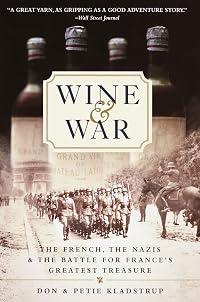
Wine and War: The French, the Nazis, and the Battle for France's Greatest Treasure
by Donald Kladstrup, Petie Kladstrup
On This Page
Description
In 1940, France fell to the Nazis and almost immediately the German army began a campaign of pillaging one of the assets the French hold most dear, their wine. Like others in the French Resistance, winemakers mobilized to oppose their occupiers, but the tale of their extraordinary efforts has remained largely unknown-until now. This is the thrilling and harrowing story of the French wine producers who undertook ingenious, daring measures to save their cherished crops and bottles as the show more Germans closed in on them. Wine and War illuminates a compelling, little-known chapter of history, and stands as a tribute to those extraordinary individuals who waged a battle that, in a very real way, saved the spirit of France. show lessTags
Recommendations


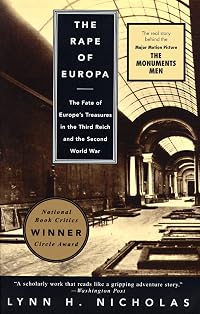
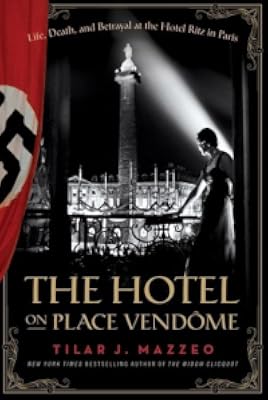
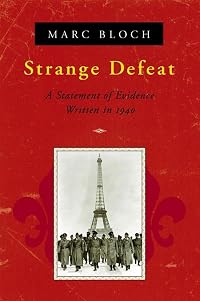
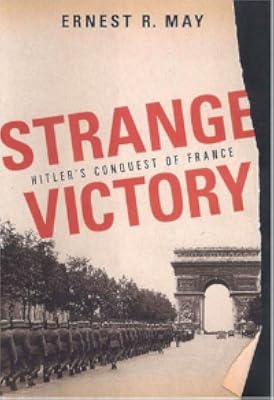







Member Recommendations
Member Reviews
Both delightful and horrific. Delightful in that the Kladstrup's provide insight into the making of French wine, its historical significance, traditions as well as the identity which it ingrains in each Frenchman and woman. Horrific in that the book covers the affects of the wine industry brought about by Hitler's invasion and the Nazi's wanton attempts to steal, corrupt and destroy France's wine industry.
Through love of country and the beverage itself devoted winemakers found ingenious ways to conceal wine and save the vineyards from complete destruction.....even if it meant with their own lives.
I liken this book to a liquid version of Monument Men and a must read for lovers of the grape.
Through love of country and the beverage itself devoted winemakers found ingenious ways to conceal wine and save the vineyards from complete destruction.....even if it meant with their own lives.
I liken this book to a liquid version of Monument Men and a must read for lovers of the grape.
Even while Europe was busy losing its collective mind in World War II, the French still had their priorities straight: protect the vineyards, hide the grand cru, and make sure no Nazis ever got a decent bottle.
Wine and War is part history lesson, part thriller, and part love letter to the stubborn, grape-stained heart of France. The Kladstrups weave together stories of winemakers who outfoxed the insolent occupiers with a mix of gallows humor, moral conviction, and just enough pettiness to make it fun. It’s the kind of book that makes you want to drink DRC at noon and toast to human defiance while flipping the bird at Adolph and his pathetic band of morons.
What sticks with me, years later, isn’t just the wine — it’s the show more audacity. Imagine risking your life not for gold or politics, but for a cellar full of fermented grape juice because it represents something bigger: identity, pride, culture, home. The Nazis saw it as plunder; the French saw it as proof they were still human.
If you love history, or wine, or tales of people doing absurdly brave things for the sake of something beautiful and ephemeral — this is the perfect book. Decant it slowly, let it breathe, and raise a glass to those who fought fascism one hidden barrel at a time. show less
Wine and War is part history lesson, part thriller, and part love letter to the stubborn, grape-stained heart of France. The Kladstrups weave together stories of winemakers who outfoxed the insolent occupiers with a mix of gallows humor, moral conviction, and just enough pettiness to make it fun. It’s the kind of book that makes you want to drink DRC at noon and toast to human defiance while flipping the bird at Adolph and his pathetic band of morons.
What sticks with me, years later, isn’t just the wine — it’s the show more audacity. Imagine risking your life not for gold or politics, but for a cellar full of fermented grape juice because it represents something bigger: identity, pride, culture, home. The Nazis saw it as plunder; the French saw it as proof they were still human.
If you love history, or wine, or tales of people doing absurdly brave things for the sake of something beautiful and ephemeral — this is the perfect book. Decant it slowly, let it breathe, and raise a glass to those who fought fascism one hidden barrel at a time. show less
This is the epitome of a modern, awesome history book: it takes on an unusual angle, the role of wine and winemakers in World War II, and tells a tale of resistance and endurance in an engaging, enlightening manner. Wine is France. The Germans knew it. Claiming French wine was part of the overall subjugation and brutalization of the French people.
I was awed at the ways that winemakers fought back, from smuggling people in wine barrels (no easy lid removals, either--barrels had to be completely deconstructed), to hiding Jewish friends and downed American pilots in rooms next door to German soldiers, to trying to engineer copper sulfate for wine production with Germans all around--and dogfights overhead. Wow. This book is a fast, easy show more read, but one with a lot of depth. show less
I was awed at the ways that winemakers fought back, from smuggling people in wine barrels (no easy lid removals, either--barrels had to be completely deconstructed), to hiding Jewish friends and downed American pilots in rooms next door to German soldiers, to trying to engineer copper sulfate for wine production with Germans all around--and dogfights overhead. Wow. This book is a fast, easy show more read, but one with a lot of depth. show less
Great historical look at the French, their wine, and the Germans who confiscated it during WWII. The French winemakers who were part of the Resistance, used many methods to hide their wine from the Germans or taint the wine to make it unpalatable. I was aware of this part of history before I read this book, but this book really brings it to life. I loved the scenery the book evoked in my mind. There are some great photos at the start of all the chapters that I found fascinating as well. I went to France this fall and saw some of these caves and vineyards and having read this book made the trip more interesting. This in nonfiction that I feel reads like a great fiction story.
Reads like an adventure story but is really about the activities of the French wine makers as they attempt to save their wine, their vineyards and industry from the Germans during the Occupation. From walling up their wine cellars to draining wine barrels of their contents while the barrels rest on guarded rail cars, the many attempts to trick the German occupiers are sometimes funny and many times dangerous. One of the anecdotes is about Paton's Third Army rush to capture Berchtesgaden/Eagles' Nest only to be beaten by the French Army which hoped to recapture 1000's of bottles of French wine and Champagne stolen by Goring and company. The French soldiers found the wine and loaded it on trucks and tanks and took it back to France. There show more is a bibliography attached for those who wish to follow up on some of the incidents described. show less
Continuing my reading regarding World War II, I selected this book because I am an oenophile - a wine lover! I was extremely interested in finding out how the French vineyards/winemakers managed during World War II and was amazed at how much I learned.
Before the war started the 1930's saw cutbacks in shipments to the US due to Prohibition, but the winemakers and Americans manage to get around that by shipping win in crystal perfume bottles. Other tactics were also used so in ways preparing the Winemakers for the Nazi occupation. After the occupation after the men were sent off the German Army, limitations for those left behind included only German newsreels at the cinema, no American films, and
listening to American jazz was not show more allowed. The French food was rationed by calorie rationing 1200 per day for adults and 850 for the elderly but the restriction of no wine was the most painful for the French. Actions of subtle defiance - spilling drinks on the Germans, bad directions for German tourists, red, white and blue "accidental" displays as in clothing kept the French spirits up. The French Resistance helped to hide 100s of thousands of bottles of excellent wine while winemakers sent the poorer vintages to the German hierarchy. To prevent good wines leaving the area, Resistance would derail trains and hijack shipments. Resistance Leaders at times were even smuggled out of Occupied areas in wine barrels.
But the winemakers had other problems - their plow horses were taken for the army so that cows had to be used, chemicals/fertilizers were unable to be obtained and yet the German still required large numbers of bottles of wine to be sent to Germany each month. There were even weinfurhers who were responsible to canvas each of the major wine regions - Bordeaux, Burgundy, Champagne - for the best wines.
But French Army finally was able to join the fight after D-day. During the Champagne Campaign, the French troops advanced up the western side of the Rhone where the best vineyards were planted while the Americans went up the other side where the lesser wines were made. Frequently the French troops slowed down so as to prevent battles taking place in the vineyards.
The great vineyards frequently said that from 1939 to 1945 paltry wines were made but when the war ended in 1945, there was a tremendous harvest.
I was happy to read that the vast majority of the vineyards were able to survive.
This was a very well-written book with interviews from family members whose vineyards were part of the battle for French wine.
One bad note - there was a part where an American soldier from Baltimore was described as a avid Oriole fan. Sorry, the Orioles did not come to Baltimore until 1954. I know because it is my hometown team!
This would be a great book for any oenophile! show less
Before the war started the 1930's saw cutbacks in shipments to the US due to Prohibition, but the winemakers and Americans manage to get around that by shipping win in crystal perfume bottles. Other tactics were also used so in ways preparing the Winemakers for the Nazi occupation. After the occupation after the men were sent off the German Army, limitations for those left behind included only German newsreels at the cinema, no American films, and
listening to American jazz was not show more allowed. The French food was rationed by calorie rationing 1200 per day for adults and 850 for the elderly but the restriction of no wine was the most painful for the French. Actions of subtle defiance - spilling drinks on the Germans, bad directions for German tourists, red, white and blue "accidental" displays as in clothing kept the French spirits up. The French Resistance helped to hide 100s of thousands of bottles of excellent wine while winemakers sent the poorer vintages to the German hierarchy. To prevent good wines leaving the area, Resistance would derail trains and hijack shipments. Resistance Leaders at times were even smuggled out of Occupied areas in wine barrels.
But the winemakers had other problems - their plow horses were taken for the army so that cows had to be used, chemicals/fertilizers were unable to be obtained and yet the German still required large numbers of bottles of wine to be sent to Germany each month. There were even weinfurhers who were responsible to canvas each of the major wine regions - Bordeaux, Burgundy, Champagne - for the best wines.
But French Army finally was able to join the fight after D-day. During the Champagne Campaign, the French troops advanced up the western side of the Rhone where the best vineyards were planted while the Americans went up the other side where the lesser wines were made. Frequently the French troops slowed down so as to prevent battles taking place in the vineyards.
The great vineyards frequently said that from 1939 to 1945 paltry wines were made but when the war ended in 1945, there was a tremendous harvest.
I was happy to read that the vast majority of the vineyards were able to survive.
This was a very well-written book with interviews from family members whose vineyards were part of the battle for French wine.
One bad note - there was a part where an American soldier from Baltimore was described as a avid Oriole fan. Sorry, the Orioles did not come to Baltimore until 1954. I know because it is my hometown team!
This would be a great book for any oenophile! show less
(#6 in the 2008 book challenge)
When I first read reviews of this, there was an awful lot of gushing about how magnificent it was that the French had doggedly withheld much of their best wines from the Germans during the occupation, often by hiding it in cellars and secret rooms, and as much as I like wine, I couldn't help but note that perhaps people who had the wherewithal to hide stuff from the Germans might have focused their energies on hiding other things as well. My interest was caught enough, though, that I picked this up when I had the chance. I realized even at the time that I was being a bit unfair and snarky, and now I think the reviews were a bit unfair to this book by focusing so much on the wine. This is a collection of show more personal stories about the French wine makers and their experiences during Vichy, and many of them are simply remarkable, such as Jean Huet's (Clos du Bourg) time as a POW, Bernard de Nonancourt (Laurent-Perrier) joining the Resistance, and the Miailhe family (Pichon-Lalande) indeed harboring Jewish families in a hidden annex. And for wine-lovers, there are still plenty of anecdotes about French wine culture. It's a very patriotic book, from reading it one would get the impression that every man, woman and child in France was actively and cheerfully involved in sabotaging the Reich -- it's a little light on the complexity and ambiguity of the occupied France.
Grade: B+
Recommended: This is really a tribute book, it's not too heavy on the social analysis, but even so, it's a frisky read. People who like wine, have visited French wine country, or are interested in WWII or French history would most likely enjoy this as light, inspirational reading. You'll certainly be inspired to seek out some good wine. show less
When I first read reviews of this, there was an awful lot of gushing about how magnificent it was that the French had doggedly withheld much of their best wines from the Germans during the occupation, often by hiding it in cellars and secret rooms, and as much as I like wine, I couldn't help but note that perhaps people who had the wherewithal to hide stuff from the Germans might have focused their energies on hiding other things as well. My interest was caught enough, though, that I picked this up when I had the chance. I realized even at the time that I was being a bit unfair and snarky, and now I think the reviews were a bit unfair to this book by focusing so much on the wine. This is a collection of show more personal stories about the French wine makers and their experiences during Vichy, and many of them are simply remarkable, such as Jean Huet's (Clos du Bourg) time as a POW, Bernard de Nonancourt (Laurent-Perrier) joining the Resistance, and the Miailhe family (Pichon-Lalande) indeed harboring Jewish families in a hidden annex. And for wine-lovers, there are still plenty of anecdotes about French wine culture. It's a very patriotic book, from reading it one would get the impression that every man, woman and child in France was actively and cheerfully involved in sabotaging the Reich -- it's a little light on the complexity and ambiguity of the occupied France.
Grade: B+
Recommended: This is really a tribute book, it's not too heavy on the social analysis, but even so, it's a frisky read. People who like wine, have visited French wine country, or are interested in WWII or French history would most likely enjoy this as light, inspirational reading. You'll certainly be inspired to seek out some good wine. show less
Members
- Recently Added By
Author Information

5 Works 992 Members
The winner of three Emmys & the Alfred I. duPont-Columbia University, Robert F. Kennedy Memorial, & the Overseas Press Club of America Awards for his journalism, Don Kladstrup is one of America's most distinguished network television news correspondents. Contributor to "Wine Spectator", he divides his time between Paris & Normandy. (Bowker Author show more Biography) show less
4 Works 840 Members
Some Editions
Awards and Honors
Common Knowledge
- Canonical title*
- Slaget om det franska vinet : nazisterna och kampen om Frankrikes största skatt
- Important places
- France; Bordeaux, Gironde, Nouvelle-Aquitaine, France; Germany; Bourgogne-Franche-Comté, France
- Important events
- World War II (1939 | 1945); World War II, German Occupation of France (1940 | 1944); French Resistance
*Some information comes from Common Knowledge in other languages. Click "Edit" for more information.
Classifications
Statistics
- Members
- 823
- Popularity
- 33,458
- Reviews
- 19
- Rating
- (3.87)
- Languages
- 6 — Dutch, English, French, German, Portuguese, Swedish
- Media
- Paper, Audiobook, Ebook
- ISBNs
- 17
- ASINs
- 5