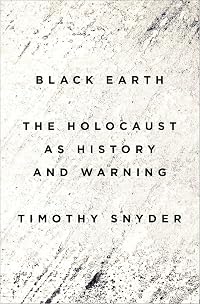
Black Earth: The Holocaust as History and Warning
by Timothy Snyder
On This Page
Description
"In this epic history of extermination and survival, Timothy Snyder presents a new explanation of the great atrocity of the twentieth century, and reveals the risks that we face in the twenty-first. Based on untapped sources from eastern Europe and forgotten testimonies from Jewish survivors, Black Earth recounts the mass murder of the Jews as an event that is still close to us, more comprehensible than we would like to think, and thus all the more terrifying. By overlooking the lessons of show more the Holocaust, Snyder concludes, we have misunderstood modernity and endangered the future. The early twenty-first century is coming to resemble the early twentieth, as growing preoccupations with food and water accompany ideological challenges to global order. Our world is closer to Hitler's than we like to admit, and saving it requires us to see the Holocaust as it was -- and ourselves as we are. Groundbreaking, authoritative, and utterly absorbing, Black Earth reveals a Holocaust that is not only history but warning." -- Book jacket. show lessTags
Recommendations

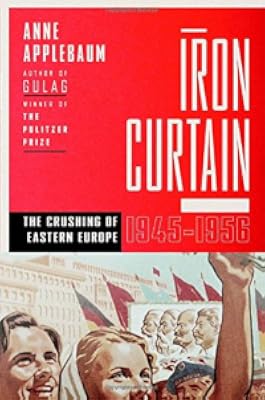

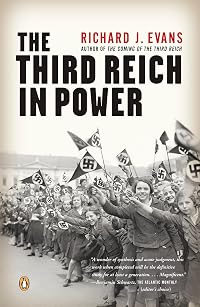

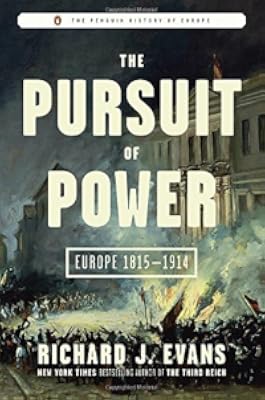





Member Recommendations

Member Reviews
This book fully deserves the many accolades it has received; for example, being a New York Times Editors' Choice. I have taught courses on WWII and Modern Germany and so did not expect to learn much from another book on the Holocaust, but I was wrong. Snyder is a specialist on Eastern Europe and so provides a different perspective from writers concentrating on Germany or the western allies. This is as it should be since the Holocaust began in Eastern Europe and largely happened in Eastern Europe.
But Snyder is more than descriptive. He is brilliantly analytical. He notes how most of the Holocaust happened in Eastern European areas where local and national governmental authority had been destroyed by two successive occupations--Russian show more and German.
He also makes us aware that Hitler's entire war effort was to gain the soil of Poland and the Ukraine so that Germans could live as well as Americans did with their huge North American lands (and to a lessor extent, British with their empire.) This leads to a brilliant final chapter noting how easy it is to consider people who have the resources we covet as less than human and what this means in a world where climate change will almost surely bring major struggles over natural resources.
Readers with no background in Eastern European history and geography may find parts of this book difficult to assimilate. But those who make the effort will be amply rewarded with new knowledge and insights. show less
But Snyder is more than descriptive. He is brilliantly analytical. He notes how most of the Holocaust happened in Eastern European areas where local and national governmental authority had been destroyed by two successive occupations--Russian show more and German.
He also makes us aware that Hitler's entire war effort was to gain the soil of Poland and the Ukraine so that Germans could live as well as Americans did with their huge North American lands (and to a lessor extent, British with their empire.) This leads to a brilliant final chapter noting how easy it is to consider people who have the resources we covet as less than human and what this means in a world where climate change will almost surely bring major struggles over natural resources.
Readers with no background in Eastern European history and geography may find parts of this book difficult to assimilate. But those who make the effort will be amply rewarded with new knowledge and insights. show less
 This review was written for LibraryThing Early Reviewers.
This is a book about the idea of the Holocaust more than its mechanics, though it emphasizes again and again that those who killed Jews also killed non-Jews and vice versa, and that the killers were never willing to kill Jews but not non-Jews, though they did sometimes save specific people. I was struck by the pre-war idea of “Madagascar” as a place for the Jews—to non-Jewish Poles it was a real place to which Jews could be expelled, while to Hitler it was “a bookmark in a burning book,”a symbol of the plan to eliminate Jews entirely. Although Snyder doesn’t explicitly engage with Arendt, he emphasizes that the Nazis found that the simplest way to deny the protection of the state to Jews was to destroy the state. Stateless show more Jews, by and large, did not survive the Holocaust; Jews who were part of functioning states, even states occupied by the Nazis, were much more likely to survive (even the Jews deported from France were mostly not French Jews but rather refugees from other states; German Jews were more likely to survive than Polish Jews, because the Nazis held that Poland was never a legitimate state). Snyder takes from this the lesson that citizenship—recognition as a person by the state—is an essential barrier against genocide, which ought to worry Americans in the present climate. show less
A holokausztot többféleképpen lehet interpretálni. Lehet úgy, hogy listaszerűen felsoroljuk a borzalmakat, különösebb kommentár nélkül, hisz azok úgyis magukért beszélnek: csupaszon is a zsigerbe hatolnak. Ennek a megközelítésnek a veszélye, hogy a lista majd az esemény extremitására helyezi a hangsúlyt – vagyis a befogadóban azt az érzést kelti, hogy a holokauszt különleges, tehát egyszeri és megismételhetetlen. Snyder nem ezt az utat választja. Tényszerűen kevés borzalmat ír le – ehelyett megmutatja nekünk, hogy milyen, az adott pillanatban racionálisnak tűnő döntések sorozata vezetett el a népirtásig, hogy miért akkor és miért ott történt meg minden, amikor és ahol. És hogy ez az show more „akkor és ott” mennyire nem nyugtathat meg minket.
A Fekete föld alighanem az utóbbi idők legkeményebb és legprovokatívabb olvasmánya, épp azért, mert Snyder olvasatában tulajdonképpen minden logikusan következett abból a korhangulatból, ami Hitlert a csúcsra emelte. Mert nem Hitler volt a lényeg – idióták mindenütt vannak, a kérdés, hogy a hatalomba kerülnek-e, vagy a periférián maradnak. A kulcsmomentum pedig nem az volt, amikor a vonatok elindultak a haláltáborokba (addigra már Kelet-Európa zsidó lakosságának nagy része halott volt), hanem az az ismerős pillanat, amikor egy többségi társadalom elhatározta, hogy elidegenít magától egy csoportot: bűnbaknak jelöli ki a globális problémákért. Vagy ahogy Snyder megfogalmazza: „A véres faji küzdelem planetáris vízióját, amely többnyire nem volt valami eleve vonzó dolog az emberek többsége számára, sikerült olyan fogalmakra és képekre lefordítani, amelyek képesek voltak politikai támogatást generálni.” (198. oldal) Mert ha ezzel megvagyunk, már minden flottul megy – szinte magától. Az utolsó adalék pedig, amitől berobban az egész, az állam intézményeinek felszámolása – nemcsak a nácik, de a szovjetek segítségével –, ez hozza létre azt a légüres teret, ahol az ember egyedül marad, és csak a puszta jószerencsében bízhat. De többnyire abban sem. Külön zseniális, hogy miután az író leszögezte, miért rettenetesen valószerű, hogy az adott körülmények népirtáshoz vezetnek, megmutatja az embermentőket is, akik mindennek ellenére küzdöttek a zsidók életéért. És ebből az összevetésből az is kiderül, hogy az adott környezetben utóbbiak mennyire irracionálisan cselekedtek – mert van, amikor az emberség az irracionalitás.
Miközben kiidézgettem ebből a könyvből passzusokat, azon kaptam magam, hogy bár azok önmagukban is értékkel bírnak, mégis: az egész könyv kontextusában van igazi értelmük. Snyder ugyanis (aki a kelet-közép-európai régió abszolút szakértője) olyan koherens, organikus teóriát épít, ahol minden mindennel összefügg és nincsen egyetlen ok – pont ettől olyan bonyolult, és egyben olyan valószerű a víziója. Támaszkodik gyakorlatilag az összes határtudomány eredményeire, a hideg leírás helyett a láttatás, az érzékeltetés eszközéhez nyúl. A kötet egyik kulcsa mindazonáltal az utolsó fejezet, ami megteremti az átkötéseket a hitleri vízió és a jelen között, olyan riasztó analógiákra mutatva rá, amiktől engem a hányinger kerülgetett. Nyilvánvaló, hogy ezekkel a párhuzamokkal lehet vitatkozni – de pont ez a lényeg: hogy vitatkozzunk róluk. Legyenek a közbeszéd tárgyai, szivárogjanak bele minél több ember fejébe – mert nagyjából a történelem ismerete az egyetlen, ami megmenthet minket a történelem megismétlődésétől.
(Egy ilyen fantasztikus, megrázó munka amúgy igazán megérdemelte volna, hogy rendesen korrektúrázzák… Nem mondom, hogy érthetetlen volt, messze nem, de meglehetős számú mondattani értelmetlenség maradt benne a szövegben.) show less
A Fekete föld alighanem az utóbbi idők legkeményebb és legprovokatívabb olvasmánya, épp azért, mert Snyder olvasatában tulajdonképpen minden logikusan következett abból a korhangulatból, ami Hitlert a csúcsra emelte. Mert nem Hitler volt a lényeg – idióták mindenütt vannak, a kérdés, hogy a hatalomba kerülnek-e, vagy a periférián maradnak. A kulcsmomentum pedig nem az volt, amikor a vonatok elindultak a haláltáborokba (addigra már Kelet-Európa zsidó lakosságának nagy része halott volt), hanem az az ismerős pillanat, amikor egy többségi társadalom elhatározta, hogy elidegenít magától egy csoportot: bűnbaknak jelöli ki a globális problémákért. Vagy ahogy Snyder megfogalmazza: „A véres faji küzdelem planetáris vízióját, amely többnyire nem volt valami eleve vonzó dolog az emberek többsége számára, sikerült olyan fogalmakra és képekre lefordítani, amelyek képesek voltak politikai támogatást generálni.” (198. oldal) Mert ha ezzel megvagyunk, már minden flottul megy – szinte magától. Az utolsó adalék pedig, amitől berobban az egész, az állam intézményeinek felszámolása – nemcsak a nácik, de a szovjetek segítségével –, ez hozza létre azt a légüres teret, ahol az ember egyedül marad, és csak a puszta jószerencsében bízhat. De többnyire abban sem. Külön zseniális, hogy miután az író leszögezte, miért rettenetesen valószerű, hogy az adott körülmények népirtáshoz vezetnek, megmutatja az embermentőket is, akik mindennek ellenére küzdöttek a zsidók életéért. És ebből az összevetésből az is kiderül, hogy az adott környezetben utóbbiak mennyire irracionálisan cselekedtek – mert van, amikor az emberség az irracionalitás.
Miközben kiidézgettem ebből a könyvből passzusokat, azon kaptam magam, hogy bár azok önmagukban is értékkel bírnak, mégis: az egész könyv kontextusában van igazi értelmük. Snyder ugyanis (aki a kelet-közép-európai régió abszolút szakértője) olyan koherens, organikus teóriát épít, ahol minden mindennel összefügg és nincsen egyetlen ok – pont ettől olyan bonyolult, és egyben olyan valószerű a víziója. Támaszkodik gyakorlatilag az összes határtudomány eredményeire, a hideg leírás helyett a láttatás, az érzékeltetés eszközéhez nyúl. A kötet egyik kulcsa mindazonáltal az utolsó fejezet, ami megteremti az átkötéseket a hitleri vízió és a jelen között, olyan riasztó analógiákra mutatva rá, amiktől engem a hányinger kerülgetett. Nyilvánvaló, hogy ezekkel a párhuzamokkal lehet vitatkozni – de pont ez a lényeg: hogy vitatkozzunk róluk. Legyenek a közbeszéd tárgyai, szivárogjanak bele minél több ember fejébe – mert nagyjából a történelem ismerete az egyetlen, ami megmenthet minket a történelem megismétlődésétől.
(Egy ilyen fantasztikus, megrázó munka amúgy igazán megérdemelte volna, hogy rendesen korrektúrázzák… Nem mondom, hogy érthetetlen volt, messze nem, de meglehetős számú mondattani értelmetlenség maradt benne a szövegben.) show less
Psát o holokaustu je nevděčné téma. Není mnoho událostí v historii lidstva, na které by byla upřena taková pozornost, jako právě na holokaust, a tak není snadné najít nový úhel pohledu. Přesto však nejde o marné úsilí, i z události o které mnozí v současnosti řeknou "to by se dnes nemohlo stát" se stále máme co učit. Snyderova kniha nese podtitul "Holokaust: historie a varování", ovšem její záběr je mnohem širší. Hledá totiž nejen odpověď na otázku co se před pětasedmdesáti lety stalo, nýbrž hlavně na otázku jak je možné, že se něco takového stalo. Právě ono "jak" v sobě nese klíčové varování knihy.
Pokud se někdo může pouštět do takto důležitého tématu, show more nepochybně je to právě Timothy Snyder. Jeho Krvavé země mají oprávněně legendární status. Černá zem sdílí její klíčové přednosti: příběhy tisíců znázorňuje na jednotlivcích, hledá příčiny a poučení tam, kam se jiní neodváží, a čte se jedním dechem. Stejně jako u Krvavých zemí se mi do čtení Černé země příliš nechtělo, kdo by si chtěl před spaním listovat kronikou miliónů mrtvých, jenže Snyderův styl způsobí, že i takové téma jako holokaust může být podáno čtivě a (vhledem k tématu knihy se mi to slovo až příčí) zábavně.
V čem tedy spočívá ono "jak je to možné"? Snyder identifikoval několik faktorů, klíčovým z nich je bezstátí. Pro mě překvapivě zvyšovalo vlastnictví pasu nějaké Německem uznávané země židům šanci na přežití, a nemuselo jít zrovna o Americký pas. I Francouzský či Dánský stačil, aby v Německé byrokratické mašině člověk mnohdy zapadl kamsi do meziprostoru a dožil se konce války. S tím související je pak absence státu jakožto struktury. Zatímco Sovětský svaz dokázal během krátké okupace dokonale zlikvidovat státní instituce zemí na svých západních hranicích a s tím i morálku jejích občanů, Němci této situace pak využili pro vlastní prospěch. Ve zpětném pohledu vlastně nepřekvapí, že ti, kteří s největším úsilím spolupracovali se Sovětským svazem pro vlastní prospěch, pak nejrychleji přeběhli pod křídla Německa aby svou předchozí vinu odčinili. Chybějící stát a morální zakotvení jeho občanů tak otevřelo cestu k vraždění nevinných, ve snaze zpětně z nich učinit viníky vlastních činů.
Černou zem lze číst i jako návod, jak přežít holokaust, nebo se o to alespoň pokusit. Kromě pasu nějakého uznávaného národa je další dobrou metodou jednoduše splynout s davem. Židovské ženy měly mnohem větší šanci na přežití Hitlerova řádění než muži prostě proto, že na těle neměly žádnou fyzickou známku svého židovství. Je také lepší něco dělat než nedělat: snažit se utéct z transportu je lepší než v něm zůstat, vstoupit do odboje je lepší než čekat na smrt. A pokud vše selže, vždy je možné pokusit se požádat o pomoc. Tisíce židů přežilo díky dobrotě ostatních, kteří mnohdy jejich záchranou riskovali vlastní životy.
Černá zem je depresivní čtení. Ne kvůli historii kterou popisuje, nýbrž kvůli skutečnosti, že se stále zdá být tak aktuální. Až někdo začne se svým "to by se dnes nemohlo stát", prašťte ho Černou zemí. show less
Pokud se někdo může pouštět do takto důležitého tématu, show more nepochybně je to právě Timothy Snyder. Jeho Krvavé země mají oprávněně legendární status. Černá zem sdílí její klíčové přednosti: příběhy tisíců znázorňuje na jednotlivcích, hledá příčiny a poučení tam, kam se jiní neodváží, a čte se jedním dechem. Stejně jako u Krvavých zemí se mi do čtení Černé země příliš nechtělo, kdo by si chtěl před spaním listovat kronikou miliónů mrtvých, jenže Snyderův styl způsobí, že i takové téma jako holokaust může být podáno čtivě a (vhledem k tématu knihy se mi to slovo až příčí) zábavně.
V čem tedy spočívá ono "jak je to možné"? Snyder identifikoval několik faktorů, klíčovým z nich je bezstátí. Pro mě překvapivě zvyšovalo vlastnictví pasu nějaké Německem uznávané země židům šanci na přežití, a nemuselo jít zrovna o Americký pas. I Francouzský či Dánský stačil, aby v Německé byrokratické mašině člověk mnohdy zapadl kamsi do meziprostoru a dožil se konce války. S tím související je pak absence státu jakožto struktury. Zatímco Sovětský svaz dokázal během krátké okupace dokonale zlikvidovat státní instituce zemí na svých západních hranicích a s tím i morálku jejích občanů, Němci této situace pak využili pro vlastní prospěch. Ve zpětném pohledu vlastně nepřekvapí, že ti, kteří s největším úsilím spolupracovali se Sovětským svazem pro vlastní prospěch, pak nejrychleji přeběhli pod křídla Německa aby svou předchozí vinu odčinili. Chybějící stát a morální zakotvení jeho občanů tak otevřelo cestu k vraždění nevinných, ve snaze zpětně z nich učinit viníky vlastních činů.
Černou zem lze číst i jako návod, jak přežít holokaust, nebo se o to alespoň pokusit. Kromě pasu nějakého uznávaného národa je další dobrou metodou jednoduše splynout s davem. Židovské ženy měly mnohem větší šanci na přežití Hitlerova řádění než muži prostě proto, že na těle neměly žádnou fyzickou známku svého židovství. Je také lepší něco dělat než nedělat: snažit se utéct z transportu je lepší než v něm zůstat, vstoupit do odboje je lepší než čekat na smrt. A pokud vše selže, vždy je možné pokusit se požádat o pomoc. Tisíce židů přežilo díky dobrotě ostatních, kteří mnohdy jejich záchranou riskovali vlastní životy.
Černá zem je depresivní čtení. Ne kvůli historii kterou popisuje, nýbrž kvůli skutečnosti, že se stále zdá být tak aktuální. Až někdo začne se svým "to by se dnes nemohlo stát", prašťte ho Černou zemí. show less
This is in many ways a follow-up and expansion of the previous book Bloodlands: Europe Between Hitler and Stalin, in which Snyder broadens the view of the holocaust from a nazi-elite affair concerning gas chambers, to a bloodbath that started with (and attained the highest death toll) long before the supposed efficient industralized killing machine, by simply lining people up and shooting them dead - a task done in as large a part by locals as nazis, and by police units as specialized elite killing squads. Snyder’s refocusing is warranted since so many of the perpetrators managed to skate accountability in the creation of the death camps narrative.
The page count is not spent all that wisely, as Snyder retreads a lot of ground here, show more for anyone who read his previous book. The killing and in some ways groundwork for future massacres done by the Soviets as the “Bloodlands” are torn between the two totalitarians is recounted here too, as is the superior organization of the gulag and starvation killing policies that ended up killing a lot of jews under a veil of punishing “the bourgeoisie”. There is relevance in the mythology of the jewish elites having spread in Russian territories as well (think of The Protocols), but the thread is not tied up neatly in the spread of antisemitism as Snyder’s ultimate point in the book veers off that trail.
There’s also a section on resistance that uses a lot of individual examples to make a tenuous point about states offering protections stateless or insecure areas did not.
But the ‘conclusion’ section feels divorced from the rest of the book as Snyder attempts a Jared Diamond like argument from geographical reality where the holocaust was ultimately about an ecological, Malthusean struggle for resources which in Snyder’s view is somehow real (!), and he ties it to global warming and reduces modern day (Hutu and Tutsi) as well as future genocidal conflict to this thesis.
You could have had the regular view of a racial superiority battle as the conclusion of this book without skipping a beat, which makes it feel like the aim here is to find a conclusion that isn't the standard one, to also push the limits of that bridge to stress modern day relevance and tie it to more hyped topics like climate change. The conclusion section is what drew the most ire from other historians in reviews as well.
This is mostly a 4 star book but the fumble of the conclusion really knocks it down a peg. show less
The page count is not spent all that wisely, as Snyder retreads a lot of ground here, show more for anyone who read his previous book. The killing and in some ways groundwork for future massacres done by the Soviets as the “Bloodlands” are torn between the two totalitarians is recounted here too, as is the superior organization of the gulag and starvation killing policies that ended up killing a lot of jews under a veil of punishing “the bourgeoisie”. There is relevance in the mythology of the jewish elites having spread in Russian territories as well (think of The Protocols), but the thread is not tied up neatly in the spread of antisemitism as Snyder’s ultimate point in the book veers off that trail.
There’s also a section on resistance that uses a lot of individual examples to make a tenuous point about states offering protections stateless or insecure areas did not.
But the ‘conclusion’ section feels divorced from the rest of the book as Snyder attempts a Jared Diamond like argument from geographical reality where the holocaust was ultimately about an ecological, Malthusean struggle for resources which in Snyder’s view is somehow real (!), and he ties it to global warming and reduces modern day (Hutu and Tutsi) as well as future genocidal conflict to this thesis.
You could have had the regular view of a racial superiority battle as the conclusion of this book without skipping a beat, which makes it feel like the aim here is to find a conclusion that isn't the standard one, to also push the limits of that bridge to stress modern day relevance and tie it to more hyped topics like climate change. The conclusion section is what drew the most ire from other historians in reviews as well.
This is mostly a 4 star book but the fumble of the conclusion really knocks it down a peg. show less
History, particularly as it is taught in our public schools, comes to us filtered down through the perspectives of those involved. Nations want to see themselves in the best light, and we, as citizens, want to accept that what we're taught is the unbiased truth. The whole truth; not just the bits and pieces considered relevant by those in charge of textbooks and curriculum. Often only time and distance allows us to see clearly the entire picture, exactly as it played out, without distorting the view. Timothy Snyder gives us that gift here, and it's one we need to accept and acknowledge.
This book is not an easy read. We can't expect it to be. The content is harsh, disturbing, and frightening. The facts are laid out for us here and we show more can't look away. We can't make excuses. Millions of innocent people were murdered, while nations stood by and allowed it, or even assisted.
The content here is also complex. It's not a book you're likely to read quickly. This is one of those books that takes time to absorb. That being said, the author does a phenomenal job of putting it all together. The timeline is consistent and precise. We start well before WWII, back when the USSR was formed and forced starvation was taking place in the Ukraine. We see how this, along with other events, paved the way for Hitler's Holocaust. Nothing occurs in a vacuum, least of all international events of this magnitude. Hitler, as vicious as he was, did not act alone. Germany did not act alone. Somewhere, the spark turned into a flame. Along the way, others were complicit. Nowhere have I read such an intricate, detailed, terrifying account exposing the truth of WWII.
This is a timely read. History does not repeat itself, exactly. We don't have a second Hitler on the rise. We aren't about to exterminate Jews. But when you read this account, the parallels between events then and events now are unmistakable. The author summarizes this in his closing, and it should scare everyone out of their stupor. Everyone needs to read this. Until we truly understand and acknowledge our past mistakes we are doomed to recreate them in countless, horrifying ways. show less
This book is not an easy read. We can't expect it to be. The content is harsh, disturbing, and frightening. The facts are laid out for us here and we show more can't look away. We can't make excuses. Millions of innocent people were murdered, while nations stood by and allowed it, or even assisted.
The content here is also complex. It's not a book you're likely to read quickly. This is one of those books that takes time to absorb. That being said, the author does a phenomenal job of putting it all together. The timeline is consistent and precise. We start well before WWII, back when the USSR was formed and forced starvation was taking place in the Ukraine. We see how this, along with other events, paved the way for Hitler's Holocaust. Nothing occurs in a vacuum, least of all international events of this magnitude. Hitler, as vicious as he was, did not act alone. Germany did not act alone. Somewhere, the spark turned into a flame. Along the way, others were complicit. Nowhere have I read such an intricate, detailed, terrifying account exposing the truth of WWII.
This is a timely read. History does not repeat itself, exactly. We don't have a second Hitler on the rise. We aren't about to exterminate Jews. But when you read this account, the parallels between events then and events now are unmistakable. The author summarizes this in his closing, and it should scare everyone out of their stupor. Everyone needs to read this. Until we truly understand and acknowledge our past mistakes we are doomed to recreate them in countless, horrifying ways. show less
Snyder's central point is that Hitler's racism against Jews and other non-Aryan peoples had, at its core, a conviction that only humans who lack any inclinations towards morality or social justice will survive and that the imperative of the German people was to eliminate others and occupy their lands. He teases out the interesting ways that Hitler admired Americans for wiping out indigenous peoples and occupying their land. It's an interesting point of view, especially when compared to Claudia Koonz's excellent [b:The Nazi Conscience|388504|The Nazi Conscience|Claudia Koonz|https://d.gr-assets.com/books/1388447460s/388504.jpg|378124]. She sees genocide as a kind of moral high ground that the Nazis took, where they argued (murderously) show more that the elimination of Jews (and Roma, the disabled, homosexuals, opponents, etc) was not only necessary but moral. I guess the books can be understood together at a kind of argument for Hitler's absolutism as a moral imperative (unbridled, devastating, complete). Thought-provoking, especially at the conclusion where he discusses contemporary issues like climate change and the threats that some powers will adopt parts or all of the Nazi world view. show less
Members
- Recently Added By
Published Reviews
ThingScore 100
****
A Crime Without A Name.
Historian after historian has used Georges Santayana’s famous quote, “Those who cannot remember the past are condemned to repeat it”, to demonstrate how works about the past remain relevant in the present as well as the future. Black Earth by Timothy Snyder is an unusual historic work were the above quote is particularly apt because Ms. Snyder purposefully show more examines the conditions that enabled the Holocaust and extrapolates how they could once again take place. Mr. Snyder does a solid job of setting the social and political landscape of that era, giving us a meaningful look at the personalities and policies that preceded World War II, but the book really comes to life as Hitler and Stalin begin to re-shape the history of Europe by destroying its States as well as its people.
There have been innumerable works written about the Holocaust, but Mr. Snyder manages to find a fresh and innovative twist on a well known and very dark story. He studies Hitler’s philosophy in some depth, starting with the premise life is nothing more than a jungle where the strong not only kill the weak, but must kill the weak, and concluding with the idea that Jews must be eliminated because they conceived the ideas and ideals that stand between The Master Race and its destiny to flourish through violence and murder. Using numerous sources from Eastern Europe the author traces how the political and social conditions on the 1920’s and 30’s engendered the climate that allowed the roots of the Holocaust to flourish. Perhaps Mr. Snyder’s most original concept is in re-imagining the context that enabled for millions of Jews to be systematically murdered. Many historians point out how bureaucratic the nature of the tragedy was, but in Black Earth Mr. Snyder shows that the lack of bureaucracy was the Holocaust's chief characteristic. The slaughter started in the places where war destroyed the institutions that characterize Statehood, and remained the worst in places where the Soviets and the Germans together created a no-man’s land of lawlessness where killing became both an ideological end as well as an act unto itself. No matter how evil the ideology of the Nazi’s may have been the web of connections that make up everyday life managed to lessen the number of Jews that were murdered in cities and towns, unlike the tracts of land where the savagery of war engendered a state of barbarism. Mr. Snyder makes his point quite eloquently, comparing the number of death that took place in Poland, the USSR and its satellite territories, with how many took place in France, Denmark and even Germany. Mr.Snyder tells this tale with great sympathy and a comprehensive grasp of the stories behind the cold, hard data, as reasoned a work as this is, it never cedes it’s humanity.
Black Earth is a powerful book fraught with meaning that stands on it’s own merits, but with the current unrest in the Middle East, and the situation in Syria devolving into a humanitarian crisis this books takes on even more relevance, and I encourage you to read it. It is not a comfortable or easy book, but one of profound importance.
Review by: Mark Palm
Full Reviews Available at: http://www.thebookendfamily.weebly.co... show less
A Crime Without A Name.
Historian after historian has used Georges Santayana’s famous quote, “Those who cannot remember the past are condemned to repeat it”, to demonstrate how works about the past remain relevant in the present as well as the future. Black Earth by Timothy Snyder is an unusual historic work were the above quote is particularly apt because Ms. Snyder purposefully show more examines the conditions that enabled the Holocaust and extrapolates how they could once again take place. Mr. Snyder does a solid job of setting the social and political landscape of that era, giving us a meaningful look at the personalities and policies that preceded World War II, but the book really comes to life as Hitler and Stalin begin to re-shape the history of Europe by destroying its States as well as its people.
There have been innumerable works written about the Holocaust, but Mr. Snyder manages to find a fresh and innovative twist on a well known and very dark story. He studies Hitler’s philosophy in some depth, starting with the premise life is nothing more than a jungle where the strong not only kill the weak, but must kill the weak, and concluding with the idea that Jews must be eliminated because they conceived the ideas and ideals that stand between The Master Race and its destiny to flourish through violence and murder. Using numerous sources from Eastern Europe the author traces how the political and social conditions on the 1920’s and 30’s engendered the climate that allowed the roots of the Holocaust to flourish. Perhaps Mr. Snyder’s most original concept is in re-imagining the context that enabled for millions of Jews to be systematically murdered. Many historians point out how bureaucratic the nature of the tragedy was, but in Black Earth Mr. Snyder shows that the lack of bureaucracy was the Holocaust's chief characteristic. The slaughter started in the places where war destroyed the institutions that characterize Statehood, and remained the worst in places where the Soviets and the Germans together created a no-man’s land of lawlessness where killing became both an ideological end as well as an act unto itself. No matter how evil the ideology of the Nazi’s may have been the web of connections that make up everyday life managed to lessen the number of Jews that were murdered in cities and towns, unlike the tracts of land where the savagery of war engendered a state of barbarism. Mr. Snyder makes his point quite eloquently, comparing the number of death that took place in Poland, the USSR and its satellite territories, with how many took place in France, Denmark and even Germany. Mr.Snyder tells this tale with great sympathy and a comprehensive grasp of the stories behind the cold, hard data, as reasoned a work as this is, it never cedes it’s humanity.
Black Earth is a powerful book fraught with meaning that stands on it’s own merits, but with the current unrest in the Middle East, and the situation in Syria devolving into a humanitarian crisis this books takes on even more relevance, and I encourage you to read it. It is not a comfortable or easy book, but one of profound importance.
Review by: Mark Palm
Full Reviews Available at: http://www.thebookendfamily.weebly.co... show less
added by thebookendfamily
Lists

History: Holocaust
106 works; 1 member

Totalitarianism and Democratic Erosion: Essential Readings
45 works; 1 member
Author Information

34+ Works 12,224 Members
Some Editions
Awards and Honors
Awards
Distinctions
Series
Belongs to Publisher Series
Common Knowledge
- Canonical title
- Black Earth: The Holocaust as History and Warning
- Original title
- Black Earth
- Original publication date
- 2015
- Important places
- Poland; Soviet Union; Germany
- Important events
- Holocaust; World War II
- Epigraph
- In the struggle between you and the world take the side of the world ---- Franz Kafka, 1917
He is from my homeland. A Human Being. ------- Antoni Slonimski, 1943
The black milk of daybreak we drink in the evening in the afternoon in the morning in the night we drink and we drink ----- Paul Celan, 1944
Every man has a name given by the stars given by his neighbors. ---- Zelda Mishkovasky, 1974 - Dedication
- For K. and T.
- First words
- In the fashionable sixth district of Vienna, the history of the Holocaust is in the pavement.
- Last words
- (Click to show. Warning: May contain spoilers.)That must be enough for us and for those who, let us hope, shall follow.
- Original language
- English
Classifications
- Genres
- History, General Nonfiction, Nonfiction
- DDC/MDS
- 940.5318 — History & geography History of Europe History of Europe 1918- World War II, 1939-1945 Social, political, economic history; Holocaust Holocaust
- LCC
- D803 .S69 — History of Europe, Asia, Africa and Oceania History (General) World War II (1939-1945)
- BISAC
Statistics
- Members
- 1,014
- Popularity
- 25,750
- Reviews
- 28
- Rating
- (4.18)
- Languages
- 18 — Czech, Danish, Dutch, English, Estonian, Finnish, French, German, Italian, Korean, Lithuanian, Norwegian (Bokmål), Polish, Portuguese, Romanian, Spanish, Swedish, Chinese, traditional
- Media
- Paper, Audiobook, Ebook
- ISBNs
- 39
- ASINs
- 12
