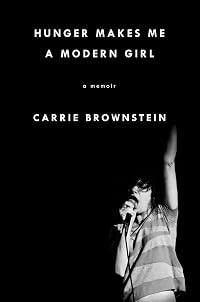
Hunger Makes Me a Modern Girl: A Memoir
by Carrie Brownstein
On This Page
Description
From the guitarist of the pioneering band Sleater-Kinney, the book Kim Gordon says "everyone has been waiting for" and a New York Times Notable Book of 2015— a candid, funny, and deeply personal look at making a life—and finding yourself—in music.Before Carrie Brownstein became a music icon, she was a young girl growing up in the Pacific Northwest just as it was becoming the setting for one the most important movements in rock history. Seeking a sense of home and identity, she would show more discover both while moving from spectator to creator in experiencing the power and mystery of a live performance. With Sleater-Kinney, Brownstein and her bandmates rose to prominence in the burgeoning underground feminist punk-rock movement that would define music and pop culture in the 1990s. They would be cited as “America’s best rock band” by legendary music critic Greil Marcus for their defiant, exuberant brand of punk that resisted labels and limitations, and redefined notions of gender in rock.
HUNGER MAKES ME A MODERN GIRL is an intimate and revealing narrative of her escape from a turbulent family life into a world where music was the means toward self-invention, community, and rescue. Along the way, Brownstein chronicles the excitement and contradictions within the era’s flourishing and fiercely independent music subculture, including experiences that sowed the seeds for the observational satire of the popular television series Portlandia years later.
With deft, lucid prose Brownstein proves herself as formidable on the page as on the stage. Accessibly raw, honest and heartfelt, this book captures the experience of being a young woman, a born performer and an outsider, and ultimately finding one’s true calling through hard work, courage and the intoxicating power of rock and roll.
. show less
Tags
Recommendations























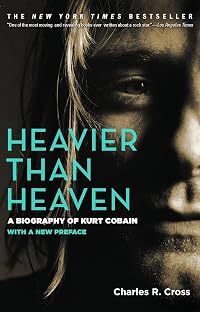
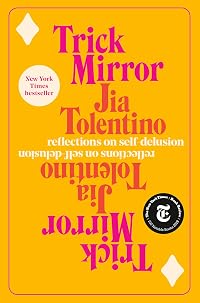

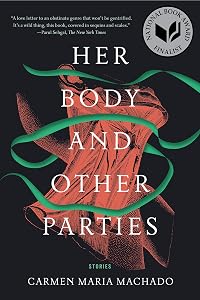
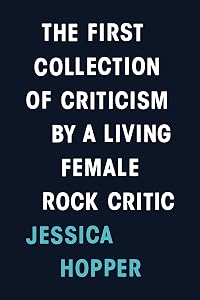



Member Recommendations

by anonymous user

by anonymous user

by anonymous user
Member Reviews
Hunger Makes Me a Modern Girl is a memoir of Sleater-Kinney; of punk, riot grrl, and a young musician’s finding her identity. This isn’t the story Portlandia, but of a time and place that fostered a style of music and the messages that music imparted. Before the Internet coalesced our interests and cultural identities, being a musician or a fan of music meant being a fan of regions. This is a memoir about growing up in a music culture simultaneously inclusive and exclusive, about breaking the barriers of what it meant to be a — imagine a nebulously pejorative-but-well-intentioned tone — ‘female musician’ rather than simply a musician.
[N.B. This review includes images and footnotes, and was formatted for my site located show more through this link.]
This is a memoir about Olympia’s 1990s music scene, what led Carrie Brownstein to it, and how her work in Sleater-Kinney (S-K) contributed to the labels born from it. Brownstein paints her youth as simultaneously typical and broken in the suburbs of Redmond, Washington. Shy, gawky, but not one to avoid the spotlight, her interest in music started in childhood performance-art experiences like Lil’ “d” Duran Duran, a cover-band that didn’t actually cover anything, but played along to Duran Duran’s music on all-wood ‘instruments.’ The privileges of a suburban adolescence drove her to seek her identity in Olympia’s riot grrrl movement, to find strength in simply being on stage and surprising an audience that wants so badly to underestimate her and her bandmates.
## …when you’re part of an early movement like [Corin Tucker] was with Riot Grrrl — where she had to create a space for herself and for her audience, where every show felt like a statement, where before you could play and sing you had to construct a room, one you’d be respected in, wouldn’t get hurt in, a space that allowed for or even acknowledged stories that hadn’t been told before, about sexual assault, sexism, homophobia, and racism, and then, musically, you have to tear that very space down — there’s not a lot of room for joking around. There is a direness in the construction of safety, in the telling of theretofore untold stories. [Loc. 755]
Brownstein’s writing wavers between casual — many of her stories show up almost verbatim from her earliest writings for the Believer and Slate — and academic. It can occasionally be disconnecting, a jolting shift between personal and professional, but ultimately indefinable in why those transitions don’t work. (This may admittedly be nothing more than a built-in prejudice against memoirs, that I preferred the more academic sections distantly deconstructing her and others’ decisions.)
She’s always uncomfortably introspective and self-critical, however. Much of Hunger covers her own search for identity in a movement she didn’t intend to define; she puts herself on the reader’s level in trying to understand the methods and mindsets that went into crafting important discussions in music. Riot grrrl, for its early pioneers, was about creating a dialogue with the listener, about validating and invalidating one another’s views and experiences, making room for inclusion*: It was a movement of self-awareness.
## It’s important to undermine yourself and create a level of difficulty so the work doesn’t come too easily. The more comfortable you get, the more money you earn, the more successful you are, the harder it is to create situations where you have to prove yourself and make yourself not just want it, but need it. The stakes should always feel high. [Loc. 1181]
As S-K’s popularity exploded — a surprise to the crew, for sure — Brownstein, Tucker, and Weiss had to continually reinvent themselves within the label system without falling into the classic trap of ‘selling out.’ They were growing up — not necessarily out of the original intentions and the frustrations of the riot grrrl movement, but in the way that angst was channeled.
Much of Hunger is about the changes within S-K and the Olympian music scene as the world became increasingly aware of them. As their sound got out, they were suddenly at the mercy of the imaginations of thousands of fans who were separated from the scene,† which only further muddled the riot grrrl identity. And the more time the group spent cramped in vans together, scraping together to live on the road — some with increasingly important home lives calling to them — the harder it was for them to not break apart.
It’s a good story, and Brownstein’s a fantastic writer and thinker.
(I think I’m sharing too much.)
## Sleater-Kinney allowed me to perform both away from and into myself, to leave and to return, forget and discover. Within the world of the band there was a me and a not me, a fluctuation of selves that I could reinvent along the flight between perches. I could, at last, let go. For so long I had seen the lacking I’d been handed as a deficit, my resulting anxiety and depression were ambient, a tedious lassoing of air. But with Sleater-Kinney I stopped attempting to contain or control the unknown. I could embrace the unnamed and the in-between. I could engage in an unapologetic obliteration of the sacred. [Loc. 2900]
There’s not a whole lot to her story — here, at least — after S-K broke up the first time, but Brownstein’s more my hero for what she writes, anyway: She spent the year after S-K’s breakup racking up over 100 volunteer hours with the Oregon Human Society — enough to be awarded their Volunteer of the Year Award in 2006 — and started building a family of pets. She shares stories both adorable and heartbreaking, and then it’s 2015, Wild Flag’s come and gone, S-K are back together with No Cities to Love just released, and her memoir’s closed until another day.
Bands like S-K, Heavens to Betsy, Bratmobile — they’re special to me. They take me back to when music was more than just background noise to bob my head to, but something that brought to light our plethora of social injustices. Even if that message is now a marketable label for concentrated angst — ‘riot grrrl’ is far removed from its original meaning after journalists‡ and record labels transformed it into two very simple, very cool words — it meant something in and to our youths. Hunger Makes Me a Modern Girl recalls that wonderfully. show less
[N.B. This review includes images and footnotes, and was formatted for my site located show more through this link.]
This is a memoir about Olympia’s 1990s music scene, what led Carrie Brownstein to it, and how her work in Sleater-Kinney (S-K) contributed to the labels born from it. Brownstein paints her youth as simultaneously typical and broken in the suburbs of Redmond, Washington. Shy, gawky, but not one to avoid the spotlight, her interest in music started in childhood performance-art experiences like Lil’ “d” Duran Duran, a cover-band that didn’t actually cover anything, but played along to Duran Duran’s music on all-wood ‘instruments.’ The privileges of a suburban adolescence drove her to seek her identity in Olympia’s riot grrrl movement, to find strength in simply being on stage and surprising an audience that wants so badly to underestimate her and her bandmates.
## …when you’re part of an early movement like [Corin Tucker] was with Riot Grrrl — where she had to create a space for herself and for her audience, where every show felt like a statement, where before you could play and sing you had to construct a room, one you’d be respected in, wouldn’t get hurt in, a space that allowed for or even acknowledged stories that hadn’t been told before, about sexual assault, sexism, homophobia, and racism, and then, musically, you have to tear that very space down — there’s not a lot of room for joking around. There is a direness in the construction of safety, in the telling of theretofore untold stories. [Loc. 755]
Brownstein’s writing wavers between casual — many of her stories show up almost verbatim from her earliest writings for the Believer and Slate — and academic. It can occasionally be disconnecting, a jolting shift between personal and professional, but ultimately indefinable in why those transitions don’t work. (This may admittedly be nothing more than a built-in prejudice against memoirs, that I preferred the more academic sections distantly deconstructing her and others’ decisions.)
She’s always uncomfortably introspective and self-critical, however. Much of Hunger covers her own search for identity in a movement she didn’t intend to define; she puts herself on the reader’s level in trying to understand the methods and mindsets that went into crafting important discussions in music. Riot grrrl, for its early pioneers, was about creating a dialogue with the listener, about validating and invalidating one another’s views and experiences, making room for inclusion*: It was a movement of self-awareness.
## It’s important to undermine yourself and create a level of difficulty so the work doesn’t come too easily. The more comfortable you get, the more money you earn, the more successful you are, the harder it is to create situations where you have to prove yourself and make yourself not just want it, but need it. The stakes should always feel high. [Loc. 1181]
As S-K’s popularity exploded — a surprise to the crew, for sure — Brownstein, Tucker, and Weiss had to continually reinvent themselves within the label system without falling into the classic trap of ‘selling out.’ They were growing up — not necessarily out of the original intentions and the frustrations of the riot grrrl movement, but in the way that angst was channeled.
Much of Hunger is about the changes within S-K and the Olympian music scene as the world became increasingly aware of them. As their sound got out, they were suddenly at the mercy of the imaginations of thousands of fans who were separated from the scene,† which only further muddled the riot grrrl identity. And the more time the group spent cramped in vans together, scraping together to live on the road — some with increasingly important home lives calling to them — the harder it was for them to not break apart.
It’s a good story, and Brownstein’s a fantastic writer and thinker.
(I think I’m sharing too much.)
## Sleater-Kinney allowed me to perform both away from and into myself, to leave and to return, forget and discover. Within the world of the band there was a me and a not me, a fluctuation of selves that I could reinvent along the flight between perches. I could, at last, let go. For so long I had seen the lacking I’d been handed as a deficit, my resulting anxiety and depression were ambient, a tedious lassoing of air. But with Sleater-Kinney I stopped attempting to contain or control the unknown. I could embrace the unnamed and the in-between. I could engage in an unapologetic obliteration of the sacred. [Loc. 2900]
There’s not a whole lot to her story — here, at least — after S-K broke up the first time, but Brownstein’s more my hero for what she writes, anyway: She spent the year after S-K’s breakup racking up over 100 volunteer hours with the Oregon Human Society — enough to be awarded their Volunteer of the Year Award in 2006 — and started building a family of pets. She shares stories both adorable and heartbreaking, and then it’s 2015, Wild Flag’s come and gone, S-K are back together with No Cities to Love just released, and her memoir’s closed until another day.
Bands like S-K, Heavens to Betsy, Bratmobile — they’re special to me. They take me back to when music was more than just background noise to bob my head to, but something that brought to light our plethora of social injustices. Even if that message is now a marketable label for concentrated angst — ‘riot grrrl’ is far removed from its original meaning after journalists‡ and record labels transformed it into two very simple, very cool words — it meant something in and to our youths. Hunger Makes Me a Modern Girl recalls that wonderfully. show less
Carrie Brownstein has earned two sets of fans: those who danced wildly to her Sleater-Kinney music in the 1990s, and those who adore Portlandia, the sketch comedy show she shares with costar Fred Armisen. It’s been our experience that many fans of the show don’t realize she was in a rock band. Once told, their initial disbelief ebbs into an awed appreciation. She had become a success in music and comedy, rising from nowhere both times.
Hunger Makes Me a Modern Girl is a memoir that recalls Brownstein’s first career: music. She grew up in suburban Redmond where she found an early enthusiasm for performance art, whether that involved singing for herself or staging elaborate costumed, murder mystery evenings for friends. As she show more enthusiastically presented a stage persona to the world, she was always looking inward in search of herself and exploring where she might fit in. She found herself in music, easily relating to the emotions it evoked. She saw Nirvana in an unannounced concert appearance at Western Washington University and followed Heavens to Betsy, a local band fronted by Corin Tucker. These bands spoke to her; they roused something inside. The deeper she fell into the music, the more it pointed her toward Olympia. She hadn’t been to Olympia yet, but she imagined it a bit like Paris in the 1920s: artistic, cultured, and the place to be. It had a vibe and an edgy sound she could hear from 150 miles away.
It was in Olympia that Brownstein got involved in a band of her own with moderate local success. The success was expressive, not financial. She wrote, sang, and played guitar. She poured out her emotions on stage. When she and Tucker got together they formed another band (which Tucker one day named Sleater-Kinney for a street in Lacey) and debuted it on a loosely-planned Australian tour. They were not an overnight (or an overyear) sensation by any means. They played for small crowds on three continents, packed and hauled their own gear, drove themselves from place to place, and slept on the couches of fans who put them up for the night. At the end of a tour “it’s almost like waking up in the hospital after an accident: slowly you take stock of the damage.” The life was not glamorous, but it was raw and fulfilling. Recording their first three albums “felt like purges: we’d just go into the studio and bang out the songs; it was all about capturing a feeling, a crude aural bloodletting.” Such themes of hurt, sorrow, jealousy, and anger — some focused, some not — appear in her story always near the surface.
Even with success Brownstein continued to struggle with identity. As the tours (and the book) progressed, she learned more about herself and what she wanted, but also struggled with relationships in and out of the band, and bristled with how others perceived Sleater-Kinney. Even amid intended praise, the press repeatedly labeled them as “a girl band” or “female rockers.” Such descriptions made them sound like a novelty. Even “indie” was more label than they wanted attached to them. She (and her two band mates) wanted everyone to drop the modifiers and just treat them like a rock band. The irritation fueled some performances. Rather than being objectified, though, Brownstein tried to turn the experiences into something empowering. She wanted the “guitar to be an appendage, not a novelty.” In the end, they “would go out on the road and play these songs and people could interpret them however the hell they wanted.”
That may be a description of her writing style as well. Brownstein simply lays everything out for the reader, take it or leave it. Her writing throughout Hunger Makes Me a Modern Girl is that of a well-educated songwriter. It’s lyrical and full of metaphor. She’s capable of pulling words from an enormous vocabulary warehouse. The emotive descriptions stay with you. Our favorite example: “Nirvana’s music dragged you across the floor, you felt every crack, every speck of dirt. Their songs helped you locate the places where you ached, and in that awareness of your hurting you suddenly knew that the bleakness was collective, not merely your own.”
She describes the end of Sleater-Kinney. She pins almost all the blame for the demise on herself, her self-described thorny disposition, her painful spine, her shingles, and one pre-concert “tantrum” in Brussels that “knocked [the band’s] light out.” She writes with an honest, no-excuses delivery and a what’s-done-is-done acceptance. The final part of the book adds a mostly tranquil coda. Her life between Sleater-Kinney and Portlandia was one of continued self-discovery, reconciliation, making a new home in Portland, and helping a few dogs.
Shelf Appeal: Fans of Sleater-Kinney and the Olympia music scene will love the deeply introspective look into Carrie Brownstein and the band on tour and off stage. Fans of Portlandia might enjoy finding another side to the comedian, even though the TV show is mentioned only once (and in passing).
-- I wrote this review for the Books section of the Washington state website: http://www.WA-List.com show less
Hunger Makes Me a Modern Girl is a memoir that recalls Brownstein’s first career: music. She grew up in suburban Redmond where she found an early enthusiasm for performance art, whether that involved singing for herself or staging elaborate costumed, murder mystery evenings for friends. As she show more enthusiastically presented a stage persona to the world, she was always looking inward in search of herself and exploring where she might fit in. She found herself in music, easily relating to the emotions it evoked. She saw Nirvana in an unannounced concert appearance at Western Washington University and followed Heavens to Betsy, a local band fronted by Corin Tucker. These bands spoke to her; they roused something inside. The deeper she fell into the music, the more it pointed her toward Olympia. She hadn’t been to Olympia yet, but she imagined it a bit like Paris in the 1920s: artistic, cultured, and the place to be. It had a vibe and an edgy sound she could hear from 150 miles away.
It was in Olympia that Brownstein got involved in a band of her own with moderate local success. The success was expressive, not financial. She wrote, sang, and played guitar. She poured out her emotions on stage. When she and Tucker got together they formed another band (which Tucker one day named Sleater-Kinney for a street in Lacey) and debuted it on a loosely-planned Australian tour. They were not an overnight (or an overyear) sensation by any means. They played for small crowds on three continents, packed and hauled their own gear, drove themselves from place to place, and slept on the couches of fans who put them up for the night. At the end of a tour “it’s almost like waking up in the hospital after an accident: slowly you take stock of the damage.” The life was not glamorous, but it was raw and fulfilling. Recording their first three albums “felt like purges: we’d just go into the studio and bang out the songs; it was all about capturing a feeling, a crude aural bloodletting.” Such themes of hurt, sorrow, jealousy, and anger — some focused, some not — appear in her story always near the surface.
Even with success Brownstein continued to struggle with identity. As the tours (and the book) progressed, she learned more about herself and what she wanted, but also struggled with relationships in and out of the band, and bristled with how others perceived Sleater-Kinney. Even amid intended praise, the press repeatedly labeled them as “a girl band” or “female rockers.” Such descriptions made them sound like a novelty. Even “indie” was more label than they wanted attached to them. She (and her two band mates) wanted everyone to drop the modifiers and just treat them like a rock band. The irritation fueled some performances. Rather than being objectified, though, Brownstein tried to turn the experiences into something empowering. She wanted the “guitar to be an appendage, not a novelty.” In the end, they “would go out on the road and play these songs and people could interpret them however the hell they wanted.”
That may be a description of her writing style as well. Brownstein simply lays everything out for the reader, take it or leave it. Her writing throughout Hunger Makes Me a Modern Girl is that of a well-educated songwriter. It’s lyrical and full of metaphor. She’s capable of pulling words from an enormous vocabulary warehouse. The emotive descriptions stay with you. Our favorite example: “Nirvana’s music dragged you across the floor, you felt every crack, every speck of dirt. Their songs helped you locate the places where you ached, and in that awareness of your hurting you suddenly knew that the bleakness was collective, not merely your own.”
She describes the end of Sleater-Kinney. She pins almost all the blame for the demise on herself, her self-described thorny disposition, her painful spine, her shingles, and one pre-concert “tantrum” in Brussels that “knocked [the band’s] light out.” She writes with an honest, no-excuses delivery and a what’s-done-is-done acceptance. The final part of the book adds a mostly tranquil coda. Her life between Sleater-Kinney and Portlandia was one of continued self-discovery, reconciliation, making a new home in Portland, and helping a few dogs.
Shelf Appeal: Fans of Sleater-Kinney and the Olympia music scene will love the deeply introspective look into Carrie Brownstein and the band on tour and off stage. Fans of Portlandia might enjoy finding another side to the comedian, even though the TV show is mentioned only once (and in passing).
-- I wrote this review for the Books section of the Washington state website: http://www.WA-List.com show less
I was a committed riot grrrl devotee in high school and college, and unsurprisingly parts of this book were right up my alley. I loved the Chainsaw Records and KRS shoutouts, loved the casual name-drops of so many people I adored. Elliott Smith made Janet a mix-tape! Carrie gave Miranda July a bunch of hickeys! I have the Free to Fight compilation. I wanted to go to Ladyfest, but was only seventeen and on the East Coast. My mom wouldn't even let me go to the Black Cat for SK's The Hot Rock tour when my friend Jenny (I'll never forgive or forget this) flaked out. But I was at the The Woods show at the 9:30 Club a few years later, the one with no air-conditioning. As was my future husband, turns out.
What I didn't like is what I pretty show more much always dislike about memoirs. It's never really pleasant to get inside of anyone's head. Carrie Brownstein is weird. She's brilliant, she's amazing, but she's also selfish and desperate and smug. I just don't want to know what's broken about my heroes.
Also, every dog-related thing that happened in this book upset me a lot. show less
What I didn't like is what I pretty show more much always dislike about memoirs. It's never really pleasant to get inside of anyone's head. Carrie Brownstein is weird. She's brilliant, she's amazing, but she's also selfish and desperate and smug. I just don't want to know what's broken about my heroes.
Also, every dog-related thing that happened in this book upset me a lot. show less
Brevity may be a blessing in this case: as Sleater-Kinney ended its relatively brief career on a high note, so too does this volume feature only the best pieces, and it ends at a point where there could potentially be more-- but it does not attempt to extend into that next engagement. Where this comparison does fall short is that the writing is polished, sometimes even nearly academic, and rarely has the raw urgency that characterized the band's lyrics: it's a very different voice. I'm not sure, though, that it's fair to demand that Brownstein "speak" in the memoir as she does/did in her song lyrics; the memoirist is not necessarily the songwriter. As she reflects on her career as a musician and SK's trajectory, she can certainly use a show more different critical voice.
She modulates this voice well: it's gently self-mocking as she looks at her awkward childhood antics, but it takes a harder tone as she assumes more of the blame for her own anxiety breaking down her body (and subsequently, the band).
In between these two points in the memoir, she details the not-so-glamorous details of recording, promoting, and traveling on the road. It's not a misery memoir: she has the ability to say that something was difficult without speaking as if she is retroactively posing herself as a martyr for XYZ. She also posits SK very clearly on the late edge of Riot Grrl, which is a clear way of referencing the movement without going into heavy-handed explanation that might bog down a book that isn't being billed as rock history. There are plenty of reference points-- musicians, bands, producers, and more-- for those who wish to follow up further, however; it's not an insular book in that way.
The crisp chronology is welcome, and the brevity of explanation is also a relief. She has an excellent talent for distilling lengthy processes and experiences into snapshot-chapters, highlighting the parts that will be most relevant for the reader. It's not the complete history of SK, chapter and verse, and it doesn't purport to be. These are the moments she has chosen to highlight and display, and she is an excellent tour guide. She gives details about music and composition when necessary (people hoping for more detail about music, composition, etc. might be advised that this may fall short of their expectations), but there is probably more text-percentage about personal interactions while on the road. Her gift for detailed description of the mundane is particularly notable.
If I was troubled by anything, it was by the treatment (characterization?) of the rest of the cast of the characters in this book. I honestly felt that I had the closest connection to the four pets she talks about near the end of the book; everyone else seemed somewhat distant and inaccessible. I respect what may have been a conscious decision to protect the privacy of everyone involved as much as possible, but what happened is that even bandmates seem colorless. For example, SK had a rotating cast of drummers before settling on Janet Weiss. Their departures are discussed in the book, but the circumstances are so vague that I'm not entirely sure I could relate what happened or who (if anyone) was at fault. Again, I respect that no one is getting thrown under a bus, but the level of circumspection here has tipped into murky confusion.
The other issue I might address is the title of the book, and I'm afraid I'm going to make it sound like I'm playing some sort of "mommy issues" card-- please bear with me; I'm not. I do recognize the word "hunger" is multifaceted, but the resentment of her mother is the most clear grudge (there's really no other word for it) in the book. In a memoir that is otherwise quite self-aware, Brownstein somehow does not seem to recognize (or acknowledge) that her mother's own withdrawal from her family (struggles with anorexia) is parallel to her own withdrawal from touring life, which manifested in various sicknesses: "Being sick had become my remedy for tour" (p. 211), ". . . my body felt like a bag my brain was carrying with me: heavy, the weight unevenly distributed, the contents mashed and scrambled" (p. 212-3). The "hunger" of the title seems like a bit of a sideswipe in this context: can only we who have freed ourselves from lashing out at our bodies reach a triumphant end and not be infantilized (the way she constantly characterizes her mother and, finally, herself)? In a memoir that otherwise treads carefully, this is a blind spot, and it's jarring. Whatever her feelings are about her mother, they're valid; however, what has happened is that she has either deliberately or purposefully cloaked some of her own experience in a way that negates parallel experiences of some readers.
Yet she does conclude that "I was in my body, joyous and unafraid. I was home" (p. 241), but that is in the epilogue, which is three pages long. This is not a users' manual and does not purport to be, but it does fall into a trap that memoirs often do: they build up an intense struggle and then present a resolution where "and then everything was fine!" in a matter of pages. Narratively, for the reader, this is unsatisfying, because it feels like a trick or sleight-of-hand; there may be no need for further chapters of explication, but there is still something missing: the how. I am very glad that the memoir is confined to SK and does not cover any other material, but it's puzzling why this articulate and insightful writer jumped this ravine so completely. I suspect the chapter about volunteering at the humane society was the attempt to write that bridge, but it's ultimately somewhat despairing rather than something that provides clarity. No, the book does not need notes from therapy (or whatever the case may be). Brownstein has a keen sense of how to find the transcendent in the mundane-- and speak about it in a down-to-earth-way-- and a snapshot of this is missing from the album (excuse the pun).
All this said: I enjoyed the book a great deal, but, having had a few days to think about it, what has continued to bother me is the feeling that there is some sort of self-censorship hidden by the the writing and the crisp style. It feels unfinished, not in that it stops at a particular year; it's that there is something held back for reasons that are not made clear in the narrative. show less
She modulates this voice well: it's gently self-mocking as she looks at her awkward childhood antics, but it takes a harder tone as she assumes more of the blame for her own anxiety breaking down her body (and subsequently, the band).
In between these two points in the memoir, she details the not-so-glamorous details of recording, promoting, and traveling on the road. It's not a misery memoir: she has the ability to say that something was difficult without speaking as if she is retroactively posing herself as a martyr for XYZ. She also posits SK very clearly on the late edge of Riot Grrl, which is a clear way of referencing the movement without going into heavy-handed explanation that might bog down a book that isn't being billed as rock history. There are plenty of reference points-- musicians, bands, producers, and more-- for those who wish to follow up further, however; it's not an insular book in that way.
The crisp chronology is welcome, and the brevity of explanation is also a relief. She has an excellent talent for distilling lengthy processes and experiences into snapshot-chapters, highlighting the parts that will be most relevant for the reader. It's not the complete history of SK, chapter and verse, and it doesn't purport to be. These are the moments she has chosen to highlight and display, and she is an excellent tour guide. She gives details about music and composition when necessary (people hoping for more detail about music, composition, etc. might be advised that this may fall short of their expectations), but there is probably more text-percentage about personal interactions while on the road. Her gift for detailed description of the mundane is particularly notable.
If I was troubled by anything, it was by the treatment (characterization?) of the rest of the cast of the characters in this book. I honestly felt that I had the closest connection to the four pets she talks about near the end of the book; everyone else seemed somewhat distant and inaccessible. I respect what may have been a conscious decision to protect the privacy of everyone involved as much as possible, but what happened is that even bandmates seem colorless. For example, SK had a rotating cast of drummers before settling on Janet Weiss. Their departures are discussed in the book, but the circumstances are so vague that I'm not entirely sure I could relate what happened or who (if anyone) was at fault. Again, I respect that no one is getting thrown under a bus, but the level of circumspection here has tipped into murky confusion.
The other issue I might address is the title of the book, and I'm afraid I'm going to make it sound like I'm playing some sort of "mommy issues" card-- please bear with me; I'm not. I do recognize the word "hunger" is multifaceted, but the resentment of her mother is the most clear grudge (there's really no other word for it) in the book. In a memoir that is otherwise quite self-aware, Brownstein somehow does not seem to recognize (or acknowledge) that her mother's own withdrawal from her family (struggles with anorexia) is parallel to her own withdrawal from touring life, which manifested in various sicknesses: "Being sick had become my remedy for tour" (p. 211), ". . . my body felt like a bag my brain was carrying with me: heavy, the weight unevenly distributed, the contents mashed and scrambled" (p. 212-3). The "hunger" of the title seems like a bit of a sideswipe in this context: can only we who have freed ourselves from lashing out at our bodies reach a triumphant end and not be infantilized (the way she constantly characterizes her mother and, finally, herself)? In a memoir that otherwise treads carefully, this is a blind spot, and it's jarring. Whatever her feelings are about her mother, they're valid; however, what has happened is that she has either deliberately or purposefully cloaked some of her own experience in a way that negates parallel experiences of some readers.
Yet she does conclude that "I was in my body, joyous and unafraid. I was home" (p. 241), but that is in the epilogue, which is three pages long. This is not a users' manual and does not purport to be, but it does fall into a trap that memoirs often do: they build up an intense struggle and then present a resolution where "and then everything was fine!" in a matter of pages. Narratively, for the reader, this is unsatisfying, because it feels like a trick or sleight-of-hand; there may be no need for further chapters of explication, but there is still something missing: the how. I am very glad that the memoir is confined to SK and does not cover any other material, but it's puzzling why this articulate and insightful writer jumped this ravine so completely. I suspect the chapter about volunteering at the humane society was the attempt to write that bridge, but it's ultimately somewhat despairing rather than something that provides clarity. No, the book does not need notes from therapy (or whatever the case may be). Brownstein has a keen sense of how to find the transcendent in the mundane-- and speak about it in a down-to-earth-way-- and a snapshot of this is missing from the album (excuse the pun).
All this said: I enjoyed the book a great deal, but, having had a few days to think about it, what has continued to bother me is the feeling that there is some sort of self-censorship hidden by the the writing and the crisp style. It feels unfinished, not in that it stops at a particular year; it's that there is something held back for reasons that are not made clear in the narrative. show less
I really liked this, even though I'm not a big Sleater-Kinney fan. Carrie Brownstein's writing was surprisingly florid at times, in ways both good and bad. Her descriptions of music were really excellent. Overall I loved the balance between topics - Brownstein's childhood, the indie music scene in Olympia in the 90s, her experience with sexism, her own experience as a music fan, the journey of her band, what it's like to be on tour, un-romanticizing indie rock stardom, and the comedown after the band broke up. There's a lot of intellectual musing about identity and fandom. It's even funny here and there. The only thing I really wanted and didn't get was Brownstein's story of her relationship with Fred Armisen. He told Alec Baldwin on show more Here's the Thing she's his soul mate but their relationship isn't romantic. Fascinating, right? show less
I am not a fan of punk-rock, so there was a lot of this I didn't connect to. Her band, Sleater-Kinney became famous about 10 years after my college listening days were over and I think I have only actually listened to two of the scores of other bands mentioned as peers and inspiration. Frankly, I was really hoping for more on Brownstein's later life--she currently starts in Portlandia (I am from Portland), but I guess that will be in her next book. Despite my inability to relate to her kind of music (and, yes, I listened to a few songs as I read the book), it was cool to hear about the music movement in and around the Pacific NW and I enjoyed hearing about places I know and love. Additionally, Brownstein is very articulate and show more intelligent and I enjoyed her story. She had a somewhat dysfunctional childhood and literally found herself in the music. I probably would have given this a higher rating if 1) I like Punk Rock and 2) if I were more of a music addict. If you are either of those, then you will probably really like this book. show less
I've never watched Portlandia and have only heard a few Sleater-Kinney songs but I really enjoyed this memoir by Carrie Brownstein. I could relate to being a young fan of music, that teenaged devotion to bands on the fringes, wanting to stand out and be different. I loved her stories about the struggles to make music, to find her voice, the troubles she had on the road. Far less glamorous than one would expect. This was my first audiobook and while I was occasionally frustrated by the speed of the narration (because of course we read faster than when being read aloud to) but I grew fond of listening to Brownstein as I walked each morning. Her voice in my earphones was a friendly one, like a friend talking to me, telling me all the show more stories of her life. I would highly recommend the audiobook! show less
Members
- Recently Added By
Lists

Books Read in 2015
3,299 works; 129 members
Books Read in 2016
4,666 works; 199 members

Penguin Random House
458 works; 4 members

Reading Glasses Podcast
410 works; 3 members
Author Information

8+ Works 1,415 Members
Carrie Brownstein is a musician, writer, and actor. She was the guitarist and vocalist of the band Sleater-Kinney. She was the creator, writer and co-star of the television show Portlandia. Her books include Portlandia: A Guide for Visitors and Hunger Makes Me a Modern Girl: A Memoir. (Bowker Author Biography)
Awards and Honors
Awards
Distinctions
Notable Lists
Common Knowledge
- Original publication date
- 2015
- Important places
- Portland, Oregon, USA
- Dedication
- For Corin and Janet
- First words
- I've always felt unclaimed.
- Blurbers
- July, Miranda; Gordon, Kim
Classifications
- Genres
- Music, Biography & Memoir, General Nonfiction, Nonfiction
- DDC/MDS
- 782.42164092 — Arts & recreation Music Vocal music Secular forms of vocal music Songs General principles and musical forms Traditions of secular songs {genres} Western popular songs
- LCC
- ML420 .B8196 .A3 — Music Literature on music Literature on music History and criticism Biography
- BISAC
Statistics
- Members
- 1,175
- Popularity
- 21,329
- Reviews
- 51
- Rating
- (3.79)
- Languages
- English, German
- Media
- Paper, Audiobook, Ebook
- ISBNs
- 17
- ASINs
- 6