On This Page
Description
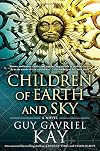
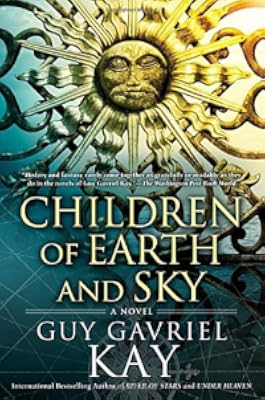
"The bestselling author of the groundbreaking novels Under Heaven and River of Stars, Guy Gavriel Kay is back with a new novel, Children of Earth and Sky, set in a world inspired by the conflicts and dramas of Renaissance Europe. Against this tumultuous backdrop the lives of men and women unfold on the borderlands--where empires and faiths collide. From the small coastal town of Senjan, notorious for its pirates, a young woman sets out to find vengeance for her lost family. That same spring, show more from the wealthy city-state of Seressa, famous for its canals and lagoon, come two very different people: a young artist traveling to the dangerous east to paint the grand khalif at his request--and possibly to do more--and a fiercely intelligent, angry woman posing as a doctor's wife but sent by Seressa as a spy. The trading ship that carries them is commanded by the accomplished younger son of a merchant family, ambivalent about the life he's been born to live. And farther east a boy trains to become a soldier in the elite infantry of the khalif--to win glory in the war everyone knows is coming. As these lives entwine, their fates--and those of many others--will hang in the balance when the khalif sends out his massive army to take the great fortress that is the gateway to the western world..."-- show lessTags
Recommendations


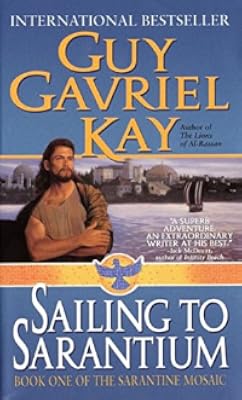



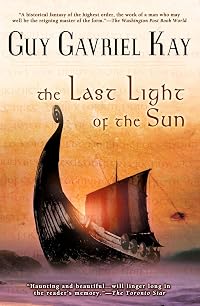
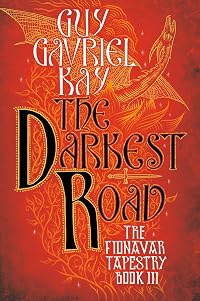

Member Recommendations
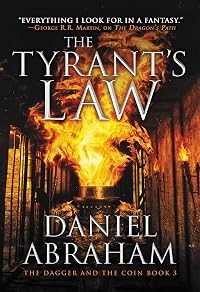
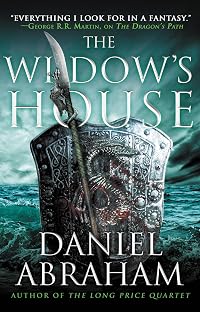
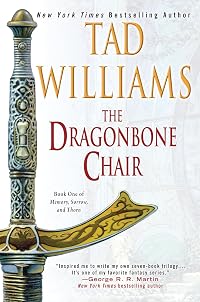
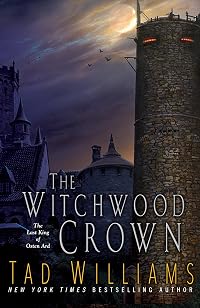
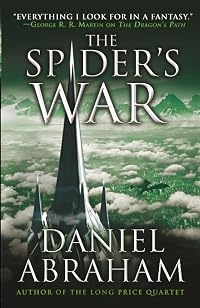
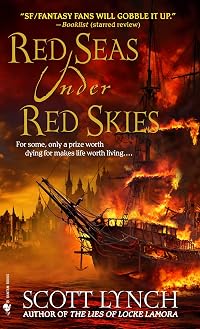
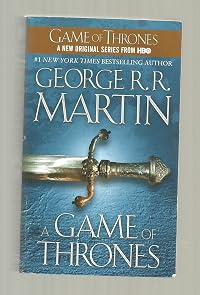
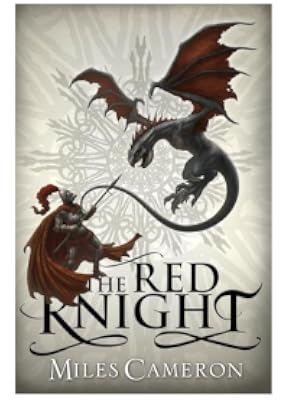
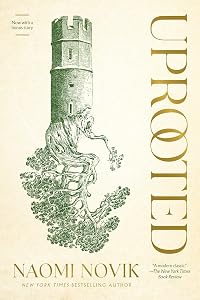
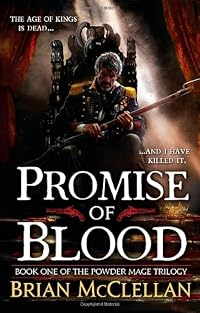
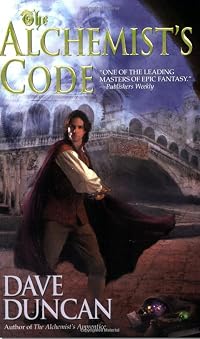
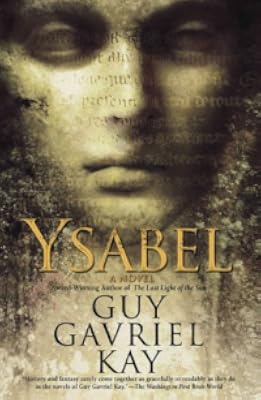
Cecrow Minor overlap of characters.
Member Reviews
Children of Earth and Sky Guy Gavriel Kay
Audio performance by Simon Vance
4 stars
Kay’s newest novel takes place in the same world setting as The Lions of Al-Rassan, but takes place centuries after the first book. Again, the cultural background mirrors actual historical events. This time he models the politics of Renaissance Europe; loosely, very loosely. The story is full of intrigue, great battle scenes, and much courageous action.There are also more fantasy elements than in Lions and there are some references to an earlier fantasy series that I have not read.
The book begins with a structure that Kay has used before. There are 4 main characters, 2 male and 2 female, who have extensive introductory stories, completely independent of show more each other. There are scenes set to inform the reader of the essential political conflicts. The four important characters come together in a scene of pivotal violence that changes every life. This is where the story structure changes. These characters are not stuck together by necessity or in a righteous common cause. They interact. Their paths cross and recross, but for the majority of the book there are several separate stories. I suspect this is what Kay fans will find lacking in this book. At first reading, I didn’t care for it myself.
But, then I thought about it some more. This is the fifth Guy Gavriel Kay book that I’ve read and I’m finding that he always causes me to think some more. That’s a good thing, and this book has much to recommend it.
Kay sets his books in cultures where women have a subservient role, but he writes wonderful female characters. His women are smart and far from passive. They have active roles in shaping the worlds they inhabit. But, generally, their roles are dependent on the male character they are attached to. This book is a bit different. There’s Danica Gradik, a young woman of Senjan, she isn’t just good with a bow, she’s lethal. She uses every tool she has to fight the people who slaughtered her family. She is the guard, protecting the men, not the other way around. Leonora Velari has little in common with Danica, but she has her own wounds to avenge. She’s very smart, makes the most of her few advantages, and refuses to bow to power. These female characters appeal to my feminist heart.
That is not to say that the male characters are unimportant. They are unusual men. In another role reversal, Pero Villani, the gifted artist, accomplishes more through the honesty of his art than others do with subterfuge, corruption, and violence. Marin Djivo, the merchant, is no coward. He is willing to take great personal risk for profit, but he will not betray a friend. He is also unaccountably patient in his love for Danica Gradik. The interesting thing about these two very different men is their attitudes toward the women in their lives. The story arc of this book is a bit different. It felt a bit strange. But that may be what happens when traditional roles are challenged.
It’s something to think about. show less
Audio performance by Simon Vance
4 stars
Kay’s newest novel takes place in the same world setting as The Lions of Al-Rassan, but takes place centuries after the first book. Again, the cultural background mirrors actual historical events. This time he models the politics of Renaissance Europe; loosely, very loosely. The story is full of intrigue, great battle scenes, and much courageous action.There are also more fantasy elements than in Lions and there are some references to an earlier fantasy series that I have not read.
The book begins with a structure that Kay has used before. There are 4 main characters, 2 male and 2 female, who have extensive introductory stories, completely independent of show more each other. There are scenes set to inform the reader of the essential political conflicts. The four important characters come together in a scene of pivotal violence that changes every life. This is where the story structure changes. These characters are not stuck together by necessity or in a righteous common cause. They interact. Their paths cross and recross, but for the majority of the book there are several separate stories. I suspect this is what Kay fans will find lacking in this book. At first reading, I didn’t care for it myself.
But, then I thought about it some more. This is the fifth Guy Gavriel Kay book that I’ve read and I’m finding that he always causes me to think some more. That’s a good thing, and this book has much to recommend it.
Kay sets his books in cultures where women have a subservient role, but he writes wonderful female characters. His women are smart and far from passive. They have active roles in shaping the worlds they inhabit. But, generally, their roles are dependent on the male character they are attached to. This book is a bit different. There’s Danica Gradik, a young woman of Senjan, she isn’t just good with a bow, she’s lethal. She uses every tool she has to fight the people who slaughtered her family. She is the guard, protecting the men, not the other way around. Leonora Velari has little in common with Danica, but she has her own wounds to avenge. She’s very smart, makes the most of her few advantages, and refuses to bow to power. These female characters appeal to my feminist heart.
That is not to say that the male characters are unimportant. They are unusual men. In another role reversal, Pero Villani, the gifted artist, accomplishes more through the honesty of his art than others do with subterfuge, corruption, and violence. Marin Djivo, the merchant, is no coward. He is willing to take great personal risk for profit, but he will not betray a friend. He is also unaccountably patient in his love for Danica Gradik. The interesting thing about these two very different men is their attitudes toward the women in their lives. The story arc of this book is a bit different. It felt a bit strange. But that may be what happens when traditional roles are challenged.
It’s something to think about. show less
Kay writes exactly the sort of fantasy I like to read - personal, emotional stories set against the epic sweep of the world. In some ways, this book is the extreme of that. It's about how tiny an individual's life is against the forces - man-made and natural - that are arrayed against that life. How great a victory bare survival is. How magnificently worthy of celebration happiness is.
It's particularly about how much harder it can be for a woman to guide her own life. Strong women have always been a highlight of Kay - they are always there, they are always meaningful and rounded, and he often makes a point of the sorts of women's power that can be wielded in the periods he is writing about. This feels like the first time he has really show more shown, head-on and explicitly, the difficulty a woman can have in forging her own life, with her own choices. Two of the characters are fighting constantly to make their own way.
I found Danica's arc, in particular, to be very interesting. She has lost her family, she is angry, she wants vengeance. (These are common elements to the story; this is an angry part of the world.) She wants to fight, she fights. For a male character, this might be so simple a story as to be unworthy of telling, but because she's female, just achieving this goal requires her to fight every step of the way. Her gender is yet another of the forces arrayed against her. Her choices are hard.
But the book is also about how an individual's tiny choices can pivot world events. There's an almost KJ Parker-esque element to the small things that change everything, but no one does the one-line-changes-the-world scene like Kay, and he has some great ones here.
This takes place in the same world, and same part of that world, as [b:Sailing to Sarantium|104097|Sailing to Sarantium (The Sarantine Mosaic, #1)|Guy Gavriel Kay|https://d2arxad8u2l0g7.cloudfront.net/books/1328000207s/104097.jpg|1336666] and [b:Lord of Emperors|104091|Lord of Emperors (The Sarantine Mosaic, #2)|Guy Gavriel Kay|https://d2arxad8u2l0g7.cloudfront.net/books/1386922916s/104091.jpg|2903660], and there's an added layer of resonance with references to the events of those books. Which only feels right and proper: everywhere in the world, what has come before matters for what is happening now (and why it is happening), but it feels particularly true of the Balkans. show less
It's particularly about how much harder it can be for a woman to guide her own life. Strong women have always been a highlight of Kay - they are always there, they are always meaningful and rounded, and he often makes a point of the sorts of women's power that can be wielded in the periods he is writing about. This feels like the first time he has really show more shown, head-on and explicitly, the difficulty a woman can have in forging her own life, with her own choices. Two of the characters are fighting constantly to make their own way.
I found Danica's arc, in particular, to be very interesting. She has lost her family, she is angry, she wants vengeance. (These are common elements to the story; this is an angry part of the world.) She wants to fight, she fights. For a male character, this might be so simple a story as to be unworthy of telling, but because she's female, just achieving this goal requires her to fight every step of the way. Her gender is yet another of the forces arrayed against her. Her choices are hard.
But the book is also about how an individual's tiny choices can pivot world events. There's an almost KJ Parker-esque element to the small things that change everything, but no one does the one-line-changes-the-world scene like Kay, and he has some great ones here.
This takes place in the same world, and same part of that world, as [b:Sailing to Sarantium|104097|Sailing to Sarantium (The Sarantine Mosaic, #1)|Guy Gavriel Kay|https://d2arxad8u2l0g7.cloudfront.net/books/1328000207s/104097.jpg|1336666] and [b:Lord of Emperors|104091|Lord of Emperors (The Sarantine Mosaic, #2)|Guy Gavriel Kay|https://d2arxad8u2l0g7.cloudfront.net/books/1386922916s/104091.jpg|2903660], and there's an added layer of resonance with references to the events of those books. Which only feels right and proper: everywhere in the world, what has come before matters for what is happening now (and why it is happening), but it feels particularly true of the Balkans. show less
You know when you read a book, and you figure you're going to like it, but you don't expect to totally become obsessed with it? I didn’t expect to love Children of Earth and Sky. I thought I would enjoy it and I knew I wanted to read it, but it really blew me away. I saw the ARC listed on the Goodreads giveaways, so I entered. Guy Gavriel Kay is a bestselling Canadian author, who for some reason I hadn’t read yet, but have always wanted to. I thought Children of Earth and Sky was going to take me a while to finish, but once I got past the beginning, I couldn’t put it down.
The beginning is a little slow, but after reading the whole novel, totally necessary. Kay takes you on a journey, introducing his characters, some are main show more characters, some are minor characters, but all are important to the story. There's even a "cast of characters" in the beginning. As I read that, and moving though the beginning of the story, I was thinking I was going to need it. Admittedly, I did have to refer to it a couple times in the beginning, to remember who the Seressini ambassador was and who certain people were in Dubrava. But that's really it. Kay created such real and memorable characters, that the main ones, the ones you love, stay with you.
Danica was amazing. I thought she was brilliant. From the first moment we meet her and her dog, I knew she would be my favourite in this book. I love how she sticks to her mission, but also finds room for more. I love when she's with her grandfather. I love her instincts. I loved Zadek, Neven, Marin, Leonora and Pero. I read each page just to be closer to them, just to see what would happen. Marin was brilliant. I love how he grew and how he changed from the first moment he met Danica, to when they meet again.
I thought I was going to hate the khalif, but I didn’t. I thought I’d at least dislike most of the rulers, based on how many of the people lived, but I didn’t. Except for maybe the adviser in Obravic, he was terrible. What happened to all those people, based on his decisions, his indiscretions, is terrible. The khalif was nice, sort of. I liked his easy way with Pero. I liked that he just wanted and appreciated honesty. How rulers treated their children though, the khalif and Eudoxia, was just awful. I know they were both revered by their own peoples, heroes to their peoples, but to me, they were just opposite sides of the same coin. I enjoyed Eudoxia a lot though, liking her more than I expected.
The way women were treated in this novel was terrible. It's not that Kay was writing them poorly, Danica and Leonora were intelligent, multi-dementional, fascinating women. It's that this novel is based on life during the 16th century. Women weren't equal back then (not that they are now), and there were a lot of women being used for their bodies or hidden away because of them. Fighting through that, there are some powerful women in this world, doing their part to make their own way, finding ways to change the minds of the men around them. Even women we only see for a short time, are finding small ways to make their own decisions. With women like Danica and Leonora, it gives hope to the women of that world.
I've read that Kay has described his novels as historical fiction with a quarter turn towards fantasy, and that's pretty accurate. There are all things you would expect from a story set in 16th century Europe, but there's just a little hint of magic, something "pagan" going on in addition to something else. I kept expecting that this would somehow result in the fall of the khalif and the Asharites, but maybe I've been reading too many epic adventures lately. This novel didn't need the fall of a kingdom, it just needed characters to live their lives.
Children of Earth and Sky was a fantastic novel, by an amazing Canadian author. I definitely want to read the other novels set in this world. It was really great luck to have had this book land in my hands. Children of Earth and Sky is a beautifully woven tale that transports you to another world. show less
The beginning is a little slow, but after reading the whole novel, totally necessary. Kay takes you on a journey, introducing his characters, some are main show more characters, some are minor characters, but all are important to the story. There's even a "cast of characters" in the beginning. As I read that, and moving though the beginning of the story, I was thinking I was going to need it. Admittedly, I did have to refer to it a couple times in the beginning, to remember who the Seressini ambassador was and who certain people were in Dubrava. But that's really it. Kay created such real and memorable characters, that the main ones, the ones you love, stay with you.
Danica was amazing. I thought she was brilliant. From the first moment we meet her and her dog, I knew she would be my favourite in this book. I love how she sticks to her mission, but also finds room for more. I love when she's with her grandfather. I love her instincts. I loved Zadek, Neven, Marin, Leonora and Pero. I read each page just to be closer to them, just to see what would happen. Marin was brilliant. I love how he grew and how he changed from the first moment he met Danica, to when they meet again.
I thought I was going to hate the khalif, but I didn’t. I thought I’d at least dislike most of the rulers, based on how many of the people lived, but I didn’t. Except for maybe the adviser in Obravic, he was terrible. What happened to all those people, based on his decisions, his indiscretions, is terrible. The khalif was nice, sort of. I liked his easy way with Pero. I liked that he just wanted and appreciated honesty. How rulers treated their children though, the khalif and Eudoxia, was just awful. I know they were both revered by their own peoples, heroes to their peoples, but to me, they were just opposite sides of the same coin. I enjoyed Eudoxia a lot though, liking her more than I expected.
The way women were treated in this novel was terrible. It's not that Kay was writing them poorly, Danica and Leonora were intelligent, multi-dementional, fascinating women. It's that this novel is based on life during the 16th century. Women weren't equal back then (not that they are now), and there were a lot of women being used for their bodies or hidden away because of them. Fighting through that, there are some powerful women in this world, doing their part to make their own way, finding ways to change the minds of the men around them. Even women we only see for a short time, are finding small ways to make their own decisions. With women like Danica and Leonora, it gives hope to the women of that world.
I've read that Kay has described his novels as historical fiction with a quarter turn towards fantasy, and that's pretty accurate. There are all things you would expect from a story set in 16th century Europe, but there's just a little hint of magic, something "pagan" going on in addition to something else. I kept expecting that this would somehow result in the fall of the khalif and the Asharites, but maybe I've been reading too many epic adventures lately. This novel didn't need the fall of a kingdom, it just needed characters to live their lives.
Children of Earth and Sky was a fantastic novel, by an amazing Canadian author. I definitely want to read the other novels set in this world. It was really great luck to have had this book land in my hands. Children of Earth and Sky is a beautifully woven tale that transports you to another world. show less
The silk road of the soul, the weight of a stolen icon.
I came to this book after reading The Lions of Al-Rassan and A Brightness Long Ago. I knew Kay could write about war, about honor, about the slow tragedy of history. What I did not expect was a novel so restless, so full of movement- across seas, over mountains, through markets and palaces and pirate ships, that I felt I had traveled a thousand miles by the time I closed the cover. Children of Earth and Sky is about many things: faith, revenge, art, the clash of empires. But above all, it is about journeys. And the longest journey, Kay suggests, is the one from hatred to forgiveness.
What it is:
A world shaped like Renaissance Europe, but with two moons and a sun-god named Jad. The show more year is roughly equivalent to the late 15th century. The Ottoman Empire (here called the Ashharite Empire, led by a khalif) presses against the borders of the western kingdoms. The city-state of Dubrava (think Dubrovnik) is a fragile trading port caught between East and West. And a young woman named Danica Gradek, whose family was massacred by Ashharite raiders when she was a child, has grown into a fierce artist and a determined spy. She joins a mission to steal a famous painting- a portrait of a dead queen from the Sarantine coast, now under Ashharite control. But the theft is not just about art. It is about revenge. It is about proving that the East cannot take everything.
The novel follows multiple threads: Pero Villani, a talented but arrogant painter from the Republic of Seressa (Venice), who is commissioned to create a new work for the khalif's palace; Leonora Valeri, a Seressinan courtesan who is also a spy; Marin Djivo, a Dubravan merchant whose family is caught in the crossfire; and the khalif's own circle, including a clever vizier and a young prince who dreams of peace. The plot crisscrosses the Adriatic, from the canals of Seressa to the markets of Dubrava to the golden halls of Ashharit. And at the center of it all hangs the stolen portrait; and the question of whether beauty can survive the violence that surrounds it.
Why it works (and why it stays with me):
1. Danica is one of Kay's most complex heroines. She is damaged. The massacre of her family has left her with a cold, implacable need for vengeance. She trains as a spy, learns to kill, and joins the mission to steal the painting not for money or patriotism, but because it will hurt the people who hurt her. And yet, Kay does not let her become a monster. She hesitates. She doubts. She falls in love with a man from the enemy's side. Her arc is not about forgiveness, she never fully forgives, but about learning that revenge, even when achieved, does not fill the emptiness. The scene where she finally confronts the man who ordered her family's death is not a battle. It is a conversation. And it is devastating.
2. The theme of art versus power is threaded through every chapter. The stolen painting is a portrait of a woman who was once a queen, painted by a master. The Ashharite khalif wants it because it represents victory. The Seressinan senators want it because it represents wealth. Pero Villani wants to paint a new masterpiece because he wants fame. But the painter who originally created the portrait, long dead, painted it for love. Kay asks: can art survive being used as a weapon? Can beauty be separated from the politics that surround it? The answer is ambiguous. The question lingers.
3. The world feels vast and lived-in. Kay has written about this universe before (in The Sarantine Mosaic and A Brightness Long Ago), but here he expands it. You see the Ashharite court from the inside: the gardens, the libraries, the philosophical debates between scholars. You see the Dubravan merchants arguing over tariffs and the Seressinan spies trading secrets in dark canals. You see the countryside between cities: the bandits, the pilgrims, the farmers who just want to survive. No one is reduced to a stereotype. The Ashharites are not villains; they are people, with their own poets, their own griefs, their own dreams of peace.
4. The prose is Kay at his most cinematic. There are set pieces: a sea chase, a battle on a bridge, a scene where a character jumps from a tower into the sea, that feel like they belong on a screen. But Kay never sacrifices interiority for spectacle. You are inside the characters' heads as they flee, as they fight, as they make choices that will haunt them. The balance is masterful.
5. The ending is neither happy nor tragic; it is true. Kay does not give you a clean resolution. Some characters survive; some do not. Some find love; some lose it. The khalif's war does not end; the peace is fragile. But the novel ends on a note of hope, not because the world has changed, but because the characters have. Danica chooses to paint. Pero learns humility. Leonora finds a kind of freedom. The stolen portrait hangs in a new place, and people stop to look at it, and for a moment, they forget the violence that brought it there. That is not victory. It is not surrender. It is life.
Where it might lose some readers (honest, even as a fan):
1. The cast is very large. Kay introduces dozens of characters, some of whom appear for only a few pages. Keeping track of who is who, especially with unfamiliar names (Pero, Danica, Marin, Leonora, Damaz, Zadek) requires attention. The book rewards careful reading, but it does not hold your hand.
2. The pacing is uneven. The first third moves slowly, as Kay establishes multiple storylines across different cities. The middle accelerates, with chases and confrontations. The final third slows again, into reflection and aftermath. Some readers find this rhythm frustrating. I found it deliberate like the tides of the Adriatic.
Who should read this:
Lovers of historical fiction with a light touch of the fantastic.
Readers who appreciate morally complex characters and slow-burn storytelling.
Anyone who has ever wondered about the relationship between art and power.
Fans of The Lions of Al-Rassan and A Brightness Long Ago.
Who might skip it:
If you need fast-paced action and clear heroes and villains.
If you dislike large casts and multiple point-of-view characters.
If you prefer your fantasy heavy on magic and light on politics.
Final verdict:
Children of Earth and Sky is not Kay's most famous book, but it might be his most generous. It is generous to its characters, allowing them to be flawed and still worthy of love. It is generous to its readers, trusting us to follow multiple threads across hundreds of pages without condescension. And it is generous to history, refusing to reduce the clash of civilizations to a simple morality play. The Ashharites are not devils. The Seressinans are not angels. Everyone has blood on their hands. Everyone has a reason.
I finished this book feeling not exhausted, but enlarged. Like I had traveled through a door into a wider world; not just of geography, but of empathy. Kay writes about revenge and forgiveness, about the art we create and the violence we cannot escape, and he makes you feel that these are not abstract questions. They are the questions of every life.
Five stars. For the stolen portrait. For the spy who learned to paint. For the khalif's scholar who dreamed of peace. And for the sea that connects us all, whether we want it to or not. show less
I came to this book after reading The Lions of Al-Rassan and A Brightness Long Ago. I knew Kay could write about war, about honor, about the slow tragedy of history. What I did not expect was a novel so restless, so full of movement- across seas, over mountains, through markets and palaces and pirate ships, that I felt I had traveled a thousand miles by the time I closed the cover. Children of Earth and Sky is about many things: faith, revenge, art, the clash of empires. But above all, it is about journeys. And the longest journey, Kay suggests, is the one from hatred to forgiveness.
What it is:
A world shaped like Renaissance Europe, but with two moons and a sun-god named Jad. The show more year is roughly equivalent to the late 15th century. The Ottoman Empire (here called the Ashharite Empire, led by a khalif) presses against the borders of the western kingdoms. The city-state of Dubrava (think Dubrovnik) is a fragile trading port caught between East and West. And a young woman named Danica Gradek, whose family was massacred by Ashharite raiders when she was a child, has grown into a fierce artist and a determined spy. She joins a mission to steal a famous painting- a portrait of a dead queen from the Sarantine coast, now under Ashharite control. But the theft is not just about art. It is about revenge. It is about proving that the East cannot take everything.
The novel follows multiple threads: Pero Villani, a talented but arrogant painter from the Republic of Seressa (Venice), who is commissioned to create a new work for the khalif's palace; Leonora Valeri, a Seressinan courtesan who is also a spy; Marin Djivo, a Dubravan merchant whose family is caught in the crossfire; and the khalif's own circle, including a clever vizier and a young prince who dreams of peace. The plot crisscrosses the Adriatic, from the canals of Seressa to the markets of Dubrava to the golden halls of Ashharit. And at the center of it all hangs the stolen portrait; and the question of whether beauty can survive the violence that surrounds it.
Why it works (and why it stays with me):
1. Danica is one of Kay's most complex heroines. She is damaged. The massacre of her family has left her with a cold, implacable need for vengeance. She trains as a spy, learns to kill, and joins the mission to steal the painting not for money or patriotism, but because it will hurt the people who hurt her. And yet, Kay does not let her become a monster. She hesitates. She doubts. She falls in love with a man from the enemy's side. Her arc is not about forgiveness, she never fully forgives, but about learning that revenge, even when achieved, does not fill the emptiness. The scene where she finally confronts the man who ordered her family's death is not a battle. It is a conversation. And it is devastating.
2. The theme of art versus power is threaded through every chapter. The stolen painting is a portrait of a woman who was once a queen, painted by a master. The Ashharite khalif wants it because it represents victory. The Seressinan senators want it because it represents wealth. Pero Villani wants to paint a new masterpiece because he wants fame. But the painter who originally created the portrait, long dead, painted it for love. Kay asks: can art survive being used as a weapon? Can beauty be separated from the politics that surround it? The answer is ambiguous. The question lingers.
3. The world feels vast and lived-in. Kay has written about this universe before (in The Sarantine Mosaic and A Brightness Long Ago), but here he expands it. You see the Ashharite court from the inside: the gardens, the libraries, the philosophical debates between scholars. You see the Dubravan merchants arguing over tariffs and the Seressinan spies trading secrets in dark canals. You see the countryside between cities: the bandits, the pilgrims, the farmers who just want to survive. No one is reduced to a stereotype. The Ashharites are not villains; they are people, with their own poets, their own griefs, their own dreams of peace.
4. The prose is Kay at his most cinematic. There are set pieces: a sea chase, a battle on a bridge, a scene where a character jumps from a tower into the sea, that feel like they belong on a screen. But Kay never sacrifices interiority for spectacle. You are inside the characters' heads as they flee, as they fight, as they make choices that will haunt them. The balance is masterful.
5. The ending is neither happy nor tragic; it is true. Kay does not give you a clean resolution. Some characters survive; some do not. Some find love; some lose it. The khalif's war does not end; the peace is fragile. But the novel ends on a note of hope, not because the world has changed, but because the characters have. Danica chooses to paint. Pero learns humility. Leonora finds a kind of freedom. The stolen portrait hangs in a new place, and people stop to look at it, and for a moment, they forget the violence that brought it there. That is not victory. It is not surrender. It is life.
Where it might lose some readers (honest, even as a fan):
1. The cast is very large. Kay introduces dozens of characters, some of whom appear for only a few pages. Keeping track of who is who, especially with unfamiliar names (Pero, Danica, Marin, Leonora, Damaz, Zadek) requires attention. The book rewards careful reading, but it does not hold your hand.
2. The pacing is uneven. The first third moves slowly, as Kay establishes multiple storylines across different cities. The middle accelerates, with chases and confrontations. The final third slows again, into reflection and aftermath. Some readers find this rhythm frustrating. I found it deliberate like the tides of the Adriatic.
Who should read this:
Lovers of historical fiction with a light touch of the fantastic.
Readers who appreciate morally complex characters and slow-burn storytelling.
Anyone who has ever wondered about the relationship between art and power.
Fans of The Lions of Al-Rassan and A Brightness Long Ago.
Who might skip it:
If you need fast-paced action and clear heroes and villains.
If you dislike large casts and multiple point-of-view characters.
If you prefer your fantasy heavy on magic and light on politics.
Final verdict:
Children of Earth and Sky is not Kay's most famous book, but it might be his most generous. It is generous to its characters, allowing them to be flawed and still worthy of love. It is generous to its readers, trusting us to follow multiple threads across hundreds of pages without condescension. And it is generous to history, refusing to reduce the clash of civilizations to a simple morality play. The Ashharites are not devils. The Seressinans are not angels. Everyone has blood on their hands. Everyone has a reason.
I finished this book feeling not exhausted, but enlarged. Like I had traveled through a door into a wider world; not just of geography, but of empathy. Kay writes about revenge and forgiveness, about the art we create and the violence we cannot escape, and he makes you feel that these are not abstract questions. They are the questions of every life.
Five stars. For the stolen portrait. For the spy who learned to paint. For the khalif's scholar who dreamed of peace. And for the sea that connects us all, whether we want it to or not. show less
Life turns on a dime, shatters in an instant. A word spoken, or not spoken; a decision made or deferred. A decision made by someone else, someone in power, in another part of the city or in a city in another country. Rain or sunlight on a given day. Everything is precarious … but joy can still be found …
There is an immediacy to Kay's writing I haven't encountered … anywhere. There's no other author who can make my stomach knot up at a word, or an isolated sentence. An inopportune word, or a word forgotten. A character's decision to take this turn instead of that. A moment's inattention. If a stair creaks in one chapter, it will be important before long. And then he says something like "Then the big, red-bearded one said, changing show more her life, changing many lives …" and something's about to hit a really big fan. Foreshadowing in Kay's world is a heart-sinking thing, leaving me on edge with a knot in my stomach, because it's not going to be pretty when it comes to pass. Not. At all.
And the humor in the writing – so much of it, so unexpected still, wry and dry and bawdy and crude. It would be so predictable for a book featuring such drama to be weighty, but GGK makes me laugh as ofen as he makes me anxious. He's one of the best.
Children of Earth and Sky> features, like Tigana, another brother and sister, long separated. There are in fact echoes of several of Kay's other books, and oblique references – showing that his work all inhabits the same universe.
...
Words of wisdom from GGK:
Doing the right thing doesn't always save you.
and
Legends, if you crossed their path, could get you killed. show less
There is an immediacy to Kay's writing I haven't encountered … anywhere. There's no other author who can make my stomach knot up at a word, or an isolated sentence. An inopportune word, or a word forgotten. A character's decision to take this turn instead of that. A moment's inattention. If a stair creaks in one chapter, it will be important before long. And then he says something like "Then the big, red-bearded one said, changing show more her life, changing many lives …" and something's about to hit a really big fan. Foreshadowing in Kay's world is a heart-sinking thing, leaving me on edge with a knot in my stomach, because it's not going to be pretty when it comes to pass. Not. At all.
And the humor in the writing – so much of it, so unexpected still, wry and dry and bawdy and crude. It would be so predictable for a book featuring such drama to be weighty, but GGK makes me laugh as ofen as he makes me anxious. He's one of the best.
Children of Earth and Sky> features, like Tigana, another brother and sister, long separated. There are in fact echoes of several of Kay's other books, and oblique references – showing that his work all inhabits the same universe.
...
Words of wisdom from GGK:
Doing the right thing doesn't always save you.
and
Legends, if you crossed their path, could get you killed. show less
I describe Guy Gavriel Kay’s books as unhistorical fiction; he describes them as, “history with a quarter turn to the fantastic.” Either way, I find them compulsively enjoyable, full of vividly drawn characters—one of the most common quotes about him was that he never met a secondary character he didn’t like—with plenty of political intrigue and adventure thrown in.
For me, though, his work is all about the first item…the characters. I’ve said before that even second rank Kay is better than most others out there but, judging solely within his oeuvre, where I rank each of his books largely depends upon whether I find those one or two people that make me love them. In that regard, this is one of his better ones. Perhaps it show more doesn’t displace my absolute favorites, such as The Last Light of the Sun, but it’s up there. There was a wealth of them I ended up caring about.
As for the unhistory part: the place names might be different but there’s no trouble in discerning Renaissance Venice, Dubrovnik, Constatinople, Prague and Senj. I would say that, unlike most of his stories, I think there was quite a bit to be gained from having read some of his other books. So much of this book had the conquest of Constanti…err, Sarantium…as a backdrop that Sailing to Sarantium and Lord of Emperors made it much richer. Perhaps The Lions of Al-Rassan in the same vein, though less urgent.
One of his better ones. If you’re at all inclined to this type of book, it’s definitely a recommend. show less
For me, though, his work is all about the first item…the characters. I’ve said before that even second rank Kay is better than most others out there but, judging solely within his oeuvre, where I rank each of his books largely depends upon whether I find those one or two people that make me love them. In that regard, this is one of his better ones. Perhaps it show more doesn’t displace my absolute favorites, such as The Last Light of the Sun, but it’s up there. There was a wealth of them I ended up caring about.
As for the unhistory part: the place names might be different but there’s no trouble in discerning Renaissance Venice, Dubrovnik, Constatinople, Prague and Senj. I would say that, unlike most of his stories, I think there was quite a bit to be gained from having read some of his other books. So much of this book had the conquest of Constanti…err, Sarantium…as a backdrop that Sailing to Sarantium and Lord of Emperors made it much richer. Perhaps The Lions of Al-Rassan in the same vein, though less urgent.
One of his better ones. If you’re at all inclined to this type of book, it’s definitely a recommend. show less
Children of Earth and Sky by Guy Gavriel Kay
This is a story set in the same faux-Europe as the Sarantine Mosaic series, but after Sarantium fell to the Osman Khalifate.
A mixed cast of characters from various places around the Mediterranean meet on a voyage across land and sea, but this is very much a story of people rather than the journey.
I am an incurable fan of Kay's work. His lyricism, and his deep, seemingly endless love for humanity in all its frailty and confusion, create stories that compel every bit as much as any grand epic adventure. Fantasy does not require wizards, inhuman races, and evil empires to engage readers, for Kay understands that humanity itself is the core of every great story.
And this story is anchored indelibly show more in the humanity of its characters.
Throughout the various journeys in Children of Earth and Sky, we see how great things and not so great are influenced by simple human choices, but random chance, by things that no one can really explain. The characters question themselves, the world, and each other, yet still move on with the simple acts of living.
This is a novel of war without war, of human conflict and love and confusion. There is no evil empire, there is no real villain, simply people of character and conviction following the courses they have chosen, or have had chosen for them, until their ends. And the ends are the same for us all. Live goes until it goes no more.
I am not sure how to recommend a book like this, given that the basic function of fantasy seems so often to be excitement through adventure. This is not exciting, so much as it is compelling. The action is brief and mostly undescribed. There is violent conflict. There is spiritual conflict as well, and also lack of conflict altogether at times.
If an epic fantasy is sailing a great ship from origin to destination, this is a gentle float down a river. The river has its own beginning and end, but we are simply there in the middle, watching flotsam and jetsam tossed by the current.
Until the ride is over, and everything goes on without us. show less
This is a story set in the same faux-Europe as the Sarantine Mosaic series, but after Sarantium fell to the Osman Khalifate.
A mixed cast of characters from various places around the Mediterranean meet on a voyage across land and sea, but this is very much a story of people rather than the journey.
I am an incurable fan of Kay's work. His lyricism, and his deep, seemingly endless love for humanity in all its frailty and confusion, create stories that compel every bit as much as any grand epic adventure. Fantasy does not require wizards, inhuman races, and evil empires to engage readers, for Kay understands that humanity itself is the core of every great story.
And this story is anchored indelibly show more in the humanity of its characters.
Throughout the various journeys in Children of Earth and Sky, we see how great things and not so great are influenced by simple human choices, but random chance, by things that no one can really explain. The characters question themselves, the world, and each other, yet still move on with the simple acts of living.
This is a novel of war without war, of human conflict and love and confusion. There is no evil empire, there is no real villain, simply people of character and conviction following the courses they have chosen, or have had chosen for them, until their ends. And the ends are the same for us all. Live goes until it goes no more.
I am not sure how to recommend a book like this, given that the basic function of fantasy seems so often to be excitement through adventure. This is not exciting, so much as it is compelling. The action is brief and mostly undescribed. There is violent conflict. There is spiritual conflict as well, and also lack of conflict altogether at times.
If an epic fantasy is sailing a great ship from origin to destination, this is a gentle float down a river. The river has its own beginning and end, but we are simply there in the middle, watching flotsam and jetsam tossed by the current.
Until the ride is over, and everything goes on without us. show less
Members
- Recently Added By
Lists

ALA The Reading List
490 works; 28 members

2017 Hugo Eligible Novels
145 works; 14 members

Top Five Books of 2016
795 works; 229 members

2016 Science Fiction and Fantasy Books I'm Looking Forward To.
54 works; 6 members

Books Read in 2017
4,249 works; 130 members

Books Read in 2016
4,666 works; 199 members

Books Read in 2020
4,379 works; 124 members

mom
729 works; 1 member

Canadian Jurist-Novelists
313 works; 1 member
Author Information

35+ Works 38,764 Members
Guy Gavriel Kay was born on November 7, 1954 in Weyburn, Saskatchewan, Canada. He became interested in fantasy fiction while working as an assistant to Christopher Tolkien. He assisted him with the editing of J. R. R. Tolkien's The Silmarillion. After receiving a law degree from the University of Toronto, he became principal writer and associate show more producer for the CBC radio series, The Scales of Justice. He also wrote several episodes when the series moved to television. He has written social and political commentary for several publications including the National Post, The Globe and Mail, and The Guardian. His first fantasy novels were The Summer Tree, The Wandering Fire, and The Darkest Road, which make up the Fionavar Tapestry Trilogy. His other works include A Song for Arbonne, The Lions of Al-Rassan, Beyond This Dark House, The Last Light of the Sun, and Under Heaven. He has received numerous awards including and the Aurora Award for Tigana and The Wandering Fire, the 2008 World Fantasy Award for Best Novel for Ysabel, and the International Goliardos Award for his work in the fantasy field. (Bowker Author Biography) show less
Some Editions
Awards and Honors
Awards
Series

Belongs to Publisher Series
Common Knowledge
- Original title
- Children of Earth and Sky
- Original publication date
- 2016-05-10
- People/Characters
- Pero Villani; Leonora Valeri; Danica Gradek; Marin Djivo; Drago Ostaja; Empress Eudoxia of Sarantium (show all 8); Damaz; Ban Rasca Tripon
- Important places
- Sarantium
- Epigraph
- we were still at that first stage, still
preparing to begin a journey, but we were changed nevertheless;
we could see this in one another; we had changed although
we never moved, and one said, ah, behold ... (show all)how we have aged, traveling
from day to night only, neither forward nor sideward, and this seemed
in a strange way miraculous . . .
—LOUISE GLÜCK
And all sway forward on the dangerous flood
Of history, that never sleeps or dies,
And, held one moment, burns the hand.
—W.H. AUDEN - Dedication
- for
GEORGE JONAS
and
EDWARD L. GREENSPAN
who belong together here
dear friends, lost - First words
- It was with a sinking heart that the newly arrived ambassador from Seressa grasped that the Emperor Rodolfo, famously eccentric, was serious about an experiment in court protocol.
- Last words
- (Click to show. Warning: May contain spoilers.)We must not imagine we understand all there is to know about the world.
- Original language
- English
Classifications
- Genres
- Fiction and Literature, Fantasy, General Fiction, Historical Fiction
- DDC/MDS
- 813.54 — Literature & rhetoric American literature in English American fiction in English 1900-1999 1945-1999
- LCC
- PR9199.3 .K39 .C48 — Language and Literature English English Literature English literature: Provincial, local, etc.
- BISAC
Statistics
- Members
- 904
- Popularity
- 29,752
- Reviews
- 47
- Rating
- (4.07)
- Languages
- English, French, Polish
- Media
- Paper, Audiobook, Ebook
- ISBNs
- 18
- ASINs
- 7