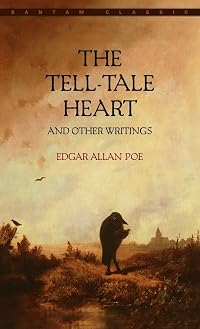
The Tell-Tale Heart and Other Writings [Bantam Classics]
by Edgar Allan Poe
On This Page
Description
Edgar Allan Poe remains the unsurpassed master of works of mystery and madness in this outstanding collection of Poe's prose and poetry are sixteen of his finest tales, including "The Tell-Tale Heart", "The Murders in the Rue Morgue", "The Fall of the House of Usher," "The Pit and the Pendulum," "William Wilson," "The Black Cat," "The Cask of Amontillado," and "Eleonora". Here too is a major selection of what Poe characterized as the passion of his life, his poems - "The Raven," "Annabel show more Lee," Ulalume," "Lenore," "The Bells," and more, plus his glorious prose poem "Silence - A Fable" and only full-length novel, The Narrative of Arthur Gordon Pym. show lessTags
Recommendations
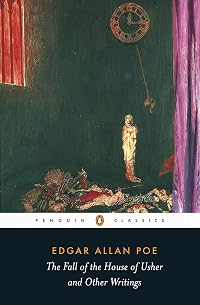








Member Recommendations
Member Reviews
Published in 1850, Edgar Allan Poe’s The Tell-Tale Heart is one of the best known and most memorable short stories ever written. Since there are dozens of commentaries and reviews here and elsewhere on the internet, in the spirit of freshness, I will take a particular focus: obsession with an eye or eyes and compare Poe’s tale with a few others.
In The Painter of Eyes by Jean Richepin, we encounter an obscure artist who sells his soul to the Devil in order to paint at least one masterpiece. There is a bit of writing attached to the corner of his great painting that reads: “The Devil has informed me as to the secret of painting eyes. That secret consists of decanting the life from the models one wishes to represent and fixing that show more life on the canvas. In doing that, one slowly kills the people whose portrait one paints. It is sufficient for me to know that I have made this masterpiece. I commend my soul to the prayers, in case the Evil One does not leave me the time.” The writing ends abruptly since death strikes the artist in mid-sentence - his masterpiece is a self-portrait.
In The Gaze another story by Jean Richepin, the narrator peers through the window of a cell at a madman holding his arms spread, head uplifted, transfixed by a point on a wall near the ceiling. The doctor-alienist relates to the narrator how this inmate is obsessed with the gaze of eyes from an artist's portrait. "For there was something in that gaze, believe me, that could trouble not only the already-enfeebled brain of a man afflicted with general paralysis, but even a sound and solid mind." Turns out, the narrator discovers the doctor is also driven mad by these eyes. So much so, the doctor took a scissors to the painting. We read: “In front of me, a fragment of a painting, cut out of a canvas with scissors, showed me a pair of eyes: the eyes of the portrait that the alienist said that he had lacerated, the eyes darting that famous gaze – in which, indeed, the very soul of gold was alive.”
The Enigmatic Eye by Moacyr Scliar is a most imaginative tale of a wealthy old man who becomes infatuated with a portrait of an aristocratic gentleman in the town’s museum. And what makes this portrait so infatuating? Why, of course – the gaze of the right eye, which is truly enigmatic. The old man has his close friend steal the portrait from the museum so he can put it in his attic and sit in front of the painting, pondering the enigmatic gaze round the clock. The servants think the old man mad but he could care less – he has exactly what he wants – the portrait with its enigmatic eye right in his very own attic. Unfortunately, something unexpected happens. Due to the attic’s heat and light, the painting begins to fade and then, over time, vanishes. The old man concludes there is only one thing for him to do – he buys some brushes and oils and begins re-painting the portrait, starting with the enigmatic eye.
Turning now to Poe’s tale, the narrator insists he should not be taken for a madman; rather, he is dreadfully nervous causing his senses, especially his sense of hearing, to be heightened and sharpened. He goes on to convey how once the idea of killing the old man of the house entered his brain, he was haunted by the idea day and night. And why would he want to kill this old man, a man who never wronged him? We read, “I think it was his eye! Yes, it was this! He had the eye of a vulture – a pale blue eye, with a film over it.” What is it about a human eye, painted or real, when seen by someone who is mentally unstable? Perhaps part of the answer is given by contemporary Argentine author, Ernesto Sabato, when he says that hell is being the object of the gaze of another.
Every one of Poe’s sentence is sheer perfection, building tension and suspense. For example, we read how the narrator, lantern in hand, secretly peers in at the sleeping old man at midnight. But then, one night, a noise wakes the old man and he sits bolt upright in bed. And what does the narrator do? We read, “I resolved to open a little – a very, very little crevice in the lantern. So I opened it – you cannot imagine how stealthily, stealthily – until, at length a single dim ray, like the thread of the spider, shot from out the crevice and fell full upon the vulture eye. It was open – wide, wide open – and I grew furious as I gazed upon it. I saw it with perfect distinctness – all a dull blue, with a hideous veil over it that chilled the very marrow of my bones; but I could see nothing else of the old man’s face or person: for I had directed the ray as if by instinct, precisely upon the damned spot.”
Anybody familiar with the story knows the narrator’s actions and emotions escalate from this point. What I find particularly fascinating is how the narrator’s obsession and fixation with the eye, once there is no more eye to fixate upon, quickly shifts into a heightened sense of feeling and, of course, heightened hearing. What a tale; what an author – a masterpiece of suspense and horror.
*The quotes from the two tales by Jean Richepin are taken from The Crazy Corner a collection of stories translated by Brian Stableford and published by Black Coat Press. show less
Published in 1850, Edgar Allan Poe’s The Tell-Tale Heart is one of the best known and most memorable short stories ever written. Since there are dozens of commentaries and reviews here and elsewhere on the internet, in the spirit of freshness, I will take a particular focus –- obsession with an eye or eyes – and compare Poe’s tale with a few others.
In ‘The Painter of Eyes’ by Jean Richepin, we encounter an obscure artist who sells his soul to the Devil in order to paint at least one masterpiece. There is a bit of writing attached to the corner of his great painting that reads: “The Devil has informed me as to the secret of painting eyes. That secret consists of decanting the life from the models one wishes to represent show more and fixing that life on the canvas. In doing that, one slowly kills the people whose portrait one paints. . . . It is sufficient for me to know that I have made this masterpiece. I commend my soul to the prayers, in case the Evil One does not leave me the time. . . .” The writing ends abruptly since death strikes the artist in mid-sentence -- his masterpiece is a self-portrait.
In `The Gaze' another story by Jean Richepin, the narrator peers through the window of a cell at a madman holding his arms spread, head uplifted, transfixed by a point on a wall near the ceiling. The doctor-alienist relates to the narrator how this inmate is obsessed with the gaze of eyes from an artist's portrait. "For there was something in that gaze, believe me, that could trouble not only the already-enfeebled brain of a man afflicted with general paralysis, but even a sound and solid mind." Turns out, the narrator discovers the doctor is also driven mad by these eyes. So much so, the doctor took a scissors to the painting. We read: “In front of me, a fragment of a painting, cut out of a canvas with scissors, showed me a pair of eyes: the eyes of the portrait that the alienist said that he had lacerated, the eyes darting that famous gaze – in which, indeed, the very soul of gold was alive.”
‘The Enigmatic Eye’ by Moacyr Scliar is a most imaginative tale of a wealthy old man who becomes infatuated with a portrait of an aristocratic gentleman in the town’s museum. And what makes this portrait so infatuating? Why, of course – the gaze of the right eye, which is truly enigmatic. The old man has his close friend steal the portrait from the museum so he can put it in his attic and sit in front of the painting, pondering the enigmatic gaze round the clock. The servants think the old man mad but he could care less – he has exactly what he wants – the portrait with its enigmatic eye right in his very own attic. Unfortunately, something unexpected happens. Due to the attic’s heat and light, the painting begins to fade and then, over time, vanishes. The old man concludes there is only one thing for him to do – he buys some brushes and oils and begins re-painting the portrait, starting with the enigmatic eye.
Turning now to Poe’s tale, the narrator insists he should not be taken for a madman; rather, he is dreadfully nervous causing his senses, especially his sense of hearing, to be heightened and sharpened. He goes on to convey how once the idea of killing the old man of the house entered his brain, he was haunted by the idea day and night. And why would he want to kill this old man, a man who never wronged him? We read, “I think it was his eye! Yes, it was this! He had the eye of a vulture – a pale blue eye, with a film over it.” What is it about a human eye, painted or real, when seen by someone who is mentally unstable? Perhaps part of the answer is given by contemporary Argentine author, Ernesto Sabato, when he says that hell is being the object of another’s gaze.
Every one of Poe’s sentence is sheer perfection, building tension and suspense. For example, we read how the narrator, lantern in hand, secretly peers in at the sleeping old man at midnight. But then, one night, a noise wakes the old man and he sits bolt upright in bed. And what does the narrator do? We read, “I resolved to open a little – a very, very little crevice in the lantern. So I opened it – you cannot imagine how stealthily, stealthily – until, at length a single dim ray, like the thread of the spider, shot from out the crevice and fell full upon the vulture eye. It was open – wide, wide open – and I grew furious as I gazed upon it. I saw it with perfect distinctness – all a dull blue, with a hideous veil over it that chilled the very marrow of my bones; but I could see nothing else of the old man’s face or person: for I had directed the ray as if by instinct, precisely upon the damned spot.”
Anybody familiar with the story knows the narrator’s actions and emotions escalate from this point. What I find particularly fascinating is how the narrator’s obsession and fixation with the eye, once there is no more eye to fixate upon, quickly shifts into a heightened sense of feeling and, of course, heightened hearing. What a tale; what an author – a masterpiece of suspense and horror.
*The quotes from the two tales by Jean Richepin are taken from ‘The Crazy Corner’ a collection of stories translated by Brian Stableford and published by Black Coat Press. show less
"... but! Why will you say that I am mad?"
How can one even begin to praise Poe? He is the master of words; the creator of magnificent sentences; he creates rich environments and such imagery in your head that you feel as if you are watching a movie in your head.
You also begin to write differently. I started throwing exclamation mark all over the places. I went nuts with dashes. Everything I wrote, seemed dull to me. Everything others have written seemed dull to me. Insipid! Tasteless! Oh so mundane!
My God! One needs madness in one's life.
How can one even begin to praise Poe? He is the master of words; the creator of magnificent sentences; he creates rich environments and such imagery in your head that you feel as if you are watching a movie in your head.
You also begin to write differently. I started throwing exclamation mark all over the places. I went nuts with dashes. Everything I wrote, seemed dull to me. Everything others have written seemed dull to me. Insipid! Tasteless! Oh so mundane!
My God! One needs madness in one's life.
Poe is a troublesome writer, usually overblown and sometimes downright silly, but I can't help feeling some affection for him even as I roll my eyes at some of his story-telling techniques. There is much to be admired in Poe's insistence on radically subjective perspectives, his commitment to delving into the extremes of human psychology. And there's something quite modern about the way he thrusts you right into the meat of a story, wasting no time on backstory or exposition.
Murder, Madness, Loss and Terror
For over 150 years, Poe has terrorized readers with tales that explore the dark side of the human mind. I prefer those that get into the action immediately such as "The Tell-Tale Heart", or " The Cask of Amontillado" rather than those in which he "cogitates" for several pages, such as "The Imp of the Perverse" or "Murder in the Rue Morgue".
And of course, The Raven is an unforgettable, creepy poem!
4 " dark and dreary" stars.
For over 150 years, Poe has terrorized readers with tales that explore the dark side of the human mind. I prefer those that get into the action immediately such as "The Tell-Tale Heart", or " The Cask of Amontillado" rather than those in which he "cogitates" for several pages, such as "The Imp of the Perverse" or "Murder in the Rue Morgue".
And of course, The Raven is an unforgettable, creepy poem!
4 " dark and dreary" stars.
როგორც ჩანს, ამ 3 მოთხრობას გოთიკური სტილის გარდა უფრო მეტი აკავშირებს ერთმანეთთან და ამიტომაცაა ერთად და მთლიანობაშიც რაღაც ერთიან შთაბეჭდილებას ტოვებს. ერთდერთი - ამონტილადოთი დავიწყებდი - უფრო მსუბუქია, უფრო დალაგებულიც და შესავლად გამოდგება - მერე "გული" და ბოლოს "აშერები" show more მოშნი ფინალისთვის.
ძალიან კარგია, ეტყობა რომ პოეტის დაწერილია - ახლა გავიგე რას ნიშნავს როცა ამბობენ პოეტის პროზას ყოველთვის ეტყობაო. ნუ, ცოტა კი იყო სიტყვები რომ ვერ გავიგე და მოძებნა მომიწია, მაგრამ მთლიანობაში XIX საუკუნის დასაწყისის კვალობაზე ყველაფერი მაინც გასაგები და საინტერესო იყო. თუმცა, ისიც უნდა ვაღიარო, რომ ეს გოთიკა მაინცდამაინც ჩემი სტილი ვერ აღმოჩნდა - თითქოს რაღაცა აკლია, თითქოს მარტო ფასადია, თუ რაღაც მასეთი. show less
ძალიან კარგია, ეტყობა რომ პოეტის დაწერილია - ახლა გავიგე რას ნიშნავს როცა ამბობენ პოეტის პროზას ყოველთვის ეტყობაო. ნუ, ცოტა კი იყო სიტყვები რომ ვერ გავიგე და მოძებნა მომიწია, მაგრამ მთლიანობაში XIX საუკუნის დასაწყისის კვალობაზე ყველაფერი მაინც გასაგები და საინტერესო იყო. თუმცა, ისიც უნდა ვაღიარო, რომ ეს გოთიკა მაინცდამაინც ჩემი სტილი ვერ აღმოჩნდა - თითქოს რაღაცა აკლია, თითქოს მარტო ფასადია, თუ რაღაც მასეთი. show less
This story, more than any other, made me forever remember Poe. It's like a frenetic cadence of horrror. Still today when I hear someone mention reading it, I think about him being vexed by the old man. The first time I read this short story is the first time I ever saw the word "shriek" in a book. And the pointed and beguiling manner in which he spoke with the officers was alarming. In the end, he struggles with his own convictions, becomes obsessed with his guilt and turns himself in.
Members
- Recently Added By
Lists

Best Horror Books
281 works; 85 members

Scary ghost stories - no zombies, vampires or werewolves, please
53 works; 18 members

100 Hemskaste
81 works; 1 member

Carole's List
445 works; 13 members

covers with paintings / paintings as covers .
37 works; 1 member

Recommended Reading : 600 Classics Reviewed, Editors of Salem Press, 2015
634 works; 6 members
Talk Discussions
Past Discussions
The tell tale heart by Poe in Rare, Old or Offbeat (October 2012)
Author Information

3,821+ Works 108,022 Members
Edgar Allan Poe was born in Boston, Massachusetts on January 19, 1809. In 1827, he enlisted in the United States Army and his first collection of poems, Tamerlane and Other Poems, was published. In 1835, he became the editor of the Southern Literary Messenger. Over the next ten years, Poe would edit a number of literary journals including the show more Burton's Gentleman's Magazine and Graham's Magazine in Philadelphia and the Broadway Journal in New York City. It was during these years that he established himself as a poet, a short story writer, and an editor. His works include The Fall of the House of Usher, The Tell-Tale Heart, The Murders in the Rue Morgue, The Mystery of Marie Roget, A Descent into the Maelstrom, The Masque of the Red Death, and The Raven. He struggle with depression and alcoholism his entire life and died on October 7, 1849 at the age of 40. (Bowker Author Biography) show less
Some Editions
Awards and Honors
Series
Belongs to Publisher Series
Work Relationships
Is contained in
Contains
Common Knowledge
- Canonical title
- The Tell-Tale Heart and Other Writings [Bantam Classics]
- Original title
- The Tell-Tale Heart and Other Writings
- Original publication date
- 1902 (Virginia edition) (Virginia edition)
- People/Characters
- C. Auguste Dupin
- Related movies
- The Tell-Tale Heart (1939 | IMDb); The Tell-Tale Heart (1960 | IMDb); The Tell-Tale Heart (1971 | IMDb); The Simpsons" Lisa's Rival (1994 | IMDb)
- First words
- The Tell-Tale Heart: True!--nervous--very, very dreadfully nervous I had been and am! but why will you say that I am mad?
- Quotations
- "Villains!" I shrieked, "dissemble no more! I admit the deed! Tear up the planks! Here, here! It is the bleating of his hideous heart!"
- Last words
- (Click to show. Warning: May contain spoilers.)...And the cloud that took the form (When the rest of Heaven was blue) Of a demon in my view--
- Disambiguation notice
- The title page said this volume is based on the so called "Virginia" edition of 1902, that is "The Complete Works of Edgar Allan Poe" edited by James A. Harrison, Thomas Y. Crowell & Co., New York, 1902, (17 vol. )
Classifications
Statistics
- Members
- 2,894
- Popularity
- 6,253
- Reviews
- 28
- Rating
- (4.07)
- Languages
- English, German, Italian
- Media
- Paper, Audiobook, Ebook
- ISBNs
- 35
- UPCs
- 2
- ASINs
- 10