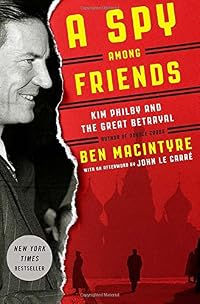
A Spy Among Friends: Kim Philby and the Great Betrayal
by Ben Macintyre
On This Page
Description
NEW YORK TIMES BESTSELLER • The true story of Kim Philby, the Cold War's most infamous spy, from the master espionage writer and author of The Spy and the Traitor.Who was Kim Philby? Those closest to him—like his fellow MI6 officer and best friend since childhood, Nicholas Elliot, and the CIA’s head of counterintelligence, James Jesus Angleton—knew him as a loyal confidant and an unshakeable patriot. Philby was a brilliant and charming man who rose to head Britain’s show more counterintelligence against the Soviet Union. Together with Elliott and Angleton he stood on the front lines of the Cold War, holding Communism at bay. But he was secretly betraying them both: He was working for the Russians the entire time.
Every word uttered in confidence to Philby by his colleagues in the West made its way to Moscow, leading countless missions to their doom and subverting American and British attempts to subdue the Soviet threat. So how was this cunning double-agent finally exposed? In A Spy Among Friends, Ben Macintyre expertly weaves the heart-pounding tale of how Philby almost got away with it all—and what happened when he was finally unmasked.
Based on personal papers and never-before-seen British intelligence files, this is Ben Macintyre’s epic telling of one of the greatest spy stories ever, a Cold War history that will keep you on the edge of your seat. show less
Tags
Recommendations

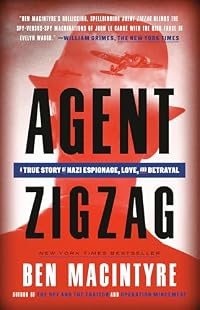
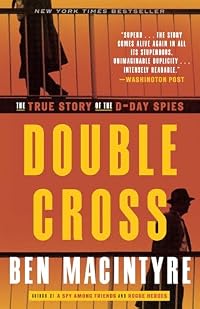
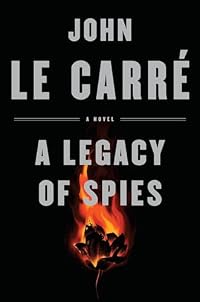
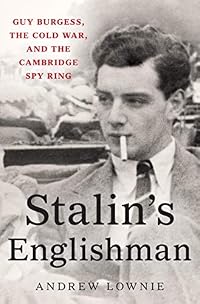
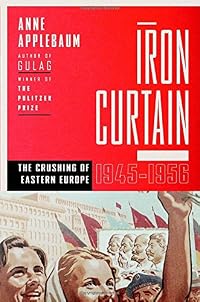
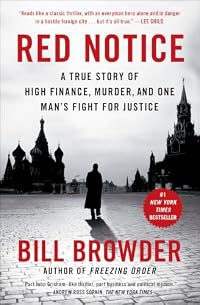
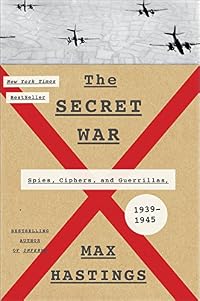
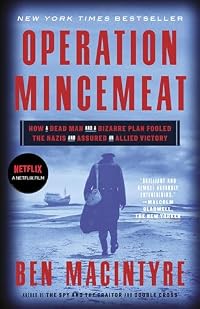


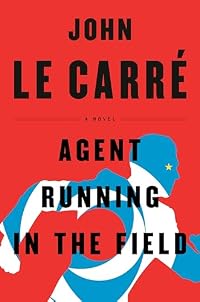
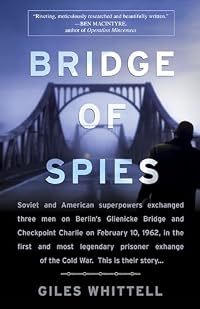

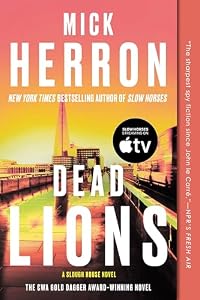
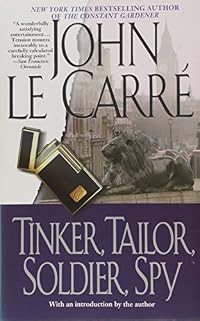








Member Recommendations
Member Reviews
Like his gripping Agent Zigzag, Ben Macintyre's A Spy Among Friends reads like a fast-paced thriller. This is the story of notorious Kim Philby, a British "old boy" and head of their intelligence service who secretly was a Soviet spy. Macintyre tells it via Philby's nearly lifelong friendship with clueless (or clue-ignoring) and loyal Nicholas Elliott. Elliot was a fellow Cambridge-educated spy who supported Philby in the face of one piece of damning evidence after another. The book is a provocative inquiry into class loyalty, friendship and betrayal - oh, and the spy world during and after WWII.
It was easy for Philby to get hired by British intelligence after school, despite his Communist leanings. A high-up official asked Philby’s show more father about it over drinks at the club. “Oh, that was all schoolboy nonsense,” St. John Philby told him. So the official cleared Philby: “I was asked about him and said I knew his people.” As it turns out, given the proper background, almost any behavior was forgivable. “Even drunken, unhinged knicker shredding, it seemed, was no bar to advancement in the British diplomatic service if one was the ‘right sort.’" Even after Philby is dismissed under heavy suspicion, he gains re-entry. It was "the old boys’ network running at its smoothest: A word in an ear, a nod, a drink with one of the chaps at the club and the machinery kicked in.”
Philby was charming, and made many friends in high places. This included the completely bamboozled James Angleton, head of the CIA, who loved to share insider information with Philby over drinks. The result of this and other extracted information was lethal for a dazzling number of agents and operations. Both Elliott and Angleton found the truth of Philby inconceivable until unavoidable. They were far from alone in their infatuation. As one acolyte said, even after learning of Philby's betrayal, "I do not regret knowing him . . . He enriched my world for many years and I owed a lot to him." (This is recounted in John LeCarre's intriguing Afterword).
Why did Philby do it? You can read the tea leaves Macintyre provides and reach your own conclusions. Philby professed great loyalty to the Communist cause, but as Macintyre points out, there's no evidence he ever studied it or was filled with concern for the lower classes. His lifestyle would suggest the opposite. And what about his "escape"? Macintyre explores the unusual circumstances surrounding it, and posits a plausible and revealing theory.
Those who love spy stories or a rollicking tale of deceit and betrayal won't want to miss this one. It's got a lot for those interested in class behavior and the dynamics of friendship, too. Four and a half stars. show less
It was easy for Philby to get hired by British intelligence after school, despite his Communist leanings. A high-up official asked Philby’s show more father about it over drinks at the club. “Oh, that was all schoolboy nonsense,” St. John Philby told him. So the official cleared Philby: “I was asked about him and said I knew his people.” As it turns out, given the proper background, almost any behavior was forgivable. “Even drunken, unhinged knicker shredding, it seemed, was no bar to advancement in the British diplomatic service if one was the ‘right sort.’" Even after Philby is dismissed under heavy suspicion, he gains re-entry. It was "the old boys’ network running at its smoothest: A word in an ear, a nod, a drink with one of the chaps at the club and the machinery kicked in.”
Philby was charming, and made many friends in high places. This included the completely bamboozled James Angleton, head of the CIA, who loved to share insider information with Philby over drinks. The result of this and other extracted information was lethal for a dazzling number of agents and operations. Both Elliott and Angleton found the truth of Philby inconceivable until unavoidable. They were far from alone in their infatuation. As one acolyte said, even after learning of Philby's betrayal, "I do not regret knowing him . . . He enriched my world for many years and I owed a lot to him." (This is recounted in John LeCarre's intriguing Afterword).
Why did Philby do it? You can read the tea leaves Macintyre provides and reach your own conclusions. Philby professed great loyalty to the Communist cause, but as Macintyre points out, there's no evidence he ever studied it or was filled with concern for the lower classes. His lifestyle would suggest the opposite. And what about his "escape"? Macintyre explores the unusual circumstances surrounding it, and posits a plausible and revealing theory.
Those who love spy stories or a rollicking tale of deceit and betrayal won't want to miss this one. It's got a lot for those interested in class behavior and the dynamics of friendship, too. Four and a half stars. show less
 This review was written for LibraryThing Early Reviewers.
If you aren't a lover of tales of espionage (fictional or not), or if you don't have a vested interest in the historical figure of Kim Philby, this might be a slow read. I wound up with a copy of this book as a duplicate Christmas gift for someone else, and I decided to give it a go. It definitely picks up speed, but the first half of the book takes a (very) deep look at the intricate "good-ol-boy" networks of Great Britain's intelligence agencies and introduces us to the suave and sneaky Kim Philby and the very intelligent, but eventually-duped Nicholas Elliott. The book toggles between a story about relationships and a run-down of espionage systems and tactics.
If it weren't for the extensive notes at the end of the book it would be show more hard to believe that it is all true. Ben Macintyre's narrative is detailed, well-researched, and compelling. It becomes increasingly hard to believe that Philby was allowed to betray his country for so long, but more to the point--he had so many people charmed by his je ne sais quoi that they conveniently overlooked not just his espionage, but his abhorrent behavior as a human being.
It is a cautionary tale now -- networks such as these are not a thing of the past. Politics and intelligence agencies still run on nepotism. It is all to easy to characterize these as "Cold War" stories and fail to see the resonance in our present time. The suspense aspect grows exponentially as the book comes to a close, and it is an artful exploration of psychological manipulation and human frailty. show less
If it weren't for the extensive notes at the end of the book it would be show more hard to believe that it is all true. Ben Macintyre's narrative is detailed, well-researched, and compelling. It becomes increasingly hard to believe that Philby was allowed to betray his country for so long, but more to the point--he had so many people charmed by his je ne sais quoi that they conveniently overlooked not just his espionage, but his abhorrent behavior as a human being.
It is a cautionary tale now -- networks such as these are not a thing of the past. Politics and intelligence agencies still run on nepotism. It is all to easy to characterize these as "Cold War" stories and fail to see the resonance in our present time. The suspense aspect grows exponentially as the book comes to a close, and it is an artful exploration of psychological manipulation and human frailty. show less
Ben Macintyre is a great storyteller, but to be fair, this is a great story just waiting to be told.
Kim Philby is certainly a contender for the title of ‘most successful spy of all time’. Recruited to the Soviet cause while at Cambridge in the 1930s, recruited to the British secret service at the beginning of the Second World War, he went on to lead its counter-espionage operations for years — while serving as a Soviet spy. His loyalties were never in doubt: Philby believed in and served the Stalinist cause until he died in Moscow just as the Soviet system began to collapse.
Macintyre chooses to focus his story on the role of friendship, for Philby was a great friend to many and valued friendship above almost everything else. But show more he also betrayed those friends (including his wives). Those friends, including almost the entire senior leadership of MI6, took years to accept the fact of his betrayal. He could not have been a traitor, they believed, because he was “one of us”.
Highly recommended. show less
Kim Philby is certainly a contender for the title of ‘most successful spy of all time’. Recruited to the Soviet cause while at Cambridge in the 1930s, recruited to the British secret service at the beginning of the Second World War, he went on to lead its counter-espionage operations for years — while serving as a Soviet spy. His loyalties were never in doubt: Philby believed in and served the Stalinist cause until he died in Moscow just as the Soviet system began to collapse.
Macintyre chooses to focus his story on the role of friendship, for Philby was a great friend to many and valued friendship above almost everything else. But show more he also betrayed those friends (including his wives). Those friends, including almost the entire senior leadership of MI6, took years to accept the fact of his betrayal. He could not have been a traitor, they believed, because he was “one of us”.
Highly recommended. show less
Ben Macintyre has penned the spellbinding true story Kim Philby.'s post World War II cloak and dagger career. Long before turning the last page of this book, you will likely wish someone had strangled this double-agent who did incredible harm to opponents of the Soviet Union. The author brings to life a man who was not a nice guy, yet could charm the socks off you.
Philby fooled everyone, wives included, while involved in the dangerous world of double-espionage. He stopped at nothing to do service for the U.S.S.R., even spying on his own father. Fellow British agents over a period of decades unwittingly provided Philby with information responsible for sending many western allies to their deaths.
Macintyre digs deep into Philby's career. show more You are left to wonder if this spy felt any kind of internal turmoil while dooming others to their graves. A heavy drinker, he was prone to pass out due to alcohol intoxication. Yet during his many times under the influence, he always managed to conceal his closely guarded secret of being a Soviet employee while simultaneously working as a British M16 agent. He was a fascinating master of deceit.
As Philby's secrets were being discovered, he was allowed to slip away to Moscow. It is not where he would have preferred to have spent his final days. Despite being a communist ideologue, he loved being British. Though late life for Philby was not pleasant, he was surely much better off than he would have been had he faced a public trial and conviction. A Spy Among Friends: Kim Philby and the Great Betrayal is a story of one of history's most famous traitors. You are guaranteed not to want to put it down. show less
Philby fooled everyone, wives included, while involved in the dangerous world of double-espionage. He stopped at nothing to do service for the U.S.S.R., even spying on his own father. Fellow British agents over a period of decades unwittingly provided Philby with information responsible for sending many western allies to their deaths.
Macintyre digs deep into Philby's career. show more You are left to wonder if this spy felt any kind of internal turmoil while dooming others to their graves. A heavy drinker, he was prone to pass out due to alcohol intoxication. Yet during his many times under the influence, he always managed to conceal his closely guarded secret of being a Soviet employee while simultaneously working as a British M16 agent. He was a fascinating master of deceit.
As Philby's secrets were being discovered, he was allowed to slip away to Moscow. It is not where he would have preferred to have spent his final days. Despite being a communist ideologue, he loved being British. Though late life for Philby was not pleasant, he was surely much better off than he would have been had he faced a public trial and conviction. A Spy Among Friends: Kim Philby and the Great Betrayal is a story of one of history's most famous traitors. You are guaranteed not to want to put it down. show less
This enjoyable and informative book gives us an insight into the life of Kim Philby and the dark corridors of the secret world he inhabited. During and after the Second World War Philby was employed by Britain's Secret Intelligence Service (SIS or MI6), but was all the time secretly working for the Russian secret service, which had recruited him in the 1930s.
Macintyre knows how to write a good book about the workings of the secret services, as is shown by his previous forays, "Agent Zigzag", "Operation Mincemeat" and "Double Cross". This book matches them: the narrative flows rapidly, pulling the reader along with it.
Macintyre focuses not just on Philby's deceit of SIS, but also on his deceit of his friends. He does this by telling the show more parallel stories of Philby and of his friend and colleague in SIS, Nicholas Elliot. Philby and Elliot came from similar privileged backgrounds, but whereas Elliot stayed loyal to the British state and ruling class, Philby threw in his lot with Stalin.
For me, what makes Philby interesting is that he was motivated by political principles. He genuinely believed that by spying for the USSR he was advancing the cause of a fairer and more peaceful world. Like many others in the 1930s he could see that capitalism was a system based on exploitation and inequality, a system which was dragging the world into economic crisis and war, and a system which had given birth to the monstrosity of fascism. (We see similar developments today.)
But what Macintyre does not make clear is that the Russian state that Philby decided to serve had moved a long way from genuine Marxism. The 1917 Russian Revolution, led by Lenin, Trotsky and the Bolsheviks, had been a genuine workers' revolution, with working people exercising power through the "soviets" (elected workers' councils). But by the late 1920s any remnants of the gains and democracy of the revolution had been destroyed by Stalin and the bureaucratic ruling class that had usurped power and turned Russia into a state capitalist tyranny.
Philby's tragedy is that he dedicated his life to a totalitarian state which called itself socialist, but which was just as exploitive a system as the one in the West. Perhaps there was some excuse in the early 1930s for Philby being unaware of the true nature of the USSR, but he stuck loyally by the Stalinist regime even when its crimes could not be ignored, right up to his death in 1988. (Whereas genuine Marxists had long been advocating the slogan of "Neither Washington Nor Moscow But International Socialism", and pointing out that "The Free World is not really free and the Communist World is not really communist".)
In his own autobiography ("My Silent War"), Philby acknowledges that at one point he saw that "much was going badly wrong in the Soviet Union", but he says that he decided to "stick it out, in the confident faith that the principles of the Revolution would outlive the aberration of individuals, however enormous." Sadly, what had gone wrong in the USSR was not just an "aberration", it was a full-scale counter-revolution.
Finally, although it can be entertaining to get a glimpse of the secret world by reading books like Macintyre's, we need to remember that the real world of the secret services is a nasty one. They do not just spy on each other. They spy on (and often persecute) dissenting voices within their own countries, and they conduct dirty tricks such as the toppling of elected governments (as the CIA did in Chile). The secret services on both sides of Philby's "silent war" are villains. show less
Macintyre knows how to write a good book about the workings of the secret services, as is shown by his previous forays, "Agent Zigzag", "Operation Mincemeat" and "Double Cross". This book matches them: the narrative flows rapidly, pulling the reader along with it.
Macintyre focuses not just on Philby's deceit of SIS, but also on his deceit of his friends. He does this by telling the show more parallel stories of Philby and of his friend and colleague in SIS, Nicholas Elliot. Philby and Elliot came from similar privileged backgrounds, but whereas Elliot stayed loyal to the British state and ruling class, Philby threw in his lot with Stalin.
For me, what makes Philby interesting is that he was motivated by political principles. He genuinely believed that by spying for the USSR he was advancing the cause of a fairer and more peaceful world. Like many others in the 1930s he could see that capitalism was a system based on exploitation and inequality, a system which was dragging the world into economic crisis and war, and a system which had given birth to the monstrosity of fascism. (We see similar developments today.)
But what Macintyre does not make clear is that the Russian state that Philby decided to serve had moved a long way from genuine Marxism. The 1917 Russian Revolution, led by Lenin, Trotsky and the Bolsheviks, had been a genuine workers' revolution, with working people exercising power through the "soviets" (elected workers' councils). But by the late 1920s any remnants of the gains and democracy of the revolution had been destroyed by Stalin and the bureaucratic ruling class that had usurped power and turned Russia into a state capitalist tyranny.
Philby's tragedy is that he dedicated his life to a totalitarian state which called itself socialist, but which was just as exploitive a system as the one in the West. Perhaps there was some excuse in the early 1930s for Philby being unaware of the true nature of the USSR, but he stuck loyally by the Stalinist regime even when its crimes could not be ignored, right up to his death in 1988. (Whereas genuine Marxists had long been advocating the slogan of "Neither Washington Nor Moscow But International Socialism", and pointing out that "The Free World is not really free and the Communist World is not really communist".)
In his own autobiography ("My Silent War"), Philby acknowledges that at one point he saw that "much was going badly wrong in the Soviet Union", but he says that he decided to "stick it out, in the confident faith that the principles of the Revolution would outlive the aberration of individuals, however enormous." Sadly, what had gone wrong in the USSR was not just an "aberration", it was a full-scale counter-revolution.
Finally, although it can be entertaining to get a glimpse of the secret world by reading books like Macintyre's, we need to remember that the real world of the secret services is a nasty one. They do not just spy on each other. They spy on (and often persecute) dissenting voices within their own countries, and they conduct dirty tricks such as the toppling of elected governments (as the CIA did in Chile). The secret services on both sides of Philby's "silent war" are villains. show less
Found this to be a thoroughly researched, even-handed, extremely readable account of Kim Philby’s transformation from privileged Cambridge princeling to England’s notorious “Third Man” – arguable the most infamous Russian spy of all times. During WW2 and well into the Cold War, Kim Philby rose through the ranks of the UK’s MI-6, manipulating the unwritten, immutable “Old Boys Code” to access privileged information and protect him from the suspicion of his peers as he systematically betrayed English agents, intelligence networks, and potential defectors to his Soviet masters.
Any accounting of the activities of the Cambridge spies is necessarily going to involve an exploration of the state of US/UK intelligence gathering show more during these fraught years of international upheaval. Accordingly, the novel is stuffed with fascinating accounts of spies and counterspies, handlers, assets, honeytraps, dead-drops, defectors, internal power struggles, daring missions, thwarted extractions, and doublecrosses. Parts of this read like a LeCarre novel, except that the people getting shot at as they desperately dash for the sanctuary of the nearest embassy are real.
MacIntyre’s 'gimmick,' however, is to tell the story from the point of view of the Old Boys who Philby took in – particularly one Old Boy, Nicholas Elliott, who remained one of Philby’s closest friends and most loyal defenders until the spy’s identity was finally, decisively unmasked. A fellow MI-6 high-flyer, Elliott’s boozy lunches and tete-a-tetes with Philby unwittingly betrayed hundreds to people to their deaths. Adopting this intimate perspective allows MacIntyre to explore some of the more fraught psychological aspects of the affair. Among them: What could have compelled Philby, a man who enjoyed every imaginable privilege, to betray his friends, family, and country? How could a man like Elliott, trained to recognize subterfuge at its most cunning, have been taken in by one of his most intimate friends? How did Elliott and his American doppleganger, James Angleton, process the realization that they had been unwitting collaborators in Philby’s betrayal? That they had not only been gulled, but that their unshakable faith in the Old Boy “code of conduct” would forever be shattered?
Combining all the best elements of spy thriller, memoir, and true-crime expose, I predict that most will find this to be a compelling read. show less
Any accounting of the activities of the Cambridge spies is necessarily going to involve an exploration of the state of US/UK intelligence gathering show more during these fraught years of international upheaval. Accordingly, the novel is stuffed with fascinating accounts of spies and counterspies, handlers, assets, honeytraps, dead-drops, defectors, internal power struggles, daring missions, thwarted extractions, and doublecrosses. Parts of this read like a LeCarre novel, except that the people getting shot at as they desperately dash for the sanctuary of the nearest embassy are real.
MacIntyre’s 'gimmick,' however, is to tell the story from the point of view of the Old Boys who Philby took in – particularly one Old Boy, Nicholas Elliott, who remained one of Philby’s closest friends and most loyal defenders until the spy’s identity was finally, decisively unmasked. A fellow MI-6 high-flyer, Elliott’s boozy lunches and tete-a-tetes with Philby unwittingly betrayed hundreds to people to their deaths. Adopting this intimate perspective allows MacIntyre to explore some of the more fraught psychological aspects of the affair. Among them: What could have compelled Philby, a man who enjoyed every imaginable privilege, to betray his friends, family, and country? How could a man like Elliott, trained to recognize subterfuge at its most cunning, have been taken in by one of his most intimate friends? How did Elliott and his American doppleganger, James Angleton, process the realization that they had been unwitting collaborators in Philby’s betrayal? That they had not only been gulled, but that their unshakable faith in the Old Boy “code of conduct” would forever be shattered?
Combining all the best elements of spy thriller, memoir, and true-crime expose, I predict that most will find this to be a compelling read. show less
Kim Philby began his career as a British spy during World War II and rose to the highest levels of the service during the Cold War, all the time working as a double agent for the Soviet Union. He was a master at doing his “official” job well enough to avoid suspicion, while all the time passing secrets to the USSR. A fun-loving man who made friends easily, Philby was quick to use those friendships for personal gain, most notably his relationship with Nick Elliott, who defended his best friend Philby until the bitter end. A Spy Among Friends describes Philby’s rise within MI6, his turbulent personal life, and his inevitable fall. The book reads like a spy thriller, and I zipped through it in just a few days. I had to keep reminding show more myself that the people and events are real, especially since Philby’s actions carried a significant human cost. This was also an interesting look inside the British intelligence system, and the way in which class and culture formed and sustained it through the years. It’s a great read. show less
Members
- Recently Added By
Published Reviews
ThingScore 100
When devouring this thriller about Kim Philby, the high-level British spymaster who turned out to be a Russian mole, I had to keep reminding myself that it was not a novel. It reads like a story by Graham Greene, Ian Fleming or John le Carré
added by danielx
Lists

Top Five Books of 2014
1,064 works; 397 members
Top Five Books of 2016
795 works; 229 members

My TBR list
38 works; 1 member

Allie's List of Books I Want To Read
93 works; 1 member

The Hive Recommends
62 works; 2 members

Books Read in 2022
5,164 works; 113 members

Top Five Books of 2023
767 works; 317 members

Books Read in 2025
4,090 works; 97 members
Author Information

Some Editions
Awards and Honors
Awards
Distinctions
Work Relationships
Common Knowledge
- Canonical title
- A Spy Among Friends: Kim Philby and the Great Betrayal
- Original title
- A Spy Among Friends: Kim Philby and the Great Betrayal
- Original publication date
- 2014-03-03
- People/Characters
- Kim Philby; Nicholas Elliott; Robert Vansittart; Basil Fisher; Nevile Bland; John King (show all 62); Jona von Ustinov; Wolfgang Gans zu Putlitz; Hugh Trevor-Roper; Ian Fleming; Engelbertus Fukken; Peter Tazelaar; Herman Giskes; Guy Burgess; Donald Maclean; Alice Kohlman; Arnold Deutsch; Wilhelm Reich; Stewart Menzies; Guy Liddell; Graham Greene; James Jesus Angleton; Elyesa Bazna; Paul Leverkühn; Erich Vermehren; Jane Archer; Igor Gouzenko; Boris Krötenschield; Konstantin Dmitrievich Volkov; Chantry Hamilton Page; Virgilio Scattolini; Valentine Vivian; Aileen Furse; King Zog; Enver Hoxha; Bido Kuka; David de Crespigny Smiley; Reinhard Gehlen; Meredith Gardner; Yuri Modin; Jack Easton; Walter Bedell Smith; Bill Harvey; Helenus Patrick Joseph Milmo; Anthony Blunt; Tomás Harris; William Skardon; Vladimir Petrov; J. Edgar Hoover; Richard Brooman-White; Harold Macmillan; Marcus Lipton; Lionel Crabb; Anthony Eden; David Astor; Miles Copeland, Jr.; George Blake; Anatoliy Golitsyn; Peter Lunn; Flora Solomon; Peter Wright; John Cairncross
- Important places
- Soviet Union; Cambridge University
- Important events
- Cold War
- Related movies
- A Spy Among Friends (2022 | IMDb)
- Epigraph
- Friends: noun, general slang for members of an intelligence service; specifically British slang for members of the Secret Intelligence Service [or MI6] -International Spy Museum
If I had to choose between betraying my ... (show all)country and betraying my friends, I hope I should have the guts to betray my country. Such a choice may scandalize the modern reader, and he may stretch out his patriotic hand to the telephone at once and ring up the police. It would not have shocked Dante, though. Dante places Brutus and Cassius in the lowest circle of Hell because they had chosen to betray their friend Julius Caesar rather than their country Rome. -E.M. Forster, 1938 - Dedication
- In memory of Rick Beeston
- First words
- Two middle-aged spies are sitting in an apartment in the Christian Quarter, sipping tea and lying courteously to each other, as evening approaches.
- Last words
- (Click to show. Warning: May contain spoilers.)It was a joke that only two people could have fully appreciated: Nicholas Elliott, and Kim Philby.
- Publisher's editor
- Fishwick, Michael
- Blurbers
- Grann, David; Jacobsen, Annie; Olson, Lynne; Bird, Kai; Fraser, Antonia
- Original language
- English
Classifications
- Genres
- General Nonfiction, History, Biography & Memoir, Nonfiction
- DDC/MDS
- 327.1247041092 — Society, government, & culture Political science International Relations: Spies Foreign policy and specific topics in international relations Espionage and subversion Intelligence Gathering - Europe
- LCC
- UB271 .R92 .P435 — Military Science Military administration Military administration Intelligence
- BISAC
Statistics
- Members
- 1,802
- Popularity
- 12,055
- Reviews
- 141
- Rating
- (4.09)
- Languages
- 9 — Dutch, English, Estonian, French, Italian, Portuguese, Russian, Spanish, Swedish
- Media
- Paper, Audiobook, Ebook
- ISBNs
- 38
- ASINs
- 17
