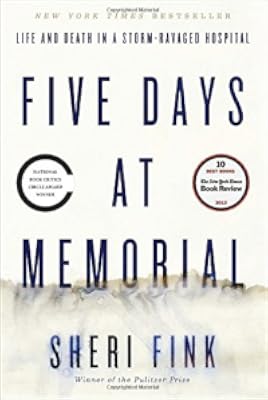
Five Days at Memorial: Life and Death in a Storm-Ravaged Hospital
by Sheri Fink
On This Page
Description
In the tradition of the best investigative journalism, physician and reporter Sheri Fink reconstructs 5 days at Memorial Medical Center and draws the reader into the lives of those who struggled mightily to survive and to maintain life amid chaos. After Katrina struck and the floodwaters rose, the power failed, and the heat climbed, exhausted caregivers chose to designate certain patients last for rescue. Months later, several health professionals faced criminal allegations that they show more deliberately injected numerous patients with drugs to hasten their deaths. Five Days at Memorial, the culmination of six years of reporting, unspools the mystery of what happened in those days, bringing the reader into a hospital fighting for its life and into a conversation about the most terrifying form of health care rationing. In a voice at once involving and fair, masterful and intimate, Fink exposes the hidden dilemmas of end-of-life care and reveals just how ill-prepared we are in America for the impact of large-scale disastersand how we can do better. A remarkable book, engrossing from start to finish, Five Days at Memorial radically transforms your understanding of human nature in crisis. show lessTags
Recommendations



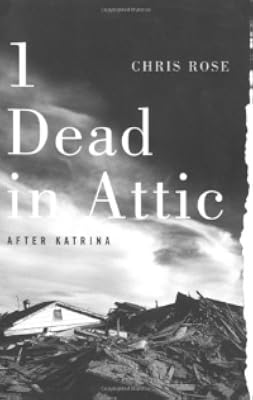

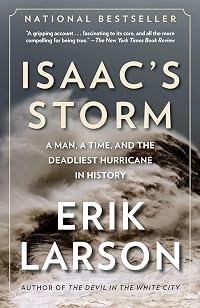
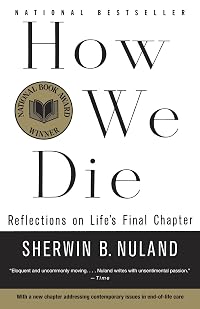
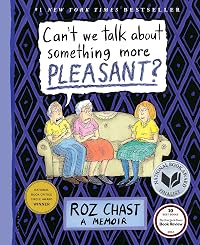
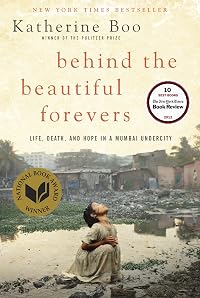
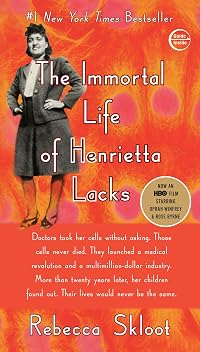







Member Recommendations

TooBusyReading Both books are fascinating and heartbreaking looks at how much went wrong as Hurricane Katrina hit New Orleans.
60

akblanchard Desperate circumstances force physicians to make decisions that no one should have to make.
aulsmith Moreno's book is pure ethics; Fink's book is a dramatic story about people trying to deal with a disaster and ethics at the same time.
Member Reviews
This was just brutal. Fink researches the aftermath of Katrina in New Orleans' Memorial Medical Center, where at least twenty and possibly more patients were euthanized because it was believed they could not survive either the conditions in the hospital or an evacuation. The main culprit is clearly the lack of planning and communication at Memorial: the generators were below flood level, which administration had known for years, so the electricity went out fast; and the main building was connected by a skybridge to a building with electricity the entire five days, but the staff who knew this never mentioned it to any patient caregivers. The evacuation was also a total disaster. The first half of the book is about those five days and the show more second half about the investigation and legal results (no one was indicted). Both sections were very, very hard to read, but Fink is an excellent reporter and I couldn't put it down. I had been prepared for the human loss because I remember this from the news, but I was blindsided by something else: on the first few pages I learned that it had long been tradition in New Orleans for hospital staff to bring their families and pets to the hospital when a hurricane threatened, since it was usually the safest place to be. I had a very bad feeling about this, and it was justified. The rescue boats refused to take animals, and there are no final numbers on how many pets were euthanized or abandoned. show less
 This review was written for LibraryThing Early Reviewers.
The story of the events that unfolded at Memorial Hospital in the aftermath of Hurricane Katrina is riveting. Like so many other pieces of the infrastructure in New Orleans, the hospitals were ill-prepared for Katrina. While it is clear no one went to work during the disaster in order to commit felonies, the evidence that Fink details show that the line was crossed. Many ethical dilemmas were born at Memorial that have not been resolved.
Fink's account is well-written and thought-provoking. Would prosecution and punishment accomplish anything? Would it cause health care providers to refuse to staff hospitals in future disasters? Does that concern outweigh the the cause of justice for the victims? While I am sympathetic to the situation show more everyone found themselves in, I am troubled by the fact that no one is being held accountable for what happened. show less
Fink's account is well-written and thought-provoking. Would prosecution and punishment accomplish anything? Would it cause health care providers to refuse to staff hospitals in future disasters? Does that concern outweigh the the cause of justice for the victims? While I am sympathetic to the situation show more everyone found themselves in, I am troubled by the fact that no one is being held accountable for what happened. show less
This review was written for LibraryThing Early Reviewers.This was a hard book to read because I just got so enraged at the subject matter. I started this when the book came out last September, and had to read it in spurts because it was too soul-crushing to read in one go.
Full disclosure: I know the author through professional work, but even if I don't I think I still would have rated this book highly. Sheri tells a very important and compelling story, even if it is a hard one to stomach. After all her research about Memorial, she was convinced about the necessity for having emergency management plans for healthcare systems. Reading the first part of the book, I could see why. There was a complete systems breakdown - not just infrastructure (which there was), but communications, show more decision-making, and sheer common sense. So much of what happened could have been prevented with a comprehensive plan that everybody knew about and followed.
However, what utterly horrified me the most was the complete failure of the prosecutors to do their job during the trial of Dr. Pou. Sheri details how the prosecution basically lost the case because they did not utilize fully the witnesses, evidence, or arguments at their disposal. All the evidence pointed to the fact that something happened at Memorial and there were witnesses implicating Pou, but none of them were brought before the jury. I am baffled as to the level of incompetence. show less
Full disclosure: I know the author through professional work, but even if I don't I think I still would have rated this book highly. Sheri tells a very important and compelling story, even if it is a hard one to stomach. After all her research about Memorial, she was convinced about the necessity for having emergency management plans for healthcare systems. Reading the first part of the book, I could see why. There was a complete systems breakdown - not just infrastructure (which there was), but communications, show more decision-making, and sheer common sense. So much of what happened could have been prevented with a comprehensive plan that everybody knew about and followed.
However, what utterly horrified me the most was the complete failure of the prosecutors to do their job during the trial of Dr. Pou. Sheri details how the prosecution basically lost the case because they did not utilize fully the witnesses, evidence, or arguments at their disposal. All the evidence pointed to the fact that something happened at Memorial and there were witnesses implicating Pou, but none of them were brought before the jury. I am baffled as to the level of incompetence. show less
Book on CD read by Kirsten Potter
The subtitle says it all: Life and Death in a Storm-Ravaged Hospital. This is the story of the men and women who survived Hurricane Katrina inside New Orleans Memorial Hospital, of those who died.
Fink divides the book into two sections. In the first section she outlines the events leading up to, during and after the storm hit New Orleans. She gives us backgrounds on the key players – nurses, doctors, and patients. We also learn something of the corporate structure of Memorial and of Life Care (a hospital within a hospital). Fink reveals the difficulties with miscommunication, lack of infrastructure, and conflicting information.
In the second part of the book Fink turns her attention to the show more investigation and prosecution of Dr Anna Pou and nurses Cheri Landry and Lori Budo. Louisiana’s Attorney General’s office spearheaded the efforts to arrest and charge these women with homicide in the deaths of several patients at the facility. She outlines the difficulties the investigators had in getting records, the conflicting “eye witness” reports, and the variances in professional opinions. A grand jury was convened and heard testimony; the grand jury declined to indict Pou on every charge brought.
I thought that Fink did a fine job of outlining the conditions within the hospital during and after the storm. There was a definite sense of chaos and anxiety. Where were their rescuers? How would they get out? Where would they go? I could imagine their hopes being dashed witnessing a fire truck approaching, but turning back due to rising flood waters. Or hearing helicopters only to have them fly away. I can imagine how terrifying it felt to have to sprint across a glass-enclosed skywalk that is being buffeted by high winds, glass panes popping out and breaking. And I can imagine the stench of several days’ worth of backed-up toilets, sweaty bodies and frightened animals in a building with no lights or air conditioning.
In this first section, Fink’s reporting seemed even-handed, showing both good and bad behavior (nurses who manually ventilated patients when electricity went out; a doctor who seemed to care more about her cat than her patients) On the whole, the way Fink presented the five days at Memorial made me sympathetic to the staff as they did what they thought was best in a situation no one can really prepare for.
However, in part two, I felt that Fink lost some of her journalistic detachment. The grand jury may have declined to indict, but Fink seems bent on trying Dr Pou in this book. She explains that the three women’s attorneys (and attorneys for many of the other Memorial staff members who were never charged) advised their clients to never speak of the events to anyone, but Fink then goes on to belittle Pou for not talking about the time at Memorial in speeches the doctor later gave on disaster preparedness. And Fink gives the last word to an anonymous juror who shares her conviction that a crime was committed.
Despite what I perceive as Fink’s bias, however, I still think this was a fascinating and informative look at how our governments and institutions are prepared (or not prepared) to deal with the realities of a major disaster. I particularly liked the epilogue which looked at situations in New York during Hurricane Sandy several years later … and with most hospitals STILL having their electrical and mechanical systems in the basement, prone to flooding.
Kirsten Potter does a fine job reading the audiobook version. She has good pacing and, rather than “perform” the book, she reads as if she were reporting it. I think that style works well for this type of nonfiction. show less
The subtitle says it all: Life and Death in a Storm-Ravaged Hospital. This is the story of the men and women who survived Hurricane Katrina inside New Orleans Memorial Hospital, of those who died.
Fink divides the book into two sections. In the first section she outlines the events leading up to, during and after the storm hit New Orleans. She gives us backgrounds on the key players – nurses, doctors, and patients. We also learn something of the corporate structure of Memorial and of Life Care (a hospital within a hospital). Fink reveals the difficulties with miscommunication, lack of infrastructure, and conflicting information.
In the second part of the book Fink turns her attention to the show more investigation and prosecution of Dr Anna Pou and nurses Cheri Landry and Lori Budo. Louisiana’s Attorney General’s office spearheaded the efforts to arrest and charge these women with homicide in the deaths of several patients at the facility. She outlines the difficulties the investigators had in getting records, the conflicting “eye witness” reports, and the variances in professional opinions. A grand jury was convened and heard testimony; the grand jury declined to indict Pou on every charge brought.
I thought that Fink did a fine job of outlining the conditions within the hospital during and after the storm. There was a definite sense of chaos and anxiety. Where were their rescuers? How would they get out? Where would they go? I could imagine their hopes being dashed witnessing a fire truck approaching, but turning back due to rising flood waters. Or hearing helicopters only to have them fly away. I can imagine how terrifying it felt to have to sprint across a glass-enclosed skywalk that is being buffeted by high winds, glass panes popping out and breaking. And I can imagine the stench of several days’ worth of backed-up toilets, sweaty bodies and frightened animals in a building with no lights or air conditioning.
In this first section, Fink’s reporting seemed even-handed, showing both good and bad behavior (nurses who manually ventilated patients when electricity went out; a doctor who seemed to care more about her cat than her patients) On the whole, the way Fink presented the five days at Memorial made me sympathetic to the staff as they did what they thought was best in a situation no one can really prepare for.
However, in part two, I felt that Fink lost some of her journalistic detachment. The grand jury may have declined to indict, but Fink seems bent on trying Dr Pou in this book. She explains that the three women’s attorneys (and attorneys for many of the other Memorial staff members who were never charged) advised their clients to never speak of the events to anyone, but Fink then goes on to belittle Pou for not talking about the time at Memorial in speeches the doctor later gave on disaster preparedness. And Fink gives the last word to an anonymous juror who shares her conviction that a crime was committed.
Despite what I perceive as Fink’s bias, however, I still think this was a fascinating and informative look at how our governments and institutions are prepared (or not prepared) to deal with the realities of a major disaster. I particularly liked the epilogue which looked at situations in New York during Hurricane Sandy several years later … and with most hospitals STILL having their electrical and mechanical systems in the basement, prone to flooding.
Kirsten Potter does a fine job reading the audiobook version. She has good pacing and, rather than “perform” the book, she reads as if she were reporting it. I think that style works well for this type of nonfiction. show less
The author has put an amazing effort into researching and organizing the material for this book. The first half traces the five days of Hurricane Katrina and the subsequent flooding as it changed the lives of patients, staff, and family members at Memorial Hospital. It is a horrible story of civilization disintegrating, and really makes you think about how fragile modern urban systems are. How could this group of competent, caring medical professionals get to the point, in just a few hours, that they felt the need to euthanize patients when they had water, food and shelter? It's hard to believe, yet the Fink is able to make it seem credible.
The second part of the book explores the consequences, legal and personal, to some of the doctors show more and nurses of Memorial. In the end, none of them are indicted, as the grand jurors of New Orleans were able to understand the horrific circumstances, whether real or imagined, the staff dealt with. Which is not to say that all involved, nor the author, believe that euthanizing those patients was the proper choice.
The last, short section of the book attempts to generalize what happened at Memorial to disaster scenarios in general, especially in attempts to prepare. The evidence of several hospitals in New Orleans shows that while Memorial's situation was not unique, neither was it inevitable. Excellent preparation and leadership saved the day at a few institutions. Finally, a few pages are given over to expanding the experience of Hurricane Katrina to any time health care must be rationed, either due to availability or cost. While I found this a bit of a stretch, there were many times I found myself agreeing with the author's conclusions, if not necessarily with the path of logic she used to arrive at them.
This is a wonderful exploration into the workings of the human conscience and the inertia of large organizations in extraordinary circumstances. Fascinating, thought-provoking and well worth the reading. show less
The second part of the book explores the consequences, legal and personal, to some of the doctors show more and nurses of Memorial. In the end, none of them are indicted, as the grand jurors of New Orleans were able to understand the horrific circumstances, whether real or imagined, the staff dealt with. Which is not to say that all involved, nor the author, believe that euthanizing those patients was the proper choice.
The last, short section of the book attempts to generalize what happened at Memorial to disaster scenarios in general, especially in attempts to prepare. The evidence of several hospitals in New Orleans shows that while Memorial's situation was not unique, neither was it inevitable. Excellent preparation and leadership saved the day at a few institutions. Finally, a few pages are given over to expanding the experience of Hurricane Katrina to any time health care must be rationed, either due to availability or cost. While I found this a bit of a stretch, there were many times I found myself agreeing with the author's conclusions, if not necessarily with the path of logic she used to arrive at them.
This is a wonderful exploration into the workings of the human conscience and the inertia of large organizations in extraordinary circumstances. Fascinating, thought-provoking and well worth the reading. show less
Five Days at Memorial is the story of what happened in one hospital in New Orleans during and after Hurricane Katrina made landfall in August 2005. Ms. Fink covers the hospital’s history, its performance during previous historic hurricanes, and its preparedness as well as the actual events once Katrina hit the Gulf Coast. It is a tale of human perseverance and desperation as well as a warning tale about the need for detailed preparations for catastrophes.
I loved Five Days at Memorial and hated it at the same time. Ms. Fink does an amazing job capturing the drama and the plethora of emotions occurring within Memorial during those five days. Her research is far-reaching and thorough, and she presents her findings with minimal bias. The show more events of those five days are filled with drama and ingenuity, the highest of highs and the absolute lowest of lows. Ms. Fink does an excellent job in attempting to place readers into the heart of the action complete with visceral descriptions of horrid, unsanitary conditions. The story of Memorial Hospital during and after Katrina makes for a modern-day horror story that is difficult to stop reading.
The problem is that the story of what occurred within the hospital is one that should have never happened, and that’s where the hate steps into the mix. The lack of preparation on the part of the hospital, the inability to effectively communicate, the lack of clear leadership and chain of command, and even the failure to follow normal triage practices are baffling. Post-9/11 life demands emergency plans for the most extreme situations just in case they become reality. Memorial Hospital did not have a good emergency plans. The breakdown in communication and no chain of command made things even worse by ensuring that instructions contradicted other instructions and rumors ran rampant. In situations like these, the madmen are running the mental hospital, ensuring the breakdown in logic and order. What makes the situation in Memorial worse is the fact that there were nearby hospitals who were experiencing almost the exact same conditions, but they never let chaos rule the day. These hospitals kept the focus on their patients and their patients’ needs and did what they had to do to keep them alive until all were rescued. Two hospitals, similar preparedness, same scenario but a completely different end result. It only adds fuel to the argument that what happened in Memorial was avoidable with just a bit more leadership and organization.
As for the end-of-life care/euthanasia debacle, Ms. Fink tries to remove any bias in her presentation of the facts as told to her by those who were there. She does not set out to make Dr. Pou a villain; in fact, by including a side story about one of her patients and the career path that brought her to Memorial Hospital, she attempts to present a woman who cares deeply for her patients and for her profession. However, to me, I see Dr. Pou as the worst kind of narcissist, one who believes the initials after her name give her rights over the life or death of anyone and exempts her from repercussions. She takes care of her patients so that they can idolize her, fueling her narcissism. I was not a fan of Dr. Pou when she was first introduced, and her later actions confirm my opinions.
Five Days at Memorial is the type of book you want to read with a group because you will have so many opinions and so many questions you want to discuss; to read it in isolation is a challenge. In addition, the book itself is a challenge of everything you thought you knew about the medical profession and will make you think twice about going to a hospital if ill. It makes you question your views on euthanasia and end-of-life care as well, a hotly contested topic throughout the country. However, it is a book that needs to be read so that everyone understands what can happen when there is a breakdown in order and communication and no emergency plans. It needs to be read so that you can take the steps now to protect yourself and your wishes should you become to sick to express them. It needs to be read so that what happened during those Five Days at Memorial never happens again. show less
I loved Five Days at Memorial and hated it at the same time. Ms. Fink does an amazing job capturing the drama and the plethora of emotions occurring within Memorial during those five days. Her research is far-reaching and thorough, and she presents her findings with minimal bias. The show more events of those five days are filled with drama and ingenuity, the highest of highs and the absolute lowest of lows. Ms. Fink does an excellent job in attempting to place readers into the heart of the action complete with visceral descriptions of horrid, unsanitary conditions. The story of Memorial Hospital during and after Katrina makes for a modern-day horror story that is difficult to stop reading.
The problem is that the story of what occurred within the hospital is one that should have never happened, and that’s where the hate steps into the mix. The lack of preparation on the part of the hospital, the inability to effectively communicate, the lack of clear leadership and chain of command, and even the failure to follow normal triage practices are baffling. Post-9/11 life demands emergency plans for the most extreme situations just in case they become reality. Memorial Hospital did not have a good emergency plans. The breakdown in communication and no chain of command made things even worse by ensuring that instructions contradicted other instructions and rumors ran rampant. In situations like these, the madmen are running the mental hospital, ensuring the breakdown in logic and order. What makes the situation in Memorial worse is the fact that there were nearby hospitals who were experiencing almost the exact same conditions, but they never let chaos rule the day. These hospitals kept the focus on their patients and their patients’ needs and did what they had to do to keep them alive until all were rescued. Two hospitals, similar preparedness, same scenario but a completely different end result. It only adds fuel to the argument that what happened in Memorial was avoidable with just a bit more leadership and organization.
As for the end-of-life care/euthanasia debacle, Ms. Fink tries to remove any bias in her presentation of the facts as told to her by those who were there. She does not set out to make Dr. Pou a villain; in fact, by including a side story about one of her patients and the career path that brought her to Memorial Hospital, she attempts to present a woman who cares deeply for her patients and for her profession. However, to me, I see Dr. Pou as the worst kind of narcissist, one who believes the initials after her name give her rights over the life or death of anyone and exempts her from repercussions. She takes care of her patients so that they can idolize her, fueling her narcissism. I was not a fan of Dr. Pou when she was first introduced, and her later actions confirm my opinions.
Five Days at Memorial is the type of book you want to read with a group because you will have so many opinions and so many questions you want to discuss; to read it in isolation is a challenge. In addition, the book itself is a challenge of everything you thought you knew about the medical profession and will make you think twice about going to a hospital if ill. It makes you question your views on euthanasia and end-of-life care as well, a hotly contested topic throughout the country. However, it is a book that needs to be read so that everyone understands what can happen when there is a breakdown in order and communication and no emergency plans. It needs to be read so that you can take the steps now to protect yourself and your wishes should you become to sick to express them. It needs to be read so that what happened during those Five Days at Memorial never happens again. show less
This is a well-researched book and a compelling story. For the first half (a description of what happened at Memorial in the wake of Katrina) I was sure this would be a 5 star read, but it turned out to be about a 3.5. In the second half of the book (a discussion of the state's handling of the personnel at Memorial present when patients were euthanized without their consent) the author chose up sides. Instead of presenting us with evidence and letting us draw our own conclusions, she went full on editorial. She vilified the person she believes is guilty of mass-murder (and by the way, from what I read I don't disagree that at very least this was manslaughter) by presetting evidence that is more prejudicial than probative. Were tales of show more cocktail parties to raise money for the doctor's defense fund helpful? Did we need to know that expensive food was eaten, that the doctor danced with pleasure, or that she wore a meticulously described clearly expensive garment? I don't think we did. The author is presenting a picture of the doctor as entitled and unaffected by the events at Memorial, but even if true, it doesn't matter. If the author wants to write a book about how class and race affected police action during Katrina and prosecutorial actions after I would read it. But that discussion is a tangent to this story which is already long and complicated enough without going down rabbit holes.
My second issue with the second half was the author's commentary on the lawyering. The AG was doing some pretty boneheaded things, and she kept referring to him as "gentlemanly" and implying that the hospital lawyers took advantage of that courtliness in sneaky and underhanded ways. They did not. From what was said here they did their jobs. Had they done other than what she describes they would have been incompetent counsel. Preparing clients, telling them not to speak freely of events unless compelled, moving to strike statements and withhold records of conversations where lawyers were present...that is what lawyers do. The AG seemed like a nice man, but perhaps one out of his depth dealing with really good opposing counsel. In the end political considerations determined the course of the case, and even if the AG had done a stellar job the result would have been the same. Still, the fact remains that he got out-lawyered. I know that I come at this with a lawyer's eye and that others might not share my feelings about this, but I can only call things as I see them.
In the end this was a good book that could have easily been great. show less
My second issue with the second half was the author's commentary on the lawyering. The AG was doing some pretty boneheaded things, and she kept referring to him as "gentlemanly" and implying that the hospital lawyers took advantage of that courtliness in sneaky and underhanded ways. They did not. From what was said here they did their jobs. Had they done other than what she describes they would have been incompetent counsel. Preparing clients, telling them not to speak freely of events unless compelled, moving to strike statements and withhold records of conversations where lawyers were present...that is what lawyers do. The AG seemed like a nice man, but perhaps one out of his depth dealing with really good opposing counsel. In the end political considerations determined the course of the case, and even if the AG had done a stellar job the result would have been the same. Still, the fact remains that he got out-lawyered. I know that I come at this with a lawyer's eye and that others might not share my feelings about this, but I can only call things as I see them.
In the end this was a good book that could have easily been great. show less
Members
- Recently Added By
Published Reviews
ThingScore 83
What developed over the five days, in a hospital ironically well supplied with bottled water and food, and resupplied by air with drugs, was a system of triage that varied depending on which company had responsibility for the patients.
Against this background, it would later be alleged, key Tenet personnel discussed, and then carried out, euthanasia on the terminally ill patients even as relief show more was imminent.
Fink is in no doubt that some kind of crime took place even if she is fair and deeply sympathetic to the plight of the exhausted medical staff involved. "Moral clarity," she writes, describing the moment the patients were injected with a powerful cocktail of drugs, "was easier to maintain in concept than in execution."
If the beginning of the book is sometimes awkwardly structured, Fink finds her stride a few chapters in and make this a tight, provocative and gripping read. show less
Against this background, it would later be alleged, key Tenet personnel discussed, and then carried out, euthanasia on the terminally ill patients even as relief show more was imminent.
Fink is in no doubt that some kind of crime took place even if she is fair and deeply sympathetic to the plight of the exhausted medical staff involved. "Moral clarity," she writes, describing the moment the patients were injected with a powerful cocktail of drugs, "was easier to maintain in concept than in execution."
If the beginning of the book is sometimes awkwardly structured, Fink finds her stride a few chapters in and make this a tight, provocative and gripping read. show less
added by smasler
Five Days at Memorial is thorough reporting about what happened at New Orleans’ Memorial Medical Center during Hurricane Katrina and its aftermath. Sheri Fink, who is both a journalist and a Ph.D. neuroscientist, won the Pulitzer Prize for Investigative Reporting for the 2009 New York Times/Pro Publica article “Deadly Choices at Memorial,” which became the basis for this book. ... show more Fink’s journalism chops show, particularly in her attention to detail and her unwillingness to paint anyone as a villain. Some readers may feel that she’s not tough enough on Dr. Pou, but what Fink has really accomplished here is putting the reader on the spot, with one crisis after another and no real hope of rescue. show less
added by KelMunger
In her book “Five Days at Memorial,” Dr. Sheri Fink explores the excruciating struggle of medical professionals deciding to give fatal injections to those at the brink of death. Dr. Fink, a physician turned journalist, won a Pulitzer Prize for her investigation of these events in a 2009 joint assignment for ProPublica and The New York Times Magazine. This book is much more than an show more extension of that report. Although she had the material for a gripping disaster story, Dr. Fink has slowed the narrative pulse to investigate situational ethics: what happens when caregivers steeped in medicine’s supreme value, preserving life, face traumatic choices as the standards of civilization collapse. show less
added by smasler
Lists

Top Five Books of 2013
1,562 works; 721 members

Disaster Books
74 works; 19 members

Best History Books about Disasters
33 works; 19 members

Recommend the 20 best books you've read in the last five years
2,168 works; 601 members

Accidents, Disasters, and Tragedies
175 works; 7 members

So you want to get into medicine
29 works; 6 members

Non-Fiction Worth Reading
1,016 works; 257 members

Top Five Books of 2020
982 works; 350 members

BingoDOG - Books With Natural Disasters: Nonfiction
18 works; 5 members

Books Set in Louisiana
29 works; 8 members

Top Five Books of 2015
811 works; 240 members

Top Five Books of 2014
1,064 works; 398 members

2014 Notable Books for Adults
26 works; 5 members

New Orleans
13 works; 4 members

Books reviewed in Nature
11 works; 1 member

Hurricane Books
10 works; 3 members

iaNSAID's Patient Advocacy Book List
26 works; 1 member

Rising water
19 works; 6 members

Books recommended by Calgary Public Library staff
1,588 works; 4 members

Movies/Shows
621 works; 7 members

Best 21st Century Books (So Far)
670 works; 86 members

Club Read's Recommended Nonfiction Written by Women
618 works; 30 members

Pleasant Surprises: Books That Exceeded Our Expectations
418 works; 143 members

Books I have Recommended
207 works; 1 member

Books Read in 2021
5,361 works; 114 members

Tagged Doctors
15 works; 5 members

Tagged Storms
31 works; 3 members
Talk Discussions
Past Discussions
Five Days at Memorial Discussion Thread in Club Read 2014 (July 2021)
Author Information

2+ Works 1,789 Members
Some Editions
Awards and Honors
Awards
Distinctions
Common Knowledge
- Original publication date
- 2013-09-10
- People/Characters
- Anna Pou; Ewing Cook; Karen Wynn; Susan Mulderick; Kathleen Fournier; Horace Baltz (show all 17); Bryant King; Diane Robichaux; John Skinner; Lori Budo; Cheri Landry; Virginia Rider; Rene Goux; John Thiele; Dan Nuss; James O'Bryant; Frank Minyard
- Important places
- Memorial Medical Center, New Orleans, Louisiana, USA; New Orleans, Louisiana, USA
- Important events
- Hurricane Katrina (2005)
- Related movies
- Five Days at Memorial (2022 | IMDb)
- Dedication
- For Mary Fink, every living moment
- First words
- (Prologue) At last through the broken windows, the pulse of helicopter rotors and airboat propellers set the summer morning air throbbing with the promise of rescue.
For certain New Orleanians, Memorial Medical Center was the place you went to ride out each hurricane that the loop current of the Gulf of Mexico launched like a pinball at the city. - Quotations
- Emergencies are crucibles that contain and reveal the daily, slower-burning problems of medicine and beyond—our vulnerabilities; our trouble grappling with uncertainty, how we die, how we prioritize and divide what is most ... (show all)precious and vital and limited; even our biases and blindnesses.
- Last words
- (Click to show. Warning: May contain spoilers.)The juror was convinced--and, she believed, all of her fellow jurors were too--that a crime had occurred on that fifth day at Memorial.
(Click to show. Warning: May contain spoilers.)(Epilogue) But we, at least, have the luxury to picture in advance how we would want to make the decisions. - Blurbers
- Garrett, Laurie; Blum, Deborah; LeBlanc, Adrian Nicole
- Original language
- English
- Canonical DDC/MDS
- 362.110976335
- Canonical LCC
- RA975.D57
Classifications
- Genres
- General Nonfiction, Nonfiction, History
- DDC/MDS
- 362.110976335 — Society, government, & culture Social problems and social services Social Welfare People with physical illnesses Hospitals
- LCC
- RA975 .D57 — Medicine Public aspects of medicine Public aspects of medicine Medical centers. Hospitals. Dispensaries. Clinics
- BISAC
Statistics
- Members
- 1,804
- Popularity
- 12,118
- Reviews
- 174
- Rating
- (4.11)
- Languages
- English
- Media
- Paper, Audiobook, Ebook
- ISBNs
- 11
- ASINs
- 9
