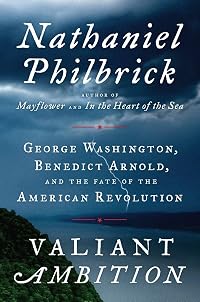
Valiant Ambition: George Washington, Benedict Arnold, and the Fate of the American Revolution
by Nathaniel Philbrick
The American Revolution (2)
On This Page
Description
A New York Times BestsellerWinner of the George Washington Prize
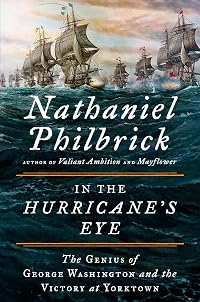
A surprising account of the middle years of the American Revolution and the tragic relationship between George Washington and Benedict Arnold, from the New York Times bestselling author of In The Heart of the Sea, Mayflower, and In the Hurricane's Eye.
"May be one of the greatest what-if books of the age—a volume that turns one of America’s best-known narratives on its head.”—Boston Globe
"Clear and insightful, show more [Valiant Ambition] consolidates Philbrick's reputation as one of America's foremost practitioners of narrative nonfiction."—Wall Street Journal
In the second book of his acclaimed American Revolution series, Nathaniel Philbrick turns to the tragic relationship between George Washington and Benedict Arnold. In September 1776, the vulnerable Continental army under an unsure George Washington evacuated New York after a devastating defeat by the British army. Three weeks later, one of his favorite generals, Benedict Arnold, miraculously succeeded in postponing the British naval advance down Lake Champlain that might have lost the war. As this book ends, four years later Washington has vanquished his demons, and Arnold has fled to the enemy. America was forced at last to realize that the real threat to its liberties might not come from without but from withinComplex, controversial, and dramatic, Valiant Ambition is a portrait of a people in crisis and the war that gave birth to a nation. show less
Tags
Recommendations
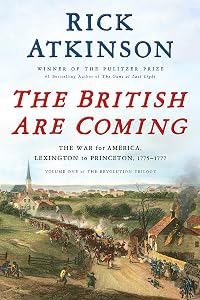
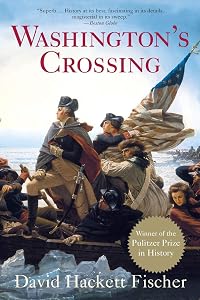
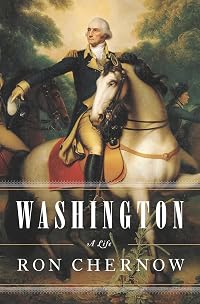
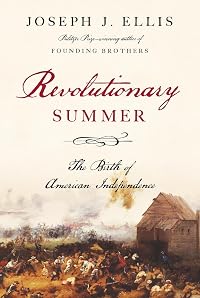


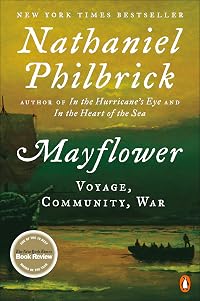
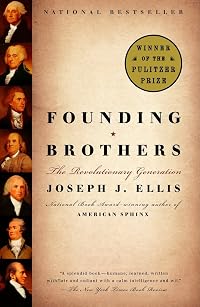
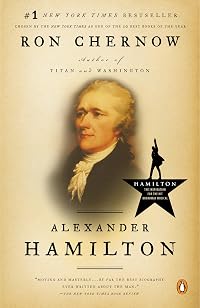
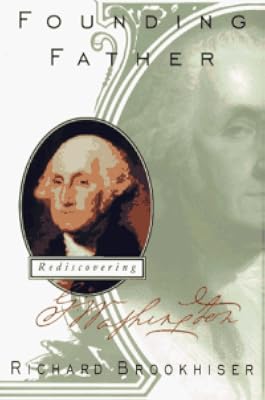
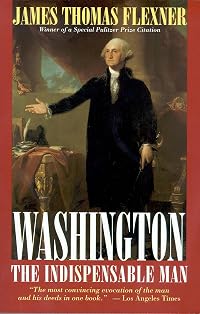
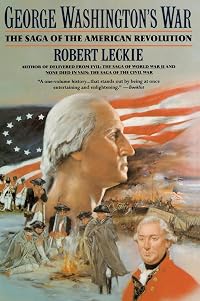
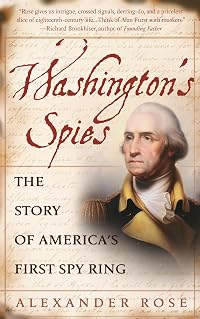
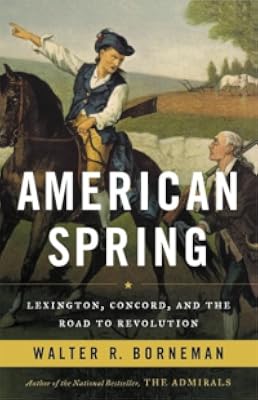
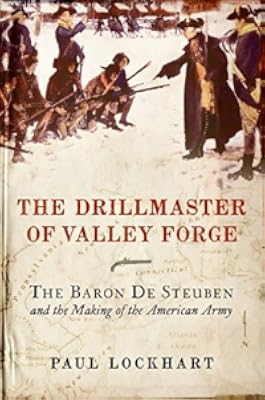
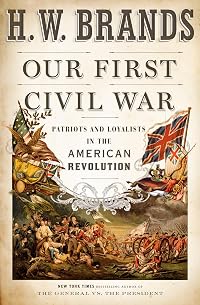
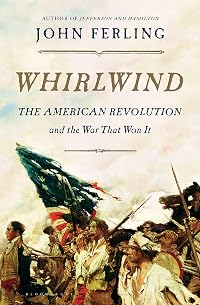
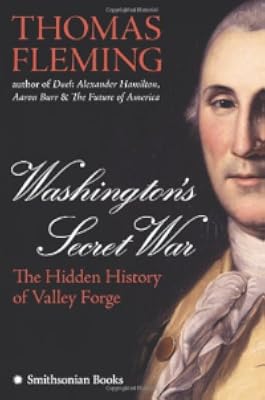

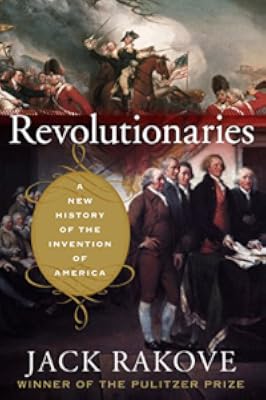

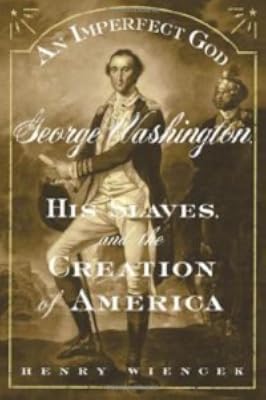

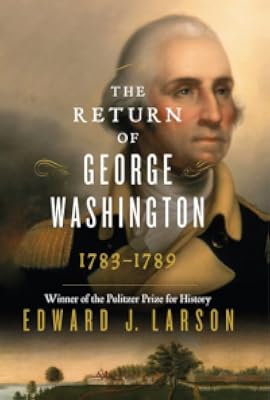


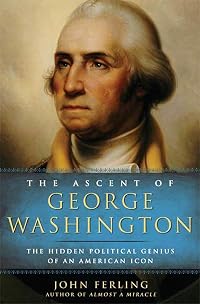
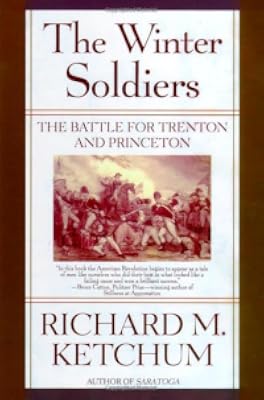
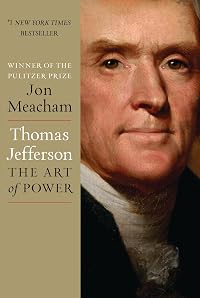
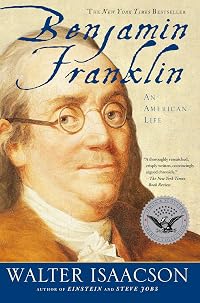

Member Recommendations
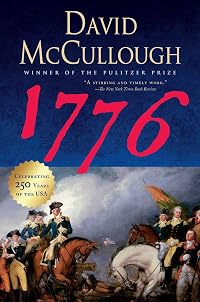
anonymous user 1776 is the view of the Revolution from the perspective of George Washington and the Continental Army battles. Valiant Ambition focuses on Benedict Arnold, who was initially an heroic officer, including a critical role in the capture of Fort Ticonderoga. The two books together give very different perspectives on the Revolutionary War and the factors leading to the final success of the American side.
Member Reviews
Broadly speaking, there are two different histories of the American Revolution, the “4th of July myth” and the objective, factual story. Pretty much anyone who has received a public school education in the United States or who has simply lived through numerous repetitions of the country's Independence Day holiday festivities understands the “4th of July myth” of valiant New World colonists rising up to throw off the yoke of monarchical tyranny and the onerous taxation it had imposed on the colonies, justly winning the war despite the evil treachery of Benedict Arnold. The full picture, however, is both more complex and more interesting, so let's dispense with the made-in-China fireworks and the jingoistic belting out of show more “Yankee Doodle Dandy” and read Philbrick's excellent history instead.
What may we discover in the text of Valiant Ambition? Among much else, we'll learn that the thirteen British colonies in the New World were anything but united against the mother country, each being independent of the others, jealous of its prerogatives, and distrustful of both other colonies and anything that looked like a potentially authoritarian federal government. We'll see that, even within the same colony, residents were firmly divided into two camps, those who were determined to revolt against their mother country and those who remained loyal British citizens, and this difference of opinion was not confined to formal debate or amenable to resolution at the polling place. Rather, Americans invaded the homes of other Americans, forcibly ejecting entire families from the boundaries of the colony.
In our textbooks, we read about the Continental Army. What we may not learn is that the “army” was primarily composed of individual militias that had allegiance to their colony of origin rather than to a yet-nonexistent nation. Matters were not helped by the fact that leaders, officers of high rank, were appointed by the Continental Congress, based on a system of social and economic standing and as rewards for individual acts rather than on their competency as leaders. Even the commander-in-chief, George Washington, had no authority to select his own subordinate generals. Today's concept of “command and control” still lay far in the future. The British officers, of course, still had to purchase their commissions, so quality leadership was quite uneven on both sides.
And what of General Benedict Arnold? After distinguished performance that earned him Washington's high esteem, why did he become the general that school children have learned to hate as a traitor to the colonies' cause? Passed over for preferment by the Continental Congress, severely wounded in action, made poorer through his personal expenditures on the Americans' war effort, was he driven to the British side by desperation? Perhaps. Or did his wife, Peggy, influence him? Or was his desire for remuneration a significant factor? His story was at least far more nuanced than many of us know.
For a thoroughly readable and exceedingly interesting account of the revolt that resulted in the creation of the United States of America, start with Philbrick's Bunker Hill, followed by Valiant Ambition and finally In the Hurricane's Eye. These three books are an outstanding corrective to the Great Patriotic Myth exemplified by all those Chinese fireworks that reappear every 4th of July and are well worth the reader's expenditure of time devoted to enjoying (and learning from) these intriguingly written histories. show less
What may we discover in the text of Valiant Ambition? Among much else, we'll learn that the thirteen British colonies in the New World were anything but united against the mother country, each being independent of the others, jealous of its prerogatives, and distrustful of both other colonies and anything that looked like a potentially authoritarian federal government. We'll see that, even within the same colony, residents were firmly divided into two camps, those who were determined to revolt against their mother country and those who remained loyal British citizens, and this difference of opinion was not confined to formal debate or amenable to resolution at the polling place. Rather, Americans invaded the homes of other Americans, forcibly ejecting entire families from the boundaries of the colony.
In our textbooks, we read about the Continental Army. What we may not learn is that the “army” was primarily composed of individual militias that had allegiance to their colony of origin rather than to a yet-nonexistent nation. Matters were not helped by the fact that leaders, officers of high rank, were appointed by the Continental Congress, based on a system of social and economic standing and as rewards for individual acts rather than on their competency as leaders. Even the commander-in-chief, George Washington, had no authority to select his own subordinate generals. Today's concept of “command and control” still lay far in the future. The British officers, of course, still had to purchase their commissions, so quality leadership was quite uneven on both sides.
And what of General Benedict Arnold? After distinguished performance that earned him Washington's high esteem, why did he become the general that school children have learned to hate as a traitor to the colonies' cause? Passed over for preferment by the Continental Congress, severely wounded in action, made poorer through his personal expenditures on the Americans' war effort, was he driven to the British side by desperation? Perhaps. Or did his wife, Peggy, influence him? Or was his desire for remuneration a significant factor? His story was at least far more nuanced than many of us know.
For a thoroughly readable and exceedingly interesting account of the revolt that resulted in the creation of the United States of America, start with Philbrick's Bunker Hill, followed by Valiant Ambition and finally In the Hurricane's Eye. These three books are an outstanding corrective to the Great Patriotic Myth exemplified by all those Chinese fireworks that reappear every 4th of July and are well worth the reader's expenditure of time devoted to enjoying (and learning from) these intriguingly written histories. show less
This book disabused me of my somewhat romantic idea of Benedict Arnold. Prior to reading it, he was a heartbreaking figure who gave up on the dream of independence after fighting so hard for it. Not quite. At the end of the book, Philbrick recounts a letter exchange between John Laurens and George Washington where he writes that the traitor must now be racked by “a mental hell”. Washington didn’t agree and said that Arnold was much too self-absorbed to have remorse or basically any other strong emotion that wouldn’t directly help him to a goal.
Yes, Arnold fought for American independence, but it was for other than romanticized ideals. It was for what he could get; glory, fortune, power, or any combination of the three. While not show more exactly mercenary, Arnold was in the fight for what he could get. Between that and his inability to temper action with prudent politicking, he was basically his own worst enemy.
During the bulk of the war, the Army was fragmented, poorly structured, appallingly supplied and led by political appointees rather than by men who knew anything about battle, command or war. Washington eventually learned to navigate this awful situation and by no means were he or Arnold the only one slighted, maligned or outright plotted against, but they are two examples of the right and wrong ways to handle it.
Washington parried with patience and learned from his mistakes, Arnold with harping and doing things the same way over and over. He’s the classic soldier who can execute really well, but who won’t listen to command. His triumphs were all in the face of counter-orders or outright disobedience. He just couldn’t rein it in and eventually drove everyone nuts by his constant recital of his derring-do, his sacrifice of body and fortune to the cause and the fact that no one gave him any respect. Winning ways for sure.
Although the wind up and the pitch is good, the result of the play is lacking. What happened after Arnold’s plan went awry and the British spy was hanged? (oh yeah, a spoiler alert needed there, right?) There’s a little sketch about some battles and his moving to England after the war, but not enough. I understand from previous reading that while Arnold helped the British cause, he wasn’t accepted because a traitor is a traitor. I also wanted to understand how effective he was as a British soldier versus when he was an American soldier. Were the Brits able to control him better? To use him effectively? I think I need another book. show less
Yes, Arnold fought for American independence, but it was for other than romanticized ideals. It was for what he could get; glory, fortune, power, or any combination of the three. While not show more exactly mercenary, Arnold was in the fight for what he could get. Between that and his inability to temper action with prudent politicking, he was basically his own worst enemy.
During the bulk of the war, the Army was fragmented, poorly structured, appallingly supplied and led by political appointees rather than by men who knew anything about battle, command or war. Washington eventually learned to navigate this awful situation and by no means were he or Arnold the only one slighted, maligned or outright plotted against, but they are two examples of the right and wrong ways to handle it.
Washington parried with patience and learned from his mistakes, Arnold with harping and doing things the same way over and over. He’s the classic soldier who can execute really well, but who won’t listen to command. His triumphs were all in the face of counter-orders or outright disobedience. He just couldn’t rein it in and eventually drove everyone nuts by his constant recital of his derring-do, his sacrifice of body and fortune to the cause and the fact that no one gave him any respect. Winning ways for sure.
Although the wind up and the pitch is good, the result of the play is lacking. What happened after Arnold’s plan went awry and the British spy was hanged? (oh yeah, a spoiler alert needed there, right?) There’s a little sketch about some battles and his moving to England after the war, but not enough. I understand from previous reading that while Arnold helped the British cause, he wasn’t accepted because a traitor is a traitor. I also wanted to understand how effective he was as a British soldier versus when he was an American soldier. Were the Brits able to control him better? To use him effectively? I think I need another book. show less
A thoughtful and compelling examination of Benedict Arnold. Rather than dismissing Arnold's treasonous actions, Nathaniel Philbrick digs into the revolutionary war general's character and the reasons behind the betrayal. He also does a wonderful job of capturing the spirit of the times and first recreates Arnold as an energetic and spirited patriot, making the ultimate betrayal all the more shocking. A great read and an excellent argument about the significance of Arnold's treason.
Non-fiction about two ambitious men during the American Revolution covering the period 1776 – 1780, highlighting the similarities and differences between George Washington and Benedict Arnold. The book reveals the temperament and character of each man, which ultimately resulted in one being viewed a hero and the other a villain. Each is depicted as passionate and valiant, but only one retains a moral compass. It is told in two parts. In the first half, the author sets the stage, describing military battles, troop movements, and strategy. It furnishes the background and context for the reader. The second half picks up momentum, covering Arnold’s treachery and its immediate aftermath. It goes into depth on what happened, how, and why. show more The author illuminates factors that may have contributed to Arnold’s traitorous actions. I wanted to learn more about the life of Benedict Arnold, and this book filled the bill.
I thought one of the best aspects of this book was the way in which the inner turmoil of the emerging country was portrayed. At this point in U.S. history, there was no way to raise money to support the army except to obtain funds from the states. The starvation at Valley Forge was due to this lack of funds. The executive and judicial branches did not exist. The legislators engaged in power struggles which tended to take precedence over coming to agreement on a course of action. They were wary of providing too much support for a standing army, wanting to ensure the government remained in civilian hands. In addition, since citizens were not united in their desire for independence, the various factions fought each other in “neutral ground” in several states.
The book delivers accessible narrative, meticulous maps, captioned images of people and places, footnotes on each chapter, an extensive bibliography, and an index. It provided insight into the personalities of these historic figures, what motivated them, and how they handled conflict. My only quibbles were that the first half goes into a bit too much description of the military battles for my taste and the ending was very sudden, apparently leaving room for a follow-up. I had to page back to see if I had missed something. Content includes executions and war-related violence. Recommended to those interested in learning more about the American Revolution, prominent people involved, and what really happened.
This book serves as a cautionary commentary about the dangers of “self-serving opportunism masquerading as patriotism” – a lesson we can still use today. show less
I thought one of the best aspects of this book was the way in which the inner turmoil of the emerging country was portrayed. At this point in U.S. history, there was no way to raise money to support the army except to obtain funds from the states. The starvation at Valley Forge was due to this lack of funds. The executive and judicial branches did not exist. The legislators engaged in power struggles which tended to take precedence over coming to agreement on a course of action. They were wary of providing too much support for a standing army, wanting to ensure the government remained in civilian hands. In addition, since citizens were not united in their desire for independence, the various factions fought each other in “neutral ground” in several states.
The book delivers accessible narrative, meticulous maps, captioned images of people and places, footnotes on each chapter, an extensive bibliography, and an index. It provided insight into the personalities of these historic figures, what motivated them, and how they handled conflict. My only quibbles were that the first half goes into a bit too much description of the military battles for my taste and the ending was very sudden, apparently leaving room for a follow-up. I had to page back to see if I had missed something. Content includes executions and war-related violence. Recommended to those interested in learning more about the American Revolution, prominent people involved, and what really happened.
This book serves as a cautionary commentary about the dangers of “self-serving opportunism masquerading as patriotism” – a lesson we can still use today. show less
Fairly straight-forward historical narrative. The author clearly has no high opinion of George Washington's generalship (although he rates high in terms of character). OTOH, he has little but praise for Arnold's exploits -- up to the time of his plot to change sides. He credits Arnold with "galvanizing a nation" and giving "this nation of traitors the greatest of gifts: a myth of creation." -- One small discrepancy I found (perhaps there are others??): He characterizes Elias Boudinot as an "army officer"; while he was commissioned a colonel in the Continental Army due to his position as commissary general of prisoners, Boudinot never served in a field command. He was basically a politician at this period of his life.
Non-fiction about two ambitious men during the American Revolution covering the period 1776 – 1780, highlighting the similarities and differences between George Washington and Benedict Arnold. The book reveals the temperament and character of each man, which ultimately resulted in one being viewed a hero and the other a villain. Each is depicted as passionate and valiant, but only one retains a moral compass. It is told in two parts. In the first half, the author sets the stage, describing military battles, troop movements, and strategy. It furnishes the background and context for the reader. The second half picks up momentum, covering Arnold’s treachery and its immediate aftermath. It goes into depth on what happened, how, and why. show more The author illuminates factors that may have contributed to Arnold’s traitorous actions. I wanted to learn more about the life of Benedict Arnold, and this book filled the bill.
I thought one of the best aspects of this book was the way in which the inner turmoil of the emerging country was portrayed. At this point in U.S. history, there was no way to raise money to support the army except to obtain funds from the states. The starvation at Valley Forge was due to this lack of funds. The executive and judicial branches did not exist. The legislators engaged in power struggles which tended to take precedence over coming to agreement on a course of action. They were wary of providing too much support for a standing army, wanting to ensure the government remained in civilian hands. In addition, since citizens were not united in their desire for independence, the various factions fought each other in “neutral ground” in several states.
The book delivers accessible narrative, meticulous maps, captioned images of people and places, footnotes on each chapter, an extensive bibliography, and an index. It provided insight into the personalities of these historic figures, what motivated them, and how they handled conflict. My only quibbles were that the first half goes into a bit too much description of the military battles for my taste and the ending was very sudden, apparently leaving room for a follow-up. I had to page back to see if I had missed something. Content includes executions and war-related violence. Recommended to those interested in learning more about the American Revolution, prominent people involved, and what really happened.
This book serves as a cautionary commentary about the dangers of “self-serving opportunism masquerading as patriotism” – a lesson we can still use today. show less
I thought one of the best aspects of this book was the way in which the inner turmoil of the emerging country was portrayed. At this point in U.S. history, there was no way to raise money to support the army except to obtain funds from the states. The starvation at Valley Forge was due to this lack of funds. The executive and judicial branches did not exist. The legislators engaged in power struggles which tended to take precedence over coming to agreement on a course of action. They were wary of providing too much support for a standing army, wanting to ensure the government remained in civilian hands. In addition, since citizens were not united in their desire for independence, the various factions fought each other in “neutral ground” in several states.
The book delivers accessible narrative, meticulous maps, captioned images of people and places, footnotes on each chapter, an extensive bibliography, and an index. It provided insight into the personalities of these historic figures, what motivated them, and how they handled conflict. My only quibbles were that the first half goes into a bit too much description of the military battles for my taste and the ending was very sudden, apparently leaving room for a follow-up. I had to page back to see if I had missed something. Content includes executions and war-related violence. Recommended to those interested in learning more about the American Revolution, prominent people involved, and what really happened.
This book serves as a cautionary commentary about the dangers of “self-serving opportunism masquerading as patriotism” – a lesson we can still use today. show less
I started this book and read the first 15-20, then put it down to read several others, but finally finished over the last few days. I think this should be required reading for all Americans. In addition to primary sources originating from the usual suspects (Washington, Arnold, official records, etc.), Phillbrick used some interesting primary source materials from people we have not usually heard from, like a conscripted young private and ordinary citizens, which gave this account a richer context. There was at least one quote presented as fact that has been questioned by other historians, i.e., that Nathan Hale uttered the famous, “I only regret that I have but one life to lose for my country," just before he was hanged. No show more eyewitness written accounts of the hanging reported this statement, and some have speculated it was propaganda coming out of Washington's war council. Nevertheless, an enjoyable read that illuminates the political machinations and petty rivalries that nearly undid the Revolution. show less
Members
- Recently Added By
Lists

2017 Notable Books for Adults
26 works; 5 members
Books Read in 2017
4,249 works; 130 members

Carole's List
445 works; 13 members

Books Read in 2023
5,638 works; 147 members

History & Political Science: US
158 works; 1 member
Author Information

27+ Works 23,345 Members
Nathaniel Philbrick was born in Boston Massachusetts on June 11, 1956. He received a bachelor's degree in English from Brown University and a master's degree in American literature from Duke University. In 1978, he was Brown University's first Intercollegiate All-American sailor and he won the Sunfish North Americans in Barrington, Rhode Island. show more After graduate school, he worked for four years at Sailing World magazine. Afterward, he worked as a freelancer for a number of years and wrote/edited several sailing books including Yachting: A Parody. After moving to Nantucket in 1986, he became interested in the history of the island and wrote Away Off Shore: Nantucket Island and Its People. In 2000 he published In the Heart of the Sea: The Tragedy of the Whaleship Essex. A motion picture of the book was released in December 2015. His other books include Sea of Glory: America's Voyage of Discovery, The U.S. Exploring Expedition; Mayflower: A Story of Courage, Community, and War; The Last Stand: Custer, Sitting Bull, and the Battle of the Little Bighorn; Bunker Hill: A City, A Siege, A Revolution; Valiant Ambition: George Washington, Benedict Arnold, and the Fate of the American Revolution, and In the Hurricane's Eye: The Genius of George Washington and the Victory at Yorktown. (Bowker Author Biography) show less
Awards and Honors
Awards
Distinctions
Notable Lists
Series

Common Knowledge
- Original publication date
- 2016
- People/Characters
- George Washington; Benedict Arnold; Horatio Gates; Joseph Reed; Nathanael Greene; Peggy Shippen Arnold (show all 7); Alexander Hamilton
- Important places
- Fort Ticonderoga, New York, USA; Saratoga, New York, USA; West Point, New York, USA; Valcour Bay
- Important events
- American Revolution
- Epigraph
- As he was valiant,
I honor him.
But, as he was ambitious,
I slew him.
- William Shakespeare, Julius Caesar - Dedication
- To Melissa
- First words
- (Preface) We all know the story: how a defiant and undisciplined collection of ctizen soldiers banded together to defeat the mightiest army on earth.
By the spring of 1776, George Washington had established his army's headquarters at New York, then a wedge-shaped labyrinth of streets and lanes at the southern tip of Manhattan Island. - Last words
- (Click to show. Warning: May contain spoilers.)It had been revealed to him dangerously late, but Washington now knew his man.
(Click to show. Warning: May contain spoilers.)On the morning of October 21, after writing g a letter of farewell to Caty, Nathanael Greene began the long journey south. - Original language
- English
Classifications
Statistics
- Members
- 1,405
- Popularity
- 16,907
- Reviews
- 32
- Rating
- (4.07)
- Languages
- English
- Media
- Paper, Audiobook, Ebook
- ISBNs
- 12
- ASINs
- 3