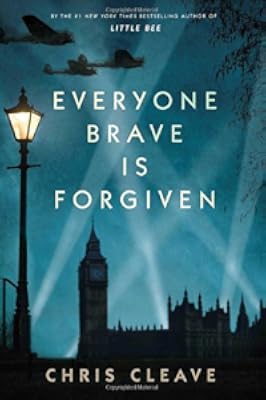
Everyone Brave is Forgiven
by Chris Cleave
On This Page
Description
The instant New York Times bestseller from Chris Cleave—the unforgettable novel about three lives entangled during World War II, told "with dazzling prose, sharp English wit, and compassion...a powerful portrait of war's effects on those who fight and those left behind" (People, Book of the Week).London, 1939. The day war is declared, Mary North leaves finishing school unfinished, goes straight to the War Office, and signs up. Tom Shaw decides to ignore the war—until he learns his show more roommate Alistair Heath has unexpectedly enlisted. Then the conflict can no longer be avoided. Young, bright, and brave, Mary is certain she'd be a marvelous spy. When she is—bewilderingly—made a teacher, she finds herself defying prejudice to protect the children her country would rather forget. Tom, meanwhile, finds that he will do anything for Mary.
And when Mary and Alistair meet, it is love, as well as war, that will test them in ways they could not have imagined, entangling three lives in violence and passion, friendship, and deception, inexorably shaping their hopes and dreams. The three are drawn into a tragic love triangle and—as war escalates and bombs begin falling—further into a grim world of survival and desperation.
Set in London during the years of 1939–1942, when citizens had slim hope of survival, much less victory; and on the strategic island of Malta, which was daily devastated by the Axis barrage, Everyone Brave is Forgiven features little-known history and a perfect wartime love story inspired by the real-life love letters between Chris Cleave's grandparents. This dazzling novel dares us to understand that, against the great theater of world events, it is the intimate losses, the small battles, the daily human triumphs that change us most. show less
Tags
Recommendations
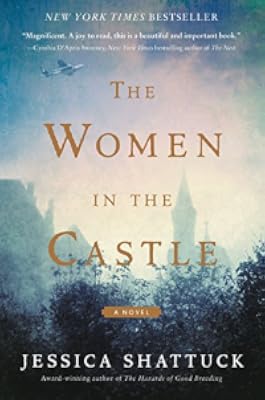
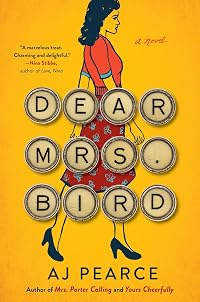
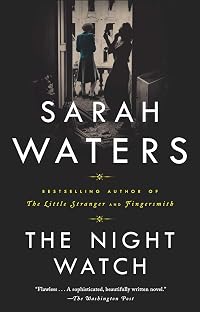
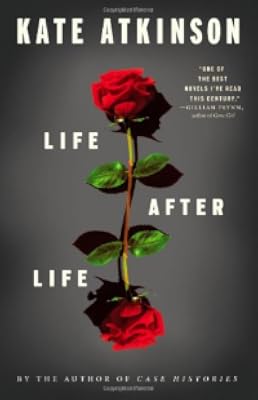



Member Recommendations

by anonymous user
Member Reviews
Everyone Brave Is Forgiven is a love story set in the terror-filled times of the first few years of WW II. The settings vary from the streets and bomb shelters of London to the siege against British troops on Malta. Both settings are horrific scenes of death, destruction and abject terror.
This book’s primary story about a romance is, frankly, not as interesting as the surrounding events and situations, the vividness of its descriptions, and the honest handling of both war and of racism.
Beautiful but privileged Mary falls for soldier Alastair just as he is shipped off to Malta. Abandoning the safety of her privileged life, Mary wants to help children learn. When she can’t get a position working with mainstream children, Mary takes on show more the rejected and disowned, those outcasts who continue to be marginalized even today. She confronts first hand the abject, blatant and unapologetic racism of British society.
While Mary sees the full brunt of racism in London, Alastair feels the full brunt of war in Malta. The mangling of human bodies, the terror of unremitting fear of death, the dehumanization necessary for some as a means of psychological survival and the full mental and physical devastation that war truly is fills the pages of the novel.
So many books and movies gloss over or ignore what wars really do to victims, civilian and military alike, but this book does a good job of confronting and portraying them. The grisly horrors of children and civilians torn into pieces by enemy bombs in London vividly compares to the equally grisly death, destruction, privation and long term after effects of warfare on the battlefront.
Everyone Brave Is Forgiven goes beyond describing the carnage of war into portraying the psychological impact it has on people, both combatants and civilian victims. These scars impact lives and relationships long after peace treaties are signed and wars end.
This is a compelling book that clearly goes beyond being a romance and becomes a great book of historical fiction as well. show less
This book’s primary story about a romance is, frankly, not as interesting as the surrounding events and situations, the vividness of its descriptions, and the honest handling of both war and of racism.
Beautiful but privileged Mary falls for soldier Alastair just as he is shipped off to Malta. Abandoning the safety of her privileged life, Mary wants to help children learn. When she can’t get a position working with mainstream children, Mary takes on show more the rejected and disowned, those outcasts who continue to be marginalized even today. She confronts first hand the abject, blatant and unapologetic racism of British society.
While Mary sees the full brunt of racism in London, Alastair feels the full brunt of war in Malta. The mangling of human bodies, the terror of unremitting fear of death, the dehumanization necessary for some as a means of psychological survival and the full mental and physical devastation that war truly is fills the pages of the novel.
So many books and movies gloss over or ignore what wars really do to victims, civilian and military alike, but this book does a good job of confronting and portraying them. The grisly horrors of children and civilians torn into pieces by enemy bombs in London vividly compares to the equally grisly death, destruction, privation and long term after effects of warfare on the battlefront.
Everyone Brave Is Forgiven goes beyond describing the carnage of war into portraying the psychological impact it has on people, both combatants and civilian victims. These scars impact lives and relationships long after peace treaties are signed and wars end.
This is a compelling book that clearly goes beyond being a romance and becomes a great book of historical fiction as well. show less
Everyone Brave Is Forgiven is a love story set in the terror-filled times of the first few years of WW II. The settings vary from the streets and bomb shelters of London to the siege against British troops on Malta. Both settings are horrific scenes of death, destruction and abject terror.
This book’s primary story about a romance is, frankly, not as interesting as the surrounding events and situations, the vividness of its descriptions, and the honest handling of both war and of racism.
Beautiful but privileged Mary falls for soldier Alastair just as he is shipped off to Malta. Abandoning the safety of her privileged life, Mary wants to help children learn. When she can’t get a position working with mainstream children, Mary takes on show more the rejected and disowned, those outcasts who continue to be marginalized even today. She confronts first hand the abject, blatant and unapologetic racism of British society.
While Mary sees the full brunt of racism in London, Alastair feels the full brunt of war in Malta. The mangling of human bodies, the terror of unremitting fear of death, the dehumanization necessary for some as a means of psychological survival and the full mental and physical devastation that war truly is fills the pages of the novel.
So many books and movies gloss over or ignore what wars really do to victims, civilian and military alike, but this book does a good job of confronting and portraying them. The grisly horrors of children and civilians torn into pieces by enemy bombs in London vividly compares to the equally grisly death, destruction, privation and long term after effects of warfare on the battlefront.
Everyone Brave Is Forgiven goes beyond describing the carnage of war into portraying the psychological impact it has on people, both combatants and civilian victims. These scars impact lives and relationships long after peace treaties are signed and wars end.
This is a compelling book that clearly goes beyond being a romance and becomes a great book of historical fiction as well. show less
This book’s primary story about a romance is, frankly, not as interesting as the surrounding events and situations, the vividness of its descriptions, and the honest handling of both war and of racism.
Beautiful but privileged Mary falls for soldier Alastair just as he is shipped off to Malta. Abandoning the safety of her privileged life, Mary wants to help children learn. When she can’t get a position working with mainstream children, Mary takes on show more the rejected and disowned, those outcasts who continue to be marginalized even today. She confronts first hand the abject, blatant and unapologetic racism of British society.
While Mary sees the full brunt of racism in London, Alastair feels the full brunt of war in Malta. The mangling of human bodies, the terror of unremitting fear of death, the dehumanization necessary for some as a means of psychological survival and the full mental and physical devastation that war truly is fills the pages of the novel.
So many books and movies gloss over or ignore what wars really do to victims, civilian and military alike, but this book does a good job of confronting and portraying them. The grisly horrors of children and civilians torn into pieces by enemy bombs in London vividly compares to the equally grisly death, destruction, privation and long term after effects of warfare on the battlefront.
Everyone Brave Is Forgiven goes beyond describing the carnage of war into portraying the psychological impact it has on people, both combatants and civilian victims. These scars impact lives and relationships long after peace treaties are signed and wars end.
This is a compelling book that clearly goes beyond being a romance and becomes a great book of historical fiction as well. show less
Everyone Brave is Forgiven, Chris Cleave, author; Luke Thompson, narrator.
I enjoyed this book on several levels. I learned a lot about the English experience during WWII and about the racism that existed there that I had never known before. Through the interaction of several characters that play a major part in the story, the war years come to life. It is through the experiences and beliefs of Mary, Tom, Alistair, Zachary, and Hilda, from different walks of life, that the atmosphere in England and the theater of war is made truly visible to the reader.
The story is narrated expertly by Luke Thompson using a unique voice for each character which was individually discernible and identifiable. The romantic side of the story may be a bit too show more obvious, but the details of the war were graphic and descriptive giving the reader a credible picture of life there, at that time. The reader is placed right into the thick of things with bombs falling, soldiers dying and the citizenry suffering the exigencies of war in their own individual ways, according to their circumstances. There were shortages; there was destruction coupled with grave injuries and death, but there was also love and romance, compassion and dedication, all existing in varying degrees side by side, depending on where one lived and the class from which one came.
Mary North marched to the beat of her own drummer, even as an 18 year old teenager. She defied the rules of her upper class hierarchy. She attempted to join the war effort and was given a teaching post, although she had absolutely no experience. She realized that she loved working with the children but was fired because she treated Zachary Lee, a black student, with what was thought of as excessive kindness and concern; she simply treated him as she would treat any of the white students. She was basically disciplined for her compassion and honesty and broad minded acceptance of all people and their equal ability to succeed.
When she met Tom Shaw, who was in charge of hiring, she begged for another position. He was from a different class, but he was smitten by her. Their romance blossomed, and he subsequently created a teaching position for her, even when the budget was tight. Together they helped those young evacuees rejected by the families in the countryside because they were deficient, disabled or black. She introduced her best friend Hilda, not quite as lovely or socially adept as Mary, to Tom’s friend, Alistair Heath. Alistair was an art restorer from the appropriate upper class. When Alistair and Mary met, there was a spark that ignited the chemistry between the two of them instead. Mary resisted it, at first, because she loved Tom, and because Hilda was angry that she was once again attempting to take a beau away from her. Alistair is soon shipped out to Malta where he experiences the brutal hardships of war on that small barren island.
The author made the class consciousness of the Brits extremely transparent using the views of the various characters. Even some of the more broad and open minded upper classes viewed the blacks as “less than”. Those in the lower classes who happened to be white also felt that way. Their ignorance about the color of skin was displayed when one character queried Zachary about how he got his skin color. She wondered if he was burned. She wondered if he was in pain. It seems absurd, but I think that the author must have researched this attitude and is using that reality to enhance his fictional tale about England during WWII, a war that was carried on for several years without the help of America, whose eventual entry signaled a more positive end to the combat. The upper classes were shielded from the actual fog of war by the frivolity of their own lives as they knitted socks for the soldiers but still managed to carry on with their social lives and causes, parties and balls.
During that time in England, white children were being given every advantage over black children, regarding education, safety, food and shelter. Black children were looked down upon, called names and abused by those who thought they were superior to them. The less fortunate were expected to suffer the dangers of the war while those more fortunate were eagerly evacuated. The rescue of white children went smoothly while those deficient or racially unacceptable were rejected and sent back home. Helping blacks was frowned upon by the upper classes and those that did suffered from the tongue lashings and gossip of their peers. Sanctioned injustice was the norm.
Women, at that time, were not independent and were expected to behave properly, not to fraternize with people of color, not to go to places where they congregated and surely not to teach them since it was believed they could not learn. At the same time, the people of color did not want to draw attention to themselves because they did not want to upset the apple cart which allowed them to live in peace in London. It was a fragile situation requiring the walking of a tightrope by all.
The atrocities of war were painted sharply; some images were of cruelties and a kind of violence that I had never dreamed of or heard of before. The brutality of the citizens toward their captured enemy has not often been revealed, rather the enemy’s cruelty has been stressed above all else. Still while the anger of the citizenry may have been justified in such hostile times, their barbaric behavior was not. The author clearly shows the force of a mob mentality out of control. He also highlighted the fact that doing the right thing does not always bring about the right result. When the soldier, Alistair, tried to stop a mob from torturing an injured enemy pilot, he himself was seriously wounded by that same pilot while he was trying to protect and help him.
I loved the part of the book that featured the bantering back and forth in letters and/or dialogue between the characters. The humor lightened the heavy mood of the scenes of war and deprivation in which those in active and inactive combat were equally injured. Some were soon dying and some were starving in London. They were starving and dying on Malta. They were sitting ducks there, suffering their injuries, death, privation and exhaustion without outside help. As the conditions in London worsened and the bombings increased, the experiences of both Londoners and the soldiers on the battlefield were sharply defined by the author. The hazards of war, with the haphazardness of personal survival, had to be faced by each of them in one capacity or another everyday. The disillusionment about the purpose and the end results of the war was also clearly explored and exposed.
I think it was obvious how the book would end from the beginning, partly because of our knowledge of history, but also because of the way the story was rolled out. It was often enhanced with a touch of humor and the information provided was interesting. The romance lightened the subject matter by exposing choices that all readers could identify with and understand. The war united people of different classes and different races, but would it last when the war ended? Would the romances begun survive afterwards in the light of the new day?
The book truly illustrates the effect of war on those fighting it and those observing it, those drawn to nationalism engaging in the fight directly and those drawn to defending their country in more intellectual pursuits. Each of the characters risked their lives in a different way; each faced danger and tried to rise to the occasion when necessary to preserve and protect those less fortunate and those defending them from their enemies. This is a book worth reading for its war perspective and its insight into the way people viewed it and treated each other during that time. It might make the reader wonder if society has changed all that much since then. show less
I enjoyed this book on several levels. I learned a lot about the English experience during WWII and about the racism that existed there that I had never known before. Through the interaction of several characters that play a major part in the story, the war years come to life. It is through the experiences and beliefs of Mary, Tom, Alistair, Zachary, and Hilda, from different walks of life, that the atmosphere in England and the theater of war is made truly visible to the reader.
The story is narrated expertly by Luke Thompson using a unique voice for each character which was individually discernible and identifiable. The romantic side of the story may be a bit too show more obvious, but the details of the war were graphic and descriptive giving the reader a credible picture of life there, at that time. The reader is placed right into the thick of things with bombs falling, soldiers dying and the citizenry suffering the exigencies of war in their own individual ways, according to their circumstances. There were shortages; there was destruction coupled with grave injuries and death, but there was also love and romance, compassion and dedication, all existing in varying degrees side by side, depending on where one lived and the class from which one came.
Mary North marched to the beat of her own drummer, even as an 18 year old teenager. She defied the rules of her upper class hierarchy. She attempted to join the war effort and was given a teaching post, although she had absolutely no experience. She realized that she loved working with the children but was fired because she treated Zachary Lee, a black student, with what was thought of as excessive kindness and concern; she simply treated him as she would treat any of the white students. She was basically disciplined for her compassion and honesty and broad minded acceptance of all people and their equal ability to succeed.
When she met Tom Shaw, who was in charge of hiring, she begged for another position. He was from a different class, but he was smitten by her. Their romance blossomed, and he subsequently created a teaching position for her, even when the budget was tight. Together they helped those young evacuees rejected by the families in the countryside because they were deficient, disabled or black. She introduced her best friend Hilda, not quite as lovely or socially adept as Mary, to Tom’s friend, Alistair Heath. Alistair was an art restorer from the appropriate upper class. When Alistair and Mary met, there was a spark that ignited the chemistry between the two of them instead. Mary resisted it, at first, because she loved Tom, and because Hilda was angry that she was once again attempting to take a beau away from her. Alistair is soon shipped out to Malta where he experiences the brutal hardships of war on that small barren island.
The author made the class consciousness of the Brits extremely transparent using the views of the various characters. Even some of the more broad and open minded upper classes viewed the blacks as “less than”. Those in the lower classes who happened to be white also felt that way. Their ignorance about the color of skin was displayed when one character queried Zachary about how he got his skin color. She wondered if he was burned. She wondered if he was in pain. It seems absurd, but I think that the author must have researched this attitude and is using that reality to enhance his fictional tale about England during WWII, a war that was carried on for several years without the help of America, whose eventual entry signaled a more positive end to the combat. The upper classes were shielded from the actual fog of war by the frivolity of their own lives as they knitted socks for the soldiers but still managed to carry on with their social lives and causes, parties and balls.
During that time in England, white children were being given every advantage over black children, regarding education, safety, food and shelter. Black children were looked down upon, called names and abused by those who thought they were superior to them. The less fortunate were expected to suffer the dangers of the war while those more fortunate were eagerly evacuated. The rescue of white children went smoothly while those deficient or racially unacceptable were rejected and sent back home. Helping blacks was frowned upon by the upper classes and those that did suffered from the tongue lashings and gossip of their peers. Sanctioned injustice was the norm.
Women, at that time, were not independent and were expected to behave properly, not to fraternize with people of color, not to go to places where they congregated and surely not to teach them since it was believed they could not learn. At the same time, the people of color did not want to draw attention to themselves because they did not want to upset the apple cart which allowed them to live in peace in London. It was a fragile situation requiring the walking of a tightrope by all.
The atrocities of war were painted sharply; some images were of cruelties and a kind of violence that I had never dreamed of or heard of before. The brutality of the citizens toward their captured enemy has not often been revealed, rather the enemy’s cruelty has been stressed above all else. Still while the anger of the citizenry may have been justified in such hostile times, their barbaric behavior was not. The author clearly shows the force of a mob mentality out of control. He also highlighted the fact that doing the right thing does not always bring about the right result. When the soldier, Alistair, tried to stop a mob from torturing an injured enemy pilot, he himself was seriously wounded by that same pilot while he was trying to protect and help him.
I loved the part of the book that featured the bantering back and forth in letters and/or dialogue between the characters. The humor lightened the heavy mood of the scenes of war and deprivation in which those in active and inactive combat were equally injured. Some were soon dying and some were starving in London. They were starving and dying on Malta. They were sitting ducks there, suffering their injuries, death, privation and exhaustion without outside help. As the conditions in London worsened and the bombings increased, the experiences of both Londoners and the soldiers on the battlefield were sharply defined by the author. The hazards of war, with the haphazardness of personal survival, had to be faced by each of them in one capacity or another everyday. The disillusionment about the purpose and the end results of the war was also clearly explored and exposed.
I think it was obvious how the book would end from the beginning, partly because of our knowledge of history, but also because of the way the story was rolled out. It was often enhanced with a touch of humor and the information provided was interesting. The romance lightened the subject matter by exposing choices that all readers could identify with and understand. The war united people of different classes and different races, but would it last when the war ended? Would the romances begun survive afterwards in the light of the new day?
The book truly illustrates the effect of war on those fighting it and those observing it, those drawn to nationalism engaging in the fight directly and those drawn to defending their country in more intellectual pursuits. Each of the characters risked their lives in a different way; each faced danger and tried to rise to the occasion when necessary to preserve and protect those less fortunate and those defending them from their enemies. This is a book worth reading for its war perspective and its insight into the way people viewed it and treated each other during that time. It might make the reader wonder if society has changed all that much since then. show less
When World War 11 is announced, Mary North is keen to join the war effort and quits finishing school to do so. Disappointingly to Mary, she is made a school teacher , which seems altogether too tame. However, she soon finds her place. Children who are physically handicapped, difficult to teach or from non- Caucasian backgrounds, are sent back from the evacuation to the country to London to be taught, during the London Blitz. Mary becomes their keen advocate and teacher.
Tom Shaw and Alistair Heath are roommates sharing a flat in London. Tom chooses not to join the military, and is given a school district in London to run instead. Alistair restores art, but almost immediately signs up for the service. Since Mary is appointed to be a show more teacher and Tom runs her school district, the two become friends and are attracted to each other.
Alistair quickly finds himself in the heat of the battle in France and later on in the Siege of Malta.
After Mary's teaching is forced to come to an end, she and her close friend Hilda volunteer with the Air Raid Precautions, serving as ambulance drivers / first aid attendants during the bombing in London.
Cleave is wonderful and powerful writer , portraying the horrors and depravity of war with vivid images. Relationships are well and realistically drawn and make up an important part of the story. Despite the savage portrayal of war, Chris Cleve leavens the book with dark humour.
A few quotes :
As Mary begs for her classroom to be re- opened " Then what are we to do with crooked and the coloured and the slow? Are we to let them rot, simply because it is not policy for them to exist?" p 226
As Alistair endeavors to cope with death and near starvation at the battle front , at Christmas time
"The orderlies brought in something that the cook had made of out of breadcrumbs and canned malevolence...." Alistair lifted the corner with his fork .' I don't know whether to put mustard or marmalade on it.'" p 215
In a letter written by Mary " I was brought up to believe that everyone brave was forgiven, but in wartime, courage is cheap and clemency out of season'". p 245
A beautifully written and thought provoking read that is destined to perhaps be my favorite of 2016.
Highly recommended and I am delighted to read that Chris Cleave is planning a sequel in some three years or so.
5 stars. show less
Tom Shaw and Alistair Heath are roommates sharing a flat in London. Tom chooses not to join the military, and is given a school district in London to run instead. Alistair restores art, but almost immediately signs up for the service. Since Mary is appointed to be a show more teacher and Tom runs her school district, the two become friends and are attracted to each other.
Alistair quickly finds himself in the heat of the battle in France and later on in the Siege of Malta.
After Mary's teaching is forced to come to an end, she and her close friend Hilda volunteer with the Air Raid Precautions, serving as ambulance drivers / first aid attendants during the bombing in London.
Cleave is wonderful and powerful writer , portraying the horrors and depravity of war with vivid images. Relationships are well and realistically drawn and make up an important part of the story. Despite the savage portrayal of war, Chris Cleve leavens the book with dark humour.
A few quotes :
As Mary begs for her classroom to be re- opened " Then what are we to do with crooked and the coloured and the slow? Are we to let them rot, simply because it is not policy for them to exist?" p 226
As Alistair endeavors to cope with death and near starvation at the battle front , at Christmas time
"The orderlies brought in something that the cook had made of out of breadcrumbs and canned malevolence...." Alistair lifted the corner with his fork .' I don't know whether to put mustard or marmalade on it.'" p 215
In a letter written by Mary " I was brought up to believe that everyone brave was forgiven, but in wartime, courage is cheap and clemency out of season'". p 245
A beautifully written and thought provoking read that is destined to perhaps be my favorite of 2016.
Highly recommended and I am delighted to read that Chris Cleave is planning a sequel in some three years or so.
5 stars. show less
“Life took longer to reassemble than it did to blow apart, but that didn't mean it wouldn't be lovely, providing that one remembered to go for country walks, and to tune the wireless to music.” — Chris Cleave, “Everyone Brave Is Forgiven”
Chris Cleave's fourth novel, “Everyone Brace Is Forgiven” (2016), is about reassembling lives blown apart by World War II. Yet it is a love story that the war makes possible.
Cleave says his novel was inspired by his own grandparents, although the story is based only loosely on their experiences.
Mary is an idealistic rich girl whose mother only wants to marry well. Instead she volunteers to help with the war effort however she can, then gets assigned to teach school, even though she lacks show more any qualifications. Most London children are soon sent to the countryside when the Germans start bombing the city, but some children, either because they are black, disabled in some way or otherwise unattractive, are rejected by the country people and returned to London. Mary decides to teach them.
She falls in love with Tom, her supervisor, but then one fateful night she and her best friend, Hilda, go out with Tom and his best friend, Alistair, and magic strikes between Mary and Alistair, an Army officer. Hilda feels betrayed because she likes Alistair, too. As for Tom, a German bomb soon kills him, as well as most of Mary's students. For most of the novel Alistair and Mary are separated by the war, he under siege on Malta and she driving an ambulance during bombing raids. Both suffer disabling injuries.
The war destroys so much. Will it destroy this love that had just one brief night to form? Will everyone brave be forgiven? Will everyone forgiven stay brave? Cleave deals with such questions in an incredibly beautiful and meaningful novel. show less
Chris Cleave's fourth novel, “Everyone Brace Is Forgiven” (2016), is about reassembling lives blown apart by World War II. Yet it is a love story that the war makes possible.
Cleave says his novel was inspired by his own grandparents, although the story is based only loosely on their experiences.
Mary is an idealistic rich girl whose mother only wants to marry well. Instead she volunteers to help with the war effort however she can, then gets assigned to teach school, even though she lacks show more any qualifications. Most London children are soon sent to the countryside when the Germans start bombing the city, but some children, either because they are black, disabled in some way or otherwise unattractive, are rejected by the country people and returned to London. Mary decides to teach them.
She falls in love with Tom, her supervisor, but then one fateful night she and her best friend, Hilda, go out with Tom and his best friend, Alistair, and magic strikes between Mary and Alistair, an Army officer. Hilda feels betrayed because she likes Alistair, too. As for Tom, a German bomb soon kills him, as well as most of Mary's students. For most of the novel Alistair and Mary are separated by the war, he under siege on Malta and she driving an ambulance during bombing raids. Both suffer disabling injuries.
The war destroys so much. Will it destroy this love that had just one brief night to form? Will everyone brave be forgiven? Will everyone forgiven stay brave? Cleave deals with such questions in an incredibly beautiful and meaningful novel. show less
“But what good is it to teach a child to count, if you don't show him that he counts for something?”
* * *
“Mary leaned back, exhaled, and watched her smoke rise. 'What sort of man do you want anyway?'
"Tall. Funny. Never came top of his class or pulled the wings off bees."
"Yes, but I mean really? When all of this is over, and assuming we win -" ...
Hilda snorted. "(I) just want a tall man and a stiff drink. You could even swap the adjectives.”
This WWII novel is set in London and battle areas, principally Malta (where a grandfather of author Cleave fought). Its five principal characters are Mary, an attractive, broad-minded 18 year old from a wealthy family who volunteers immediately upon war being declared, her close but less show more prepossessing friend Hilda, who helps Mary but gets annoyed that men always gravitate toward her, teaching administrator Tom who finds a class for Mary to teach, Tom's friend Alistair, an art restorer at the Tate who joins the war as an officer, and Zachary, a young black student of Mary's whom she helps amid the era's racism.
It's an exceptionally well-told story that, among other things, depicts the bombing's effects on the city and its populace vividly and better than any other book I've read on the subject. All the characters go through harrowing experiences of one kind or another. I found the use of the n-word and the racism difficult, but Cleave is making a legitimate point about the state of affairs at the time, and Mary will have none of it, thank goodness. I couldn't stop turning the pages, and the dialogue in particular is top of the line - smart, often surprising, and at times laugh-out-loud witty. Not quite five stars for me, but close. show less
* * *
“Mary leaned back, exhaled, and watched her smoke rise. 'What sort of man do you want anyway?'
"Tall. Funny. Never came top of his class or pulled the wings off bees."
"Yes, but I mean really? When all of this is over, and assuming we win -" ...
Hilda snorted. "(I) just want a tall man and a stiff drink. You could even swap the adjectives.”
This WWII novel is set in London and battle areas, principally Malta (where a grandfather of author Cleave fought). Its five principal characters are Mary, an attractive, broad-minded 18 year old from a wealthy family who volunteers immediately upon war being declared, her close but less show more prepossessing friend Hilda, who helps Mary but gets annoyed that men always gravitate toward her, teaching administrator Tom who finds a class for Mary to teach, Tom's friend Alistair, an art restorer at the Tate who joins the war as an officer, and Zachary, a young black student of Mary's whom she helps amid the era's racism.
It's an exceptionally well-told story that, among other things, depicts the bombing's effects on the city and its populace vividly and better than any other book I've read on the subject. All the characters go through harrowing experiences of one kind or another. I found the use of the n-word and the racism difficult, but Cleave is making a legitimate point about the state of affairs at the time, and Mary will have none of it, thank goodness. I couldn't stop turning the pages, and the dialogue in particular is top of the line - smart, often surprising, and at times laugh-out-loud witty. Not quite five stars for me, but close. show less
Everyone Brave is Forgiven- Cleave
Audio performance by Luke Thompson
4 stars
The simple, romantic retelling of the Allies in WW2 always speaks of a completely united home front fighting the good fight against the darkest evil. The reality is messier and more tragic. This book approaches some of that complexity. It begins with the very young, excited and idealistic Mary volunteering for civic duty on the day war is declared. Mary is thrilled with the war. It’s her opportunity to defy her aristocratic parents and to break away from the boring high society rituals.
Mary’s war service isn’t what she expected. She is co-opted to teach evacuated children. Evacuated, poor children. She isn’t a particularly good teacher. Not surprising show more as she has no training and no experience. Dismissed from her position, she returns to London during the Blitz, determined to teach the unevacuated children; disabled children, mentally deficient children, colored children. It’s a different kind of war, just as tragically dangerous as the battlefront.
I have to say, I was more interested in Mary’s war experience than her love life. Her love affair with Tom made sense, but I couldn’t buy into the instant attraction to Alastair. Alastair’s horrific experience on Malta was historically important, but it diffused to focus of the plot. The book was just too short to do justice to the complexities of both story lines. They were equally interesting. I would have been happy to read a longer book that could have integrated all of the dangling stories more completely. show less
Audio performance by Luke Thompson
4 stars
The simple, romantic retelling of the Allies in WW2 always speaks of a completely united home front fighting the good fight against the darkest evil. The reality is messier and more tragic. This book approaches some of that complexity. It begins with the very young, excited and idealistic Mary volunteering for civic duty on the day war is declared. Mary is thrilled with the war. It’s her opportunity to defy her aristocratic parents and to break away from the boring high society rituals.
Mary’s war service isn’t what she expected. She is co-opted to teach evacuated children. Evacuated, poor children. She isn’t a particularly good teacher. Not surprising show more as she has no training and no experience. Dismissed from her position, she returns to London during the Blitz, determined to teach the unevacuated children; disabled children, mentally deficient children, colored children. It’s a different kind of war, just as tragically dangerous as the battlefront.
I have to say, I was more interested in Mary’s war experience than her love life. Her love affair with Tom made sense, but I couldn’t buy into the instant attraction to Alastair. Alastair’s horrific experience on Malta was historically important, but it diffused to focus of the plot. The book was just too short to do justice to the complexities of both story lines. They were equally interesting. I would have been happy to read a longer book that could have integrated all of the dangling stories more completely. show less
Members
- Recently Added By
Published Reviews
ThingScore 81
Everyone Brave is Forgiven is a story of the Second World War in all of its nastiness and depravity. Cleave is now working on a sequel, with the same characters, that will take place during the first three years of peace after the war.
Cleave is a powerful writer, leaving readers with vivid and uncompromising images and stories. In Little Bee, Incendiary and Gold, he told the truth, show more unflinchingly. Everyone Brave is Forgiven is the same, and readers won’t soon forget it. show less
Cleave is a powerful writer, leaving readers with vivid and uncompromising images and stories. In Little Bee, Incendiary and Gold, he told the truth, show more unflinchingly. Everyone Brave is Forgiven is the same, and readers won’t soon forget it. show less
added by vancouverdeb
Throughout the novel, Cleave portrays the visceral experiences of war with skill and empathy, whether it’s Alistair’s repeated near annihilation in Malta or the catastrophic effects of the blitz. There are moments of genuine terror – particularly during Mary and Hilda’s ordeals as ambulance drivers attending to London’s bombed-out victims – in which Cleave reveals his talent for show more pacing and tension. His engagement with themes of racism, class, female empowerment and the emotional dislocations induced by war lend the novel social and historical depth in scenes that are both intricately researched and evocatively conveyed...With Everyone Brave Is Forgiven Cleave cements his reputation as a skilful storyteller, and a sensitive chronicler of the interplay between the political and the personal. show less
added by vancouverdeb
Chris Cleave’s powerful and moving fourth novel, Everyone Brave is Forgiven, is a period piece that sits alongside the likes of Pat Barker’s Noonday, Andrea Levy’s Small Island and Sarah Waters’ The Night Watch....If I’ve made it sound at all unexpectedly lighthearted, then I’ve done some justice to Cleave’s tone. Despite their increasingly straitened and entangled circumstances show more – and he doesn’t shy away from gory descriptions of death and destruction either – Cleave’s characters hold their upper lips stiff with a brace of humour. show less
added by vancouverdeb
Lists

Top Five Books of 2021
604 works; 180 members

Top Five Books of 2015
811 works; 241 members

Top Five Books of 2016
795 works; 228 members

Books Read in 2016
4,666 works; 199 members
Author Information

11+ Works 13,170 Members
Chris Cleave is a columnist for The Guardian newspaper in London. His first novel, Incendiary, won the 2006 Somerset Maugham Award, was shortlisted for the 2006 Commonwealth Writers' Prize, won the United States Book-of-the-Month Club's First Fiction Award, and won the Prix Special du Jury at the French Prix des Lecteurs 2007. His second novel, show more Little Bee, was shortlisted for the prestigious Costa Award for Best Novel. His third novel, Gold, was published in 2012. (Bowker Author Biography) show less
Awards and Honors
Awards
Distinctions
Common Knowledge
- Canonical title*
- I coraggiosi saranno perdonati
- Original title
- Everyone Brave is Forgiven
- Original publication date
- 2016-04
- People/Characters
- Mary North; Tom Shaw; Alistair Heath; Zachary Lee
- Important places
- London, England, UK
- Important events
- World War II; The Blitz; Siege of Malta
- Dedication
- For my grandparents - Mary & David, NJ & M
- First words
- War was declared at 11.15 and Mary North signed up at noon.
- Last words
- (Click to show. Warning: May contain spoilers.)It was a world one might still know, if everyone forgiven was brave.
- Original language*
- English
*Some information comes from Common Knowledge in other languages. Click "Edit" for more information.
Classifications
Statistics
- Members
- 1,810
- Popularity
- 12,048
- Reviews
- 90
- Rating
- (3.87)
- Languages
- 6 — Chinese, Danish, English, Finnish, German, Italian
- Media
- Paper, Audiobook, Ebook
- ISBNs
- 29
- ASINs
- 7