On This Page
Description
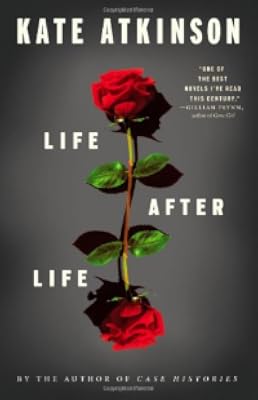
"What if you could live again and again, until you got it right? On a cold and snowy night in 1910, Ursula Todd is born to an English banker and his wife. She dies before she can draw her first breath. On that same cold and snowy night, Ursula Todd is born, lets out a lusty wail, and embarks upon a life that will be, to say the least, unusual. For as she grows, she also dies, repeatedly, in a variety of ways, while the young century marches on towards its second cataclysmic world war. Does show more Ursula's apparently infinite number of lives give her the power to save the world from its inevitable destiny? And if she can -- will she? Darkly comic, startlingly poignant, and utterly original -- this is Kate Atkinson at her absolute best. "-- show lessTags
Recommendations
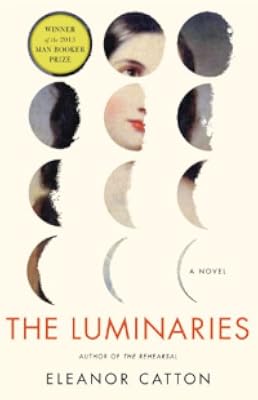
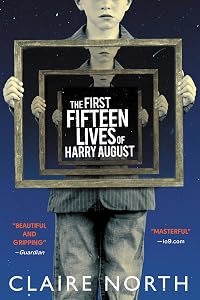

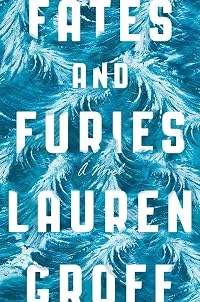
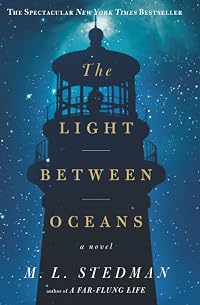
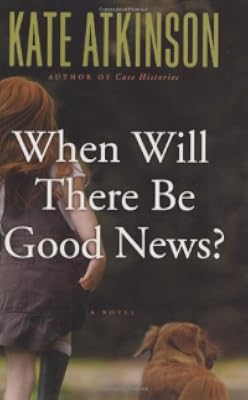
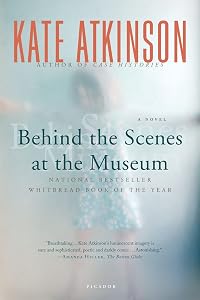
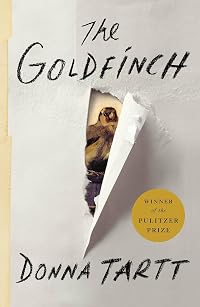
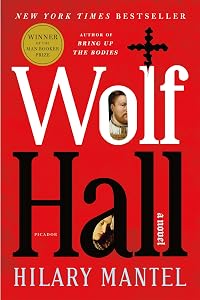
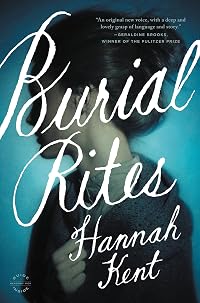
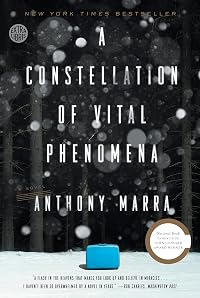


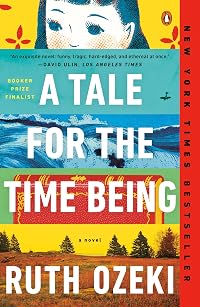
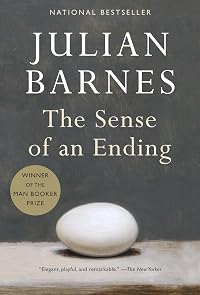
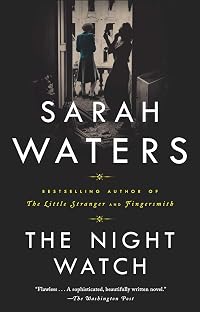
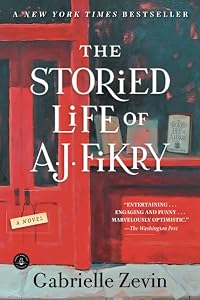
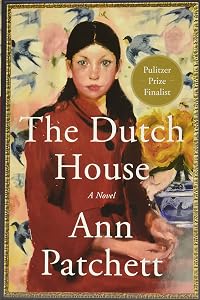
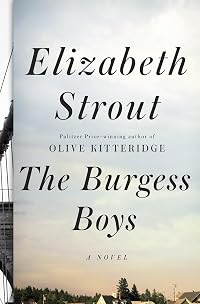
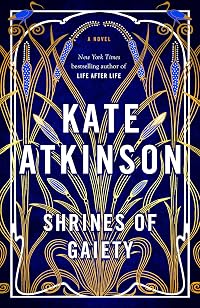
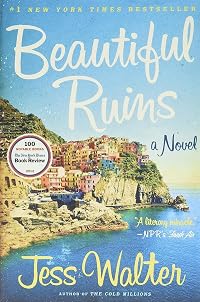
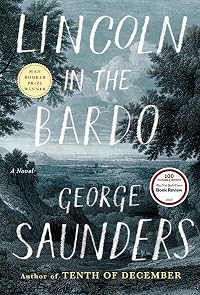
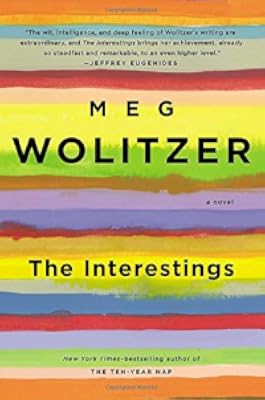
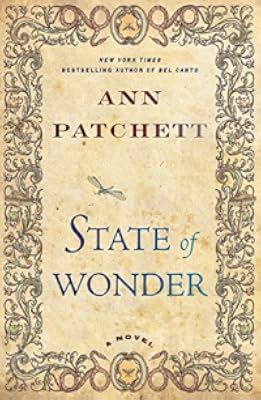
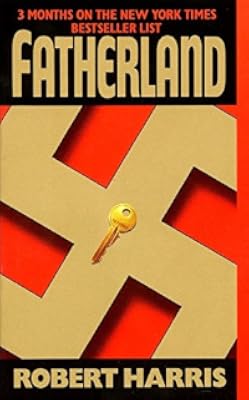


Member Recommendations
BookshelfMonstrosity These moving and thought-provoking novels portray characters whose lives are continually disrupted by time shifts -- in Life after Life, the protagonist repeatedly dies and comes back to life, while in The Time Traveler's Wife, the protagonist time-travels involuntarily.
Also recommended by Yells
327
BookshelfMonstrosity Life after Life and Replay feature characters who live multiple lives against their wills; the complications of dying and coming back to life form the core of each novel and create moving, sometimes funny, always thought-provoking situations.
Also recommended by fspyck
110
sturlington Both have unusual narrative structures and explore the theme of reincarnation.
122

sturlington These are both interesting contemporary works of speculative fiction that play with time and structure.
60
fairyfeller Explores the same concept of one person living the same over and over.
Also recommended by pan0ramix
40
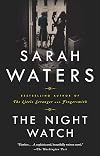
rstaedter A different concept, but nonetheless also brilliantly written and with the Blitz as backdrop.
40
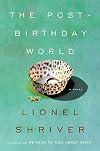
amysisson Both books examine decisions and moments that change the course of a life.
31
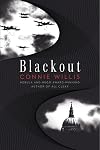
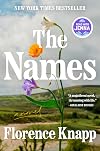
JenMDB Exploring the different life paths we might take
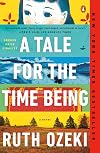


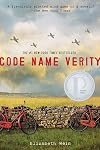
amysisson Both are about the unusual ways in which women may impact the tides of war
22

rstaedter Any explanation would be a spoiler for Crouch's novel.
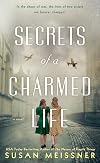
anonymous user Similar time in history. A story of 2 sisters during the Second World War.
Member Reviews
Life after Life is like Groundhog Day stretched over a half-century rather than compressed in one day. Ursula Todd is born on a snowy day in February 1910 and dies. And is born, and dies. Repeatedly. Not however as another person – this book is not about metempsychosis. Her rebirths are all on the same day, in the same place, and she is given the same name.
After a couple of times, Ursula begins to experience episodes of deja vu. She begins to sense approaching danger and for reasons unknown to herself takes steps to avoid it. After a while, she begins to understand one of her mother’s mantras, “practice makes perfect” as applying to her in a special way. She has to prepare herself, through multiple replays of her life, for one show more great task that will alter the course of human history.
The task in question involves one of the great what-ifs of history: if someone had known the suffering Hitler would unleash on the world and been able to get close enough to him to kill him before he came to power? The question is never clearly answered, but a hint is that the time she points a gun at him in a Munich café is not her final reincarnation.
At one point, Ursula’s beloved brother Teddy asks her, “What if we had a chance to do it again and again . . . until we finally did get it right? Wouldn’t that be wonderful?” The book doesn’t give an unequivocal answer yes to his question. There is, after all, a lot of suffering and dying along the way. At times, I asked myself if the author were a sadist, given the number of grim fates her protagonist has to endure.
Closer to the mark seemed to be Ursula’s answer to her mother’s fatalistic observation that we all up end dead in the end. Ursula doesn’t deny this (although she has begun to feel that another of her mother’s bromides, “life must go on” is true in a way that her mother doesn’t suspect), but counters that it still matters how we live in the meantime.
Her mother is also given to saying “you only have one life.” It took a while before it struck me that she didn’t phrase it in the usual way, “you only live once.” Whether that one life is lived once or repeatedly, this book reminded me of how precious, fragile, hard and beautiful life is. show less
After a couple of times, Ursula begins to experience episodes of deja vu. She begins to sense approaching danger and for reasons unknown to herself takes steps to avoid it. After a while, she begins to understand one of her mother’s mantras, “practice makes perfect” as applying to her in a special way. She has to prepare herself, through multiple replays of her life, for one show more great task that will alter the course of human history.
The task in question involves one of the great what-ifs of history: if someone had known the suffering Hitler would unleash on the world and been able to get close enough to him to kill him before he came to power? The question is never clearly answered, but a hint is that the time she points a gun at him in a Munich café is not her final reincarnation.
At one point, Ursula’s beloved brother Teddy asks her, “What if we had a chance to do it again and again . . . until we finally did get it right? Wouldn’t that be wonderful?” The book doesn’t give an unequivocal answer yes to his question. There is, after all, a lot of suffering and dying along the way. At times, I asked myself if the author were a sadist, given the number of grim fates her protagonist has to endure.
Closer to the mark seemed to be Ursula’s answer to her mother’s fatalistic observation that we all up end dead in the end. Ursula doesn’t deny this (although she has begun to feel that another of her mother’s bromides, “life must go on” is true in a way that her mother doesn’t suspect), but counters that it still matters how we live in the meantime.
Her mother is also given to saying “you only have one life.” It took a while before it struck me that she didn’t phrase it in the usual way, “you only live once.” Whether that one life is lived once or repeatedly, this book reminded me of how precious, fragile, hard and beautiful life is. show less
When I was in my teens, summer nights were often spent in the company of three or four neighbor kids, all the same age. I remember sitting under the stars, eating pizza, playing cards, and sharing our hopes and dreams. One summer, we became a little obsessed with the ways small events could completely change our lives. It probably started with something serious, but eventually we came to see even the tiniest detail as potentially significant: "If I hadn't eaten this pizza, our whole lives would be different." It was a bit of silliness, really, but reading Life After Life sent me down memory lane, wondering which seemingly inconsequential events and decisions actually had far-reaching consequences.
In Life After Life, Ursula Todd is born show more again and again, and each time her life takes a different course. She dies repeatedly, in many ways and at different times. In the first few pages, Ursula dies immediately after birth. Later, an adult Ursula dies in one of several bomb blasts in London during World War II. Each of her lives plays out differently, and often has an effect on the lives of family members and friends. Sometimes Ursula's life feels vaguely familiar to her:
And sometimes, too, she knew what someone was about to say before they said it or what mundane incident was about to occur—if a dish was about to be dropped or an apple thrown through a glasshouse, as if these things had happened many times before. Words and phrases echoed themselves, strangers seemed like old acquaintances.
And at other times, she acts impulsively to change the course of events:
Ursula had done a wicked thing, she had pushed Bridget down the stairs. Bridget might have died and she would have been a murderer now. All she knew was that she had to do it. The great sense of dread had come over her and she had to do it.
I absolutely loved this book. Kate Atkinson brilliantly constructed a series of intricate life stories, repeatedly taking the reader back to specific points in time: Ursula's birth, the 1918 Armistice, the London Blitz. It was fascinating to see lives take so many paths, and how often this was due more to small everyday events than to life's "big decisions." I enjoyed the way Ursula would sometimes act to change the future based on knowledge from an earlier life. Atkinson also kept me guessing about other characters in the story. In one life, something bad would happen to them. Would it happen again in Ursula's next life? Or would their fate take a slightly different turn?
Life After Life was a bit like working a challenging puzzle. This book begs to be re-read as I'm sure there are details I missed. And I know I'd enjoy it just as much the next time, and the next ... show less
In Life After Life, Ursula Todd is born show more again and again, and each time her life takes a different course. She dies repeatedly, in many ways and at different times. In the first few pages, Ursula dies immediately after birth. Later, an adult Ursula dies in one of several bomb blasts in London during World War II. Each of her lives plays out differently, and often has an effect on the lives of family members and friends. Sometimes Ursula's life feels vaguely familiar to her:
And sometimes, too, she knew what someone was about to say before they said it or what mundane incident was about to occur—if a dish was about to be dropped or an apple thrown through a glasshouse, as if these things had happened many times before. Words and phrases echoed themselves, strangers seemed like old acquaintances.
And at other times, she acts impulsively to change the course of events:
Ursula had done a wicked thing, she had pushed Bridget down the stairs. Bridget might have died and she would have been a murderer now. All she knew was that she had to do it. The great sense of dread had come over her and she had to do it.
I absolutely loved this book. Kate Atkinson brilliantly constructed a series of intricate life stories, repeatedly taking the reader back to specific points in time: Ursula's birth, the 1918 Armistice, the London Blitz. It was fascinating to see lives take so many paths, and how often this was due more to small everyday events than to life's "big decisions." I enjoyed the way Ursula would sometimes act to change the future based on knowledge from an earlier life. Atkinson also kept me guessing about other characters in the story. In one life, something bad would happen to them. Would it happen again in Ursula's next life? Or would their fate take a slightly different turn?
Life After Life was a bit like working a challenging puzzle. This book begs to be re-read as I'm sure there are details I missed. And I know I'd enjoy it just as much the next time, and the next ... show less
Ursula Todd has the unique ability to relive her life. Just as she takes her last breath in one life, she takes her first breath in her next iteration. She is still the same person, and she is always born at the same time and into the same circumstances. Yet, she has absolutely no idea that this is happening to her. Such is the main premise behind Kate Atkinson’s latest novel, Life After Life. What follows is a beautifully written, enchanting story about how just one simple decision can have a lasting and surprisingly large impact in one’s life.
While the plot of Life After Life appears intricate, the story builds slowly, allowing readers to adjust to the unusual plot, establishing the unique character that is Ursula Todd, and show more capturing a reader’s interest and emotions. Each life adds something new to a reader’s understanding of the main character, and it does not take long for a reader to start mentally cheering Ursula and hoping that her decisions lead to a long and happy life. Interestingly, the similarities between Ursula’s fate and those of a video game character are obvious; each is given unlimited chances to change one’s actions with more positive results, while each character’s actions result in new experiences and challenges that require even further decision-making. Yet, unlike a video game character, Ursula is so realistically portrayed that it is easy for one to forget that she is fictional. Ms. Atkinson’s ability to capture the essence of life and its many forks in the road, however obvious, makes for an extremely compelling story.
One of the truly fascinating elements of Life After Life is that there is so much open to interpretation. While the story is told in a linear fashion, Ms. Atkinson leaves it up to a reader to determine the true linearity of time. Ursula’s lives could be occurring simultaneously or they could be occurring one after the other, with history changing as her decisions change. The interpretation depends as much on a reader’s beliefs as on one’s knowledge of and belief in alternative theories about time, even as there is nothing to indicate Ms. Atkinson’s point of view on the matter. Similarly, while the novel only shows Ursula’s many lives, there is nothing to indicate that this is a solo situation affecting just her. Others could also be experiencing a similar phenomenon, but since the story is told from Ursula’s point of view, one would never know, just as Ursula does not know. In these instances, what is not said is just as intriguing - if not more so - as what is deliberated stated by the author.
Life After Life is an absolutely haunting tale about life’s little decisions and the huge impact they can have in one’s life. Ursula and her undetermined fate seep under the skin of a reader, binding the two together and making the novel truly unforgettable. Meanwhile, Ms. Atkinson’s almost poetic writing style does much to enhance the mysticism and hint of possibility that surrounds the entire plot. The dubious nature of Ursula’s experiences makes the novel ripe for many a heated discussion, making this a perfect book club selection. Because of its evocative nature, Life After Life is the type of novel that will continue to generate interest for many months to come. show less
While the plot of Life After Life appears intricate, the story builds slowly, allowing readers to adjust to the unusual plot, establishing the unique character that is Ursula Todd, and show more capturing a reader’s interest and emotions. Each life adds something new to a reader’s understanding of the main character, and it does not take long for a reader to start mentally cheering Ursula and hoping that her decisions lead to a long and happy life. Interestingly, the similarities between Ursula’s fate and those of a video game character are obvious; each is given unlimited chances to change one’s actions with more positive results, while each character’s actions result in new experiences and challenges that require even further decision-making. Yet, unlike a video game character, Ursula is so realistically portrayed that it is easy for one to forget that she is fictional. Ms. Atkinson’s ability to capture the essence of life and its many forks in the road, however obvious, makes for an extremely compelling story.
One of the truly fascinating elements of Life After Life is that there is so much open to interpretation. While the story is told in a linear fashion, Ms. Atkinson leaves it up to a reader to determine the true linearity of time. Ursula’s lives could be occurring simultaneously or they could be occurring one after the other, with history changing as her decisions change. The interpretation depends as much on a reader’s beliefs as on one’s knowledge of and belief in alternative theories about time, even as there is nothing to indicate Ms. Atkinson’s point of view on the matter. Similarly, while the novel only shows Ursula’s many lives, there is nothing to indicate that this is a solo situation affecting just her. Others could also be experiencing a similar phenomenon, but since the story is told from Ursula’s point of view, one would never know, just as Ursula does not know. In these instances, what is not said is just as intriguing - if not more so - as what is deliberated stated by the author.
Life After Life is an absolutely haunting tale about life’s little decisions and the huge impact they can have in one’s life. Ursula and her undetermined fate seep under the skin of a reader, binding the two together and making the novel truly unforgettable. Meanwhile, Ms. Atkinson’s almost poetic writing style does much to enhance the mysticism and hint of possibility that surrounds the entire plot. The dubious nature of Ursula’s experiences makes the novel ripe for many a heated discussion, making this a perfect book club selection. Because of its evocative nature, Life After Life is the type of novel that will continue to generate interest for many months to come. show less
First in a Terrific Family Saga
Probably the first thoughts sentient humankind had (that is, after satisfying the need for safety, food, and sex) were the most basic and unknowable: who am I; where am I; and what is here, anyway? From these grew systems of finding answers, some simple, some impossibly complicated, some controlling and restrictive, and some empirical; but all falling short of answering the primal questions of our ancestors. Lumped together, we call these metaphysics. When you add some sharp dialogue, you can call it droll metaphysics. Which is to say that while you travel along with Atkinson's characters, in particular Ursula, you can smile and laugh during the journey.
In Atkinson's tale, life, at least for Ursula, is show more endless. She's born. Something happens very soon or much later, such as strangulation by her umbilical cord or being blow up in the London blitz. Back she comes for another go. With each resurrection, however, she gains a stronger sense she's been there and done that, strong enough to impel her to make course corrections resulting in different outcomes. All the while she remembers quotes from authors she's read, the likes of Donne, Shakespeare, Nietzsche, and others, as well as Buddhist precepts introduced to her by Dr. Kellet, to whom her mother takes her for help with her odd pronouncements. Life becomes a bit less baffling and painful when she acts on her instincts.
If you're a sci-fi fan interested in time travel books or a devotee of mystical thinking, this probably isn't the novel for you. It probably is for you if you like thinking about the meaning of life and the various possibilities of changing events with small tweaks here and there. It's especially for you if you enjoy very droll writing, which Atkinson produces well and in reams. And if you enjoy getting inside historical events, viewing them through a close-up lens, you'll definitely appreciate Atkinson's treatments of the London blitz, the Berlin bombings, daily life at the Berghof, impressions of Eva Braun and Hitler, life among the Nazi youth—everything nicely rendered and always fascinating.
Most of all, though, whatever your taste, you'll enjoy Atkinson's writing, especially her domestic dialogue, and her characters. Of note are the parents Hugh and Sylvie, the iconoclastic aunt Izzie, and, of course, Ursula, whose mind can wander strangely or defensively. As an example, in one of her lifetimes, an American college boy rapes in her own home (with dire fallout following later). After he charged off in high spirits to join her brother, she "was left to stare at the floral wallpaper. She had never noticed before that the flowers were wisteria, the same flower that grew on the arch over the back porch. This must be what in literature was referred to as 'deflowering,' she thought. It had always sounded like a rather pretty word."
Finally, while the book begins with a very dramatic, very history-altering event, Atkinson never follows up on it. We come to understand why Ursula does it but we are left in the end to contemplate the consequences for ourselves. Which you might suppose appeals to the metaphysician in us and testifies to the possibilities of infinite timelines. show less
Probably the first thoughts sentient humankind had (that is, after satisfying the need for safety, food, and sex) were the most basic and unknowable: who am I; where am I; and what is here, anyway? From these grew systems of finding answers, some simple, some impossibly complicated, some controlling and restrictive, and some empirical; but all falling short of answering the primal questions of our ancestors. Lumped together, we call these metaphysics. When you add some sharp dialogue, you can call it droll metaphysics. Which is to say that while you travel along with Atkinson's characters, in particular Ursula, you can smile and laugh during the journey.
In Atkinson's tale, life, at least for Ursula, is show more endless. She's born. Something happens very soon or much later, such as strangulation by her umbilical cord or being blow up in the London blitz. Back she comes for another go. With each resurrection, however, she gains a stronger sense she's been there and done that, strong enough to impel her to make course corrections resulting in different outcomes. All the while she remembers quotes from authors she's read, the likes of Donne, Shakespeare, Nietzsche, and others, as well as Buddhist precepts introduced to her by Dr. Kellet, to whom her mother takes her for help with her odd pronouncements. Life becomes a bit less baffling and painful when she acts on her instincts.
If you're a sci-fi fan interested in time travel books or a devotee of mystical thinking, this probably isn't the novel for you. It probably is for you if you like thinking about the meaning of life and the various possibilities of changing events with small tweaks here and there. It's especially for you if you enjoy very droll writing, which Atkinson produces well and in reams. And if you enjoy getting inside historical events, viewing them through a close-up lens, you'll definitely appreciate Atkinson's treatments of the London blitz, the Berlin bombings, daily life at the Berghof, impressions of Eva Braun and Hitler, life among the Nazi youth—everything nicely rendered and always fascinating.
Most of all, though, whatever your taste, you'll enjoy Atkinson's writing, especially her domestic dialogue, and her characters. Of note are the parents Hugh and Sylvie, the iconoclastic aunt Izzie, and, of course, Ursula, whose mind can wander strangely or defensively. As an example, in one of her lifetimes, an American college boy rapes in her own home (with dire fallout following later). After he charged off in high spirits to join her brother, she "was left to stare at the floral wallpaper. She had never noticed before that the flowers were wisteria, the same flower that grew on the arch over the back porch. This must be what in literature was referred to as 'deflowering,' she thought. It had always sounded like a rather pretty word."
Finally, while the book begins with a very dramatic, very history-altering event, Atkinson never follows up on it. We come to understand why Ursula does it but we are left in the end to contemplate the consequences for ourselves. Which you might suppose appeals to the metaphysician in us and testifies to the possibilities of infinite timelines. show less
Wow.
This is a unique novel. I’ve read about people being reborn or trying out different lives before, but never like this. Ursula is born in 1910. She dies. She is born again. She dies again… She is born again. The author replays the same events for us in different ways, from different perspectives, over and over again. Sometimes there is a new twist, a new thing happens and Ursula’s life twists in turn. The reader also sees characters from an unexpected angle. And the book is unputdownable. This takes skill. This takes courage, and complete trust in your readers.
It made me think about how fragile the path of an individual fate is, how small things can have enormous consequences.
The characters have life, colour, love, kindness, show more humour, resilience, bravery, nastiness, awfulness, cruelty. There is so much tragedy. I have spent this week not really living my life, even when I wasn’t reading – I was reliving the Blitz over and over again. I was in Berlin in 1945. This is what good historical fiction, should do, pull you on, giving you a sense of time and place. I feel wrung out.
This book somehow made me a different (better?) person – like a gear inside me, moving slightly. Click.
The ending is precious.
I adored the writing. It’s remarkably humane. Some quotes:
“Hugh blinked at such blunt terminology falling from the lips of his recently virginal bride. (One presumed. One hoped.)”
“A little whimsy never hurt anyone.”
“Strictly speaking though,” Hugh said, “can a house be a corner? Isn’t it at one?”
So this is marriage, Sylvie thought.
”Bridget seemed to spend a lot of time trying to cheer Clarence up. Ursula supposed she was rehearsing for marriage.”
“You should go home, dear,” he said, “the rain’s stopped,” as though it were the rain that had spoiled her night and not the Luftwaffe. show less
This is a unique novel. I’ve read about people being reborn or trying out different lives before, but never like this. Ursula is born in 1910. She dies. She is born again. She dies again… She is born again. The author replays the same events for us in different ways, from different perspectives, over and over again. Sometimes there is a new twist, a new thing happens and Ursula’s life twists in turn. The reader also sees characters from an unexpected angle. And the book is unputdownable. This takes skill. This takes courage, and complete trust in your readers.
It made me think about how fragile the path of an individual fate is, how small things can have enormous consequences.
The characters have life, colour, love, kindness, show more humour, resilience, bravery, nastiness, awfulness, cruelty. There is so much tragedy. I have spent this week not really living my life, even when I wasn’t reading – I was reliving the Blitz over and over again. I was in Berlin in 1945. This is what good historical fiction, should do, pull you on, giving you a sense of time and place. I feel wrung out.
This book somehow made me a different (better?) person – like a gear inside me, moving slightly. Click.
The ending is precious.
I adored the writing. It’s remarkably humane. Some quotes:
“Hugh blinked at such blunt terminology falling from the lips of his recently virginal bride. (One presumed. One hoped.)”
“A little whimsy never hurt anyone.”
“Strictly speaking though,” Hugh said, “can a house be a corner? Isn’t it at one?”
So this is marriage, Sylvie thought.
”Bridget seemed to spend a lot of time trying to cheer Clarence up. Ursula supposed she was rehearsing for marriage.”
“You should go home, dear,” he said, “the rain’s stopped,” as though it were the rain that had spoiled her night and not the Luftwaffe. show less
Based on the plot summary, I'd have passed over "Life After Life". The idea of being endlessly reborn into the same life sounds too much like the tedium of "Groundhog Day". I've also been avoiding all those World-War-II-is-Seventy books that want to turn this horrible period of Europe's history into a source of romantic nostalgia.
I bought "Life After Life" because Kate Atkinson wrote it and I've always enjoyed her books.
Even so, I was surprised at just how well written this book is. From the assassination attempt on the first page, the book grabbed my attention and didn't let go. I ended up stealing time so that I could listen to the fourteen hour audiobook over three days. Even then, I wanted it to go on longer.
"Life After Life" show more follows the many lives of Ursula Todd. They are all the same life, starting on the same day, in the same place, with the same family. The consequences of small differences in circumstances, in decisions made, in meeting kept or missed, ripple through these lives to change them in surprising, and sometimes tragic, ways. Some lives are distressingly short. Some are just distressing. One or two work out reasonably well for Ursula. In all these lives Ursula is Ursula. She has the same abilities and desires but she follows a different path and has to cope with different consequences.
As the lives went on, I became more and more attached to Ursula, wanting the best for her, hoping that her mysterious déja vu would help her avoid the pitfalls of her earlier lives. Slowly, it started to dawn on me that I was missing the point. Each of Ursula's lives is real. None of them is a rehearsal. Her life is not a video game where each replay allows her to get to learn something that will take her to a higher level, her life is an opportunity for her to embrace who she is and do the best she can with what she has. It seemed to me that Kate Atkinson has started with Nietzsche's imperative, "Become who you are" and added a very English middle-class code: "Needs must". Becoming who you are does not free you from the responsibility to do the best you can in the circumstances.
"Life After Life" is much more than a vehicle for a philosophical discussion. The people in it are real. As Ursula's lives pass you learn to care about her family, her friends and the people she works with so that it matters when bad things happen. I found myself in tears many times while reading this book. Kate Atkinson pulls no punches on the bad things that happen and bad things, often the same bad things, happen again and again. The main message seems to be: "Bad things will happen. What choice do you have other than to deal with them?" Or at least, that is the response that consistently makes Ursula, Ursula. Some of the people around constantly seek to avoid the consequences of bad things happening.
One of the main bad things that happens in World War II. There is no nostalgia for plucky Britain, standing alone against the Nazi menace, keeping calm and carrying on. Instead I got the most harrowing descriptions of the Blitz I have ever read. Kate Atkinson manages to convey the scale of the death and destruction, the relentlessness of the bombings, the defenselessness of the people and the personal cost of a "Needs must" approach. I also got to see the impact in Germany and to experience the fear of being in Berlin, knowing that the Russian Army was raping and murdering its way towards you.
The language, both dialogue and description, perfectly evokes the time, place and social class. The depth to which the people and their relationships are imagined and re-imagined is astonishing. I felt as if I knew these people better than the ones I work with every day.
This is a wonderful book. Yet I recommend you do not read it. Listen to it instead. The audiobook is narrated by the actress, Fenella Woolgar. She is the perfect choice for this. Her performance is faultless. She carried me through this book, helping me to focus and to hear the voices of the time. show less
I bought "Life After Life" because Kate Atkinson wrote it and I've always enjoyed her books.
Even so, I was surprised at just how well written this book is. From the assassination attempt on the first page, the book grabbed my attention and didn't let go. I ended up stealing time so that I could listen to the fourteen hour audiobook over three days. Even then, I wanted it to go on longer.
"Life After Life" show more follows the many lives of Ursula Todd. They are all the same life, starting on the same day, in the same place, with the same family. The consequences of small differences in circumstances, in decisions made, in meeting kept or missed, ripple through these lives to change them in surprising, and sometimes tragic, ways. Some lives are distressingly short. Some are just distressing. One or two work out reasonably well for Ursula. In all these lives Ursula is Ursula. She has the same abilities and desires but she follows a different path and has to cope with different consequences.
As the lives went on, I became more and more attached to Ursula, wanting the best for her, hoping that her mysterious déja vu would help her avoid the pitfalls of her earlier lives. Slowly, it started to dawn on me that I was missing the point. Each of Ursula's lives is real. None of them is a rehearsal. Her life is not a video game where each replay allows her to get to learn something that will take her to a higher level, her life is an opportunity for her to embrace who she is and do the best she can with what she has. It seemed to me that Kate Atkinson has started with Nietzsche's imperative, "Become who you are" and added a very English middle-class code: "Needs must". Becoming who you are does not free you from the responsibility to do the best you can in the circumstances.
"Life After Life" is much more than a vehicle for a philosophical discussion. The people in it are real. As Ursula's lives pass you learn to care about her family, her friends and the people she works with so that it matters when bad things happen. I found myself in tears many times while reading this book. Kate Atkinson pulls no punches on the bad things that happen and bad things, often the same bad things, happen again and again. The main message seems to be: "Bad things will happen. What choice do you have other than to deal with them?" Or at least, that is the response that consistently makes Ursula, Ursula. Some of the people around constantly seek to avoid the consequences of bad things happening.
One of the main bad things that happens in World War II. There is no nostalgia for plucky Britain, standing alone against the Nazi menace, keeping calm and carrying on. Instead I got the most harrowing descriptions of the Blitz I have ever read. Kate Atkinson manages to convey the scale of the death and destruction, the relentlessness of the bombings, the defenselessness of the people and the personal cost of a "Needs must" approach. I also got to see the impact in Germany and to experience the fear of being in Berlin, knowing that the Russian Army was raping and murdering its way towards you.
The language, both dialogue and description, perfectly evokes the time, place and social class. The depth to which the people and their relationships are imagined and re-imagined is astonishing. I felt as if I knew these people better than the ones I work with every day.
This is a wonderful book. Yet I recommend you do not read it. Listen to it instead. The audiobook is narrated by the actress, Fenella Woolgar. She is the perfect choice for this. Her performance is faultless. She carried me through this book, helping me to focus and to hear the voices of the time. show less
This is my first Kate Atkinson book, and it will not be the last.
I won't repeat the gist of the novel since it's made clear on the cover - what matters here is the quality of Atkinson's writing, and her ability to switch scenes on a dime. The effects of seeing the re-born Ursula over and over, in basically the same circumstances but with different outcomes, keep the reader off-kilter, even tense, and apparently that's the point.
Beautifully drawn characters, a lot of wry humor, and some harrowing scenes. If Kate Atkinson decides that her readers need to get a true sense of what it was like to live through the Blitz of WWII, then that's what her readers will get.
Mesmerizing and wonderful. Highly recommended.
I won't repeat the gist of the novel since it's made clear on the cover - what matters here is the quality of Atkinson's writing, and her ability to switch scenes on a dime. The effects of seeing the re-born Ursula over and over, in basically the same circumstances but with different outcomes, keep the reader off-kilter, even tense, and apparently that's the point.
Beautifully drawn characters, a lot of wry humor, and some harrowing scenes. If Kate Atkinson decides that her readers need to get a true sense of what it was like to live through the Blitz of WWII, then that's what her readers will get.
Mesmerizing and wonderful. Highly recommended.
Members
- Recently Added By
Published Reviews
ThingScore 93
I absolutley loved Life After Life. It's so brilliant and existential, and I really responded to all of the 'what ifs' and 'if onlys' that she plays with.
added by Sylak
Atkinson’s juggling a lot at once — and nimbly succeeds in keeping the novel from becoming confusing.
added by melissarochelle
For the other extraordinary thing is that, despite the horrors, this is a warm and humane book. This is partly because the felt sense of life is so powerful and immediate. Whatever the setting, it has been thoroughly imagined. Most of the characters are agreeable. They speak well and often wittily. When, like Ursula’s eldest brother, Maurice, they are not likeable, they are treated in the show more spirit of comedy. The humour is rich. Once you have adapted yourself to the novel’s daring structure and accepted its premise that life is full of unexplored possibilities, the individual passages offer a succession of delights. A family saga? Yes, but a wonderful and rewarding variation on a familiar form. show less
added by vancouverdeb
Lists

Top Five Books of 2013
1,562 works; 721 members

Recommend the 20 best books you've read in the last five years
2,168 works; 602 members

Best Historical Fiction
620 works; 261 members

Favourite books from the 2013 Women's Prize for Fiction (Orange Prize) long
20 works; 17 members

Favourite Women's Prize for Fiction, Orange & Bailey's Prize contenders
132 works; 52 members
2014 Tournament of Books
17 works; 20 members

Best Contemporary Literary Fiction (Around the Last 30 Years)
388 works; 124 members

Best 21st Century Books (So Far)
670 works; 85 members

Favorite Long Books
330 works; 42 members

Historical Fiction
889 works; 91 members
Best Fantasy Novels
821 works; 357 members

Top Five Books of 2014
1,064 works; 397 members

Best Alternate History
111 works; 60 members
Best Family Stories
241 works; 22 members

Best Books Set in London
157 works; 42 members
Favourite Books
1,819 works; 316 members

Female Author
1,235 works; 67 members

Best of British Literature
226 works; 41 members
Top Five Books on LibraryThing
24 works; 7 members

The Guardian's 100 best books of the 21st century
100 works; 21 members

Favorite Science Fiction by Women Authors
737 works; 202 members

Baileys Women's Prize for Fiction Winners and Shortlisted Books
61 works; 11 members

100 books to read in a lifetime
102 works; 37 members

Slipstream or Interstitial Fiction
160 works; 19 members

Books Set in Great Britain
191 works; 13 members

Global Reads: Books Set in the United Kingdom and Ireland
109 works; 5 members

Top Five Books of 2015
811 works; 241 members

Best Science Fiction Novels
816 works; 430 members

Stories of War and Revolution
143 works; 54 members

Top Five Books of 2020
982 works; 350 members

Books Read in 2014
2,343 works; 86 members
LibraryThingers' 1001 Books You Must Read Before You Die
442 works; 30 members
Female Protagonist
1,056 works; 57 members

Pleasant Surprises: Books That Exceeded Our Expectations
418 works; 143 members

Best family sagas
244 works; 34 members

Books about World War II
241 works; 22 members

Top Five Books of 2017
757 works; 231 members
Literature About Women and Girls
394 works; 39 members

Speculative Fiction: Slipstream Literature
166 works; 16 members
Books Read in 2016
4,666 works; 199 members

One Book, Many Authors
441 works; 40 members

Books Read in 2017
4,249 works; 129 members

2014 Notable Books for Adults
26 works; 5 members
Top Five Books of 2016
795 works; 229 members
Contemporary Fiction
109 works; 7 members

Favourite books by Female Authors
43 works; 4 members
War Literature
101 works; 19 members

Vote - Bookmarque's Teetering TBR Tower
33 works; 8 members

Stories of Immortality and Reincarnation
17 works; 5 members
SantaThing 2014 Gifts
299 works; 17 members

2016 Book Club Choices
52 works; 7 members

Books Read in 2023
5,547 works; 145 members

rest, peace, fiction
16 works; 4 members

Books on my Kindle
162 works; 3 members

Books Read in 2022
5,166 works; 111 members

Fate vs. Free Will
63 works; 8 members
Recommended Speculative Fiction by Women and People of Color
298 works; 45 members
5 Best 5 Years
71 works; 4 members

Reading Group 2014
4 works; 1 member

To Read Shortlist
20 works; 1 member
Speculative Fiction to Read
706 works; 32 members
Kirkus Reviews Best Fiction of 2013
99 works; 6 members

Perspectives Book Club Picks
49 works; 3 members
World War II Novels
28 works; 3 members

NYT Readers best of 21st C
100 works; 8 members
BBC World Book Club
265 works; 5 members
Books That Made Us Cry
278 works; 145 members
Walter Scott Prize Winners and Shortlist
66 works; 6 members

Top Book of the Year - 2010s
10 works; 1 member
Books We Couldn't Put Down
443 works; 197 members

.
184 works; 1 member
Books We Want To Read Again For The First Time
384 works; 160 members

Movies/Shows
617 works; 7 members
Favorite Books Published in 2013
32 works; 10 members

Books Read in 2026
1,929 works; 66 members
NYT 100 best books of 21st C
100 works; 31 members

Books Read in 2013
1,630 works; 51 members
Books We'd Want on a Desert Island
203 works; 129 members

Time Travel Stories
64 works; 6 members

Historical Figures in Fiction
51 works; 5 members

Read in 2016
107 works; 7 members
Time Travel Stories
12 works; 2 members
Protagonists - Women
29 works; 2 members

io9 Book Club
70 works; 4 members
BingoDOG - Genre Benders
74 works; 14 members

Alphabetical Books
211 works; 3 members

Best books set in London
26 works; 1 member

KayStJ's to-read list
1,616 works; 11 members

Same Title
115 works; 3 members
The Five Books That Represent Us
391 works; 148 members
Talk Discussions
Past Discussions
"Life After Life": Is it worth a read? in Girlybooks (September 2015)
Life after Life - Kate Atkinson in Orange January/July (May 2014)
Author Information

36+ Works 52,513 Members
Kate Atkinson was born in York, and studied English Literature at the University of Dundee. She earned her Masters Degree from Dundee in 1974. She then went on to study for a doctorate in American Literature but she failed at the viva (oral examination) stage. After leaving the university, she took on a variety of jobs from home help to legal show more secretary and teacher. Her first novel, Behind the Scenes at the Museum, won the 1995 Whitbread Book of the Year ahead of Salman Rushdie's The Moor's Last Sigh and Roy Jenkins's biography of William Ewart Gladstone. It went on to be a Sunday Times bestseller. Since then, she has published another five novels, one play, and one collection of short stories. Her work is often celebrated for its wit, wisdom and subtle characterisation, and the surprising twists and plot turns. Her most recent work has featured the popular former detective Jackson Brodie. In 2009, she donated the short story Lucky We Live Now to Oxfam's 'Ox-Tales' project, four collections of UK stories written by 38 authors. Atkinson's story was published in the 'Earth' collection. In March 2010, Atkinson appeared at the York Literature Festival, giving a world-premier reading from an early chapter from her forthcoming novel Started Early, Took My Dog, which is set mainly in the English city of Leeds. Atkinson's bestselling novel, Life after Life, has won numerous awards, including the COSTA Novel Award for 2013. The follow-up to Life After Life is A God in Ruins and was published in 2015. This title won a Costa Book Award 2015 in the novel category. (Bowker Author Biography) show less
Some Editions
Awards and Honors
Awards
Distinctions
Notable Lists
Series

Work Relationships
Common Knowledge
- Canonical title
- Life After Life
- Original title
- Life After Life
- Original publication date
- 2013
- People/Characters
- Ursula Todd; Hugh Todd; Sylvie Todd; Pamela Todd; Maurice Todd; Teddy Todd (show all 40); Jimmy Todd; Mrs Glover; George Glover; Bridget; Millie Shawcross; Nancy Shawcross; Izzie; Benjamin Cole (Ben); Jock (West Highland Terrier); Crighton; Howie (Howard S Lansdowne III); Derek Oliphant; Mrs Appleyard (Eryka); Emil Appleyard; The Nesbit Sisters, Lavinia & Ruth; The Miller Family; Mr Bentley; Miss Hartnell; Ralph; The Brenner Family (Herr & Frau Brenner, Karla, Hilldegard, Hannelore & Helmut); Jurgen Fuchs; Eva Braun; Frieda; Miss Woolf (Dorcas); Mr. Durkin; Mr. Simms; Mr. Palmer; Mr. Armitage; Mr. Bullock (John); Herr Zimmerman (Gabi); Fred Smith; Bea Shawcross; Gertie Shawcross; Winnie Shawcross
- Important places
- London, England, UK; Berlin, Germany
- Important events
- World War II (1939 | 1945); The Blitz (1940 | 1941); World War I (1914 | 1918); Influenza pandemic (1918)
- Epigraph
- What if some day or night a demon were to steal after you into your loneliest loneliness and say to you: "This life as you now live and have lived it, you will have to live once more and innumerable times more"... Would you n... (show all)ot throw yourself down and gnash your teeth and curse the demon who spoke thus? Or have you once experienced a tremendous moment when you would have answered him: "You are a god and never have I heard anything so divine."
Nietzsche, The Gay Science
Everything changes and nothing remains still.
Plato, Cratylus - Dedication
- For Elissa
- First words
- A fug of tobacco smoke and damp clammy air hit her as she entered the café.
- Quotations
- "It's as if," he said to Ursula, "you walk into a room and your life ends but you keep on living."
"All those names," Teddy said, gazing at the Cenotaph. "All those lives. And now again. I think there is something wrong with the human race. It undermines everything one would like to believe in, don't you think?"
"No... (show all) point in thinking," she said briskly, "you just have to get on with life." (She really was turning into Miss Woolf.) "We only have one after all, we should try and do our best. We can never get it right, but we must try." (The transformation was complete.)
"What if we had a chance to do it again and again," Teddy said, "until we finally did get it right? Wouldn't that be wonderful?" - Last words
- (Click to show. Warning: May contain spoilers.)"You may as well have another tot of rum. You won't be going anywhere in a hurry tonight."
- Blurbers
- Flynn, Gillian; Sullivan, J. Courtney; Mantel, Hilary
- Original language
- English UK
- Canonical DDC/MDS
- 823.92
- Canonical LCC
- PR6051.T56
Classifications
Statistics
- Members
- 9,464
- Popularity
- 1,100
- Reviews
- 624
- Rating
- (3.96)
- Languages
- 17 — Chinese, Czech, Danish, Dutch, English, Finnish, French, German, Hebrew, Italian, Norwegian (Bokmål), Polish, Portuguese, Croatian, Spanish, Swedish, Turkish
- Media
- Paper, Audiobook, Ebook
- ISBNs
- 70
- UPCs
- 2
- ASINs
- 21