
Station Eleven
by Emily St. John Mandel 
On This Page
Description
One snowy night a famous Hollywood actor slumps over and dies onstage during a production of King Lear. Hours later, the world as we know it begins to dissolve. Moving back and forth in time-from the actor's early days as a film star to fifteen years in the future, when a theater troupe known as the Traveling Symphony roams the wasteland of what remains-this suspenseful, elegiac, spellbinding novel charts the strange twists of fate that connect five people: the actor, the man who tried to show more save him, the actor's first wife, his oldest friend, and a young actress with the Traveling Symphony, caught in the crosshairs of a dangerous self-proclaimed prophet. Sometimes terrifying, sometimes tender, Station Eleven tells a story about the relationships that sustain us, the ephemeral nature of fame, and the beauty of the world as we know it. show lessTags
Recommendations


Member Recommendations
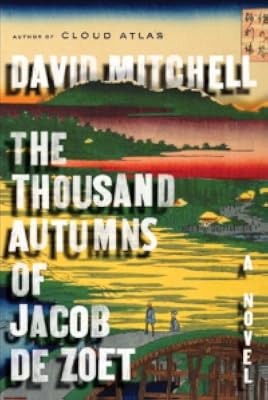
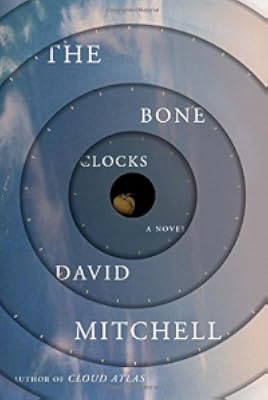
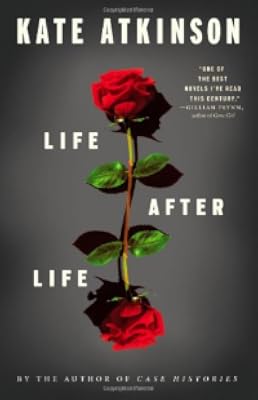
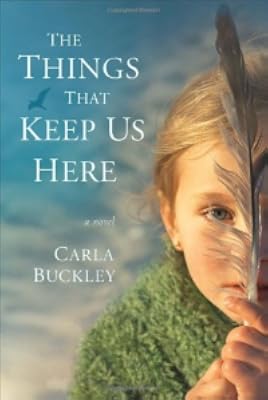
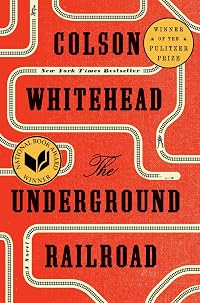
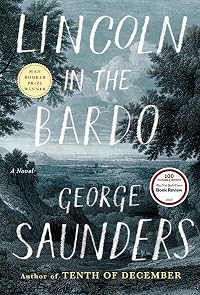
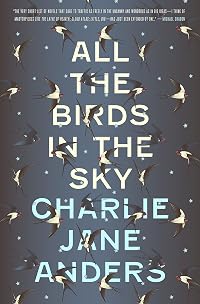
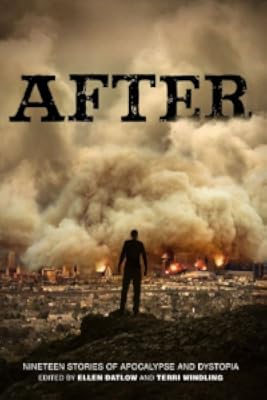
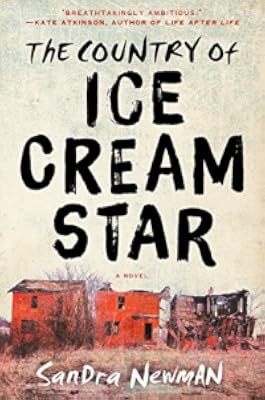
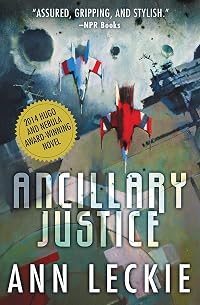
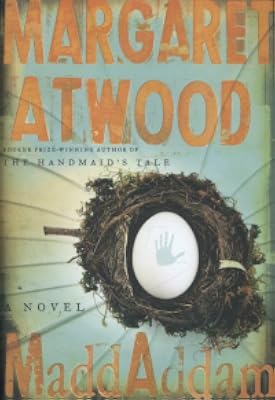
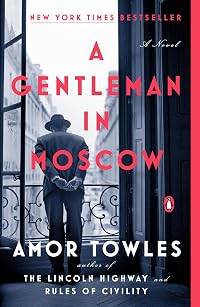
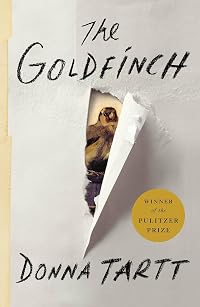
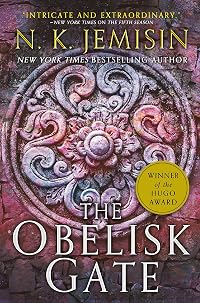
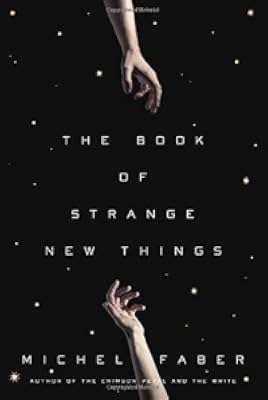
RidgewayGirl Both books are inventive dystopian novels of a future after a pandemic collapses civilization.
140
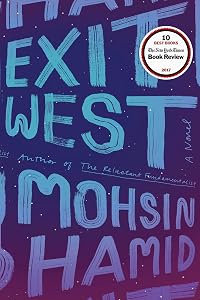
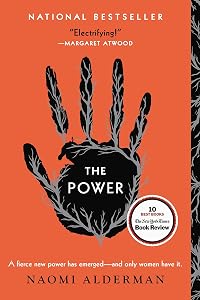
Rubbah Both amazing books featuring dangerous flu like viruses and how people cope in emergency situations
110

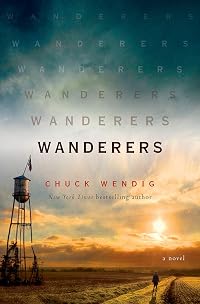
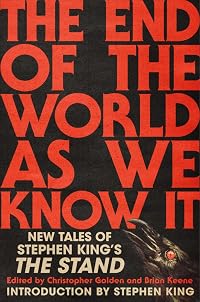
BookshelfMonstrosity An ensemble cast of flu survivors journey across the U.S. and through the remains of civilization to fulfill their fated roles in these novels. The Stand is more graphic and action-packed, with a clear theme of good vs. evil.
100
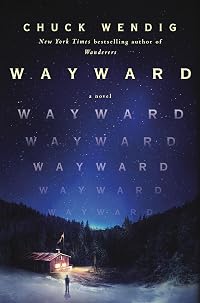
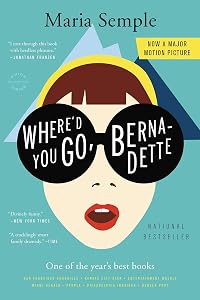
anonymous user Dystopian North America with a strong female protagonist
52
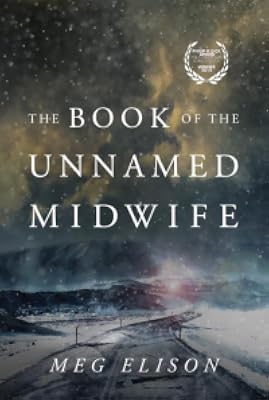
pitjrw Muses on memory and the role of art specifically drama set respectively in the alien past and the horrific near future.
20

LDVoorberg Both are dystopia
JuliaMaria Kanadische Literatur, Schauspieler*innen und Shakespeare spielen eine wichtige Rolle
sturlington These are both interesting contemporary works of speculative fiction that play with time and structure.
Member Reviews
This is a wonderful book.
The kind of book you want to lend to people so you can have another person to talk to about it.
The kind of book that you recognize yourself in and wonder whether you should change the way you live.
The kind of book that you rotate in your mind like a gem, just to watch all the facets of the story and the story-telling and the imagery and the cultural connection points, sparkle as your attention focuses on them.
The kind of book that makes you cry without embarrassment.
And yet, I almost didn’t read it because the publisher’s summary reads:
“An audacious, darkly glittering novel set in the eerie days of civilization’s collapse, Station Eleven tells the spellbinding story of a Hollywood star, his would-be show more savior, and a nomadic group of actors roaming the scattered outposts of the Great Lakes region, risking everything for art and humanity.”
Having read the book, I barely recognize this description of it. Did they not read novel? Did they not understand it? Or did they think that bland and mushy would sell better?
“Eerie days of civilization’s collapse” – try brutal and overwhelming and grief-stricken and absolutely terrifying.
“a nomadic group of actors … risking everything for art and humanity” – this is so far off the point that it makes me want to scream. Nowhere in the world they live in is safe. They do what they do because it allows them to live in the relative safety of a group, enables them to create a “family” of musicians and actors, lets them practice the skills that make them who they are, takes them away from the violence they sometimes have to commit and, as it says on the side of one of their caravans: “Because Survival Is Not Sufficient.”
So what is “Station Eleven” really like?
It’s non-linear and lyrical. The structure of the story reminded me of songs where a chorus repeats but with one or two words changing each time so that the message in not only new and different but all the choruses act together like a chord or perhaps a riff, that sticks in the memory and makes you want to tap your feet. We circle back many times to the same scenes but from a different character’s point of view and with knowledge that was not available to us the last time we visited the scene. Meaning shifts, perceptions of characters alter, the scene itself takes on the quality of a memory that has mutated into a family story, more lore than fact, packed with more meaning than data.
At one points the narrator says: “A life, remembered, is a series of photographs and disconnected short films.” Much of “Station Eleven” is like that: collages of images that the reader forms into patterns, comic book pages where the colors and shapes and the relative size of the panels carry the story while the text is a decorative highlight.
“Station Eleven” braids strands of cultural references, from “Star Trek Voyager”, source of the “Because Survival Is Not Sufficient” quote, through TV Guides and gossip magazines, to Shakespeare’s plays, and live classical music, to create a bright new world full of hope, threat and sorrow.
“Station Eleven” lacquers theme over theme, achieving the rich patina of a Japanese pagoda: the performance of “King Lear” that starts the book – a man made mad by the loss of his world – plastic snow falling as the actor dies, echoed by the plastic snow in the snow globe in the airport that provokes a long chain of thought about all the people involved in getting it there. The mutation from “Because Survival Is Not Sufficient” to a musician's decision to write a play “Because Shakespeare Is Not Sufficient”. The impact that the graphic novel, “Station Eleven” has on the woman who wrote it, the children who received the only two copies to survive – one an actress with throwing knives in her belt, the other a prophet with death in his heart. The power of theatre in the old world and the new to lift people above the everyday and unlock the emotions that necessity and expedience have bound and imprisoned.
“Station Eleven” uses the device of a world twenty years after a pandemic has killed almost everyone on the planet to show us the fragile beauty and improbable complexity of the world we live in every day.
Sometimes it evokes sorrow, with people focusing on what was lost – the last ice-cream they had, the last plane that actually flew them somewhere, the last phone call that they made, which they wasted on their boss yet never got to say goodbye to their family. The sorrow mirrors the scene in the graphic novel where Dr Eleven says “I stood looking over my damaged home and tried to forget the sweetness of life on Earth.” and the feeling of the people of Undersea who cannot bear their new world and just want to go home.
Sometimes, when looking at a night sky, free of light pollution and thick with stars, or when we watch a deer pause and then enter a silent forest and understand the “beauty of this world where almost everyone was gone”, we experience not loss but release from all the day to day things that were once so important and have now become objects in a museum, whose purpose and function seems less and less believable over time. Then we can look back with Miranda and say: “This life was never ours…we were only ever borrowing it.”
The accuracy of some parts of the book made me flinch. My job is so close to Clarke’s that it hit hard when a person he is interviewing helps him realize that he is sleep-walking through his life, doing something that he doesn’t hate but which leaves him numb and, beneath the numbness, perhaps a little angry. The feeling fits me like a well worn in shoe and makes me long to go barefoot.
“Station Eleven” got under my skin: the beauty of the language, the elegant strength of the woven storylines, the humanity of the characters, the transformation of our normal world into something magical and precious, the presentation of a future world that is one part loss, one part violence and two parts hope, the recognition that hell is not other people but the absence of those we love.
With a book like this, there is no substitute for the text. Read it. Tell everyone what you thought about it. show less
The kind of book you want to lend to people so you can have another person to talk to about it.
The kind of book that you recognize yourself in and wonder whether you should change the way you live.
The kind of book that you rotate in your mind like a gem, just to watch all the facets of the story and the story-telling and the imagery and the cultural connection points, sparkle as your attention focuses on them.
The kind of book that makes you cry without embarrassment.
And yet, I almost didn’t read it because the publisher’s summary reads:
“An audacious, darkly glittering novel set in the eerie days of civilization’s collapse, Station Eleven tells the spellbinding story of a Hollywood star, his would-be show more savior, and a nomadic group of actors roaming the scattered outposts of the Great Lakes region, risking everything for art and humanity.”
Having read the book, I barely recognize this description of it. Did they not read novel? Did they not understand it? Or did they think that bland and mushy would sell better?
“Eerie days of civilization’s collapse” – try brutal and overwhelming and grief-stricken and absolutely terrifying.
“a nomadic group of actors … risking everything for art and humanity” – this is so far off the point that it makes me want to scream. Nowhere in the world they live in is safe. They do what they do because it allows them to live in the relative safety of a group, enables them to create a “family” of musicians and actors, lets them practice the skills that make them who they are, takes them away from the violence they sometimes have to commit and, as it says on the side of one of their caravans: “Because Survival Is Not Sufficient.”
So what is “Station Eleven” really like?
It’s non-linear and lyrical. The structure of the story reminded me of songs where a chorus repeats but with one or two words changing each time so that the message in not only new and different but all the choruses act together like a chord or perhaps a riff, that sticks in the memory and makes you want to tap your feet. We circle back many times to the same scenes but from a different character’s point of view and with knowledge that was not available to us the last time we visited the scene. Meaning shifts, perceptions of characters alter, the scene itself takes on the quality of a memory that has mutated into a family story, more lore than fact, packed with more meaning than data.
At one points the narrator says: “A life, remembered, is a series of photographs and disconnected short films.” Much of “Station Eleven” is like that: collages of images that the reader forms into patterns, comic book pages where the colors and shapes and the relative size of the panels carry the story while the text is a decorative highlight.
“Station Eleven” braids strands of cultural references, from “Star Trek Voyager”, source of the “Because Survival Is Not Sufficient” quote, through TV Guides and gossip magazines, to Shakespeare’s plays, and live classical music, to create a bright new world full of hope, threat and sorrow.
“Station Eleven” lacquers theme over theme, achieving the rich patina of a Japanese pagoda: the performance of “King Lear” that starts the book – a man made mad by the loss of his world – plastic snow falling as the actor dies, echoed by the plastic snow in the snow globe in the airport that provokes a long chain of thought about all the people involved in getting it there. The mutation from “Because Survival Is Not Sufficient” to a musician's decision to write a play “Because Shakespeare Is Not Sufficient”. The impact that the graphic novel, “Station Eleven” has on the woman who wrote it, the children who received the only two copies to survive – one an actress with throwing knives in her belt, the other a prophet with death in his heart. The power of theatre in the old world and the new to lift people above the everyday and unlock the emotions that necessity and expedience have bound and imprisoned.
“Station Eleven” uses the device of a world twenty years after a pandemic has killed almost everyone on the planet to show us the fragile beauty and improbable complexity of the world we live in every day.
Sometimes it evokes sorrow, with people focusing on what was lost – the last ice-cream they had, the last plane that actually flew them somewhere, the last phone call that they made, which they wasted on their boss yet never got to say goodbye to their family. The sorrow mirrors the scene in the graphic novel where Dr Eleven says “I stood looking over my damaged home and tried to forget the sweetness of life on Earth.” and the feeling of the people of Undersea who cannot bear their new world and just want to go home.
Sometimes, when looking at a night sky, free of light pollution and thick with stars, or when we watch a deer pause and then enter a silent forest and understand the “beauty of this world where almost everyone was gone”, we experience not loss but release from all the day to day things that were once so important and have now become objects in a museum, whose purpose and function seems less and less believable over time. Then we can look back with Miranda and say: “This life was never ours…we were only ever borrowing it.”
The accuracy of some parts of the book made me flinch. My job is so close to Clarke’s that it hit hard when a person he is interviewing helps him realize that he is sleep-walking through his life, doing something that he doesn’t hate but which leaves him numb and, beneath the numbness, perhaps a little angry. The feeling fits me like a well worn in shoe and makes me long to go barefoot.
“Station Eleven” got under my skin: the beauty of the language, the elegant strength of the woven storylines, the humanity of the characters, the transformation of our normal world into something magical and precious, the presentation of a future world that is one part loss, one part violence and two parts hope, the recognition that hell is not other people but the absence of those we love.
With a book like this, there is no substitute for the text. Read it. Tell everyone what you thought about it. show less
This book was initially recommended to me by a professor who wanted to include it in our tragedy class, but cut it for time. And let me tell you, this book was not the easiest thing to read in 2022. The writing style and story were beautiful, but the content hit a bit close to home.
Emily St. John Mandel's writing style in this book is succinct yet elegant. She keeps it simple, but this never detracts from the emotions of the story. If anything, the reserved quality makes you feel the emotions more. I don't often cry over books, but one scene had me sobbing with only a few sentences and an implication.
She handles the multiple plot lines with just as much grace. The stories of Arthur, Kirsten (a traveling actress who was only a kid when show more the pandemic began), Jeevan (a former paparazzo who tries to save Arthur's life), Miranda (Arthur's ex-wife and comic artist), and Clark (Arthur's old friend) are beautifully woven together to create a rich narrative. And while I have seen some reviews upset that not of the plot lines and characters came together in the end, I think that its the mark of a mature narrative. Realistically, the chances of all of them meeting in the end is unlikely, and part of the beauty of this book is the harsh realism.
This book tackles a lot of hard questions. What is the point of art in crisis? How do we survive? Why do we survive? What do we know when everything we have known is gone? While COVID-19 is not as bad as the Georgian Flu, these questions still resonate for us, especially those of us who lost people or have been permanently affected by the virus.
This book can be a hard read for people, but I would definitely recommend it. show less
Emily St. John Mandel's writing style in this book is succinct yet elegant. She keeps it simple, but this never detracts from the emotions of the story. If anything, the reserved quality makes you feel the emotions more. I don't often cry over books, but one scene had me sobbing with only a few sentences and an implication.
She handles the multiple plot lines with just as much grace. The stories of Arthur, Kirsten (a traveling actress who was only a kid when show more the pandemic began), Jeevan (a former paparazzo who tries to save Arthur's life), Miranda (Arthur's ex-wife and comic artist), and Clark (Arthur's old friend) are beautifully woven together to create a rich narrative.
This book tackles a lot of hard questions. What is the point of art in crisis? How do we survive? Why do we survive? What do we know when everything we have known is gone? While COVID-19 is not as bad as the Georgian Flu, these questions still resonate for us, especially those of us who lost people or have been permanently affected by the virus.
This book can be a hard read for people, but I would definitely recommend it. show less
Incredible book, feels so unique compared to other apocalyptic stories I've read. The writing feels so natural and interesting that even during chapters that I felt weren't plot heavy, I still couldn't put the book down. This is a novel I could have read in 1 or 2 sessions, I was that drawn in.
I loved the flashbacks and the connections among the main characters. Arthur was such an interesting figure, tragic, a blowhard yet I always understood why he made the choices he did. Incredible atmosphere and melancholy, and obviously the book hits harder now that we've lived through our own pandemic.
I loved the flashbacks and the connections among the main characters. Arthur was such an interesting figure, tragic, a blowhard yet I always understood why he made the choices he did. Incredible atmosphere and melancholy, and obviously the book hits harder now that we've lived through our own pandemic.
This book holds a deep quiet. The story is unerringly beautiful (even in maudlin moments), but the prose is dark, intricate, deliberate. It wends its way, unhurried, between sprawling images. A child reads the bible to Schrodinger's airplane. A woman gazes at container ships at the end of the world. Dawns and dusks melt into each other with each perspective, and readers are left knowing only that there is beauty in vulnerable persistence, in the growth at the end of destruction.
Normally, I would not recommend reading pandemic fiction during the covid-19 crisis. But tonight, the evening after the first American inauguration putting a woman in our highest offices, this book breathes. Tonight, after the first of my friends and family show more members have been vaccinated, I read "survival is insufficient," and I smile. Tonight, Station Eleven brings to mind all the work we have done, not to go back to normal, but to be better. We will be better. show less
Normally, I would not recommend reading pandemic fiction during the covid-19 crisis. But tonight, the evening after the first American inauguration putting a woman in our highest offices, this book breathes. Tonight, after the first of my friends and family show more members have been vaccinated, I read "survival is insufficient," and I smile. Tonight, Station Eleven brings to mind all the work we have done, not to go back to normal, but to be better. We will be better. show less
Emily St. John Mandel gives us a post-apocalyptic society that collapses in an all-too-plausible manner -- a flu that spreads around the globe within days and kills over 90 percent of the population within weeks -- and explores the aftermath twenty years later through a group called the Travelling Symphony. Taking their motto from Star Trek: Voyager ("Survival is insufficient"), they travel around the Great Lakes and perform Shakespeare and classical concerts in the towns that have sprung up following the collapse. The story is peopled with lots of interesting characters, including Arthur Leander, the King Lear whose on-stage death in Toronto is the beginning of the end; Kirsten Raymonde, a child actor who was on stage with Arthur and show more doesn't really remember much of life before the apocalypse; and Jeevan Chauhadry, a trainee paramedic and former paparazzo who rushes to Arthur's aid. There are many others whom these three meet over the course of the novel.
The atmosphere throughout is spooky, and it provides much food for thought. The San Francisco Chronicle review quoted on the back of my copy comments on how this book reminds us "how paper-thin the achievements of civilization are", and it's true. With one yank of the electrical grid, and with a significant amount of the population unable to carry out their regular duties, what we call civilization will grind to a halt in a very short time. It's frightening to think of. And it's weird to be writing this review on a computer after having written notes on an iPhone; both of these devices would be useless in the environment of Station Eleven.
In terms of the usual post-apocalyptic tropes and fearsome aspects, I am very glad that there was not too much dwelling on the extra potential dangers for women (i.e. rape and sexual slavery). They are not ignored, but they are not given pages upon pages of graphic details. Instead, the focus is on the struggle to survive against the elements and in the face of dwindling supplies, and the ability of people to band together and make the most of things, including the creation of a "Museum of Civilization" (which, much to my amusement, I thought was in Ottawa/Gatineau at first, because that is the former name of the Canadian Museum of History).
The story itself jumps around in time and between characters a fair bit, making it potentially confusing if you're not paying attention, but each segment is well realized and adds another piece to the puzzle. There are a few "aha!" moments that are satisfying, and the story ends on a nice contemplative note.
This was a very good story overall. Probably not my best of the year, but certainly well worth reading if you like your post-apocalypse without disgusting zombies or you like to think about the sometimes unlikely connections and coincidences that bind us together or send us on the paths we take. show less
The atmosphere throughout is spooky, and it provides much food for thought. The San Francisco Chronicle review quoted on the back of my copy comments on how this book reminds us "how paper-thin the achievements of civilization are", and it's true. With one yank of the electrical grid, and with a significant amount of the population unable to carry out their regular duties, what we call civilization will grind to a halt in a very short time. It's frightening to think of. And it's weird to be writing this review on a computer after having written notes on an iPhone; both of these devices would be useless in the environment of Station Eleven.
In terms of the usual post-apocalyptic tropes and fearsome aspects, I am very glad that there was not too much dwelling on the extra potential dangers for women (i.e. rape and sexual slavery). They are not ignored, but they are not given pages upon pages of graphic details. Instead, the focus is on the struggle to survive against the elements and in the face of dwindling supplies, and the ability of people to band together and make the most of things, including the creation of a "Museum of Civilization" (which, much to my amusement, I thought was in Ottawa/Gatineau at first, because that is the former name of the Canadian Museum of History).
The story itself jumps around in time and between characters a fair bit, making it potentially confusing if you're not paying attention, but each segment is well realized and adds another piece to the puzzle. There are a few "aha!" moments that are satisfying, and the story ends on a nice contemplative note.
This was a very good story overall. Probably not my best of the year, but certainly well worth reading if you like your post-apocalypse without disgusting zombies or you like to think about the sometimes unlikely connections and coincidences that bind us together or send us on the paths we take. show less
I will admit I had seen the show prior to reading the novel. Going into this novel, I had an idea of what I could possibly expect, but wasn't entirely sure what would be given. Station Eleven delivers a non-linear story revolving around a set group of people that intertwine throughout life. Through the glue that is acting, a comic book, and a paperweight, we see how the lives of 7 people interact even after an apocalyptic pandemic.
Emily St. John Mandel beautifully told a story that not only seemed incredibly personal and human in the formatting and structure, but also in the story itself. This isn't a grand story intent on having this big survival craziness targeting the horrors of humanity. This is a simple story of the neutrality, show more goodness, and sometimes harsh horrifying breaks within humanity. The one thing that keeps going is forms of art and through that art, we see humanity gain hope as it comes together, rebuilds, and grows. show less
Emily St. John Mandel beautifully told a story that not only seemed incredibly personal and human in the formatting and structure, but also in the story itself. This isn't a grand story intent on having this big survival craziness targeting the horrors of humanity. This is a simple story of the neutrality, show more goodness, and sometimes harsh horrifying breaks within humanity. The one thing that keeps going is forms of art and through that art, we see humanity gain hope as it comes together, rebuilds, and grows. show less
"The more you remember, the more you've lost." - Emily St. John Mandel, "Station Eleven"
Others ask, is it better to have loved and lost than never to have loved at all? Emily St. John Mandel repeatedly asks a slightly different question in her post-apocalyptic novel "Station Eleven." Are those who remember the world before civilization ended better or worse off than those who don't?
The question is raised by many different characters in many different ways in the years after the Georgia Flu kills 99.9 percent of the world's population. The only survivors are those who are either immune to the virus or happen to be so isolated that they miss the contagion altogether. So many people are killed that the ability to do everything from produce show more energy to manufacture virtually anything is lost. People gather into traveling bands, the strong preying on the weak, with everyone constantly searching for food.
As years pass, older people still fondly remember airplanes, computers, cell phones and televisions. Those who are younger remember little or nothing about the civilization that was lost, although a museum established in an abandoned airport gives them some idea. So who is better off? "We long only for the world we were born into," one character says, a commentary most of us can relate to after a certain stage of life, with or without an apocalypse.
Two key characters were small children when civilization ended. The girl, one of the novel's more positive characters, remembers very little of those days. Of the boy, the story's villain, she wonders if he "had had the misfortune of remembering everything."
The story is framed by literature, Shakespeare on one end and a graphic novel called "Station Eleven" on the other. The latter, created by one of the main characters, tells of a space station that has been traveling to distant stars for so many years that the crew has no memory of Earth, the planet where their flight originated. Station Eleven is the world they were born into.
As for William Shakespeare, he was living at the time of the Bubonic Plague, and his work was influenced by it. "Station Eleven" opens with a production of one of Shakespeare's plays in Toronto just before the Georgia Flu strikes, and afterward one of the roving bands performs his plays on their travels, mostly through what once was Michigan. Computers, cell phones and televisions may no longer be operable, but if Shakespeare survives, can civilization be truly said to have died? show less
Others ask, is it better to have loved and lost than never to have loved at all? Emily St. John Mandel repeatedly asks a slightly different question in her post-apocalyptic novel "Station Eleven." Are those who remember the world before civilization ended better or worse off than those who don't?
The question is raised by many different characters in many different ways in the years after the Georgia Flu kills 99.9 percent of the world's population. The only survivors are those who are either immune to the virus or happen to be so isolated that they miss the contagion altogether. So many people are killed that the ability to do everything from produce show more energy to manufacture virtually anything is lost. People gather into traveling bands, the strong preying on the weak, with everyone constantly searching for food.
As years pass, older people still fondly remember airplanes, computers, cell phones and televisions. Those who are younger remember little or nothing about the civilization that was lost, although a museum established in an abandoned airport gives them some idea. So who is better off? "We long only for the world we were born into," one character says, a commentary most of us can relate to after a certain stage of life, with or without an apocalypse.
Two key characters were small children when civilization ended. The girl, one of the novel's more positive characters, remembers very little of those days. Of the boy, the story's villain, she wonders if he "had had the misfortune of remembering everything."
The story is framed by literature, Shakespeare on one end and a graphic novel called "Station Eleven" on the other. The latter, created by one of the main characters, tells of a space station that has been traveling to distant stars for so many years that the crew has no memory of Earth, the planet where their flight originated. Station Eleven is the world they were born into.
As for William Shakespeare, he was living at the time of the Bubonic Plague, and his work was influenced by it. "Station Eleven" opens with a production of one of Shakespeare's plays in Toronto just before the Georgia Flu strikes, and afterward one of the roving bands performs his plays on their travels, mostly through what once was Michigan. Computers, cell phones and televisions may no longer be operable, but if Shakespeare survives, can civilization be truly said to have died? show less
Members
- Recently Added By
Published Reviews
ThingScore 83
Station Eleven is not so much about apocalypse as about memory and loss, nostalgia and yearning; the effort of art to deepen our fleeting impressions of the world and bolster our solitude. Mandel evokes the weary feeling of life slipping away, for Arthur as an individual and then writ large upon the entire world.
added by zhejw
Survival may indeed be insufficient, but does it follow that our love of art can save us? If “Station Eleven” reveals little insight into the effects of extreme terror and misery on humanity, it offers comfort and hope to those who believe, or want to believe, that doomsday can be survived, that in spite of everything people will remain good at heart, and that when they start building a show more new world they will want what was best about the old. show less
added by zhejw
Mandel’s solid writing and magnetic narrative make for a strong combination in what should be a breakout novel.
added by sturlington
Lists

Recommend the 20 best books you've read in the last five years
2,168 works; 602 members

Favorite Science Fiction by Women Authors
737 works; 196 members

Best Science Fiction Novels
816 works; 430 members

Best Dystopias
280 works; 271 members

Best Contemporary Literary Fiction (Around the Last 30 Years)
388 works; 124 members

2015 Tournament of Books
16 works; 19 members

Best 21st Century Books (So Far)
670 works; 86 members

Best Post-Apocalyptic Stories
143 works; 88 members

Favourite Women's Prize for Fiction, Orange & Bailey's Prize contenders
132 works; 52 members
Your favorite books from the 2015 Baileys Women's Prize for Fiction
20 works; 13 members

Top Five Books of 2015
811 works; 241 members

Female Author
1,235 works; 67 members

National Book Award Finalists 2014
20 works; 16 members
Top Five Books of 2014
1,064 works; 398 members

Top Five Books of 2020
982 works; 348 members

Favourite Books
1,819 works; 310 members

Books Set in Canada
80 works; 16 members

Top Five Books of 2022
736 works; 272 members

NPR Summer 2021: 50 Favorite Sci-Fi And Fantasy Books Of The Past Decade
50 works; 8 members

Top Five Books on LibraryThing
24 works; 7 members
Top Five Books of 2016
795 works; 229 members
Female Protagonist
1,056 works; 57 members

Dystopian and Apocalyptic Literature
350 works; 74 members

Top Five Books of 2017
757 works; 231 members
National Book Award Finalists - Fiction
377 works; 12 members

Books I've Read More Than Once
602 works; 49 members

Top Five Books of 2021
604 works; 180 members
2015 Notable Books for Adults
26 works; 4 members
Top Five Books of 2018
802 works; 265 members
It's the end of the world as we know it!
90 works; 23 members

Books Read in 2015
3,299 works; 129 members
LibraryThingers' 1001 Books You Must Read Before You Die
442 works; 30 members

Bookriot's 100 Must-Read Sci-Fi Fantasy Novels By Female Authors
100 works; 9 members

Unread books
1,063 works; 87 members

Pen/Faulkner Winners and Finalists
178 works; 9 members
New Authors to Read
21 works; 3 members

Canada Reads Winners and Nominees
129 works; 9 members
Science Fiction by female authors
43 works; 4 members

Globe and Mail | Canadian Fiction: Jan. 29, 2022
10 works; 2 members

Phi Beta Kappa reading list
260 works; 8 members
Recommended Speculative Fiction by Women and People of Color
298 works; 45 members
Arthur C. Clarke Award Winners and Shortlisted Books
219 works; 14 members

An End of the World Reading List
63 works; 4 members
Science Fiction
42 works; 7 members

CBC's Great Canadian Reading List
149 works; 5 members

Books Read in 2017
4,249 works; 130 members

Dublin Literary Award Longlist 2016
148 works; 4 members
Books Read in 2016
4,666 works; 197 members

BbBooBooks
28 works; 2 members

2016 Book Club Choices
52 works; 7 members
Unbound Worlds 100 Best SF Books
100 works; 8 members

Books With Numbers in the Title
308 works; 13 members

Books Read in 2020
4,379 works; 123 members

Dystopian Novels you should read
25 works; 2 members
Overdue Podcast
806 works; 9 members

Best Survival Stories
97 works; 15 members

Books Read in 2022
5,166 works; 112 members

Otherland Book Club
36 works; 2 members

Speculative Fiction to Read
706 works; 32 members

BingoDOG 2015 Challenge
49 works; 3 members
SantaThing 2014 Gifts
299 works; 17 members
Reading Group 2015 Summer
4 works; 1 member

SFFCat 2015
35 works; 1 member

Most Frequently Tagged "Read in 2015"
70 works; 1 member

BF: 31 Books You Won't Be Able To Stop Thinking About
8 works; 2 members

.
184 works; 1 member

Reading Glasses Podcast
410 works; 3 members

Top Five Books of 2023
767 works; 317 members

Book of the Month Selections 2016 to Present
130 works; 5 members
Post Apocalyptic Novels
41 works; 1 member
Canadian Historical Fiction 🇨🇦
157 works; 8 members

Books We Discovered On LibraryThing
530 works; 130 members

C'ville Page Turners
6 works; 1 member

Evergreen Award™ Winners and Nominees 2005–2024
200 works; 3 members

Widely acclaimed, one book per year
105 works; 3 members

NYT Readers best of 21st C
100 works; 8 members
Books We Couldn't Put Down
443 works; 197 members

Books read in 2014
66 works; 1 member
Books We Love to Reread
688 works; 296 members

Globe and Mail | Canadian Fiction: April 29, 2023
10 works; 1 member

Top Book of the Year - 2010s
10 works; 1 member
NYT 100 best books of 21st C
100 works; 31 members

Top Five Books of 2024
795 works; 264 members

READ in 2024
262 works; 1 member

Fiction Books Worthy of Reading Again
37 works; 1 member

Canada
42 works; 3 members

Globe and Mail | Canadian Fiction: April 22, 2023
10 works; 1 member
BB: 11 Books You Wish Would Never End
4 works; 1 member

Kirkus Reviews Best Fiction of 2014
100 works; 7 members

KayStJ's to-read list
1,616 works; 11 members
Favorite Books Published in 2014
27 works; 7 members

Allie's 2015 Reading List
33 works; 1 member
io9 Book Club
70 works; 4 members

thinking of reading in 2016
99 works; 1 member
Books read in 2015
213 works; 5 members
Novels Featuring Actors and the Theater
4 works; 1 member
Dystopia Must-Reads
18 works; 2 members
Globe and Mail | Canadian Fiction: April 15, 2023
10 works; 1 member
Speculative Fiction
40 works; 2 members

Books Read in 2019
4,052 works; 108 members
Viral Outbreaks and Pandemics
82 works; 8 members

Books Read in 2021
5,361 works; 113 members

2021
26 works; 1 member

Globe and Mail | Canadian Fiction: February 11, 2023
10 works; 1 member

Globe and Mail | Canadian Fiction: March 18, 2023
10 works; 1 member
Globe and Mail | Canadian Fiction: April 1, 2023
10 works; 1 member
Globe and Mail | Canadian Fiction: April 8, 2023
10 works; 1 member
Favorite Science Fiction
456 works; 218 members
Talk Discussions
Past Discussions
Found: SciFi/Fan pandemic in Name that Book (September 2021)
Author Information

Emily St. John Mandel was born in British Columbia, Canada. She is a staff writer for The Millions. She has written several novels including Last Night in Montreal, The Singer's Gun, The Lola Quartet, and Station Eleven. Her work has appeared in numerous anthologies including The Best American Mystery Stories 2013 and Venice Noir. In 2015, her show more novel, Station Eleven, was on the New York Times bestseller list and was nominated for the PEN/Faulkner Award for Fiction 2015. In the same year she won the 2015 Arthur C. Clarke Award for science-fiction writing for her novel Statio Eleven. (Bowker Author Biography) show less
Emily St. John Mandel is a LibraryThing Author, an author who lists their personal library on LibraryThing.
Some Editions
Awards and Honors
Awards
Distinctions
Series
Belongs to Publisher Series
Work Relationships
Common Knowledge
- Canonical title*
- Station eleven
- Original title
- Station Eleven
- Original publication date
- 2014-09-09
- People/Characters
- Arthur Leander; Kirsten Raymonde; Clark Thompson; Jeevan Chaudhary; Miranda Carroll; Elizabeth Colton (show all 16); Sayid; Dieter; Frank Chaudhary; Tyler Leander; Lydia Marks; August; Francois Diallo; Gary Heller; Luli (dog); Tanya Gerard
- Important places
- Ontario, Canada; Toronto, Ontario, Canada; Los Angeles, California, USA; Malaysia; Great Lakes region, USA; Michigan, USA
- Important events
- Georgia Flu Pandemic
- Related movies
- Station Eleven (2021 | IMDb)
- Epigraph
- The bright side of the planet moves toward darkness
And the cities are falling asleep, each in its hour,
And for me, now as then, it is too much.
There is too much world.
—Czeslaw Milosz
The Separate Noteb... (show all)ooks - Dedication
- In Memory of Emilie Jacobson
- First words
- The king stood in a pool of blue light, unmoored. This was act 4 of King Lear, a winter night at the Elgin Theatre in Toronto.
- Quotations
- Jeevan's understanding of disaster preparedness was based entirely on action movies, but on the other hand, he'd seen a lot of action movies.
There had always been a massive delicate infrastructure of people, all of them working unnoticed around us, and when people stop going to work, the entire operation grinds to a halt.
I was here for the end of electricity.
He would jettison everything that could possibly be thrown overboard, this weight of money and possessions, and in this casting off he'd be a lighter man.
We traveled so far and your friendship meant everything. It was very difficult, but there were moments of beauty. Everything ends. I am not afraid.
All three caravans of the Traveling Symphony are labeled as such, The Traveling Symphony lettered in white on both sidesbut the lead caravan carries an additionals line of text: Because survival is insufficient. (p. 58)
A deer crossed the road ahead and paused to look at them before it vanished into the trees. The beauty of this world where almost everyone was gone. If hell is other people, what is a world with almost no people in it? Perhap... (show all)s soon humanity would simply flicker out, but Kirsten found this thought more peaceful than sad. (p. 148)
Not just the famous ones who everyone knows, the Clark Gables, the Ava Gardners, but the bit players, the maid carrying the tray, the butler, the cowboys in the bar, the third girl from the left in the night-club. They're all... (show all) immortal to me. First we only want to be seeen, but once we're seen, that's not enough anymore. After that, we want to be remembered. (p. 187) - Last words
- (Click to show. Warning: May contain spoilers.)He likes the thought of ships moving over the water, toward another world just out of sight.
- Publisher's editor
- Jackson, Jenny (Knopf); Jonathan, Sophie (Picador UK); Lambert, Jennifer (HarperCollins Canada)
- Blurbers
- Morgenstern, Erin; deWitt, Patrick; Straub, Emma; Beukes, Lauren; Klaussmann, Liza; Burton, Jessie (show all 7); Patchett, Ann
- Original language
- English
- Canonical DDC/MDS
- 813.6
- Canonical LCC
- PR9199.4.M3347
*Some information comes from Common Knowledge in other languages. Click "Edit" for more information.
Classifications
Statistics
- Members
- 14,685
- Popularity
- 491
- Reviews
- 874
- Rating
- (4.07)
- Languages
- 17 — Danish, Dutch, English, Estonian, Finnish, French, German, Greek, Hungarian, Italian, Norwegian (Bokmål), Polish, Portuguese, Romanian, Spanish, Swedish, Chinese, traditional
- Media
- Paper, Audiobook, Ebook
- ISBNs
- 75
- ASINs
- 21