
On This Page
Description
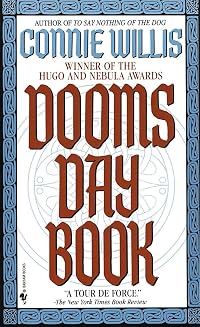
"A tour de force."- The New York Times Book Review Connie Willis draws upon her understanding of the universalities of human nature to explore the ageless issues of evil, suffering, and the indomitable will of the human spirit. For Kivrin, preparing an on-site study of one of the deadliest eras in humanity's history was as simple as receiving inoculations against the diseases of the fourteenth century and inventing an alibi for a woman traveling alone. For her instructors in the show more twenty-first century, it meant painstaking calculations and careful monitoring of the rendezvous location where Kivrin would be received. But a crisis strangely linking past and future strands Kivrin in a bygone age as her fellows try desperately to rescue her. In a time of superstition and fear, Kivrin-barely of age herself-finds she has become an unlikely angel of hope during one of history's darkest hours. show lessTags
Recommendations

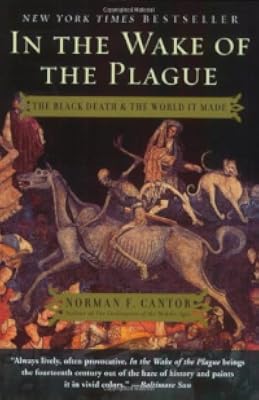
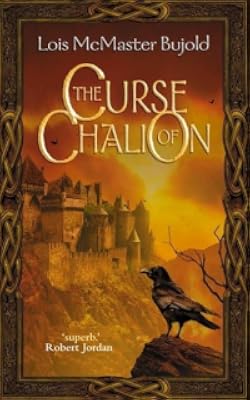
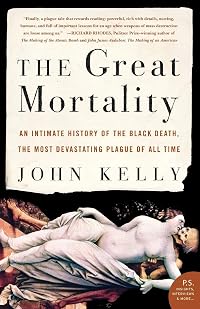
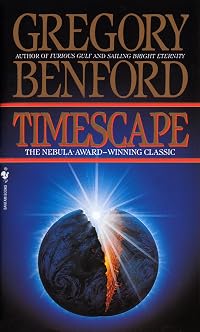
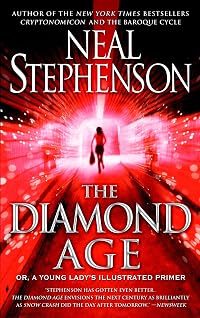
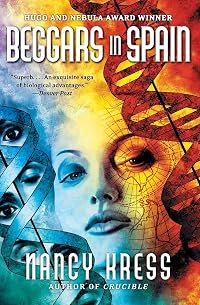
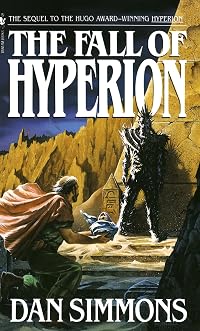
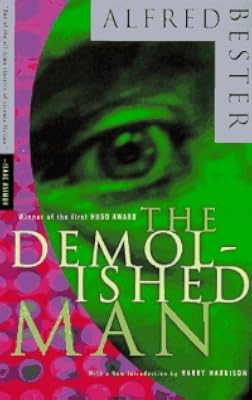
Member Recommendations
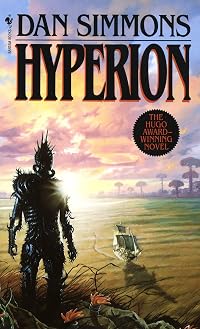
amberwitch A much lighter story set in the same universe.
Othemts To Say Nothing of the Dog is a more light-hearted time travel adventure which is sort of a sequel to Doomsday Book. Both are excellent, enjoyable novels.
Also recommended by Patangel
283
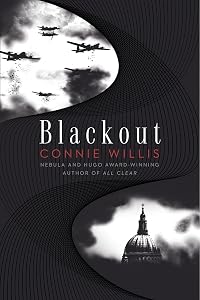
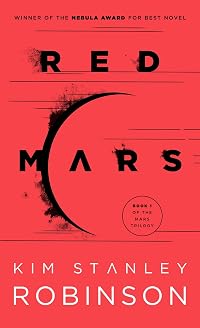
bell7 Some characters return in this story, set in 1944 England, and involving similar themes of how people react in a crisis.
173
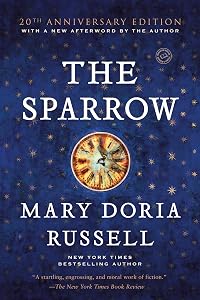
Ape Far from identical stories, but both are sci-fi takes on the black death (Eifelheim: Aliens, Doomsday Book: Time Travel.) There are numerous similarities, and I think if you like one the other might be worth looking into.
112
The Time Traveler's Guide to Medieval England: A Handbook for Visitors to the Fourteenth Century by Ian Mortimer
Sakerfalcon A non-fiction book about everyday life in C14th England, written as though you the reader are there. Kivrin would have found this essential reading to prepare for her journey into the past.
70

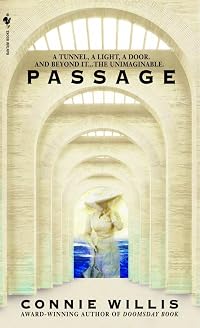
Rubbah Both amazing books featuring dangerous flu like viruses and how people cope in emergency situations
41
Aug3Zimm Time travel to the past as part of educational study
20

the_awesome_opossum The Annals of Ireland was referenced and quoted a few times in Doomsday Book
10
aulsmith Two books that depict how communities deal with plagues.
anonymous user This is another book that really brings a period of history to life around you.
12
by Othemts
Member Reviews
Time travel is a very hackneyed concept in science fiction. After all it was done first, and arguably best, by H.G.Wells in The Time Machine, more than a century ago. But Connie Willis has managed to grab hold of the idea and make it interesting again.
In Willis’ near-term future (2054 AD), time travel has been invented and is in the hands of academics at Oxford University. Doomsday Book details a research trip to the early 1300s to investigate mediaeval life and settle academic questions about the way the English language was spoken.
But things go horribly wrong and the time-traveller, a young woman called Kivrin, ends up arriving at a time right when the Black Death hits England. Co-incidentally, an epidemic of severe flu afflicts show more 21st century Britain, throwing all into confusion at both ends of the time travel voyage.
Willis seems to effortlessly combine comedy and tragedy in this book, no mean feat. We certainly feel the tragedy of the Black Death, because Kivrin, and ourselves as readers, come to know the people whom it affects, and feel their suffering. Contrast this with the almost dismissive treatment of the same plague by Ken Follett in World Without End in which the only people to die are characters we don’t much care about.
I really enjoyed this book. show less
In Willis’ near-term future (2054 AD), time travel has been invented and is in the hands of academics at Oxford University. Doomsday Book details a research trip to the early 1300s to investigate mediaeval life and settle academic questions about the way the English language was spoken.
But things go horribly wrong and the time-traveller, a young woman called Kivrin, ends up arriving at a time right when the Black Death hits England. Co-incidentally, an epidemic of severe flu afflicts show more 21st century Britain, throwing all into confusion at both ends of the time travel voyage.
Willis seems to effortlessly combine comedy and tragedy in this book, no mean feat. We certainly feel the tragedy of the Black Death, because Kivrin, and ourselves as readers, come to know the people whom it affects, and feel their suffering. Contrast this with the almost dismissive treatment of the same plague by Ken Follett in World Without End in which the only people to die are characters we don’t much care about.
I really enjoyed this book. show less
It’s Christmas 2054 and the Medieval History Department at Brasenose College, Oxford is sending Kivrin Engle back to 1320, masquerading as a noblewoman so that she can observe a small Oxfordshire village for a couple of weeks during Christmastide.
Unfortunately, everything goes wrong.
First there is the flu – a really nasty, killing flu – that is passed on to Kivrin by Badri, the technician responsible for sending her on her journey. Kivrin arrives sick and gets sicker. Although she is taken in by a family of the minor nobility, she nearly dies and for the first part of her stay in the 14th century she is flat on her back trying to recover from the flu. When she recovers her senses somewhat she is told that the family’s privé show more found her and brought her to village, but she has only vague, feverish memories of the event. The fact that she does not know exactly where that place is is very bad for Kivrin, for this place – the place of her physical appearance in 1320 (known in 2054 as “the drop”) is the point of her rendezvous for her return. If, in two weeks, she cannot locate this spot she will not be able to get back to her time.
Meanwhile, back in 2054, everything is going to hell in a handcart, for the same flu that has afflicted Kivrin is also ravaging the citizens of Oxford. The population is in quarantine and the people who sent Kivrin on her way are trying to cope with a medical crisis over the Christmas holiday when every technician, but the dangerously ill Badri, is out of town on vacation. With the exception of Mr. Dunworthy, Kivrin’s unofficial tutor at Balliol College and Badri who is too sick to coherently tell anyone what he knows, no one has a clue that Kivrin’s trip back in time is going very, very wrong. From the first Dunworthy has been against this trip – the Medieval History Department’s first foray back into time – for it is a very dangerous place and time for anyone, never mind a single woman alone. But, Gilchrist, the boob who runs Brasenose’s Medieval History department is one of those scholastic idiots who knows that he is right, right, right and everyone else is a moron. Besides, it’s an historical fact that 1320 is not so bad. After all, the Plague doesn’t get to Oxford until 1348. Oops! Another big problem. Kivrin is in 1348 and so is the Plague.
This is an excellent book. Some might think that this is another Timeline, but it is nothing like it. The characters are well-fleshed out; they are people that I cared about. I particularly liked Roche, the village priest and Agnes, the noble family’s five year old and Kivrin’s interaction with them. Also the nasty Lady Imeyne. I believed every bit of it. Willis, I think, could carry off a very good, very realistic straight Medieval novel if she wanted to. show less
Unfortunately, everything goes wrong.
First there is the flu – a really nasty, killing flu – that is passed on to Kivrin by Badri, the technician responsible for sending her on her journey. Kivrin arrives sick and gets sicker. Although she is taken in by a family of the minor nobility, she nearly dies and for the first part of her stay in the 14th century she is flat on her back trying to recover from the flu. When she recovers her senses somewhat she is told that the family’s privé show more found her and brought her to village, but she has only vague, feverish memories of the event. The fact that she does not know exactly where that place is is very bad for Kivrin, for this place – the place of her physical appearance in 1320 (known in 2054 as “the drop”) is the point of her rendezvous for her return. If, in two weeks, she cannot locate this spot she will not be able to get back to her time.
Meanwhile, back in 2054, everything is going to hell in a handcart, for the same flu that has afflicted Kivrin is also ravaging the citizens of Oxford. The population is in quarantine and the people who sent Kivrin on her way are trying to cope with a medical crisis over the Christmas holiday when every technician, but the dangerously ill Badri, is out of town on vacation. With the exception of Mr. Dunworthy, Kivrin’s unofficial tutor at Balliol College and Badri who is too sick to coherently tell anyone what he knows, no one has a clue that Kivrin’s trip back in time is going very, very wrong. From the first Dunworthy has been against this trip – the Medieval History Department’s first foray back into time – for it is a very dangerous place and time for anyone, never mind a single woman alone. But, Gilchrist, the boob who runs Brasenose’s Medieval History department is one of those scholastic idiots who knows that he is right, right, right and everyone else is a moron. Besides, it’s an historical fact that 1320 is not so bad. After all, the Plague doesn’t get to Oxford until 1348. Oops! Another big problem. Kivrin is in 1348 and so is the Plague.
This is an excellent book. Some might think that this is another Timeline, but it is nothing like it. The characters are well-fleshed out; they are people that I cared about. I particularly liked Roche, the village priest and Agnes, the noble family’s five year old and Kivrin’s interaction with them. Also the nasty Lady Imeyne. I believed every bit of it. Willis, I think, could carry off a very good, very realistic straight Medieval novel if she wanted to. show less
This novel, a blend of science fiction and historical reconstruction, gives us Kivrin, a history student at Oxford in 2048, who decides travels back in time to a 14th-century English village, to study the time period. But things don’t go as planned and she's sent to 1348 instead of 1320, and is dropped right in the middle of the Black Plague. Kivrin is now unable to return to her time period and before long she learns the truth and comes face to face with the horrible, unending suffering of the plague that would wipe out half the population of Europe. Meanwhile, back in the future, an epidemic has also risen, and though modern science has made it easier to deal with illness our human nature has not. Scapegoating is still alive and show more well in a campaign against "infected foreigners." The book goes back and forth between Kivrin's battle to stay alive during the Plague, while those in the present are trying to find a cure for the present epidemic and rescue Kivrin. This book is well researched, very detailed, but also incredibly heartbreaking as you become attached to some of the characters—knowing they will never “make it out.” In some ways this novel makes you wonder what is the point of it all—people live incredibly hard lives and then die. However, one quote from the book has stuck with me—“you have saved me from fear and unbelief.” Maybe that is what the point is, we need to be there for one and other, to love one and other. 4 out of 5 stars. show less
Published in 1992, Doomsday Book by Connie Willis is now considered a modern science fiction classic. I'm not usually a fan of time travel novels, however the premise for Doomsday Book is me to a T. This was a gift from a dear yet distant friend who knows my reading tastes and I trust her implicitly. I don't know why it took me 5 years to get to it, but some books rest patiently on our shelves waiting for the right moment, and that moment finally arrived.
In the not too distant future, historians can travel back in time as observers forming part of their field study. Unable to influence much or make any significant changes to history, we join a band of students and scholars at Oxford university where time travel for a few weeks at a show more stretch is not shocking.
Sounds amazing doesn't it? Kivrin wants to travel back in time to 1300s Oxford and is in a rush to do so, but the preparation usually takes years as Professor Dunworthy explains:
"And I want you to learn Church Latin, Norman French and Old German, in addition to Mr Latimer's Middle English. You'll need practical experience in farming - milking a cow, gathering eggs, vegetable gardening" he'd said, ticking them off on his fingers. "Your hair isn't long enough. You'll need to take cortixidils. You'll need to learn to spin, with a spindle, not a spinning wheel. The spinning wheel wasn't invented yet. And you'll need to learn to ride a horse." Page 9
Despite some detailed planning, Kivrin is still ill-prepared for what greets her when she arrives and this was the best part of the book. While Kivrin is trying to establish her whereabouts on arrival, the story splits into a dual narrative, with Kivrin in the 1300s and Professor Dunworthy in the 21st century.
Dunworthy's setting was dominated by a health crisis unfolding at the university in a seemingly unending number of phone messages, missed and unanswered calls. Many of the characters in this part of the story were hampered by an inability to talk to each other on the regular due to the phones being engaged. This was an incredibly frustrating plot device (if it indeed was that) and seemed so petty and small when compared to what Kivrin was encountering, and I longed to return to the action unfolding there, 700 years in the past.
This book has been out for more than 20 years now, so I don't think it's a spoiler to point out there is an unfolding influenza pandemic as part of the novel and it was a little close to home so soon after our own. In fact, I wonder if academics and scholars will write about the shocking similarities between fictional pandemics and the real deal some day. In Doomsday Book, Dunworthy and his colleagues and students in Oxford ran out of toilet paper, crazy when you think Willis wrote this 20 years ago and couldn't begin to imagine - yet she somehow did - how true to life her characters really were.
When villagers in the town start becoming sick, they will need to decide if Kivrin is an angel of hope or responsible for bringing the sickness to the village. Will she survive long enough to return to her own time?
Professor Dunworthy did his best to dissuade Kivrin from making the journey in the first place, being sure to tell her of the dangers:
"Life expectancy in 1300 was thirty-eight years," he had told her when she first said she wanted to go to the Middle Ages, "and you only lived that long if you survived cholera and smallpox and blood poisoning, and if you didn't eat rotten meat or drink polluted water or get trampled by a horse. Or get burned at the stake for witchcraft." Page 39
The title of the book is a reference to the Domesday Book - this is how they spelled 'Doomsday' in Middle English - a manuscript recording the results of a land survey conducted in England and Wales and completed in 1086. When Kivrin visits the 1300s, she has a recorder designed as a bone spur in her wrist and she can 'record' by bringing her hands together in prayer and talking into the concealed microphone. I loved the ingenuity of this! If Kivrin dies unexpectedly, the technology won't be exposed or look out of place. Not even if her body is skeletonised and discovered in the next few centuries.
Thankfully the novel didn't get too timey-wimey (if she doesn't make it back to the rendezvous, then should they start excavating the local cemetery looking for her remains and all important recorder?) and there was a satisfying conclusion, although I did want more.
This combination of science fiction and historical fiction is right up my alley, and I suspect that's why my friend chose this for me and the reason I enjoyed Eifelheim by Michael Flynn.
Highly recommended. show less
In the not too distant future, historians can travel back in time as observers forming part of their field study. Unable to influence much or make any significant changes to history, we join a band of students and scholars at Oxford university where time travel for a few weeks at a show more stretch is not shocking.
Sounds amazing doesn't it? Kivrin wants to travel back in time to 1300s Oxford and is in a rush to do so, but the preparation usually takes years as Professor Dunworthy explains:
"And I want you to learn Church Latin, Norman French and Old German, in addition to Mr Latimer's Middle English. You'll need practical experience in farming - milking a cow, gathering eggs, vegetable gardening" he'd said, ticking them off on his fingers. "Your hair isn't long enough. You'll need to take cortixidils. You'll need to learn to spin, with a spindle, not a spinning wheel. The spinning wheel wasn't invented yet. And you'll need to learn to ride a horse." Page 9
Despite some detailed planning, Kivrin is still ill-prepared for what greets her when she arrives and this was the best part of the book. While Kivrin is trying to establish her whereabouts on arrival, the story splits into a dual narrative, with Kivrin in the 1300s and Professor Dunworthy in the 21st century.
Dunworthy's setting was dominated by a health crisis unfolding at the university in a seemingly unending number of phone messages, missed and unanswered calls. Many of the characters in this part of the story were hampered by an inability to talk to each other on the regular due to the phones being engaged. This was an incredibly frustrating plot device (if it indeed was that) and seemed so petty and small when compared to what Kivrin was encountering, and I longed to return to the action unfolding there, 700 years in the past.
This book has been out for more than 20 years now, so I don't think it's a spoiler to point out there is an unfolding influenza pandemic as part of the novel and it was a little close to home so soon after our own. In fact, I wonder if academics and scholars will write about the shocking similarities between fictional pandemics and the real deal some day. In Doomsday Book, Dunworthy and his colleagues and students in Oxford ran out of toilet paper, crazy when you think Willis wrote this 20 years ago and couldn't begin to imagine - yet she somehow did - how true to life her characters really were.
When villagers in the town start becoming sick, they will need to decide if Kivrin is an angel of hope or responsible for bringing the sickness to the village. Will she survive long enough to return to her own time?
Professor Dunworthy did his best to dissuade Kivrin from making the journey in the first place, being sure to tell her of the dangers:
"Life expectancy in 1300 was thirty-eight years," he had told her when she first said she wanted to go to the Middle Ages, "and you only lived that long if you survived cholera and smallpox and blood poisoning, and if you didn't eat rotten meat or drink polluted water or get trampled by a horse. Or get burned at the stake for witchcraft." Page 39
The title of the book is a reference to the Domesday Book - this is how they spelled 'Doomsday' in Middle English - a manuscript recording the results of a land survey conducted in England and Wales and completed in 1086. When Kivrin visits the 1300s, she has a recorder designed as a bone spur in her wrist and she can 'record' by bringing her hands together in prayer and talking into the concealed microphone. I loved the ingenuity of this! If Kivrin dies unexpectedly, the technology won't be exposed or look out of place. Not even if her body is skeletonised and discovered in the next few centuries.
Thankfully the novel didn't get too timey-wimey (if she doesn't make it back to the rendezvous, then should they start excavating the local cemetery looking for her remains and all important recorder?) and there was a satisfying conclusion, although I did want more.
This combination of science fiction and historical fiction is right up my alley, and I suspect that's why my friend chose this for me and the reason I enjoyed Eifelheim by Michael Flynn.
Highly recommended. show less
First sentence: Mr. Dunworthy opened the door to the laboratory and his spectacles promptly steamed up.
"Am I too late?" he said, yanking them off and squinting at Mary.
"Shut the door," she said. "I can't hear you over the sound of those ghastly carols."
Dunworthy closed the door, but it didn't completely shut out the sound of "O Come, All Ye Faithful" wafting in from the quad. "Am I too late?" he said again.
Premise/plot: In a world where historians learn their subject firsthand by time travel, Kivrin, our heroine--one of them--is sent to the middle ages to learn just "how exaggerated" (according to her professor/advisor Gilchrist) the accounts of the Black Death were. That's spinning it a bit. Kivrin is there to LEARN and OBSERVE and show more ABSORB. Technically, she's to be sent to 1320--the Advent/Christmas/Epiphany season in OXFORD. But that's if all goes according to plan and there are no mix-ups or mistakes.
Mr. Dunworthy, our hero, has a bad feeling that those in charge of the project are incapable and incompetent and imbeciles. The book opens moments before she is sent back in time....it isn't long before Dunworthy has reason to panic...But this book isn't about one man's panic--his helicopter teaching, if you will. It is about TWO pandemics. One is set in the present of 2054. This pandemic requires a quarantine, contact tracing, mask-wearing, and safety protocols. With it comes toilet paper shortages--along with soap! The present story line is full of mystery and action. The other is set in the past--the Black Death. There is a theme of helplessness in both.
My thoughts: Doomsday Book by Connie Willis is one of my favorite, favorite, favorite, favorite, favorite books. This is my seventh? time to read and review it. I last reviewed it in 2023. I love and adore this book so much. It is set during Christmas/Epiphany. It's just a book that calls out to me every year to reread. I am surprised it has never been adapted into a film. The world needs more action Christmas movies. show less
"Am I too late?" he said, yanking them off and squinting at Mary.
"Shut the door," she said. "I can't hear you over the sound of those ghastly carols."
Dunworthy closed the door, but it didn't completely shut out the sound of "O Come, All Ye Faithful" wafting in from the quad. "Am I too late?" he said again.
Premise/plot: In a world where historians learn their subject firsthand by time travel, Kivrin, our heroine--one of them--is sent to the middle ages to learn just "how exaggerated" (according to her professor/advisor Gilchrist) the accounts of the Black Death were. That's spinning it a bit. Kivrin is there to LEARN and OBSERVE and show more ABSORB. Technically, she's to be sent to 1320--the Advent/Christmas/Epiphany season in OXFORD. But that's if all goes according to plan and there are no mix-ups or mistakes.
Mr. Dunworthy, our hero, has a bad feeling that those in charge of the project are incapable and incompetent and imbeciles. The book opens moments before she is sent back in time....it isn't long before Dunworthy has reason to panic...But this book isn't about one man's panic--his helicopter teaching, if you will. It is about TWO pandemics. One is set in the present of 2054. This pandemic requires a quarantine, contact tracing, mask-wearing, and safety protocols. With it comes toilet paper shortages--along with soap! The present story line is full of mystery and action. The other is set in the past--the Black Death. There is a theme of helplessness in both.
My thoughts: Doomsday Book by Connie Willis is one of my favorite, favorite, favorite, favorite, favorite books. This is my seventh? time to read and review it. I last reviewed it in 2023. I love and adore this book so much. It is set during Christmas/Epiphany. It's just a book that calls out to me every year to reread. I am surprised it has never been adapted into a film. The world needs more action Christmas movies. show less
Connie Willis is one of those authors that Hugo voters love. I'm not among them. The main plot of the book concerns an ill-fated effort to do history via time travel at 21st century Oxford University. Kivrin, a driven undergraduate, has bamboozled the faculty into letting her be the first time traveler to visit the 14th century. She's fully prepared, with training in Middle English and Latin, a hopped-up immune system, a plausible alibi for a young woman travelling along, and an implanted translator and recorder to take field notes in her two week expedition. Unfortunately, the University isn't. She's going over break with a skeleton staff operating the time machine and an idiot as Acting Head of History who doesn't understand the first show more thing about time travel paradoxes. Which is bad, because instead of relatively safe 1320, she's been dumped in 1348, the year the Black Death came to England. When a sudden flu strikes modern Oxford, it's up to the only sane man in the asylum, Mr. Dunworthy, to figure out how to save Kivrin against a backdrop of chaos and quarentine.
The two stories are told in parallel; disease in the near future and disease in the distant past. Quarantine, sick bed, and human decency in the face of the end of the world are the common themes that bind the story together. There are two major problems with the book. The first is that it is repetitive and frankly boring. A solid half of the book is taken up with games of telephone tag (cellphones have been abandoned, an anachronism which has not aged well) or conversations where one side is delusional. Characters spend a lot of time waiting for people who never arrive. Jokes about the pettiness and shortsightedness of everybody around Dunworthy quickly wear out their welcome and yet hang around. The last fifty pages or so is quite gripping, but if I weren't reading this book for the project, I would have given up ages ago.
The second, and more important flaw, is that it is banal. The most obvious literary antecedent is Cumus's The Plague, which I read ages ago, but which I remember as a gripping existential tale about what people do under conditions of random danger, and about how the structures of order break down under pressure. The characters of Doomsday Book are so flat, defined mostly by a very British decency, that they never really do anything interesting. They keep going until they fall over from exhaustion, they rest, they get back up. The main characters of Kivrin and Dunworthy are basically competent pragmatists. The supporting cast of perky kids and various flavors of monomaniacs don't have enough emotional death to do anything except live (or mostly die) as the fates demand.
Maybe there's something in the novel about the history that we don't know people no one was alive to tell it, or an existential point like in Camus or some absurdism like Rosencrantz and Guildenstern Are Dead, but that's generous. This novel is nowhere near interesting or bold enough to deserve its generosity. It's shameful, because there is an interesting novel about history becoming observational rather than interpretive, defined by access to time travel rather than documents, about being in the past without paradox, witnessing without being witnessed, and surviving horrific events, and at every turn Willis makes the most boring choice. show less
The two stories are told in parallel; disease in the near future and disease in the distant past. Quarantine, sick bed, and human decency in the face of the end of the world are the common themes that bind the story together. There are two major problems with the book. The first is that it is repetitive and frankly boring. A solid half of the book is taken up with games of telephone tag (cellphones have been abandoned, an anachronism which has not aged well) or conversations where one side is delusional. Characters spend a lot of time waiting for people who never arrive. Jokes about the pettiness and shortsightedness of everybody around Dunworthy quickly wear out their welcome and yet hang around. The last fifty pages or so is quite gripping, but if I weren't reading this book for the project, I would have given up ages ago.
The second, and more important flaw, is that it is banal. The most obvious literary antecedent is Cumus's The Plague, which I read ages ago, but which I remember as a gripping existential tale about what people do under conditions of random danger, and about how the structures of order break down under pressure. The characters of Doomsday Book are so flat, defined mostly by a very British decency, that they never really do anything interesting. They keep going until they fall over from exhaustion, they rest, they get back up. The main characters of Kivrin and Dunworthy are basically competent pragmatists. The supporting cast of perky kids and various flavors of monomaniacs don't have enough emotional death to do anything except live (or mostly die) as the fates demand.
Maybe there's something in the novel about the history that we don't know people no one was alive to tell it, or an existential point like in Camus or some absurdism like Rosencrantz and Guildenstern Are Dead, but that's generous. This novel is nowhere near interesting or bold enough to deserve its generosity. It's shameful, because there is an interesting novel about history becoming observational rather than interpretive, defined by access to time travel rather than documents, about being in the past without paradox, witnessing without being witnessed, and surviving horrific events, and at every turn Willis makes the most boring choice. show less
Doomsday Book is by no means a perfect novel; though it may just be the perfect novel for Christmas 2014.
It's tempting to say, like some reviews here do, that it really needs an editor. Not because there's anything wrong with taking your time to set things up, but because for the longest time, almost nothing happens - and it does so in an annoyingly self-assured way. She establishes her two separate timelines and then spends ages describing both without much happening, endlessly repeating jokes that weren't very funny the first time, and while I actually kind of like that her future version of Oxford is painfully 1970-ish (land lines! No indoor heating! Computer terminals that take up entire wings!), at times it's like an unfunny take show more on Pratchett's Unseen University. The 14th century timeline is more interesting, but again, repetitive as fuck and frustrating in that the plot is entirely about our heroine waiting to get the chance to talk to this one guy who always seems to be otherwise occupied. And sometime around page 300, you start wondering if the person who wrote the blurb on the back simply got bored and made something up.
But stick with it. Because Willis is playing a long game, and the thing about the world ending is it never arrives with trumpets and a huge banner saying "TURN BACK NOW".
Because this is a novel about the black death, and if you need spoiler warnings to tell you that things are not going to end up as cutesy as they start out, then I'm sorry but why are you even bothering reading this? The black death wiped out half of Europe. There were villages, entire towns, that simply ceased to exist and were forgotten for centuries - but that's the historical perspective, which completely ignores how the people themselves saw it. Our safe, trauma-avoiding 21st century culture has no tools for handling that kind of carnage; we have monuments with the names of every victim of 9/11, the Boxing Day tsunami, etc. (Every victim from where we're from, that is.) They number in the thousands. We panic when a single (white) ebola patient is discovered. When we get to the shoah, our minds balk; six million dead? An anomaly; evil; incomprehensible, even though it's so clearly delineated. It becomes a statistic, safely out of range. We may pity the people of 1348, so clueless, so uninformed, so savage in their reactions - witch burnings! Pogroms! "Medicine" that only made things worse! All so very different, of course, from our society (just yesterday someone, cheered on by politicians who talk about the necessity of listening to the concerns of the common man, burned down a mosque in Sweden). The people of 1348 didn't know what a germ was; what's our excuse?
Yes, Willis openly invites those comparisons, and not subtly, but there's nothing subtle about the topic of fear of the unknown, of our need to find something to blame. That joke was never funny in the first place. And if you stick with it, Doomsday Book might just break your heart. show less
It's tempting to say, like some reviews here do, that it really needs an editor. Not because there's anything wrong with taking your time to set things up, but because for the longest time, almost nothing happens - and it does so in an annoyingly self-assured way. She establishes her two separate timelines and then spends ages describing both without much happening, endlessly repeating jokes that weren't very funny the first time, and while I actually kind of like that her future version of Oxford is painfully 1970-ish (land lines! No indoor heating! Computer terminals that take up entire wings!), at times it's like an unfunny take show more on Pratchett's Unseen University. The 14th century timeline is more interesting, but again, repetitive as fuck and frustrating in that the plot is entirely about our heroine waiting to get the chance to talk to this one guy who always seems to be otherwise occupied. And sometime around page 300, you start wondering if the person who wrote the blurb on the back simply got bored and made something up.
But stick with it. Because Willis is playing a long game, and the thing about the world ending is it never arrives with trumpets and a huge banner saying "TURN BACK NOW".
Because this is a novel about the black death, and if you need spoiler warnings to tell you that things are not going to end up as cutesy as they start out, then I'm sorry but why are you even bothering reading this? The black death wiped out half of Europe. There were villages, entire towns, that simply ceased to exist and were forgotten for centuries - but that's the historical perspective, which completely ignores how the people themselves saw it. Our safe, trauma-avoiding 21st century culture has no tools for handling that kind of carnage; we have monuments with the names of every victim of 9/11, the Boxing Day tsunami, etc. (Every victim from where we're from, that is.) They number in the thousands. We panic when a single (white) ebola patient is discovered. When we get to the shoah, our minds balk; six million dead? An anomaly; evil; incomprehensible, even though it's so clearly delineated. It becomes a statistic, safely out of range. We may pity the people of 1348, so clueless, so uninformed, so savage in their reactions - witch burnings! Pogroms! "Medicine" that only made things worse! All so very different, of course, from our society (just yesterday someone, cheered on by politicians who talk about the necessity of listening to the concerns of the common man, burned down a mosque in Sweden). The people of 1348 didn't know what a germ was; what's our excuse?
Yes, Willis openly invites those comparisons, and not subtly, but there's nothing subtle about the topic of fear of the unknown, of our need to find something to blame. That joke was never funny in the first place. And if you stick with it, Doomsday Book might just break your heart. show less
Members
- Recently Added By
Published Reviews
ThingScore 50
Willis’ prose is acceptable, and the characterization effective enough that Kivrin’s situation is gripping. Overall, the book is a bit too long for its plot; blame the rise of word-processors. At least it’s shorter than Black Out/All Clear.
added by JalenV
Lists

Best Science Fiction Novels
816 works; 426 members

Best Time Travel Novels
165 works; 125 members

Favorite Science Fiction by Women Authors
737 works; 196 members

Best Historical Fiction
620 works; 261 members

Hugo Award Winning Novels
63 works; 23 members

Science fiction novels with a female protagonist
105 works; 30 members

NPRs your picks: top 100 Sci-Fi/Fantasy books
297 works; 80 members
Best time travel books
56 works; 22 members

Recommend the 20 best books you've read in the last five years
2,168 works; 601 members

Top Five Books of 2013
1,562 works; 715 members

Favorite Long Books
330 works; 42 members

Best Books About Plagues and Epidemics
99 works; 17 members
Broderick and Di Filippo's Science Fiction: The 101 Best Novels 1985-2010
103 works; 7 members

Amazon's 100 Science Fiction & Fantasy Books to Read in a Lifetime
87 works; 23 members
Hugo Awards - Best Novel
69 works; 10 members

S.F. Masterworks (Complete)
229 works; 15 members

20th Century Literature
1,161 works; 55 members

Science Fiction
42 works; 7 members

Survey of Science Fiction and Fantasy
101 works; 13 members

Female Author
1,235 works; 67 members

Bookriot's 100 Must-Read Sci-Fi Fantasy Novels By Female Authors
100 works; 9 members
Locus Award for Best Novel/SF Novel
53 works; 6 members

SF Masterworks
193 works; 8 members

Global Reads: Books Set in the United Kingdom and Ireland
109 works; 5 members

Slipstream or Interstitial Fiction
160 works; 19 members

Nineties
43 works; 10 members
Female Protagonist
1,056 works; 57 members

Favorite Series
238 works; 94 members
Nebula Award
111 works; 14 members
Recommended Speculative Fiction by Women and People of Color
298 works; 45 members
tell me where it hurts
36 works; 7 members

Books Set in Great Britain
191 works; 13 members
Arthur C. Clarke Award Winners and Shortlisted Books
219 works; 14 members

Favourite Books
1,817 works; 310 members
Unbound Worlds 100 Best SF Books
100 works; 8 members

Top Five Books of 2014
1,064 works; 397 members

Top Five Books of 2015
811 works; 241 members
LibraryThingers' 1001 Books You Must Read Before You Die
442 works; 30 members
One Book, Many Authors
441 works; 40 members

Fantasy/Scifi Heroines Without Love Intrests
46 works; 10 members

An End of the World Reading List
63 works; 4 members
Historical Fiction Lovers
88 works; 4 members
Shannon's Read-Alikes List
71 works; 8 members
Speculative Fiction to Read
706 works; 32 members
Literature About Women and Girls
394 works; 39 members

Blue Pyramid 1,276 Best Books of All Time
1,248 works; 32 members

Favourite books by Female Authors
43 works; 4 members

Books You Bought in 2013
35 works; 3 members

Set in the Middle Ages
42 works; 9 members
Best Books of the 20th Century
193 works; 5 members

Books Read in 2021
5,361 works; 114 members

Books Read in 2014
2,343 works; 89 members

CIENCIA FICCIÓN Y FANTASÍA ESCRITA POR MUJERES
19 works; 1 member
Books tagged unread
41 works; 1 member

Read This Next
120 works; 3 members

Books Read in 2023
5,547 works; 145 members

Top Five Books of 2023
767 works; 317 members

Books Read in 2011
684 works; 20 members
Books We Love to Reread
688 works; 296 members
Books That Made Us Cry
278 works; 145 members

Books Read in 2025
4,091 works; 97 members
Books I Read Before The Invention Of The Internet.
144 works; 1 member
Our Favorite Comfort Reads
334 works; 200 members
Books We Couldn't Put Down
443 works; 197 members
Books We Want To Read Again For The First Time
384 works; 160 members

Books We Discovered On LibraryThing
530 works; 130 members

al.vick-series
381 works; 2 members
Best Fantasy Novels
821 works; 361 members

Books Read in 2020
4,379 works; 124 members
Books Read in 2016
4,666 works; 199 members

My favourite books
96 works; 3 members
Books Bought & Received as Gifts in 2014
81 works; 1 member
5 Best 5 Years
71 works; 4 members

Best middle grade books
130 works; 24 members
SantaThing 2014 Gifts
299 works; 17 members

Books Read in 2013
1,630 works; 51 members
Five star books
1,755 works; 108 members

Best books I read in 2013
152 works; 3 members
Time Travel Stories
64 works; 6 members

Viral Outbreaks and Pandemics
82 works; 8 members

1990s
309 works; 17 members

Favourite Books
50 works; 1 member

Genre Benders: Historical Speculative Fiction
22 works; 7 members
Books Read in 2018
4,360 works; 110 members
Favorite Science Fiction
456 works; 218 members
Best of British Literature
226 works; 41 members

Unread books
1,063 works; 84 members

Best 21st Century Books (So Far)
670 works; 86 members
Survey of Classic Science Fiction
171 works; 48 members
Talk Discussions
Past Discussions
Time travel through net to 11th century. Oxford. Flu virus. in Name that Book (July 2009)
Author Information

96+ Works 40,812 Members
Connie Willis lives in Greeley, Colorado, with her family. (Publisher Provided) Connie Willis was born on December 31, 1945. She graduated from Colorado State College in 1967. Her first story, The Secret of Santa Titicaca, was published in Worlds of Fantasy in 1971. After receiving an NEA grant in 1982, she left her teaching job to become a show more full-time writer. Her works include Doomsday Book, Lincoln's Dreams, Bellwether, To Say Nothing of the Dog, Fire Watch, Blackout, and All Clear. She has received 10 Hugo Awards, 11 Locus Poll Awards and 6 Nebula Awards. In 2009, she was inducted into the Science Fiction Hall of Fame. (Bowker Author Biography) show less
Some Editions
Awards and Honors
Awards
Notable Lists
Series

Belongs to Publisher Series
Чумацький шлях (2024)
Work Relationships
Common Knowledge
- Canonical title*
- Zwarte winter
- Original title
- Doomsday Book
- Original publication date
- 1992-07
- People/Characters
- James Dunworthy; Kivrin Engle; Mary Ahrens; Finch; Colin Templer; Ms. Taylor (show all 31); Father Roche; Badri Chaudhuri; Eliwys D'Iverie; Imeyne D'Iverie; Agnes D'Iverie; Rosemund D'Iverie; Maisry; Gawyn; Mr. Gilchrist; Mr. Latimer; Cob; Lupe Montoya; Mr. Basingame; William Gaddson; Mrs. Gaddson; Helen Piantini; Ronald Andrews; Polly Wilson; Beverly Breen; Sir Bloet; Lady Yvolde; Ulf the Reeve; Lefric; Lord Gillaume D'Iverie; Eloise
- Important places
- Oxford, Oxfordshire, England, UK; University of Oxford, Oxford, Oxfordshire, England, UK; Balliol College, University of Oxford, Oxford, Oxfordshire, England, UK; England, UK; Oxfordshire, England, UK; Brasenose College, University of Oxford, Oxford, Oxfordshire, England, UK (show all 7); Wychwood Forest, Oxfordshire, England, UK
- Important events
- Black Death (1348 | 1350)
- Epigraph
- "And lest things which should be remembered perish with time and vanish from the memory of those who are to come after us, I, seeing so many evils and the whole world, as it were, placed within the grasp of the Evil One, bein... (show all)g myself as if among the dead, I, waiting for death, have put into writing all the things that I have witnessed.
And, lest the writing should perish with the writer and the work fail with the laborer, I leave parchment to continue this work, if perchance any man and any of the race of Adam escape this pestilence and carry on the work which I have begun . . . " Brother John Clyn, 1349 - Dedication
- To Laura and Cordelia - my Kivrins
- First words
- Mr. Dunworthy opened the door to the laboratory and his spectacles promptly steamed up.
- Quotations
- I'm in a lot of trouble, Mr. Dunworthy. I don't know where I am, and I can't speak the language. Something's gone wrong with the interpreter. I can understand some of what the contemps say, but they can't understand me at all... (show all). And that's not the worst of it. I've caught some sort of disease. I don't know what it is.
- Last words
- (Click to show. Warning: May contain spoilers.)"I knew you'd come," she said, and the net opened.
- Blurbers
- Zelazny, Roger; Ellison, Harlan; Dozois, Gardner; Kelly, James Patrick; Kessel, John
- Original language
- English
- Canonical DDC/MDS
- 813.54
- Canonical LCC
- PS3573.I45652
*Some information comes from Common Knowledge in other languages. Click "Edit" for more information.
Classifications
Statistics
- Members
- 8,769
- Popularity
- 1,240
- Reviews
- 397
- Rating
- (4.08)
- Languages
- 18 — Czech, Dutch, English, Finnish, French, German, Hungarian, Italian, Korean, Lithuanian, Polish, Romanian, Spanish, Swedish, Turkish, Ukrainian, Portuguese (Portugal), Portuguese (Brazil)
- Media
- Paper, Audiobook, Ebook
- ISBNs
- 57
- ASINs
- 23