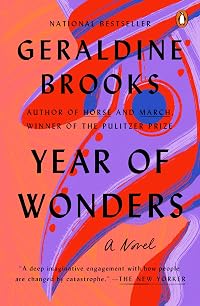
Year of Wonders
by Geraldine Brooks
On This Page
Description
Based on the true story of Eyam, the "Plague Village," in the rugged mountain spine of England. In 1666, a tainted bolt of cloth from London carries bubonic infection to this isolated settlement of shepherds and lead miners. A visionary young preacher convinces the villagers to seal themselves off in a deadly quarantine to prevent the spread of disease. The story is told through the eyes of eighteen-year-old Anna Frith, the vicar's maid, as she confronts the loss of her family, the show more disintegration of her community, and the lure of a dangerous and illicit love. As the death toll rises and people turn from prayers and herbal cures to sorcery and murderous witch-hunting, Anna emerges as an unlikely and courageous heroine in the village's desperate fight to save itself. show lessTags
Recommendations
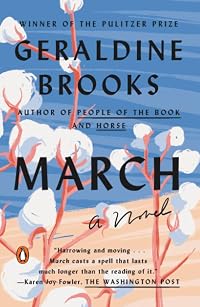
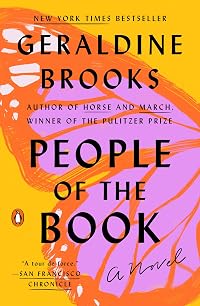
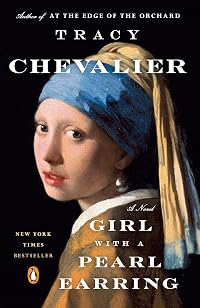
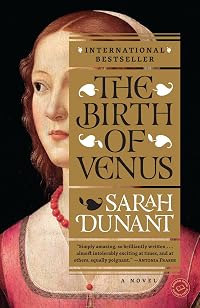
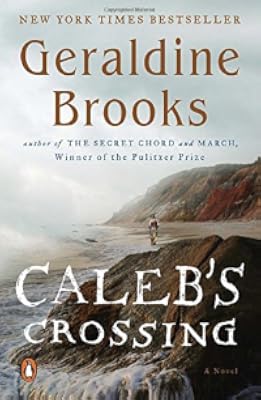
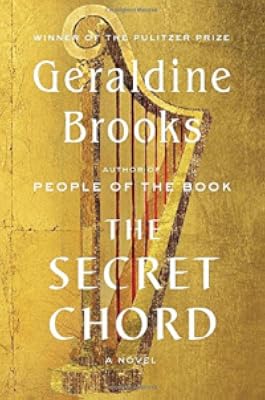
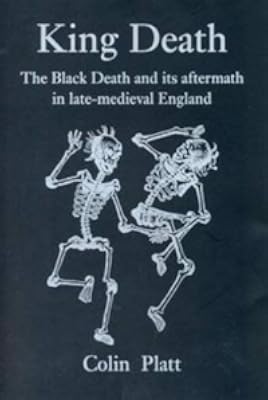
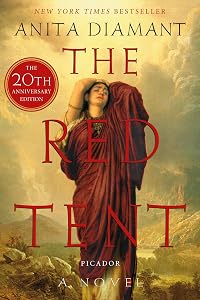
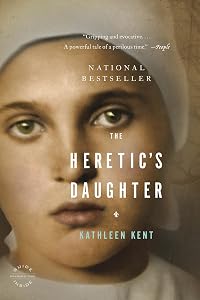
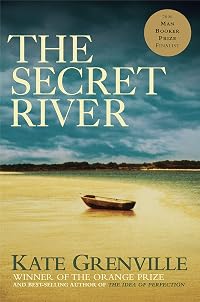
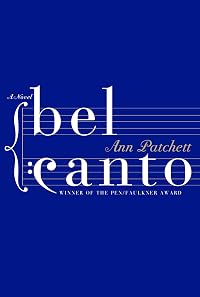
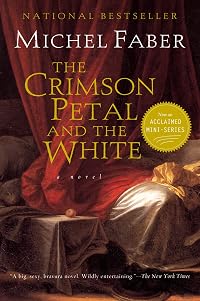
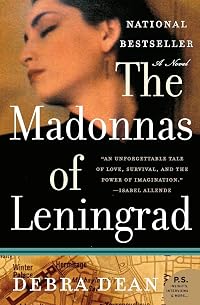
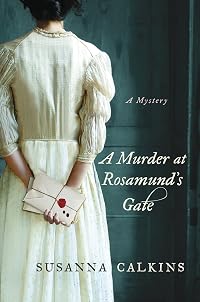
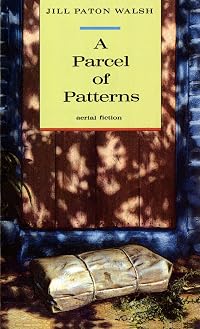
Member Recommendations
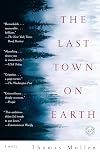
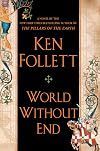
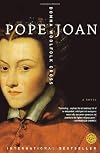
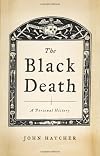
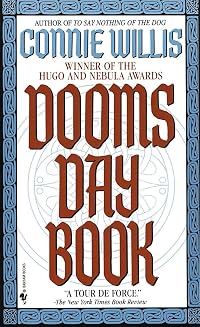
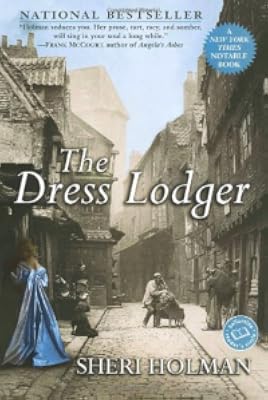
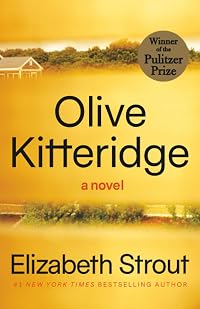
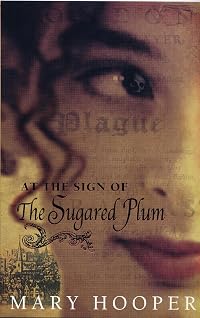
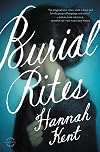
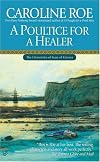
SylviaC A book for younger readers about the same plague outbreak in the same town. It is interesting to compare the two stories.
21
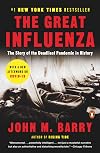
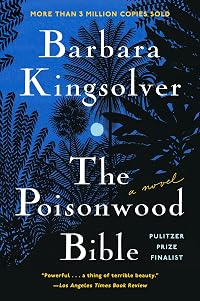
labfs39 For a non-fiction account of the 1918 pandemic that many thought was the Black Plague come again
10

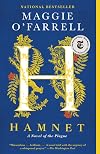
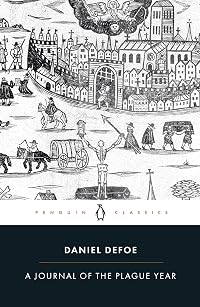
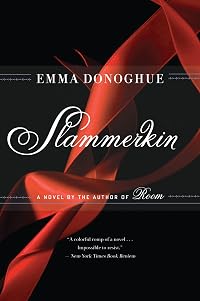
vwinsloe Historical fiction that is even more about the plague, and equally compelling.

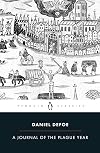
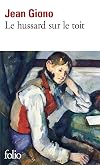
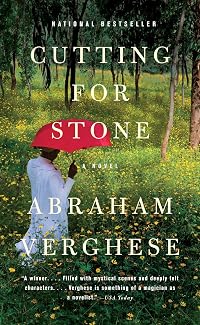
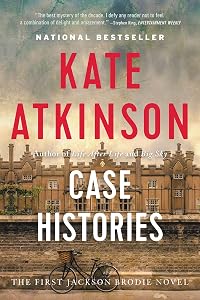
caittilynn I couldn't find the title listed in English, but the Horseman on the Roof tells the story of a young man traveling through the Provence region of France when there is an epidemic of cholera and he is suddenly forced to deal with death, opportunism and fearful townspeople.
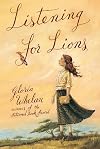
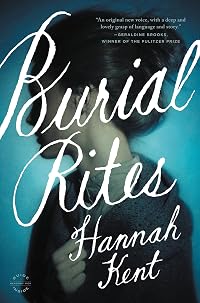
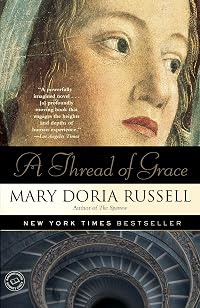
wordcauldron A girl who outlives her parents during an influenza outbreak and encounters a deceitful plan by a couple that lost their daughter during the same outbreak.

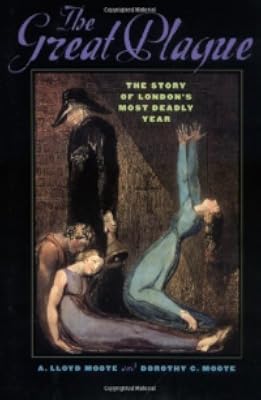
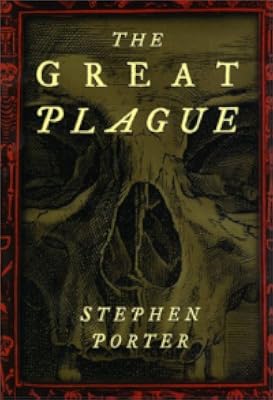
wordcauldron Informative and intriguing university-level lecture about the plague. Sort of a micro history. Good for those who want some non-fiction about this topic!
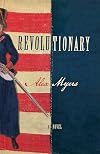
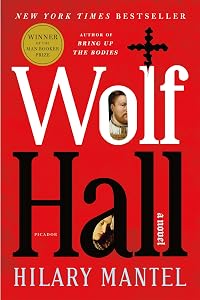
GreenVelvet Detailed, meticulously-researched historical fiction with intelligent female protagonists, exploration of gender roles
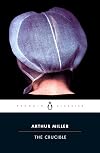
lucyknows Year of Wonders: A Novel of the Plague by Geraldine Brooks may be paired with The Crucible by Arthur Miller.
11
Member Reviews
Well, if there are two things I love, it's stories about wise women, and learning about disgusting diseases. I wish I was kidding about the last one, but I'm not. Which is why this was so great! I got a good dose of gory plague details (bursting boils and rotting flesh...what fun!) injected into a story that was worth reading on its own, about a woman in 1666 who thinks for herself.
What I find great about stories like this is not that we have a modern woman in a time-machine, but a woman who is a product of her times without being a slave to the societal constraints--something tells me there might have been many more women than we know about who were able to push boundaries.
Also, it's a quick read.
What I find great about stories like this is not that we have a modern woman in a time-machine, but a woman who is a product of her times without being a slave to the societal constraints--something tells me there might have been many more women than we know about who were able to push boundaries.
Also, it's a quick read.
Last fall one of my challenge groups chose Epidemics as the topic for March. Could this be more coincidental? Do I want to read a book about the 1666 plague during Covid-19 Pandemic? Yes, I do! Geraldine Brooks is one of my favorite authors and I have had this on my list way too long. I was so looking forward to bringing it to the top of my TBR and am so glad I didn’t shy away from it this month. In her engaging prose, Brooks has woven a believable story to help us understand human nature during a health crisis. Yes, the common themes with today’s news got a little tough sometimes, but mostly I was amazed at the mitigation techniques used in this historical fiction that were similar to those we are using today. The characters felt show more real and their saga through the epidemic contained a wide array of human reactions and moral questions. So very glad I read this. Recommend now if you are in a frame of mind for the topic. If not, definitely pick it ups when we are through to the other side of our own pandemic. show less
Year of Wonders: A Novel of the Plague, by Geraldine Brooks
There's a lot to like about Geraldine Brooks' Year of Wonders: A Novel of the Plague. Based on a true story, this historical novel weaves a fabulous and heartwarming tale about how one small town in Derbyshire dealt with the plague. At its best, this novel is an evocative, well-written historical fiction that skillfully conjures up the day-to-day hardships of living in a small village overrun by plague and watching two-thirds of your friends, family, and acquaintances die horrible deaths. At its worst, there are some tiny, nit-picky things.
Year of Wonders begins with a bang, letting the reader know that a catastrophe has befallen the inhabitants of a small mountain village in show more England. Seen through the eyes of Anna Frith, a young widow who serves the village's minister's house, we witness the horror and death sweeping through the area during the year of the plague. Anna Frith is a strong woman and something of a role model; the plague brings out resources in her that she didn't know she had. They find themselves battling not only this dreaded disease, but also superstition, greed, and even murder. And despite their own tragedies, they discover that their efforts make them stronger and that they have more courage than they thought possible. I really liked the focus on the diurnal struggles of a village increasingly depleted of its human resources. What do you do when the women who always prepared herbal remedies are dead? When young children are left parentless?
Brooks writes this story with an elegant, yet powerful touch. The details of village life and the real effects of the plague are tangible and stunning. This is literally a film played out on the page, with scene after scene so richly written that the line between fact and fiction becomes blurred. As the seasons pass, Brooks expresses the fear, anger and eventually, numbed grief turning to hope (some of it warped) of the village and Anna. The plague itself is written almost as a character; it lives and breathes and there are many times when I found myself holding my breath, wondering what was going to happen, next.
Anna is splendidly written, a mix of feminism and the Puritan values of the time. From the beginning, you know she's destined for more than working the fields or washing dishes. While it would have been easy to turn Anna into some kind of saint, Brooks does a wonderful job of showing Anna's flaws without making them larger than the story itself.
There is also a surprisingly misogynistic passage from a previously likable character in these final pages which really turned me off and seemed entirely inconsistent with everything we've learned about this character up until this point. the character of Michael Mompellion is compelling and strongly written, but at the end of the story, I was shocked by some of the revelations about him. I kept wondering if they were completely believable, or if it was just me.
The one area (and it's a small one) where I felt this story seemed implausible was the final chapter. Maybe I was missing something, but given the year and the role women played in society, I found where Anna ended up to be a little bit too pat. (I cannot say anything else without giving out spoilers). Maybe it could and did happen, but compared to the tone of the book before it, it was odd. I *did* think that she ended up with the life she deserved, but the way it was written needed a little more suspension of belief.
This was an amazing book, one I will definitely read again and recommend to my family and friends. When I finished it, the one thing that surprised me the most was that the book was only just over 300 pages - this reads like a huge, epic story. I was literally spell-bound, and finding myself reading until 4 am the first night, because I literally could not put this book down. this is not just a story about disease and death, but also a moving tale about survival, passion, compassion and unlikely heroes.
Brooks' writing is truly elegant, and Anna's thoughts and words are written in the lyrical but simple cadence of the 1660's. (Complete with many archaic words that are no longer used...most of which I had to look up...! Which by the way, I love.). There is also much historical research including not only the plague itself, but also of the living conditions in a small English village during the 17th Century. With this much detail, research, and talent going for her, I will definitely be reading more of this talented author.
5 huge stars.
Quotes:
"God warns us not to love any earthly thing above Himself, and yet He sets in a mother’s heart such a fierce passion for her babes that I do not comprehend how He can test us so."
"I knew how easy it is for widow to be turned witch in the common mind, and the first cause generally is that she meddles somehow in medicinals."
"I told myself I was crying for the waste of it; that those fingers that had acquired so much skill would never fashion another lovely thing. In truth, I think I was crying for a different kind of waste; wondering why I had waited until so near this death to feel the touch of those hands."
"There are some who deem this mountainside bleak country, and I can see how it might seem so: the land all chewed up by the miners, their stowes like scaffolds upon the moors, and their bings like weedy molehills interrupting the pale mauve tide of the heather."
"He instructed me how futile it is to wallow in regret for that which cannot be changed and how atonement might be made for even the gravest sins."
"By gathering and sorting my own feelings so, I was finally able to fashion a scale on which I could weigh my father’s nature and find a balance between my disgust for him and an understanding of him; my guilt in the matter of his death against the debt he owed me for the manner of my life. At the finish of it, I felt free of him, and I was able to think calmly once more."
Archaic words used: scrims, choused, bowpots of jessamine and gilly flowers, bavins, boose, rake-shamed, fanfarroon, periwig, flux, cataplasms, hirsel, nowt, clough, gaol, blains, carbuncles, lapwing, vainglory, masty, scrin, pipkin, whisket, serried, stooks, Shrovetide, cluzened, malter, mun, trews, halberd, kine, caudle, clemmed, mullein, betony, fother, jabot, gravid, rowans, sward, cucking, placket, manikin, vervain, boatswains, sennight, tare, harrowed, cockerel, turves, vicuals, blebs, pillory, surplice, handfasting, phaeton, stook, carrack, cuddy, gimbaled, adamantine, and euphoniously...! show less
Young Anna Frith narrates events in her small English village in the years of 1665-1666 when they are visited by plague.
Black Death was a major scourge when there were huge advances happening in science and Reformation in religion, yet few really understood exactly how it was transmitted or what caused it. Basing her story on the true English village of Eyam, Geraldine Brooks explores how people react in crisis situations, the extremes of self-sacrifice or in turning on another. Was the plague really sent by God as a call to repentance? What role does faith have when the world is falling apart - and what if this isn't sent by God after all? This was gripping, intense reading, and my only real complaint was that Anna seemed just a bit to show more modern to be believable and the end, while it made sense for the character in one way, stretched credulity in my mind. show less
Black Death was a major scourge when there were huge advances happening in science and Reformation in religion, yet few really understood exactly how it was transmitted or what caused it. Basing her story on the true English village of Eyam, Geraldine Brooks explores how people react in crisis situations, the extremes of self-sacrifice or in turning on another. Was the plague really sent by God as a call to repentance? What role does faith have when the world is falling apart - and what if this isn't sent by God after all? This was gripping, intense reading, and my only real complaint was that Anna seemed just a bit to show more modern to be believable and the end, while it made sense for the character in one way, stretched credulity in my mind. show less
Anna Frith is a young widow with two young children to raise, in a little village in Derbyshire, England, as the year of 1665 draws to an end. She is quiet, unassuming, and not inclined to make waves. She takes in a lodger sent to her by the local rector, to help make ends meet now that her husband's income from the mine is gone.
The lodger is a tailor, and he receives a deliver of cloth from London. Quite innocently, with that cloth, he has brought bubonic plague into the village. Over the next year, she faces previously unimaginable challenges, as her neighbors and friends die, and she needs to become a healer and leader among those not yet sick.
This novel is based on the events in the village of Eyam in 1666, where the local ministers show more responded to the arrival of plague by closing the village--no one in or out until the plague there has run its course--in exchange for supplies delivered to their boundary stone regularly by the neighboring villages. It was an extraordinary action, undertaken few other places in Europe, and in this novel Brooks imagines the experiences of the village through the eyes of the rector's maid. It's a wonderful evocation of courage and fear, community and division, and the weakness and strength mingled in varying degrees in every individual. Anna has to step forward and become the village midwife and herb woman, after the previous one is killed for being a witch. She's no perfect model of virtue; fear, jealousy, and resentment motivate some of her actions. But so do courage, generosity, and the belief that more people will die if the village gives way to division and fear.
In the midst of this annus horribilis, she finds joy, friendship, and confidence, as well, a year of wonders.
It's an incredibly engrossing and rewarding story, and I'm not doing it justice. Highly recommended.
I bought this audiobook. show less
The lodger is a tailor, and he receives a deliver of cloth from London. Quite innocently, with that cloth, he has brought bubonic plague into the village. Over the next year, she faces previously unimaginable challenges, as her neighbors and friends die, and she needs to become a healer and leader among those not yet sick.
This novel is based on the events in the village of Eyam in 1666, where the local ministers show more responded to the arrival of plague by closing the village--no one in or out until the plague there has run its course--in exchange for supplies delivered to their boundary stone regularly by the neighboring villages. It was an extraordinary action, undertaken few other places in Europe, and in this novel Brooks imagines the experiences of the village through the eyes of the rector's maid. It's a wonderful evocation of courage and fear, community and division, and the weakness and strength mingled in varying degrees in every individual. Anna has to step forward and become the village midwife and herb woman, after the previous one is killed for being a witch. She's no perfect model of virtue; fear, jealousy, and resentment motivate some of her actions. But so do courage, generosity, and the belief that more people will die if the village gives way to division and fear.
In the midst of this annus horribilis, she finds joy, friendship, and confidence, as well, a year of wonders.
It's an incredibly engrossing and rewarding story, and I'm not doing it justice. Highly recommended.
I bought this audiobook. show less
When an infected bolt of cloth carries plague from London to an isolated village, a housemaid named Anna Frith emerges as an unlikely heroine and healer. Through Anna's eyes we follow the story of the fateful year of 1666, as she and her fellow villagers confront the spread of disease and superstition. As death reaches into every household and villagers turn from prayers to murderous witch-hunting, Anna must find the strength to confront the disintegration of her community and the lure of illicit love. As she struggles to survive and grow, a year of catastrophe becomes instead annus mirabilis, a "year of wonders."
Inspired by the true story of Eyam, a village in the rugged hill country of England, Year of Wonders is a richly detailed show more evocation of a singular moment in history. show less
Inspired by the true story of Eyam, a village in the rugged hill country of England, Year of Wonders is a richly detailed show more evocation of a singular moment in history. show less
I have never thought about The Plague in these terms. This book really personalizes it. My thoughts on the subject are forever changed.
Anna lives through so much pain. Many people would have just given up at some point. She looses her husband, kids, parents—all her family. . . actually 99% of the people she's ever known. People are dying, going mad, committing insane acts. Anna stays pretty solid throughout. She's still open to friendship and love. She still tries to help, even as the world is destroyed around her. This is almost an apocalyptic tale. For me, the last part of the book was the best. Her life after sounded very interesting. I wouldn't have minded having more details there and a little less of all the bad stuff, but I show more think that was the point of the book. She made it through ALL of that. show less
Anna lives through so much pain. Many people would have just given up at some point. She looses her husband, kids, parents—all her family. . . actually 99% of the people she's ever known. People are dying, going mad, committing insane acts. Anna stays pretty solid throughout. She's still open to friendship and love. She still tries to help, even as the world is destroyed around her. This is almost an apocalyptic tale. For me, the last part of the book was the best. Her life after sounded very interesting. I wouldn't have minded having more details there and a little less of all the bad stuff, but I show more think that was the point of the book. She made it through ALL of that. show less
Members
- Recently Added By
Published Reviews
Discriminating readers who view the term historical novel with disdain will find that this debut by praised journalist Brooks (Foreign Correspondence) is to conventional work in the genre as a diamond is to a rhinestone. With an intensely observant eye, a rigorous regard for period detail, and assured, elegant prose, Brooks re-creates a year in the life of a remote British village decimated by show more the bubonic plague. show less
added by lucyknows
Lists

Best Historical Fiction
620 works; 261 members

Recommend the 20 best books you've read in the last five years
2,168 works; 604 members

Best Contemporary Literary Fiction (Around the Last 30 Years)
400 works; 124 members

Historical Fiction
889 works; 91 members

Female Author
1,234 works; 66 members

Top Five Books of 2013
1,562 works; 721 members

Best Books About Plagues and Epidemics
99 works; 17 members

Best 21st Century Books (So Far)
679 works; 85 members

Books Set in Great Britain
191 works; 13 members

Sense of place
156 works; 13 members

Women's Stories
88 works; 13 members
Female Protagonist
1,056 works; 57 members

Top Five Books of 2020
982 works; 348 members

Top Five Books of 2021
604 works; 181 members
Literature About Women and Girls
426 works; 40 members

tell me where it hurts
36 works; 7 members

Favourite Medieval Books
49 works; 17 members

Booktopia's 50 Must Read Australian Novels
50 works; 5 members

History novels (not too romancey)
37 works; 5 members

Blue Pyramid 1,276 Best Books of All Time
1,248 works; 32 members

Retrospective of Historical Fiction
48 works; 7 members
Carole's List
445 works; 13 members

Books Read in 2005
185 works; 7 members

Books Featured on Readers' Review of the Diane Rehm Show
161 works; 8 members

Authors from Australia
9 works; 2 members
Books Set in Small Towns and Villages
278 works; 16 members

Books Read in 2020
4,379 works; 123 members
First Novels
373 works; 17 members

KayStJ's to-read list
1,616 works; 11 members

el
1,139 works; 1 member

Books Read in 2025
4,128 works; 98 members
Best Australian Books of the 21st Century
88 works; 2 members

Books With Time Words in the Title
160 works; 4 members
Books Tagged Small Town
58 works; 1 member

Set in the 1600s
15 works; 5 members

Viral Outbreaks and Pandemics
82 works; 8 members

Books discovered on LibraryThing
256 works; 36 members

Best Survival Stories
97 works; 15 members

B-B to Get
131 works; 1 member
Author Information

15+ Works 39,625 Members
Geraldine Brooks is the author of two acclaimed works of nonfiction, "Nine Parts of Desire" and "Foreign Correspondence." A former war correspondent, her writing has appeared in The Wall Street Journal, The New York Times, and The Washington Post. (Publisher Provided) Geraldine Brooks was born in Sydney, Australia on September 14, 1955. She show more attended Bethlehem College Ashfield and the University of Sydney. She worked as a feature writer with a special interest in environmental issues for The Sydney Morning Herald for three years. In 1982, she won the Greg Shackleton Australian News Correspondents scholarship to the journalism master's program at Columbia University in New York City. She later worked for The Wall Street Journal, where she covered the Middle East, Africa, and the Balkans. She has written both fiction and non-fiction books including Year of Wonders, Nine Parts of Desire, and The Secret Chord. She has won several awards including the Nita Kibble Literary Award for Foreign Correspondence, the Pulitzer Prize in fiction in 2006 for March, the New England Book Award for Fiction and the Christianity Today Book Award for Caleb's Crossing, and the Australian Book of the Year Award and the Australian Literary Fiction Award in 2008 for People of the Book. (Bowker Author Biography) show less
Some Editions
Awards and Honors
Awards
Series
Belongs to Publisher Series
btb (73223)
Work Relationships
Is abridged in
Has as a student's study guide
Common Knowledge
- Canonical title
- Year of Wonders
- Original title
- Year of Wonders
- Original publication date
- 2001-06-05
- People/Characters
- Anna Frith; Elinor Mompellion; Michael Mompellion; Elizabeth Bradford; George Viccars
- Important places
- Eyam, Derbyshire, England, UK; England, UK
- Important events
- plagues (Great Plague, 1665-1666)
- Epigraph
- O let it be enough what thou hast done,
When spotted deaths ran arm'd through every street,
With poison'd darts, which not the good could shun,
The speedy could outfly, or valiant meet.
The living ... (show all)few, and frequent funerals then,
Proclaim'd thy wrath on this forsaken place:
And now those few who are return'd agen
Thy searching judgments to their dwellings trace.
- From Annus Mirabilis, The Year of Wonders, 1666, by John Dryden - Dedication
- For Tony
Without you, I never would
have gone there. - First words
- I used to love this season.
- Quotations
- Good yield does not come without suffering, it does not come without struggle, and toil, and yes, loss.
God warns us not to love any earthly thing above Himself, and yet He sets in a mother's heart such a fierce passion for her babes that I do not comprehend how He can test us so.
And so, as generally happens, those who have most give least, and those with less somehow make shrift to share.
Inasmuch as he knew what love meant, he knew he loved me, and all the more so when I gave him the boys.
This was no stealthy retreat. The Hall hummed like a struck hive.
Before sunset, no less than four families were visited so, by deaths that reached across generations, snatching children and parents with the same dread hand.
I set my morning to the rhythmic thump of my own knife, and its tattoo became, to me, the hopeful music of healing.
When he hefted his sack and went on, I stood and stared after his retreating back, wondering what kind of ill thing my good intentions might have hatched.
In his callousness, he would knock upon the doors of the ailing, saying if they wanted a grave he would dig it then and there or not at all. And so a person who yet lived would lie in his sickbed and listen to the rise and fa... (show all)ll of my father's spud. I think that his heartless behavior hastened more than one person into the ground.
Michael Mompellion's face was quiet, but his voice was so cold I thought it would blast my father like an ice storm.
The crowd was thickening now as yarn gathers itself on a spindle.
The storm that had threatened at morning blew in by early afternoon. It came from the northeast, in sheets of snow that marched across the far valley in separate leaves, like the pages of a letter whipped from someone's hands... (show all) in a wind gust.
After Alun Houghton's gravelly voice, my words seemed weightless, carried away by the wind.
I wondered then if others had these fell thoughts, or whether I was drifting slowly into madness.
There had been fear here, since the very beginning, but where it had been veiled, now it had become naked. Those of us who were left feared each other and the hidden contagion we each might carry. People scurried, stealthy as... (show all) mice, trying to go and come without meeting another soul.
It became impossible for me to look into the face of a neighbor and not imagine him dead.
We were sorely depleted already in trades of all kinds. Horses who threw a shoe went without since the death of the farrier. We were without malter and mason, carpenter and cloth-weaver, thatcher and tailor. Many fields lay c... (show all)overed in unbroken clods, neither harrowed nor sown. Whole houses stood empty; entire families gone from us, and names that had been known here for centuries gone with them.
Fear took each of us differently.
"None of us is master of himself as we should be in these times."
So John Gordon's flesh was mortified in death as in life, lying naked under the sky, left to the untender mercies of Nature.
But fear, as I have said, was working strange changes in all of us, corroding our ability for clear thought.
For every one of us who still walked upon the Earth, two of us lay under it.
Some days, even the effort of thought seemed burdensome.
And yet some memories cannot be rooted out like weeds, no matter how much one wills to do it. - Last words
- (Click to show. Warning: May contain spoilers.)Elinor clasps the other, and together we plunge into the jostling swarm of our city.
- Blurbers
- Golden, Arthur
- Original language*
- Anglais (Etats-Unis) (Etats-Unis)
- Canonical DDC/MDS
- 823.914
- Canonical LCC
- PR9619.3.B7153
- Disambiguation notice*
- Problem CK :
Date de première publication :
- 2001-06-05 (1e édition originale américaine)
- 2003-03-11 (1e traduction et édition française, Calmann-Lévy)
- 2004-12-02 (Réédition française, Domai... (show all)ne étranger, 10/18)
*Some information comes from Common Knowledge in other languages. Click "Edit" for more information.
Classifications
Statistics
- Members
- 9,487
- Popularity
- 1,102
- Reviews
- 434
- Rating
- (3.96)
- Languages
- 9 — Arabic, Dutch, English, French, German, Italian, Portuguese, Spanish, Swedish
- Media
- Paper, Audiobook, Ebook
- ISBNs
- 59
- UPCs
- 1
- ASINs
- 22