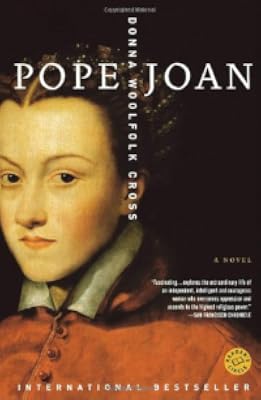
Pope Joan
by Donna Woolfolk Cross
On This Page
Description
A captivating historical novel, Pope Joan is an international best-seller. Set in the brutal Dark Ages, a time when women were viewed as the root of sin, this novel tells the remarkable tale of one of history's greatest controversies. Denied the priesthood by society's rules, young Joan seizes her opportunity to join a monastery when she assumes her murdered brother's identity and takes the name John Anglicus. Putting her brilliant mind to good use, she excels as a scholar and healer. Joan show more eventually finds her way to Rome, where the lures of passion and politics threaten to expose her secret. But Joan rises above even these obstacles to achieve the pinnacle of Catholic power-the Papacy. show lessTags
Recommendations
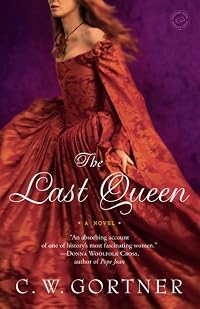
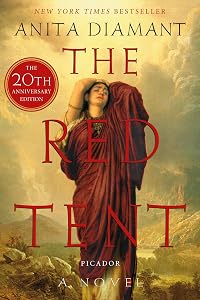
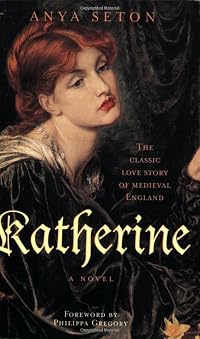
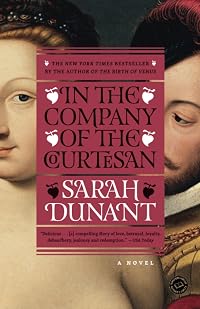
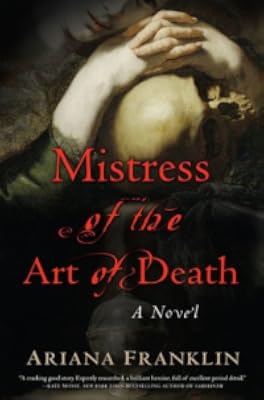
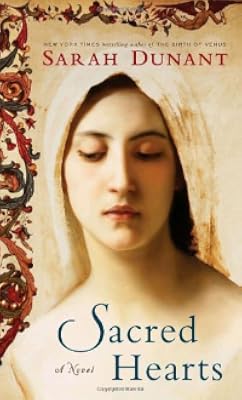
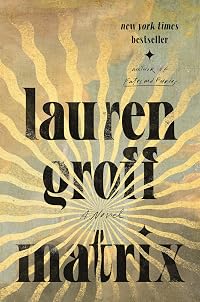
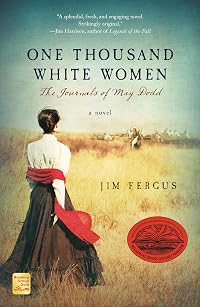
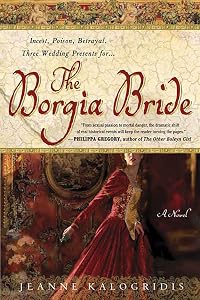
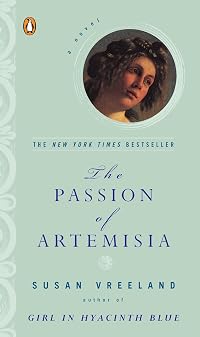
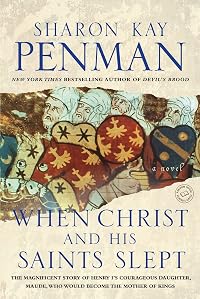
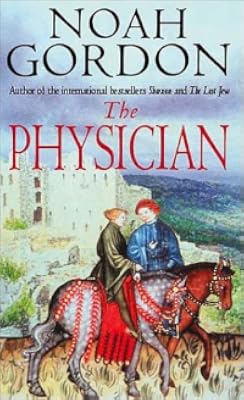
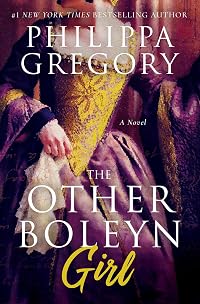
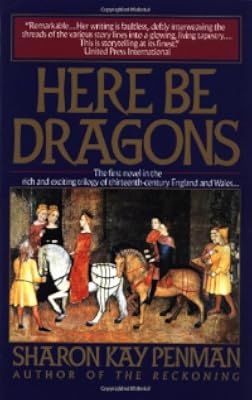
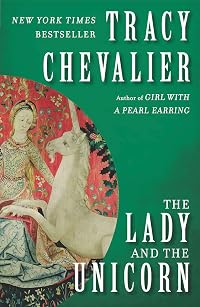

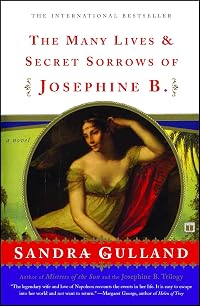
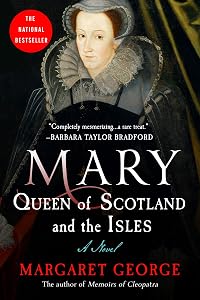
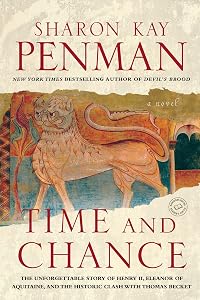
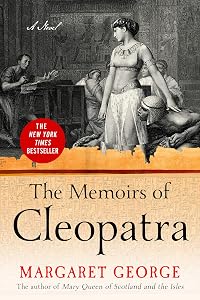

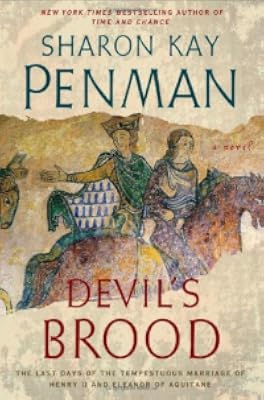
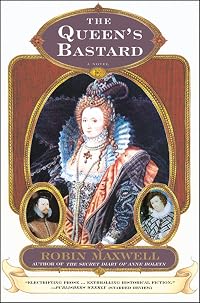
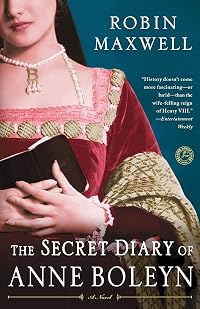
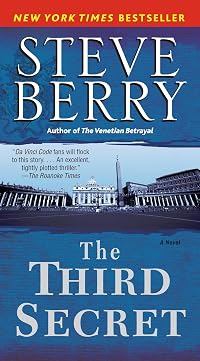
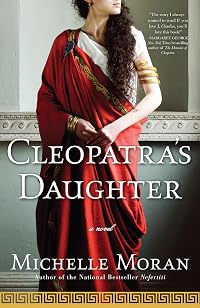
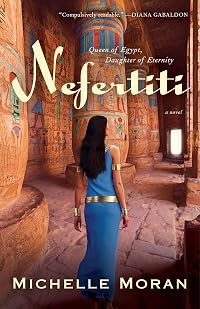
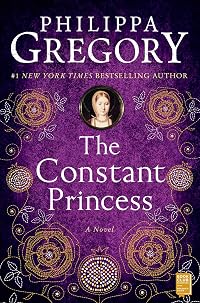

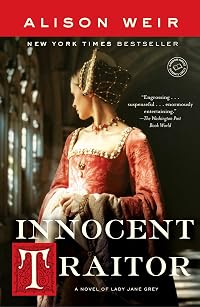
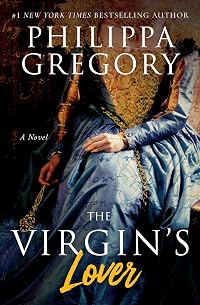
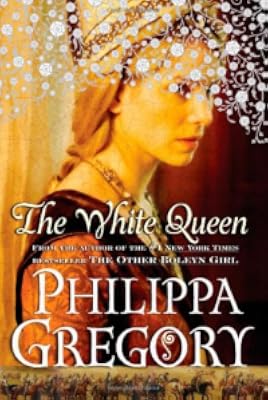
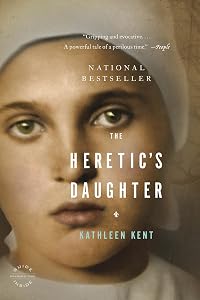
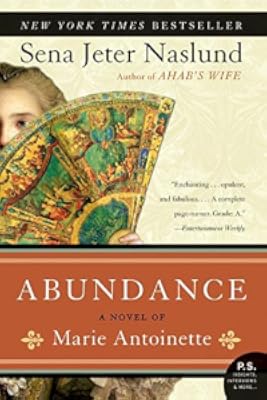
Member Recommendations
Caramellunacy Both are stories that weave around the few bare bones facts known about women who allegedly made great contributions while disguised as men. The themes of the importance of education are similar - as is the controversy surrounding whether they actually existed.
A Golden Web is about a female anatomist who made a remarkable discovery, Pope Joan about the alleged female pope.
20

Member Reviews
Formulaic historical fiction with the requisite plucky heroine fighting misogyny, cruelty, and superstition. Characters were black and white with little-to-no character growth. Problems were solved through coincidences. Not an awful book--the author shows her extensive research of an era that we know little about today.
Pope Joan is fabled to have lived in the most obscure of times--that being the 9th century. Scholars (NOT just the Catholic Church) determine that Pope Joan probably did not exist--however, the story is buried so far back in history that I think it's more fun to believe that she was real.
This is a fascinating period of history about which we know so little, and that was my favourite thing about this book. At the end, the show more author outlines a handful of errors that readers wrote her about from the first edition, and she corrected them for later editions, so I have to give her kudos for doing that. show less
Pope Joan is fabled to have lived in the most obscure of times--that being the 9th century. Scholars (NOT just the Catholic Church) determine that Pope Joan probably did not exist--however, the story is buried so far back in history that I think it's more fun to believe that she was real.
This is a fascinating period of history about which we know so little, and that was my favourite thing about this book. At the end, the show more author outlines a handful of errors that readers wrote her about from the first edition, and she corrected them for later editions, so I have to give her kudos for doing that. show less
I certainly had never heard this story, nor really any history at all from the so called 'dark ages.' Post the fall of the Roman Empire proper but really before feudalism. Most people didn't write and a fiery brand of Catholicism held sway. Gone was most of the knowledge of the ancients in terms of scholarship, engineering, polite society, the rule of law. Anyway, this is the unlikely story of Joan of Ingleheim - a brilliant young girl who ultimately chooses to live as a boy and then a man in order to study. She eventually becomes a physician and priest, makes her way to Rome, and becomes the Pope for two years until her dramatic denouement.
I found this novel rather engrossing. Fairly easy reading in the vein of a Sharon Kay Penman or show more Diana Gabaldon. Not great literature, yet excellent attention to the historical setting. The beginning in particular details surrounding Joan's mother and their family life felt quite authentic in terms of social history. The end became a bit melodramatic and strained credulity but nevertheless remained quite entertaining.
A great pick for historical fiction lovers. Certainly a time in history that is not written about much and a fascinating story. The author makes a good case for Pope Joan's existence. show less
I found this novel rather engrossing. Fairly easy reading in the vein of a Sharon Kay Penman or show more Diana Gabaldon. Not great literature, yet excellent attention to the historical setting. The beginning in particular details surrounding Joan's mother and their family life felt quite authentic in terms of social history. The end became a bit melodramatic and strained credulity but nevertheless remained quite entertaining.
A great pick for historical fiction lovers. Certainly a time in history that is not written about much and a fascinating story. The author makes a good case for Pope Joan's existence. show less
This book actually spurred me on to do some research into history. The status and reality of Pope Joan is disputed, but regardless of whether Pope Joan ever existed, this was a very enjoyable read.
I found it to be overall well-researched, and like with some other historical fiction, counted myself glad to not be living in this time period. It really was the Dark Ages if it wad considered unnatural for a woman to read and that her brain was smaller, that her thought was centered in her womb, and other ridiculous nonsense.
This book also helps to illustrate how much power the Church had in these times, and also how precarious life could be. No police officers to defend the local peace against marauding Norsemen or rogue armies. Where a show more husband could beat his wife and children almost as much as he saw fit. Where one innocent act or simple petty jealousy could mean your death through an accusation of witchcraft. Jeez, we're descended from these people?
It's almost a wonder Joan became Pope at all. Heck, it IS a wonder. If she hadn't met a teacher with a open mind when she was little, who knows what would have become of her? Or if her older brother had been disdainful of her and refused to teach her to read and write? This book was good, but dang, history can be so sobering sometimes.
M.M. Strawberry Library & Reviews show less
I found it to be overall well-researched, and like with some other historical fiction, counted myself glad to not be living in this time period. It really was the Dark Ages if it wad considered unnatural for a woman to read and that her brain was smaller, that her thought was centered in her womb, and other ridiculous nonsense.
This book also helps to illustrate how much power the Church had in these times, and also how precarious life could be. No police officers to defend the local peace against marauding Norsemen or rogue armies. Where a show more husband could beat his wife and children almost as much as he saw fit. Where one innocent act or simple petty jealousy could mean your death through an accusation of witchcraft. Jeez, we're descended from these people?
It's almost a wonder Joan became Pope at all. Heck, it IS a wonder. If she hadn't met a teacher with a open mind when she was little, who knows what would have become of her? Or if her older brother had been disdainful of her and refused to teach her to read and write? This book was good, but dang, history can be so sobering sometimes.
M.M. Strawberry Library & Reviews show less
As a big fan of historical fiction, particularly set in the middle ages, I mostly enjoyed Pope Joan. The author, Cross, did an excellent job of recreating what it probably was like for a woman to grow up in ninth-century Europe, as well as describing the early Christian church. I also was fascinated by her description of Rome during this period, having read a lot about the late Republic and Empire.
As an agnostic, I definitely embrace Joan's notion that reason and logic are humanity's most important gifts. But I don't think that they ultimately confirm many aspects of her faith. I think the church fathers were probably right to fear reason, as it would in the end undermine their faith.
I also had problems with the ending. Clearly, the show more author felt it was important to at least hew somewhat closely to the legend of Pope Joan, and that includes how her gender was finally revealed. I think she was right to do this, but I had a lot of trouble with Joan's lingering in Rome when someone as smart as she was, with a chance at happiness with her lover, clearly knew the danger she was in. Of course, that's the trick with fictionalizing true stories or well-known legends. But, at its best, the book makes you think about why, for so long, women have been held back as less-than-equal partners. As patriarchal a society as ancient Rome was, Europe in the dark ages was a definite step backward. It's taken a long time to get to the point we're at, and still there are millions who would again plunge us backward. There's clearly something deeply frightening about women to some (most?) men. This novel doesn't answer what it is, but it certainly presents some clues and raises other pertinent questions. show less
As an agnostic, I definitely embrace Joan's notion that reason and logic are humanity's most important gifts. But I don't think that they ultimately confirm many aspects of her faith. I think the church fathers were probably right to fear reason, as it would in the end undermine their faith.
I also had problems with the ending. Clearly, the show more author felt it was important to at least hew somewhat closely to the legend of Pope Joan, and that includes how her gender was finally revealed. I think she was right to do this, but I had a lot of trouble with Joan's lingering in Rome when someone as smart as she was, with a chance at happiness with her lover, clearly knew the danger she was in. Of course, that's the trick with fictionalizing true stories or well-known legends. But, at its best, the book makes you think about why, for so long, women have been held back as less-than-equal partners. As patriarchal a society as ancient Rome was, Europe in the dark ages was a definite step backward. It's taken a long time to get to the point we're at, and still there are millions who would again plunge us backward. There's clearly something deeply frightening about women to some (most?) men. This novel doesn't answer what it is, but it certainly presents some clues and raises other pertinent questions. show less
When this novel was released, there was some minor brouhaha about how it’s untrue, there was never a female pope, the author is taking liberties, etc. The kind of controversy that sprang up when “The Da Vinci Code” was released, though nowhere near that level. All of which drew me to the book like a moth to flame. The novel tells the tale of a young woman eager for knowledge who takes on the identity of her brother in order to get an education (as only clergy were eligible to be educated in that time) and ends up being elected Pope. I happen to be Roman catholic, and I wasn’t offended by what the author proposes. I love historical fiction, so I didn’t really care if it was true or not. What mattered was: did the author do show more adequate research on the time, customs, people and other details to make the story seem real, come alive and keep me turning the pages? Thankfully, the answer was a resounding yes.
Cross focuses on Joan, and the story is told from her point of view. She is an engaging heroine, and I immediately felt immersed in her tale. The writing is fluid, with good background description to put the reader in the right time frame. Yet, the author doesn’t become bogged down with details. This truly was a page-turner. Joan slowly rises to prominence in the church, so I had no problem when she was elected Pope. One gripe I did have was the pregnancy fiasco – the ending became more of a circus attraction that didn’t fit as well with the rest of the novel. However, it didn’t ruin the novel, just tarnished it a bit. Overall, Cross manages to convince us that the unbelievable did happen.
Though this is a work of fiction, the author cleverly includes some factual evidence (circumstantial, certainly) to pique a reader’s curiosity about the real possibility that a woman did indeed get elected pope disguised as a man. Church historians and leaders have quick, and likely valid, counters to this evidence, but its existence is tantalizing. This small section made the book that much better because it kept me thinking long past the final page. Overall, a thought-provoking tale with a smart, likeable heroine and excellent writing. Highly recommended. show less
Cross focuses on Joan, and the story is told from her point of view. She is an engaging heroine, and I immediately felt immersed in her tale. The writing is fluid, with good background description to put the reader in the right time frame. Yet, the author doesn’t become bogged down with details. This truly was a page-turner. Joan slowly rises to prominence in the church, so I had no problem when she was elected Pope. One gripe I did have was the pregnancy fiasco – the ending became more of a circus attraction that didn’t fit as well with the rest of the novel. However, it didn’t ruin the novel, just tarnished it a bit. Overall, Cross manages to convince us that the unbelievable did happen.
Though this is a work of fiction, the author cleverly includes some factual evidence (circumstantial, certainly) to pique a reader’s curiosity about the real possibility that a woman did indeed get elected pope disguised as a man. Church historians and leaders have quick, and likely valid, counters to this evidence, but its existence is tantalizing. This small section made the book that much better because it kept me thinking long past the final page. Overall, a thought-provoking tale with a smart, likeable heroine and excellent writing. Highly recommended. show less
I really did want to like this book. The author is a good storyteller, does a wonderful job of evoking a real sense of the period (no shirking of historical research here), and the idea of a female pope is a fascinating one. One can imagine that spiritual women denied access to the church, or clever women denied access to learning, might indeed have sought to escape the confines of their gender.
But somewhere between Joan/John outarguing Greek philosophers, becoming a famous healer, inventing intinction, miraculously surviving beatings/viking raids/plague, inventing modern courtroom procedure (witnesses, questioning), establishing orphanages, saving peasants from floods, cleverly applying her knowledge of hydraulic engineering to save show more the Vatican from an invading Frankish army, saving the pope from assassination, exposing ecclesiastical corruption, and thwarting a raging city fire, I found it harder and harder to keep suspending disbelief. This Pope Joan is a liberal, feminist, secular humanist, Dark Ages superhero rather than a living, breathing, believable woman of her time. The author takes such pains to eliminate anachronism in all other aspects of the novel: perhaps that is why John/Joan's highly anachronistic behavior & beliefs seem so grating in contrast.
John/Joan's enamorata Gerold is also a disappointment. There is no attempt at character development here. Think Ken to Joan's Barbie, Ned to Joan's Nancy Drew ... the tall, lusty, handsome, resourceful hero of any one of a thousand cheesy romance novels.
Finally, I was disappointed by the author's overreliance on deus ex machina. Far too often she relies on improbable plot twists, timely intercessions and amazing coincidences to move her plot forward. I don't want to spoil the plot for potential readers - but I will say that Joan always seems to be behind the right wall when there is a useful conversation to be overheard, Viking raids have never been more conveniently timed, and old friends/allies have a way of miraculously appearing just when they are most needed.
I guess I'm saying that while this is an entertaining book, it is certainly not a great book. Be prepared to enjoy it for the story & the history, but not necessarily for the literary merit. show less
But somewhere between Joan/John outarguing Greek philosophers, becoming a famous healer, inventing intinction, miraculously surviving beatings/viking raids/plague, inventing modern courtroom procedure (witnesses, questioning), establishing orphanages, saving peasants from floods, cleverly applying her knowledge of hydraulic engineering to save show more the Vatican from an invading Frankish army, saving the pope from assassination, exposing ecclesiastical corruption, and thwarting a raging city fire, I found it harder and harder to keep suspending disbelief. This Pope Joan is a liberal, feminist, secular humanist, Dark Ages superhero rather than a living, breathing, believable woman of her time. The author takes such pains to eliminate anachronism in all other aspects of the novel: perhaps that is why John/Joan's highly anachronistic behavior & beliefs seem so grating in contrast.
John/Joan's enamorata Gerold is also a disappointment. There is no attempt at character development here. Think Ken to Joan's Barbie, Ned to Joan's Nancy Drew ... the tall, lusty, handsome, resourceful hero of any one of a thousand cheesy romance novels.
Finally, I was disappointed by the author's overreliance on deus ex machina. Far too often she relies on improbable plot twists, timely intercessions and amazing coincidences to move her plot forward. I don't want to spoil the plot for potential readers - but I will say that Joan always seems to be behind the right wall when there is a useful conversation to be overheard, Viking raids have never been more conveniently timed, and old friends/allies have a way of miraculously appearing just when they are most needed.
I guess I'm saying that while this is an entertaining book, it is certainly not a great book. Be prepared to enjoy it for the story & the history, but not necessarily for the literary merit. show less
This was one of the most spectacular historical fiction novels I have read. So well researched, yet intricately crafted to create a dazzling story. Cross inspired as a reviver of long-forgotten women and the lies that have been written to hide them. Absolutely recommended!
Members
- Recently Added By
Published Reviews
ThingScore 50
added by booksaplenty1949
Joanna W. Cross zeichnet die faszinierende Geschichte dieser "Legende" nach, über deren Leben als Päpstin nicht viel bekannt ist. Umso genauer hält sie sich an die historischen Gegebenheiten des Mittelalters. Alle wichtigen Personen des Buches hat es wirklich gegeben. Die damals herrschenden Lebensumstände werden sehr anschaulich beschrieben. Diese Plastizität trägt zur Faszination show more dieses Historienromans bei. show less
added by Indy133
Lists

Best Historical Fiction
620 works; 262 members

Historical Fiction
889 works; 89 members

Carole's List
445 works; 13 members

Books Read in 2022
5,226 works; 115 members

Books Set in Rome
98 works; 2 members

Unmarried women
66 works; 6 members

Very Very Bad
22 works; 7 members

Biggest Disappointments
606 works; 165 members

Best Mysteries With a Historical Setting
292 works; 160 members
Author Information

6+ Works 4,217 Members
Some Editions
Awards and Honors
Series
Belongs to Publisher Series
Aufbau Taschenbuch (1400)
Work Relationships
Has the adaptation
Inspired
Has as a student's study guide
Common Knowledge
- Canonical title
- Pope Joan
- Original publication date
- 1996
- People/Characters
- Joan, Pope (legendary)
- Important places
- Rome, Italy; Vatican City
- Related movies
- Die Päpstin (2009 | IMDb)
- Dedication
- For my father,William Woolfolk
and there are no words to add - First words
- It was the twenty-eighth day of Wintarmanoth in the year of our Lord 814, the harshest winter in living memory.
- Last words
- (Click to show. Warning: May contain spoilers.)The debt is repaid,
Arnalda thought. Requisce in pace, Johanna Pappisa - Blurbers
- Fraser, Rebecca
- Original language
- English
Classifications
Statistics
- Members
- 4,131
- Popularity
- 3,752
- Reviews
- 131
- Rating
- (3.90)
- Languages
- 16 — Danish, Dutch, English, Estonian, Finnish, French, German, Hungarian, Indonesian, Italian, Lithuanian, Norwegian (Bokmål), Polish, Portuguese, Spanish, Swedish
- Media
- Paper, Audiobook, Ebook
- ISBNs
- 70
- ASINs
- 32