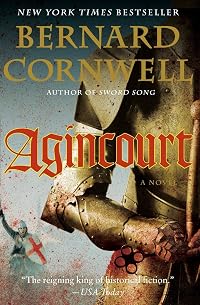
Agincourt
by Bernard Cornwell
On This Page
Description
A fugitive English forester and mercenary defender saves young novitiate Melisande and, defending himself from a vengeance-seeking rapist priest and Melisande's father, finds himself slogging his way to Agincourt as an archer in King Henry V's army.Tags
Recommendations



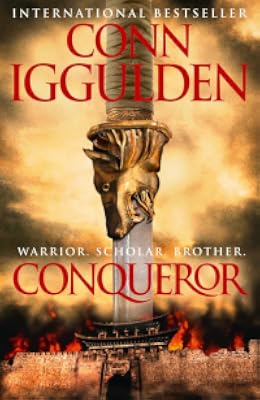
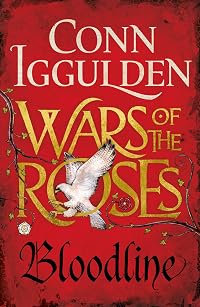

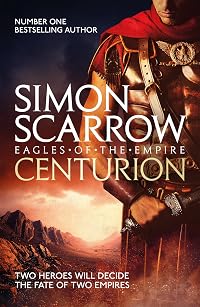
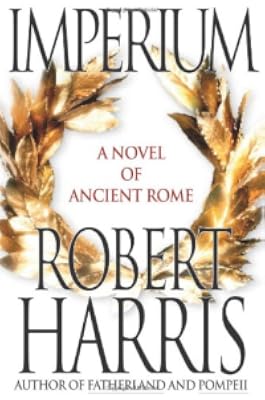





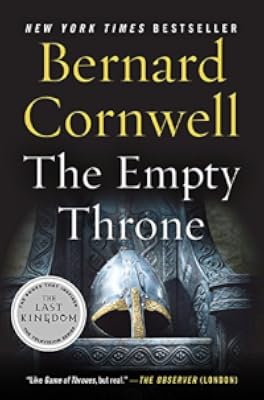
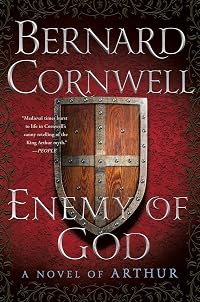
Member Recommendations
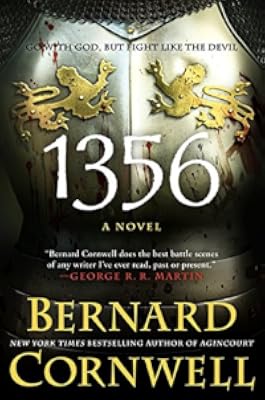
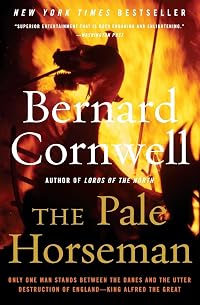
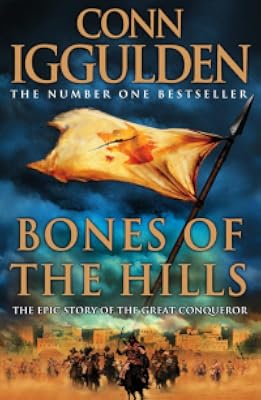
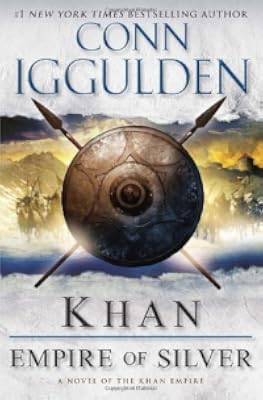
Shuffy2 Henry the V is a classic and its connection to Agincourt is important
60
viking2917 An excellent historical companion to this novel
40
ANeumann Another example of a great piece of historical fiction.
Member Reviews
Of all Cornwell's books to date, I enjoyed this one the best. Set in 1415, it follows the journey of Nick Hook, archer and outlaw, and his lover Melisande as they flee the terrible massacre at Soissons in Burgundy, guided by the Saints Crispin and Crispinian. Receiving the attention of Henry V himself, Hook returns to France in his army to take part in the Siege of Harfleur, only to find that the pronounced glory of war has given way to dreary, dishonorable reality. He then follows Henry V in his fateful march to Calais, before taking part in the climactic Battle of Agincourt. Cornwell has always had a talent for writing battle scenes, and he outdoes himself in Agincourt. Both the Siege of Harfleur and the titular battle itself take up show more significant parts of the book, and Cornwell makes every page riveting even as he provides a no holds barred look at the reality of medieval warfare. Needless to say, his characters are as strong and as entertaining as ever. I cannot give this book enough praise, or enough stars. It is truly fantastic and I cannot recommend it highly enough to those interested in the period, warfare, or just a good historical story. show less
Seldom have I read a book that put me more squarely in the middle of the action than this. I swear, at times it seemed that I could see the carnage, smell the fear, hear the screaming, and feel the blows of the poleaxes. It's a rare book that can make your muscles sore from drawing an imaginary longbow, but this one is up to the task. If you are a military history fan and want to get a feeling for what battle truly might have been like, this is the book for you.
Today is the 600th anniversary of the Battle of Agincourt, so it seemed an appropriate time to read this. Or rather, I thought today was the anniversary but, as author Bernard Cornwell tells us in his Historical Note at the end of his book, Agincourt was fought long before Christendom's conversion to the new-style calendar, so the modern anniversary should be on 4 November." But, in a way, this is entirely appropriate, for Cornwell's book, whilst fiction, concerns itself with dispelling the myths around this most famous of battles by providing a meatier and more honest account.
This is obvious even from the title: 'Azincourt' is the proper French name of the town and adjoining muddy field where the battle was fought in 1415. Gone are show more some of the myths that have coloured the Agincourt story over the centuries, mostly popularised by Shakespeare's play Henry V. For example, whilst the real King Henry does give a speech, it is not on the eve of battle but once the two armies have formed up, and it is a rather more prosaic speech than the one the Bard gave us about 'we happy few, we band of brothers'. But, of course, the mythmaking is not all down to Shakespeare: as Cornwell mentions in an interview included at the end of the book, Shakespeare doesn't even mention the longbow. Nor did he start the origin story about the two-fingered salute.
So obviously there is more to the Agincourt story than Shakespeare's considerable dramatic licence, and Cornwell taps into this 600-year-old historical tradition to give us a fair approximation of what it must have been like. Cornwell's protagonist is the fictional Nicholas Hook, an archer (though all of Cornwell's characters are based on real names from the muster-roll of Henry's army). Through Hook, Cornwell provides a masterclass of historical fiction (showing us why he is top dog in the genre) that both educates and entertains. His research is accurate and thorough, and his story is very easy to read and a real crowd-pleaser. I particularly enjoyed the character of Sir John Cornewaille and I found that, surprisingly, I cared who lived and who died.
You know which characters to like and which to hate, and to some extent I didn't like that I felt this way. The main drawback is that the book felt like a story rather than real. I could see the way the book was assembled; I could see the role each character was meant to play for the reader; I could see when Cornwell was feeding us historical background information. Consequently, whilst I really liked reading the book, I couldn't love it. I usually want a book with a bit more depth and nuance, and Azincourt was a bit too conventional to really worm its way into my heart. My other bugbear was the subplot about the saints talking to Nicholas Hook in his head: now that was weird and took me out of the story whenever it happened.
Overall, however, it is a meaty piece of historical fiction. It provides an educating and illuminating account of one of British history's most notable battles, and an authentic and immersive account of what medieval warfare must have been like for the poor common man wading in the mud in the front ranks. Far from noble knights and colourful pennants and stirring cavalry charges and chivalry and heraldry it is, as Hook says: "... blood... and men crying for their mothers, and too much screaming, and pain and bastards in metal trying to kill you." (pg. 283). Cornwell doesn't flinch from the gore and the grime; indeed, it's often described in such detail that I felt queasy. Poleaxes thrust into the jellies of eyes. Axes and hammers crumpling skulls and kneecaps. Horses screaming, stuck with arrows. Armoured men, incapacitated, drowning in the mud. It can, I admit, get a bit wearying to read as it is relentless. Even when there's not a battle, there's rape and theft and executions.
It's a good read – none of what I've said above is necessarily bad – but it's important for potential readers to understand the tone of the book. On page 430, the battlefield at Agincourt is described as "a slurry of mud, blood and shit", and I believe this is a good summary of the tone of Azincourt. It's not a pretty story or a nuanced story, but it is a good story. You'll finish it with a workable knowledge of the real history and you'll have been thoroughly entertained too. That's the dual harmony that any piece of historical fiction goes for, and Cornwell unquestionably fulfils that remit here." show less
This is obvious even from the title: 'Azincourt' is the proper French name of the town and adjoining muddy field where the battle was fought in 1415. Gone are show more some of the myths that have coloured the Agincourt story over the centuries, mostly popularised by Shakespeare's play Henry V. For example, whilst the real King Henry does give a speech, it is not on the eve of battle but once the two armies have formed up, and it is a rather more prosaic speech than the one the Bard gave us about 'we happy few, we band of brothers'. But, of course, the mythmaking is not all down to Shakespeare: as Cornwell mentions in an interview included at the end of the book, Shakespeare doesn't even mention the longbow. Nor did he start the origin story about the two-fingered salute.
So obviously there is more to the Agincourt story than Shakespeare's considerable dramatic licence, and Cornwell taps into this 600-year-old historical tradition to give us a fair approximation of what it must have been like. Cornwell's protagonist is the fictional Nicholas Hook, an archer (though all of Cornwell's characters are based on real names from the muster-roll of Henry's army). Through Hook, Cornwell provides a masterclass of historical fiction (showing us why he is top dog in the genre) that both educates and entertains. His research is accurate and thorough, and his story is very easy to read and a real crowd-pleaser. I particularly enjoyed the character of Sir John Cornewaille and I found that, surprisingly, I cared who lived and who died.
You know which characters to like and which to hate, and to some extent I didn't like that I felt this way. The main drawback is that the book felt like a story rather than real. I could see the way the book was assembled; I could see the role each character was meant to play for the reader; I could see when Cornwell was feeding us historical background information. Consequently, whilst I really liked reading the book, I couldn't love it. I usually want a book with a bit more depth and nuance, and Azincourt was a bit too conventional to really worm its way into my heart. My other bugbear was the subplot about the saints talking to Nicholas Hook in his head: now that was weird and took me out of the story whenever it happened.
Overall, however, it is a meaty piece of historical fiction. It provides an educating and illuminating account of one of British history's most notable battles, and an authentic and immersive account of what medieval warfare must have been like for the poor common man wading in the mud in the front ranks. Far from noble knights and colourful pennants and stirring cavalry charges and chivalry and heraldry it is, as Hook says: "... blood... and men crying for their mothers, and too much screaming, and pain and bastards in metal trying to kill you." (pg. 283). Cornwell doesn't flinch from the gore and the grime; indeed, it's often described in such detail that I felt queasy. Poleaxes thrust into the jellies of eyes. Axes and hammers crumpling skulls and kneecaps. Horses screaming, stuck with arrows. Armoured men, incapacitated, drowning in the mud. It can, I admit, get a bit wearying to read as it is relentless. Even when there's not a battle, there's rape and theft and executions.
It's a good read – none of what I've said above is necessarily bad – but it's important for potential readers to understand the tone of the book. On page 430, the battlefield at Agincourt is described as "a slurry of mud, blood and shit", and I believe this is a good summary of the tone of Azincourt. It's not a pretty story or a nuanced story, but it is a good story. You'll finish it with a workable knowledge of the real history and you'll have been thoroughly entertained too. That's the dual harmony that any piece of historical fiction goes for, and Cornwell unquestionably fulfils that remit here." show less
For the most part, I read historical fiction to learn. This means I must choose my authors carefully and only go for those who do meticulous research and incorporate very little fiction into their works. Bernard Cornwell is such an author. Having read a few of his books before, I knew that he got the facts right and often fictionalized a real person as the main character for his stories. This makes for a terrific vehicle to propel the story as well as an emotional hook.
Hook is right. Nick Hook is the main character in Agincourt and the story unfolds around him. He’s an archer (who really did serve with Henry V although of course his particular story is Cornwell’s fiction). Much is made of the English archer in this story. I knew show more about them…in the sense that I knew they existed, but didn’t understand why so much had been made of them in history. Now I know. It took years to make a proper archer; a lifetime in fact. Not only did one have to be super-hero strong, but accurate and determined. One had to have composure and a surety of self that bordered on arrogance. When those elements came together in one man, it was a menace. When thousands of those men came together it was a slaughter.
Medieval warfare was a close and bloody thing, as was all warfare up until the invention of guns, cannon and bombs. At great risk to yourself, you mostly had to get right up on a person to kill him. Bows gave us distance and safety. Crossbows are good for fairly close work, but the longbow gave the English a higher degree of safety than did the French crossbows. In the historical note at the end, the author’s research estimates that an English archer could launch 12 arrows a minute with a high degree of accuracy. 6000 of them could loose 72,000 arrows in a single minute. No wonder the sight is often described as blotting out the sun.
Those with weak stomachs will do well to avoid this novel (as a matter of fact, it was reviews warning me of such graphic violence that spurred me to download it in the first place – what the average woman hates, I often enjoy). The battle scenes pull no punches and describe killing blows over and over. It gets a bit wearing, but the technique is good to engage the reader’s emotions. In this day and age it is difficult to imagine such a battle. The hand to hand fighting required great skill and detachment. Ruthlessness and singleness of purpose. I don’t think they make men like that anymore. I think it’s been bred out of us.
Another thing that makes it a difficult read, especially for women, is the constant rape that follows fighting. Those are the real victims. It didn’t matter who she was, if she had a vagina, it was violated. If she was lucky, the horde would kill her when they were done. If the scenes had gone on any longer than they did (raping is largely contained to the beginning, when two particular rapes set Hook in motion and give him some purpose), I would have had to skip over them.
I liked the story of Hook and Millicent. It rang with some truth and wasn’t overly mushy. Romance was needed in this story to give us a reprieve from the constant suffering and brutality. I liked her character and the fact that she got a little bit of her own back in the end.
That was also satisfying; the close villains (meaning, not the French who are the overall enemy of the piece) are drawn very well. The Perrills are the generations-long sworn enemies of the Hooks. They plague Nick throughout the novel and are right bastards. The commentary on the priesthood and church is a bit heavy handed at times, but mostly focused into a single character; Sir Martin Perrill, a priest, certifiable lunatic and a serial rapist. His sons Tom and Richard aren’t any better. The way they are constantly tormenting Hook and announcing their evil intentions is a bit stagey at times, but necessary to give us a rollercoaster to ride. The ups and downs are very effective to grab our emotions and side us solidly with Nick. I did quite like the way he took down the last Perrill.
But religion doesn’t get a totally bad rap. The device (other than his valuable skill with the longbow) to keep Nick alive in the face of unlikely odds is the voice of St. Crispinian that whispers in his ear from time to time, giving advice and warnings. Nick is one of the few archers who pray in Soissons, his first French deployment. When the French invade and slaughter every archer they can find, Nick escapes because of St. Crispinian’s advice.
King Henry V is also a praying man. He feels that he has the divine right to the English throne as well as the French. I loved Father Christopher’s commentary about how he’s sure that the French priests are telling their men that god is on their side, too. The arrogant religious fervor of these times is galling to the modern atheist. It makes me shake my head at the weakness and stupidity of humanity. The fact that it still occurs today is astonishing. Can’t we evolve dammit!?
Overall though, this was a terrific story told well, with lots of action and intrique. It’s bloody and brutal, but I learned a lot and gained some perspective regarding the times. show less
Hook is right. Nick Hook is the main character in Agincourt and the story unfolds around him. He’s an archer (who really did serve with Henry V although of course his particular story is Cornwell’s fiction). Much is made of the English archer in this story. I knew show more about them…in the sense that I knew they existed, but didn’t understand why so much had been made of them in history. Now I know. It took years to make a proper archer; a lifetime in fact. Not only did one have to be super-hero strong, but accurate and determined. One had to have composure and a surety of self that bordered on arrogance. When those elements came together in one man, it was a menace. When thousands of those men came together it was a slaughter.
Medieval warfare was a close and bloody thing, as was all warfare up until the invention of guns, cannon and bombs. At great risk to yourself, you mostly had to get right up on a person to kill him. Bows gave us distance and safety. Crossbows are good for fairly close work, but the longbow gave the English a higher degree of safety than did the French crossbows. In the historical note at the end, the author’s research estimates that an English archer could launch 12 arrows a minute with a high degree of accuracy. 6000 of them could loose 72,000 arrows in a single minute. No wonder the sight is often described as blotting out the sun.
Those with weak stomachs will do well to avoid this novel (as a matter of fact, it was reviews warning me of such graphic violence that spurred me to download it in the first place – what the average woman hates, I often enjoy). The battle scenes pull no punches and describe killing blows over and over. It gets a bit wearing, but the technique is good to engage the reader’s emotions. In this day and age it is difficult to imagine such a battle. The hand to hand fighting required great skill and detachment. Ruthlessness and singleness of purpose. I don’t think they make men like that anymore. I think it’s been bred out of us.
Another thing that makes it a difficult read, especially for women, is the constant rape that follows fighting. Those are the real victims. It didn’t matter who she was, if she had a vagina, it was violated. If she was lucky, the horde would kill her when they were done. If the scenes had gone on any longer than they did (raping is largely contained to the beginning, when two particular rapes set Hook in motion and give him some purpose), I would have had to skip over them.
I liked the story of Hook and Millicent. It rang with some truth and wasn’t overly mushy. Romance was needed in this story to give us a reprieve from the constant suffering and brutality. I liked her character and the fact that she got a little bit of her own back in the end.
That was also satisfying; the close villains (meaning, not the French who are the overall enemy of the piece) are drawn very well. The Perrills are the generations-long sworn enemies of the Hooks. They plague Nick throughout the novel and are right bastards. The commentary on the priesthood and church is a bit heavy handed at times, but mostly focused into a single character; Sir Martin Perrill, a priest, certifiable lunatic and a serial rapist. His sons Tom and Richard aren’t any better. The way they are constantly tormenting Hook and announcing their evil intentions is a bit stagey at times, but necessary to give us a rollercoaster to ride. The ups and downs are very effective to grab our emotions and side us solidly with Nick. I did quite like the way he took down the last Perrill.
But religion doesn’t get a totally bad rap. The device (other than his valuable skill with the longbow) to keep Nick alive in the face of unlikely odds is the voice of St. Crispinian that whispers in his ear from time to time, giving advice and warnings. Nick is one of the few archers who pray in Soissons, his first French deployment. When the French invade and slaughter every archer they can find, Nick escapes because of St. Crispinian’s advice.
King Henry V is also a praying man. He feels that he has the divine right to the English throne as well as the French. I loved Father Christopher’s commentary about how he’s sure that the French priests are telling their men that god is on their side, too. The arrogant religious fervor of these times is galling to the modern atheist. It makes me shake my head at the weakness and stupidity of humanity. The fact that it still occurs today is astonishing. Can’t we evolve dammit!?
Overall though, this was a terrific story told well, with lots of action and intrique. It’s bloody and brutal, but I learned a lot and gained some perspective regarding the times. show less
I confess to being mostly unfamiliar with the battle of Agincourt. But I have enjoyed Cornwell’s series about Alfred the Great and this audiobook was available from the library.
Cornwell used names from the rolls of Henry V’s archers and created this tale of the famous battle. Most compelling are the vivid descriptions of a battle camp, the supply and health problems of medieval warfare and sieges, and the characterization of the various people. From the colorful language of the battle-hardened commander (is there any other language where insults are so varied and creative?) to the internalized feelings before a fight, this novel brought me straight onto an unromanticized stage of life in the Middles Ages.
Nicholas Hook finds show more himself outlawed from his village home in England when his lord tires of a family feud between the Hooks and another local family. Feeling guilty over not saving the life of a young girl, Hook prays to the local patron saint of Harfleur where he is sent to besiege the town. Soon, St Crispin begins to advise him.
Hook saves another girl, a novice nun, when Harfleur is sacked by a French army once the English siege is broken. When he returns to England, he is assigned to a lord who supports King Henry. Hook returns to France, to Harfleur. On the retreat to Calais, the English are forced into the battle of Agincourt.
A gritty, realistic look at 15th century war, politics, and religion. Highly recommended. show less
Cornwell used names from the rolls of Henry V’s archers and created this tale of the famous battle. Most compelling are the vivid descriptions of a battle camp, the supply and health problems of medieval warfare and sieges, and the characterization of the various people. From the colorful language of the battle-hardened commander (is there any other language where insults are so varied and creative?) to the internalized feelings before a fight, this novel brought me straight onto an unromanticized stage of life in the Middles Ages.
Nicholas Hook finds show more himself outlawed from his village home in England when his lord tires of a family feud between the Hooks and another local family. Feeling guilty over not saving the life of a young girl, Hook prays to the local patron saint of Harfleur where he is sent to besiege the town. Soon, St Crispin begins to advise him.
Hook saves another girl, a novice nun, when Harfleur is sacked by a French army once the English siege is broken. When he returns to England, he is assigned to a lord who supports King Henry. Hook returns to France, to Harfleur. On the retreat to Calais, the English are forced into the battle of Agincourt.
A gritty, realistic look at 15th century war, politics, and religion. Highly recommended. show less
Битката при Ажинкур е сред най-известните в средновековната история не защото е много голяма или важна и е решила значими исторически събития. Напротив, тя е сравнително малка и в хода на Стогодишната война между Ангия и Франция е без голямо стратегическо значение - след нея никакви земи не са завладени, никакви договори сключени и т.н. Нейното символично значение обаче е огромно за тогавашните хора, а show more резултатите от нея подхранват интереса на хората, интересуващи се от военна история и до днес.
Казано накратко, "армия" от 5-6 хиляди английски селяни побеждава... не, по-скоро разгромява 30 хилядна френска армия, предвождана от цвета на френското рицарство. Не само разгромява, ами избива голяма част от нея, при това в открит бой, и почти без жертви. Е, не е ТОЧНО така, но горе долу :)
Книгата на Бърнард Корнуел всъщност е балада за английския дълъг лък - уникално оръжие, с голяма роля в средновековното военно дело. Описвайки приключенията на стрелеца Хук от фермата на баща му в Англия до разкаляното поле на Ажинкур, Корнуел описва начина, по който хората тогава мислят, живеят и воюват.
Червената нишка в книгата е лъкът и значението му - позволяващо на обикновения селянин, научил се да ползва това мощно оръжие, да бъде важна фигура в английското общество и военно дело, а не жертвена пионка като селяните в другите държави.
Дали английското обичайно право и демокрацията не произлизат отчасти именно от този начин на мислене? show less
Казано накратко, "армия" от 5-6 хиляди английски селяни побеждава... не, по-скоро разгромява 30 хилядна френска армия, предвождана от цвета на френското рицарство. Не само разгромява, ами избива голяма част от нея, при това в открит бой, и почти без жертви. Е, не е ТОЧНО така, но горе долу :)
Книгата на Бърнард Корнуел всъщност е балада за английския дълъг лък - уникално оръжие, с голяма роля в средновековното военно дело. Описвайки приключенията на стрелеца Хук от фермата на баща му в Англия до разкаляното поле на Ажинкур, Корнуел описва начина, по който хората тогава мислят, живеят и воюват.
Червената нишка в книгата е лъкът и значението му - позволяващо на обикновения селянин, научил се да ползва това мощно оръжие, да бъде важна фигура в английското общество и военно дело, а не жертвена пионка като селяните в другите държави.
Дали английското обичайно право и демокрацията не произлизат отчасти именно от този начин на мислене? show less
I came to this author through the back door. I adore the television treatments of Sharper, but never went after the source book. This book we picked up on clearance nd put it on the unread stack. I was bored and picked it up. Wow. It isn't a pretty or romantic picture of the time, by it certainly paints it vividly for you. It completely drew me in and don't let go. Life in the middle ages was never so gritty, or real, or appealing. I cared about the characters and what was happening to them. During the battle of Agincourt, I found my blood pumping, and I was turning the pages faster and faster. I had to know what happened next. And I had to shower when the book ended. I had to wash away the traces of mud on my legs from the battle, and show more the smell of war in my nostrils. That is how vividly Cornwell can paint with his words. Yeah, I'm sorry I didn't find him sooner, but I've got six more of his works ordered and in the mail to me as I type. Let's see what he does in Regency Britain, in Colonial India, and in modern times. I will keep you posted. show less
Members
- Recently Added By
Published Reviews
ThingScore 100
Agincourt is yet another cracking read from Bernard Cornwell, full of action and interest. It treats the kind of history which can be seen with precision and flair, but many people will find it has ignored the kind of history which counts, offering an exciting book of historical events instead of a truly historical novel.
added by ANeumann
In fact, Cornwell's historical accuracy is excellent throughout, and he gracefully acknowledges his sources in an interesting "Historical Note" at the end. Agincourt isn't a glorious battle; you see every mud-clogged, blood-soaked inch of the field and smell the sweat and excrement of the archers, knights and foot soldiers who fought for those hard-won inches. But when the fighting's over, show more you're left with a sense of awe at what was done there, and admiration for the men who did it. show less
added by ANeumann
Lists

Best Historical Fiction
620 works; 257 members

Favourite Books
1,819 works; 316 members

ALA The Reading List
490 works; 28 members
Historical Fiction
889 works; 91 members

Books Read in 2015
3,299 works; 129 members

SWORDS GUNS BATTLES
30 works; 3 members

Stories set in Western Europe
36 works; 1 member

Set in the 15th and 16th Centuries
28 works; 4 members

THE WAR ROOM
813 works; 24 members
Author Information

167+ Works 93,515 Members
Bernard Cornwell was born in London, England, on February 23, 1944, and came to the United States in 1980. He received a B.A. from the University of London in 1967. Cornwell served as producer of the British Broadcasting Corporation from 1969-1976. After this he was head of current affairs for BBC-TV in Belfast, Northern Ireland. In 1979 he became show more editor of television news for Thames Television of London. Since 1980 he has been a freelance writer. he lives with his wife on Cape Cod. Cornwell's Sharpe series, adventure stories about a British soldier set in the Peninsula War of 1808-1814, are built on the author's interest in the Duke of Wellington's army. Titles include Sharpe's Rifles, Sharpe's Revenge, Sharpe's Siege, Sharpe's Regiment, and Sharpe's Waterloo. The Last Kingdom series has ten books. Book ten, The Flame Bearer is on the bestsellers list. He has also written other works including Wildtrack, Killer's Wake, Sea Lord, Stormchild, Rebel, Copperhead, and Battle Flag. His title Death of Kings made The New York Times Best Seller List in 2012 and In 2014 his title The Pagan Lord made the list again. (Bowker Author Biography) show less
Awards and Honors
Awards
Distinctions
Series
Belongs to Publisher Series
rororo (25255)
Work Relationships
Is contained in
Common Knowledge
- Canonical title
- Agincourt
- Original title
- Agincourt
- Original publication date
- 2008
- People/Characters
- Nicholas Hook; Henry V, King of England; Richard Perrill; Tom Perrill; Sir Martin Perrill; Millicent
- Important places
- Azincourt, Hauts-de-France, France (as Agincourt); Harfleur, Seine-Maritime, Normandy, France; Soissons, Aisne, Hauts-de-France, France; France
- Important events
- Battle of Agincourt (1415-10-25)
- Epigraph
- 'Agincourt is one of the most instantly and vividly visualising of all epic passages in English history... It is a victory of the weak over the strong, of the common soldier over the mounted knight, of resolution over bombast... (show all)... It is also a story of slaughter-yard behaviour and of outright atrocity.'
- Sir John Keegan, The Face of Battle.
'... there is a multitude of slain, and a great number of carcasses; and there is none end of their corpes: they stumble upon their corpses.'
- Nahum 3.3 - Dedication
- Agincourt is for my granddaughter, Esme Cornwell, with love.
- First words
- On a winter's day in 1413, just before Christmas, Nicholas Hook decided to commit murder.
- Last words
- (Click to show. Warning: May contain spoilers.)They were going home.
- Blurbers
- Sandford, John; Flynn, Vince; Child, Lee; Barker, Juliet; Winchester, Simon; Rollins, James (show all 7); Griffin, W.E.B.
- Original language
- English
Classifications
Statistics
- Members
- 2,782
- Popularity
- 6,575
- Reviews
- 96
- Rating
- (3.87)
- Languages
- 13 — Czech, Danish, English, Finnish, French, German, Italian, Norwegian (Bokmål), Polish, Portuguese, Spanish, Swedish, Turkish
- Media
- Paper, Audiobook, Ebook
- ISBNs
- 65
- ASINs
- 26