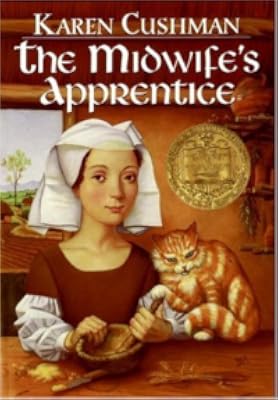
The Midwife's Apprentice
by Karen Cushman
On This Page
Description
In medieval England, a nameless, homeless girl is taken in by a sharp-tempered midwife, and in spite of obstacles and hardship, eventually gains the three things she most wants: a full belly, a contented heart, and a place in this world.Tags
Recommendations
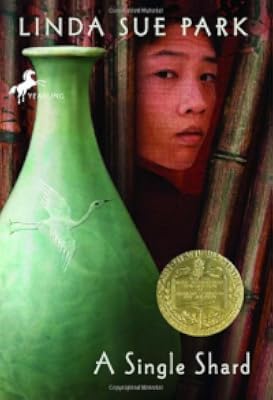
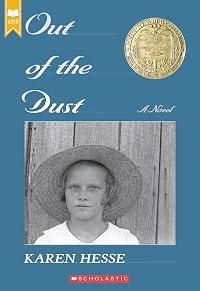
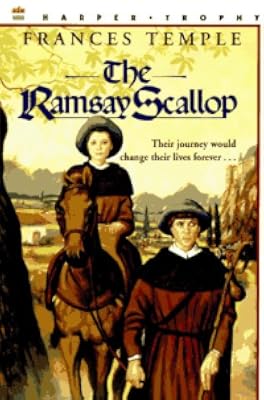
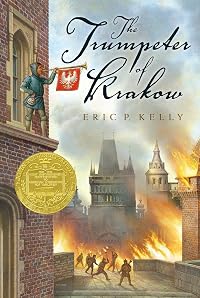


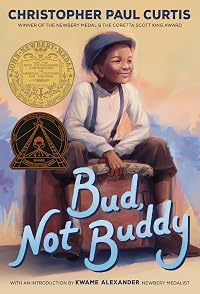
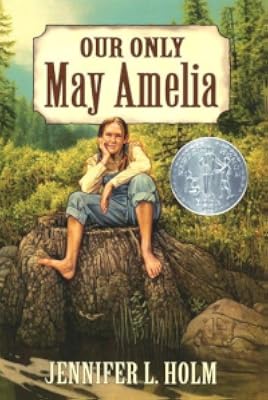
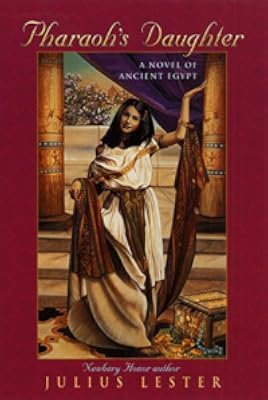

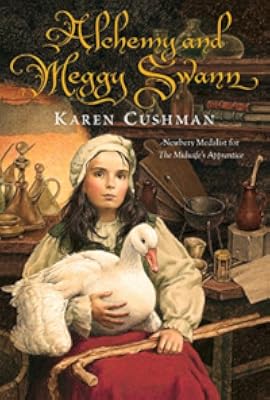
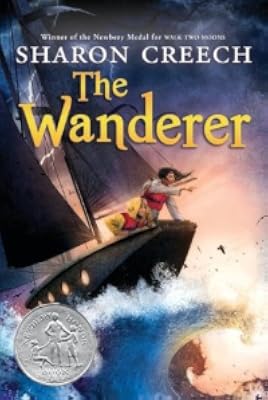
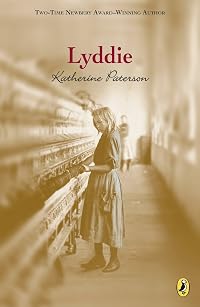
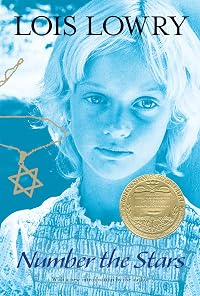
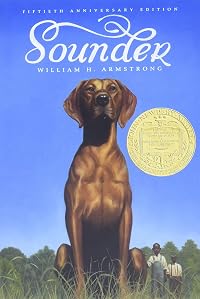
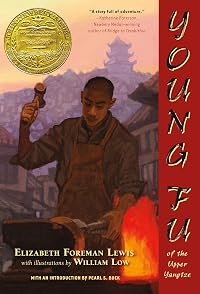
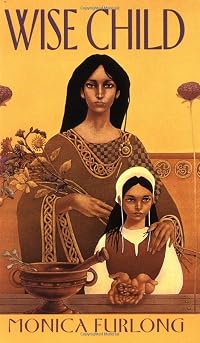
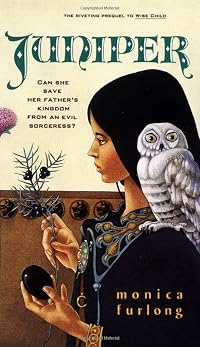
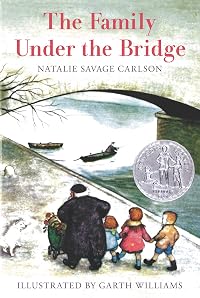

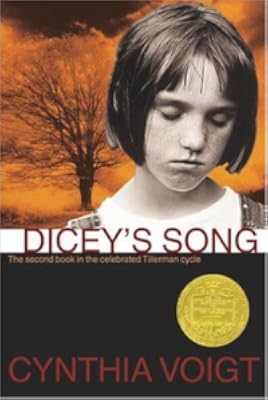
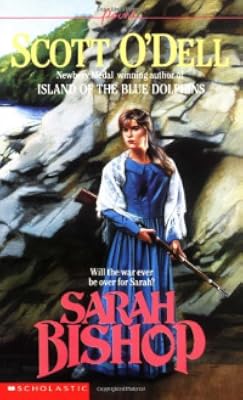
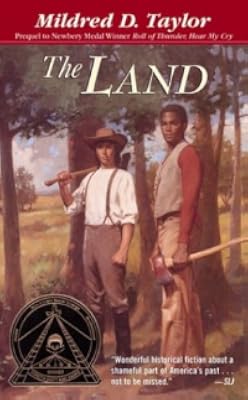
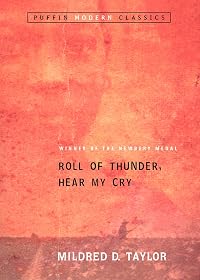
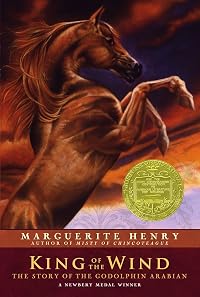
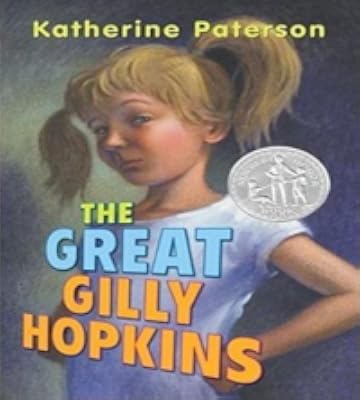
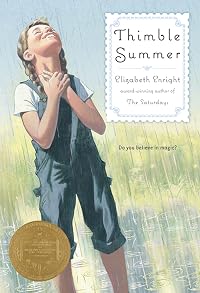
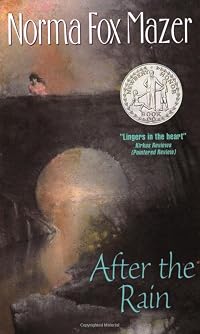
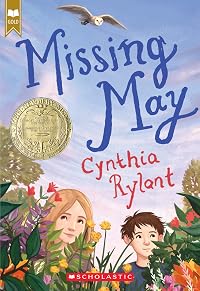
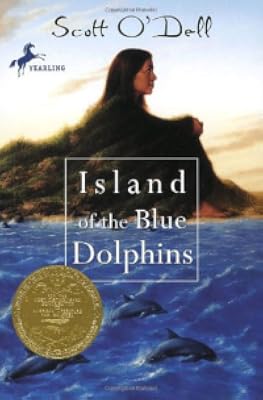
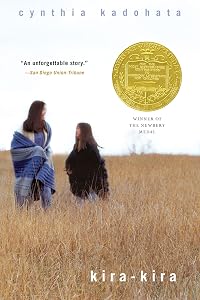
Member Recommendations
Member Reviews
This book has a writing style that I have never seen before. Not like “whoa this is going to change everything about the literature world” but it has a flavor. It flies fast. It’s terse. It has no fluff and buff. All fat is trimmed. The result is that the story feels lean but still passionate, like a summer love affair. “Show, don’t tell” in spades. And a main character that gets you right in the feels without being a perfect lady. You can feel the authentic historical accuracy. But despite the age of the protagonist, it’s not for anyone who hasn’t had “the talk” yet.
The atmosphere feels like a fantasy story, but it deals with the common people living in the outskirts. The ones far away from knights or dragons or show more princesses. This one’s got cheese as a delicacy, sleeping in dung for warmth, and some very satisfying revenge plots. Not to mention social issues, including but not limited to: verbal abuse, breastfeeding, swearing, transgenderism, marital infidelity, superstitious demon possession, and catching some teenagers in the farm shed doing you-know-what. If that doesn’t make for a good book, I don’t know what does. show less
The atmosphere feels like a fantasy story, but it deals with the common people living in the outskirts. The ones far away from knights or dragons or show more princesses. This one’s got cheese as a delicacy, sleeping in dung for warmth, and some very satisfying revenge plots. Not to mention social issues, including but not limited to: verbal abuse, breastfeeding, swearing, transgenderism, marital infidelity, superstitious demon possession, and catching some teenagers in the farm shed doing you-know-what. If that doesn’t make for a good book, I don’t know what does. show less
The story opens with a young girl with no name, no family, burying herself in a dung heap for warmth. The girl is taken in by a midwife, Jane, who dubs her Beetle for her choice of sleeping quarters. Jane’s decision to take Beetle in is not due to benevolence, however, but greed; Jane sees that Beetle is a hard worker who will lighten her load. Jane gives Beetle all the difficult work of her profession, but she is careful to keep Beetle away from observing Jane during delivery, fearing Beetle will learn the secrets of midwifery and become a competitor.Slowly Beetle grows in experience and self-confidence, saving a boy from drowning, aiding a cow in delivering twins, even helping a mother with an impossible delivery give birth to a show more healthy girl. Beetle renames herself Alyce and she begins to learn Jane’s secrets and aid Jane in deliveries.Then Alyce is confronted with a tough delivery. She finds she must call Jane in to save the mother and child. Alyce is left feeling despondent, useless. She runs away. It is only after much reflection that she is able to acknowledge her love for midwifery and to accept that failure is part of learning and to return to her work with Jane. show less
Having first read Cushman's Catherine, Called Birdy, I jumped into reading this award-winning novel with high expectations. The Midwife's Apprentice follows Beetle, an orphan without even a name, in 14th century England. Taken in by a harsh-mannered midwife, Beetle is at first overjoyed to not be sleeping in smelly dung. She slowly starts to learn the trade of midwifery, overcoming the judgement and scorn of those around her. When she abruptly leaves the midwife after what she considers a failure, Beetle (now called Alyce) must learn to know only fight for what she wants, but that she is worth fighting for.
The Midwife's Apprentice has been challenged by many due to its coarse language, vivid depictions of childbirth, and scenes of show more sexual advances toward Alyce. I was unfazed by these passages, and actually saw them as more than appropriate for a time period during which children's innocence was neither prized or warranted due to harsh living conditions. Alyce emerges as a heroine full of grit and determination, but made more likable by the fact that she'd rather use this passion for others than for herself. Cushman does use authentic Olde English language and terms in the book, but nothing was so unknown or off-putting that I was unable to follow the storyline. The characters around Alyce do at times seem as if they are solely filling an archtypal role, but inherent in 14th century England was the reality that you were assigned a sole task that even shaped your name. While reaing this book you'll root for Alyce and her loving cat-but my mind did wander back to Catherine at times, my true Cushman favorite character. show less
The Midwife's Apprentice has been challenged by many due to its coarse language, vivid depictions of childbirth, and scenes of show more sexual advances toward Alyce. I was unfazed by these passages, and actually saw them as more than appropriate for a time period during which children's innocence was neither prized or warranted due to harsh living conditions. Alyce emerges as a heroine full of grit and determination, but made more likable by the fact that she'd rather use this passion for others than for herself. Cushman does use authentic Olde English language and terms in the book, but nothing was so unknown or off-putting that I was unable to follow the storyline. The characters around Alyce do at times seem as if they are solely filling an archtypal role, but inherent in 14th century England was the reality that you were assigned a sole task that even shaped your name. While reaing this book you'll root for Alyce and her loving cat-but my mind did wander back to Catherine at times, my true Cushman favorite character. show less
The girl hasn't had a name or a home until the midwife found her in the dung heap, keeping warm. The midwife, Jane, is no saint but she does take the girl in, calling her Beetle or Brat, or worse, making her work hard for her keep and not letting her really learn how to birth babies. Can the girl make a place for herself in this world?
There seems to be a certain type of book that appeals to adults who give out awards to kids but that I question whether kids would ever pick up on their own, and this is one of them. The main trouble is, though it is a short book, not much happens. It's much more about the girl - who names herself Alyce - and her growth than any story arc or even one event that happens in her life. Some of the interactions show more are so subtle I doubt a young reader would pick up on it, like why the boys who tease Beetle eventually leave Alyce alone. It's set in the Middle Ages, and the author has clearly done her research on medicine and midwifery of that time period. But all in all, it was a little boring. show less
There seems to be a certain type of book that appeals to adults who give out awards to kids but that I question whether kids would ever pick up on their own, and this is one of them. The main trouble is, though it is a short book, not much happens. It's much more about the girl - who names herself Alyce - and her growth than any story arc or even one event that happens in her life. Some of the interactions show more are so subtle I doubt a young reader would pick up on it, like why the boys who tease Beetle eventually leave Alyce alone. It's set in the Middle Ages, and the author has clearly done her research on medicine and midwifery of that time period. But all in all, it was a little boring. show less
Brat, Dung Beetle, or Alyce - whichever name our heroine goes by, she is full of pluck and intelligence - two qualities she gravely needs to survive as an orphan in the Middle Ages. It is Jane Sharp, the village midwife, who plucks Alyce from the dung heap and gives her shelter and sustenance, though no kindness, for her hard work. Slowly, Alyce begins to learn about the world around her and the work of a midwife, though she remains convinced of her own stupidity. Never sure, never confident, Alyce slowly works to find what she most wants - "a place in this world."
Cushman does historical fiction with strong female characters better than almost anyone else. The Midwife's Apprentice is remarkable because, despite its short length, Cushman show more manages to create a character so imperfect and yet so appealing, that the reader will unreservedly root for her to thrive. Cushman pays no less attention to the setting which is full of lush historical details that make this an ideal companion for units on the Middle Ages. The obstacles that Alyce faces, both within herself and in her world would make for great discussion as well.
Listened to the Recorded Books CD edition narrated by Jenny Sterlin. Sterlin handles the medieval language with assurance and a slight accent that never distracts from the story. Previously read. show less
Cushman does historical fiction with strong female characters better than almost anyone else. The Midwife's Apprentice is remarkable because, despite its short length, Cushman show more manages to create a character so imperfect and yet so appealing, that the reader will unreservedly root for her to thrive. Cushman pays no less attention to the setting which is full of lush historical details that make this an ideal companion for units on the Middle Ages. The obstacles that Alyce faces, both within herself and in her world would make for great discussion as well.
Listened to the Recorded Books CD edition narrated by Jenny Sterlin. Sterlin handles the medieval language with assurance and a slight accent that never distracts from the story. Previously read. show less
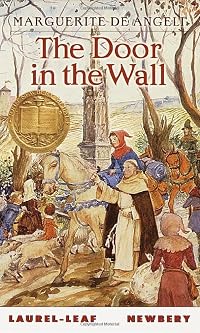
Another story set in medieval England, but since I owned it, I thought I might as well read it. I'm glad that I did! I enjoyed this story much more than Door in the Wall, for a variety of reasons. First of all, the characters are much more complex. No plain black and white, good and bad people here. Second, I liked the problems that Beetle/Alyce, the main character, faced. Her struggle to find her name, her wants, herself, were engrossing. Third, we have a female main character. What can I say, I'm partial to strong female leads.
The story is about this girl, Beetle, who is an orphan living in times not kind to orphans. She's had to rely on her own wits to survive, ignoring the taunts and cruelties of townsfolk, stealing and scavenging, show more even burrowing into dung heaps to keep warm. It is in one of these dung heaps that Jane, a midwife, finds her and takes her home. However, Jane is no philanthropist. She sees Beetle as cheap labor, willing to work for lodging and little food. Despite her still inhospitable surroundings, Beetle slowly finds herself adapting the the town and people, becoming acquainted with herself and growing stronger, and finally discovering who she is and what she wants. A really heartwarming story little story that presents the world in its imperfect shape, yet offers hope for even the most lost. show less
The story is about this girl, Beetle, who is an orphan living in times not kind to orphans. She's had to rely on her own wits to survive, ignoring the taunts and cruelties of townsfolk, stealing and scavenging, show more even burrowing into dung heaps to keep warm. It is in one of these dung heaps that Jane, a midwife, finds her and takes her home. However, Jane is no philanthropist. She sees Beetle as cheap labor, willing to work for lodging and little food. Despite her still inhospitable surroundings, Beetle slowly finds herself adapting the the town and people, becoming acquainted with herself and growing stronger, and finally discovering who she is and what she wants. A really heartwarming story little story that presents the world in its imperfect shape, yet offers hope for even the most lost. show less
This Newbery medal award winner is set in 14th century mediaeval England. In a sense that fact is immaterial in terms of the story. What the setting does offer is a wonderful reason for using delightful, varied and unusual vocabulary. I marked many passages of beautiful writing reminiscent of the period setting yet deeply adding to the depth of the story. The Author’s note at the end was just what I wanted as I completed the book as it answered many of my puzzles as I read.
The central character Beetle is ‘needed by no one’ at one point. Gradually, glimmerings of self belief appear in response to the actions of other characters. At one point she is given a comb that she has much coveted. However it was given with a wink and a show more compliment and although ‘she did not know it, they were also gifts, and they nestled in Beetle’s heart and stayed there’. Wondrously, Beetle then begins to share what she learns along her journey and others begin to value her. She is painted as a kind and humble character and the fruit of those traits becomes increasingly evident. Beetle continues to learn from her experiences and in doing so is able to give increasingly of herself. Naturally she comes up against events that mean she loses faith in herself, yet even then the reader learns that the friendship and loyalty she has shown is repaid and proffers great comfort.
The main question the story poses is found towards the end when she is asked by Magister Reese ‘And what, inn girl, do you want of life?’ By the end she discovers for herself the great truth of life and through her actions she gives Edward (a small waif) the self confidence and skills he had previously lacked – and so the circle is continued.
An excellent and very satisfying read with themes ranging from success to failure, perseverance, life long learning, hope and compassion. This was well deserving of the Newbery Medal award and would be delightful to read aloud. show less
The central character Beetle is ‘needed by no one’ at one point. Gradually, glimmerings of self belief appear in response to the actions of other characters. At one point she is given a comb that she has much coveted. However it was given with a wink and a show more compliment and although ‘she did not know it, they were also gifts, and they nestled in Beetle’s heart and stayed there’. Wondrously, Beetle then begins to share what she learns along her journey and others begin to value her. She is painted as a kind and humble character and the fruit of those traits becomes increasingly evident. Beetle continues to learn from her experiences and in doing so is able to give increasingly of herself. Naturally she comes up against events that mean she loses faith in herself, yet even then the reader learns that the friendship and loyalty she has shown is repaid and proffers great comfort.
The main question the story poses is found towards the end when she is asked by Magister Reese ‘And what, inn girl, do you want of life?’ By the end she discovers for herself the great truth of life and through her actions she gives Edward (a small waif) the self confidence and skills he had previously lacked – and so the circle is continued.
An excellent and very satisfying read with themes ranging from success to failure, perseverance, life long learning, hope and compassion. This was well deserving of the Newbery Medal award and would be delightful to read aloud. show less
Members
- Recently Added By
Lists

Best Newbery Medal Winners
97 works; 54 members

Favorite Childhood Books
1,651 works; 519 members

Elevenses
316 works; 87 members

Newbery Medal Winners - By Year
105 works; 7 members

Books About Girls
219 works; 17 members

Satori Smiles Children's Book List
262 works; 7 members

Historical Fiction
889 works; 91 members

Set in the Middle Ages
42 works; 9 members

Books Read in 2021
5,361 works; 114 members

Books We Loved As Children
610 works; 254 members
Author Information

14+ Works 15,905 Members
Karen Cushman was born on October 4, 1941 and grew up in a working-class family in Chicago, but never put much thought into becoming a writer. Though she wrote poetry and plays as a child, Cushman didn't begin writing professionally for young adults until she was fifty. She holds an MA in both Human Behavior and Museum Studies. Cushman has always show more been interested in history. It was this interest that led her to her research into medieval England and its culture, which led to both Catherine, Called Birdy, a Newbery Honor Book, and The Midwife's Apprentice, her second book and winner of the prestigious Newbery Award in 1996. Both Catherine, Called Birdy and The Midwife's Apprentice have earned many awards and honors including the Gold Kite Award for Fiction from the Society for Children's Book Writers and Illustrators, and was chosen as one of School Library Journal's Best Books of the Year. Cushman's work has also been recognized for excellence by Horn Book, Parenting Magazine, Hungry Mind Review, and the American Library Association. (Bowker Author Biography) show less
Some Editions
Awards and Honors
Awards
Distinctions
Work Relationships
Is contained in
Has as a student's study guide
Common Knowledge
- Original publication date
- 1995
- People/Characters
- Alyce (Brat, Beetle); Jane Sharp; Purr (cat); Magister Reese
- Important places
- England, UK
- Important events
- Middle Ages
- Dedication
- For Philip and Dinah,
Alyce's midwives - First words
- When animal droppings and garbage and spoiled straw are piled up in a great heap, the rotting and moiling give forth heat.
- Quotations
- She chewed on a lock of her hair to help her think. What did people want? Blackberry pie? New shoes? A snug cottage and a bit of land? She thought all that wet afternoon and finally, as she served Magister Reese his cold-beef... (show all)-and-bread supper, she cleared her throat a time or two and then sofly answered: “I know what I want. A full belly, a contented heart, and a place in this world.”
If Beetle had known any prayers, she might have prayed for the cat. If she had known about soft sweet songs, she might have sung to him. If she had known of gentle words and cooing, she would have spoken gently to him. But... (show all) all she knew was cursing: “Damn you, cat, breathe and live, you flea-bitten sod, or I'll kill you myself.” - Last words
- (Click to show. Warning: May contain spoilers.)The door opened. Alyce went in. And the cat went with her.
- Publisher's editor
- Stevenson, Dinah
- Original language
- English
Classifications
- Genres
- Children's Books, Kids, Fiction and Literature, Tween
- DDC/MDS
- 813.54 — Literature & rhetoric American literature in English American fiction in English 1900-1999 1945-1999
- LCC
- PZ7 .C962 .M — Language and Literature Fiction and juvenile belles lettres Fiction and juvenile belles lettres Juvenile belles lettres
- BISAC
Statistics
- Members
- 4,944
- Popularity
- 2,847
- Reviews
- 121
- Rating
- (3.70)
- Languages
- 8 — Danish, Dutch, English, German, Italian, Farsi/Persian, Portuguese, Spanish
- Media
- Paper, Audiobook, Ebook
- ISBNs
- 58
- UPCs
- 1
- ASINs
- 15