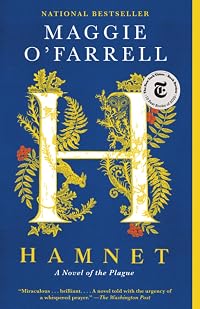
Hamnet
by Maggie O'Farrell
On This Page
Description
"A thrilling departure: a short, piercing, deeply moving novel about the death of Shakespeare's 11 year old son Hamnet--a name interchangeable with Hamlet in 15th century Britain--and the years leading up to the production of his great play. England, 1580. A young Latin tutor--penniless, bullied by a violent father--falls in love with an extraordinary, eccentric young woman--a wild creature who walks her family's estate with a falcon on her shoulder and is known throughout the countryside show more for her unusual gifts as a healer. Agnes understands plants and potions better than she does people, but once she settles with her husband on Henley Street in Stratford she becomes a fiercely protective mother and a steadfast, centrifugal force in the life of her young husband, whose gifts as a writer are just beginning to awaken when his beloved young son succumbs to bubonic plague. A luminous portrait of a marriage, a shattering evocation of a family ravaged by grief and loss, and a hypnotic recreation of the story that inspired one of the greatest masterpieces of all time, Hamnet is mesmerizing, seductive, impossible to put down--a magnificent departure from one of our most gifted novelists"-- show lessTags
Recommendations

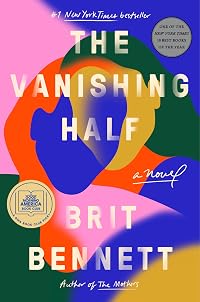
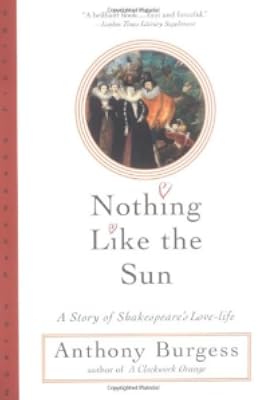
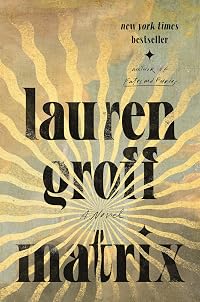

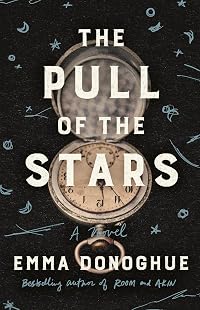
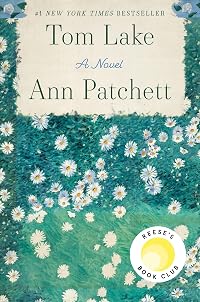
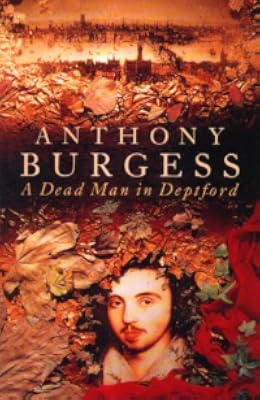

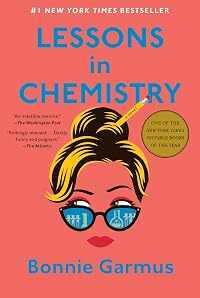
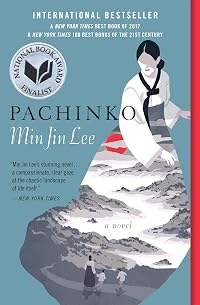
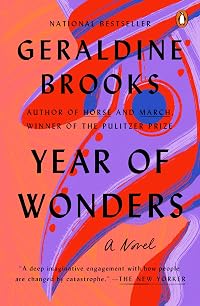

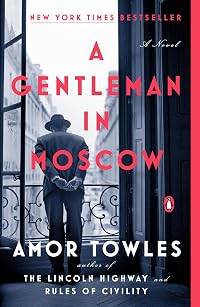
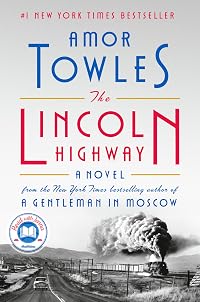
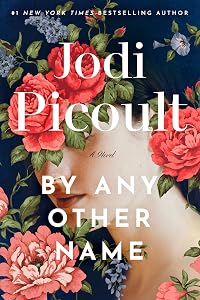
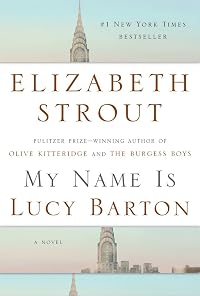
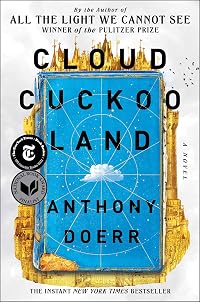
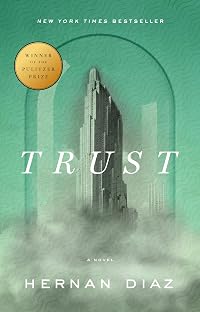
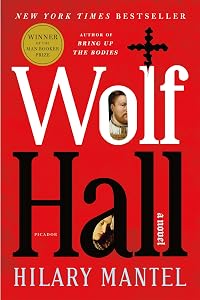

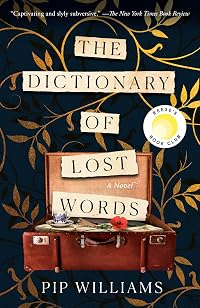
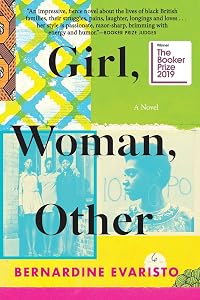
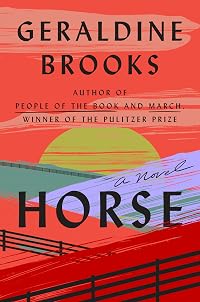
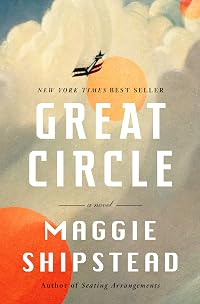





Member Recommendations
vwinsloe Historical fiction that is even more about the plague, and equally compelling.
30
by Ciruelo

JuliaMaria Biografien - Shakespeare und Goya - aus der Sicht von Ehefrau und Kindern erzählt.
Member Reviews
It was magnificent.
Other reviews mention the three-adjective habit. I see what they’re saying, but the idiosyncrasies of an excellent writer do not bother me.
I thought the writing was extraordinary. The author writes from the point of view of every character, including a 2-year-old, including a monkey. Her metaphors are ingenious, as when she compares Shakespeare’s father, an abusive glover, to a tight glove. And the emotions are so convincing and true to life, as when Shakespeare’s strict and unpleasant mother, who has lost two children to plague, thinks her granddaughter is now going to die of the same thing:
“[Agnes] would keep her here, haul her back, by will alone, if she could. Mary knows this urge—she feels it; she has show more lived it; she is it, now and forever.”
I got chills reading that passage. It humanizes Mary and helps explain some of her anxious unpleasantness. And conveys the searing pain of losing a child, how the pain is so present for the rest of your life that it becomes an essential part of your being. I would imagine that writing about grief is very difficult to do without it becoming tedious or repetitive for the reader. The entire second part of the book was all about grief and I felt completely engaged - and completely eviscerated by it.
The book also imagines answers to many of the questions that are typically asked about Shakespeare’s life, such as how did he feel about his wife? Why did he marry an older woman before he was apprenticed? Why did he leave his family to go to London? Where did he get some of his specialized knowledge, such as about falconry and herbalism? Why did he leave his wife his second-best bed? And it answers all these questions without centering Shakespeare in the narrative, but rather focusing on the life of his family – a feat in and of itself.
I get why people are annoyed about making Shakespeare’s wife witchy and foreseeing. But as far as witchy historical women go, it’s not that bad, especially not when compared to, say, Philippa Gregory’s Elizabeth Woodville, who actually casts spells. And honestly, I would follow this writer anywhere she would like to take me, witchiness or no. Agnes’s witchiness mostly gives her insight into other characters, which both gives the reader her insight and helps to characterize Agnes as especially kind and empathetic. The above-mentioned metaphor about the glove comes from Agnes, at the moment she’s realizing how bad her husband’s life has been at his father’s hands. She considers how gloves come at the expense of the animals from whose skins they’re made, how the glover discards the essence of the animal (heart, viscera, spirit) in order to take the skin and fashion something that covers and constrains you. It’s a flabbergastingly good passage that could only come from Agnes’s mind, and only because she’s so insightful.
An incredible book. show less
Other reviews mention the three-adjective habit. I see what they’re saying, but the idiosyncrasies of an excellent writer do not bother me.
I thought the writing was extraordinary. The author writes from the point of view of every character, including a 2-year-old, including a monkey. Her metaphors are ingenious, as when she compares Shakespeare’s father, an abusive glover, to a tight glove. And the emotions are so convincing and true to life, as when Shakespeare’s strict and unpleasant mother, who has lost two children to plague, thinks her granddaughter is now going to die of the same thing:
“[Agnes] would keep her here, haul her back, by will alone, if she could. Mary knows this urge—she feels it; she has show more lived it; she is it, now and forever.”
I got chills reading that passage. It humanizes Mary and helps explain some of her anxious unpleasantness. And conveys the searing pain of losing a child, how the pain is so present for the rest of your life that it becomes an essential part of your being. I would imagine that writing about grief is very difficult to do without it becoming tedious or repetitive for the reader. The entire second part of the book was all about grief and I felt completely engaged - and completely eviscerated by it.
The book also imagines answers to many of the questions that are typically asked about Shakespeare’s life, such as how did he feel about his wife? Why did he marry an older woman before he was apprenticed? Why did he leave his family to go to London? Where did he get some of his specialized knowledge, such as about falconry and herbalism? Why did he leave his wife his second-best bed? And it answers all these questions without centering Shakespeare in the narrative, but rather focusing on the life of his family – a feat in and of itself.
I get why people are annoyed about making Shakespeare’s wife witchy and foreseeing. But as far as witchy historical women go, it’s not that bad, especially not when compared to, say, Philippa Gregory’s Elizabeth Woodville, who actually casts spells. And honestly, I would follow this writer anywhere she would like to take me, witchiness or no. Agnes’s witchiness mostly gives her insight into other characters, which both gives the reader her insight and helps to characterize Agnes as especially kind and empathetic. The above-mentioned metaphor about the glove comes from Agnes, at the moment she’s realizing how bad her husband’s life has been at his father’s hands. She considers how gloves come at the expense of the animals from whose skins they’re made, how the glover discards the essence of the animal (heart, viscera, spirit) in order to take the skin and fashion something that covers and constrains you. It’s a flabbergastingly good passage that could only come from Agnes’s mind, and only because she’s so insightful.
An incredible book. show less
I wish I'd read Hamnet by Maggie O'Farrell last year. It would definitely have ended up on my Top 5 Books of 2020 list.
Hamnet is an historical fiction novel about the death of Shakespeare's 11 year old son Hamnet in 1596, and in particular how his wife Agnes and family deal with the loss. Shakespeare is never named in the book (not once!) and while the book is about his family, it's not all about him.
The reader is introduced to a young Agnes, learning about her mother and the gifts she passed on to her daughter before her passing.
"Agnes learnt to be agile, quick. She learnt the advantages of invisibility, how to pass through a room without drawing notice. She learnt that what is hidden within a person may be brought forth if, say, a show more sprinkling of bladderwort were to find its way into that person's cup. She learnt that creepers disentangled from an oak trunk, brushed against bed linen, will ensure no sleep for whoever lies there." Page 53
Later on, after the death of her mother, we're given an insight into Agnes' teenage years living with her stepmother Joan.
"Joan is not an idle woman. She has six children (eight, if you count the half-mad step-girl and the idiot brother she was forced to take on when she married). She is a widow, as of last year. The farmer left the farm to Bartholomew, of course, but the terms of the will allow her, Joan to remain living here to oversee matters. And oversee she will. She doesn't trust that Bartholomew to look further than his nose. She has told him she will continue to run the kitchen, the yard and the orchard, with the help of the girls. Bartholomew will see to the flocks and the fields, with the help of the boys, and she will walk the land with him, once a week, to make sure all is as it should be. So Joan has the chickens and pigs to see to, the cows to milk, food for the men, the farmhand and the shepherd to prepare, day in, day out. Two younger boys to educate as best she can - and Lord knows they will need an education as the farm will not be coming down to them, more's the pity. She has three daughters (four, if you count the other, which Joan usually doesn't) to keep under her eye. She has bread to bake, cattle to milk, berries to bottle, beer to brew, clothes to mend, stockings to darn, floors to scrub, dishes to wash, beds to air, carpets to beat, windows to polish, tables to scour, hair to brush, passages to sweep, steps to scrub.
Forgive her, then, if it is almost three months before she notices that a number of monthly cloths are missing from the wash." Page 84
Agnes meets and falls in love with the tutor (William) and neither family is pleased with the match. Leaving her childhood home and her brother Bartholomew, Agnes moves in with her husband's glove-making family and gives birth to a daughter and later on to twins, Judith and Hamnet.
I adored the study of relationships in this book, the complex marriage between Agnes and her husband and the strained family dynamics; relatable even centuries later. A highlight is Agnes' relationship with her mother-in-law Mary. Here's an example I just have to share with you.
"Whatever differences Agnes and Mary have - and there are many, of course, living at such close quarters, with so much to do, so many children, so many mouths, the meals to cook and the clothes to wash and mend, the men to watch and assess, soothe and guide - dissolve in the face of tasks. The two of them can gripe and prickle and rub each other up the wrong way; they can argue and bicker and sigh; they can throw into the pig-pen food the other has cooked because it is too salted or not milled finely enough or too spiced; they can raise an eyebrow at each other's darning or stitching or embroidery. In a time such as this, however, they can operate like two hands of the same person." Page 130
You can tell by the quotes I've shared that I was absolutely blown away by the evocative writing in Hamnet, and am thrilled to discover a new-to-me author in Maggie O'Farrell. What a talent! Hamnet was published in March last year and went on to win the Women's Prize for Fiction in 2020, and deservedly so in my opinion.
Those who have read the book will understand what I mean when I say my absolute favourite part of the novel was the story about the plague-infested flea and the detailed journey it took to reach Stratford. It was fascinating, gripping and perfectly written.
You don't need to know anything about Shakespeare to enjoy this novel. It's essentially the story of a 16th century family and the way in which they cope with life's choices and challenges. It's beautifully written and I know it's only January, but I'm certain Hamnet by Maggie O'Farrell is going to be one of my top 5 favourite reads of 2021.
Highly recommended for fans of historical fiction. show less
Hamnet is an historical fiction novel about the death of Shakespeare's 11 year old son Hamnet in 1596, and in particular how his wife Agnes and family deal with the loss. Shakespeare is never named in the book (not once!) and while the book is about his family, it's not all about him.
The reader is introduced to a young Agnes, learning about her mother and the gifts she passed on to her daughter before her passing.
"Agnes learnt to be agile, quick. She learnt the advantages of invisibility, how to pass through a room without drawing notice. She learnt that what is hidden within a person may be brought forth if, say, a show more sprinkling of bladderwort were to find its way into that person's cup. She learnt that creepers disentangled from an oak trunk, brushed against bed linen, will ensure no sleep for whoever lies there." Page 53
Later on, after the death of her mother, we're given an insight into Agnes' teenage years living with her stepmother Joan.
"Joan is not an idle woman. She has six children (eight, if you count the half-mad step-girl and the idiot brother she was forced to take on when she married). She is a widow, as of last year. The farmer left the farm to Bartholomew, of course, but the terms of the will allow her, Joan to remain living here to oversee matters. And oversee she will. She doesn't trust that Bartholomew to look further than his nose. She has told him she will continue to run the kitchen, the yard and the orchard, with the help of the girls. Bartholomew will see to the flocks and the fields, with the help of the boys, and she will walk the land with him, once a week, to make sure all is as it should be. So Joan has the chickens and pigs to see to, the cows to milk, food for the men, the farmhand and the shepherd to prepare, day in, day out. Two younger boys to educate as best she can - and Lord knows they will need an education as the farm will not be coming down to them, more's the pity. She has three daughters (four, if you count the other, which Joan usually doesn't) to keep under her eye. She has bread to bake, cattle to milk, berries to bottle, beer to brew, clothes to mend, stockings to darn, floors to scrub, dishes to wash, beds to air, carpets to beat, windows to polish, tables to scour, hair to brush, passages to sweep, steps to scrub.
Forgive her, then, if it is almost three months before she notices that a number of monthly cloths are missing from the wash." Page 84
Agnes meets and falls in love with the tutor (William) and neither family is pleased with the match. Leaving her childhood home and her brother Bartholomew, Agnes moves in with her husband's glove-making family and gives birth to a daughter and later on to twins, Judith and Hamnet.
I adored the study of relationships in this book, the complex marriage between Agnes and her husband and the strained family dynamics; relatable even centuries later. A highlight is Agnes' relationship with her mother-in-law Mary. Here's an example I just have to share with you.
"Whatever differences Agnes and Mary have - and there are many, of course, living at such close quarters, with so much to do, so many children, so many mouths, the meals to cook and the clothes to wash and mend, the men to watch and assess, soothe and guide - dissolve in the face of tasks. The two of them can gripe and prickle and rub each other up the wrong way; they can argue and bicker and sigh; they can throw into the pig-pen food the other has cooked because it is too salted or not milled finely enough or too spiced; they can raise an eyebrow at each other's darning or stitching or embroidery. In a time such as this, however, they can operate like two hands of the same person." Page 130
You can tell by the quotes I've shared that I was absolutely blown away by the evocative writing in Hamnet, and am thrilled to discover a new-to-me author in Maggie O'Farrell. What a talent! Hamnet was published in March last year and went on to win the Women's Prize for Fiction in 2020, and deservedly so in my opinion.
Those who have read the book will understand what I mean when I say my absolute favourite part of the novel was the story about the plague-infested flea and the detailed journey it took to reach Stratford. It was fascinating, gripping and perfectly written.
You don't need to know anything about Shakespeare to enjoy this novel. It's essentially the story of a 16th century family and the way in which they cope with life's choices and challenges. It's beautifully written and I know it's only January, but I'm certain Hamnet by Maggie O'Farrell is going to be one of my top 5 favourite reads of 2021.
Highly recommended for fans of historical fiction. show less
***SPOILERS HIDDEN***
Few people, even avid fans of William Shakespeare, think about his son Hamnet. There's not much to think about: Nothing about the boy is known beyond a few basic facts. Shakespeare's only son died at age eleven. The cause wasn't recorded, but for the purposes of this historical fiction, Maggie O'Farrell assumed the bubonic plague killed him. Working from this assumption, she crafted Hamnet, a story that's heavily fictionalized, because without much information about Shakespeare's family available, it had to be. Where that fiction is concerned, Hamnet pulls off a surprising, but successful, balancing act, with some magical-realism elements living in a fiction that's otherwise solidly realistic and well-established in show more the late 1500s.
The best thing about Hamnet is O'Farrell's masterly writing. It's elegant and smooth, with her unique way of observing everyday life on constant display. She describes the side of a fist as looking like a snail shell. Strands of hair escaped from a coif "write themselves in damp scribbles on her neck." In O'Farrell's writing, things that every reader has seen a million times but never thought about twice are made artistic. A touch of formality to this writing reinforces the Renaissance setting too.
Unfortunately, that formality does have a way of cooling plot happenings and sucking feeling out of a story I expected to be emotional. Hamnet maintains a detached, fly-on-the-wall quality even through scenes that should be the most poignant. Beyond the formal-language obstacle, it's hard to feel much for the characters because all are severely under-developed and the dynamics between them hastily shown: Anne Hathaway's relationship with her rigid stepmother; Shakespeare's relationship with his abusive father; Hamnet and Judith's loving relationship; Hathaway and Shakespeare's romance and subsequent strained marriage. And especially the Black Plague and the characters' connection to it.
The plague is the most background of background characters. It exists only so O'Farrell could have it kill Hamnet. In reality, the bubonic plague was such an efficient killing machine that it could never be a background character. Although it's entirely possible the plague killed Shakespeare's son, by including it, O'Farrell added another complicated moving part to a large set of moving parts she was already struggling to manage.
Hamnet feels as if O'Farrell started in a sure-footed direction but then got lost when too many characters entered the picture. This book isn't even about Hamnet. And it's definitely not about his dad either: William Shakespeare is not only never referred to by name but he plays no critical role. A more fitting title would be Hathaway. In the early scenes—when the story has fewer characters—Hathaway is intriguing. A mysterious figure with mystical powers, she communes with nature and has a knack for making medicinal tinctures from various plants. Her entry into the story is dramatically headstrong: She strides out of a forest with a kestrel on her hand. She's a character I wanted to really know. But she's drained of all that's exciting about her when her romance with Shakespeare inexplicably moves at warp speed to land her where she remains for the rest of the story: as everyday wife and mom. Burdened with mind-numbing domestic tasks and, later, with grief, she's flattened, with little purpose beyond agonizing over male characters: her son and her (possibly adulterous) husband. Her kestrel vanishes from the story without explanation, apparently only ever there to paint a distinctive initial picture of her character.
When the plague finally makes its appearance, O'Farrell decided the reader would feel the full force of Hamnet's death if it were positioned in relation to Hathaway specifically. This could have been a good way to salvage her character; however, because O'Farrell didn't fully develop Hamnet, Hathaway's grief reads as distant. By the time the boy dies,the same three things are known about him as at the start: that he's blond, that he's close to his twin sister, and that they look a lot alike. An extremely long and leisurely (read: borderline boring) burial-preparation scene has Hathaway struggling to accept Hamnet's death. Every inch of this scene is described, and for many pages following, Hathaway is stuck in a deflated rumination loop of trying to make sense of her son's death. It's easy to imagine O'Farrell believing that such intimacy would make her reader cry in this part. But repeatedly returning to Hathaway's anguish feels only like O'Farrell is forcing the reader to experience the same degree of anguish. That's a big ask when the author didn't bring Hamnet to life in the first place.
Hamnet is a showcase for O'Farrell's beautiful writing above all. It saves the book. This should be read to see that formal writing, rather than stilted, can glide from one sentence to the next. It also should be read to see how a writer can paint with words and elevate the ordinary to the extraordinary.
It shouldn't be read for story. The central conflict is hazy. Emotion is lacking. The plot is thin. Like many authors, O'Farrell stuffed too many characters into one book thinking doing so would add complexity. As this book proves, too many in one book just results in shallow development of all. And O'Farrell's focus was misplaced. This book is meant to make Hamnet someone readers care about, but why him? Because nothing interesting about Hamnet Shakespeare is built into the scant historical record, deciding he should lead a story seems pretentious. On the other hand, information about Hathaway, although also minimal, is enough to naturally compel an author to write about her. In particular, how O'Farrell crafted Hathaway at the beginning offers some proof that this character is more natural as a lead. Hamnet is incomplete in many ways, but, at the very least, if it were instead Hathaway, if O'Farrell had leaned into her early creative inclinations and made Shakespeare's wife the star, this book would at least be less forced and have a more concrete identity.
NOTE: This review is cross-posted on The Story Graph and Goodreads. show less
Few people, even avid fans of William Shakespeare, think about his son Hamnet. There's not much to think about: Nothing about the boy is known beyond a few basic facts. Shakespeare's only son died at age eleven. The cause wasn't recorded, but for the purposes of this historical fiction, Maggie O'Farrell assumed the bubonic plague killed him. Working from this assumption, she crafted Hamnet, a story that's heavily fictionalized, because without much information about Shakespeare's family available, it had to be. Where that fiction is concerned, Hamnet pulls off a surprising, but successful, balancing act, with some magical-realism elements living in a fiction that's otherwise solidly realistic and well-established in show more the late 1500s.
The best thing about Hamnet is O'Farrell's masterly writing. It's elegant and smooth, with her unique way of observing everyday life on constant display. She describes the side of a fist as looking like a snail shell. Strands of hair escaped from a coif "write themselves in damp scribbles on her neck." In O'Farrell's writing, things that every reader has seen a million times but never thought about twice are made artistic. A touch of formality to this writing reinforces the Renaissance setting too.
Unfortunately, that formality does have a way of cooling plot happenings and sucking feeling out of a story I expected to be emotional. Hamnet maintains a detached, fly-on-the-wall quality even through scenes that should be the most poignant. Beyond the formal-language obstacle, it's hard to feel much for the characters because all are severely under-developed and the dynamics between them hastily shown: Anne Hathaway's relationship with her rigid stepmother; Shakespeare's relationship with his abusive father; Hamnet and Judith's loving relationship; Hathaway and Shakespeare's romance and subsequent strained marriage. And especially the Black Plague and the characters' connection to it.
The plague is the most background of background characters. It exists only so O'Farrell could have it kill Hamnet. In reality, the bubonic plague was such an efficient killing machine that it could never be a background character. Although it's entirely possible the plague killed Shakespeare's son, by including it, O'Farrell added another complicated moving part to a large set of moving parts she was already struggling to manage.
Hamnet feels as if O'Farrell started in a sure-footed direction but then got lost when too many characters entered the picture. This book isn't even about Hamnet. And it's definitely not about his dad either: William Shakespeare is not only never referred to by name but he plays no critical role. A more fitting title would be Hathaway. In the early scenes—when the story has fewer characters—Hathaway is intriguing. A mysterious figure with mystical powers, she communes with nature and has a knack for making medicinal tinctures from various plants. Her entry into the story is dramatically headstrong: She strides out of a forest with a kestrel on her hand. She's a character I wanted to really know. But she's drained of all that's exciting about her when her romance with Shakespeare inexplicably moves at warp speed to land her where she remains for the rest of the story: as everyday wife and mom. Burdened with mind-numbing domestic tasks and, later, with grief, she's flattened, with little purpose beyond agonizing over male characters: her son and her (possibly adulterous) husband. Her kestrel vanishes from the story without explanation, apparently only ever there to paint a distinctive initial picture of her character.
When the plague finally makes its appearance, O'Farrell decided the reader would feel the full force of Hamnet's death if it were positioned in relation to Hathaway specifically. This could have been a good way to salvage her character; however, because O'Farrell didn't fully develop Hamnet, Hathaway's grief reads as distant. By the time the boy dies,
Hamnet is a showcase for O'Farrell's beautiful writing above all. It saves the book. This should be read to see that formal writing, rather than stilted, can glide from one sentence to the next. It also should be read to see how a writer can paint with words and elevate the ordinary to the extraordinary.
It shouldn't be read for story. The central conflict is hazy. Emotion is lacking. The plot is thin. Like many authors, O'Farrell stuffed too many characters into one book thinking doing so would add complexity. As this book proves, too many in one book just results in shallow development of all. And O'Farrell's focus was misplaced. This book is meant to make Hamnet someone readers care about, but why him? Because nothing interesting about Hamnet Shakespeare is built into the scant historical record, deciding he should lead a story seems pretentious. On the other hand, information about Hathaway, although also minimal, is enough to naturally compel an author to write about her. In particular, how O'Farrell crafted Hathaway at the beginning offers some proof that this character is more natural as a lead. Hamnet is incomplete in many ways, but, at the very least, if it were instead Hathaway, if O'Farrell had leaned into her early creative inclinations and made Shakespeare's wife the star, this book would at least be less forced and have a more concrete identity.
NOTE: This review is cross-posted on The Story Graph and Goodreads. show less
During the 1580s, a young Latin tutor from Stratford-upon-Avon falls in love with an eccentric woman who keeps a kestrel and has a wicked stepmother, whom she longs to escape. Will’s pretty eccentric too, considering that he has no use for his father’s trade of glove making or any idea how to earn a living, except that he longs to do it far away from paternal fists and constant criticism. The son’s favored profession may involve words, though he never says. Neither family finds any of this amusing.
Even so, the lovers get what they wish, sort of — they marry but live in the groom’s household, so the nasty father is ever-present. The young couple has a daughter, Susanna, and twins, Judith and Hamnet. But in 1596, the plague show more claims Hamnet’s life, blighting his parents forever and upsetting the balance of the mixed families. So, as the subtitle suggests, Hamnet is a novel about the plague, but that’s like saying The Great Gatsby is about money.
O’Farrell has given us an extraordinarily intimate, subtle portrait of: a courtship and marriage; the gossamer boundary between life and death; the longing for love and connection despite that; the emotional currents that guide and twist a family; and daily life in Elizabethan England. And oh, by the way, Hamnet’s also the finest novel I’ve ever read about Shakespeare, likely to remain the gold standard for quite a while, though his last name never appears, and most of the narrative belongs to Agnes, his wife.
Not Anne, you ask? Apparently not, for her father’s last will referred to her as Agnes. But neither that fact, nor that Hamnet and Hamlet were interchangeable names in that time and place, should get in anyone’s way. Our principal players, no matter what you call them, are the chief attractions, but this drama gives every performer his or her due. Among the minor characters, I particularly like Judith and Hamnet, and Will’s younger siblings, Eliza and Edmond, but I find no weak links anywhere.
Start with Agnes, whom some believe a witch, and whose herbal knowledge counts against her that way, though many people ask her for remedies. She sees everything and believes she should, taking her perceptive abilities for granted — though wisely, she doesn’t say so. Nevertheless, she has an odd streak; witness her disarming habit of grasping people by the flesh between first finger and thumb, which has predictive power, she says.
Normally, I’m skeptical about fortune-telling or otherworldly predictions, but Agnes believes in and practices them with utter conviction, and O’Farrell grounds her narrative in such extensive, well-chosen physical detail that I can’t argue. Agnes’s gift also explains why she trusts young Will on first meeting, and not only because he passes the thumb-flesh test. His way of speaking from and to the heart, in a style ten times more verbal than anyone else’s, yet without pedantry, shows her he takes his own flights of perception.
There’s no other obvious evidence of his poetic genius, but you can tell it’s earned and resides within him, so O’Farrell doesn’t stoop to having him quote a famous couplet or three. In a brilliant stroke and entirely realistic, Agnes has no clue what the theater entails, or what Will does with it in his lengthy absences in London, nor does she care. She’s more concerned with his emotional and physical constancy, which she can read in a glance, frown, or between the lines of a completely mundane letter about scenery, props, or actors.
Otherwise, she fixes her gaze firmly on her children. Hamnet’s the dreamy boy who’s off in his own world, forgetful of chores, but a golden child whom everyone likes — a bit like his father, perhaps? And you know that Agnes, who loves her children fiercely and believes beyond persuasion that she can protect them from anything, will lose her footing completely after the plague enters the house.
O’Farrell renders her characters practically at corpuscle level, so their minds and bodies seem lived in to an extraordinary degree. To me, present-tense narratives have to strike the right note or seem precious, but Hamnet never falters. You might think that a moment-to-moment rendition, at length, would lose steam, or that revealing the boy’s death early on would spoil the tension.
But Hamnet will prove you wrong, on both counts. The author selects her moments of intense examination carefully, but her approach proves that if your narrative plumbs deep meaning, it doesn’t matter how many minutes, days, weeks, or years pass. This novel, with luminous prose, beautifully rounded characters, and timeless themes will bowl you over. show less
Even so, the lovers get what they wish, sort of — they marry but live in the groom’s household, so the nasty father is ever-present. The young couple has a daughter, Susanna, and twins, Judith and Hamnet. But in 1596, the plague show more claims Hamnet’s life, blighting his parents forever and upsetting the balance of the mixed families. So, as the subtitle suggests, Hamnet is a novel about the plague, but that’s like saying The Great Gatsby is about money.
O’Farrell has given us an extraordinarily intimate, subtle portrait of: a courtship and marriage; the gossamer boundary between life and death; the longing for love and connection despite that; the emotional currents that guide and twist a family; and daily life in Elizabethan England. And oh, by the way, Hamnet’s also the finest novel I’ve ever read about Shakespeare, likely to remain the gold standard for quite a while, though his last name never appears, and most of the narrative belongs to Agnes, his wife.
Not Anne, you ask? Apparently not, for her father’s last will referred to her as Agnes. But neither that fact, nor that Hamnet and Hamlet were interchangeable names in that time and place, should get in anyone’s way. Our principal players, no matter what you call them, are the chief attractions, but this drama gives every performer his or her due. Among the minor characters, I particularly like Judith and Hamnet, and Will’s younger siblings, Eliza and Edmond, but I find no weak links anywhere.
Start with Agnes, whom some believe a witch, and whose herbal knowledge counts against her that way, though many people ask her for remedies. She sees everything and believes she should, taking her perceptive abilities for granted — though wisely, she doesn’t say so. Nevertheless, she has an odd streak; witness her disarming habit of grasping people by the flesh between first finger and thumb, which has predictive power, she says.
Normally, I’m skeptical about fortune-telling or otherworldly predictions, but Agnes believes in and practices them with utter conviction, and O’Farrell grounds her narrative in such extensive, well-chosen physical detail that I can’t argue. Agnes’s gift also explains why she trusts young Will on first meeting, and not only because he passes the thumb-flesh test. His way of speaking from and to the heart, in a style ten times more verbal than anyone else’s, yet without pedantry, shows her he takes his own flights of perception.
There’s no other obvious evidence of his poetic genius, but you can tell it’s earned and resides within him, so O’Farrell doesn’t stoop to having him quote a famous couplet or three. In a brilliant stroke and entirely realistic, Agnes has no clue what the theater entails, or what Will does with it in his lengthy absences in London, nor does she care. She’s more concerned with his emotional and physical constancy, which she can read in a glance, frown, or between the lines of a completely mundane letter about scenery, props, or actors.
Otherwise, she fixes her gaze firmly on her children. Hamnet’s the dreamy boy who’s off in his own world, forgetful of chores, but a golden child whom everyone likes — a bit like his father, perhaps? And you know that Agnes, who loves her children fiercely and believes beyond persuasion that she can protect them from anything, will lose her footing completely after the plague enters the house.
O’Farrell renders her characters practically at corpuscle level, so their minds and bodies seem lived in to an extraordinary degree. To me, present-tense narratives have to strike the right note or seem precious, but Hamnet never falters. You might think that a moment-to-moment rendition, at length, would lose steam, or that revealing the boy’s death early on would spoil the tension.
But Hamnet will prove you wrong, on both counts. The author selects her moments of intense examination carefully, but her approach proves that if your narrative plumbs deep meaning, it doesn’t matter how many minutes, days, weeks, or years pass. This novel, with luminous prose, beautifully rounded characters, and timeless themes will bowl you over. show less
The Shakespeares, the death of their son, and the germination of a great play. Multiple timelines holistically bring the Shakespeares' family life into vivid focus. O'Farrell really seizes an opportunity with Anne "Agnes" Hathaway, creating a fierce and formidable character light years away from the shrewish homebody usually on offer--less a ball-and-chain hindrance to the great man and more the kind of intoxicating woman the young Shakespeare might well have been swept away by. A profound meditation on loss and the origins and consolations of art.
Maggie O'Farrell's Hamnet is its own creature, with a voice and an approach that are utterly unique. The book is narrated in third person from multiple perspectives and focuses at least as much on individual characters' inner worlds as on the actual events of the "real" world. This takes a bit of getting used to at first, but once the reader hits her stride, it's absolutely compelling. This is a book that is worth sticking with—even if one is uncertain about it at first.
In Hamnet, O'Farrell tells the story of Shakespeare's family: his wife Agnes (better known as Anne, but referred to as Agnes in at least one legal document from the time), his children Susanna, Judith, and Hamnet, and his parent, siblings, and in-laws. Each of these show more characters is fully realized. O'Farrell starts with the little historians agree on, but then gives herself permission to invent in rich, original ways. If you're at all familiar with Shakespeare's biography, you know that his son Hamnet died young. In this novel, that death becomes the focal point of life for Shakespeare, Agnes, Susanna, and Judith. We see the strain it puts on the family as a unit and the ways each one of them seeks some sort of resolution to the incompleteness created by Hamnet's death.
O'Farrell builds to a moment of resolution at the book's end. It's an interesting attempt, but isn't completely successful in my opinion. Nonetheless, I'm rating this a five-star title because the rewards of reading it go far beyond those offered by the usual fare.
I received a free electronic review copy of this title from the publisher via EdelweissPlus. The opinions are my own. show less
In Hamnet, O'Farrell tells the story of Shakespeare's family: his wife Agnes (better known as Anne, but referred to as Agnes in at least one legal document from the time), his children Susanna, Judith, and Hamnet, and his parent, siblings, and in-laws. Each of these show more characters is fully realized. O'Farrell starts with the little historians agree on, but then gives herself permission to invent in rich, original ways. If you're at all familiar with Shakespeare's biography, you know that his son Hamnet died young. In this novel, that death becomes the focal point of life for Shakespeare, Agnes, Susanna, and Judith. We see the strain it puts on the family as a unit and the ways each one of them seeks some sort of resolution to the incompleteness created by Hamnet's death.
O'Farrell builds to a moment of resolution at the book's end. It's an interesting attempt, but isn't completely successful in my opinion. Nonetheless, I'm rating this a five-star title because the rewards of reading it go far beyond those offered by the usual fare.
I received a free electronic review copy of this title from the publisher via EdelweissPlus. The opinions are my own. show less
there just aren't words for the utter beauty of this book. the universality of emotions she's exploring in this precise moment in time that isn't universal at all. the gorgeousness - and accessibility - of her language and story and thoughts is honestly almost overwhelming. this book is sheer perfection.
if anyone wants to better understand grief or support someone through a loss, this is a book to crack you open and help you get to that feeling. if you've felt that grief, this book will make you feel held and seen and understood, but might also be a lot to handle.
this is a book to read with your whole body. it gets into every part of you and holds on tight. i love this so much and don't care at all that it happens to be about show more shakespeare or takes place outside london or features the plague. none of those things are about what this book means. can't capture all this book is and does. i want to keep reading this forever.
one small slice of its perfection: "His mind is traversed, for a moment, by an image of her body in its current astonishing shape, as he saw it last night: limbs, neat rib cage, the spine a long indent down the back, a cart-track through snow, and then this perfectly rounded sphere at the front. Like a woman who had swallowed the moon."
5 stars
from may 2022
holy. holy. holy. this. is. exquisite. achingly beautiful. i never ever wanted it to end. i mean i think i could be satisfied if this book literally went on for the rest of my life. i want to be reading it, be in its language, forever. every word of this was exactly the word it needed to be, and so many of those words were not the obvious ones to use. i am so, so taken with this book and am so impressed by what she did here. (and the narrator; she, too, is incredible.) i want to live in the pages of this book i love it so much.
you don't need to know, reading this, that it's about shakespeare and his family. (she actually never names him and so you could read a good long while without knowing it. amazing how she could never once name a character who features so heavily in the telling, and it feel totally natural and unforced.) she assumes a lot and makes up more, and truly the import of who she's talking about is minimal. this is about the time period, these people as she wrote them, living with an abusive father, growing up with an unloving mother, being unusual, the black plague, death and grief. no. it's about life. it's about living. it's about living after death and with grief - big and small.
it is utterly stunning. transcendent. perfect. the only thing i would change about it is that it ended. (5 stars) show less
if anyone wants to better understand grief or support someone through a loss, this is a book to crack you open and help you get to that feeling. if you've felt that grief, this book will make you feel held and seen and understood, but might also be a lot to handle.
this is a book to read with your whole body. it gets into every part of you and holds on tight. i love this so much and don't care at all that it happens to be about show more shakespeare or takes place outside london or features the plague. none of those things are about what this book means. can't capture all this book is and does. i want to keep reading this forever.
one small slice of its perfection: "His mind is traversed, for a moment, by an image of her body in its current astonishing shape, as he saw it last night: limbs, neat rib cage, the spine a long indent down the back, a cart-track through snow, and then this perfectly rounded sphere at the front. Like a woman who had swallowed the moon."
5 stars
from may 2022
holy. holy. holy. this. is. exquisite. achingly beautiful. i never ever wanted it to end. i mean i think i could be satisfied if this book literally went on for the rest of my life. i want to be reading it, be in its language, forever. every word of this was exactly the word it needed to be, and so many of those words were not the obvious ones to use. i am so, so taken with this book and am so impressed by what she did here. (and the narrator; she, too, is incredible.) i want to live in the pages of this book i love it so much.
you don't need to know, reading this, that it's about shakespeare and his family. (she actually never names him and so you could read a good long while without knowing it. amazing how she could never once name a character who features so heavily in the telling, and it feel totally natural and unforced.) she assumes a lot and makes up more, and truly the import of who she's talking about is minimal. this is about the time period, these people as she wrote them, living with an abusive father, growing up with an unloving mother, being unusual, the black plague, death and grief. no. it's about life. it's about living. it's about living after death and with grief - big and small.
it is utterly stunning. transcendent. perfect. the only thing i would change about it is that it ended. (5 stars) show less
Members
- Recently Added By
Lists

Top Five Books of 2020
982 works; 348 members

Best Historical Fiction
620 works; 261 members

Favourite Women's Prize for Fiction, Orange & Bailey's Prize contenders
132 works; 52 members

2020 Women's Prize for Fiction Longlist
16 works; 12 members

Best Contemporary Literary Fiction (Around the Last 30 Years)
388 works; 124 members

Top Five Books of 2021
604 works; 181 members

Recommend the 20 best books you've read in the last five years
2,168 works; 606 members

Best 21st Century Books (So Far)
670 works; 85 members

Best of British Literature
226 works; 41 members
The Guardian Books of the Year 2020
126 works; 8 members

Favourite Books
1,819 works; 316 members

Baileys Women's Prize for Fiction Winners and Shortlisted Books
61 works; 11 members
Historical Fiction
889 works; 91 members
Best Family Stories
241 works; 22 members

Pleasant Surprises: Books That Exceeded Our Expectations
418 works; 143 members

Women's Prize for Fiction
29 works; 5 members

Books Set in Great Britain
191 works; 13 members

Female Author
1,234 works; 67 members

2021 Notable Books for Adults
24 works; 4 members

EU Fiction: 1950-2022
223 works; 70 members

Writers as Characters in Fiction
120 works; 18 members

Books Read in 2020
4,379 works; 124 members

Top 10 books read in 2020
10 works; 1 member

Five star books
1,767 works; 110 members

Book Club 2021
5 works; 1 member

Books Read in 2022
5,168 works; 114 members
Overdue Podcast
806 works; 9 members

A's favorite novels
100 works; 3 members

Novels featuring Mothers
64 works; 8 members

Fiction: Historical
288 works; 3 members

Queen Camilla's Reading Room
65 works; 6 members

Goalhanger Book Club
18 works; 1 member

Fiction with Men's Given Names in the Title
302 works; 11 members

Book Riot Read Harder 2026
80 works; 1 member

Top Five Books of 2025
954 works; 303 members

Books We Couldn't Put Down
443 works; 197 members

Books We Discovered On LibraryThing
530 works; 130 members

Fiction Published in 2020
32 works; 1 member

Books to Read
95 works; 2 members

Books Read in 2021
5,361 works; 114 members

Biggest Disappointments
606 works; 163 members
Books That Made Us Cry
278 works; 145 members

NYT Readers best of 21st C
100 works; 8 members

Historical Figures in Fiction
51 works; 5 members

Llibres que he llegit el 2024
77 works; 1 member

Top Five Books of 2023
767 works; 317 members
Historical fiction set in Britain
13 works; 1 member
Talk Discussions
Past Discussions
Group Read: Hamnet in Club Read 2023 (February 2023)
Author Information

24+ Works 20,611 Members
Maggie O'Farrell is the author of several novels including After You'd Gone, My Lover's Lover, The Vanishing Act of Esme Lennox, Instructions for a Heatwave, and This Must Be the Place. She received a Somerset Maugham Award for The Distance Between Us and the 2010 Costa Novel Award for The Hand That First Held Mine. (Bowker Author Biography)
Some Editions
Awards and Honors
Series
Belongs to Publisher Series
Libros del Asteroide (250)
Work Relationships
Is contained in
Has the adaptation
Common Knowledge
- Canonical title*
- Judith und Hamnet
- Original title
- Hamnet
- Alternate titles
- Hamnet and Judith; Hamnet: A Novel of the Plague
- Original publication date
- 2020
- People/Characters
- William Shakespeare; Agnes Hathaway (wife of William Shakespeare, a/k/a Anne Hathaway); Hamnet Shakespeare (son of William Shakespeare and Agnes/Anne Hathaway); Judith Shakespeare (daughter of William Shakespeare and Agnes/Anne Hathaway); Susanna Shakespeare (daughter of William Shakespeare and Agnes/Anne Hathaway); Bartholomew Hathaway (brother of Agnes/Anne Hathaway) (show all 22); Joan Hathaway (stepmother of Agnes/Anne Hathaway); John Shakespeare (father of William Shakespeare); Mary Shakespeare (mother of William Shakespeare); Eliza Shakespeare (sister of William Shakespeare); Anne Hathaway (wife of William Shakespeare, as Agnes Hathaway); Rowan Hathaway (mother of Agnes Hathaway); Anne Shakespeare (two women: sister of William Shakespeare and wife of William Shakespeare as Agnes Hathaway); Joanie Hathaway (half sister of Agnes Hathaway); Caterina Hathaway (half sister of Agnes Hathaway); Margaret Hathaway (half sister of Agnes Hathaway); William Hathaway (half brother of Agnes Hathaway); James Hathaway (half brother of Agnes Hathaway); Thomas Hathaway (half brother of Agnes Hathaway); Gilbert Shakespeare (brother of William Shakespeare); Richard Shakespeare (brother of William Shakespeare); Edmond Shakespeare (brother of William Shakespeare)
- Important places
- Stratford-upon-Avon, Warwickshire, England, UK; London, England, UK; Hewlands, Shottery, Stratford-upon-Avon, Warwickshire, England, UK; Henley Street, Stratford-upon-Avon, Warwickshire, England, UK; Shottery, England, UK
- Related movies
- Hamnet (2025 | IMDb)
- Epigraph
- He is dead and gone, lady,
He is dead and gone;
At his head a grass-green turf,
At his heels a stone.
—Hamlet, Act IV, scene v
Hamnet and Hamlet are in fact the same name, entirely interchangeable in Stratford records in the late sixteenth and early seventeenth centuries.
—Steven Greenblatt, "The Death of Hamnet and the Making of Hamlet," <... (show all)i>New York Review of Books (October 21, 2004)
I am dead:
Thou livest;
. . . draw thy breath in pain,
To tell my story
—Hamlet, Act V, scene ii - Dedication
- To Will
- First words
- A boy is coming down a flight of stairs.
Chłopiec schodzi po schodach.
Un niño baja unas escaleras - Quotations
- Agnes believes her position, as new daughter-in-law, to be ambiguous, somewhere between apprentice and hen.
The branches of the forest are so dense you cannot feel the rain.
There will be no going back. No undoing of what was laid out for them. The boy has gone and the husband will leave and she will stay and the pigs will need to be fed every day and time runs only one way.
What is the word, Judith asks her mother, for someone who was a twin but is no longer a twin?
... If you were a wife , Judith continues, and your husband dies, then you are a widow. And if its parents die, a child becomes... (show all) an orphan. But what is the word for what I am? ... Maybe there isn't one, she suggests.
Maybe not, says her mother.
She will take a person for who they are, not what they are not or ought to be. (21 %)
The lines and lines of apples are moving, jolting, rocking on the shelves (22 %)
He breathes in. He breathes out. He turns his head and breathes into the whorls of her ear; he breathes in his strength, his health, his all. You will stay, is what he whispers, and I will go. He sends these words into her: I... (show all) want you to take my life. It shall be yours I give it to you. (55 %)
She has a paring knife in her left hand - always her left - and she peels the skin from it (apple). It drips from the blades in big, green curls, like the hair of a mermaid. (75 %)
He has, Agnes sees, done what any father would wish to do, to exchange his child's suffering for his own to take his place, to offer himself up in his child's stand so that the boy might live. (99 %) - Last words
- (Click to show. Warning: May contain spoilers.)The ghost turns his head towards her, as he prepares to exit the scene. He is looking straight at her, meeting her gaze, as he speaks his final words:
"Remember me."
(Click to show. Warning: May contain spoilers.)La mira directamente, le sostiene la mirada mientras dice las últimas palabras: Recuérdame - Blurbers
- Shamsie, Kamila; Gale, Patrick; Tomalin, Claire; Keyes, Marian; Mitchell, David; Keane, Mary Beth (show all 11); Joyce, Rachel; Gaige, Amity; Brooks, Geraldine; Donoghue, Emma; Moss, Sarah
- Original language
- English
*Some information comes from Common Knowledge in other languages. Click "Edit" for more information.
Classifications
Statistics
- Members
- 6,932
- Popularity
- 1,721
- Reviews
- 310
- Rating
- (4.17)
- Languages
- 17 — Catalan, Czech, Danish, Dutch, English, Finnish, French, German, Hungarian, Italian, Polish, Romanian, Spanish, Swedish, Turkish, Ukrainian, Portuguese (Portugal)
- Media
- Paper, Audiobook, Ebook
- ISBNs
- 69
- ASINs
- 22