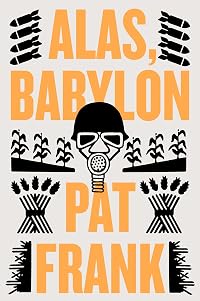
Alas, Babylon
by Pat Frank
On This Page
Description
"Alas, Babylon." Those fateful words heralded the end. When a nuclear holocaust ravages the United States, a thousand years of civilization are stripped away overnight, and tens of millions of people are killed instantly. But for one small town in Florida, miraculously spared, the struggle is just beginning, as men and women of all backgrounds join together to confront the darkness.Tags
Recommendations
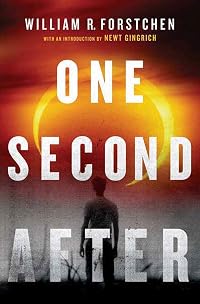
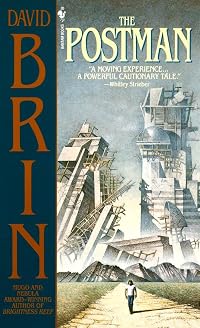
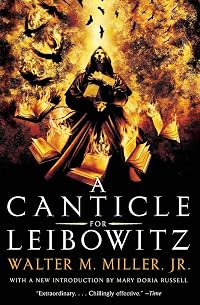

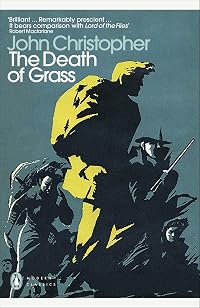
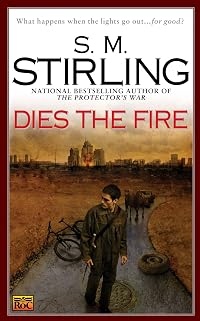

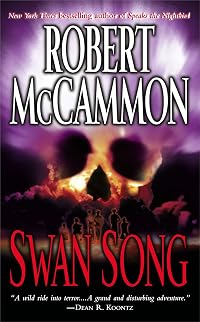
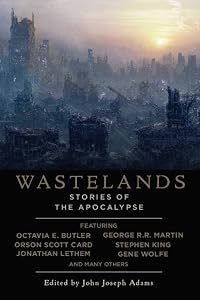
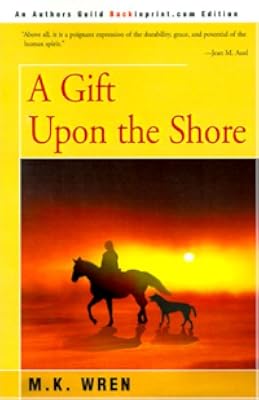

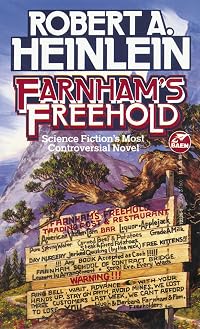
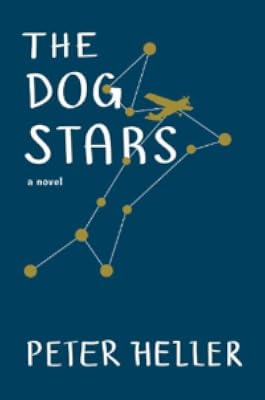
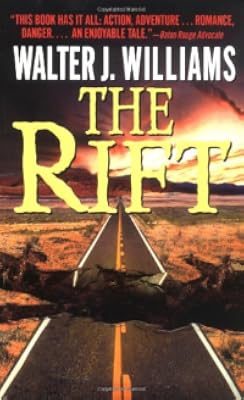
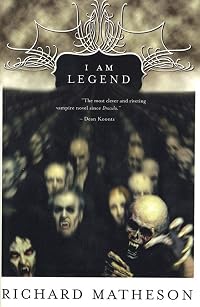












Member Recommendations
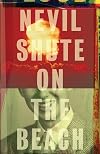
lisanicholas On the Beach is another novel that picks up just after a worldwide nuclear war in the 1960s -- this time, in Australia, as the survivors await the arrival of the radioactive cloud that will doom them. Bleaker in outlook than Alas, Babylon, Shute's novel focuses on how individuals deal with the almost certainty of their own imminent annhilation.
130


sturlington The Postman was influenced by Alas, Babylon.
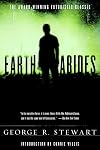
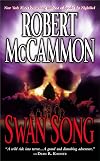
sturlington These are two classic early post-apocalyptic novels.




Member Reviews
After nuclear war devastates the United States, the survivors in a small Florida town must work together to rebuild civilization in the first post-apocalyptic tale of the nuclear age.
In rereading Alas, Babylon, I find that it holds up very well as a post-apocalyptic survival story. It is very much a product of its time, in that I don't think this kind of story could have occurred at any other point than the height of the Cold War. It may seem problematic in its portrayal of women and African Americans, but I think for the time it was quite progressive. It was published when separate but equal was the rule in the South, and points out that separation of the races makes no sense when everyone's contributions are needed to keep show more civilization going. It's true that the African-American characters aren't as nuanced as modern readers would expect, but that didn't distract me from the gist of the story. As for the women, this is not a feminist book, but the women are free agents who can act without the permission of the men. The librarian character was particularly pro-active, finding solutions that the doctor hadn't even thought of and ensuring that the free exchange of ideas and knowledge would continue post-apocalypse.
At one point as I was reading this, when the narrator was worrying about the problem of salt, it occurred to me that it wasn't that long ago when all men and women lived this way. That is, without the benefits of electricity or automobiles or antibiotics. Every day was a gamble, but still, people kept on, despite not enjoying the level of security and control over our lives that we have. The real point of Alas, Babylon is how fragile our modern civilization is, yet we depend on it so much; it could all be wiped out in an instant. We almost forget how resilient and resourceful humans can be. Rereading Alas, Babylon is a good reminder of what we take for granted. show less
In rereading Alas, Babylon, I find that it holds up very well as a post-apocalyptic survival story. It is very much a product of its time, in that I don't think this kind of story could have occurred at any other point than the height of the Cold War. It may seem problematic in its portrayal of women and African Americans, but I think for the time it was quite progressive. It was published when separate but equal was the rule in the South, and points out that separation of the races makes no sense when everyone's contributions are needed to keep show more civilization going. It's true that the African-American characters aren't as nuanced as modern readers would expect, but that didn't distract me from the gist of the story. As for the women, this is not a feminist book, but the women are free agents who can act without the permission of the men. The librarian character was particularly pro-active, finding solutions that the doctor hadn't even thought of and ensuring that the free exchange of ideas and knowledge would continue post-apocalypse.
At one point as I was reading this, when the narrator was worrying about the problem of salt, it occurred to me that it wasn't that long ago when all men and women lived this way. That is, without the benefits of electricity or automobiles or antibiotics. Every day was a gamble, but still, people kept on, despite not enjoying the level of security and control over our lives that we have. The real point of Alas, Babylon is how fragile our modern civilization is, yet we depend on it so much; it could all be wiped out in an instant. We almost forget how resilient and resourceful humans can be. Rereading Alas, Babylon is a good reminder of what we take for granted. show less
This was more fascinating as a time capsule than as a book. What did people who actually lived through the height of the Cold War imagine a nuclear exchange and aftermath would look like? Most depictions we're familiar with come from the latter part of the war, the 70s and 80s, bleak portrayals inspired by nuclear accidents and better models for what mass nuclear fallout looks like, bigger stockpiles of higher yield weapons at that.
Alas, Babylon doesn't describe that bleak radioactive hellscape; instead, while a lot of people close to military sites die, life keeps rolling along afterwards. Society's reliance on technology is on the order of radios and telephones, not integral to every part of existence. Electric washing machines are show more still a luxury item, primitive hand cranked tools are still all around. There are looters and thieves, but no roaming bands of raiders or people reduced to cannibalism because nature is dying or toxic.
Perhaps the most dated part of the book is the characters who appear like thin stereotypes to a modern reader. The cultural biases of the 50s abound in the depiction of women and some race relations. For a nuclear apocalypse where good hearted people can shrug their shoulders and put their back into rebuilding, this is it. show less
Alas, Babylon doesn't describe that bleak radioactive hellscape; instead, while a lot of people close to military sites die, life keeps rolling along afterwards. Society's reliance on technology is on the order of radios and telephones, not integral to every part of existence. Electric washing machines are show more still a luxury item, primitive hand cranked tools are still all around. There are looters and thieves, but no roaming bands of raiders or people reduced to cannibalism because nature is dying or toxic.
Perhaps the most dated part of the book is the characters who appear like thin stereotypes to a modern reader. The cultural biases of the 50s abound in the depiction of women and some race relations. For a nuclear apocalypse where good hearted people can shrug their shoulders and put their back into rebuilding, this is it. show less
Now, this is why I like being in a book group. This novel has never, ever been on my radar. Never showed up on "recommended" lists, or been in any of my acquaintances' top-tens. So, good ole book group: Alas, Babylon!
Not a book to jump and down and shout about, but I thoroughly enjoyed this read. It holds up remarkably well - published in 1959, there is a lot of opportunity for this book to feel dated. That doesn't happen much, here, though.
Yes, gender roles in this novel are old-fashioned. That said, the women easily contribute as much as the men, perhaps more... women are just not to be called upon for anything that's physically dangerous. And yes, the women defer much too quickly for my 21st century sensibilities. While this novel show more does not go out of its way to denigrate women, it does reflect the less-than-equal era it was born in.
Similarly, race issues are old-fashioned. Pat Frank does not go along with the idea that races are fundamentally unbalanced or should be segregated; in fact, in several instances the text acknowledges that once survival is the main focus people (good people, at least) must start considering each other for what they contribute, not the color of their skin. I think this is significant, since segregated water fountains were legal until 1964.
The fact that the black characters still defer to Randy after it's clear that they're easily pulling more than their own weight (a fact which the main character notes, appreciates, and attempts to balance), they still use deferential language. Again, my 21st century mind struggled a bit on that - I ended up deciding to view it as a habit; communication styles wouldn't change as quickly as the reality of life - so habitual patterns of deference would hardly change in a day.
This not an overly complex novel; it's a survival story with a moral code. The good guys win. The bad guys don't. There are losses, of course, but in the end the town of Fort Repose creates its own little oasis in the middle of world war, chaos, and nuclear fallout.
Highly recommended read. show less
Not a book to jump and down and shout about, but I thoroughly enjoyed this read. It holds up remarkably well - published in 1959, there is a lot of opportunity for this book to feel dated. That doesn't happen much, here, though.
Yes, gender roles in this novel are old-fashioned. That said, the women easily contribute as much as the men, perhaps more... women are just not to be called upon for anything that's physically dangerous. And yes, the women defer much too quickly for my 21st century sensibilities. While this novel show more does not go out of its way to denigrate women, it does reflect the less-than-equal era it was born in.
Similarly, race issues are old-fashioned. Pat Frank does not go along with the idea that races are fundamentally unbalanced or should be segregated; in fact, in several instances the text acknowledges that once survival is the main focus people (good people, at least) must start considering each other for what they contribute, not the color of their skin. I think this is significant, since segregated water fountains were legal until 1964.
The fact that the black characters still defer to Randy after it's clear that they're easily pulling more than their own weight (a fact which the main character notes, appreciates, and attempts to balance), they still use deferential language. Again, my 21st century mind struggled a bit on that - I ended up deciding to view it as a habit; communication styles wouldn't change as quickly as the reality of life - so habitual patterns of deference would hardly change in a day.
This not an overly complex novel; it's a survival story with a moral code. The good guys win. The bad guys don't. There are losses, of course, but in the end the town of Fort Repose creates its own little oasis in the middle of world war, chaos, and nuclear fallout.
Highly recommended read. show less
Perhaps the most well-balanced of the 1950s post-apocalyptic fiction boom, Pat Frank's Alas, Babylon is certainly a fine counterpart to the meticulous apocalyptic saga Earth Abides by George R. Stewart and the more mundane and literary On the Beach by Nevil Shute (I've not yet read A Canticle for Leibowitz, the other oft-mentioned title in this company). Whereas those other books have their odd elements that the reader has to push through in order to appreciate them, Alas, Babylon is the closest to being a crowd-pleaser. That is, if 'crowd-pleaser' is something you can say about the depiction of a nuclear holocaust and its aftermath, something that was terrifyingly plausible to Frank's first generation of readers.
On such a, well, show more apocalyptic scale, Frank's book works because it invests in its characters. Though sometimes a bit obvious in its drivers and its flashpoints (leadership pressures, food, security, companionship), these character conflicts work. We invest in Randy Bragg's rise to become leader of his isolated community; we share Mark's fatalism as the impending nuclear war enters its first stages; we even care about Dan's medical tools and Alice's travails at the library. Each of the characters, even the minor ones and the minors (i.e. the children), get their moments to shine, and we get PoV chapters from them to help with this. The big moments are well-staged and well-written, and the small details (such as the message from Jacksonville stopping instantaneously (pg. 112)) can be disturbing. Horror and hope and everything in between are delivered ably by the author.
If Alas, Babylon sometimes feels routine in its reading, it's because the post-apocalyptic genre has been done to death since Frank's book was published in 1959. This can hardly be said to be a mark against the book, for Alas, Babylon is one of the originators of all those tropes: the sober gut-punch of the nuclear flash as the world ends; the survivalist tropes of getting clean water and sustainable food; the problems of defending against bandits; the sense of purpose as unlikely candidates rise to the challenge of rebuilding their community.
The author's background as a journalist and political commentator sometimes comes through. Frank intended the book to be a public service, a warning against atomic brinkmanship and M.A.D., as well as a basic guidebook on how to prepare for the aftermath, how to find a good water source and be aware of radiation and so on. To this end, certain passages can feel didactic, with Frank directing the story towards scenes where his characters can become his mouthpiece, delivering a pointed opinion or educatory example. That said, this never grates, for Frank has invested in his characters and his writing ability is enough to smooth the edges of these inserts and asides.
When you take a step back, the book can look quite unremarkable, but when you are turning its pages you appreciate every moment of it. It is an easy, character-driven story that also gets across the strange horror of atomic destruction and the regenerative hope that can be found in the people who survive it. Whereas most post-apocalyptic stories focus on the misery, the destruction and the degeneration of law and order, Alas, Babylon argues that "the world changes… [but] people don't" (pg. 197). For all that the book can seem routine in retrospect, it is this optimistic tack which places it on a different footing to all the post-apocalyptic imitators that came after it. show less
On such a, well, show more apocalyptic scale, Frank's book works because it invests in its characters. Though sometimes a bit obvious in its drivers and its flashpoints (leadership pressures, food, security, companionship), these character conflicts work. We invest in Randy Bragg's rise to become leader of his isolated community; we share Mark's fatalism as the impending nuclear war enters its first stages; we even care about Dan's medical tools and Alice's travails at the library. Each of the characters, even the minor ones and the minors (i.e. the children), get their moments to shine, and we get PoV chapters from them to help with this. The big moments are well-staged and well-written, and the small details (such as the message from Jacksonville stopping instantaneously (pg. 112)) can be disturbing. Horror and hope and everything in between are delivered ably by the author.
If Alas, Babylon sometimes feels routine in its reading, it's because the post-apocalyptic genre has been done to death since Frank's book was published in 1959. This can hardly be said to be a mark against the book, for Alas, Babylon is one of the originators of all those tropes: the sober gut-punch of the nuclear flash as the world ends; the survivalist tropes of getting clean water and sustainable food; the problems of defending against bandits; the sense of purpose as unlikely candidates rise to the challenge of rebuilding their community.
The author's background as a journalist and political commentator sometimes comes through. Frank intended the book to be a public service, a warning against atomic brinkmanship and M.A.D., as well as a basic guidebook on how to prepare for the aftermath, how to find a good water source and be aware of radiation and so on. To this end, certain passages can feel didactic, with Frank directing the story towards scenes where his characters can become his mouthpiece, delivering a pointed opinion or educatory example. That said, this never grates, for Frank has invested in his characters and his writing ability is enough to smooth the edges of these inserts and asides.
When you take a step back, the book can look quite unremarkable, but when you are turning its pages you appreciate every moment of it. It is an easy, character-driven story that also gets across the strange horror of atomic destruction and the regenerative hope that can be found in the people who survive it. Whereas most post-apocalyptic stories focus on the misery, the destruction and the degeneration of law and order, Alas, Babylon argues that "the world changes… [but] people don't" (pg. 197). For all that the book can seem routine in retrospect, it is this optimistic tack which places it on a different footing to all the post-apocalyptic imitators that came after it. show less
Alas, Babylon was one of the more perplexing literary experiences I’ve had this year. Written by Pat Frank, it’s the story of Randy Bragg and a small Florida town, Fort Repose, after America and the Soviet Union declare war in the late 1950s.
Randy’s doing nothing much in the family house in Fort Repose, Florida except drinking and charming local women–with the exception of his neighbor Florence, who suspects him of being a Peeping Tom–when his brother sends a cable with their code phrase, Alas, Babylon.
“As the minutes and hours eroded away, and no word came from Moscow, he became more and more certain that a massive strike had been ordered. He diagnosed this negative intelligence as more ominous than almost anything that show more could’ve happened.”
Randy begins grocery shopping while Mark packs up his family in Omaha to send them to Randy’s house and together with the neighbors, they navigate survival after a missile strike.
“The sight of war’s roseate birthmark on the sky choked back their words.”
A Review in Three Parts
The Time Traveler’s Version: five stars
Most likely, the ideal way to experience this book published in 1959 was to be born in 1935-1945. Much of the story has a strong philosophical tone best contextualized by the time period. I found it fascinating that Frank is partly aware of the influence of cultural epoch: “The incident was important only because it was self-revelatory. Randy knew he would have to play by the old rules. He could not shuck his code, or sneak out of his era.” However, there’s so much contained that is commentary on the conflicts of the era: the tiniest beginnings of Civil Rights and Equal Rights reflected in Randy’s relationships with women and the black family living next door remain strongly influenced by his chivalry and paternalism. Then there’s the general confidence people have that there is an ‘after,’ as in ‘after the government comes and restores everything," and the hope that nuclear strikes are survivable. In the decades since, our confidence in systems has diminished while belief in the survival of the strong has grown.
Nonetheless, it was an influential book during its time, and one of the few early apocalyptic that have the feel of reality as people then understood it. Frank was a career journalist who worked in New York and Washington and as a war correspondent during WWII and during the Korean War, and I felt like Mark’s experiences at the command post sounded real.
The Audio Version: five stars
The second best way–to those lacking access to Kemper’s time-mower–is to listen to the Audible version read by Will Patton. It won a well-deserved Audie in 2012 and was even more enjoyable than my reading. Patton is a fabulous voice actor and brought each word to life. Although it is mostly from Randy’s point of view, there are other view points, along with specific and general dialogue. Patton nailed almost every one, with the only exception being a “Boston Radcliffe” accent. The southern inflections sounded genuine and even a ten year-old girl was done well, but my favorite were his variations on the radio. From the verbal swagger of a radio jockey to the clipped tones of a Civil Defense broadcast, I too felt like I was listening to a broadcast. When Patton voiced Randy’s thought, “squashed his face like a potato,” I laughed out loud at a line I hadn’t noticed when reading. Clearly, a superior reader who won me as a fan.
The Modern Version: three and 1/2 stars
I tend to skim a lot, particularly toward the end of a book. It’s been a lifelong habit and likely one of the reasons I enjoy re-reading books. My first read through was done at my normal pace and I finished the book feeling satisfied. I started over with the audio, listening to Will Patton reading. I loved his voice acting–but started to hear the words more clearly. Frank is clearly ambivalent about equality of many kinds, and it is demonstrated in Randy’s philosophical musings, in privileged interaction with others, and with authorial choices in plotting. Let’s just say that in 2016, you wouldn’t give the black kid a spear and the white kid a gun, or have so many discussions about “going back to our Neolithic days.” While women get a whiff of equality in Randy's girlfriend, Liz, half-proposing and a woman being left in control of the United States, there's a lot ofne of Randy’s former lovers, Rita, who is basically characterized as an “exotic” “man-collector.” Then there's the bizarre episode where Mark's wife Helen has a 'mental break' and is psychoanalyzed by Liz and the Doctor.
I do believe none of the characterization is ill-intentioned, but as a modern reader, its the same-ol’ ‘-isms, and just because they seem benevolent doesn’t mean they aren’t tiresome. Further, we are now an audience that is fairly well educated on disasters, so some of the mistakes we witness Randy and the community make seem laughable.
My suggestion is to read it, but it’ll work best if you borrow a time-mower (keys hanging on a hook in the shed) or listen to Will Patton.
Many, many thanks to the people who suggested it when I was looking for an apocalypse, and a thousand thanks to Naomi who shared her audio copy. show less
Randy’s doing nothing much in the family house in Fort Repose, Florida except drinking and charming local women–with the exception of his neighbor Florence, who suspects him of being a Peeping Tom–when his brother sends a cable with their code phrase, Alas, Babylon.
“As the minutes and hours eroded away, and no word came from Moscow, he became more and more certain that a massive strike had been ordered. He diagnosed this negative intelligence as more ominous than almost anything that show more could’ve happened.”
Randy begins grocery shopping while Mark packs up his family in Omaha to send them to Randy’s house and together with the neighbors, they navigate survival after a missile strike.
“The sight of war’s roseate birthmark on the sky choked back their words.”
A Review in Three Parts
The Time Traveler’s Version: five stars
Most likely, the ideal way to experience this book published in 1959 was to be born in 1935-1945. Much of the story has a strong philosophical tone best contextualized by the time period. I found it fascinating that Frank is partly aware of the influence of cultural epoch: “The incident was important only because it was self-revelatory. Randy knew he would have to play by the old rules. He could not shuck his code, or sneak out of his era.” However, there’s so much contained that is commentary on the conflicts of the era: the tiniest beginnings of Civil Rights and Equal Rights reflected in Randy’s relationships with women and the black family living next door remain strongly influenced by his chivalry and paternalism. Then there’s the general confidence people have that there is an ‘after,’ as in ‘after the government comes and restores everything," and the hope that nuclear strikes are survivable. In the decades since, our confidence in systems has diminished while belief in the survival of the strong has grown.
Nonetheless, it was an influential book during its time, and one of the few early apocalyptic that have the feel of reality as people then understood it. Frank was a career journalist who worked in New York and Washington and as a war correspondent during WWII and during the Korean War, and I felt like Mark’s experiences at the command post sounded real.
The Audio Version: five stars
The second best way–to those lacking access to Kemper’s time-mower–is to listen to the Audible version read by Will Patton. It won a well-deserved Audie in 2012 and was even more enjoyable than my reading. Patton is a fabulous voice actor and brought each word to life. Although it is mostly from Randy’s point of view, there are other view points, along with specific and general dialogue. Patton nailed almost every one, with the only exception being a “Boston Radcliffe” accent. The southern inflections sounded genuine and even a ten year-old girl was done well, but my favorite were his variations on the radio. From the verbal swagger of a radio jockey to the clipped tones of a Civil Defense broadcast, I too felt like I was listening to a broadcast. When Patton voiced Randy’s thought, “squashed his face like a potato,” I laughed out loud at a line I hadn’t noticed when reading. Clearly, a superior reader who won me as a fan.
The Modern Version: three and 1/2 stars
I tend to skim a lot, particularly toward the end of a book. It’s been a lifelong habit and likely one of the reasons I enjoy re-reading books. My first read through was done at my normal pace and I finished the book feeling satisfied. I started over with the audio, listening to Will Patton reading. I loved his voice acting–but started to hear the words more clearly. Frank is clearly ambivalent about equality of many kinds, and it is demonstrated in Randy’s philosophical musings, in privileged interaction with others, and with authorial choices in plotting. Let’s just say that in 2016, you wouldn’t give the black kid a spear and the white kid a gun, or have so many discussions about “going back to our Neolithic days.” While women get a whiff of equality in Randy's girlfriend, Liz, half-proposing and a woman being left in control of the United States, there's a lot ofne of Randy’s former lovers, Rita, who is basically characterized as an “exotic” “man-collector.” Then there's the bizarre episode where Mark's wife Helen has a 'mental break' and is psychoanalyzed by Liz and the Doctor.
I do believe none of the characterization is ill-intentioned, but as a modern reader, its the same-ol’ ‘-isms, and just because they seem benevolent doesn’t mean they aren’t tiresome. Further, we are now an audience that is fairly well educated on disasters, so some of the mistakes we witness Randy and the community make seem laughable.
My suggestion is to read it, but it’ll work best if you borrow a time-mower (keys hanging on a hook in the shed) or listen to Will Patton.
Many, many thanks to the people who suggested it when I was looking for an apocalypse, and a thousand thanks to Naomi who shared her audio copy. show less
There's something different about this particular post-disaster book, not only in that it doesn't allow itself to dwell on the disaster, or fear or misery, present as the emotions are. Set in Florida, the book focuses on a small community that works to survive in the wake of a nuclear attack on the U.S., when most of the nation is lost, and when most of life as they know it is lost. And yet, Frank's attention to detail and character allows for not just hard realisms, and realizations, but also hope -- and community. Yes, it is a bit dated; how could it not be, having been written in the 1950s? But at heart, it's character that drives the book, and the details of what was left in the wake of such an attack then aren't, I don't suppose, show more incredibly different from the details of what might be left now, or at any point in the future. Regardless, humanity is there in the heart of the book, and Frank's attentions to prejudices, to fears, and to what matters... well, they're incredible, and more clear than in any other speculative fiction of this nature that I've come across.
I happened across this book by accident--I think it was the title and the cover that drew me in. Now, I'm only stunned that I never heard about in school, or while growing up. Three degrees' worth of reading in English/Writing programs, and I was never handed this? Well, I'm glad I happened onto it now. It's one I'll remember, and recommend. show less
I happened across this book by accident--I think it was the title and the cover that drew me in. Now, I'm only stunned that I never heard about in school, or while growing up. Three degrees' worth of reading in English/Writing programs, and I was never handed this? Well, I'm glad I happened onto it now. It's one I'll remember, and recommend. show less
Pat Frank’s Alas, Babylon was published in 1959, and I first read it as a sixteen-year-old in 1964. This is the first time I’ve read it since, but that initial reading impressed me so much that I still have that particular paperback copy of Alas, Babylon on my shelves. To understand why this one made such an impact on me, it helps to remember just how deeply implanted into the minds all of us growing up in the fifties and sixties
the relative likelihood of a nuclear holocaust was. We were part of that whole “duck and cover” drill process that was going on in schools all across the country in those days. We took it seriously because the adults all around us took it seriously.
So along comes Pat Frank in 1959 with a 315-page show more novel about what would happen if Russia started firing missiles at the United States and Western Europe in an attempt to win a nuclear war via a devastating first strike that would cost millions of lives in a matter of hours – and suddenly, our worst fears were easier than ever to picture in our minds. It all seemed very real to someone my age because, after all, the Soviet Union was already winning the space race, and catching up seemed to be beyond the capacity of the U.S. space program.
But, as it turns out, Alas, Babylon is not at all the pessimistic and terrifying book it might have been. Yes, millions do die, whole cities are wiped out in minutes, and millions more will die in the months following “The Day,” but those in little Fort Repose, Florida, are not prepared to give up even then. Randy Bragg is not going to let them. Mark Bragg, Randy’s brother, is an officer in SAC Intelligence, and Mark manages both to evacuate his wife and children from Omaha to Florida and to give Randy a 24-hour heads-up about the impending doomsday. That little head start would make a difference.
The core of Alas, Babylon is, as would be expected, the community’s common effort to survive the aftermath of being completely cut off from the rest of civilization. Suddenly responsible for their own food supply, safety, health care, and the like, the people of Fort Repose soon learn that they will have to depend upon each other if any of them are to survive the long term – and that thieves will be subject to the harshest penalty there is. Fans of dystopian novels will find much here to please them. It can be argued in fact, that books like Alas, Babylon, Nevil Shute’s On the Beach, Eugene Burdick’s Fail Safe, and Peter George’s Red Alert created the pattern for most every dystopian novel that would follow.
Pat Frank’s message, however, is a bit different than the message sent by most dystopian novels. Frank does not shy away from showing the reader exactly what the carelessness and stupidity of the political class might cost the world one day. He doesn’t linger in the gore, but he does paint a clear enough picture of what would be lost – perhaps lost forever. Frank focuses more on how much we are going to miss all the things we destroy, and just how suddenly thousands of years of human advancement could be made meaningless. Pat Frank, though, has one more message for his readers, a message of hope - hope that those who survive will be able to claw back as much of the past as is humanly possible, and that civilization will survive the worst.
Bottom Line: I’ve seen a few reviews of Alas, Babylon claiming that the novel is so racist and misogynistic that it is barely readable. All I can say to those reviewers is that they just don’t get it. The novel was written in 1958 or 1959, a period during which racism was more obvious than it is today. Pat Frank makes that racism part of his story, particularly the way that everyday conversation often included casual racial and religious slurs, even to using the infamous “N-word” on numerous occasions in the book. Frank’s main characters, Randy Bragg and his family, though, are anything but racist in attitude and action. The author uses the Bragg family to make his points about racism and racists; he doesn’t preach tolerance, he shows it in action, and he makes sure that one of the key families in Fort Repose’s survival is a black family, a family that is totally accepted in the new world in which they find themselves. Read between the lines, people. show less
the relative likelihood of a nuclear holocaust was. We were part of that whole “duck and cover” drill process that was going on in schools all across the country in those days. We took it seriously because the adults all around us took it seriously.
So along comes Pat Frank in 1959 with a 315-page show more novel about what would happen if Russia started firing missiles at the United States and Western Europe in an attempt to win a nuclear war via a devastating first strike that would cost millions of lives in a matter of hours – and suddenly, our worst fears were easier than ever to picture in our minds. It all seemed very real to someone my age because, after all, the Soviet Union was already winning the space race, and catching up seemed to be beyond the capacity of the U.S. space program.
But, as it turns out, Alas, Babylon is not at all the pessimistic and terrifying book it might have been. Yes, millions do die, whole cities are wiped out in minutes, and millions more will die in the months following “The Day,” but those in little Fort Repose, Florida, are not prepared to give up even then. Randy Bragg is not going to let them. Mark Bragg, Randy’s brother, is an officer in SAC Intelligence, and Mark manages both to evacuate his wife and children from Omaha to Florida and to give Randy a 24-hour heads-up about the impending doomsday. That little head start would make a difference.
The core of Alas, Babylon is, as would be expected, the community’s common effort to survive the aftermath of being completely cut off from the rest of civilization. Suddenly responsible for their own food supply, safety, health care, and the like, the people of Fort Repose soon learn that they will have to depend upon each other if any of them are to survive the long term – and that thieves will be subject to the harshest penalty there is. Fans of dystopian novels will find much here to please them. It can be argued in fact, that books like Alas, Babylon, Nevil Shute’s On the Beach, Eugene Burdick’s Fail Safe, and Peter George’s Red Alert created the pattern for most every dystopian novel that would follow.
Pat Frank’s message, however, is a bit different than the message sent by most dystopian novels. Frank does not shy away from showing the reader exactly what the carelessness and stupidity of the political class might cost the world one day. He doesn’t linger in the gore, but he does paint a clear enough picture of what would be lost – perhaps lost forever. Frank focuses more on how much we are going to miss all the things we destroy, and just how suddenly thousands of years of human advancement could be made meaningless. Pat Frank, though, has one more message for his readers, a message of hope - hope that those who survive will be able to claw back as much of the past as is humanly possible, and that civilization will survive the worst.
Bottom Line: I’ve seen a few reviews of Alas, Babylon claiming that the novel is so racist and misogynistic that it is barely readable. All I can say to those reviewers is that they just don’t get it. The novel was written in 1958 or 1959, a period during which racism was more obvious than it is today. Pat Frank makes that racism part of his story, particularly the way that everyday conversation often included casual racial and religious slurs, even to using the infamous “N-word” on numerous occasions in the book. Frank’s main characters, Randy Bragg and his family, though, are anything but racist in attitude and action. The author uses the Bragg family to make his points about racism and racists; he doesn’t preach tolerance, he shows it in action, and he makes sure that one of the key families in Fort Repose’s survival is a black family, a family that is totally accepted in the new world in which they find themselves. Read between the lines, people. show less
Members
- Recently Added By
Published Reviews
Doom-minded and Cassandra-speaking, this author, who touched off the play in Mr. Adam in comic vein, and continued his warnings in Forbidden Area (1956) here looks at an all-out bombing that freezes and contaminates most of the United States. What happens to Fort Repose in central Florida- which escapes the worst -- becomes an account of survival when, slowly learning that all props are out show more from under, some few citizens work out a make-do, or die, program. Heading up a colony that manages to exist is Randolph Bragg, whose Air Force brother gives him the word and the little chance to prepare for the disaster of Russian attack, and, with his brother's wife and children, some neighbors -- white and black -- he finds out many ways to circumvent encroaching death. Death through lack of medicine, electricity, communications, through the threats of epidemic, mob attack, highway marauding, decline of authority and the sudden regression that results from the loss of ""civilization"". Bragg's efforts -- and those of his group -- pull them through when yesterday's history becomes archaic and changed rules must govern changed conditions. When hope comes -- of rescue and victory -- does it matter -- to those who have survived? Contemporary Robinson-Crusoeing. show less
added by Lemeritus
Lists

Best Science Fiction Novels
816 works; 430 members

Best Dystopias
280 works; 277 members

Best Post-Apocalyptic Stories
143 works; 88 members
Survey of Classic Science Fiction
171 works; 47 members

Recommended Apocalyptic Novels
53 works; 24 members

Classics you know you should have read but probably haven't
421 works; 409 members

Dystopian and Apocalyptic Literature
350 works; 74 members

Survey of Science Fiction and Fantasy
101 works; 13 members

Slipstream or Interstitial Fiction
160 works; 19 members
David Pringle's Science Fiction: The 100 Best Novels
101 works; 9 members

Best SciFi and Fantasy Classics
53 works; 6 members

Apocalypse Must-Reads
10 works; 1 member

Page Turners
185 works; 11 members
Apocalyptic Classics
11 works; 4 members

Books Set in Florida
25 works; 8 members
Tagged Cold War
10 works; 2 members

Authors from the United States
245 works; 3 members

Books We Want To Read Again For The First Time
384 works; 160 members
Books Tagged Small Town
58 works; 1 member
Best Audiobooks
240 works; 114 members

AbeBooks: 50 essential science fiction books
50 works; 6 members

Sonlight Books
1,487 works; 25 members

Post-Apocalyptic Fiction
57 works; 3 members

Blue Pyramid 1,276 Best Books of All Time
1,248 works; 32 members

CCE 1000 Good Books List
1,033 works; 12 members

Best War Stories
87 works; 16 members
Books Set in Small Towns and Villages
278 works; 16 members
1950s
340 works; 22 members

Books Read in 2013
1,630 works; 51 members

Books You Read During High School (For School)
301 works; 53 members
Southern Fiction
212 works; 52 members

Unread books
1,063 works; 87 members
Books tagged unread
41 works; 1 member

Post Apocalyptic Novels
41 works; 1 member
Talk Discussions
Past Discussions
Group Read - Alas Babylon in The 11 in 11 Category Challenge (June 2011)
Author Information

14+ Works 5,942 Members
Some Editions
Awards and Honors
Awards
Series
Belongs to Publisher Series
Work Relationships
Is contained in
Has as a student's study guide
Has as a teacher's guide
Common Knowledge
- Canonical title*
- Ay, Babilonia
- Original title
- Alas, Babylon
- Original publication date
- 1959-03
- People/Characters
- Randy Bragg (Randolph Rowzee Bragg); Mark Bragg (Randy's brother); Helen Bragg (Mark's wife); Ben Franklin Bragg (Mark's & Helen's son); Peyton Bragg (Mark's & Helen's daughter); Lib McGovern (Elizabeth McGovern, Randy's girlfriend) (show all 23); Daniel Gunn (doctor); Missouri Henry; Malachi Henry; Preacher Henry; Two-Tone Henry; Alice Cooksey (librarian); Florence Wechek; Bill McGovern (Lib's father); Rita Hernandez (Randy's ex-girlfriend); Pete Hernandez (Rita's brother); Porky Logan (politician); Bubba Offenhaus (Civil Defense officer); Sam Hazzard (retired admiral); Lavinia McGovern (Lib's mother); Edgar Quisenberry (banker); Jim Hickey (beekeeper); Graf (Randy's dachshund)
- Important places
- Fort Repose, Florida, USA; Pistolville, Florida, USA; River Road (Fort Repose); Riverside Inn (Fort Repose); Marines Park (Fort Repose); Florida, USA (show all 7); USA
- Important events
- World War III
- Related movies
- "Playhouse 90" Alas, Babylon (1960 | IMDb)
- First words
- [Preface]
I have an acquaintance, a retired manufacturer, a practical man, who has recently become worried about international tensions, international missiles, H-bombs, and such.
In Fort Repose, a river town in Central Florida, it was said that sending a message by Western Union was the same as broadcasting it over the combined networks. - Last words
- (Click to show. Warning: May contain spoilers.)The engine started and Randy turned away to face the thousand-year night.
(Click to show. Warning: May contain spoilers.)[Preface] I doubt if he realized the exact nature and extent of the depression--which is why I am writing this book. - Canonical DDC/MDS
- 813.54
- Canonical LCC
- PS3511.R255
*Some information comes from Common Knowledge in other languages. Click "Edit" for more information.
Classifications
Statistics
- Members
- 5,528
- Popularity
- 2,418
- Reviews
- 156
- Rating
- (3.98)
- Languages
- English, Italian, Polish, Spanish
- Media
- Paper, Audiobook, Ebook
- ISBNs
- 35
- ASINs
- 52