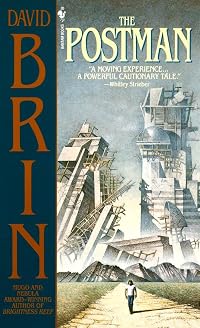
The Postman
by David Brin 
On This Page
Description
He was a survivor -- a wanderer who traded tales for food and shelter in the dark and savage aftermath of a devastating war.Fate touches him one chill winter's day when he borrows the jacket of a long-dead postal worker to protect himself from the cold. The old, worn uniform still has power as a symbol of hope, and with it he begins to weave his greatest tale, of a nation on the road to recovery.This is the story of a lie that became the most powerful kind of truth. A timeless novel as show more urgently compelling as War Day or Alas, Babylon, David Brin's The Postman is the dramatically moving saga of a man who rekindled the spirit of America. show lessTags
Recommendations
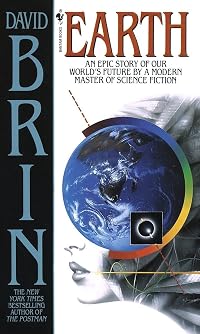
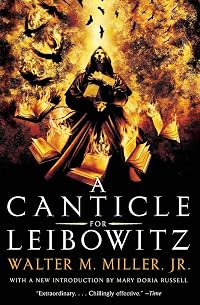
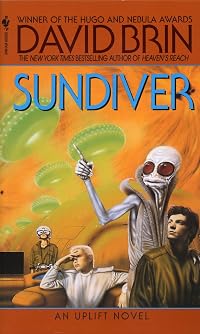
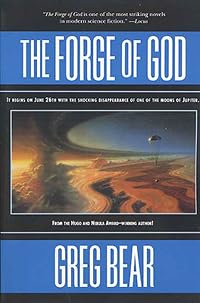
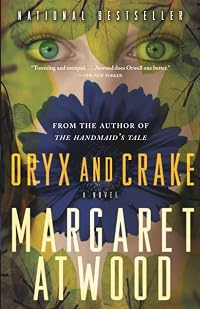
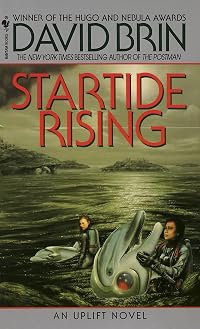
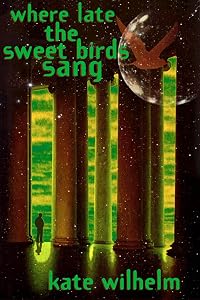
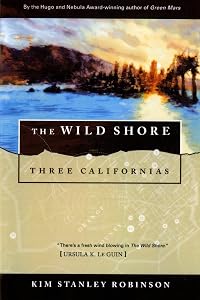
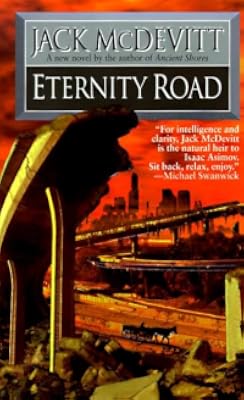
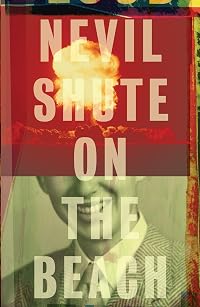
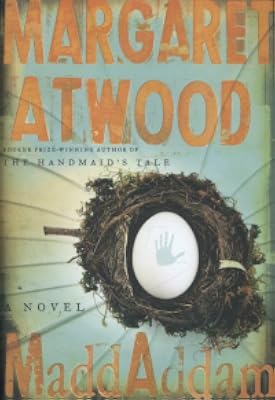
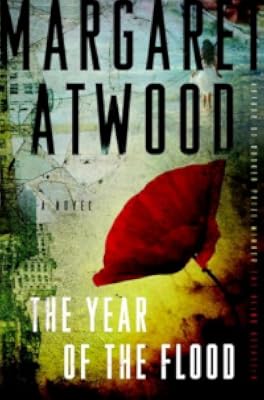
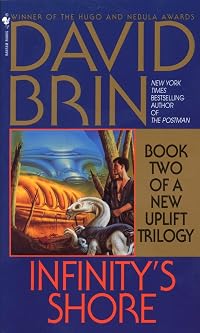
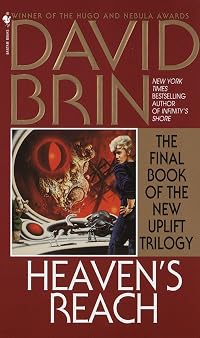
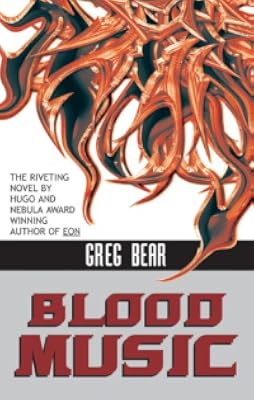
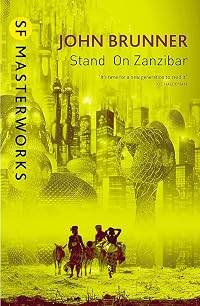
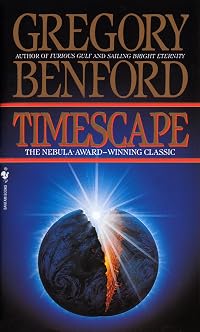
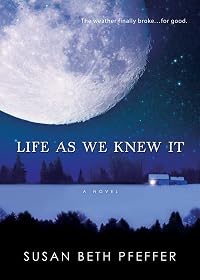
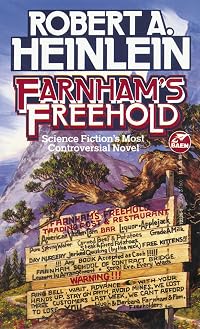
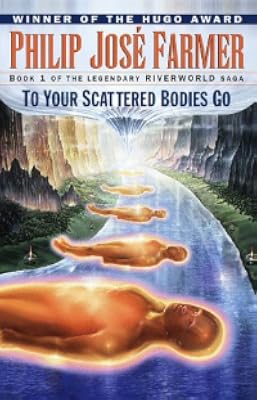
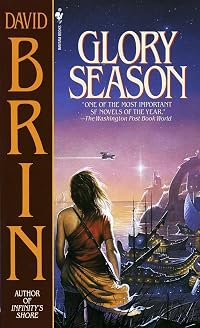
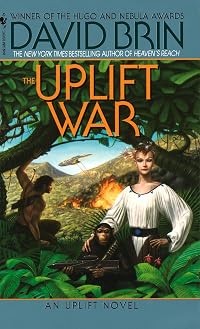
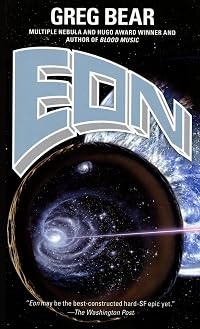
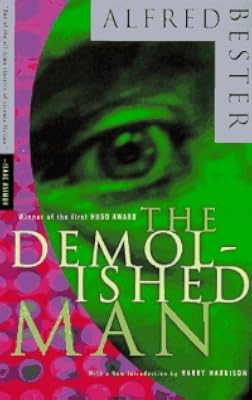
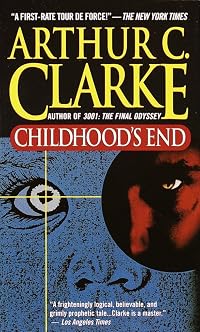
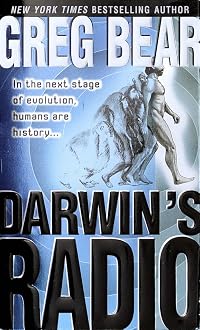
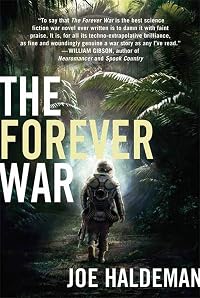
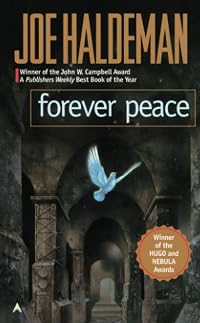
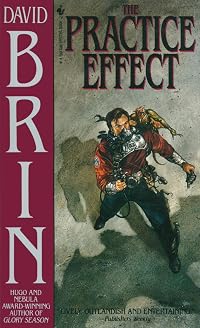
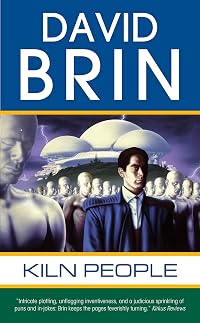
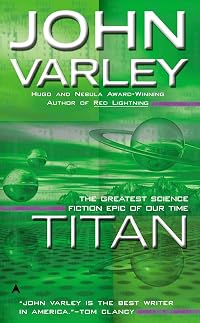

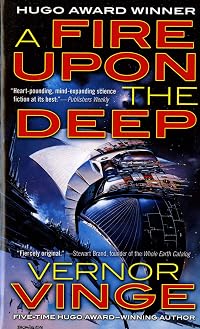
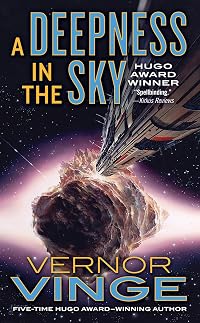
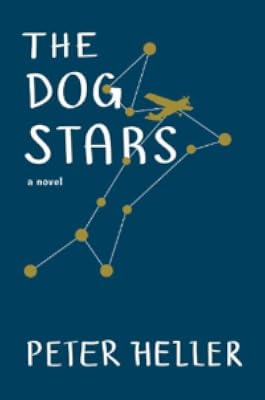
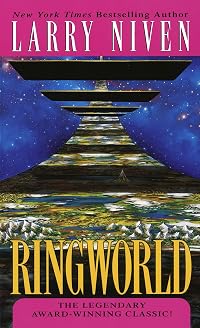

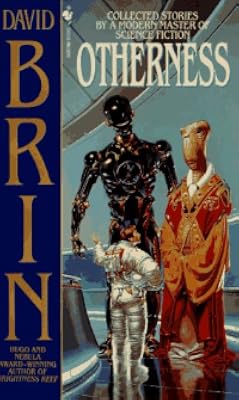
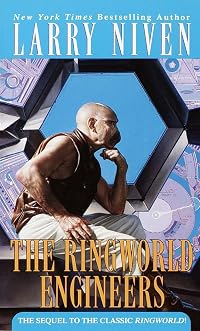
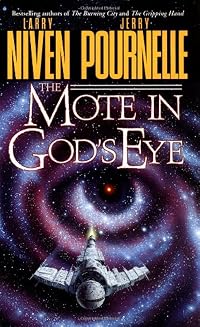
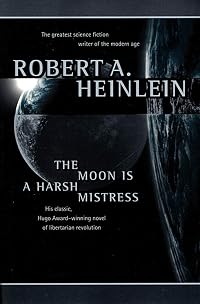
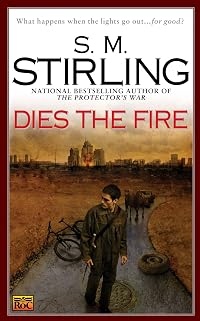
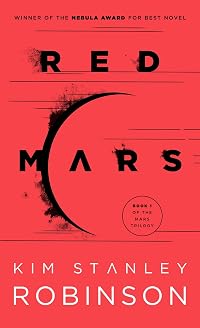
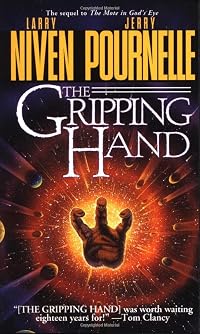

Member Recommendations
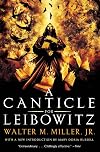
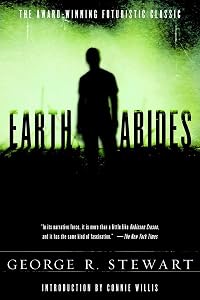
Karlstar Not a similar plot, but a classic book about a post-apocalyptic civilization.
90
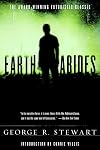

reading_fox Although the language is very different the themes are similar
20
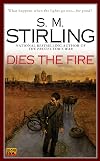
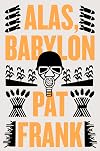
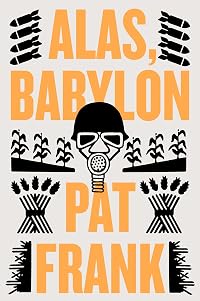
sturlington The Postman was influenced by Alas, Babylon.
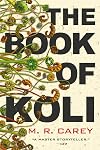
reading_fox Both feature someone trying to unite dystopian scattered communities
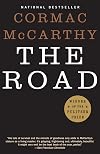
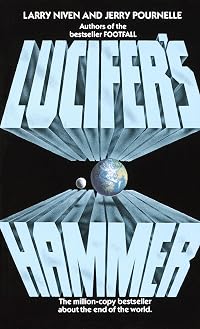
kjuliff Both set in the future in the USA. Breakdown of society. Natural environment as setting. No spaceships or extraterrestrials
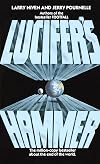
Member Reviews
I really loved this book. It was a gripping tale of Gordon Krantz, an American survivor of the Doomwar that has left America (and presumably the rest of the world) in a state of near pre-industrialization disarray. After being robbed, Gordon stumbles upon a long-deceased postal service worker and takes over his uniform. Not long after he realizes that the people he encounters are treating him differently - almost with reverence - because of the uniform. They take it as a sign of hope for recovery, and after a while, Gordon stops disabusing them...
This was a wonderfully written book that asks big questions and provides answers that are refreshing and complicated. A great ride.
This was a wonderfully written book that asks big questions and provides answers that are refreshing and complicated. A great ride.
This book started off really well. It's post apocalyptic, which I love and had a wonderful premise: Gordon, the main character, discovers an old mail truck with the body of a mailman in it. He scavenges, making the warm leather jacket and the rest of the uniform his. As he moves from scattered village to far out community, he discovers that the uniform empowers him and gives him a means to provide hope and courage to the disconnected United States. A huge lie takes root, except that it's not really a lie because he is actually delivering the mail.
And then, Brin descends into thinly disguised pro-government and pro-technology-runs-the-world propaganda and that's where he lost me. I know, it's common. Hollywood glorifies the USA and show more patriotism all the time. He idealizes civilization as it was when he wrote this novel - 1985 - and gives no room for a new order of the world. There's clear black and white lines between civilization and savagery, between the good guys and the bad guys, between right and wrong in a world turned topsy turvy.
All of this would have been ok, probably, if the book had been carefully written and well polished. It wasn't terribly written, but it wasn't great, either. Brin told the story but didn't allow the reader to sink into the world and find complete satisfaction in the story.
Would I recommend it? Sure. It was mildly entertaining. Would I go out of my way to recommend it? No. It was nothing extra special. show less
And then, Brin descends into thinly disguised pro-government and pro-technology-runs-the-world propaganda and that's where he lost me. I know, it's common. Hollywood glorifies the USA and show more patriotism all the time. He idealizes civilization as it was when he wrote this novel - 1985 - and gives no room for a new order of the world. There's clear black and white lines between civilization and savagery, between the good guys and the bad guys, between right and wrong in a world turned topsy turvy.
All of this would have been ok, probably, if the book had been carefully written and well polished. It wasn't terribly written, but it wasn't great, either. Brin told the story but didn't allow the reader to sink into the world and find complete satisfaction in the story.
Would I recommend it? Sure. It was mildly entertaining. Would I go out of my way to recommend it? No. It was nothing extra special. show less
I'm a sucker for a good post-apocalyptic tale, and The Postman did not disappoint on that score. The United States has been destroyed, and isolated communities in the Pacific Northwest are barely surviving in the aftermath of a war that was less damaging than the plagues that followed on its heels and killed most of the population. When a solitary traveler is mistaken as an agent for a reconstituted U.S. government (due to his having stolen the uniform and mailbag of a dead postman along the way), he figures out a way to use the lie to bring communities together to fight the larger threat of anarchic gangs of "hypersurvivalists" who bear an uncomfortable resemblance to modern-day militia groups.
It's touching to see how eagerly the show more villages want to believe that they are not alone in the world. The postman initially doesn't intend to deceive them, but soon figures out that it's the best way to bring them together against the common enemy. Beyond the basics of the plot, the book also has a powerful message about the real dangers of the post-apocalyptic world. The war itself caused limited damage, the plagues that followed did more, but it was the "hypersurvivalists" with their stockpiles of weapons and food who caused the most damage and prevented the country from rebuilding itself by attacking and disrupting humanitarian relief efforts. As Pogo said so long ago, "We have met the enemy and it is us." show less
It's touching to see how eagerly the show more villages want to believe that they are not alone in the world. The postman initially doesn't intend to deceive them, but soon figures out that it's the best way to bring them together against the common enemy. Beyond the basics of the plot, the book also has a powerful message about the real dangers of the post-apocalyptic world. The war itself caused limited damage, the plagues that followed did more, but it was the "hypersurvivalists" with their stockpiles of weapons and food who caused the most damage and prevented the country from rebuilding itself by attacking and disrupting humanitarian relief efforts. As Pogo said so long ago, "We have met the enemy and it is us." show less
Between this and the movie there's a single good book. Unfortunately, separate, they're a halting story strewn with some interesting ideas. The most compelling part of the book; reinventing civilization through a lie, never blossoms to its potential.
In my experience people who pretend to be postmen are usually up to no good, they are more apt to enter your homes under false pretenses and rob you blind than attempt to unite the post apocalyptic Disunited States of America. The protagonist of this book has to be the most heroic postman in fiction. You thought Postman Pat and Cliff Clavin from Cheers are the bees knees? They got nothing on Gordon The Postman, he really knows how to deliver!
This is the second Brin book for me, the previous one I read was [b:Startide Rising|234501|Startide Rising (The Uplift Saga, #2)|David Brin|https://d.gr-assets.com/books/1432746993s/234501.jpg|251634] which was fun but just a wee bit disappointing in that it did not resonate with me much (those show more "uplifted" dolphins are just a little too cute for me, even the badass ones). Still, I like Brin's writing and the basic premise of The Postman so I thought I'd give it a go, and it turned out to be one of my more inspired decisions. An optimistic post apocalypse book is a rarity, if this is a sub-sub genre I doubt it will catch on, you don't warn people about the errors of their ways only to have things eventually turning out OK. I think this book is more about idealism than a commentary about where the world is heading today. It is about a lie that grows into a truth rather than “A lie told often enough becomes the truth” which is an entirely different mailbag.
While the story is sentimental in places, and not entirely unpredictable or cliche-free, Mr. Brin pushes the right buttons most of the time (leaving the left buttons entirely untouched). He has me cheering "AMERICA F*CK YEAH!" and I am not even American. I also like it that when the climactic kickassery ensues it is not between the titular Postman and the "boss villain", let the more interesting side character do the heavy lifting for a change. This is an excellent read that touches me at the emotional core. Five stars? I'd award it all the stars in the sky plus those residing in Hollywood!
Note: I don't think I want to see the Costner movie after reading this factoid on IMDb. show less
This is the second Brin book for me, the previous one I read was [b:Startide Rising|234501|Startide Rising (The Uplift Saga, #2)|David Brin|https://d.gr-assets.com/books/1432746993s/234501.jpg|251634] which was fun but just a wee bit disappointing in that it did not resonate with me much (those show more "uplifted" dolphins are just a little too cute for me, even the badass ones). Still, I like Brin's writing and the basic premise of The Postman so I thought I'd give it a go, and it turned out to be one of my more inspired decisions. An optimistic post apocalypse book is a rarity, if this is a sub-sub genre I doubt it will catch on, you don't warn people about the errors of their ways only to have things eventually turning out OK. I think this book is more about idealism than a commentary about where the world is heading today. It is about a lie that grows into a truth rather than “A lie told often enough becomes the truth” which is an entirely different mailbag.
While the story is sentimental in places, and not entirely unpredictable or cliche-free, Mr. Brin pushes the right buttons most of the time (leaving the left buttons entirely untouched). He has me cheering "AMERICA F*CK YEAH!" and I am not even American. I also like it that when the climactic kickassery ensues it is not between the titular Postman and the "boss villain", let the more interesting side character do the heavy lifting for a change. This is an excellent read that touches me at the emotional core. Five stars? I'd award it all the stars in the sky plus those residing in Hollywood!
Note: I don't think I want to see the Costner movie after reading this factoid on IMDb. show less
David Brin’s post-apocalyptic tale takes a slightly different path than Cormac McCarthy’s [The Road]. But beyond the differences in style and tone, the stories echo essentially the same message, one of the spirit of hope found in human sacrifice and honor.
Gordon Krantz is a drifter, scavenging the debris of a self-destructed civilization and dodging blood-thirsty groups of feudalists bent on taking control of the meager remnants of life. On the run from just such a survivalist raiding party, Gordon shelters in a wrecked postal truck, spending the night snuggled next to the skeleton of its original pilot. The next morning, Gordon takes what he can find of use, a leather mail satchel and the driver’s leather coat, each with the show more official emblems of a forgotten authority. When Gordon stops into a village for shelter and food, these emblems inspire the drifter to lie about who he is. Broken and desperate villagers, eager for a symbol of hope and re-birth latch on to Gordon’s lie, treating him with deference and showering him with gifts. As the lie takes root in the hearts of those he meets, Gordon begins to recall what it meant to believe in something larger than himself.
[The Postman] begins with a poetic, if dark, prelude, lyrically describing the end of one world and the beginning of a new life. The chapter that follows introduces Gordon on the run, quoting what looks like a passage from [The Art of War]. With such an introduction, Brin sets an impossible high standard, and while the rest of the book is good, it never lives completely up to the promise. Brin jams a few too many twists and a few too many characters into the story, sometimes falling into preaching instead of storytelling. [The Postman] is at its best when it’s focused on Gordon as he transforms from guilt over his initial lie into a life of hesitant duty and honor. The hesitant heroes always carry the most potential.
For those folks who found McCarthy too dark and couldn’t recognize the hope in his stark book, [The Postman] offers a lighter, more action-oriented take on the same material. The hope is more obvious, within easy reach.
4 bones!!!! show less
Gordon Krantz is a drifter, scavenging the debris of a self-destructed civilization and dodging blood-thirsty groups of feudalists bent on taking control of the meager remnants of life. On the run from just such a survivalist raiding party, Gordon shelters in a wrecked postal truck, spending the night snuggled next to the skeleton of its original pilot. The next morning, Gordon takes what he can find of use, a leather mail satchel and the driver’s leather coat, each with the show more official emblems of a forgotten authority. When Gordon stops into a village for shelter and food, these emblems inspire the drifter to lie about who he is. Broken and desperate villagers, eager for a symbol of hope and re-birth latch on to Gordon’s lie, treating him with deference and showering him with gifts. As the lie takes root in the hearts of those he meets, Gordon begins to recall what it meant to believe in something larger than himself.
[The Postman] begins with a poetic, if dark, prelude, lyrically describing the end of one world and the beginning of a new life. The chapter that follows introduces Gordon on the run, quoting what looks like a passage from [The Art of War]. With such an introduction, Brin sets an impossible high standard, and while the rest of the book is good, it never lives completely up to the promise. Brin jams a few too many twists and a few too many characters into the story, sometimes falling into preaching instead of storytelling. [The Postman] is at its best when it’s focused on Gordon as he transforms from guilt over his initial lie into a life of hesitant duty and honor. The hesitant heroes always carry the most potential.
For those folks who found McCarthy too dark and couldn’t recognize the hope in his stark book, [The Postman] offers a lighter, more action-oriented take on the same material. The hope is more obvious, within easy reach.
4 bones!!!! show less
Superb. Powerful, compelling, poignent.
Set in post apocalypse america, some 16 years after a limited world war, society has collapsed back into shattered enclaves. Gorden, ex-marine, ex-milita and almost ex-survivor is alone in the wilderness of Oregan. An encounter with local bandits - both more and less organised than himself - goes badly and he flees deeper into the hills, chancing upon an abandonded and unfound jeep for shelter. In the morning he disregards any scruples (which already sets him out as different from many others in this world) and takes the jacket and gear from the long dead postman / driver who no longer requires them. Little does he realise their potential. But as he travels westward isolated and deeply suspicious show more communities - managing to raise themselves out of subsistance level barbarianism - are awed at the symbol he represents in his uniform, and life goes easier for a while. However like a cancer eating away at society, not everyone is willing to pull together and in these barbaric ages, Survivalists, gun nuts, alpha men, and those with short term vision threaten the very tenuous existance that even the most hardy farmer manages to eke out. Gordon's uniformed presence and the concept of 'offical' help damages their ideals and self justifications, forcing a dramatic showdown.
The only slightly discordant note is the dates. This was written in '85 and the story is set in 2011 which makes the great collapse about 95-98 or so. Some of the technology postulated for this 10 year advance from 85 is just highly improbable - but have seemed much more reasonable set 25 or more years later on. The only other gripe is that the book is not long enough! The ending came far too soon - although perfectly paced as a plot - I wanted to carry on reading for days more. The characters are skillfully crafted, deftly handled to pull at emotions. The motivations and complex moral and ethical dilemmas required to stay alive in such a world are subtley introduced, and you feel the characters' pain as difficult choices have to be made. The descriptions are limited but again very well crafted leaving glowing images of a world just starting to recover. This allows the story to flow from location to location over time spans that are clearly indicated within the text at a gripping pace. The social commentry is muted, but clearly marked - humankind has to pull together, everyone, or else all will perish.
Truly a masterpiece of dystopia, hope, spirit, and meaning of being human rather than just alive.
......................................................................................................... show less
Set in post apocalypse america, some 16 years after a limited world war, society has collapsed back into shattered enclaves. Gorden, ex-marine, ex-milita and almost ex-survivor is alone in the wilderness of Oregan. An encounter with local bandits - both more and less organised than himself - goes badly and he flees deeper into the hills, chancing upon an abandonded and unfound jeep for shelter. In the morning he disregards any scruples (which already sets him out as different from many others in this world) and takes the jacket and gear from the long dead postman / driver who no longer requires them. Little does he realise their potential. But as he travels westward isolated and deeply suspicious show more communities - managing to raise themselves out of subsistance level barbarianism - are awed at the symbol he represents in his uniform, and life goes easier for a while. However like a cancer eating away at society, not everyone is willing to pull together and in these barbaric ages, Survivalists, gun nuts, alpha men, and those with short term vision threaten the very tenuous existance that even the most hardy farmer manages to eke out. Gordon's uniformed presence and the concept of 'offical' help damages their ideals and self justifications, forcing a dramatic showdown.
The only slightly discordant note is the dates. This was written in '85 and the story is set in 2011 which makes the great collapse about 95-98 or so. Some of the technology postulated for this 10 year advance from 85 is just highly improbable - but have seemed much more reasonable set 25 or more years later on. The only other gripe is that the book is not long enough! The ending came far too soon - although perfectly paced as a plot - I wanted to carry on reading for days more. The characters are skillfully crafted, deftly handled to pull at emotions. The motivations and complex moral and ethical dilemmas required to stay alive in such a world are subtley introduced, and you feel the characters' pain as difficult choices have to be made. The descriptions are limited but again very well crafted leaving glowing images of a world just starting to recover. This allows the story to flow from location to location over time spans that are clearly indicated within the text at a gripping pace. The social commentry is muted, but clearly marked - humankind has to pull together, everyone, or else all will perish.
Truly a masterpiece of dystopia, hope, spirit, and meaning of being human rather than just alive.
......................................................................................................... show less
Members
- Recently Added By
Published Reviews
ThingScore 50
The great virtue of "The Postman" by David Brin is that it takes nothing for granted...Mr. Brin offers no simplistic formulas; nothing comes easy for the postman or the people he tries to help... Still, I found myself wishing that the ''war for men's minds'' in this book had a convincing personal as well as a sociological dimension. I am afraid that it would take a more complex character than show more his likable but limited postman to do justice to the important issues Mr. Brin raises. show less
added by Shortride
Lists

Best Science Fiction Novels
816 works; 430 members

Best Post-Apocalyptic Stories
143 works; 88 members

Best Dystopias
280 works; 277 members

Read the book and saw the movie
1,170 works; 195 members

Dystopian and Apocalyptic Literature
350 works; 74 members

It's the end of the world as we know it!
90 works; 23 members

Locus Award for Best Novel/SF Novel
53 works; 6 members

75 Books Challenge Halloween Read "Official" Selections
71 works; 7 members

David Brin: Dire Warnings And Self-Preventing Prophecies
17 works; 3 members

An End of the World Reading List
63 works; 4 members

Apocalypse Must-Reads
10 works; 1 member

Best books read in 2011
200 works; 51 members

Books Read in 2007
326 works; 8 members

Books We Discovered On LibraryThing
530 works; 130 members

Books Read in 2023
5,638 works; 147 members

Books Read in 2022
5,226 works; 115 members

Favourite Books
1,820 works; 316 members

Post-Apocalyptic Fiction
57 works; 3 members

Same Title
115 works; 3 members

Blue Pyramid 1,276 Best Books of All Time
1,248 works; 32 members

SantaThing 2014 Gifts
299 works; 17 members
Read These Too
458 works; 9 members

Books Set in Oregon
14 works; 2 members
1980s
356 works; 23 members

Books discovered on LibraryThing
256 works; 36 members
Post Apocalyptic Novels
41 works; 1 member
Best Contemporary Literary Fiction (Around the Last 30 Years)
400 works; 124 members
Talk Discussions
Past Discussions
***Group Read: The Postman in 75 Books Challenge for 2011 (April 2011)
Author Information

153+ Works 40,466 Members
David Brin is a scientist, writer, and public speaker. He was born in Pasadena, California, on October 9, 1950. Brin attended the California Institute of Technology (Caltech) and later earned a doctorate at the University of California. He accepted a position as an engineer at Hughes Aircraft Company. Brin is a former fellow at the California show more Space Institute and serves on several government and nongovernment advisory committees dealing with issues involved with technological growth. Brin has lectured all over the world on such topics as space flight, ecology, and the search for extraterrestrial life. Brin deals with global warming, the destruction of the ozone layer, and pollution of Earth. His 1987 novel, The Uplift War, received the Hugo Award and the Locus Award. His novels have been translated into 20 languages. (Bowker Author Biography) show less
David Brin is a LibraryThing Author, an author who lists their personal library on LibraryThing.
Some Editions
Awards and Honors
Awards
Distinctions
Series
Belongs to Publisher Series
Work Relationships
Is contained in
Contains
Has the adaptation
Has as a commentary on the text
Common Knowledge
- Canonical title*
- Tussen twee werelden (The Postman) (The Postman)
- Original title
- The Postman
- Alternate titles*
- Il simbolo della rinascita
- Original publication date
- 1985-10-07
- People/Characters
- Gordon Krantz; Jas; Little Wally; Roger Everett Septien; Mrs. Adele Thompson; Patricia Howlett (show all 12); Abby; Michael; Karl; Sonny; Jeff; Grace Horton
- Important places
- Oregon, USA; Pune View, Oregon, USA; Oakridge, Oregon, USA
- Important events
- World War III
- Related movies
- The Postman (1997 | IMDb)
- Dedication
- To Benjamin Franklin,
devious genius,
and to Lysistrata,
who tried - First words
- In dust and blood - with the sharp tang of terror stark in his nostrils - a man's mind wil sometimes pull forth odd relevancies.
- Last words
- (Click to show. Warning: May contain spoilers.)Once out of town, he did not look back.
- Blurbers
- Strieber, Whitley
- Original language
- English
- Canonical DDC/MDS
- 813.54; 813.6
- Canonical LCC
- PS3552.R4825
- Disambiguation notice
- This book incorporates the previously published novellas "The Postman" and "Cyclops" with a new third part to make a complete novel.
*Some information comes from Common Knowledge in other languages. Click "Edit" for more information.
Classifications
Statistics
- Members
- 4,552
- Popularity
- 3,226
- Reviews
- 100
- Rating
- (3.72)
- Languages
- 12 — Czech, Dutch, English, French, German, Hungarian, Italian, Polish, Romanian, Russian, Spanish, Turkish
- Media
- Paper, Audiobook, Ebook
- ISBNs
- 49
- ASINs
- 33