On This Page
Description
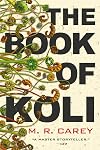
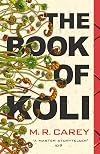
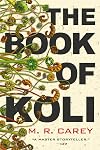
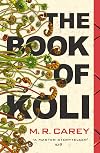
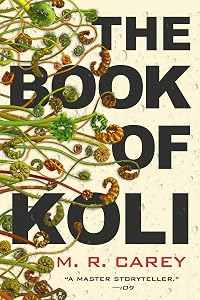
"The Book of Koli is the unforgettable story of a young boy struggling to find his place in a world where nature itself has turned against humanity: Everything that lives hates us... Beyond the walls of the small village of Mythen Rood lies an unrecognizable landscape. A place where overgrown forests are filled with choker trees and deadly seeds that will kill you where you stand. And if they don't get you, one of the dangerous shunned men will. Koli has lived in Mythen Rood his entire life. show more He believes the first rule of survival is that you don't venture too far beyond the walls. He's wrong."--Provided by publisher. show lessTags
Recommendations
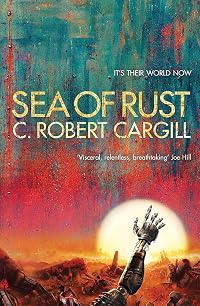


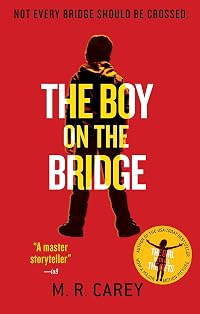
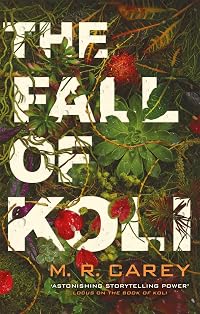
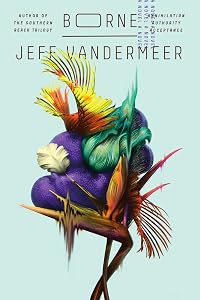
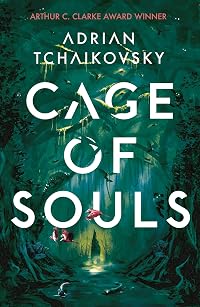

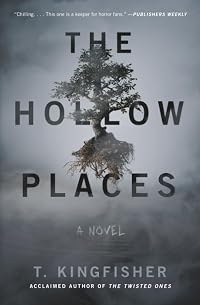
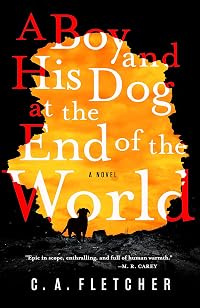
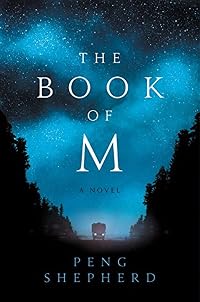
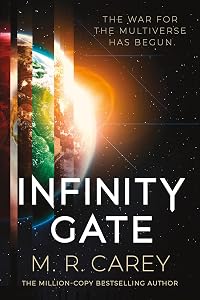
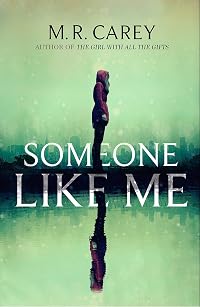
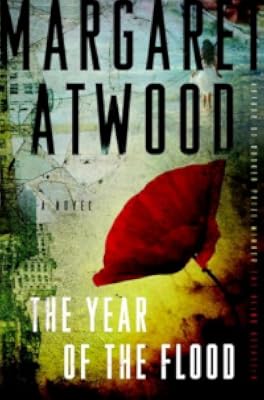
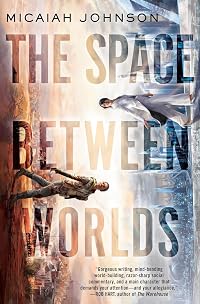

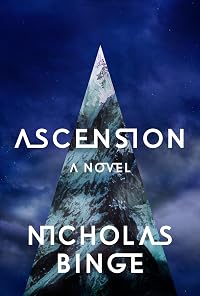
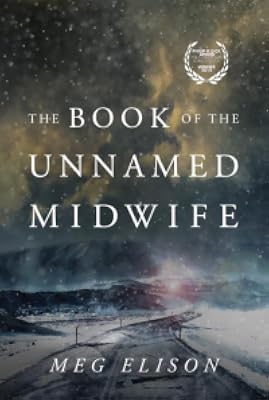
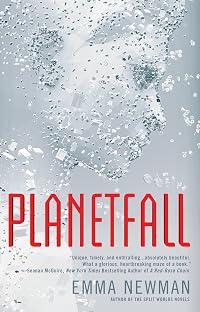
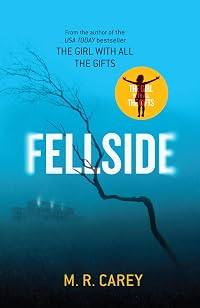
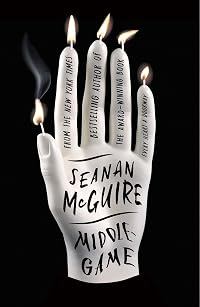
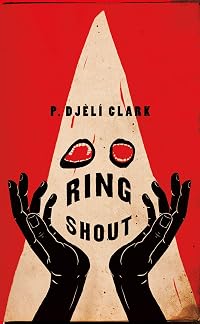
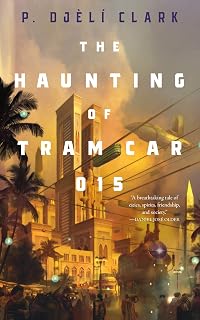
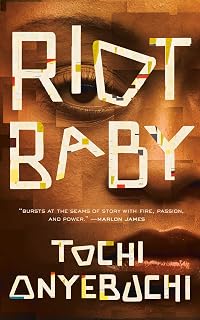
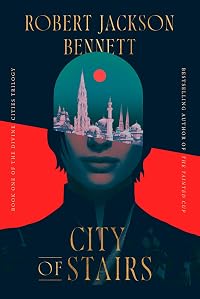
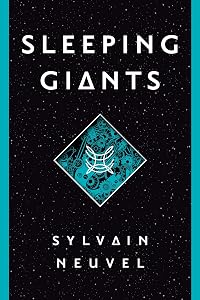
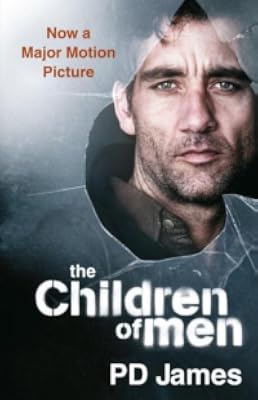
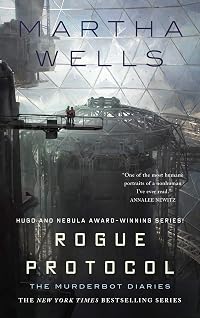
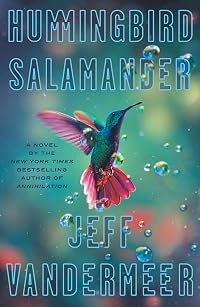

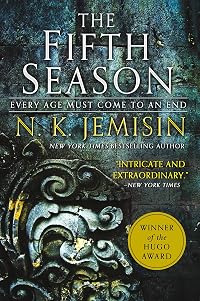
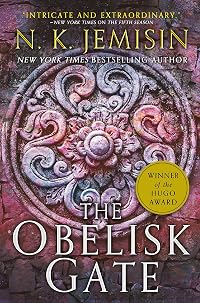
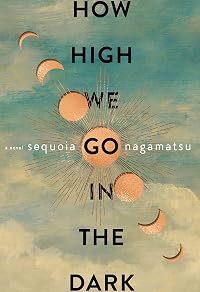
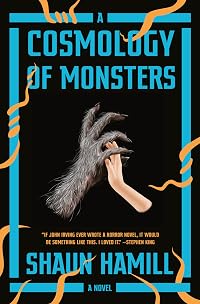
Member Recommendations
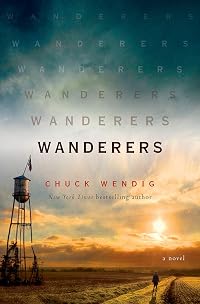
Wool by Hugh Howey
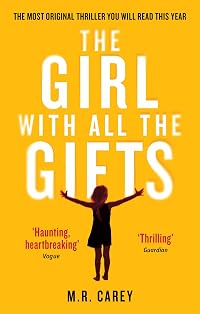
JessiAdams Both are books about young people discovering secrets about their post-apocalyptic dystopian society
JessiAdams Both are about an adolescent trying to survive in a post apocalyptic dystopian society.

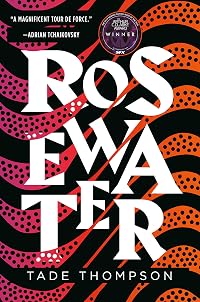
reading_fox Very similar scenario, although RW has more explicitly devolved language and less tech.
reading_fox Both feature someone trying to unite dystopian scattered communities
Member Reviews
I resorted to 'The Book of Koli' after struggling to read all week, such that I worried my awful job had fully broken my brain. Luckily I recovered the ability to focus on books with one decent night's sleep and eight hours away from a laptop screen. (Academia is hell, steer well clear.) Anyway, sometimes a first person post-apocalyptic narrative can be soothing. In the future depicted here, Britain has been reclaimed by forests of carnivorous genetically engineered trees and the fierce creatures that live within them. Koli the protagonist lives in an embattled village of 200 people, led by a family whose power depends upon three hi-tech weapons only they can use. He is a thoughtful and self-aware protagonist, whose initial romantic show more frustration over a love triangle gives way to a sense that his life is too narrow. Thus he ends up confronting the established hegemony and encountering the dangerous world beyond his home.
I chose to read this book as the author [a:Mike Carey|9018|Mike Carey|https://images.gr-assets.com/authors/1334894864p2/9018.jpg] also wrote most of Lucifer, one of my all-time favourite graphic novel series. While the writing here is involving and the characters likeable, I could not help thinking I'd read it all before. The Lucifer series constantly astonished me with its originality, while 'The Book of Koli' reminded me of many other post-apocalyptic novels. It even namechecks one of them, [b:Engine Summer|1335568|Engine Summer|John Crowley|https://i.gr-assets.com/images/S/compressed.photo.goodreads.com/books/1499720101l/1335568._SY75_.jpg|908032]. The dangerous forest recalled [b:Uprooted|22544764|Uprooted|Naomi Novik|https://i.gr-assets.com/images/S/compressed.photo.goodreads.com/books/1550135418l/22544764._SX50_.jpg|41876730], [b:Hothouse|845078|Hothouse|Brian W. Aldiss|https://i.gr-assets.com/images/S/compressed.photo.goodreads.com/books/1368077135l/845078._SY75_.jpg|2268002], and [b:Oryx and Crake|46756|Oryx and Crake (MaddAddam, #1)|Margaret Atwood|https://i.gr-assets.com/images/S/compressed.photo.goodreads.com/books/1494109986l/46756._SY75_.jpg|3143431]. Likewise, the uses of no-longer-understood technology in the ruins of civilisation seemed very familiar. While I liked the moment when Sky argues with an autonomous weapons system named Elaine, this aspect of the world-building was otherwise underwhelming. The concept of mysterious forgotten technology in a ruined world is more interestingly done in [b:The Fifth Season|19161852|The Fifth Season (The Broken Earth, #1)|N.K. Jemisin|https://i.gr-assets.com/images/S/compressed.photo.goodreads.com/books/1386803701l/19161852._SY75_.jpg|26115977], [b:Viriconium|304217|Viriconium|M. John Harrison|https://i.gr-assets.com/images/S/compressed.photo.goodreads.com/books/1347891771l/304217._SX50_.jpg|295248], and [b:Souls in the Great Machine|250361|Souls in the Great Machine (Greatwinter Trilogy, #1)|Sean McMullen|https://i.gr-assets.com/images/S/compressed.photo.goodreads.com/books/1386924662l/250361._SY75_.jpg|242596]. I'm certainly not saying that 'The Book of Koli' is bad, as I enjoyed reading it. However, it reminded me that I have read a considerable number of post-apocalyptic novels and am therefore unusually particular about them. This one was well-executed without distinguishing itself within the sub-genre. With extremely minor changes, I think it could have beeen written at any time in the last fifty years. It also felt very much focused on setting up a subsequent story. While this is reasonable enough in the first volume of a trilogy, perhaps combining the first two books into one long novel might have worked better. I liked 'The Book of Koli' enough to keep reading, but probably not enough to seek out the sequel as I doubt it will take me somewhere I haven't been before. show less
I chose to read this book as the author [a:Mike Carey|9018|Mike Carey|https://images.gr-assets.com/authors/1334894864p2/9018.jpg] also wrote most of Lucifer, one of my all-time favourite graphic novel series. While the writing here is involving and the characters likeable, I could not help thinking I'd read it all before. The Lucifer series constantly astonished me with its originality, while 'The Book of Koli' reminded me of many other post-apocalyptic novels. It even namechecks one of them, [b:Engine Summer|1335568|Engine Summer|John Crowley|https://i.gr-assets.com/images/S/compressed.photo.goodreads.com/books/1499720101l/1335568._SY75_.jpg|908032]. The dangerous forest recalled [b:Uprooted|22544764|Uprooted|Naomi Novik|https://i.gr-assets.com/images/S/compressed.photo.goodreads.com/books/1550135418l/22544764._SX50_.jpg|41876730], [b:Hothouse|845078|Hothouse|Brian W. Aldiss|https://i.gr-assets.com/images/S/compressed.photo.goodreads.com/books/1368077135l/845078._SY75_.jpg|2268002], and [b:Oryx and Crake|46756|Oryx and Crake (MaddAddam, #1)|Margaret Atwood|https://i.gr-assets.com/images/S/compressed.photo.goodreads.com/books/1494109986l/46756._SY75_.jpg|3143431]. Likewise, the uses of no-longer-understood technology in the ruins of civilisation seemed very familiar. While I liked the moment when Sky argues with an autonomous weapons system named Elaine, this aspect of the world-building was otherwise underwhelming. The concept of mysterious forgotten technology in a ruined world is more interestingly done in [b:The Fifth Season|19161852|The Fifth Season (The Broken Earth, #1)|N.K. Jemisin|https://i.gr-assets.com/images/S/compressed.photo.goodreads.com/books/1386803701l/19161852._SY75_.jpg|26115977], [b:Viriconium|304217|Viriconium|M. John Harrison|https://i.gr-assets.com/images/S/compressed.photo.goodreads.com/books/1347891771l/304217._SX50_.jpg|295248], and [b:Souls in the Great Machine|250361|Souls in the Great Machine (Greatwinter Trilogy, #1)|Sean McMullen|https://i.gr-assets.com/images/S/compressed.photo.goodreads.com/books/1386924662l/250361._SY75_.jpg|242596]. I'm certainly not saying that 'The Book of Koli' is bad, as I enjoyed reading it. However, it reminded me that I have read a considerable number of post-apocalyptic novels and am therefore unusually particular about them. This one was well-executed without distinguishing itself within the sub-genre. With extremely minor changes, I think it could have beeen written at any time in the last fifty years. It also felt very much focused on setting up a subsequent story. While this is reasonable enough in the first volume of a trilogy, perhaps combining the first two books into one long novel might have worked better. I liked 'The Book of Koli' enough to keep reading, but probably not enough to seek out the sequel as I doubt it will take me somewhere I haven't been before. show less
Call me crazy but I love a good post-apocalyptic story. I've even pondered what I would do if the apocalypse ever happened for real. But maybe that's hitting a little too close to home during this time of a global pandemic. In the beginning this pandemic did seem like it could be the start of an apocalypse. At least, I comforted myself, I had enough books around to last me for a good long while. Yes, that's the kind of thing I prioritized; food and clean water would be secondary. However, in the world inhabited by Koli it is objects of long past technology that are cherished.
Koli is a teenage boy living in a fortified village in northern Britain. We don't learn in this book what happened to return the people of Britain (and one presumes show more the whole world) to a pre-industrial age existence but it must have been, well, apocalyptic. Koli lives with his mother and sisters and never knew his father who was a locksmith from a distant town hired to install a lock on the remaining articles of technology in the village. He boarded with Koli's mother and left her pregnant and with a lock of the same type for her lumber mill. The village has a wall surrounding it to not only keep out other people but also to prevent deadly poisonous trees and animals from entering. When trees are dormant in the winter months they can be cut down and treated to kill their toxins but otherwise they spell death for anyone who comes in contact with them. Koli and two others are nearing the time of testing when it will be seen if the pieces of technology the village retains will awaken to them. Those people who can awaken technology are called Ramparts and are the acknowledged leaders of the village. One of Koli's friends awakens a piece of technology but Koli does not. Then Koli learns from an intinerant healer, Ursula, that the testing may not be fair in that children raised by Ramparts (as his successful friend was) are exposed to the tech before the testing and thus the tech recognizes them during the tech. Koli is infuriated by this and resolves to get a piece of tech for himself. He is able to get into the storeroom because the lock his father installed is the same as the one on the lumber business and opens with that key. Koli gets a number of pieces of tech without being caught. Using information Ursula has passed on he figures out how to turn one on. It is an entertainment device not a weapon as Koli had hoped but the AI lodged in it, called Manolo, becomes Koli's best friend. Eventually discovered by the Ramparts to have this unlawful tech Koli is cast out of the village and he is separated from Manolo. The two are reunited but in the meantime Koli has fallen into the hands of a messianic cult as has Ursula and it may be game over for all of them.
This was an audiobook listen and I thought it worked really well thanks to the wonderful narration by Theo Solomon. I'll be trying to get my hands on the second in this series preferably as an audiobook but to date my library doesn't have it in that format. I'll keep checking. show less
Koli is a teenage boy living in a fortified village in northern Britain. We don't learn in this book what happened to return the people of Britain (and one presumes show more the whole world) to a pre-industrial age existence but it must have been, well, apocalyptic. Koli lives with his mother and sisters and never knew his father who was a locksmith from a distant town hired to install a lock on the remaining articles of technology in the village. He boarded with Koli's mother and left her pregnant and with a lock of the same type for her lumber mill. The village has a wall surrounding it to not only keep out other people but also to prevent deadly poisonous trees and animals from entering. When trees are dormant in the winter months they can be cut down and treated to kill their toxins but otherwise they spell death for anyone who comes in contact with them. Koli and two others are nearing the time of testing when it will be seen if the pieces of technology the village retains will awaken to them. Those people who can awaken technology are called Ramparts and are the acknowledged leaders of the village. One of Koli's friends awakens a piece of technology but Koli does not. Then Koli learns from an intinerant healer, Ursula, that the testing may not be fair in that children raised by Ramparts (as his successful friend was) are exposed to the tech before the testing and thus the tech recognizes them during the tech. Koli is infuriated by this and resolves to get a piece of tech for himself. He is able to get into the storeroom because the lock his father installed is the same as the one on the lumber business and opens with that key. Koli gets a number of pieces of tech without being caught. Using information Ursula has passed on he figures out how to turn one on. It is an entertainment device not a weapon as Koli had hoped but the AI lodged in it, called Manolo, becomes Koli's best friend. Eventually discovered by the Ramparts to have this unlawful tech Koli is cast out of the village and he is separated from Manolo. The two are reunited but in the meantime Koli has fallen into the hands of a messianic cult as has Ursula and it may be game over for all of them.
This was an audiobook listen and I thought it worked really well thanks to the wonderful narration by Theo Solomon. I'll be trying to get my hands on the second in this series preferably as an audiobook but to date my library doesn't have it in that format. I'll keep checking. show less
Water became more and more of a problem, humans solved the problem with science and intelligent trees, then things went even worse. Wars and collapse followed and humanity still survived. More time passed, the world mostly reverted to wilderness with pockets of people here and there... except that the trees also evolved. It is a tale of climate change and genetic modifications and progress that somehow got away from humanity - but instead of escaping into the stars, we got stuck on Earth. Or at least we never hear about anyone escaping - who knows what will happen in the next books. And somewhere around this time, Koli was born in one of the villages that somehow managed to survive everything.
Not that you will know all that when the show more novel opens. We meet Koli, now an older man, telling about the world before the change - not the collapse but a change in his timeline - and how he was part of it. And hos world is full of monsters (literally) and almost magic - old tech that noone understands. It does not take very long to realize that this is not a fantasy set in a secondary world or a science fiction somewhere across the stars but a future Earth.
Carey weaves his world masterfully - allowing Koli to tell the whole story. It is hard to get used to the style - the language had also evolved so sometimes you need to stop and think on a phrase (read it aloud -- see where phonetics will lead you when you cannot decipher it - the expressions survived in a corrupted form because the initial words that were contained in them got meaningless and got replaced by similarly sounding ones). The grammar is jarring at first - but once you get used to it, it runs as smoothly as if you were reading in nowadays English. Looking at the world through the eyes of a man that was there and knows what happens next means that we get all kinds of fleeting views of times yet to come - but mostly we get to see how the world was. And in a lot of cases, when Koli tells you that you may not understand something, you do - because his artifacts are our current and future technology - the AIs and the weapons; the internet and the culture. On the other hand the humans are the same as always - petty, self-centered and allowing self-delusion to rule their lives more often than not - the old stories are still being told - corrupted and changed but still there. Except the monsters are real - and have roots...
It is not a happy place - humanity is dying out - and some branches of it had reverted to the wilderness. And the villages that are still there had mostly lost contact with each other. Anyone who had ever read a single article on genetics knows that this will not end well. However Carey knew it also. So there is an explanation on how they are still surviving and at least in this first novel of the trilogy, there is hope for the future.
If I had a problem with this novel, it was that it read way too much as a first novel of a trilogy. I wanted more of an end, a possibility for this to stand on its own as a novel. Yes, Koli got out of his village, had some adventures, met friends and got an end goal in sight but... that's what happens in prologues. The novel feels incomplete and almost like a teaser and not like the main show. On the other hand it made me want to see more, made me want to mean the cast of characters again -- and if that is not the job of a first novel in a trilogy, what is?
Overall - a great start of a series. show less
Not that you will know all that when the show more novel opens. We meet Koli, now an older man, telling about the world before the change - not the collapse but a change in his timeline - and how he was part of it. And hos world is full of monsters (literally) and almost magic - old tech that noone understands. It does not take very long to realize that this is not a fantasy set in a secondary world or a science fiction somewhere across the stars but a future Earth.
Carey weaves his world masterfully - allowing Koli to tell the whole story. It is hard to get used to the style - the language had also evolved so sometimes you need to stop and think on a phrase (read it aloud -- see where phonetics will lead you when you cannot decipher it - the expressions survived in a corrupted form because the initial words that were contained in them got meaningless and got replaced by similarly sounding ones). The grammar is jarring at first - but once you get used to it, it runs as smoothly as if you were reading in nowadays English. Looking at the world through the eyes of a man that was there and knows what happens next means that we get all kinds of fleeting views of times yet to come - but mostly we get to see how the world was. And in a lot of cases, when Koli tells you that you may not understand something, you do - because his artifacts are our current and future technology - the AIs and the weapons; the internet and the culture. On the other hand the humans are the same as always - petty, self-centered and allowing self-delusion to rule their lives more often than not - the old stories are still being told - corrupted and changed but still there. Except the monsters are real - and have roots...
It is not a happy place - humanity is dying out - and some branches of it had reverted to the wilderness. And the villages that are still there had mostly lost contact with each other. Anyone who had ever read a single article on genetics knows that this will not end well. However Carey knew it also. So there is an explanation on how they are still surviving and at least in this first novel of the trilogy, there is hope for the future.
If I had a problem with this novel, it was that it read way too much as a first novel of a trilogy. I wanted more of an end, a possibility for this to stand on its own as a novel. Yes, Koli got out of his village, had some adventures, met friends and got an end goal in sight but... that's what happens in prologues. The novel feels incomplete and almost like a teaser and not like the main show. On the other hand it made me want to see more, made me want to mean the cast of characters again -- and if that is not the job of a first novel in a trilogy, what is?
Overall - a great start of a series. show less
First off, thank you to NetGalley for allowing me to read this beautifully written story about a boy, a piece of ancient tech and the lengths you go for those you love.
The world that Koli lives in is in the future after the planet has been overgrown with genetically modified trees that now kill humans for food and plants that are the enemy to anything that lives. There are very few people left in the world and in the village that Koli lives in the people who are in charge are the ones that the ancient tech will "awaken" for. When Koli finds out that everything he believed about the people who used the tech was false he starts an event that will take him far from home and teach him about what really is happening in the world.
The story show more is told as if Koli is speaking directly to you and it is written in his dialect and accent that can take some getting used to but I quickly acclimated with no issues. I thought that the story was very engaging, unique and original. I definitely cannot wait for the rest of the trilogy. show less
The world that Koli lives in is in the future after the planet has been overgrown with genetically modified trees that now kill humans for food and plants that are the enemy to anything that lives. There are very few people left in the world and in the village that Koli lives in the people who are in charge are the ones that the ancient tech will "awaken" for. When Koli finds out that everything he believed about the people who used the tech was false he starts an event that will take him far from home and teach him about what really is happening in the world.
The story show more is told as if Koli is speaking directly to you and it is written in his dialect and accent that can take some getting used to but I quickly acclimated with no issues. I thought that the story was very engaging, unique and original. I definitely cannot wait for the rest of the trilogy. show less
I like Carey’s writing for two main reasons: he has very simple, very cool world-building and his stories are fun but thought-provoking. This book is no exception.
On the one hand, there isn’t much to this book. It’s a story of a teenager 500 years or so after our current civilisation annihilated itself, and his journeys across what used to be Scotland. It’s entertaining, full of familiar tropes and characters, and told in a future English that I really enjoyed. Koli gets himself into and out of trouble, while the reader learns about how his world works and how humanity got from here to there. It’s also surprisingly funny because Koli’s outlook is great, in time with the story and with the benefit of hindsight, and also show more Monono. Everything with Monono.
On the other hand, Carey’s apocalypse is/was full of genetic manipulation gone wrong, climate change, and next-gen tech that feels a step away from what we have now. (My favourite is the robot that’s basically walked out of Boston Dynamics.) The way all of that changed Koli’s world to what it is, and the ways the tech gets used, are really cool. This is definitely a warning to humanity, about a path we don’t want to go down, but it’s ultimately hopeful. Humanity survives, after all, and Koli’s young enough to believe in a better life.
I really admire how Carey balances these aspects—the future adventure story and the warnings with a side of gut-punch. It’s incredibly deft and subtle until it isn’t, and he does the thing where the reader understands a lot more than the narrator most of the time, which I enjoyed. There are also moments where I sort of had to groan because of course Carey’s put that thing in the story, he’s told that joke, and so on.
It’s also a world with multiple characters of colour, trans characters, people with disabilities, and a pretty impressive deconstruction of the manic pixie dream girl, in case anyone was wondering.
This is fun sci-fi that makes you think, and having read other books by Carey, I can’t wait for him to double-down on pretty much everything he’s poked at here and for things to get properly scary, not just tense and creepy. I think I’ve worked out where the trilogy’s going, at least roughly, because again, the tropes are familiar and he’s dropped enough hints, but I don’t care. Following Koli on his way to book three is going to be a lot of fun.
To bear in mind: Violence, gore, cults, characters experiencing transphobia, language change that probably wouldn’t really work like that
8/10 show less
On the one hand, there isn’t much to this book. It’s a story of a teenager 500 years or so after our current civilisation annihilated itself, and his journeys across what used to be Scotland. It’s entertaining, full of familiar tropes and characters, and told in a future English that I really enjoyed. Koli gets himself into and out of trouble, while the reader learns about how his world works and how humanity got from here to there. It’s also surprisingly funny because Koli’s outlook is great, in time with the story and with the benefit of hindsight, and also show more Monono. Everything with Monono.
On the other hand, Carey’s apocalypse is/was full of genetic manipulation gone wrong, climate change, and next-gen tech that feels a step away from what we have now. (My favourite is the robot that’s basically walked out of Boston Dynamics.) The way all of that changed Koli’s world to what it is, and the ways the tech gets used, are really cool. This is definitely a warning to humanity, about a path we don’t want to go down, but it’s ultimately hopeful. Humanity survives, after all, and Koli’s young enough to believe in a better life.
I really admire how Carey balances these aspects—the future adventure story and the warnings with a side of gut-punch. It’s incredibly deft and subtle until it isn’t, and he does the thing where the reader understands a lot more than the narrator most of the time, which I enjoyed. There are also moments where I sort of had to groan because of course Carey’s put that thing in the story, he’s told that joke, and so on.
It’s also a world with multiple characters of colour, trans characters, people with disabilities, and a pretty impressive deconstruction of the manic pixie dream girl, in case anyone was wondering.
This is fun sci-fi that makes you think, and having read other books by Carey, I can’t wait for him to double-down on pretty much everything he’s poked at here and for things to get properly scary, not just tense and creepy. I think I’ve worked out where the trilogy’s going, at least roughly, because again, the tropes are familiar and he’s dropped enough hints, but I don’t care. Following Koli on his way to book three is going to be a lot of fun.
To bear in mind: Violence, gore, cults, characters experiencing transphobia, language change that probably wouldn’t really work like that
8/10 show less
For some reason, I didn't expect to love this as much as I did. At the beginning, the writing had me a bit worried, but I actually got used to it pretty quickly, and even grew to really like it.
I didn't know overly much about the book going in, but the setting turned out to be one of my absolute favorites in fantasy. The story starts from a closely guarded little village set in a pretty show more feudal society. The world has flourished, and the world has fallen, both by our own hands. What is left are the small, dwindling communities. There still exist the remnants of past technologies, which are wielded by a chosen few, who in turn rule the ones without. The threat from outside isn't zombies or war or disease, but nature itself, which has turned on humanity after humanity has tinkered with it for too long. Oh, and there's also a badass, self-aware AI. Basically everything I love in fantasy.
The story is told by Koli, who we know from the get go is telling his story after the fact. That doesn't lessen the tension at all, and while the generous foreshadowing helps lessen the anxiety, it also helps create it. The story begins from Koli's childhood, but the narrator is already a grown man. The book ends then Koli's a teenager, at the precipice of actually beginning the journey ahead.
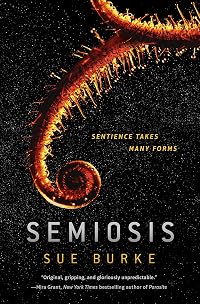
This book brought to mind so many other books and writers, but not in a way that felt like an imitation, but more like it just exists in a similar world. It's definitely a fresh take, and Carey's storytelling is really spectacular. Some other works that came to mind were Cronin's The Passage, Atwood's Oryx & Crake, Lawrence's The Book of the Ancestor, Wyndham's The Chrysalids, Burke's Semiosis, VanderMeer's nature thematic, and The Name of the Wind (namely for the style of narration, if not for anything else.)
I literally bashed the book against my head after the last line, definitely a book that should not be read without access to the sequel. show less
"I learned since then, and paid a price to learn it, that them as lay claim to great wisdom most often got nothing in their store but bare scrapings. And by the same token, them as think they're ignorant think it because they can see the edges of what they know, which you can only see when what you know is tall enough to stand on and take a look around."
I didn't know overly much about the book going in, but the setting turned out to be one of my absolute favorites in fantasy. The story starts from a closely guarded little village set in a pretty show more feudal society. The world has flourished, and the world has fallen, both by our own hands. What is left are the small, dwindling communities. There still exist the remnants of past technologies, which are wielded by a chosen few, who in turn rule the ones without. The threat from outside isn't zombies or war or disease, but nature itself, which has turned on humanity after humanity has tinkered with it for too long. Oh, and there's also a badass, self-aware AI. Basically everything I love in fantasy.
The story is told by Koli, who we know from the get go is telling his story after the fact. That doesn't lessen the tension at all, and while the generous foreshadowing helps lessen the anxiety, it also helps create it. The story begins from Koli's childhood, but the narrator is already a grown man. The book ends then Koli's a teenager, at the precipice of actually beginning the journey ahead.
"Tomorrow would do, I thought. And like most people who think that, I was dead wrong. There's only ever one day that matters, and it moves along with you."
This book brought to mind so many other books and writers, but not in a way that felt like an imitation, but more like it just exists in a similar world. It's definitely a fresh take, and Carey's storytelling is really spectacular. Some other works that came to mind were Cronin's The Passage, Atwood's Oryx & Crake, Lawrence's The Book of the Ancestor, Wyndham's The Chrysalids, Burke's Semiosis, VanderMeer's nature thematic, and The Name of the Wind (namely for the style of narration, if not for anything else.)
I literally bashed the book against my head after the last line, definitely a book that should not be read without access to the sequel. show less
"It never stops amazing me how a story can deliver you out of your own self, even in the worst of times (pg. 299)." No truer words were ever spoken as any devote reader can attest. Why else do we read other than to fall headfirst into a tale woven by master storytellers like M. R. Carey?
Carey's The Book of Koli is a creative, heart-pounding addition to the dystopian Sci Fi genre. Do not confuse this Carey offering with Young Adult (YA) fiction because even though our narrator, Koli, is only a naive and gentle 14-year-old at the novel's beginning, he matures quickly through a series of misadventures largely of his own making.
By and by, he becomes friends of a sort with Ursala, an itinerate healer, scientist, and intellectual many years show more Koli's senior, who uses the bits and pieces of technology left over from times past to save herself and Koli from the hands of a crazy messiah and his followers who have drunk the Kool-Aid.
But it's Koli and his heartwarming connection with an Artificial Intelligence (AI) device that makes the reader care deeply about the narrator, the characters, and this inventive, but totally plausible, story.
Well worth reading. show less
Carey's The Book of Koli is a creative, heart-pounding addition to the dystopian Sci Fi genre. Do not confuse this Carey offering with Young Adult (YA) fiction because even though our narrator, Koli, is only a naive and gentle 14-year-old at the novel's beginning, he matures quickly through a series of misadventures largely of his own making.
By and by, he becomes friends of a sort with Ursala, an itinerate healer, scientist, and intellectual many years show more Koli's senior, who uses the bits and pieces of technology left over from times past to save herself and Koli from the hands of a crazy messiah and his followers who have drunk the Kool-Aid.
But it's Koli and his heartwarming connection with an Artificial Intelligence (AI) device that makes the reader care deeply about the narrator, the characters, and this inventive, but totally plausible, story.
Well worth reading. show less
Members
- Recently Added By
Published Reviews
ThingScore 100
A captivating start to what promises to be an epic post-apocalyptic fable.
added by timspalding
Lists

Best Science Fiction Novels
816 works; 430 members

2021 Hugo Eligible Novels
37 works; 14 members

Top Five Books of 2020
982 works; 348 members

At the Library
217 works; 1 member
Author Information

18+ Works 11,339 Members
Awards and Honors
Series

Belongs to Publisher Series
Common Knowledge
- Canonical title
- The Book of Koli
- Original title
- The Book of Koli
- Original publication date
- 2020-04-16
- People/Characters*
- Koli; Marc
- Important places
- Mytholmroyd, Calderdale, West Yorkshire, England, UK
- Dedication*
- For AJ
- First words*
- I got a story to tell you.
- Last words*
- (Click to show. Warning: May contain spoilers.)If it had left her.
- Blurbers*
- Harris, Joan; McGuire, Seanan; Marshall, Helen; Fletcher, C.A.
- Original language
- English
*Some information comes from Common Knowledge in other languages. Click "Edit" for more information.
Classifications
Statistics
- Members
- 811
- Popularity
- 34,256
- Reviews
- 30
- Rating
- (3.96)
- Languages
- Dutch, English
- Media
- Paper, Audiobook, Ebook
- ISBNs
- 10
- ASINs
- 8