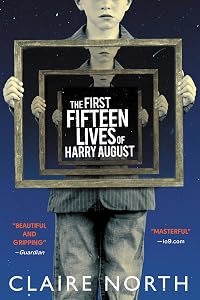
The First Fifteen Lives of Harry August
by Claire North
On This Page
Description
Wildly original, funny and moving, The First Fifteen Lives of Harry August is an extraordinary story of a life lived again and again from World Fantasy Award-winning author Claire North.Harry August is on his deathbed. Again.
No matter what he does or the decisions he makes, when death comes, Harry always returns to where he began, a child with all the knowledge of a life he has already lived a dozen times before. Nothing ever changes.
Until now.
As Harry nears the end of his eleventh life, show more a little girl appears at his bedside. "I nearly missed you, Doctor August," she says. "I need to send a message."
This is the story of what Harry does next, and what he did before, and how he tries to save a past he cannot change and a future he cannot allow. show less
Tags
Recommendations
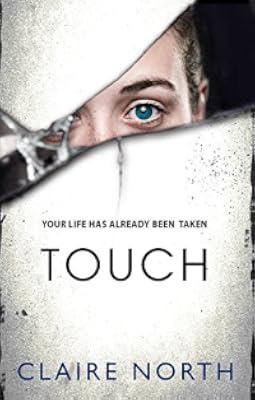
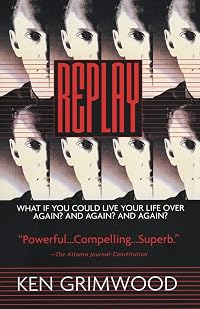
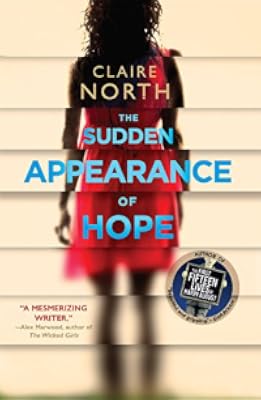
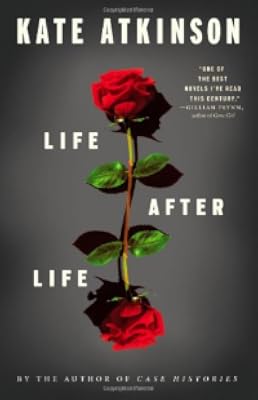

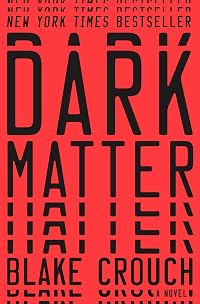
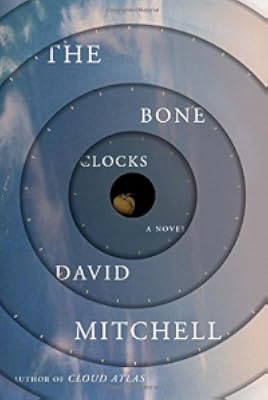
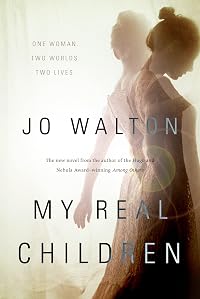
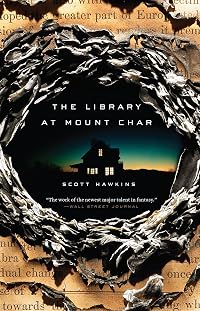
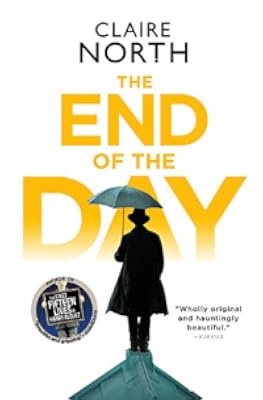
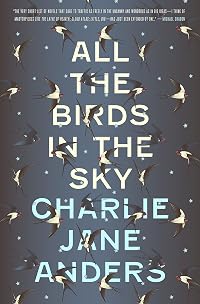

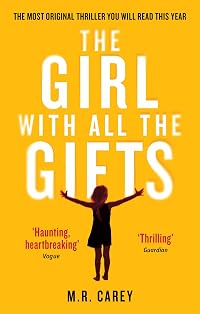

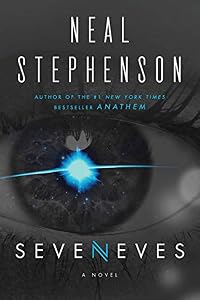
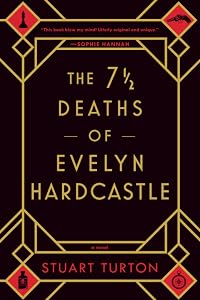
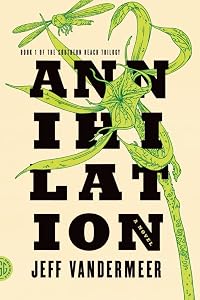
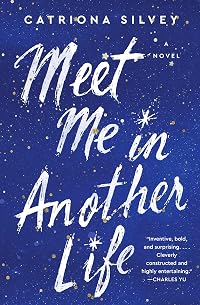
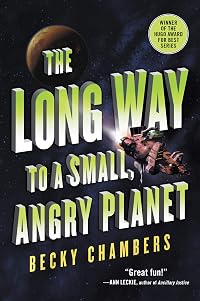
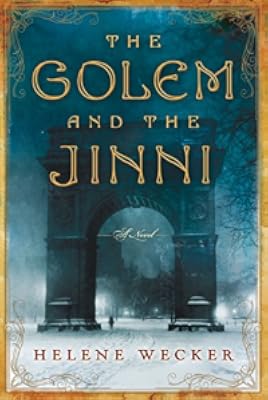
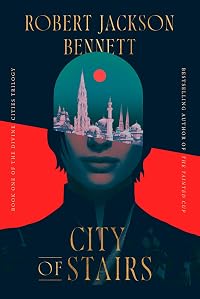
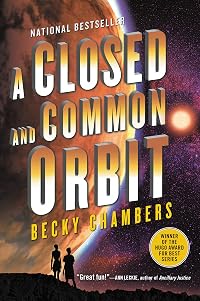
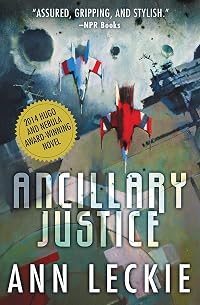
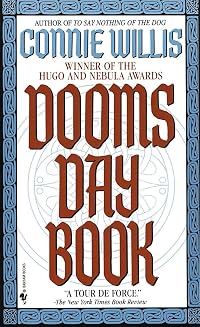
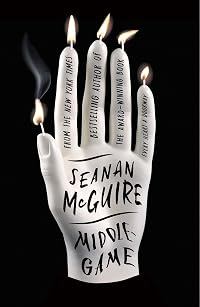
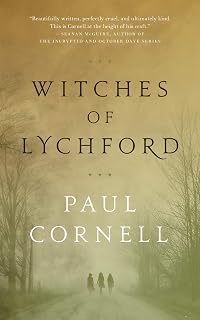
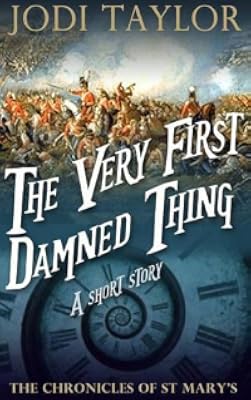
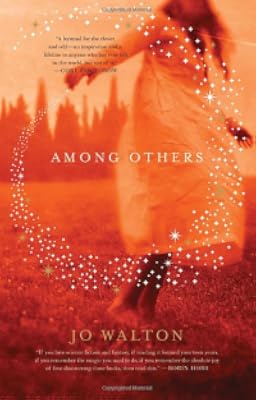
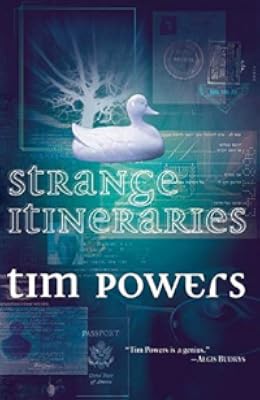
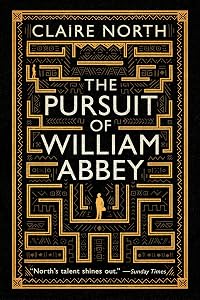
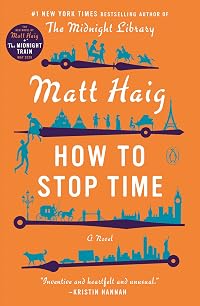

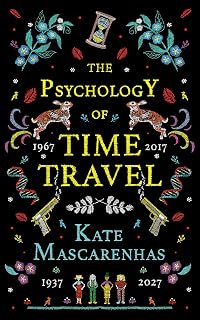
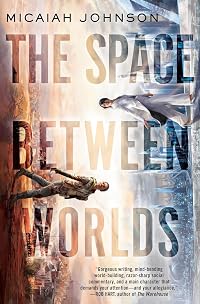
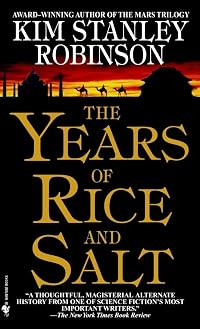
Member Recommendations
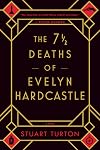
BeckyJG A protagonist who lives his life over and over, remembering the entirety of it each time, with the opportunity to do things differently, as well.
100
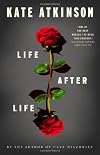
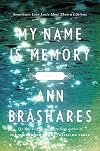
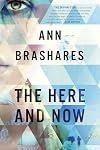
fairyfeller Explores the same concept of one person living the same over and over.
Also recommended by sturlington
42
Member Reviews
This book is a slow start, the snowball tipping off the side of a slope, picking up velocity so gradually you almost don't notice it, until it's the middle of the book and the snowball is now an avalanche racing toward the bottom of a mountain. At least, that's what reading it felt like to me. At the 48% mark, I was still going, yeah, it's readable, but it isn't *compelling*. But that's the last time I checked my progress in the book.
Overall, this is a fascinating conceit, a fascinating concept, played out fascinatingly. (And, no, this is far from the only novel featuring this idea, of someone leading a Groundhog's Day life, but this is one of the better uses of it, I think.) It's kind of a murder mystery and kind of a very weird show more friendship story and very much a thriller, all told out over centuries of time, multiple lives, and just one century of history.
Which isn't to say it's perfect. There are definitely flaws. But it's very gripping, and very satisfying.
Also, I need fic for this, stat. show less
Overall, this is a fascinating conceit, a fascinating concept, played out fascinatingly. (And, no, this is far from the only novel featuring this idea, of someone leading a Groundhog's Day life, but this is one of the better uses of it, I think.) It's kind of a murder mystery and kind of a very weird show more friendship story and very much a thriller, all told out over centuries of time, multiple lives, and just one century of history.
Which isn't to say it's perfect. There are definitely flaws. But it's very gripping, and very satisfying.
Also, I need fic for this, stat. show less
Harry August, illegitimate son of local lordling and fostered by his grounds-keeper, is not like most people. He's born, lives his life and dies just like the rest of us but it's here that things begin to get weird. He's born again into the same life and recovers his memories of his past lives while still an infant. A few lives in Harry learns he's not the only one but even among his own kind he's something special. After a while most begin to forget things but not Harry, he remembers everything. ON the deathbed of his eleventh life Harry is visited by a young girl who warns him of catastrophe to come. The end of the world is coming and it's arriving quicker than it should and it's up to Harry to stop it.
This is quite a slow build of a show more story as we learn of some of the events in Harry's past lives and some of the people who come to matter in this tale. It jumps around quite a bit both in time and also within Harry's lives but this is handled extremely well by the author and I was never confused as to where I was within the narrative. While the first half of the book explores the concept of multiple lifetimes and its effects on the titular character the second becomes much more of a suspenseful thriller until the inevitable and overly foreshadowed conclusion. This ending is the only slight letdown of the book in an otherwise excellent read. Looking forward to trying out more from this author whether it be in this guise or her real name of Catherine Webb. show less
This is quite a slow build of a show more story as we learn of some of the events in Harry's past lives and some of the people who come to matter in this tale. It jumps around quite a bit both in time and also within Harry's lives but this is handled extremely well by the author and I was never confused as to where I was within the narrative. While the first half of the book explores the concept of multiple lifetimes and its effects on the titular character the second becomes much more of a suspenseful thriller until the inevitable and overly foreshadowed conclusion. This ending is the only slight letdown of the book in an otherwise excellent read. Looking forward to trying out more from this author whether it be in this guise or her real name of Catherine Webb. show less
Harry August, born in northern England in 1919 dies an old man only to be born again, in the precisely same time and place and circumstances, the full memories of his former life returning as his infant brain develops. And this happens again, and again, and again. But the events of his life are not set; he can use the knowledge and education and skills he has accumulated to advance himself and move on more quickly from the same humble beginnings, and he discovers that he is not alone. While rare, there are other individuals who in the same circular way - “ouroborans” - who often store knowledge and look to help those recently returned to youth. As his lives progress Harry becomes aware that something in the future is amiss, show more something that will lead to the end of the world and is getting closer with each incarnation.
It’s been awhile since I’ve been gripped so much by a book. It took hold of me from the start, a fine mix of a wit, humour, tense plotting, great characterisation, excellent writing and a superb central idea explored fully.
As do all very good books, this works on several levels. As the literary thriller with a twist it is on its face, as a philosophical discussion of the enduring momentum of events compared to mayfly flicker of individual lives, perhaps as an exploration of the stages each of us goes through in our normal span of life.
Of course, I have to address this book’s similar concept to [a:Kate Atkinson|10015|Kate Atkinson|https://d.gr-assets.com/authors/1363801830p2/10015.jpg]Kate Atkinson’s [b:Life After Life|15790842|Life After Life|Kate Atkinson|https://d.gr-assets.com/books/1358173808s/15790842.jpg|21443207]Life After Life - both published very close together in early 2014. Yes, Claire North’s prose is not as good as Atkinson’s (hardly a criticism as the multi-award winning Atkinson has been in the game for a lot longer and is one hell of a writer). What is truly worth pointing out is how, from such a similar central idea (even happening to be set across a fairly similar historical stage) each writer has woven such an utterly distinct tapestry. Both books are literary, by turns funny and sobering, gripping and thoughtful and deep, but quite, quite different.
Sure, Harry August is not without flaws - there is the occasional clumsiness to the writing (massively overwhelmed by some very good writing and truly breathtaking plotting) and a the odd time where I had to actively suspend disbelief to do with the accelerating pace of technological advancement - but the sheer joy and wit and humanity and unashamed cleverness of this novel means anything less than five stars would be churlish. show less
It’s been awhile since I’ve been gripped so much by a book. It took hold of me from the start, a fine mix of a wit, humour, tense plotting, great characterisation, excellent writing and a superb central idea explored fully.
As do all very good books, this works on several levels. As the literary thriller with a twist it is on its face, as a philosophical discussion of the enduring momentum of events compared to mayfly flicker of individual lives, perhaps as an exploration of the stages each of us goes through in our normal span of life.
Of course, I have to address this book’s similar concept to [a:Kate Atkinson|10015|Kate Atkinson|https://d.gr-assets.com/authors/1363801830p2/10015.jpg]Kate Atkinson’s [b:Life After Life|15790842|Life After Life|Kate Atkinson|https://d.gr-assets.com/books/1358173808s/15790842.jpg|21443207]Life After Life - both published very close together in early 2014. Yes, Claire North’s prose is not as good as Atkinson’s (hardly a criticism as the multi-award winning Atkinson has been in the game for a lot longer and is one hell of a writer). What is truly worth pointing out is how, from such a similar central idea (even happening to be set across a fairly similar historical stage) each writer has woven such an utterly distinct tapestry. Both books are literary, by turns funny and sobering, gripping and thoughtful and deep, but quite, quite different.
Sure, Harry August is not without flaws - there is the occasional clumsiness to the writing (massively overwhelmed by some very good writing and truly breathtaking plotting) and a the odd time where I had to actively suspend disbelief to do with the accelerating pace of technological advancement - but the sheer joy and wit and humanity and unashamed cleverness of this novel means anything less than five stars would be churlish. show less
Thank you reading challenge! "Claire North's" book has been popping up as a recommended reading for me for nearly half a decade, yet the similarities between the jacket description and the plot of Ken Grimwood's [b:Replay|341735|Replay|Ken Grimwood|https://i.gr-assets.com/images/S/compressed.photo.goodreads.com/books/1441156728l/341735._SY75_.jpg|1804797] put me off from reading what seemed a highly hyped knock-off. With my local bookstore's summer reading challenge, though, I decided to check it out from the library to use as an option for one of the squares. While I ended up not using it for that purpose, having the copy lying around was the final incentive I needed to read it.
And I'm so glad I did, as it proved to be far better than show more the derivative work I was expecting. North's novel takes the premise of a person reliving their lives that Grimwood devised and takes it in some fresh and interesting directions. The idea of a community of "kalachakrans" or "ouroborans" (as the people reliving their lives call themselves) is interesting enough; what makes it so especially fascinating was how they create an existence that allows for communication across time. It turns the central conflict of the novel into a chess match that is all the more suspenseful for the stakes involved. My only regret by the end of the book was the sense that the rich possibilities of North's world had only begun to be explored. In a literary world overflowing with sequels and series, this is one where a follow-up would be most welcome! show less
And I'm so glad I did, as it proved to be far better than show more the derivative work I was expecting. North's novel takes the premise of a person reliving their lives that Grimwood devised and takes it in some fresh and interesting directions. The idea of a community of "kalachakrans" or "ouroborans" (as the people reliving their lives call themselves) is interesting enough; what makes it so especially fascinating was how they create an existence that allows for communication across time. It turns the central conflict of the novel into a chess match that is all the more suspenseful for the stakes involved. My only regret by the end of the book was the sense that the rich possibilities of North's world had only begun to be explored. In a literary world overflowing with sequels and series, this is one where a follow-up would be most welcome! show less
Sometimes, people get interviewed who have had long and incident-filled lives, and the interviewer asks "If you had your time again, would you do anything different?", and the answer is invariably "No, not a thing." Never believe a word of it. I know I would do things differently. It's a theme that has been infrequently visited in imaginative fiction; my collection only has four books of the sort - this, Ken Grimwood's Replay, Kate Atkinson's Life after Life and Jenny Erpenbeck's The End of Days (though I'm told that in the Erpenbeck, the idea is more of a literary device than the actual plot). Of those, it's years since I read Replay and the other two are still in the foothills of my To Be Read pile. No matter.
Harry August is an show more ouroboran, or a "kalachakra". After he dies, he is resurrected into his own body at the moment of his birth, but over the next three years he gradually retrieves all the memories of his previous life, so that he is able to take different decisions. More, Harry is a mnemonic - he has full recall of his past lives, rather than just remembering stuff at random, the way ordinary people like you and me ("linears" in the language of the book) do.
The kalachakra have a support mechanism, the Cronus Club, which exists to help support its members, especially after they've been around the loop a few times and find their accumulated knowledge of the future too much at odds with the things they are taught and expected to believe as children. This is especially useful for those born in the first part of the twentieth century, where science, technology and societal norms changed so much over the course of one lifetime. The Cronus Club has a more sinister objective - to prevent individual kalachakra from impacting the timeline too much. Imagine what someone with a knowledge of the science and technology of the 1960s, 70s or 80s could do with that knowledge in the 1920s or 30s. Of course, this is exactly what happens...
This is perhaps the major divergence between this book and Grimwood's Replay. In Grimwood's book, we follow the protagonist through their life, finding that they cannot make major changes to the timeline even if their own lives vary a lot. Grimwood's protagonist only ever finds a handful of fellow ouroborans, and at the climax of that book a baton is handed on to a new individual. The focus is on the personal story. But Harry August, who has similar experiences, is part of a bigger picture; the span of Claire North's story is greater, there is more at stake and the Cronus Club is the secret society to end all secret societies!
North adds to the idea, with some speculation as to what is actually happening to the kalachakra; there is no "Tell me, Professor..." info-dump, but a lot of hints are dropped as to the nature of the universe and the phenomenon the kalachakra are experiencing. The 'many worlds' interpretation of quantum physics is hinted at. Generally, situations and consequences are well thought out. Harry moves through the twentieth century world, being careful to avoid some of the more obvious traps. The writing is rich and the characters, I felt, quite well drawn, though Harry does have a habit of launching off into digressions to illustrate some point or other. And there is a long section on the last kalachakra to try to change the world, and what became of them which could have done with a little more tightening up. But equally there were laugh-out-loud moments and some ingenious twisting of the history we know. I found this a compelling read that engaged me on so many levels. Recommended. show less
Harry August is an show more ouroboran, or a "kalachakra". After he dies, he is resurrected into his own body at the moment of his birth, but over the next three years he gradually retrieves all the memories of his previous life, so that he is able to take different decisions. More, Harry is a mnemonic - he has full recall of his past lives, rather than just remembering stuff at random, the way ordinary people like you and me ("linears" in the language of the book) do.
The kalachakra have a support mechanism, the Cronus Club, which exists to help support its members, especially after they've been around the loop a few times and find their accumulated knowledge of the future too much at odds with the things they are taught and expected to believe as children. This is especially useful for those born in the first part of the twentieth century, where science, technology and societal norms changed so much over the course of one lifetime. The Cronus Club has a more sinister objective - to prevent individual kalachakra from impacting the timeline too much. Imagine what someone with a knowledge of the science and technology of the 1960s, 70s or 80s could do with that knowledge in the 1920s or 30s. Of course, this is exactly what happens...
This is perhaps the major divergence between this book and Grimwood's Replay. In Grimwood's book, we follow the protagonist through their life, finding that they cannot make major changes to the timeline even if their own lives vary a lot. Grimwood's protagonist only ever finds a handful of fellow ouroborans, and at the climax of that book a baton is handed on to a new individual. The focus is on the personal story. But Harry August, who has similar experiences, is part of a bigger picture; the span of Claire North's story is greater, there is more at stake and the Cronus Club is the secret society to end all secret societies!
North adds to the idea, with some speculation as to what is actually happening to the kalachakra; there is no "Tell me, Professor..." info-dump, but a lot of hints are dropped as to the nature of the universe and the phenomenon the kalachakra are experiencing. The 'many worlds' interpretation of quantum physics is hinted at. Generally, situations and consequences are well thought out. Harry moves through the twentieth century world, being careful to avoid some of the more obvious traps. The writing is rich and the characters, I felt, quite well drawn, though Harry does have a habit of launching off into digressions to illustrate some point or other. And there is a long section on the last kalachakra to try to change the world, and what became of them which could have done with a little more tightening up. But equally there were laugh-out-loud moments and some ingenious twisting of the history we know. I found this a compelling read that engaged me on so many levels. Recommended. show less
Harry was born. He lived a long life. He died. He was born (again). He lived… Wait, what? Once again he is Harry August and it’s 1919 (again). And yet he remembers everything. It’s enough to drive you mad. Enough to force you to become a suicidal prodigy. Okay. He was born (again). But this time someone from the Cronus Club stepped in before he went mad and informed him that he was indeed on his third time around. That’s just the lot for a kalachakra. They are rare and Harry is the rarest of all, a kalachakra with a perfect memory of everything from his previous lives. But is that a blessing or a curse? In his next few hundred years, suitably divided into lives of average length, Harry learns a thing or two. Mostly he learns show more that it’s best if he and his kind don’t take too much advantage of their advance knowledge of events in their own lives. Because that can lead to unforeseen consequences for those who come after you. Consequences which have a tendency to expand dramatically in future generations. Best to play it cool, because if you really make a mess of things, the other kalachakra may have to end you, and not just in this life. They’ll hunt you down before you are even conceived in the next life. And, let me tell you, that really does end you.
I’ve probably mangled a bit of that setup above. The remarkable thing is that Claire North absolutely handles the introduction of her scenario with the grace and efficiency of a master craftsperson. Yet this is her first novel. Well, her first in this incarnation. As it happens, “Claire North” is the second pseudonym of Catherine Webb, so this is effectively the beginning of her third career as a novelist. Which might explain how it is she seems to understand Harry and his predicament so well. Her writing is brisk and lively and as intricate as required for such high-concept thrillers. But it’s also warmly sympathetic to her characters. It’s a joy to read writing this accomplished.
Perhaps the contrast between “linears” and those who live cyclical lives is less acute than at first appears. Harry, as our prime example, lives fifteen lives in the course of this novel. But he does so in linear fashion. That is, although he goes back to the beginning after his demise in each life, he remembers continuously. So his personal identity, which is tied to his psychological continuity, never fragments or dissolves. Which makes him a bit linear after all. But that might be merely one of the constraints you are forced to accept in your scenario when your goal is to write a novel.
It’s a fascinating read which eventually coalesces into an exciting thriller in a chase across generations. I hope you enjoy the ride as much as I did.
Recommended. show less
I’ve probably mangled a bit of that setup above. The remarkable thing is that Claire North absolutely handles the introduction of her scenario with the grace and efficiency of a master craftsperson. Yet this is her first novel. Well, her first in this incarnation. As it happens, “Claire North” is the second pseudonym of Catherine Webb, so this is effectively the beginning of her third career as a novelist. Which might explain how it is she seems to understand Harry and his predicament so well. Her writing is brisk and lively and as intricate as required for such high-concept thrillers. But it’s also warmly sympathetic to her characters. It’s a joy to read writing this accomplished.
Perhaps the contrast between “linears” and those who live cyclical lives is less acute than at first appears. Harry, as our prime example, lives fifteen lives in the course of this novel. But he does so in linear fashion. That is, although he goes back to the beginning after his demise in each life, he remembers continuously. So his personal identity, which is tied to his psychological continuity, never fragments or dissolves. Which makes him a bit linear after all. But that might be merely one of the constraints you are forced to accept in your scenario when your goal is to write a novel.
It’s a fascinating read which eventually coalesces into an exciting thriller in a chase across generations. I hope you enjoy the ride as much as I did.
Recommended. show less
Harry is born, lives his life and dies. Then he is born again, remembers his previous life, and goes mad and ultimately kills himself. Then he is born again a third time with two lifetime's worth of memories. Every time he is reborn it is at the same period in time in a largely identical timeline. It's possible, with some effort, to change things, but rarely for the best and when he dies it all resets again. The Chronos Club, consisting of people like him, frowns on that sort of behaviour. It's possible to pass messages up and down the timeline, and nobody want to mess with the lives of future members. But somebody is doing something big, something subtle and dangerous, gradually accelerating the end of the world in life after life. show more Harry may know who. Harry, filled with the ennui and helplessness of repetitive immortality, can track him down, but if he does will he stop the changes, or help them?
A terrific concept, well executed, that thinks through the consequences of its premise and creates a fully realised and fleshed out character to share them with us. Brilliantly written, evocative, scary, and a strange, intense and odd look at life and mortality and futility and friendship. Excellent. show less
A terrific concept, well executed, that thinks through the consequences of its premise and creates a fully realised and fleshed out character to share them with us. Brilliantly written, evocative, scary, and a strange, intense and odd look at life and mortality and futility and friendship. Excellent. show less
Members
- Recently Added By
Lists

Favorite Science Fiction by Women Authors
737 works; 196 members

Best Time Travel Novels
165 works; 125 members

Best time travel books
56 works; 22 members

Recommend the 20 best books you've read in the last five years
2,168 works; 602 members

Arthur C. Clarke Award Winners and Shortlisted Books
219 works; 14 members

Top Five Books of 2014
1,064 works; 398 members
Recommended Speculative Fiction by Women and People of Color
298 works; 45 members

Stories of Immortality and Reincarnation
17 works; 5 members

Top Five Books of 2018
802 works; 265 members

Summer Reads 2014
207 works; 70 members

Books With Numbers in the Title
308 works; 13 members

Books Read in 2016
4,666 works; 197 members

Books read in 2015
213 works; 5 members

Best Fantasy Novels
821 works; 361 members

Allie's 2015 Reading List
33 works; 1 member

To Read
617 works; 7 members
Global Reads: Books Set in the United Kingdom and Ireland
109 works; 5 members

BingoDOG - Scientists in Fiction
111 works; 17 members

Fiction with Men's Given Names in the Title
302 works; 10 members

Protagonists - Men
32 works; 2 members

Speculative Fiction
40 works; 2 members
Books Read in 2015
3,299 works; 129 members

Time Travel Stories
12 works; 2 members
Time Travel Stories
64 works; 6 members

KayStJ's to-read list
1,616 works; 11 members

Overdue Podcast
806 works; 9 members
Author Information

37+ Works 12,514 Members
Some Editions
Awards and Honors
Awards
Notable Lists
Series
Belongs to Publisher Series
Common Knowledge
- Canonical title*
- De eerste vijftien levens van Harry August
- Original title
- The First Fifteen Lives of Harry August
- Original publication date
- 2014-04-08
- People/Characters
- Harry August; Vincent Rankis; Akinleye; Virginia; Charity Hazelmere; Franklin Phearson (show all 9); Patrick August; Rory Hulne; Olga
- Important events
- World War II; Cold War
- First words
- I am writing this for you.
My enemy.
My friend.
You know, already, you must know.
You have lost. - Last words
- (Click to show. Warning: May contain spoilers.)Instead, for those few days you have left, you are mortal at last.
- Blurbers
- Carey, Mike; Dashner, James
- Original language
- English
*Some information comes from Common Knowledge in other languages. Click "Edit" for more information.
Classifications
Statistics
- Members
- 3,638
- Popularity
- 4,462
- Reviews
- 205
- Rating
- (3.97)
- Languages
- 14 — Czech, Danish, Dutch, English, Estonian, French, German, Italian, Polish, Portuguese, Russian, Spanish, Turkish, Ukrainian
- Media
- Paper, Audiobook, Ebook
- ISBNs
- 36
- ASINs
- 19