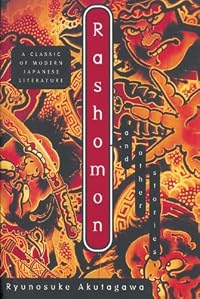
Rashomon and Other Stories
by Ryūnosuke Akutagawa
On This Page
Description
A famous samurai murder mystery finally brought to life in graphic novel form! A sword-swinging samurai, a corpse-robbing crone and a falsely accused trans man stand at the center of these four iconic tales, once the inspiration for a classic film, now turned into stunning graphic novellas. The stories in this volume by Ryunosuke Akutagawa - the renowned "father of the Japanese short story" are captured by manga masters mkdeville and Philippe Nicloux in these four action-packed adaptations: show more - Rashomon: A houseless servant pits morality against survival in a post-apocalyptic world where thievery and the desecration of the dead are necessary for survival - In the Grove: Conflicting statements and competing narratives call into question the notion of objective truth in a searing tale of rape and revenge - Otomi's Virginity: Pride, honor and dignity are at stake when a young servant is confronted by an unexpected aggressor at her employer's abandoned house - The Martyr: A pious Jesuit with a dark secret faces excommunication and death in 16th-century Japan, when Christianity was introduced and then banned by order of the Shogun Stunning graphic adaptations by mkdeville and Philippe Nicloux turn these iconic tales into thrilling page-turners, following in the footsteps of the famous Kurosawa film. show lessTags
Recommendations

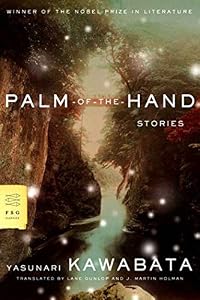
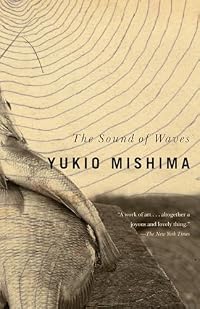
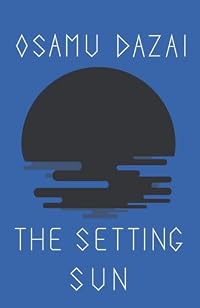
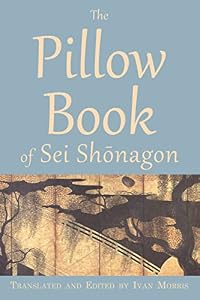
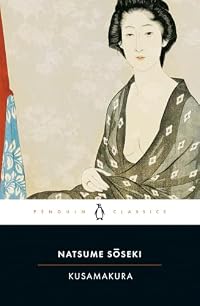
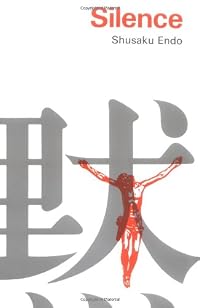
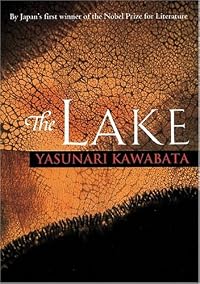
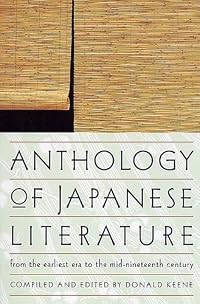

Member Recommendations
TheLittlePhrase a crime story from the perspective of multiple witnesses
TheLittlePhrase whodunit with multiple witnesses
Member Reviews
Rashomon by Ryunosuke Akutagawa is a small collection of short stories that have been translated into English. This version was an inexpensive copy for the Kindle so there were a few problems with the set up and editing but I was still very impressed with this author’s writing. Rashomon, is probably best known as a film by the well-known Japanese director Kurosawa. I believe the film is actually a combination of the first two stories in the book.
All six stories in this collection were interesting but I particularly liked the first four. The opening story, The Grove was a fascinating murder story that was exposed through conflicting eyewitness accounts. This was followed by Rashomon which is a dark story that raises questions about show more violence, power and desperation. I then enjoyed Yam Gruel which was based on an old Japanese myth. This story seemed to be an example of being careful what you wish for. This was a slightly funny, slightly melancholy story of a lowly samurai who dreams of someday having a feast of yam gruel. I found The Martyr, a story about an orphan boy who lived by the words of Jesus and suffered like him both strange and tragic. The twist at the end of the story makes it rather unforgettable. I wasn’t quite as taken by the other two stories, “Kesa and Morito” about an extra-marital affair and finally “The Dragon” which sees a practical joke go awry
Over all this was an insightful collection from a master storyteller and, it was well worth reading these absorbing and thought-provoking tales. show less
All six stories in this collection were interesting but I particularly liked the first four. The opening story, The Grove was a fascinating murder story that was exposed through conflicting eyewitness accounts. This was followed by Rashomon which is a dark story that raises questions about show more violence, power and desperation. I then enjoyed Yam Gruel which was based on an old Japanese myth. This story seemed to be an example of being careful what you wish for. This was a slightly funny, slightly melancholy story of a lowly samurai who dreams of someday having a feast of yam gruel. I found The Martyr, a story about an orphan boy who lived by the words of Jesus and suffered like him both strange and tragic. The twist at the end of the story makes it rather unforgettable. I wasn’t quite as taken by the other two stories, “Kesa and Morito” about an extra-marital affair and finally “The Dragon” which sees a practical joke go awry
Over all this was an insightful collection from a master storyteller and, it was well worth reading these absorbing and thought-provoking tales. show less
I needed a couple of books by Japanese authors for book bingo, and as much as I love Mishima, I also know how long it takes me to make it through one of his books, so I picked up this slim copy of short stories a while ago.
Once I started reading it, it felt so intensely familiar, I wondered if I'd read it before. After a while I decided that it was only familiar from the movie Rashomon, which is based off of the first story in this collection, "In a Grove."
These stories are short, but searing. They are stories of murder and suffering and feeling caught -- like you have no choice but to do this thing that is wrong and will also make you terribly unhappy. No fluffy foxes here. More shame. But they are not heavy with darkness, but show more calculated.
Left me chewing on how society shapes identity, and how our perceptions shape reality. show less
Once I started reading it, it felt so intensely familiar, I wondered if I'd read it before. After a while I decided that it was only familiar from the movie Rashomon, which is based off of the first story in this collection, "In a Grove."
These stories are short, but searing. They are stories of murder and suffering and feeling caught -- like you have no choice but to do this thing that is wrong and will also make you terribly unhappy. No fluffy foxes here. More shame. But they are not heavy with darkness, but show more calculated.
Left me chewing on how society shapes identity, and how our perceptions shape reality. show less
Tá rolando um clube do livro de literatura japonesa (mais informações na página da @quatrocincoum) e resolvi me aventurar nesse rolê porque embora eu seja grande devota do cinema japonês, ainda sou meio relapsa com sua literatura.
Este mês o clube de leitura discutiu esse livrinho de contos do Akutagawa, autor que ficou conhecido no ocidente pela transposição que Kurosawa fez dos dois primeiros contos da presente coletânea, curiosamente o Rashomon que dá título ao seu filme é só vagamente inspirado e o grosso do filme fica por conta do conto intitulado Dentro do Bosque.
Num total de 10 contos, dos quais dois deles são divididos em micro-narrativas, nenhum dos demais alcançam a maestria de Dentro do Bosque, organizados por show more ordem da época em que se passam, os sobre a presença católica portuguesa me causaram um leve enfado, mas os sobre escritores são bem bons, além do conto final que é biográfico e me inspirou a pensar um livro com micro-narrativas autobiográficas ficcionalizadas e o quanto isto poderia render em lirismo.
Enfim, Akutagawa é um autor interessante de narrativas curtas que infelizmente perdemos para o suicídio ainda jovem, adentrado o longo rol de escritores que sucumbiram pela depressão. show less
Este mês o clube de leitura discutiu esse livrinho de contos do Akutagawa, autor que ficou conhecido no ocidente pela transposição que Kurosawa fez dos dois primeiros contos da presente coletânea, curiosamente o Rashomon que dá título ao seu filme é só vagamente inspirado e o grosso do filme fica por conta do conto intitulado Dentro do Bosque.
Num total de 10 contos, dos quais dois deles são divididos em micro-narrativas, nenhum dos demais alcançam a maestria de Dentro do Bosque, organizados por show more ordem da época em que se passam, os sobre a presença católica portuguesa me causaram um leve enfado, mas os sobre escritores são bem bons, além do conto final que é biográfico e me inspirou a pensar um livro com micro-narrativas autobiográficas ficcionalizadas e o quanto isto poderia render em lirismo.
Enfim, Akutagawa é um autor interessante de narrativas curtas que infelizmente perdemos para o suicídio ainda jovem, adentrado o longo rol de escritores que sucumbiram pela depressão. show less
I don't know which genre I love more, Epistolary or short stories. I got two for the price of one with In a Grove by Ryūnosuke Akutagawa, while on my current classic short story binge.
Although the story (circa 1922) is not told through letters, emails, or messaging, it is a very clever tale, related through testimonies made to the High Police Commissioner from witnesses to a murder scene (including a Woodcutter passerby who crossed paths with a Samurai and his Wife before the murder and was at the scene in the aftermath, a traveling Buddhist Priest, a Policeman who arrested a robber/murderer/rapist, and an Old Woman who was mother to the missing Wife of the murdered Samurai), the Confession of the robber/murderer/rapist, Tajomaru, the show more dead Samurai’s Wife’s Confession at the Simizu Temple, and, last but not least, the events as described by the murdered Samurai victim himself, as told through a Medium.
A Mosaic-like pattern evolves with descriptions that offer alternate suggestions of who actually committed the murder, what happened to the Samurai’s wife, and where had she disappeared to. Although you would think that the murder victim himself would be the best judge of the matter, even his accounting of events is unresolved!
I love a good story and an ending does not have to be spelled out to me, but some might take exception to this.
The story is a short and quick read, readily available online. You can read, download and/or print by pressing on this link. show less
Although the story (circa 1922) is not told through letters, emails, or messaging, it is a very clever tale, related through testimonies made to the High Police Commissioner from witnesses to a murder scene (including a Woodcutter passerby who crossed paths with a Samurai and his Wife before the murder and was at the scene in the aftermath, a traveling Buddhist Priest, a Policeman who arrested a robber/murderer/rapist, and an Old Woman who was mother to the missing Wife of the murdered Samurai), the Confession of the robber/murderer/rapist, Tajomaru, the show more dead Samurai’s Wife’s Confession at the Simizu Temple, and, last but not least, the events as described by the murdered Samurai victim himself, as told through a Medium.
A Mosaic-like pattern evolves with descriptions that offer alternate suggestions of who actually committed the murder, what happened to the Samurai’s wife, and where had she disappeared to. Although you would think that the murder victim himself would be the best judge of the matter, even his accounting of events is unresolved!
I love a good story and an ending does not have to be spelled out to me, but some might take exception to this.
The story is a short and quick read, readily available online. You can read, download and/or print by pressing on this link. show less
The eerie mood set in the title story Rashomon stood out most writing wise, reread the story twice for that alone.
One story, consisting of monologues of Kesa and Morito, grated on me for how rape was handled back in the day, and if all the other stories are worth rereading, I'd skip this one, were I ever to return to the collection.
Akutagawa doesn't hold the readers hand and doesn't say what to think of the events in the stories. All are ambiguous one way or the other.
Quite a refreshing read.
One story, consisting of monologues of Kesa and Morito, grated on me for how rape was handled back in the day, and if all the other stories are worth rereading, I'd skip this one, were I ever to return to the collection.
Akutagawa doesn't hold the readers hand and doesn't say what to think of the events in the stories. All are ambiguous one way or the other.
Quite a refreshing read.
Classic though this may be, I found that the 6 stories in my volume did nothing for me. The translation, by Takashi Kojima, probably didn't help as I found the style of the prose to be uninspiring, which meant that all I was left with were the stories themselves — and those I found to be tiresome, mean-spirited, and somewhat on the trite side. (For some inexplicable reason I was reminded of O. Henry while reading. I have no idea why.)
That said, it's just odd to read a book that includes footnotes explaining what sushi is.
That said, it's just odd to read a book that includes footnotes explaining what sushi is.
I just finished [Rashomon et autres contes] by Ryunosuke Akutagawa. My copy contains the four following stories:
Rashomon
Figures infernales (Hell Screen)
Dans le fourre (In the Grove)
Gruau d'ignames (Yam Gruel)
Although I am not usually a short story reader, these were perfect reading for when I had nothing to do at work. Anyone familiar with Akutagawa or Japanese cinema should be familiar with Rashomon and In the Grove. I had already read these during my undergrad studies but I went ahead and reread them.
No matter how many times you read Rashomon, Akutagawa's imagery is just remarkable, and quite harrowing. You are immediately transported and afterward, you can't get the thoughts out of your head while images and feelings from Kubrick's show more "The Birds" and "Psycho" tend to also stick out.
In the Grove is a classic story deliberating over point of views. How we can all experience the same thing and yet come out with different memories. Who is right? Who is wrong? In terms of memory, can we really be wrong. What we remember is what we believe we experienced thus how can that be wrong. I've always prided myself at being very good at remembering events and details at those events. And it always bothers me when someone remembers it incorrectly. But this story tries to convince me that I might be indeed the person who is incorrect.
Out of the two stories that I wasn't familiar with Hell's Screen was the most impacting. It was remarkable. A painter getting caught up in his art and to what extent he'll go to complete his masterpiece. Remarkable story with quite the horrendous ending.
With Yam's Gruel I kept waiting for a twist, an impacting moment but it was a simple tale basically stating that too much of a good thing is a bad thing. Simple. Short. The moral we all know and remember, but this story I probably won't. show less
Rashomon
Figures infernales (Hell Screen)
Dans le fourre (In the Grove)
Gruau d'ignames (Yam Gruel)
Although I am not usually a short story reader, these were perfect reading for when I had nothing to do at work. Anyone familiar with Akutagawa or Japanese cinema should be familiar with Rashomon and In the Grove. I had already read these during my undergrad studies but I went ahead and reread them.
No matter how many times you read Rashomon, Akutagawa's imagery is just remarkable, and quite harrowing. You are immediately transported and afterward, you can't get the thoughts out of your head while images and feelings from Kubrick's show more "The Birds" and "Psycho" tend to also stick out.
In the Grove is a classic story deliberating over point of views. How we can all experience the same thing and yet come out with different memories. Who is right? Who is wrong? In terms of memory, can we really be wrong. What we remember is what we believe we experienced thus how can that be wrong. I've always prided myself at being very good at remembering events and details at those events. And it always bothers me when someone remembers it incorrectly. But this story tries to convince me that I might be indeed the person who is incorrect.
Out of the two stories that I wasn't familiar with Hell's Screen was the most impacting. It was remarkable. A painter getting caught up in his art and to what extent he'll go to complete his masterpiece. Remarkable story with quite the horrendous ending.
With Yam's Gruel I kept waiting for a twist, an impacting moment but it was a simple tale basically stating that too much of a good thing is a bad thing. Simple. Short. The moral we all know and remember, but this story I probably won't. show less
Members
- Recently Added By
Lists

1001 Books You Must Read Before You Die
1,448 works; 1,131 members

Japanese Literature
230 works; 40 members

1,001 BYMRBYD Concensus
723 works; 27 members

Best Japanese Fiction
41 works; 10 members

Asia
178 works; 7 members

Books Read in 2017
4,248 works; 129 members

SantaThing 2014 Gifts
299 works; 17 members

Makes Me Want to Eat (or Drink)
39 works; 12 members

Dead narrators
50 works; 4 members

Books Referenced by Izetbegovic's Islam Between East and West
233 works; 2 members

Philip Ward's Lifetime Reading Plan
592 works; 22 members

N.T. McQueen's Inspiration List
23 works; 1 member

Books Read in 2024
4,623 works; 126 members
Author Information

287+ Works 5,644 Members
Brilliant, sensitive, neurotic, Akutagawa Ryunosuke left over 100 stories before his suicide at age 35. Feudal fables are often the source for his tales, but Akutagawa also brought his knowledge of several world literatures to enrich his writing. His best-known story, "In a Grove" ("Yabu no naka"), has become a play and was made into the show more prizewinning movie Rashomon by Kurosawa Akira (see Vol. 3). (Bowker Author Biography) show less
Some Editions
Awards and Honors
Distinctions
Notable Lists
Series
Belongs to Publisher Series
Work Relationships
Common Knowledge
- Canonical title*
- Rashomon en andere verhalen
- Original title
- Rashomon and Other Stories
- Alternate titles*
- Rashomon (rug- en omslagitel) (rug- en omslagitel)
- Original publication date
- 1915
- Important places
- Japan
- Related movies
- Rashômon (1950 | IMDb); The Outrage (1964 | IMDb)
- First words
- Yes, Sir. Certainly, it was I who found the body.
- Original language
- Japonés; Japanese; Giapponese
- Disambiguation notice
- Do not combine with "Rashomon and Seventeen Other Stories" - this work contains fewer stories
*Some information comes from Common Knowledge in other languages. Click "Edit" for more information.
Classifications
- Genres
- Fiction and Literature, General Fiction
- DDC/MDS
- 813 — Literature & rhetoric American literature in English American fiction in English
- LCC
- PL801 .K8 — Language and Literature Languages and literatures of Eastern Asia, Africa, Oceania Languages of Eastern Asia, Africa, Oceania Japanese language and literature Japanese literature Individual authors and works
- BISAC
Statistics
- Members
- 1,705
- Popularity
- 12,915
- Reviews
- 31
- Rating
- (3.92)
- Languages
- 13 — Catalan, Chinese, Czech, Dutch, English, French, German, Hungarian, Italian, Japanese, Portuguese, Romanian, Spanish
- Media
- Paper, Audiobook, Ebook
- ISBNs
- 72
- UPCs
- 1
- ASINs
- 25