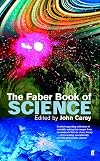
The Faber Book of Science
by John Carey (Editor)
On This Page
Description
John Carey, editor of the internationally acclaimed Faber Book of Reportage, plots the development of modern science, from Leonardo da Vinci to Chaos Theory. This anthology is made up of accounts by the scientists themselves.Tags
Recommendations





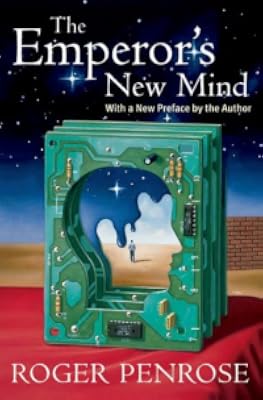
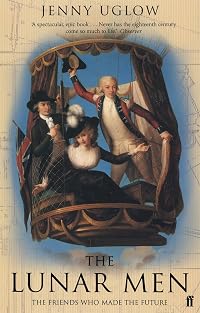
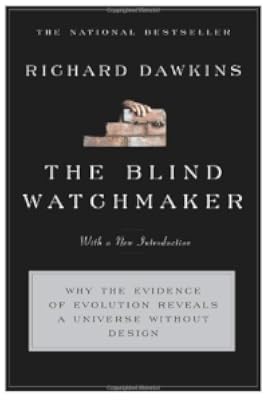
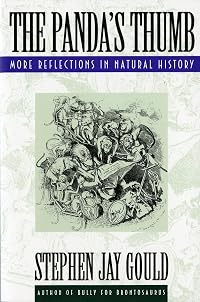
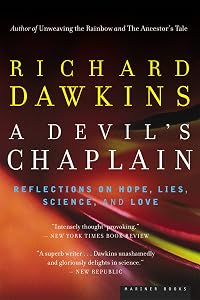


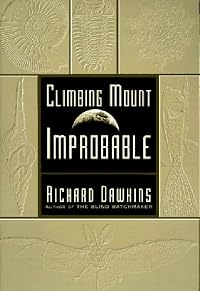

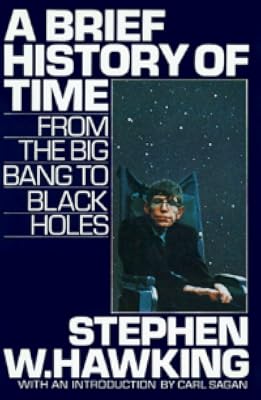
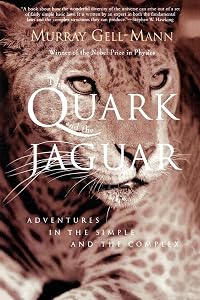
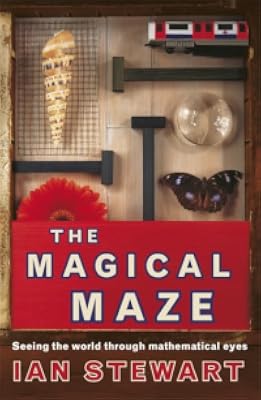
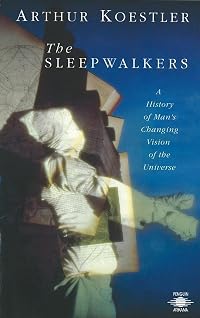
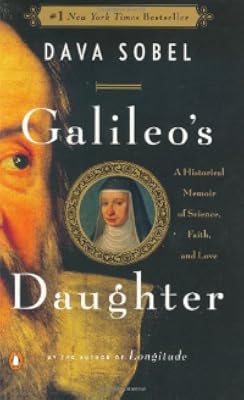
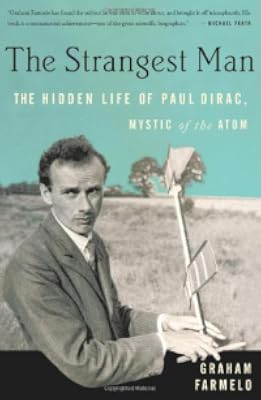
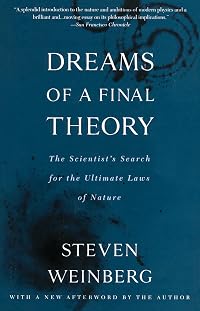


Member Recommendations
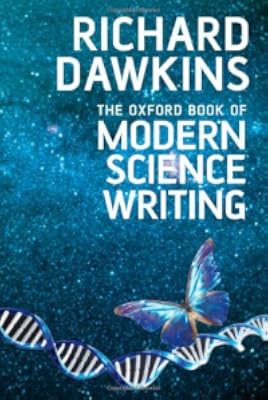
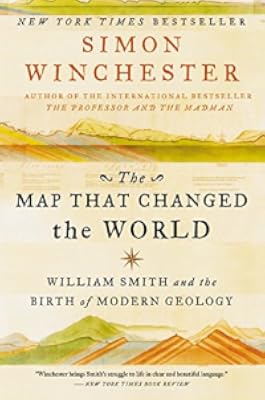
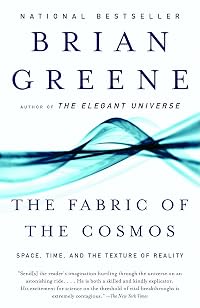
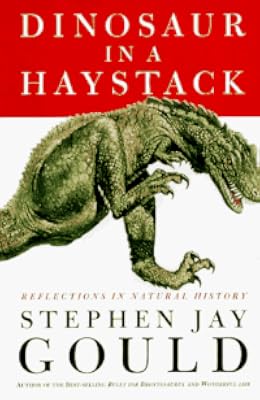
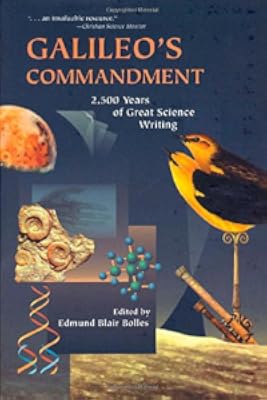
Widsith The modern, and the not-so-modern. Two excellent collections.
20
Member Reviews
It seems an odd idea to get an English professor to edit an anthology of science writing, but it actually works rather well. Carey obviously has an eye for pieces that are sufficiently self-explanatory to be accessible to non-professional readers, but he also succeeds rather well at finding texts that show us scientists actually doing science, reasoning from observations and testing hypotheses experimentally.
Of course we get all the “big moments” — Galileo, Newton, Mendeleev, Darwin, Mme Curie, Einstein and so on — and we get pieces by most of the well-known “popularisers” (Gould, Dawkins, Feynman, etc.) but he also picks out some less obvious moments of discovery, and salts the mixture of science writing by scientists with show more a few teasing bits of science from poets and novelists. We probably know about Steinbeck’s marine biology and Nabokov’s butterflies, but what about George Orwell on toads, or Ted Hughes on cosmology?
Fittingly, the book finishes with Asimov’s chilling piece about the limits of world population, written half a century ago and truer (and scarier) than ever.
It’s a great book for anyone to dip into and will probably send you off down a few rabbit holes that are new to you, whatever your background, but I should think it would also be a very good choice if you need something to give to a non-scientific friend to help them understand what science is really about (besides wearing white coats and destroying the world, of course…). show less
Of course we get all the “big moments” — Galileo, Newton, Mendeleev, Darwin, Mme Curie, Einstein and so on — and we get pieces by most of the well-known “popularisers” (Gould, Dawkins, Feynman, etc.) but he also picks out some less obvious moments of discovery, and salts the mixture of science writing by scientists with show more a few teasing bits of science from poets and novelists. We probably know about Steinbeck’s marine biology and Nabokov’s butterflies, but what about George Orwell on toads, or Ted Hughes on cosmology?
Fittingly, the book finishes with Asimov’s chilling piece about the limits of world population, written half a century ago and truer (and scarier) than ever.
It’s a great book for anyone to dip into and will probably send you off down a few rabbit holes that are new to you, whatever your background, but I should think it would also be a very good choice if you need something to give to a non-scientific friend to help them understand what science is really about (besides wearing white coats and destroying the world, of course…). show less
Science > Popular works
Ratings
Members
- Recently Added By
Author Information

John Carey is Merton Professor of English at Oxford University. A distinguished critic, reviewer, & broadcaster, he is the author of several books, including "The Intellectuals & the Masses". (Bowker Author Biography)
Awards and Honors
Awards
Common Knowledge
- Canonical title
- The Faber Book of Science
- Original title
- The Faber Book of Science
- Alternate titles
- Eyewitness to Science: Scientists and Writers Illuminate Natural Phenomena from Fossils to Fractals
- Original publication date
- 1995
- Original language
- English
Classifications
Statistics
- Members
- 398
- Popularity
- 78,046
- Reviews
- 2
- Rating
- (3.65)
- Languages
- English
- Media
- Paper, Ebook
- ISBNs
- 5
- ASINs
- 5