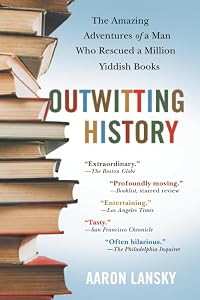
Outwitting History: The Amazing Adventures of a Man Who Rescued a Million Yiddish Books
by Aaron Lansky
On This Page
Description
“Incredible . . . Inspiring . . . Important.” —Library Journal, starred review“A marvelous yarn, loaded with near-calamitous adventures and characters as memorable as Singer creations.” —The New York Post
“What began as a quixotic journey was also a picaresque romp, a detective story, a profound history lesson, and a poignant evocation of a bygone world.” —The Boston Globe
“Every now and again a book with near-universal appeal comes along: Outwitting History is show more just such a book.” —The Sunday Oregonian
As a twenty-three-year-old graduate student, Aaron Lansky set out to save the world’s abandoned Yiddish books before it was too late. Today, more than a million books later, he has accomplished what has been called “the greatest cultural rescue effort in Jewish history.” In Outwitting History, Lansky shares his adventures as well as the poignant and often laugh-out-loud stories he heard as he traveled the country collecting books. Introducing us to a dazzling array of writers, he shows us how an almost-lost culture is the bridge between the old world and the future—and how the written word can unite everyone who believes in the power of great literature.
A Library Journal Best Book
A Massachusetts Book Award Winner in Nonfiction
An ALA Notable Book. Nonfiction. History. show less
Tags
Recommendations

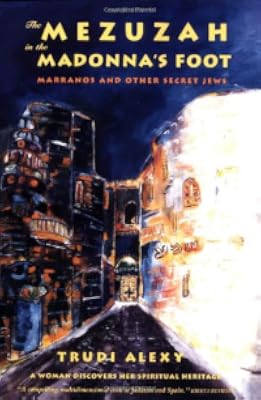

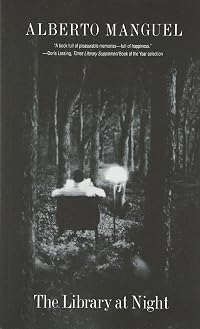
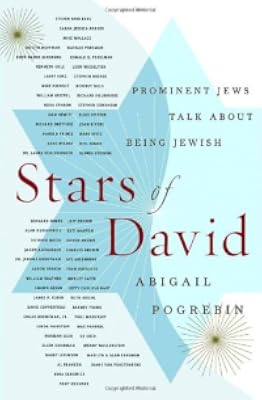

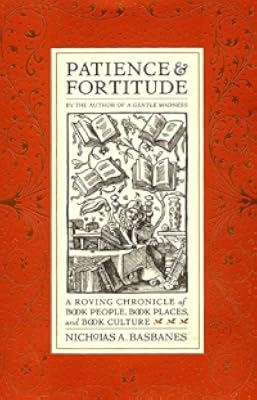
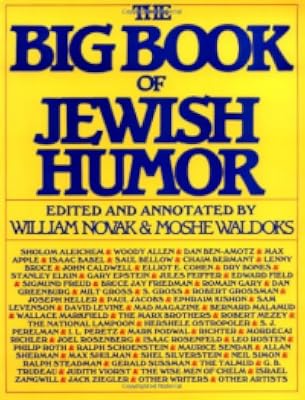


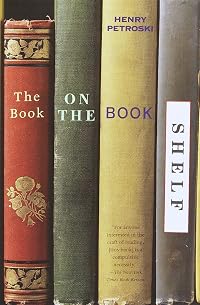




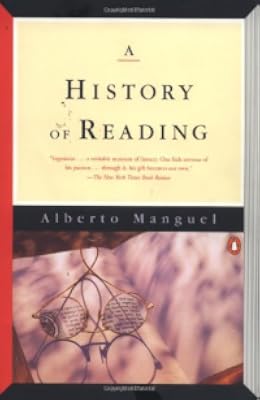
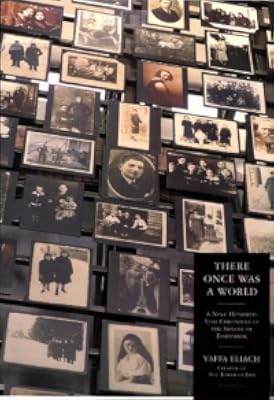
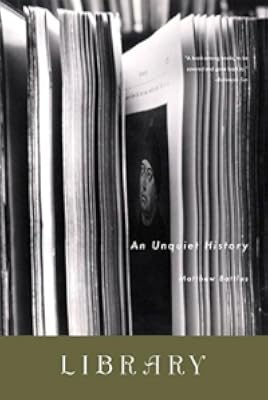
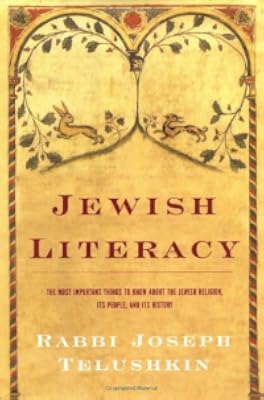
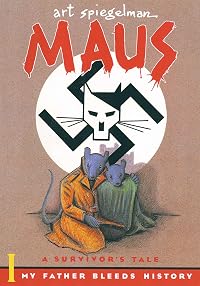


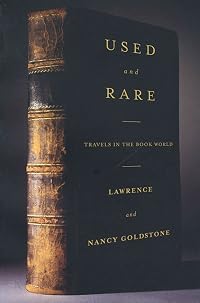
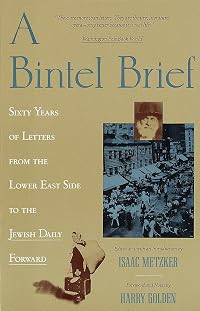
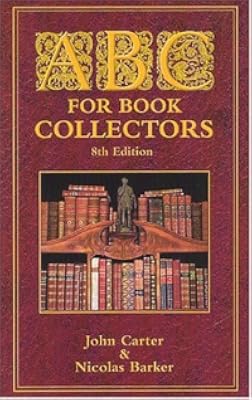
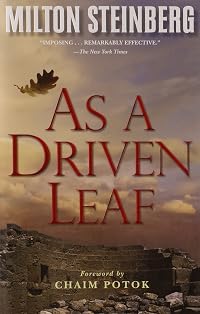
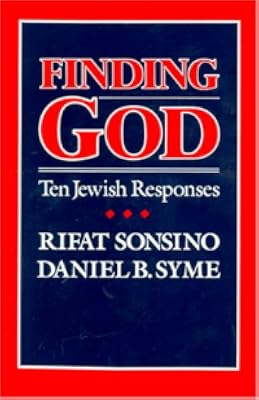


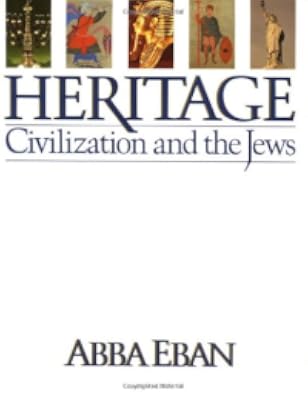

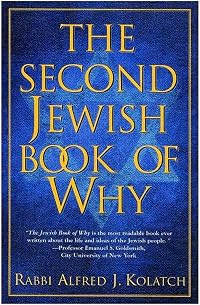
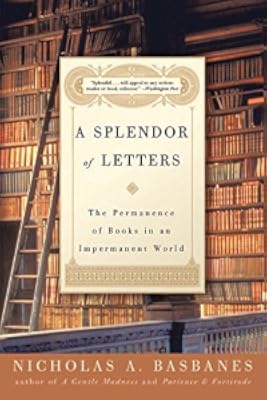
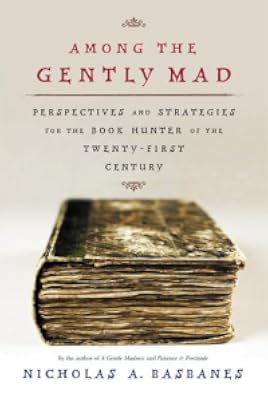



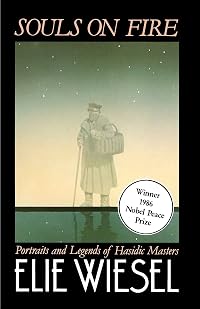

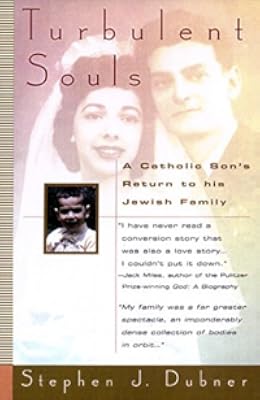

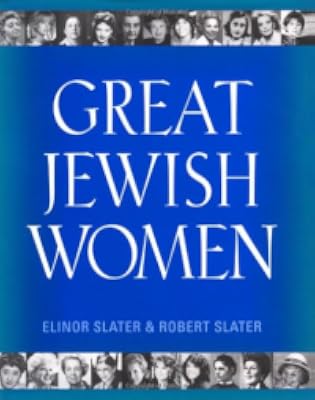
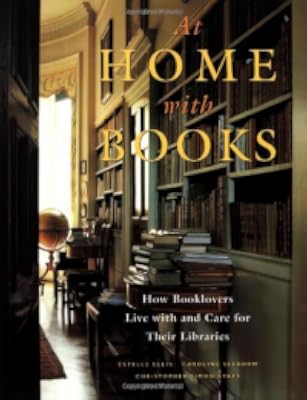

Member Recommendations
lorax There are two obvious ways to go from "Outwitting History"; the other recommendations cover a specific interest in Yiddish. For a general interest in linguistic preservation and revival, "Spoken Here" is a fascinating read, including a chapter on Yiddish.
114
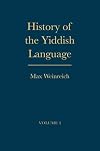


SqueakyChu After learning about the slow disappearance of Yiddish, grab hold of this book and learn a some Yiddish words and their meanings. All is explained with grace and humor.

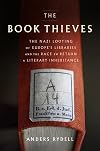
The Book Thieves: The Nazi Looting of Europe's Libraries and the Race to Return a Literary Inheritance by Anders Rydell
sneuper Both books are about an effort of rescuing books from the hands of Nazi’s who want to destroy the heritage of the Jewish people.
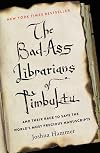
The Bad-Ass Librarians of Timbuktu: And Their Race to Save the World's Most Precious Manuscripts by Joshua Hammer
Sandydog1 'the same story, 'cept suburban Long Island isn't as "sporty" as Mali...
Member Reviews
In the 1970s, 23-year-old Aaron Lansky recognizes that due to the aging of the population literate in Yiddish, the books are disappearing rapidly. Into trashbins, literal and historical. He sets out to rescue them from individuals and organizations. The stories are hilarious and poignant. The vignettes are so true to life.... because they are true. 90-year-olds turning over their precious collections in tears, but asking for the time to explain the books and what they meant, performing in the process an act of desperate and final cultural transmission. He has now built the effort into the National Yiddish Book Center. I highly recommend it for any interested reader!
Yiddish is dying, long live Yiddish! Aaron Lansky, founder of the Yiddish Book Center in Amherst, shares with us, in this hilarious and moving memoir, his adventures rescuing Yiddish books from the oblivion that demographics seems to promise them. But books aren’t the real heart of this story: people are. Behind every book Lansky and his colleagues rescue is a human life. Their stories will make you laugh, cry, and think.
If the title of this book puts you off to reading it, like it did me for a great while, don’t waste another minute until you begin. This was a most delightful read, causing me both to laugh out loud and weep tears of nostalgia as author Aaron Lansky searched the United States and later around the world for Yiddish books. As I’m the sort of person who collects books to give to others, I felt a personal connection to the work of this author. I was cheering him on when he was able to discover some rarer books and feeling comforted by all of the home-cooked meals he was fed by his elderly donors during his book runs.
A favorite part of the book for me was the Yiddish phrases that were used throughout. For someone who knows Yiddish (or show more even, as I do, German), the book really comes alive. Yiddish is a language that not only conveys a message, but it also conveys an attitude. All of the Yiddish phrases are translated (albeit a few not quite literally), but with these phrases come the hearts and the souls of the people who utter them.
I adored reading this book. Its effect on me is my wish to help support Aaron Lansky’s cause, to encourage my friends to donate their Yiddish books to his center, to encourage others to learn and study Yiddish, and to find a Yiddish book to borrow just to see how much of it I can understand (as I do know how to sound out the Hebrew letters). I was truly inspired by this very entertaining read and would highly recommend it to others, Jewish or not. If you have a love of books, you’ll find a lot to like in Lansky’s story. show less
A favorite part of the book for me was the Yiddish phrases that were used throughout. For someone who knows Yiddish (or show more even, as I do, German), the book really comes alive. Yiddish is a language that not only conveys a message, but it also conveys an attitude. All of the Yiddish phrases are translated (albeit a few not quite literally), but with these phrases come the hearts and the souls of the people who utter them.
I adored reading this book. Its effect on me is my wish to help support Aaron Lansky’s cause, to encourage my friends to donate their Yiddish books to his center, to encourage others to learn and study Yiddish, and to find a Yiddish book to borrow just to see how much of it I can understand (as I do know how to sound out the Hebrew letters). I was truly inspired by this very entertaining read and would highly recommend it to others, Jewish or not. If you have a love of books, you’ll find a lot to like in Lansky’s story. show less
As a graduate in his young twenties, Aaron Lansky had a problem: he was studying Yiddish with friends, but there were no books. His grandparents' generation had books but they were dying out; his parents' generation had become so assimilated in America that they couldn't read them. So, Aaron put the word out and began collecting. Before he knew it, he had thousands of books and a dream of saving all of the Yiddish literature that he could.
Aaron Lansky's memoir is a great story of how he began saving Yiddish books, often quite literally from dumpsters, and preserved them for a new generation. His memoir recounts his adventures meeting people who had to pass on their inheritance of literature to him one story at a time, founding the show more Yiddish Book Center, and finding ways to get more books into the hands of young people. It's inspiring and funny by turns. It reads quickly for nonfiction, dragging a little for me in the middle, but generally page-turning good fun. show less
Aaron Lansky's memoir is a great story of how he began saving Yiddish books, often quite literally from dumpsters, and preserved them for a new generation. His memoir recounts his adventures meeting people who had to pass on their inheritance of literature to him one story at a time, founding the show more Yiddish Book Center, and finding ways to get more books into the hands of young people. It's inspiring and funny by turns. It reads quickly for nonfiction, dragging a little for me in the middle, but generally page-turning good fun. show less
Did not expect to enjoy this as much as I did. A happenstance mission to save all the Yiddish books, worldwide, becomes a grassroot journey, driven by the author, with many a mishap, history lesson and sit down dinner. The stories told by the numerous book donators were heartwarming, heartbreaking and humorous. I picked up a few Yiddish words that are now part of my vocabulary and learned a lot about the tenacity of preservation. A truly amazing story of how driving dilapidated rental trucks with nickle and dime finances eventually led to a multi-million dollar library housing over a million Yiddish publications. A Bravo! read.
Gripping account of how one man's intellectual curiosity leads him, without obvious expectations of what he was getting into, to undertake a life's quest to preserve the Yiddish literature. He interrupted his schooling in Yiddish literature to take a year's leave to collect books because they were all but impossible to find, and never returned. It's true, I suppose, that life is what happens when we're making other plans, and that the biggest regrets of our lives will be not taking advantage of the opportunities that appear to do not only great things, but things we love with all our being.
The timeline in the book is a bit bumpy, but the major point is less to give a history than to evoke a sense of why the project was important, and show more worth the doing. On that level, the book succeeds brilliantly. show less
The timeline in the book is a bit bumpy, but the major point is less to give a history than to evoke a sense of why the project was important, and show more worth the doing. On that level, the book succeeds brilliantly. show less
Did not expect to enjoy this as much as I did. A happenstance mission to save all the Yiddish books, worldwide, becomes a grassroot journey, driven by the author, with many a mishap, history lesson and sit down dinner. The stories told by the numerous book donators were heartwarming, heartbreaking and humorous. I picked up a few Yiddish words that are now part of my vocabulary and learned a lot about the tenacity of preservation. A truly amazing story of how driving dilapidated rental trucks with nickle and dime finances eventually led to a multi-million dollar library housing over a million Yiddish publications. A Bravo! read.
Members
- Recently Added By
Lists

Really Good Narrative Non-Fiction
65 works; 24 members

thinking of reading in 2016
99 works; 1 member

Books We Want To Read Again For The First Time
384 works; 160 members
Author Information

Aaron Lansky is the founder and president of the National Yiddish Book Center in Amherst, Massachusetts
Some Editions
Awards and Honors
Distinctions
Common Knowledge
- Canonical title
- Outwitting History: The Amazing Adventures of a Man Who Rescued a Million Yiddish Books
- Original title
- Outwitting History: The Amazing Adventures of a Man Who Rescued a Million Yiddish Books
- Original publication date
- 2004
- People/Characters
- Aaron Lansky
- Important places
- New York, New York, USA; National Yiddish Book Center, Amherst, Massachusetts, USA; Montréal, Québec, Canada; Berkeley, California, USA
- Dedication
- for Gail
- First words
- The phone rang at midnight. That wasn't unusual. Older Jews often waited until the rates went down before phoning me about their Yiddish books.
- Quotations
- Sometimes it seemed that Yiddish was a Rorschach test: Young people, especially, saw in it what they wanted to see. For atheists it was Jewishness without religion; for feminists, Judaism free from patriarchy; for those unco... (show all)mfortable with Israeli politics, nationalism without Zionism; for socialists, the voice of proletarian struggle; for more contemporary radicals, a shtokh to the establishment.
- Last words
- (Click to show. Warning: May contain spoilers.)"Yiddish has not yet said its last word," Isaac Bashevis Singer predicted. It does have magic, and it is outwitting history after all.
- Blurbers
- Turan, Kenneth; Rosen, Jonathan; Basbanes, Nicholas A.; Diamant, Anita; Ozick, Cynthia
- Original language
- English
Classifications
- Genres
- Nonfiction, General Nonfiction, History, Biography & Memoir, Religion & Spirituality
- DDC/MDS
- 002.075 — Computer science, information & general works Computer science, knowledge & systems Books (Science and history of the book) Standard subdivisions Bibliophilia bibliomania
- LCC
- Z987 .L25 — Bibliography, Library Science and Information Resources Libraries Book collecting
- BISAC
Statistics
- Members
- 1,063
- Popularity
- 24,304
- Reviews
- 41
- Rating
- (4.36)
- Languages
- English, Hebrew, Polish
- Media
- Paper, Audiobook, Ebook
- ISBNs
- 14
- UPCs
- 1
- ASINs
- 9