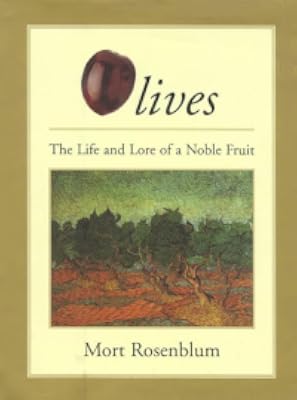
Olives: The Life and Lore of a Noble Fruit
by Mort Rosenblum
On This Page
Description
In 1986, Mort Rosenblum bought a small overgrown farm in Provence. With it, he discovered, were 150 neglected olive trees that were old when the Sun King ruled France. His neighbors, characters from Pagnol with skills dating back to Pliny, helped him bring his grove back to life. Rosenblum became obsessed with olives: the Olea europaea's role in history and civilization; their cultivation and commerce; their place in the kitchen, in the library, and in the heart. Among. Olive growers and oil show more makers, he found a whole new world of humor and wisdom. From his base in Provence, Rosenblum journeyed to the outposts of olivedom: from Andalusia to the Holy Land; up Moroccan mountains and across Greek islands; from Tuscan palazzos to California wine country and forgotten groves in the Mexican desert; to the disputed borders of Bosnia. Along the way, Rosenblum finds local politics reflected in the lush olive groves and uprooted trees in Israel, The Mafia grip on the Italian trade, Spanish growers being forced to label their oil as Italian, and poor growers in Tunisia storing their finest in Pepsi bottles. He also records the continuing romance and passion olive growers feel for their work, whether they pick by hand, by whacking the limbs, or with a goat horn. Olives is at once a witty, lyrical look at the Mediterranean world and a homage to the olive, an essential ingredient of any life worth living. show lessTags
Recommendations






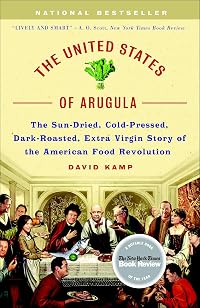
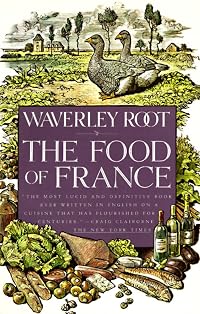
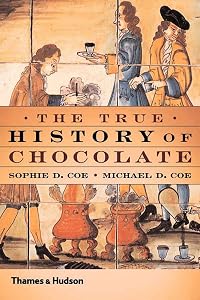
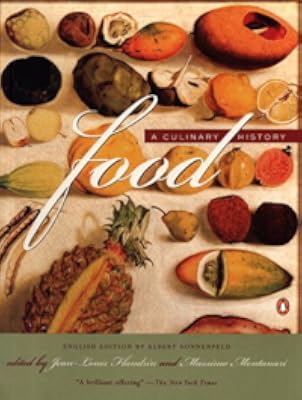




Member Recommendations

Member Reviews
Mort Rosenblum, former editor of the International Herald Tribune, purchased 5 acres in Provence with an overgrown grove of 150 olive trees which were old when the Sun King ruled France. To Christians, Jews, and Muslims, the olive is a symbol of wisdom, fertility, and peace. Those who live among the olive trees describe their air as pure and their lives as full. Mort became obsessed with olives as he began to restore the grove on his land. He journeyed to Andalusia, the Holy Land, Tunisia and Morocco, the Greek Islands, Bosnia, Italy, Mexico, and California to tell the story of the olive, the growers, the olive oil makers and those who share his passion. This book is a homage to the olive which he describes as an essential ingredient in show more any life worth living. show less
Loved it. Good food history and I appreciated the inclusion of recipes. Asked for olive oils from different countries for my birthday.
Ratings
Members
- Recently Added By
Published Reviews
Rosenblum's own passion is founded on the olive's historic connection to Mediterranean peoples and landscapes. Ancient presses and broken amphorae highlight the olive's role in prehistory. References from Sappho, Pliny and Cato show its importance in classical Greece and Rome. Modern recipes and statistics (in Greece, "they average twenty liters a year for every man, grandmother, and infant") show more emphasize the significance of this fruit in contemporary Mediterranean cultures and cuisines. And his description of how he accomplishes his own harvest--"find a few friends who have forgotten their Tom Sawyer and invite them down for the holidays"--offers a clever reminder of the communal spirit that has been central to the olive-growing tradition over the centuries. show less
added by John_Vaughan
Author Information

14+ Works 847 Members
Mort Rosenblum was a special correspondent to The Associated Press and a former editor of the International Herald Tribune.
Series
Belongs to Publisher Series
Los 5 sentidos (25)
Classifications
- Genres
- Nonfiction, Food & Cooking, General Nonfiction, Science & Nature
- DDC/MDS
- 641.3 — Applied science & technology Home economics & family management Food, Cooking & Recipes / Meals, Picnics Food
- LCC
- SB367 .R64 — Agriculture Horticulture. Plant propagation. Plant breeding Plant culture Fruit and fruit culture
- BISAC
Statistics
- Members
- 207
- Popularity
- 158,045
- Reviews
- 2
- Rating
- (3.52)
- Languages
- Dutch, English, Portuguese, Spanish
- Media
- Paper
- ISBNs
- 7
- ASINs
- 4