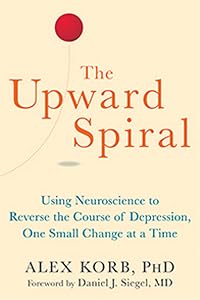
The Upward Spiral: Using Neuroscience to Reverse the Course of Depression, One Small Change at a Time
by Alex Korb PhD
On This Page
Description
Depression can feel like a downward spiral, pulling you into a vortex of sadness, fatigue, and apathy. In The Upward Spiral, neuroscientist Alex Korb demystifies the intricate brain processes that cause depression and offers a practical and effective approach to getting better. Based on the latest research in neuroscience, this book provides dozens of straightforward tips you can do every day to rewire your brain and create an upward spiral towards a happier, healthier life.Tags
Recommendations









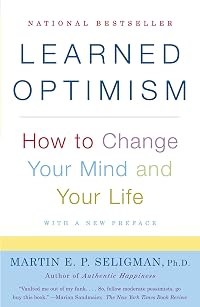
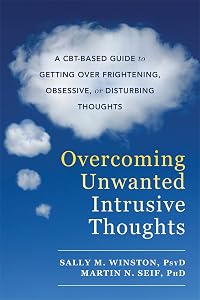
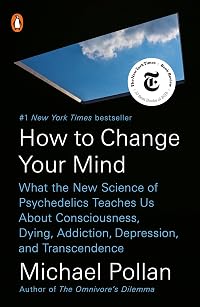



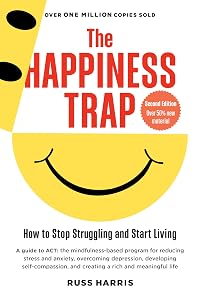



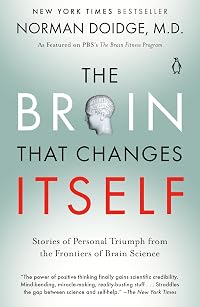
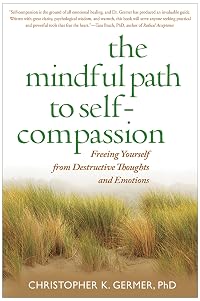

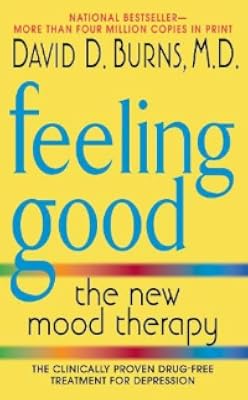

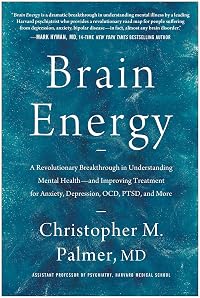












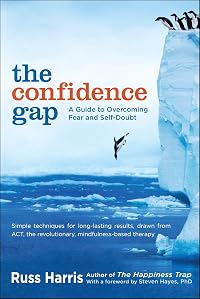
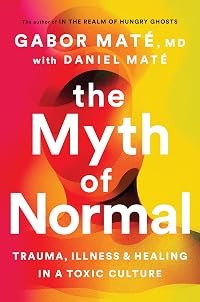


Member Reviews
Rating: 99% (4.95 stars)
Woah. This book was amazing. I completely restarted it after I put it down a few months ago (due to my life not anything against the book) and finished in about a week, so the dates I read it on here are not entirely accurate. This book was more helpful to me than any other book, article, or even psychiatrist's explanation of depression and anxiety. It completely changed my outlook on what mental illness actually is and what causes it to get better or worse. Pretty much all of the general statements and misconceptions you often hear about depression are explained in depth with actual reference to the biochemical and neurological processes involved (complete with references and sources) in a manner that wasn't show more completely watered down, yet still understandable. I would suggest this book to everyone, because even though 1/5 people are affected by some type of diagnosable mental illness, everyone could benefit from being aware of their health, both for themselves and others they know. Since I've been diagnosed really, I've been seeking a comprehensive source of information on mental illness, and this is definitely it. show less
Woah. This book was amazing. I completely restarted it after I put it down a few months ago (due to my life not anything against the book) and finished in about a week, so the dates I read it on here are not entirely accurate. This book was more helpful to me than any other book, article, or even psychiatrist's explanation of depression and anxiety. It completely changed my outlook on what mental illness actually is and what causes it to get better or worse. Pretty much all of the general statements and misconceptions you often hear about depression are explained in depth with actual reference to the biochemical and neurological processes involved (complete with references and sources) in a manner that wasn't show more completely watered down, yet still understandable. I would suggest this book to everyone, because even though 1/5 people are affected by some type of diagnosable mental illness, everyone could benefit from being aware of their health, both for themselves and others they know. Since I've been diagnosed really, I've been seeking a comprehensive source of information on mental illness, and this is definitely it. show less
Excellent book, so much helpful information and not overwhelming. Bite sized, logical things you can do to help yourself and some fascinating science explaining how the brain seems to work.
This book has useful information on how to avoid or treat depression. The emphasis is on neuroscience but he also covers the gambit of treatments. I enjoyed the book and felt that it is practical and understandable. I recommend the book to all people since we are all capable of being depressed or have friends who are or will encounter depression.
i wish it actually went into MORE science tbh because the explanations were dumbed down and uninteresting. also its mostly how to stop being depressed and be more productive and organized but it doesnt really say anything about actively suicidal ppl and how to deal with that
Considerable discussion of Brain Areas
This book had an a lot of discussion of what areas of the brain are involved in various aspects of depression. I really didn’t care where in the brain the activity was. What I found interesting is that all of those self-care techniques we so often read about have a documented positive effect. It was nice to seem them collected in once place with why they help.
Some of the main neurotransmitters
Serotonin —improves willpower, motivation, and mood
Norepinephrine —enhances thinking, focus, and dealing with stress
Dopamine —increases enjoyment and is necessary for changing bad habits
Oxytocin —promotes feelings of trust, love, and connection, and reduces anxiety
GABA —increases feelings show more of relaxation and reduces anxiety
Melatonin —enhances the quality of sleep
Endorphins —provide pain relief and feelings of elation
Endocannabinoids—improve your appetite and increase feelings of peacefulness and well-being
Contents
Forward
Introduction
Part 1: Stuck in a Downward Spiral
1. A brain map of depression
2. Trapped with anxiety and worry
3. Always noticing the negative
4. Caught in bad habits
Part 2: Creating an Upward Spiral
5. Exercise your brain
6. Set goals, make decisions
7. Give your brain a rest
8. Develop positive habits
9. Take advantage of biofeedback
10. Activate a gratitude circuit
11. Rely on the power of others
12. Your brain in therapy
Conclusion
Acknowledgments
Notes show less
This book had an a lot of discussion of what areas of the brain are involved in various aspects of depression. I really didn’t care where in the brain the activity was. What I found interesting is that all of those self-care techniques we so often read about have a documented positive effect. It was nice to seem them collected in once place with why they help.
Some of the main neurotransmitters
Serotonin —improves willpower, motivation, and mood
Norepinephrine —enhances thinking, focus, and dealing with stress
Dopamine —increases enjoyment and is necessary for changing bad habits
Oxytocin —promotes feelings of trust, love, and connection, and reduces anxiety
GABA —increases feelings show more of relaxation and reduces anxiety
Melatonin —enhances the quality of sleep
Endorphins —provide pain relief and feelings of elation
Endocannabinoids—improve your appetite and increase feelings of peacefulness and well-being
Contents
Forward
Introduction
Part 1: Stuck in a Downward Spiral
1. A brain map of depression
2. Trapped with anxiety and worry
3. Always noticing the negative
4. Caught in bad habits
Part 2: Creating an Upward Spiral
5. Exercise your brain
6. Set goals, make decisions
7. Give your brain a rest
8. Develop positive habits
9. Take advantage of biofeedback
10. Activate a gratitude circuit
11. Rely on the power of others
12. Your brain in therapy
Conclusion
Acknowledgments
Notes show less
Ratings
Members
- Recently Added By
Lists

spirituality and self growth
84 works; 1 member

trauma
38 works; 1 member
Author Information
5 Works 371 Members
Alex Korb, PhD, is a neuroscientist, writer, and coach who has studied the brain and mental health for more than fifteen years. He is author of The Upward Spiral, and adjunct assistant professor in the department of psychiatry at the University of California, Los Angeles.
Classifications
- Genres
- Nonfiction, General Nonfiction, Science & Nature
- DDC/MDS
- 616.8527 — Applied science & technology Medicine & health Diseases, Allergies, Skin Conditions Nervous Disorders: Autism, Anorexia, OCD Miscellaneous Neuroses Depression
- LCC
- RC537 .K67 — Medicine Internal medicine Internal medicine Neurosciences. Biological psychiatry. Neuropsychiatry Psychiatry Psychopathology Neuroses
- BISAC
Statistics
- Members
- 328
- Popularity
- 96,624
- Reviews
- 6
- Rating
- (4.21)
- Languages
- English
- Media
- Paper, Audiobook, Ebook
- ISBNs
- 11
- ASINs
- 2