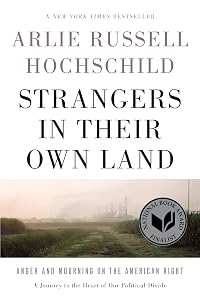
Strangers in Their Own Land: Anger and Mourning on the American Right
by Arlie Russell Hochschild
On This Page
Description
"In Strangers in Their Own Land, the renowned sociologist Arlie Hochschild embarks on a thought-provoking journey from her liberal hometown of Berkeley, California, deep into Louisiana bayou country--a stronghold of the conservative right. As she gets to know people who strongly oppose many of the ideas she famously champions, Hochschild nevertheless finds common ground and quickly warms to the people she meets--among them a Tea Party activist whose town has been swallowed by a sinkhole show more caused by a drilling accident--people whose concerns are actually ones that all Americans share: the desire for community, the embrace of family, and hopes for their children. Strangers in Their Own Land goes beyond the commonplace liberal idea that these are people who have been duped into voting against their own interests. Instead, Hochschild finds lives ripped apart by stagnant wages, a loss of home, an elusive American dream--and political choices and views that make sense in the context of their lives. Hochschild draws on her expert knowledge of the sociology of emotion to help us understand what it feels like to live in "red" America. Along the way she finds answers to one of the crucial questions of contemporary American politics: why do the people who would seem to benefit most from "liberal" government intervention abhor the very idea?"-- show lessTags
Recommendations






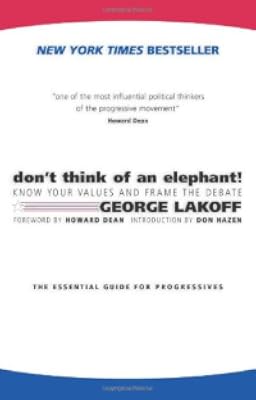
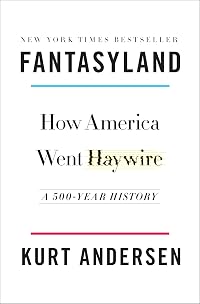
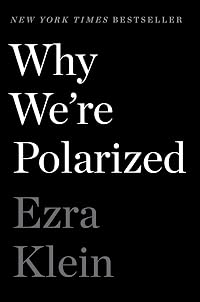
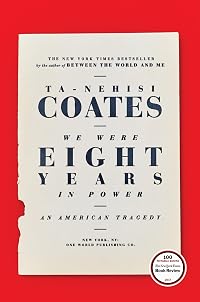


Member Recommendations
The Politics of Resentment: Rural Consciousness in Wisconsin and the Rise of Scott Walker (Chicago Studies in American Politics) by Katherine J. Cramer
arethusarose Covers rural Wisconsin, with similar intent. The rural north haste some different issues, but many of the same reasons; this is another book showing party change; Wisconsin used to be a State with strong liberal tendencies, but neoliberal policies have made this change.
Member Reviews
Phew! I'm thrilled to be finished with this one. Not that it's not good. It's well-done, readable non-fiction that's story based. But I felt uncomfortable the entire time I was reading.
The author is a sociologist from Berkeley, CA -- she's a blue state liberal who wanted to try to understand the thinking of people in red states, many of whom support Donald Trump. And I think Hochschild does a good job of humanizing this group of the American populous whose collective voice seems to be on the ascendant. These are loving mates and devoted parents. They go to church and work hard. They're friendly and supportive of neighbors.
As a blue state person myself, what made me so uncomfortable was NOT that the interviewees Hochschild profiles in show more the book can be dismissed as uneducated or stupid. They can't. It's that their thinking is so WILDLY different from my own, in so many areas. And those differences are so profound that I found myself getting increasingly demoralized about the prospect of these two sides ever reaching a meeting point.
Hochschild shows how the individuals profiled feel left out of the American dream. And it is true they HAVE lost a lot of ground during the last couple of generations. Particularly those who are high-school educated, white and male. Many traditional, decent-paying jobs have moved overseas. Technology has revolutionized the workplace so that others jobs are now automated. Income is stagnant. And instead of sitting at the top of a world built on white privilege, this is a group that must now compete for employment against women and minorities. (Not so 50 years ago.)
They are also tired of being told to be politically correct and they are just plain angry at those they see passing them on the ladder of success. I do now understand how these people are drawn to what I see as Trump's anger, vitriol, racism, and promises to "make America great again." (This actually seems to mean return America to the way life was in the 1950s -- few women in the workplace, little competition from minorities, and plenty of jobs for unskilled or marginally skilled workers).
All the interviewees are from Louisiana, home of the so-called "cancer corridor", reflecting the large number of cancers reported in certain areas of the state. Also where many large chemical companies (Dow, Monsanto) and oil and gas companies run huge facilities. But instead of holding companies responsible for associated pollution (and its potential health threats), these folks blame a bloated government with too many regulations. And they don't understand why government should be helping out those with no health insurance (Obamacare) or no income (welfare) or immigrants seeking asylum. Not when too many "regular" Americans are struggling. They believe THESE are the folks whose welfare should be prioritized. Which, honestly, strikes me as a fair argument. Hochschild points out the great paradox. While believing in smaller government and NOT believing in government hand-outs -- about 50% of Louisiana's yearly budget comes from federal funds.
But it's not just anti-government sentiment that left me discouraged. Or faith in American corporations. Or even feeling that women and minorities should remain disadvantaged. It's a culture that doesn't value advanced education. That accepts pollution as an acceptable by-product of industries that provide jobs and manufacture the consumables we all demand. And then there's that widespread belief that the United States should essentially be a Christian country, guided by the teachings of the Bible (i.e. no abortion, no Muslims, women's primary role is to support their men, no belief in global warming except perhaps as a portent of The Coming Rapture).
No need to go on, right? Will this book help humanize Trump supporters? Yes. Will it help you understand why they feel as they do? Yes. Will you empathize with their struggles? Definitely. But will it encourage you about the future of the country? I'm not so sure. Instead, like me, I'm afraid it will leave YOU feeling like a stranger in YOUR own land. show less
The author is a sociologist from Berkeley, CA -- she's a blue state liberal who wanted to try to understand the thinking of people in red states, many of whom support Donald Trump. And I think Hochschild does a good job of humanizing this group of the American populous whose collective voice seems to be on the ascendant. These are loving mates and devoted parents. They go to church and work hard. They're friendly and supportive of neighbors.
As a blue state person myself, what made me so uncomfortable was NOT that the interviewees Hochschild profiles in show more the book can be dismissed as uneducated or stupid. They can't. It's that their thinking is so WILDLY different from my own, in so many areas. And those differences are so profound that I found myself getting increasingly demoralized about the prospect of these two sides ever reaching a meeting point.
Hochschild shows how the individuals profiled feel left out of the American dream. And it is true they HAVE lost a lot of ground during the last couple of generations. Particularly those who are high-school educated, white and male. Many traditional, decent-paying jobs have moved overseas. Technology has revolutionized the workplace so that others jobs are now automated. Income is stagnant. And instead of sitting at the top of a world built on white privilege, this is a group that must now compete for employment against women and minorities. (Not so 50 years ago.)
They are also tired of being told to be politically correct and they are just plain angry at those they see passing them on the ladder of success. I do now understand how these people are drawn to what I see as Trump's anger, vitriol, racism, and promises to "make America great again." (This actually seems to mean return America to the way life was in the 1950s -- few women in the workplace, little competition from minorities, and plenty of jobs for unskilled or marginally skilled workers).
All the interviewees are from Louisiana, home of the so-called "cancer corridor", reflecting the large number of cancers reported in certain areas of the state. Also where many large chemical companies (Dow, Monsanto) and oil and gas companies run huge facilities. But instead of holding companies responsible for associated pollution (and its potential health threats), these folks blame a bloated government with too many regulations. And they don't understand why government should be helping out those with no health insurance (Obamacare) or no income (welfare) or immigrants seeking asylum. Not when too many "regular" Americans are struggling. They believe THESE are the folks whose welfare should be prioritized. Which, honestly, strikes me as a fair argument. Hochschild points out the great paradox. While believing in smaller government and NOT believing in government hand-outs -- about 50% of Louisiana's yearly budget comes from federal funds.
But it's not just anti-government sentiment that left me discouraged. Or faith in American corporations. Or even feeling that women and minorities should remain disadvantaged. It's a culture that doesn't value advanced education. That accepts pollution as an acceptable by-product of industries that provide jobs and manufacture the consumables we all demand. And then there's that widespread belief that the United States should essentially be a Christian country, guided by the teachings of the Bible (i.e. no abortion, no Muslims, women's primary role is to support their men, no belief in global warming except perhaps as a portent of The Coming Rapture).
No need to go on, right? Will this book help humanize Trump supporters? Yes. Will it help you understand why they feel as they do? Yes. Will you empathize with their struggles? Definitely. But will it encourage you about the future of the country? I'm not so sure. Instead, like me, I'm afraid it will leave YOU feeling like a stranger in YOUR own land. show less
Phew! I'm thrilled to be finished with this one. Not that it's not good. It's well-done, readable non-fiction that's story based. But I felt uncomfortable the entire time I was reading.
The author is a sociologist from Berkeley, CA -- she's a blue state liberal who wanted to try to understand the thinking of people in red states, many of whom support Donald Trump. And I think Hochschild does a good job of humanizing this group of the American populous whose collective voice seems to be on the ascendant. These are loving mates and devoted parents. They go to church and work hard. They're friendly and supportive of neighbors.
As a blue state person myself, what made me so uncomfortable was NOT that the interviewees Hochschild profiles in show more the book can be dismissed as uneducated or stupid. They can't. It's that their thinking is so WILDLY different from my own, in so many areas. And those differences are so profound that I found myself getting increasingly demoralized about the prospect of these two sides ever reaching a meeting point.
Hochschild shows how the individuals profiled feel left out of the American dream. And it is true they HAVE lost a lot of ground during the last couple of generations. Particularly those who are high-school educated, white and male. Many traditional, decent-paying jobs have moved overseas. Technology has revolutionized the workplace so that others jobs are now automated. Income is stagnant. And instead of sitting at the top of a world built on white privilege, this is a group that must now compete for employment against women and minorities. (Not so 50 years ago.)
They are also tired of being told to be politically correct and they are just plain angry at those they see passing them on the ladder of success. I do now understand how these people are drawn to what I see as Trump's anger, vitriol, racism, and promises to "make America great again." (This actually seems to mean return America to the way life was in the 1950s -- few women in the workplace, little competition from minorities, and plenty of jobs for unskilled or marginally skilled workers).
All the interviewees are from Louisiana, home of the so-called "cancer corridor", reflecting the large number of cancers reported in certain areas of the state. Also where many large chemical companies (Dow, Monsanto) and oil and gas companies run huge facilities. But instead of holding companies responsible for associated pollution (and its potential health threats), these folks blame a bloated government with too many regulations. And they don't understand why government should be helping out those with no health insurance (Obamacare) or no income (welfare) or immigrants seeking asylum. Not when too many "regular" Americans are struggling. They believe THESE are the folks whose welfare should be prioritized. Which, honestly, strikes me as a fair argument. Hochschild points out the great paradox. While believing in smaller government and NOT believing in government hand-outs -- about 50% of Louisiana's yearly budget comes from federal funds.
But it's not just anti-government sentiment that left me discouraged. Or faith in American corporations. Or even feeling that women and minorities should remain disadvantaged. It's a culture that doesn't value advanced education. That accepts pollution as an acceptable by-product of industries that provide jobs and manufacture the consumables we all demand. And then there's that widespread belief that the United States should essentially be a Christian country, guided by the teachings of the Bible (i.e. no abortion, no Muslims, women's primary role is to support their men, no belief in global warming except perhaps as a portent of The Coming Rapture).
No need to go on, right? Will this book help humanize Trump supporters? Yes. Will it help you understand why they feel as they do? Yes. Will you empathize with their struggles? Definitely. But will it encourage you about the future of the country? I'm not so sure. Instead, like me, I'm afraid it will leave YOU feeling like a stranger in YOUR own land. show less
The author is a sociologist from Berkeley, CA -- she's a blue state liberal who wanted to try to understand the thinking of people in red states, many of whom support Donald Trump. And I think Hochschild does a good job of humanizing this group of the American populous whose collective voice seems to be on the ascendant. These are loving mates and devoted parents. They go to church and work hard. They're friendly and supportive of neighbors.
As a blue state person myself, what made me so uncomfortable was NOT that the interviewees Hochschild profiles in show more the book can be dismissed as uneducated or stupid. They can't. It's that their thinking is so WILDLY different from my own, in so many areas. And those differences are so profound that I found myself getting increasingly demoralized about the prospect of these two sides ever reaching a meeting point.
Hochschild shows how the individuals profiled feel left out of the American dream. And it is true they HAVE lost a lot of ground during the last couple of generations. Particularly those who are high-school educated, white and male. Many traditional, decent-paying jobs have moved overseas. Technology has revolutionized the workplace so that others jobs are now automated. Income is stagnant. And instead of sitting at the top of a world built on white privilege, this is a group that must now compete for employment against women and minorities. (Not so 50 years ago.)
They are also tired of being told to be politically correct and they are just plain angry at those they see passing them on the ladder of success. I do now understand how these people are drawn to what I see as Trump's anger, vitriol, racism, and promises to "make America great again." (This actually seems to mean return America to the way life was in the 1950s -- few women in the workplace, little competition from minorities, and plenty of jobs for unskilled or marginally skilled workers).
All the interviewees are from Louisiana, home of the so-called "cancer corridor", reflecting the large number of cancers reported in certain areas of the state. Also where many large chemical companies (Dow, Monsanto) and oil and gas companies run huge facilities. But instead of holding companies responsible for associated pollution (and its potential health threats), these folks blame a bloated government with too many regulations. And they don't understand why government should be helping out those with no health insurance (Obamacare) or no income (welfare) or immigrants seeking asylum. Not when too many "regular" Americans are struggling. They believe THESE are the folks whose welfare should be prioritized. Which, honestly, strikes me as a fair argument. Hochschild points out the great paradox. While believing in smaller government and NOT believing in government hand-outs -- about 50% of Louisiana's yearly budget comes from federal funds.
But it's not just anti-government sentiment that left me discouraged. Or faith in American corporations. Or even feeling that women and minorities should remain disadvantaged. It's a culture that doesn't value advanced education. That accepts pollution as an acceptable by-product of industries that provide jobs and manufacture the consumables we all demand. And then there's that widespread belief that the United States should essentially be a Christian country, guided by the teachings of the Bible (i.e. no abortion, no Muslims, women's primary role is to support their men, no belief in global warming except perhaps as a portent of The Coming Rapture).
No need to go on, right? Will this book help humanize Trump supporters? Yes. Will it help you understand why they feel as they do? Yes. Will you empathize with their struggles? Definitely. But will it encourage you about the future of the country? I'm not so sure. Instead, like me, I'm afraid it will leave YOU feeling like a stranger in YOUR own land. show less
I consider myself a conservative, but does that mean I am by definition a moron as well?
In "Strangers in Thgeir Own Land" sociologist Arlie Russell Hochschild embeds herself in the battalions of Republican foot soldiers to help her understand why these people believe the litany of lies propounded by the Republican Party against good government and common sense. Hochschild hopes to find some common ground upon which the two sides can meet to help the country move forward and not backward on some pretty crucial societal issues, not the least of which is the degradation of the environment. The setting for this story is Louisiana, among the poorest, least educated, and politically backward states in the union.
The story seems to end on a show more hopeful note but I for one closed the book absolutely enraged. Oil refineries, chemical processors, and plastics factories have turned significant parts of the state into a toxic dump and the residents are so grateful for the jobs that they don't put up the least fight for their homes.
They twice elect Republican Bobby Jindhal and he turns over their taxes to corporate welfare bums, cuts deeply into education and social welfare, and virtually dismantles their environmental protection department. Are these people total ignoramuses?
They hate taxes and they hate their federal government. What do they get in return? Marshes sodden with deadly chemical dumps, wildlife on their last gasp, and wetlands destroyed at a frantic pace.
To a some degree I can empathize with the notion that the northern, cleaner and richer states harvest the benefit of plastics production and the southern slower states reap the booby prize.
But give me a break.
These people let themselves be deluded by their religion, their history, and their idiotic television news programs into thinking that the government is against them, that anybody with an education must be a carpetbagger, and that immigrants are grabbing the ring ahead of them on the carousel of life.
What motivates these people? Envy. Suspicion. Mistrust. This does not not bode well for a democracy. People have to participate, share, and compromise. A misguided trust in totally unregulated capitalism, the Protestant work ethic and self-help philosophy means that if somebody doesn't do things the way you want them to, they must be working for some nefarious Big Brother.
As an antidote to this defeatism I recommend reading "Utopia for Realists: The Case for a Universal Basic Income, Open Borders, and a 15-hour Workweek," by Dutch critic Rutger Bregman. Instead of blaming the poor, says Bregman, we should focus on addressing inequality. It will make people less suspicious of their neighbours, less anxious about their own status, and more productive in the long run.
As for their suspicion that government is their enemy, GET OVER IT! Your government is just your own people, whether they are two minutes from your home or 2,000 miles away in Washington DC.
I'm going to quote myself here: Rome fell for less! show less
In "Strangers in Thgeir Own Land" sociologist Arlie Russell Hochschild embeds herself in the battalions of Republican foot soldiers to help her understand why these people believe the litany of lies propounded by the Republican Party against good government and common sense. Hochschild hopes to find some common ground upon which the two sides can meet to help the country move forward and not backward on some pretty crucial societal issues, not the least of which is the degradation of the environment. The setting for this story is Louisiana, among the poorest, least educated, and politically backward states in the union.
The story seems to end on a show more hopeful note but I for one closed the book absolutely enraged. Oil refineries, chemical processors, and plastics factories have turned significant parts of the state into a toxic dump and the residents are so grateful for the jobs that they don't put up the least fight for their homes.
They twice elect Republican Bobby Jindhal and he turns over their taxes to corporate welfare bums, cuts deeply into education and social welfare, and virtually dismantles their environmental protection department. Are these people total ignoramuses?
They hate taxes and they hate their federal government. What do they get in return? Marshes sodden with deadly chemical dumps, wildlife on their last gasp, and wetlands destroyed at a frantic pace.
To a some degree I can empathize with the notion that the northern, cleaner and richer states harvest the benefit of plastics production and the southern slower states reap the booby prize.
But give me a break.
These people let themselves be deluded by their religion, their history, and their idiotic television news programs into thinking that the government is against them, that anybody with an education must be a carpetbagger, and that immigrants are grabbing the ring ahead of them on the carousel of life.
What motivates these people? Envy. Suspicion. Mistrust. This does not not bode well for a democracy. People have to participate, share, and compromise. A misguided trust in totally unregulated capitalism, the Protestant work ethic and self-help philosophy means that if somebody doesn't do things the way you want them to, they must be working for some nefarious Big Brother.
As an antidote to this defeatism I recommend reading "Utopia for Realists: The Case for a Universal Basic Income, Open Borders, and a 15-hour Workweek," by Dutch critic Rutger Bregman. Instead of blaming the poor, says Bregman, we should focus on addressing inequality. It will make people less suspicious of their neighbours, less anxious about their own status, and more productive in the long run.
As for their suspicion that government is their enemy, GET OVER IT! Your government is just your own people, whether they are two minutes from your home or 2,000 miles away in Washington DC.
I'm going to quote myself here: Rome fell for less! show less
I was hesitant to read this at first - a blue state author telling me what red state people are like seemed to exemplify the problem of the left thinking it understands the right - kind of a political mansplaining if you will. Hochschild does a wonderful job presenting an empathetic portrait of people whose values aren't so much different from mine as based on different priorities and a different felt experience (what she calls the "deep story").
Among the things I found admirable is how much the people she profiled don't define themselves primarily in terms of economic self-interest. That's there, but it's a distant follower to family and community, self-reliance, and grit. Valuing family, community, self-reliance, and grit more than show more money isn't a bad thing in my book.
Her interviews also dig into something that's bothered me for awhile - the extent to which our (i.e., the blue states') admirable focus on righting the wrongs of the past has become more about reversing who-gets-slammed than overcoming slamming. Does overcoming racism / sexism / etho-centrism / etc mean getting past those isms or replacing historical ways the isms show up (anti people of color, say) with a new way (anti white people). That's a fair question, and it's one that Hochschild elucidates clearly in her portraits. show less
Among the things I found admirable is how much the people she profiled don't define themselves primarily in terms of economic self-interest. That's there, but it's a distant follower to family and community, self-reliance, and grit. Valuing family, community, self-reliance, and grit more than show more money isn't a bad thing in my book.
Her interviews also dig into something that's bothered me for awhile - the extent to which our (i.e., the blue states') admirable focus on righting the wrongs of the past has become more about reversing who-gets-slammed than overcoming slamming. Does overcoming racism / sexism / etho-centrism / etc mean getting past those isms or replacing historical ways the isms show up (anti people of color, say) with a new way (anti white people). That's a fair question, and it's one that Hochschild elucidates clearly in her portraits. show less
Hochschild is a sociologist, an academic at Berkeley, and a liberal to the core. Alarmed at the increasing hostility between Democrats and Republicans, she immerses herself in a community of Tea Party supporters in Louisiana to try to understand the emotion that underlies their political beliefs, to identify what she calls their "deep story". In order to discover this deep story, Hochschild has to scale "empathy walls", which prevent people from understanding one another and "can make us feel indifferent or even hostile to those who hold different beliefs of whose childhood is rooted in different circumstances." She spend five years visiting and talking to her subjects, who welcome her into their lives and offer honesty and friendship. show more Even though their political beliefs seem insane to me, they come across as kind, sincere people.
The contempt that the recent presidential campaign has unleashed is shocking, so Hochschild's attempt to understand the beliefs of this particular group of Trump voters is a step in the direction of civility and cooperation. It is an imperfect book: I found the focus on the environmental problems of Louisiana, which is the issue that the author used as a basis for discerning people's values, to be depressing (if you lived in the US I think these disasters would be almost too tragic to read about); at times I almost drowned in the sea of metaphor, but I kept swimming and made it to shore. In the end Hochschild did identify the "deep story". She shared it with her subjects and they recognised themselves.
Definitely worth reading. show less
The contempt that the recent presidential campaign has unleashed is shocking, so Hochschild's attempt to understand the beliefs of this particular group of Trump voters is a step in the direction of civility and cooperation. It is an imperfect book: I found the focus on the environmental problems of Louisiana, which is the issue that the author used as a basis for discerning people's values, to be depressing (if you lived in the US I think these disasters would be almost too tragic to read about); at times I almost drowned in the sea of metaphor, but I kept swimming and made it to shore. In the end Hochschild did identify the "deep story". She shared it with her subjects and they recognised themselves.
Definitely worth reading. show less
Answers a Question Befuddling Many
Prominent sociologist Arlie Russell Hochschild offers an explanation of what to many appears as a mystifying paradox: that some people support wholly or partly ideas and actions against their own best interests. Huh, these befuddled observers might retort, no, it’s obvious, these people are hardhearted, or stuck in the past, or suckers for jingoistic bombast, or racists, or malleable simpletons, or lately dumpsters (among other terms for Trump supporters). But like most fodder for polemicists on the right and left, there is a small kernel of truth in the name calling, just not the whole truth.
In this very enlightening study, shortlisted for the 2016 National Book Award, Hochschild applies her years show more of research and development of the theory of emotion, personal and group, as the driving force in how people make sense of their world and decide what’s best for them. While directing your life from your emotional self may not strike some as rational, others might see rationality and consistency within the context of emotion. This can help in understanding where, in the case of the Tea Party adherents and generally people who appear to outside observers to be working against their interests, are coming from. You don’t have to agree with these people, but you can at least understand they aren’t the irrationalists they appear to be to many.
Hochschild spent five years immersing herself in the Tea Party culture of Louisiana. The paradox she addresses here is twofold: Why do people in among the poorest of the states, a state that receives nearly half its budget from the federal government, oppose help from the feds, and why do people living in a heavily polluted state oppose enforcing environmental regulations on the chief polluters, the oil and gas industries?
The book divides into four parts: The Great Paradox, The Social Terrain, The Deep Story and the People in It, and Going National, with supplementary appendices on the research method, toxic environment and voting patterns (the more polluted a state, the more red it is, and vice versa), and factual answers to false beliefs held by people interviewed in the book and generally throughout the right-leaning population. While the first two parts are interesting and provide context, you could go directly to the last two parts and the appendices to understand Hochschild’s conclusions.
What it boils down to is people viewing their world through the lens of their deep story. As Hochschild explains, “A deep story is a feels-as-if story—it’s the story feelings tell, in the language of symbols. It removes judgment. It removes facts. It tells us how things feel….The deep story here, that of the Tea Party, focuses on relationships between social groups within our national borders. I constructed this deep story to represent—in metaphorical form—the hopes, fears, pride, shame, resentment, and anxiety in the lives of those I talked with. Then I tried it out on my Tea Party friends to see if they thought it fit their experience. They did.” Waiting in line, watching people cut in, government giving unfair help, the seeming suspension of personal progress, and the insults endured for protesting for a fair, or better, shake, these comprise the metaphor, as well as her constructs of types. Particularly strong is how she gives you historical context for appreciating what’s happening, focusing on the 1860s and the 1960s, two influential periods in the current emotional state of the nation.
If there ever was a book for the times, for understanding the political landscape of America today, this is it. It may not—probably will not—alter your viewpoint, but at least you’ll have a clearer idea of how Tea Party people see themselves. show less
Prominent sociologist Arlie Russell Hochschild offers an explanation of what to many appears as a mystifying paradox: that some people support wholly or partly ideas and actions against their own best interests. Huh, these befuddled observers might retort, no, it’s obvious, these people are hardhearted, or stuck in the past, or suckers for jingoistic bombast, or racists, or malleable simpletons, or lately dumpsters (among other terms for Trump supporters). But like most fodder for polemicists on the right and left, there is a small kernel of truth in the name calling, just not the whole truth.
In this very enlightening study, shortlisted for the 2016 National Book Award, Hochschild applies her years show more of research and development of the theory of emotion, personal and group, as the driving force in how people make sense of their world and decide what’s best for them. While directing your life from your emotional self may not strike some as rational, others might see rationality and consistency within the context of emotion. This can help in understanding where, in the case of the Tea Party adherents and generally people who appear to outside observers to be working against their interests, are coming from. You don’t have to agree with these people, but you can at least understand they aren’t the irrationalists they appear to be to many.
Hochschild spent five years immersing herself in the Tea Party culture of Louisiana. The paradox she addresses here is twofold: Why do people in among the poorest of the states, a state that receives nearly half its budget from the federal government, oppose help from the feds, and why do people living in a heavily polluted state oppose enforcing environmental regulations on the chief polluters, the oil and gas industries?
The book divides into four parts: The Great Paradox, The Social Terrain, The Deep Story and the People in It, and Going National, with supplementary appendices on the research method, toxic environment and voting patterns (the more polluted a state, the more red it is, and vice versa), and factual answers to false beliefs held by people interviewed in the book and generally throughout the right-leaning population. While the first two parts are interesting and provide context, you could go directly to the last two parts and the appendices to understand Hochschild’s conclusions.
What it boils down to is people viewing their world through the lens of their deep story. As Hochschild explains, “A deep story is a feels-as-if story—it’s the story feelings tell, in the language of symbols. It removes judgment. It removes facts. It tells us how things feel….The deep story here, that of the Tea Party, focuses on relationships between social groups within our national borders. I constructed this deep story to represent—in metaphorical form—the hopes, fears, pride, shame, resentment, and anxiety in the lives of those I talked with. Then I tried it out on my Tea Party friends to see if they thought it fit their experience. They did.” Waiting in line, watching people cut in, government giving unfair help, the seeming suspension of personal progress, and the insults endured for protesting for a fair, or better, shake, these comprise the metaphor, as well as her constructs of types. Particularly strong is how she gives you historical context for appreciating what’s happening, focusing on the 1860s and the 1960s, two influential periods in the current emotional state of the nation.
If there ever was a book for the times, for understanding the political landscape of America today, this is it. It may not—probably will not—alter your viewpoint, but at least you’ll have a clearer idea of how Tea Party people see themselves. show less
Answers a Question Befuddling Many
Prominent sociologist Arlie Russell Hochschild offers an explanation of what to many appears as a mystifying paradox: that some people support wholly or partly ideas and actions against their own best interests. Huh, these befuddled observers might retort, no, it’s obvious, these people are hardhearted, or stuck in the past, or suckers for jingoistic bombast, or racists, or malleable simpletons, or lately dumpsters (among other terms for Trump supporters). But like most fodder for polemicists on the right and left, there is a small kernel of truth in the name calling, just not the whole truth.
In this very enlightening study, shortlisted for the 2016 National Book Award, Hochschild applies her years show more of research and development of the theory of emotion, personal and group, as the driving force in how people make sense of their world and decide what’s best for them. While directing your life from your emotional self may not strike some as rational, others might see rationality and consistency within the context of emotion. This can help in understanding where, in the case of the Tea Party adherents and generally people who appear to outside observers to be working against their interests, are coming from. You don’t have to agree with these people, but you can at least understand they aren’t the irrationalists they appear to be to many.
Hochschild spent five years immersing herself in the Tea Party culture of Louisiana. The paradox she addresses here is twofold: Why do people in among the poorest of the states, a state that receives nearly half its budget from the federal government, oppose help from the feds, and why do people living in a heavily polluted state oppose enforcing environmental regulations on the chief polluters, the oil and gas industries?
The book divides into four parts: The Great Paradox, The Social Terrain, The Deep Story and the People in It, and Going National, with supplementary appendices on the research method, toxic environment and voting patterns (the more polluted a state, the more red it is, and vice versa), and factual answers to false beliefs held by people interviewed in the book and generally throughout the right-leaning population. While the first two parts are interesting and provide context, you could go directly to the last two parts and the appendices to understand Hochschild’s conclusions.
What it boils down to is people viewing their world through the lens of their deep story. As Hochschild explains, “A deep story is a feels-as-if story—it’s the story feelings tell, in the language of symbols. It removes judgment. It removes facts. It tells us how things feel….The deep story here, that of the Tea Party, focuses on relationships between social groups within our national borders. I constructed this deep story to represent—in metaphorical form—the hopes, fears, pride, shame, resentment, and anxiety in the lives of those I talked with. Then I tried it out on my Tea Party friends to see if they thought it fit their experience. They did.” Waiting in line, watching people cut in, government giving unfair help, the seeming suspension of personal progress, and the insults endured for protesting for a fair, or better, shake, these comprise the metaphor, as well as her constructs of types. Particularly strong is how she gives you historical context for appreciating what’s happening, focusing on the 1860s and the 1960s, two influential periods in the current emotional state of the nation.
If there ever was a book for the times, for understanding the political landscape of America today, this is it. It may not—probably will not—alter your viewpoint, but at least you’ll have a clearer idea of how Tea Party people see themselves. show less
Prominent sociologist Arlie Russell Hochschild offers an explanation of what to many appears as a mystifying paradox: that some people support wholly or partly ideas and actions against their own best interests. Huh, these befuddled observers might retort, no, it’s obvious, these people are hardhearted, or stuck in the past, or suckers for jingoistic bombast, or racists, or malleable simpletons, or lately dumpsters (among other terms for Trump supporters). But like most fodder for polemicists on the right and left, there is a small kernel of truth in the name calling, just not the whole truth.
In this very enlightening study, shortlisted for the 2016 National Book Award, Hochschild applies her years show more of research and development of the theory of emotion, personal and group, as the driving force in how people make sense of their world and decide what’s best for them. While directing your life from your emotional self may not strike some as rational, others might see rationality and consistency within the context of emotion. This can help in understanding where, in the case of the Tea Party adherents and generally people who appear to outside observers to be working against their interests, are coming from. You don’t have to agree with these people, but you can at least understand they aren’t the irrationalists they appear to be to many.
Hochschild spent five years immersing herself in the Tea Party culture of Louisiana. The paradox she addresses here is twofold: Why do people in among the poorest of the states, a state that receives nearly half its budget from the federal government, oppose help from the feds, and why do people living in a heavily polluted state oppose enforcing environmental regulations on the chief polluters, the oil and gas industries?
The book divides into four parts: The Great Paradox, The Social Terrain, The Deep Story and the People in It, and Going National, with supplementary appendices on the research method, toxic environment and voting patterns (the more polluted a state, the more red it is, and vice versa), and factual answers to false beliefs held by people interviewed in the book and generally throughout the right-leaning population. While the first two parts are interesting and provide context, you could go directly to the last two parts and the appendices to understand Hochschild’s conclusions.
What it boils down to is people viewing their world through the lens of their deep story. As Hochschild explains, “A deep story is a feels-as-if story—it’s the story feelings tell, in the language of symbols. It removes judgment. It removes facts. It tells us how things feel….The deep story here, that of the Tea Party, focuses on relationships between social groups within our national borders. I constructed this deep story to represent—in metaphorical form—the hopes, fears, pride, shame, resentment, and anxiety in the lives of those I talked with. Then I tried it out on my Tea Party friends to see if they thought it fit their experience. They did.” Waiting in line, watching people cut in, government giving unfair help, the seeming suspension of personal progress, and the insults endured for protesting for a fair, or better, shake, these comprise the metaphor, as well as her constructs of types. Particularly strong is how she gives you historical context for appreciating what’s happening, focusing on the 1860s and the 1960s, two influential periods in the current emotional state of the nation.
If there ever was a book for the times, for understanding the political landscape of America today, this is it. It may not—probably will not—alter your viewpoint, but at least you’ll have a clearer idea of how Tea Party people see themselves. show less
Members
- Recently Added By
Published Reviews
ThingScore 75
Hochschild made 10 trips to southwestern Louisiana from 2011 to 2016, extended forays away from her perch at the University of California at Berkeley, to delve into her “keen interest in how life feels to people on the right — that is, in the emotion that underlies politics. To understand their emotions,”
added by janw
added by janw
Lists

True Color
16 works; 1 member

wish list
61 works; 3 members

Mind Expanding Books by hackerkid
581 works; 8 members

Shaykh Hamza's Book Recommendations
439 works; 3 members

Club Read's Recommended Nonfiction Written by Women
618 works; 30 members
Talk Discussions
Past Discussions
Group Read: Strangers In Their Own Land, by Arlie Russell Hochschild in 75 Books Challenge for 2017 (May 2017)
Author Information

17+ Works 3,527 Members
Arlie Russell Hochschild, a professor of sociology at the University of California, Berkeley, is the author of two New York Times Notable Books of the Year, THE SECOND SHIFT and THE MANAGED HEART. She has received numerous awards, including a Guggenheim Fellowship and a research grant from the National Institute of Mental Health. Her articles have show more appeared in Harper's, Mother Jones, and Psychology Today, among others. She lives in San Francisco with her husband, the writer Adam Hochschild. (Publisher Provided) Arlie Russell Hochschild, Hochschild was a Professor of Sociology and directed the Center for Working Families at the University of California, Berkeley. She married writer Adam Hochschild, and they had two sons. She has been a Lang Visiting Professor of Social Change at Swarthmore College and a Fulbright Scholar at the Center for Development Studies in Trivandrum, Kerala, India. She has written articles that have appeared in scholarly journals as well as Harper's, Mother Jones, and The New York Times Magazine. She has received awards from the Fulbright, Guggenheim and Alfred P. Sloan foundations and from the National Institute of Public Health. Hochschild is the author of "The Second Shift," The Managed Heart," and "The Time Bind." She believed that women moving into the workforce have not been accompanied by changes in the workplace, and the issues of daycare and the role of men at home have caused tension within the family. (Bowker Author Biography) show less
Some Editions
Awards and Honors
Awards
Distinctions
Notable Lists
Common Knowledge
- Canonical title
- Strangers in Their Own Land: Anger and Mourning on the American Right
- Original publication date
- 2016
- People/Characters
- Harold Areno; Janice Areno; Charles Boustany; Fay Brantley; Sally Cappel; W. J. Cash (show all 19); Bob Hardey; Russel Honore; Bobby Jindal; Jeff Landry; Madonna Massey; Donny McCorquodale; Barack Obama; Mike Schaff; Lee Sherman; Jackie Tabor; Mike Tritico; Donald Trump; David Vitter
- Important places
- Louisiana, USA
- Dedication
- For Harold and Annette Areno. And for Willie, Wilma, Marylee, Mike T., Clara, and the General
- First words
- Along the clay road, Mike's red truck cuts slowly between tall rows of sugarcane, sassy, silvery tassels waving in the October sun, extending across an alluvial plain as far as the eye can see.
(Preface) When I began this research five years ago, I was becoming alarmed at the increasingly hostile split in our nation between two political camps. - Last words
- (Click to show. Warning: May contain spoilers.)Then Harold leaned on the window and, and told me slowly: "I don't know when I'll see you next. Only the Angel Gabriel knows when each of our time come. But when it does, and gravity leaves our feet, and we rise up, I know I'll see you up there. And they say there are beautiful trees in Heaven."
- Publisher's editor
- Adler, Ellen; Bickman, Jed
- Blurbers
- Danner, Mark; Reich, Robert B.; Ehrenreich, Barbara; Blades, Joan; Jaffe, Sarah
- Canonical DDC/MDS
- 320.520973
- Canonical LCC
- JC573.2.U6
Classifications
- Genres
- Sociology, Politics and Government, General Nonfiction, Nonfiction, History
- DDC/MDS
- 320.520973 — Society, government, & culture Political science Types of Government Political ideologies Conservatism Standard subdivisions History, geographic treatment, biography North America United States
- LCC
- JC573.2 .U6 — Political Science Political theory Political theory. The state. Theories of the state Purpose, functions, and relations of the state
- BISAC
Statistics
- Members
- 1,445
- Popularity
- 16,291
- Reviews
- 43
- Rating
- (4.03)
- Languages
- Dutch, English, German, Spanish
- Media
- Paper, Audiobook, Ebook
- ISBNs
- 10
- ASINs
- 8