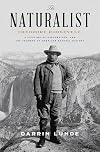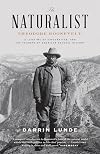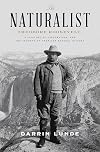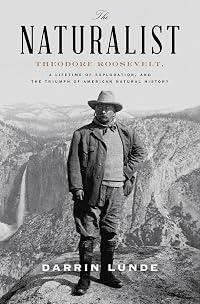
The Naturalist: Theodore Roosevelt, A Lifetime of Exploration, and the Triumph of American Natural History
by Darrin Lunde
On This Page
Description
"The surprising story of our "naturalist president" Theodore Roosevelt and how his lifelong passion for the natural world set the stage for America's wildlife conservation movement. No United States president is more popularly associated with nature and wildlife than Theodore Roosevelt--prodigious hunter, tireless adventurer, and ardent conservationist. We think of him as a larger-than-life original, yet in The Naturalist, Darrin Lunde has located Roosevelt in the proud tradition of museum show more naturalism. From his earliest days, Roosevelt actively modeled himself on the men who pioneered a key branch of biology through the collection of animal specimens and by developing a taxonomy of the natural world. The influence they would have on Roosevelt shaped not only his audacious personality but his career, informing his work as a statesman and ultimately affecting generations of Americans' relationship to this country's wilderness. Drawing on Roosevelt's diaries and expedition journals and pulling from his own experience as a leading figure in today's museum naturalism, Lunde constructs a thoughtfully researched, singularly insightful history that tracks Roosevelt's maturation from exuberant boyhood hunter to vital champion of serious scientific inquiry"-- "A biography of Theodore Roosevelt focusing on his career as a naturalist, his role as a pioneer for wilderness engagement, and an early advocate for museum building"-- show lessTags
Recommendations
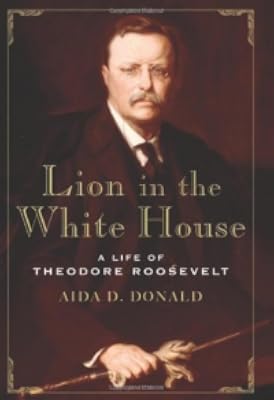
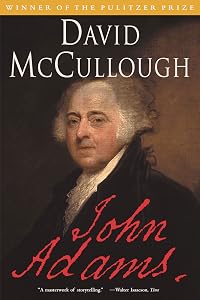
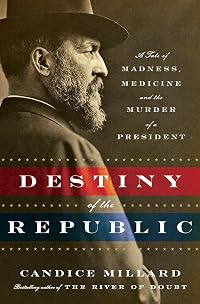
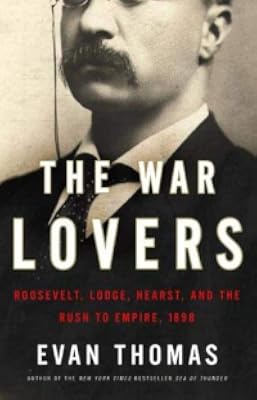



Member Reviews
Author Darrin Lunde explores the fascinating naturalist facet of Theodore Roosevelt’s accomplished life and career, encompassing his boyhood collecting of specimens, taxidermy techniques, the study of mammals in their natural habitat, support for fledgling natural history museums, and his passion for big game hunting.
The final quarter of the book covers Roosevelt’s so-called crowning “naturalist” endeavor, his extravagant 1909 African hunting trip. Though this expedition performed valuable research that resulted in two important written works on African game, the brutal and excessive nature of Roosevelt’s relentless hunting exploits to bag elephants, white rhinos, and lions, among other species – some for trophies, some for show more museum display, and some for no particular reason at all – seems wanton and excessive. With scattershot marksmanship and a lust for killing more specimens than necessary, his grand African adventure seems much more a descent into depravity than a culmination of his naturalist life. Be aware that he descriptions of the kills and the aftermath of skinning and feasting, taken largely from Roosevelt’s writings, are quite gory and sometimes painful to read. I found the following passage, actually one of the least graphic, particularly disturbing in its utter nonchalance: “…flashing his own gleaming white teeth, was Theodore Roosevelt, toasting thin slices of elephant heart on a pronged stick.”
Lunde effectively presents all angles of Roosevelt’s contradictory and sometimes hypocritical stances on the need to preserve the natural habitat and its species, collect specimens for museum display and the manly pursuit of big game hunting, and ultimately lets the reader judge if such conflicting goals are somehow compatible. Also welcomed are the portraits of other naturalists contemporary to the era, which help define the scientific method and culture of the day. Overall, this is an enlightening read: one, however, that compelled me to reassess, and ultimately ratchet down a notch my admiration of Theodore Roosevelt. show less
The final quarter of the book covers Roosevelt’s so-called crowning “naturalist” endeavor, his extravagant 1909 African hunting trip. Though this expedition performed valuable research that resulted in two important written works on African game, the brutal and excessive nature of Roosevelt’s relentless hunting exploits to bag elephants, white rhinos, and lions, among other species – some for trophies, some for show more museum display, and some for no particular reason at all – seems wanton and excessive. With scattershot marksmanship and a lust for killing more specimens than necessary, his grand African adventure seems much more a descent into depravity than a culmination of his naturalist life. Be aware that he descriptions of the kills and the aftermath of skinning and feasting, taken largely from Roosevelt’s writings, are quite gory and sometimes painful to read. I found the following passage, actually one of the least graphic, particularly disturbing in its utter nonchalance: “…flashing his own gleaming white teeth, was Theodore Roosevelt, toasting thin slices of elephant heart on a pronged stick.”
Lunde effectively presents all angles of Roosevelt’s contradictory and sometimes hypocritical stances on the need to preserve the natural habitat and its species, collect specimens for museum display and the manly pursuit of big game hunting, and ultimately lets the reader judge if such conflicting goals are somehow compatible. Also welcomed are the portraits of other naturalists contemporary to the era, which help define the scientific method and culture of the day. Overall, this is an enlightening read: one, however, that compelled me to reassess, and ultimately ratchet down a notch my admiration of Theodore Roosevelt. show less
 This review was written for LibraryThing Early Reviewers.
Lunde has crafted a remarkable book about TR, the growth of the United States, and our complicated relationship with nature. While most biographies focus on Roosevelt's career and professional successes with scant mention of his views on nature, this volume takes the exact opposite approach, giving enough information about Roosevelt's activities to help you understand where he was in his life, but delving deeply into his time outside, his hunting and exploring, and his evolving view on the relationship between man and his environment.
This review was written for LibraryThing Early Reviewers.One must remember that in Teddy Roosevelt's time no one thought that predations by man could wipe out the animals. It was generally believed that animal populations were ever renewing and the religiously minded interpreted the scriptures to mean that the animals existed to be exploited by man. T.R. loved animals--in fact he loved them to death. As a hunter he was game to partake in the slaughter, but he also studied and catalogued the animals he encountered. Despite this dichotomy, he managed to foster an awareness of the need for preservation and to him we largely owe the creation and preservation of our natural parks.The Naturalist is not for the tender of heart for the descriptions of the hunts are violent and bloody. Roosevelt was a show more man of his times. If he were alive today I hope he would be hunting with a camera. show less
This review was written for LibraryThing Early Reviewers.Theodore Roosevelt stood in a small library of a house in Buffalo, recently and one of the first fully electrified cities in the world, to take the Oath of Office. President McKinley had been felled by an assassin’s bullet at the Pan-American Exposition, a paean to a rapidly industrializing world. Such a place seems the antithesis of a man like Roosevelt, who had intended to be off hiking rather than becoming president.
Darrin Lunde stitches together biography, history, and vignettes to piece together the development of American Natural History using one of America’s most famous men as his guide. While many biographies focus on Roosevelt and his rise to the prestige of the presidency, Lunde takes us down a different path, towards show more Roosevelt’s eventual African Safari.
While the actions of America’s earliest naturalists may seem reprehensible by modern standards, it was the realization of the damage they were doing, and less nobly, the desire to see their sport preserved for future generations, that saw them founding some of the earliest conservation and scientific efforts. Lunde’s book may be about the past, but it is also, in an age of dramatic climate change and extinction, a call to consider the future. show less
Darrin Lunde stitches together biography, history, and vignettes to piece together the development of American Natural History using one of America’s most famous men as his guide. While many biographies focus on Roosevelt and his rise to the prestige of the presidency, Lunde takes us down a different path, towards show more Roosevelt’s eventual African Safari.
While the actions of America’s earliest naturalists may seem reprehensible by modern standards, it was the realization of the damage they were doing, and less nobly, the desire to see their sport preserved for future generations, that saw them founding some of the earliest conservation and scientific efforts. Lunde’s book may be about the past, but it is also, in an age of dramatic climate change and extinction, a call to consider the future. show less
This review was written for LibraryThing Early Reviewers.This was an interesting look at Theodore Roosevelt through a lens other than politics, and I now know more about hunting and taxidermy than I ever expected to. But I was never quite comfortable reading about the kills, especially when Roosevelt was so poor a shot and seemed so often to end up blasting away indiscriminately at angry, charging animals. Late in the book, museum naturalist, Carl Akeley laments Roosevelt killing one more of the increasingly hard-to-find elephants than they needed or could use (in their museum exhibit) in just such a way. I felt like someone had finally voiced not exactly my own thoughts, but a variation of sorts. The idea of killing something to 'save' it seems so counter-intuitive to me. I'm not sure I show more could say I liked this book, but it was one that showed me a different perspective. show less
This review was written for LibraryThing Early Reviewers.https://msarki.tumblr.com/post/161653555123/the-naturalist-theodore-roosevelt-an...
Perceived as a swash-buckling president, a rough rider, hunter, and preservationist dressed in a buckskin suit, Teddy Roosevelt has, in my lifetime, maintained his larger-than-life persona and for good reason. This book is the first study I have been subjected to regarding the man, and I could not have been more surprised over how much I did like him early on in my reading as I learned of his exploits, trials, and personal loss. Roosevelt like many others did not escape a lifetime of personal tragedy. He endured more than his share. And his evolvement as hunter to protector is of course as unsettling as it is amazing. Roosevelt lived in a vastly different show more time than we can comprehend fairly today. Financial and societal privilege afforded him many opportunities that most of us have only read about. But unlike others born into this privilege Roosevelt used his to further an agenda for good and to mark his time in history as significant and admirable. Theodore Roosevelt overcame poor health, a weak body, a childhood of city privilege and elitist pressures, to become a naturalist of the first rank. Focussing on the naturalist and human side of his subject Darrin Lunde provides his reader with a most-rewarding portrait of one of our country’s larger-than-life individuals who ever walked the earth.
After his evolvement as a naturalist and his two terms as president of the United States, Roosevelt seemed to change. And the last quarter of the book disturbs me to no small degree. What had previously come in the opening three quarters was a fascinating study of a man engaged with principal and courage. But beginning with the eagerly anticipated and extravagant African safari at the end of his presidency this endearing portrait of Roosevelt became a bit disgusting as he seemed to posture and demonstrate a pretentiousness absent in his early years. Cloaked behind a Smithsonian facade of scientific collection marched a loud and obnoxious cavalcade of pomp and bulge. For example, his sanctioned and personal killing of so many lions appeared to be wasteful, cruel, and extreme. Each subsequent page to follow felt uncomfortable. My disgusting reading about this particular safari was growing by the page and it became more difficult to remain enamored with the man who did so much to protect our lands. Though he did preserve a mass of wilderness for us, he failed in many respects to save the creatures inhabiting these spaces. Roosevelt was a hunter first who protected his sport through conservation. But, in fact, he was a killer of trophy wild animals who, with bad eyesight and poor skills, maimed and made suffer the most beautiful ones roaming the wild among us.
…Scouting around the first day, they saw seventy or eighty buffalo grazing in the open about a hundred yards from the edge of the swamp. It was too dark to shoot, but, heading out again early the next morning, Roosevelt and his party let fly a hail of ammunition to bring down three of the massive bulls.…It was a real chore for him to write in the field, and he joked that it was his way of paying for his fun.
What confounds me is the thinking that must go on in the head of any blood sport hunter. These men must have ignored the fact they were killing a creature that belonged on the planet just as much, or more, than they did. A wild creature of feeling, free to roam the plains being massacred by a privileged as well as massive and pretentious army hiding behind a cover of science, their rabid blood lust and joy celebrated on these killing fields. Conservation’s legacy handed down by Mr. Roosevelt is sadly tarnished by this horrid and destructive behavior not only by him but also by the hand of his son, Kermit.
…his Scribner’s accounts almost gave the impression that he was trying to provoke a reaction from the anti-hunting factions, as he documented his kills—botched shots and all—in unashamed detail…”I felt proud indeed as I stood by the immense bulk of the slain monster and put my hand on the ivory,” said Roosevelt, and then everyone began the work of skinning …
During this African safari Roosevelt and his companions killed or trapped approximately 11,400 animals, from insects and moles to hippopotamuses and elephants. In this biography Darrin Lunde has provided facts and story enough to honor Theodore Roosevelt as one of the most important naturalists who ever lived. And due to countless excesses he did help our evolving natural history museums to thrive. But at the cost of so many innocent and free lives, it saddens me. show less
Perceived as a swash-buckling president, a rough rider, hunter, and preservationist dressed in a buckskin suit, Teddy Roosevelt has, in my lifetime, maintained his larger-than-life persona and for good reason. This book is the first study I have been subjected to regarding the man, and I could not have been more surprised over how much I did like him early on in my reading as I learned of his exploits, trials, and personal loss. Roosevelt like many others did not escape a lifetime of personal tragedy. He endured more than his share. And his evolvement as hunter to protector is of course as unsettling as it is amazing. Roosevelt lived in a vastly different show more time than we can comprehend fairly today. Financial and societal privilege afforded him many opportunities that most of us have only read about. But unlike others born into this privilege Roosevelt used his to further an agenda for good and to mark his time in history as significant and admirable. Theodore Roosevelt overcame poor health, a weak body, a childhood of city privilege and elitist pressures, to become a naturalist of the first rank. Focussing on the naturalist and human side of his subject Darrin Lunde provides his reader with a most-rewarding portrait of one of our country’s larger-than-life individuals who ever walked the earth.
After his evolvement as a naturalist and his two terms as president of the United States, Roosevelt seemed to change. And the last quarter of the book disturbs me to no small degree. What had previously come in the opening three quarters was a fascinating study of a man engaged with principal and courage. But beginning with the eagerly anticipated and extravagant African safari at the end of his presidency this endearing portrait of Roosevelt became a bit disgusting as he seemed to posture and demonstrate a pretentiousness absent in his early years. Cloaked behind a Smithsonian facade of scientific collection marched a loud and obnoxious cavalcade of pomp and bulge. For example, his sanctioned and personal killing of so many lions appeared to be wasteful, cruel, and extreme. Each subsequent page to follow felt uncomfortable. My disgusting reading about this particular safari was growing by the page and it became more difficult to remain enamored with the man who did so much to protect our lands. Though he did preserve a mass of wilderness for us, he failed in many respects to save the creatures inhabiting these spaces. Roosevelt was a hunter first who protected his sport through conservation. But, in fact, he was a killer of trophy wild animals who, with bad eyesight and poor skills, maimed and made suffer the most beautiful ones roaming the wild among us.
…Scouting around the first day, they saw seventy or eighty buffalo grazing in the open about a hundred yards from the edge of the swamp. It was too dark to shoot, but, heading out again early the next morning, Roosevelt and his party let fly a hail of ammunition to bring down three of the massive bulls.…It was a real chore for him to write in the field, and he joked that it was his way of paying for his fun.
What confounds me is the thinking that must go on in the head of any blood sport hunter. These men must have ignored the fact they were killing a creature that belonged on the planet just as much, or more, than they did. A wild creature of feeling, free to roam the plains being massacred by a privileged as well as massive and pretentious army hiding behind a cover of science, their rabid blood lust and joy celebrated on these killing fields. Conservation’s legacy handed down by Mr. Roosevelt is sadly tarnished by this horrid and destructive behavior not only by him but also by the hand of his son, Kermit.
…his Scribner’s accounts almost gave the impression that he was trying to provoke a reaction from the anti-hunting factions, as he documented his kills—botched shots and all—in unashamed detail…”I felt proud indeed as I stood by the immense bulk of the slain monster and put my hand on the ivory,” said Roosevelt, and then everyone began the work of skinning …
During this African safari Roosevelt and his companions killed or trapped approximately 11,400 animals, from insects and moles to hippopotamuses and elephants. In this biography Darrin Lunde has provided facts and story enough to honor Theodore Roosevelt as one of the most important naturalists who ever lived. And due to countless excesses he did help our evolving natural history museums to thrive. But at the cost of so many innocent and free lives, it saddens me. show less
“The Naturalist” is a concise biography of Theodore Roosevelt with an emphasis on his life as a naturalist. It provides insights, not only into Roosevelt’s life, but also into the naturalist vocation.
TR’s introduction to the natural world occurred in his childish encounter with a seal in a neighboring grocery. After purchasing the specimen, he measured it, skinned and stuffed it, making it the first exhibit in his home Roosevelt Museum of Natural History. Roosevelt became an expert taxidermist, with all its unpleasant and repulsive features. How tolerant his parents must have been.
In Roosevelt’s day, the work of a naturalist was to kill and collect specimens of varieties of fauna for observation by the public. TR pursued this show more quest in New York, Maine, western hunting grounds and East Africa.
I have read extensively about Theodore Roosevelt, but learned much from this account about him and the naturalist of his era. The idea that his hunting was so scientifically motivated is more forcefully made than in other biographies I have read. Contemporary concepts of a naturalist as one who preserves the natural state contrasts with TR’s destruction to fill museum exhibits, but that is the difference a century makes. The hardships of TR’s hunting expeditions are amazing.
A thoroughly examined life such as Theodore Roosevelt’s requires a reason for another biography. Author Darrin Lunde has found one. Skimming over the framework of his subject’s life, Lunde views a life through a unique prism to catch hues overlooked by others. I recommend “The Naturalist” for readers seeking insights practitioners of natural history and for those searching for new facets of TR’s life.
I did win a copy of this book from The Library Thing. show less
TR’s introduction to the natural world occurred in his childish encounter with a seal in a neighboring grocery. After purchasing the specimen, he measured it, skinned and stuffed it, making it the first exhibit in his home Roosevelt Museum of Natural History. Roosevelt became an expert taxidermist, with all its unpleasant and repulsive features. How tolerant his parents must have been.
In Roosevelt’s day, the work of a naturalist was to kill and collect specimens of varieties of fauna for observation by the public. TR pursued this show more quest in New York, Maine, western hunting grounds and East Africa.
I have read extensively about Theodore Roosevelt, but learned much from this account about him and the naturalist of his era. The idea that his hunting was so scientifically motivated is more forcefully made than in other biographies I have read. Contemporary concepts of a naturalist as one who preserves the natural state contrasts with TR’s destruction to fill museum exhibits, but that is the difference a century makes. The hardships of TR’s hunting expeditions are amazing.
A thoroughly examined life such as Theodore Roosevelt’s requires a reason for another biography. Author Darrin Lunde has found one. Skimming over the framework of his subject’s life, Lunde views a life through a unique prism to catch hues overlooked by others. I recommend “The Naturalist” for readers seeking insights practitioners of natural history and for those searching for new facets of TR’s life.
I did win a copy of this book from The Library Thing. show less
This review was written for LibraryThing Early Reviewers.Members
- Recently Added By
Author Information

17 Works 958 Members
Darrin Lunde is the Collections Manager for the Department of Mammalogy at the American Museum of Natural History
Some Editions
Common Knowledge
- Original publication date
- 2016
- People/Characters
- Theodore Roosevelt, Sr.; George Bird Grinnell; John Burroughs
- Important places
- Yellowstone National Park, USA; American West; African Safari; Egypt; Sagamore Hill, Oyster Bay, Long Island, New York, USA; New York, New York, USA (show all 7); Washington, D.C., USA
- Dedication
- For Sakiko
- Original language
- English US
Classifications
- Genres
- Nonfiction, Science & Nature, Biography & Memoir, General Nonfiction, History
- DDC/MDS
- 973.91 — History & geography History of North America United States 1901- World Wars and Depression Era (1901-1953)
- LCC
- E757 .L95 — History of the United States United States Twentieth century Theodore Roosevelt's administrations,
- BISAC
Statistics
- Members
- 266
- Popularity
- 122,133
- Reviews
- 53
- Rating
- (3.89)
- Languages
- English
- Media
- Paper, Audiobook, Ebook
- ISBNs
- 6
- ASINs
- 3