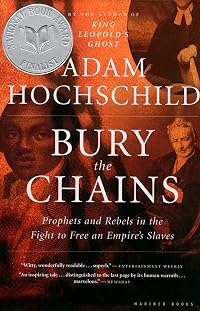
Bury the Chains: Prophets and Rebels in the Fight to Free an Empire's Slaves
by Adam Hochschild
On This Page
Description
From the author of the widely acclaimed King Leopold's Ghost comes the taut, gripping account of one of the most brilliantly organized social justice campaigns in history-the fight to free the slaves of the British Empire. In early 1787, twelve men-a printer, a lawyer, a clergyman, and others united by their hatred of slavery-came together in a London printing shop and began the world's first grass-roots movement, battling for the rights of people on another continent. Masterfully stoking show more public opinion, the movement's leaders pioneered a variety of techniques that have been adopted by citizens' movements ever since, from consumer boycotts to wall posters and lapel buttons to celebrity endorsements. A deft chronicle of this groundbreaking antislavery crusade and its powerful enemies, Bury the Chains gives a little-celebrated human rights watershed its due at last. show lessTags
Recommendations

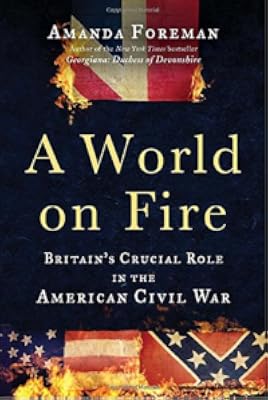
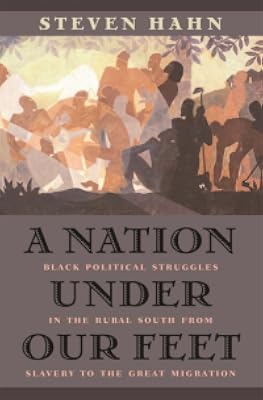
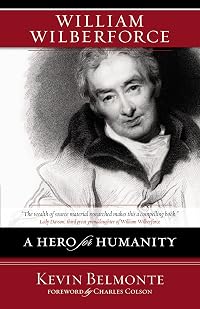
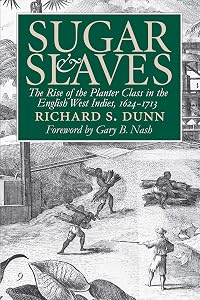

Member Recommendations
Epic Journeys of Freedom: Runaway Slaves of the American Revolution and Their Global Quest for Liberty by Cassandra Pybus
susanbooks Pybus complicates Hochschild's portrait of Granville Sharp & others involved in the founding of the Sierra Leone colony. These two excellent books go really well together. I'd advise reading Hochschild's first for the wider picture.
Member Reviews
The story of the abolition movement in England, including its invention/first successful use of several common propaganda techniques (including political logos), and how it went from attacking the slave trade to attacking all slavery. Reminding me of the Cold War uses of the civil rights movement, abolition’s political successes came when they appeared geopolitically at least ok (when abolishing the trade/slavery would hurt the French or at least not disadvantage the British a lot). And success required compensating enslavers and not the enslaved. But no civil war was required—if only because the British learned both from the French Revolution and the Haitian Revolution, in which they disastrously intervened.
Here's a book telling of the fascinating, stunning, troubled, and crucial story of the British abolitionist movement, from the end of the 18th century to the first half of the 19th century.
The author, of course, retells of the celebrity causes and other scandals which helped showing all the appalling horror of slavery (e.g. the Somersett case, the Zong massacre...). From Quobna Ottobah Cugoano to William Wilberforce, and from Thomas Clarkson to Granville Sharp, or, again, Olaudah Equiano, he also portrays the campaigners those optimism, bravery, and formidable tenacity allowed a first step towards the ending of such inhumane institution.
More than the mere linear history of a radical trend, though, and those repercussions would be show more incommensurable, Adam Hochschild has, above all, the talent to put such fight back into perspective, showing how, even today, it should speak to us all. Such an engagement, which will set a whole country ablaze while thrown into the stormy turbulence of major global events (the American and French Revolutions, the colony in Sierra Leone, revolts and insurrections in the Caribbean...) turns in fact to be indeed one of the first movements of citizens to defend Human Rights. Beyond the admirable aspect of its magnitude and success, and, the heritage of this handful of passionate idealists, their methods then completely new to put forth their ideas (investigative journalism, publishing of personal testimonies, boycotts, petitions, lobbying...) also became indeed the means to campaigns still used all over nowadays.
Here's a remarkable book, then, not only for the interest of its historical subject, but, also, for the power of its message, inferred by reading in-between the lines: respect for human dignity can prevail only if citizens, no matter how in a minority they may find themselves in, have the dedication and commitment it takes to overthrow injustice, even the most established and commonly accepted for granted. Isn't that inspiring? show less
The author, of course, retells of the celebrity causes and other scandals which helped showing all the appalling horror of slavery (e.g. the Somersett case, the Zong massacre...). From Quobna Ottobah Cugoano to William Wilberforce, and from Thomas Clarkson to Granville Sharp, or, again, Olaudah Equiano, he also portrays the campaigners those optimism, bravery, and formidable tenacity allowed a first step towards the ending of such inhumane institution.
More than the mere linear history of a radical trend, though, and those repercussions would be show more incommensurable, Adam Hochschild has, above all, the talent to put such fight back into perspective, showing how, even today, it should speak to us all. Such an engagement, which will set a whole country ablaze while thrown into the stormy turbulence of major global events (the American and French Revolutions, the colony in Sierra Leone, revolts and insurrections in the Caribbean...) turns in fact to be indeed one of the first movements of citizens to defend Human Rights. Beyond the admirable aspect of its magnitude and success, and, the heritage of this handful of passionate idealists, their methods then completely new to put forth their ideas (investigative journalism, publishing of personal testimonies, boycotts, petitions, lobbying...) also became indeed the means to campaigns still used all over nowadays.
Here's a remarkable book, then, not only for the interest of its historical subject, but, also, for the power of its message, inferred by reading in-between the lines: respect for human dignity can prevail only if citizens, no matter how in a minority they may find themselves in, have the dedication and commitment it takes to overthrow injustice, even the most established and commonly accepted for granted. Isn't that inspiring? show less
Some books are just worth reading twice. And Bury the Chains, which I wrote about previously in connection with the film about Wilberforce called "Amazing Grace," is one of them.
A second reading found the Grumpy Vegan focussing more on Adam Hochschild's framing the British anti-slavery movement as the first modern social movement with its use of petitions, public meetings, boycotts (sugar), propaganda, organising (with particular reference to the ability of the Quakers here) and, of course, lobbying and legislation in Parliament, than the rest of the narrative.
There's much here for the animal advocate to learn from while understanding that parallels with social movements only go so far but are enlightening nonetheless. For example, show more Hochschild considers what was in the minds of the founders of a meeting held in London in 1787 for the "Purpose of taking the Slave Trade into Consideration" that resolved it was "both impolitick and unjust"
"We can only imagine how the committee members felt as they dispersed to their homes that night. The task they had taken on was so monumental as to have seemed to anyone else impossible. They had to ignite their crusade in a country where the great majority of people, from farmhands to bishops, accepted slavery as completely normal. It was also a country where profits from West Indian plantations gave a large boost to the economy, where customs duties on slave-grown sugar were an important source of government revenue, and where the livelihoods of tens of thousands of seamen, merchants, and ship-builders depended on the slave trade. The trade itself had increased to almost unparalleled levels, bringing posterity to key ports, including London itself. How event to begin the massive job of changing public opinion? Furthermore, nineteen out of twenty Englishmen, and all Englishwomen, were not even allowed to vote. Without this most basic of rights themselves, could they be roused to care about the rights of other people, of a different skin color, an ocean away?
In all of human experience, there was no precedent for such a campaign." show less
A second reading found the Grumpy Vegan focussing more on Adam Hochschild's framing the British anti-slavery movement as the first modern social movement with its use of petitions, public meetings, boycotts (sugar), propaganda, organising (with particular reference to the ability of the Quakers here) and, of course, lobbying and legislation in Parliament, than the rest of the narrative.
There's much here for the animal advocate to learn from while understanding that parallels with social movements only go so far but are enlightening nonetheless. For example, show more Hochschild considers what was in the minds of the founders of a meeting held in London in 1787 for the "Purpose of taking the Slave Trade into Consideration" that resolved it was "both impolitick and unjust"
"We can only imagine how the committee members felt as they dispersed to their homes that night. The task they had taken on was so monumental as to have seemed to anyone else impossible. They had to ignite their crusade in a country where the great majority of people, from farmhands to bishops, accepted slavery as completely normal. It was also a country where profits from West Indian plantations gave a large boost to the economy, where customs duties on slave-grown sugar were an important source of government revenue, and where the livelihoods of tens of thousands of seamen, merchants, and ship-builders depended on the slave trade. The trade itself had increased to almost unparalleled levels, bringing posterity to key ports, including London itself. How event to begin the massive job of changing public opinion? Furthermore, nineteen out of twenty Englishmen, and all Englishwomen, were not even allowed to vote. Without this most basic of rights themselves, could they be roused to care about the rights of other people, of a different skin color, an ocean away?
In all of human experience, there was no precedent for such a campaign." show less
Thomas Clarkson and William Wilberforce worked together to abolish the British slave trade. Wilberforce was a long time MP. Clarkson was a pioneer organizer, travelling and writing incessantly about the horrors of slavery. Wilberforce's progeny pushed Clarkson out of the picture. He has only reeemerged in recent decades.
Hochschild fills in the details, the slave rebellions in Haiti and Jamaica, etc. It's a great book. The abolition of slavery was a great milestone, to be sure, but Hochschild points out that the Abolitionists were key pioneers in the broader movement of human rights and even broader concerns for animals and the biosphere.
Hochschild shaped a great mass of historical detail into an gripping narrative. To have that fine show more craftsmanship applied to such an important subject - this book is a treasure! show less
Hochschild fills in the details, the slave rebellions in Haiti and Jamaica, etc. It's a great book. The abolition of slavery was a great milestone, to be sure, but Hochschild points out that the Abolitionists were key pioneers in the broader movement of human rights and even broader concerns for animals and the biosphere.
Hochschild shaped a great mass of historical detail into an gripping narrative. To have that fine show more craftsmanship applied to such an important subject - this book is a treasure! show less
Fascinating history of the events that led to the abolition of slavery in Great Britain and its colonies. England profited from the sugar trade, which was dependent upon slaves to harvest and process it. Starting in the late 18th century, a group of twelve Englishmen, mostly of Anglican and Quaker background, determined that they must find a way to end this unjust and abhorrent practice.
I learned about people I had not known much about beforehand, such as Thomas Clarkson, who traveled to many places of the world gathering evidence to use in convincing people to eliminate slavery, as well as raising funds. We learn about the memoir of former slave, Olaudah Equiano, and its popularity among the British public. Equiano became a charismatic show more speaker for the anti-slavery movement. They convinced William Wilberforce to become their advocate to Parliament. Women played important roles even though they had no political power.
It explains the methods employed to bring attention to the abolitionist movement, many of which are still practiced today – boycotts of products (such as sugar), petitions, public gatherings, dissemination of information through many channels (books, posters, newspapers, speeches), and lobbying. The author writes in a chronological, straight-forward manner, and it is easy to follow. It is a portrayal of social justice in action. show less
I learned about people I had not known much about beforehand, such as Thomas Clarkson, who traveled to many places of the world gathering evidence to use in convincing people to eliminate slavery, as well as raising funds. We learn about the memoir of former slave, Olaudah Equiano, and its popularity among the British public. Equiano became a charismatic show more speaker for the anti-slavery movement. They convinced William Wilberforce to become their advocate to Parliament. Women played important roles even though they had no political power.
It explains the methods employed to bring attention to the abolitionist movement, many of which are still practiced today – boycotts of products (such as sugar), petitions, public gatherings, dissemination of information through many channels (books, posters, newspapers, speeches), and lobbying. The author writes in a chronological, straight-forward manner, and it is easy to follow. It is a portrayal of social justice in action. show less
This kind of book is what led me to get two degrees in history. It is an absolutely fascinating story, compellingly told, with a sweep of several continents and an idea that shook the world.
Hochschild does an excellent job of setting the scene, of telling us what it was like to be English in the late 18th century. Slavery was the norm. It had been a part of society since the beginning, and the majority of the world's population were slave or serf. In addition, much of the wealth in England came from the sugar trade, which depended heavily on slavery. And yet, in the course of only a few years, a movement to abolish the slave trade and then slavery itself became overwhelmingly popular. The author devotes himself to explaining how that show more happened, and no detail is too small for him to uncover...yet it is all told in a way that is as thrilling as any fiction.
It started with a committee of about 12 men in the late 1789s. Most of them were Quakers, but their backbone was Thomas Clarkson, who was Anglican. It was essential, since England was officially Anglican, to have spokesmen of that faith. Clarkson traveled enormous distances both raising funds for the campaign and gathering testimony about slavery and the trade.
One man who eventually joined the campaign was John Newton, who was a highly influential Anglican clergyman and author of many popular hymns, including Amazing Grace. Newton had been involved in the slave trade for many years as a trader and captain of slave ships.
The campaign took off in part because of both words and imagery. A diagram of a slave ship, showing exactly how appalling the conditions were, became a poster seen by much of the British population. Two books were particularly important. One was the memoirs of a former slave, Olaudah Equiano. Equiano traveled nearly as much as Clarkson to sell his memoirs, and in him the British public saw an intelligent and impressive spokesman for his race. The other important book was a condensation of hearings before Parliament about the conditions of the slave trade and of slaves.
All of this information was percolated through newspapers and the coffee houses where people gathered and read news and shared information. As a result, abolition of the slave trade became a popular cause, even leading many to give up sugar.
However, most Englishmen had no right to vote, nor did any English women. One additional element needed for the campaign to be successful was a forceful speaker in Parliament, and the movement found such a man in William Wilberforce, who on many other topics was a conservative. He gave his passion to the cause of abolition of the slave trade, and was eventually successful, with abolition of slavery coming many years after that.
Hochschild mentions, but doesn't emphasize as much as I'd like, the wild ferment of ideas about individual freedom that changed the world in the 18th century. I know that "thinking outside of the box" has become a terrible cliche, but I think the Enlightenment proves that once ideas occur that are out of the box, people start questioning on all sorts of related topics. If government gets legitimacy through the people, then why can't more men vote? Why shouldn't slaves be free? What about women? And so on, and on. this is why the Enlightenment is one of my favorite periods in history.
Bury the Chains is a marvelous work, highly recommended. show less
Hochschild does an excellent job of setting the scene, of telling us what it was like to be English in the late 18th century. Slavery was the norm. It had been a part of society since the beginning, and the majority of the world's population were slave or serf. In addition, much of the wealth in England came from the sugar trade, which depended heavily on slavery. And yet, in the course of only a few years, a movement to abolish the slave trade and then slavery itself became overwhelmingly popular. The author devotes himself to explaining how that show more happened, and no detail is too small for him to uncover...yet it is all told in a way that is as thrilling as any fiction.
It started with a committee of about 12 men in the late 1789s. Most of them were Quakers, but their backbone was Thomas Clarkson, who was Anglican. It was essential, since England was officially Anglican, to have spokesmen of that faith. Clarkson traveled enormous distances both raising funds for the campaign and gathering testimony about slavery and the trade.
One man who eventually joined the campaign was John Newton, who was a highly influential Anglican clergyman and author of many popular hymns, including Amazing Grace. Newton had been involved in the slave trade for many years as a trader and captain of slave ships.
The campaign took off in part because of both words and imagery. A diagram of a slave ship, showing exactly how appalling the conditions were, became a poster seen by much of the British population. Two books were particularly important. One was the memoirs of a former slave, Olaudah Equiano. Equiano traveled nearly as much as Clarkson to sell his memoirs, and in him the British public saw an intelligent and impressive spokesman for his race. The other important book was a condensation of hearings before Parliament about the conditions of the slave trade and of slaves.
All of this information was percolated through newspapers and the coffee houses where people gathered and read news and shared information. As a result, abolition of the slave trade became a popular cause, even leading many to give up sugar.
However, most Englishmen had no right to vote, nor did any English women. One additional element needed for the campaign to be successful was a forceful speaker in Parliament, and the movement found such a man in William Wilberforce, who on many other topics was a conservative. He gave his passion to the cause of abolition of the slave trade, and was eventually successful, with abolition of slavery coming many years after that.
Hochschild mentions, but doesn't emphasize as much as I'd like, the wild ferment of ideas about individual freedom that changed the world in the 18th century. I know that "thinking outside of the box" has become a terrible cliche, but I think the Enlightenment proves that once ideas occur that are out of the box, people start questioning on all sorts of related topics. If government gets legitimacy through the people, then why can't more men vote? Why shouldn't slaves be free? What about women? And so on, and on. this is why the Enlightenment is one of my favorite periods in history.
Bury the Chains is a marvelous work, highly recommended. show less
I will say this is more like a 3.5; it was the best of the Adam Hochschild books I've read (and I don't really intend to read any more of them,) I think in no small part because he was fairly constrained and didn't have to do a lot of historical imagination work. It doesn't say anything new, nor does he really claim to--in his bibliography he acknowledges that most of it is basically a restating of David Brion Davis's work, and that's fine! By focusing on the organizing in Britain for the most part, he's able to acknowledge the lack of humanity that most British felt for actual enslaved people, while not doing too much interrogating into his own love of British 'democracy' or Euro-centric forms of government (like he did King Leopold's show more Ghost.) It's really a sweet spot for him; there are enough characters for him to kind of play with, and he can be focused and have fewer weird progressive narrative statements.
I would actually feel somewhat comfortable purchasing this one for a relative and not following it up immediately with other recommendations. It's accessible and didn't make me feel actively uncomfortable! Is it the best book I've ever read on the subject? No, but it doesn't have to be I guess. If you're looking for an accessible book on the abolition of the British slave trade and slavery in British colonies, this is a decent one (I say as a person whose focus is the US settler state; ymmv if you know more about this than me.) show less
I would actually feel somewhat comfortable purchasing this one for a relative and not following it up immediately with other recommendations. It's accessible and didn't make me feel actively uncomfortable! Is it the best book I've ever read on the subject? No, but it doesn't have to be I guess. If you're looking for an accessible book on the abolition of the British slave trade and slavery in British colonies, this is a decent one (I say as a person whose focus is the US settler state; ymmv if you know more about this than me.) show less
Members
- Recently Added By
Lists

In Our Time books
4,934 works; 2 members
Author Information

Adam Hochschild was born in New York City in 1942. As a college student, he spent a summer working on an anti-government newspaper in South Africa and worked briefly as a civil rights worker in Mississippi in 1964. He began his journalism career as a reporter at the San Francisco Chronicle. Then he worked for ten years as a magazine editor and show more writer, at Ramparts and Mother Jones, which he co-founded. He has also written for The New Yorker, Harper's Magazine, The New York Review of Books, The New York Times Magazine, and The Nation. His first book, Half the Way Home: A Memoir of Father and Son, was published in 1986. His other books include The Mirror at Midnight: A South African Journey; The Unquiet Ghost: Russians Remember Stalin; Finding the Trapdoor: Essays, Portraits, Travels; King Leopold's Ghost: A Story of Greed, Terror, and Heroism in Colonial Africa; Bury the Chains: Prophets and Rebels in the Fight to Free an Empire's Slaves; and To End All Wars: A Story of Loyalty and Rebellion, 1914-1918. He teaches writing at the Graduate School of Journalism at the University of California, Berkeley. (Bowker Author Biography) show less
Some Editions
Awards and Honors
Awards
Common Knowledge
- Canonical title*
- Bury the Chains: Prophets and Rebels in the Fight to Free an Empire's Slaves
- Original title
- Bury the Chains : Prophets and Rebels in the Fight to Free an Empire's Slaves
- Alternate titles*
- Bevrijd de Slaven!
- Original publication date
- 2005
- People/Characters
- William Wilberforce
- Important places
- United Kingdom; British Empire
- Important events
- Abolitionist Movement
- Dedication
- Opgedragen aan Patricia H. Labalme
For Patricia H. Labalme (1927-2002) - First words
- When people dream of riches, their imaginations follow the shape of the economy.
- Last words
- (Click to show. Warning: May contain spoilers.)The abolitionists placed their hope not in sacred texts, but in human empathy.
We live with that hope still.
*Some information comes from Common Knowledge in other languages. Click "Edit" for more information.
Classifications
- Genres
- History, Nonfiction, General Nonfiction
- DDC/MDS
- 326.80941 — Society, government, & culture Political science Slavery and emancipation Emancipation Standard subdivisions History, geographic treatment, biography Europe
- LCC
- HT1163 .H63 — Social sciences Communities. Classes. Races Communities. Classes. Races Classes Slavery
- BISAC
Statistics
- Members
- 1,058
- Popularity
- 24,433
- Reviews
- 21
- Rating
- (4.29)
- Languages
- 8 — Dutch, English, German, Norwegian (Bokmål), Norwegian, Portuguese, Spanish, Swedish
- Media
- Paper, Audiobook, Ebook
- ISBNs
- 21
- UPCs
- 2
- ASINs
- 11