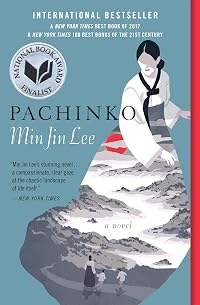
Pachinko
by Min Jin Lee
On This Page
Description
Following one Korean family through the generations, beginning in early 1900s Korea with Sunja, the prized daughter of a poor yet proud family, whose unplanned pregnancy threatens to shame them all. Deserted by her lover, Sunja is saved when a young tubercular minister offers to marry and bring her to Japan. So begins a sweeping saga of an exceptional family in exile from its homeland and caught in the indifferent arc of history. Through desperate struggles and hard-won triumphs, its members show more are bound together by deep roots as they face enduring questions of faith, family, and identity. show lessTags
Recommendations
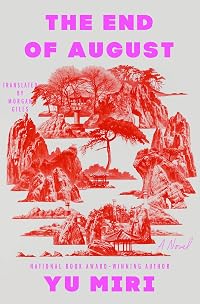
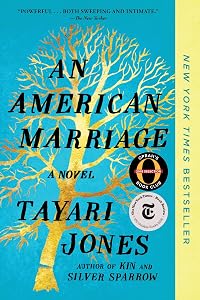
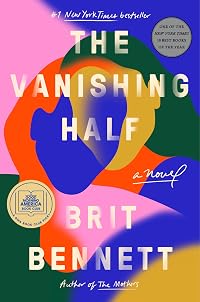
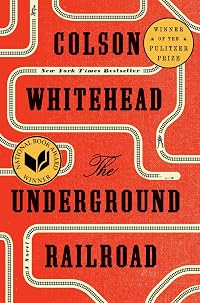
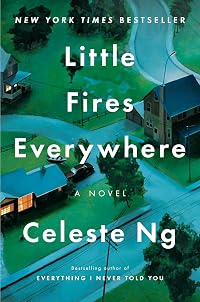
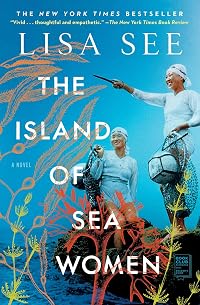
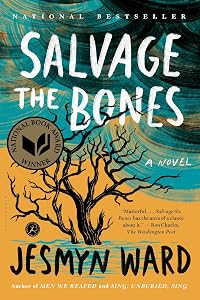
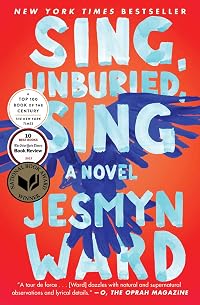
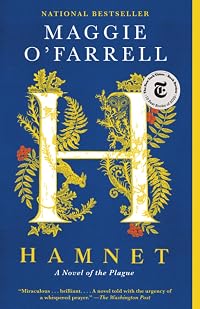
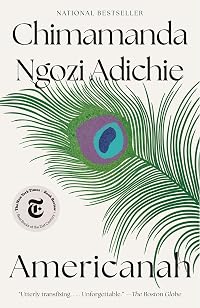
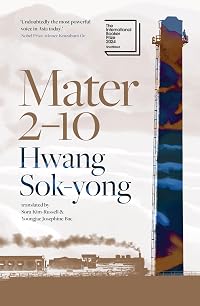
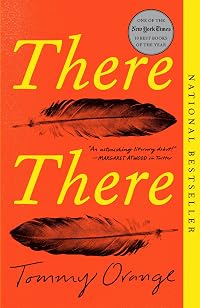

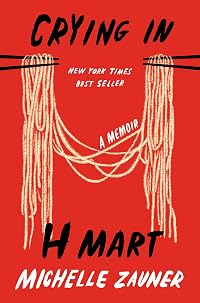
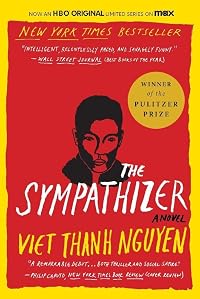
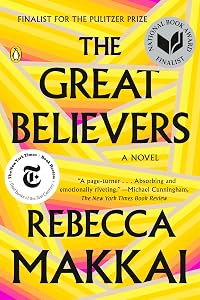
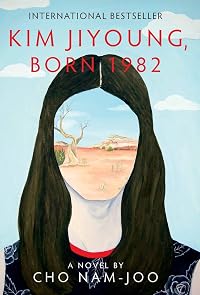

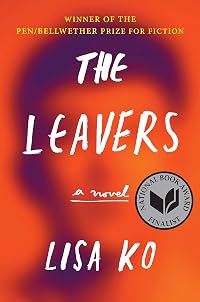
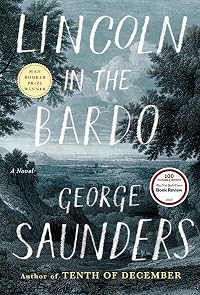
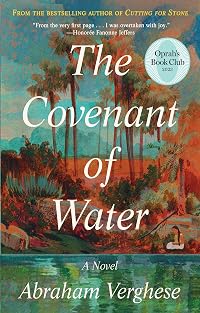
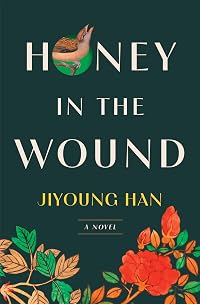
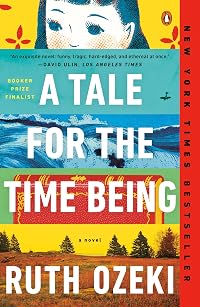
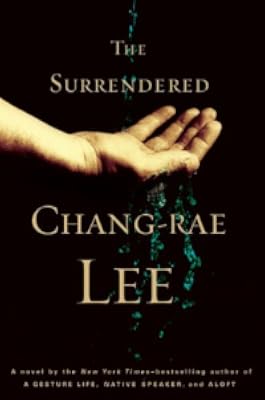
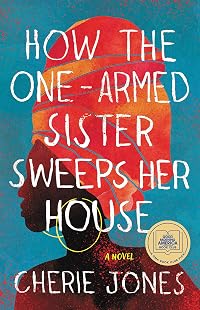
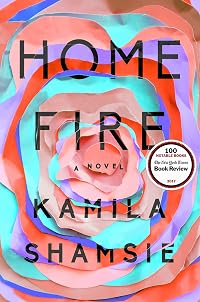
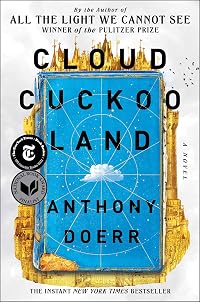
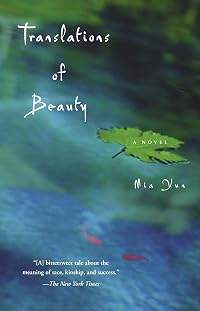
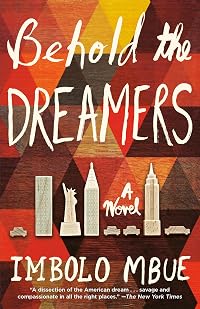
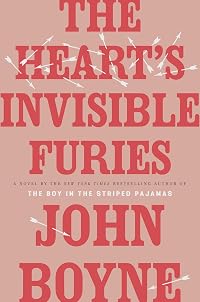

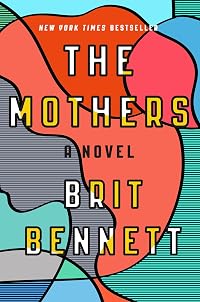
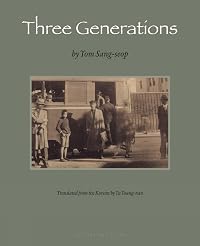
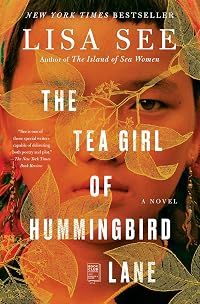
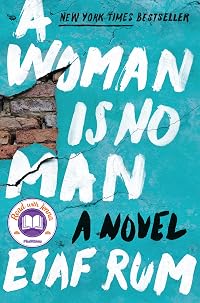
Member Recommendations
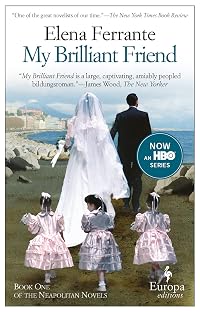
doryfish A man marries a woman already pregnant with another's child and they immigrate together.
cwc790411 Readers who enjoy Pachinko may be drawn to A Fine Balance for its similarly sweeping portrayal of ordinary lives shaped by historical forces, rich character development, and emotional depth. Both novels explore themes of resilience, injustice, and the struggle for dignity amid systemic oppression. Each offers a deeply human story that lingers long after the final page.
Member Reviews
(37) How could I not have read this book before now? This is really exactly the type of book I love. Multi-generational family sagas that also transport to another time and place with historical context and subcontext. A story centered around a poor Korean woman who is impregnated by a married man and is married off to a kind sickly minister who is nursed back to health in the families rural boarding house. He moves with his wife to his new church in Osaka where they become one of the many Korean foreign nationals living in Japan - always looked down upon and systemically discriminated against forevermore despite becoming a successful family. In many ways it is a classic rags to riches story over several generations held together by the show more humble materfamilias. They make their money with a Korean style slot machine game called 'Pachinko.' I think it could have been called 'Casino' in America and been somewhat of an Italian-American story and would have the same connotation. It was a transcendent reading experience (much like Noa's obsession with the great novels of English lit) - rather like a Middlemarch or one of the chunkier Dickens like 'Bleak House.'
The writing is excellent. A half star off only because I felt that although we had multiple third person narrators throughout, there was not as much introspection or examination of motivations, etc. of each character. I think it was an artistic choice as opposed to lack of skill, but I would have preferred a deeper dive in some instances. The closest we got was Sunja's self realization that she lived for her sons and that maybe that wasn't right; almost a form of selfishness - I loved her mother's brutal honesty as she was dying. I also think the female characters were much more deeply portrayed than the male ones. But these are minor quibbles in what was otherwise a fine modern example of a traditional well written novel. No gimmicks. No OVERT politically correct diatribes. No deux ex machina or ridiculous magical realism nor post-modernism. Wonderful. It is so nice to know that there are young authors who have the ability and the desire to write like this.
Highly recommended for lovers of 19th century English lit., in addition to readers of some of our finest modern day story-tellers like David Mitchell, Jhumpha Lahiri, Vikram Seth. Bravo! show less
The writing is excellent. A half star off only because I felt that although we had multiple third person narrators throughout, there was not as much introspection or examination of motivations, etc. of each character. I think it was an artistic choice as opposed to lack of skill, but I would have preferred a deeper dive in some instances. The closest we got was Sunja's self realization that she lived for her sons and that maybe that wasn't right; almost a form of selfishness - I loved her mother's brutal honesty as she was dying. I also think the female characters were much more deeply portrayed than the male ones. But these are minor quibbles in what was otherwise a fine modern example of a traditional well written novel. No gimmicks. No OVERT politically correct diatribes. No deux ex machina or ridiculous magical realism nor post-modernism. Wonderful. It is so nice to know that there are young authors who have the ability and the desire to write like this.
Highly recommended for lovers of 19th century English lit., in addition to readers of some of our finest modern day story-tellers like David Mitchell, Jhumpha Lahiri, Vikram Seth. Bravo! show less
"History has failed us, but no matter" belongs up there in the pantheon of opening lines, and it's especially apt, given that this is not quite a "historical novel", but a novel which uses the vicissitudes of real history - the Japanese occupation and annexation of Korea, the migration of Koreans to Japan for work, the devastation of WW2, the partition of Korea - to follow an ordinary Korean peasant family from the very early part of the 20th century near to its end as successive generations experience poverty, fall in love, settle in Japan, try to make money, survive wars, encounter racism, and, most of all, try to turn their sorrows into fulfilling lives. Korean history is something I have large gaps of understanding in relative to show more Japanese and Chinese history, particularly prior to WW2, so I would have appreciated this novel even if it hadn't been so affecting. Many questions of Korean identity are raised repeatedly by Koreans, South Koreans, North Koreans, and Korean-Japanese; I don't have any special take on that, but for me the pleasure of the novel lies in how these lovingly rendered characters make their choices, and how those choices define their lives but also present new opportunities even when they're really painful. Pachinko is, of course, a popular game for gamblers, and the central idea that fate and freedom are present in every moment is very movingly presented here. show less
Pachinko is a sprawling multi-generational book spanning the 20th century, from when Japan colonized Korea before WWII, took people’s land and levied taxes, pretty much devastating Korea’s businesses, families and culture. The story speaks of misfortune, poverty and loss as it follows Sunja’s family. We meet her parents, then follow Sunja and her minister husband Isak and two sons as they move to Japan and start new lives. To complicate things, Sunja is also infatuated with a much older Korean man who also has moved to Japan. Isak gets a position in a church but Christianity is outlawed in Japan Christians are commanded to worship the emperor which leads to Isak’s arrest. Sunja and her sister-in-law start a business, and work show more hard to give Sunja’s sons a good start in life.
At first I was annoyed by all the information, all the characters and stories until I learned that the author had performed numerous interviews, then I felt like I was reading about actual lives. Many Koreans had emigrated to Japan after their country was devastated, and even after Japan becomes their homeland, generations live as “Korean-Japanese” who must periodically register as alien residents.
The characters who are flexible and meet the challenges presented by fate are able to adjust and find success on Japan’s terms. Sometimes this means they must align with gangsters, as when they work in the lucrative Pachinko business. Those who try to pass for Japanese may be the worst off. Women had limited social roles and were scrutinized and judged in all their actions. The game Pachinko is one of chance, though the business owners have some control and may even rig the outcomes. Like the game, a theme of fate and random chance runs throughout, and many of the characters do manage to change their destiny. But the book’s overriding theme is love. show less
I read this for the 2018 Tournament of Books; I probably wouldn't have picked it up otherwise and I'm very glad I did. In some ways Lee has written a standard family saga (three generations through immigration, war, social change, etc.) but also a very non-standard one. Her family are Korean immigrants to Japan, and the character who connects them through the generations is a woman. For readers who don't know much about the people or the period, Lee does an excellent job of describing the second-class treatment of Koreans and the prejudice and discrimination they faced. The outside world and the cataclysmic events of the second world war shape their lives, but they are mostly background, which makes sense given how hard it is for them show more just to survive.
The plot follows Sunja from her birth in a Korean fishing village through her unforeseen pregnancy, marriage, emigration to Japan, and life with her children and grandchildren. Sunja's oldest son is the product of a liaison with a wealthy Korean businessman who visits the village. Already married, he offers to take care of Sunja and the child, but she accepts the offer of a visiting Christian minister who knows the situation but wants to marry her anyway. They move to Osaka where he finds an appointment with his church and they live with her brother- and sister-in-law. Sunja has another son, and when her sister-in-law is unable to have children of her own, they raise Sunja's sons together. The rich Korean appears at opportune times to help out the family, whether Sunja wants him to or not. There's a lot of sorrow in the family's lives, but there is love and success as well. The title captures the opportunities and constraints of their journey: like Pachinko, they sometimes win big, but sometimes characters bet the house and lose. Japan is the house and Koreans are the Pachinko players: even when they control the game, there's only so high they can go.
Some readers found the writing style clunky, but I thought it matched the story and characters well, and I found it immersive and effective. It is very simple at times, but it reflects the educational level of the characters and perhaps also their way of looking at the world. Sunja isn't a simple person, but she thinks and speaks in straightforward, reduced sentences. For me that didn't lessen my sense of her complex interiority, but it may put some readers off. Try the sample; if that doesn't grab you, the book probably won't. show less
The plot follows Sunja from her birth in a Korean fishing village through her unforeseen pregnancy, marriage, emigration to Japan, and life with her children and grandchildren. Sunja's oldest son is the product of a liaison with a wealthy Korean businessman who visits the village. Already married, he offers to take care of Sunja and the child, but she accepts the offer of a visiting Christian minister who knows the situation but wants to marry her anyway. They move to Osaka where he finds an appointment with his church and they live with her brother- and sister-in-law. Sunja has another son, and when her sister-in-law is unable to have children of her own, they raise Sunja's sons together. The rich Korean appears at opportune times to help out the family, whether Sunja wants him to or not. There's a lot of sorrow in the family's lives, but there is love and success as well. The title captures the opportunities and constraints of their journey: like Pachinko, they sometimes win big, but sometimes characters bet the house and lose. Japan is the house and Koreans are the Pachinko players: even when they control the game, there's only so high they can go.
Some readers found the writing style clunky, but I thought it matched the story and characters well, and I found it immersive and effective. It is very simple at times, but it reflects the educational level of the characters and perhaps also their way of looking at the world. Sunja isn't a simple person, but she thinks and speaks in straightforward, reduced sentences. For me that didn't lessen my sense of her complex interiority, but it may put some readers off. Try the sample; if that doesn't grab you, the book probably won't. show less
Min Jin Lee’s Pachinko is a sprawling, multigenerational saga tracing a Korean family’s journey through most of the 20th century, from Japanese-occupied Korea to postwar Japan. The novel begins in a small coastal village, where Sunja, the beloved daughter of a simple fisherman and modest innkeeper, becomes pregnant by a wealthy and married fish broker. Her decision to reject the life of a kept woman, instead marrying a gentle Christian minister and emigrating to Osaka, sets in motion a sweeping family story shaped by hardship, perseverance, and stoic dignity. Over four generations, we follow Sunja, her relatives, and her friends as they navigate poverty, racial discrimination, and questions of identity in a country that never fully show more accepts them. The struggles of the family mirror the shifting tides of time, from colonial rule and war to modernization and the evolving social hierarchies of Japan’s industrial boom.
Structurally, the novel offers a nice balance between intimate personal stories and the often cruel arc of history. The author’s prose is straightforward and realistic, yet the tale moves with the inevitability of fate, all the while echoing the book’s central metaphor: pachinko, the Japanese gambling game designed to offer the player “small gains and slow losses.” Through interwoven narratives and shifting character perspectives, Lee illuminates the Zainichi experience—ethnic Koreans living in Japan—whose lives are impacted by both imperial policies and the brutalities of everyday prejudice. The historical context—from annexation to the aftermath of World War II—anchors the story’s emotional pull. Lee’s deliberate and measured storytelling avoids sensationalism, opting instead for a patient buildup of detail that gives full weight to the pain and endurance of her protagonists.
Overall, I enjoyed reading Pachinko, perhaps more for the historical aspects it contains than for the family saga itself. I simply did not know much about the many atrocities and injustices that the Korean diaspora endured—and continues to deal with—during the era depicted in the story. As I was reading the novel, I found myself also looking up background information on many of the critical events portrayed in the fictional setting (e.g., Japan’s occupation of Korea, the firebombing of Osaka during the war, the unspeakable conscription of “comfort women” by the Japanese military), which provided great context for understanding what the characters in the story were experiencing. If I have a criticism of the book, however, it would be that the anti-Japanese sentiment it conveys is quite heavy-handed; there definitely is an accumulation in the rhetoric that detracts from the story by the end. That aside, this is an impressive and rewarding work that certainly merits the widespread acclaim it has received. show less
Structurally, the novel offers a nice balance between intimate personal stories and the often cruel arc of history. The author’s prose is straightforward and realistic, yet the tale moves with the inevitability of fate, all the while echoing the book’s central metaphor: pachinko, the Japanese gambling game designed to offer the player “small gains and slow losses.” Through interwoven narratives and shifting character perspectives, Lee illuminates the Zainichi experience—ethnic Koreans living in Japan—whose lives are impacted by both imperial policies and the brutalities of everyday prejudice. The historical context—from annexation to the aftermath of World War II—anchors the story’s emotional pull. Lee’s deliberate and measured storytelling avoids sensationalism, opting instead for a patient buildup of detail that gives full weight to the pain and endurance of her protagonists.
Overall, I enjoyed reading Pachinko, perhaps more for the historical aspects it contains than for the family saga itself. I simply did not know much about the many atrocities and injustices that the Korean diaspora endured—and continues to deal with—during the era depicted in the story. As I was reading the novel, I found myself also looking up background information on many of the critical events portrayed in the fictional setting (e.g., Japan’s occupation of Korea, the firebombing of Osaka during the war, the unspeakable conscription of “comfort women” by the Japanese military), which provided great context for understanding what the characters in the story were experiencing. If I have a criticism of the book, however, it would be that the anti-Japanese sentiment it conveys is quite heavy-handed; there definitely is an accumulation in the rhetoric that detracts from the story by the end. That aside, this is an impressive and rewarding work that certainly merits the widespread acclaim it has received. show less
I'm joining the large amount of readers that were dissapointed by the final third of this novel, really too bad!
The first two thirds of Pachinko are beautiful. The way it follows the lives of Sunja and her family has this meditative quality that I can't put my finger on. The author just loves breaking my heart in unpredictable ways, and I'm fully letting her because I need to know if so-and-so are going to be okay. There are so many things I don't know about Korean history, and I'm really glad I read this. I would still recommend it!
What irks me is that especially the representation of women in this novel is two-sided, despite the feminist slant of the novel. Every single teen girl character that isn't family is guaranteed to be show more shallow, self-obsessed and incredibly mean. They mostly exist in the novel to seduce the boys, have a short time with them where they teach them how to be good at sex and then break their hearts (these girls are of course already very sexually experienced and the boys are virginal hopeless romantics). This functions as a character-building moment so that the boy can then find a wife who is more like their mother, but of course never love her the same way he did the first girl. The second girl gets no further introduction than her name and the names of their children. This happens more than once. I'm so tired. show less
The first two thirds of Pachinko are beautiful. The way it follows the lives of Sunja and her family has this meditative quality that I can't put my finger on. The author just loves breaking my heart in unpredictable ways, and I'm fully letting her because I need to know if so-and-so are going to be okay. There are so many things I don't know about Korean history, and I'm really glad I read this. I would still recommend it!
What irks me is that especially the representation of women in this novel is two-sided, despite the feminist slant of the novel. Every single teen girl character that isn't family is guaranteed to be show more shallow, self-obsessed and incredibly mean. They mostly exist in the novel to seduce the boys, have a short time with them where they teach them how to be good at sex and then break their hearts (these girls are of course already very sexually experienced and the boys are virginal hopeless romantics). This functions as a character-building moment so that the boy can then find a wife who is more like their mother, but of course never love her the same way he did the first girl. The second girl gets no further introduction than her name and the names of their children. This happens more than once. I'm so tired. show less
“Living everyday in the presence of those who refuse to acknowledge your humanity takes great courage.”
“There was consolation: The people you loved, they were always there with you, she had learned. Sometimes, she could be in front of a train kiosk or the window of a bookstore, and she could feel Noa's small hand when he was a boy, and she would close her eyes and think of his sweet grassy smell and remember that he had always tried his best. At those moments, it was good to be alone to hold on to him.”
“In Seoul, people like me get called Japanese bastards, and in Japan, I'm just another dirty Korean no matter how much money I make or how nice I am. So what the f*ck?”
Pachinko by Min Jin Lee has gotten mixed reactions on LT, show more but I fall into the camp of those who greatly enjoyed it. It's a multi-generational story of a Korean family, beginning in the 1920s. In an afterword, the author explains that it was 30 years in the making, and that she scrapped it completely and started over in 2008 after interviewing many Koreans living in Japan and finding her first draft was off target.
I didn't know that Korea was occupied by Japan during WWII (my bad), or that Koreans historically have been looked down upon by many Japanese. (Amazing how prejudice can take so many different forms). This story begins with good-hearted but cleft-palated Hoonie, who normally would never get married because of his deformity, but does because of the dire economic times. His daughter Sunja grows up carefully watched over in their boarding house near the port city of Busan. When at age 15 she becomes coveted by Hansu, a sophisticated businessman, her life changes, and then changes once again when a Christian priest enters her life and the family moves to Osaka, Japan.
There are lovely moments and terrible ones, and many hardships overcome, often through family effort. Sunja proves hard-working and resilient, and her family the same. All the characters are skillfully drawn, and the writing is smooth - drafts of the book apparently were run by what seems like a cast of thousands, including early enthusiast Junot Diaz. If you're looking for a reading experience set in a different part of the world, with an interesting clash of cultures and memorable characters, this one fits the bill. Yes, like many long books, it could have been shorter without harming the story, but I'm one reader who says, so what. show less
“There was consolation: The people you loved, they were always there with you, she had learned. Sometimes, she could be in front of a train kiosk or the window of a bookstore, and she could feel Noa's small hand when he was a boy, and she would close her eyes and think of his sweet grassy smell and remember that he had always tried his best. At those moments, it was good to be alone to hold on to him.”
“In Seoul, people like me get called Japanese bastards, and in Japan, I'm just another dirty Korean no matter how much money I make or how nice I am. So what the f*ck?”
Pachinko by Min Jin Lee has gotten mixed reactions on LT, show more but I fall into the camp of those who greatly enjoyed it. It's a multi-generational story of a Korean family, beginning in the 1920s. In an afterword, the author explains that it was 30 years in the making, and that she scrapped it completely and started over in 2008 after interviewing many Koreans living in Japan and finding her first draft was off target.
I didn't know that Korea was occupied by Japan during WWII (my bad), or that Koreans historically have been looked down upon by many Japanese. (Amazing how prejudice can take so many different forms). This story begins with good-hearted but cleft-palated Hoonie, who normally would never get married because of his deformity, but does because of the dire economic times. His daughter Sunja grows up carefully watched over in their boarding house near the port city of Busan. When at age 15 she becomes coveted by Hansu, a sophisticated businessman, her life changes, and then changes once again when a Christian priest enters her life and the family moves to Osaka, Japan.
There are lovely moments and terrible ones, and many hardships overcome, often through family effort. Sunja proves hard-working and resilient, and her family the same. All the characters are skillfully drawn, and the writing is smooth - drafts of the book apparently were run by what seems like a cast of thousands, including early enthusiast Junot Diaz. If you're looking for a reading experience set in a different part of the world, with an interesting clash of cultures and memorable characters, this one fits the bill. Yes, like many long books, it could have been shorter without harming the story, but I'm one reader who says, so what. show less
Members
- Recently Added By
Lists

2018 Tournament of Books
18 works; 12 members

ALA The Reading List
490 works; 28 members

Recommend the 20 best books you've read in the last five years
2,168 works; 606 members

Historical Fiction
889 works; 91 members

Books recommended by Barack Obama
295 works; 28 members
Best Family Stories
241 works; 22 members

Female Author
1,235 works; 67 members

Top Five Books of 2018
802 works; 265 members
Top Five Books of 2017
757 works; 230 members
National Book Award Finalists - Fiction
377 works; 12 members

Top Five Books of 2022
736 works; 272 members

Best of 2017
12 works; 2 members

Kirkus Starred Fiction Reviews of Books Published in 2017
412 works; 7 members
2018 Notable Books for Adults
26 works; 4 members

To Read
6 works; 1 member

Asia
178 works; 7 members

Contemporary Fiction
109 works; 7 members

Books Read in 2023
5,547 works; 145 members

Spotted on ABC Book Club
19 works; 1 member

SHOULD Read Books!
354 works; 9 members

Maybe This Year? Books to Look Forward To
409 works; 9 members

Books Read in 2016
4,666 works; 199 members
Overdue Podcast
806 works; 9 members

Powell's 50 Books for 50 Years
50 works; 4 members

Titoli bestiali
67 works; 1 member

Retrospective of 20th- and 21st-century literature
154 works; 1 member

NYT Readers best of 21st C
100 works; 8 members

to get
244 works; 2 members

.
184 works; 1 member
Put a Bird On It
75 works; 12 members

Widely acclaimed, one book per year
105 works; 3 members

H
177 works; 2 members

Books Read in 2025
4,091 works; 97 members

Library List - Pulitzer Adjacent
40 works; 1 member

Wishlist
48 works; 1 member
NYT 100 best books of 21st C
100 works; 31 members

Global Reads: Books Set in East Asia
139 works; 12 members

Queen Camilla's Reading Room
65 works; 6 members

Book of the Month Selections 2016 to Present
130 works; 5 members

Bookstore Deep Diving
10 works; 1 member

Asian American Literature
46 works; 6 members
Best of 2022
2 works; 1 member

Want to Read... Asian Authors
11 works; 1 member

KayStJ's to-read list
1,616 works; 11 members

Dim Sum Lunch Reading
43 works; 2 members
The Hive Recommends
62 works; 2 members

Books Read in 2018
4,360 works; 110 members
Favorite books 2017
5 works; 1 member

Books We Resisted Reading
177 works; 110 members
Author Information

Min Jin Lee's debut novel, Free Food for Millionaires, was one of the "Top 10 Novels of the Year" for The Times (London), NPR's Fresh Air, and USA Today. Her short fiction has been featured on NPR's Selected Shorts. Her writings have appeared in Nast Traveler, The Times (London), Vogue, Travel+Leisure, Wall Street Journal, New York Times Magazine, show more and Food & Wine. Her essays and literary criticism have been anthologized widely. She served as a columnist for the Chosun Ilbo, the leading paper of South Korea. She lives in New York with her family. show less
Some Editions
Awards and Honors
Awards
Distinctions
Notable Lists
Common Knowledge
- Canonical title
- Pachinko
- Original title
- Pachinko
- Original publication date
- 2017
- People/Characters
- Sunja; Yangjin; Baek Isak; Baek Yoseb; Kyunghee; Baek Noa (show all 9); Baek Mozasu; Hansu; Baek Soloman
- Important places
- Yeongdo, Korea; Osaka, Japan
- Related movies*
- Pachinko (2022 | IMDb)
- Epigraph
- Home is a name, a word, it is a strong one; stronger than magician ever spoke, or spirit answered to, in strongest conjuration.
-Charles Dickens - Dedication
- For Christopher and Sam
- First words
- History has failed us, but no matter.
- Quotations
- A snake that sheds its skin is still a snake.
The penalties incurred for the mistakes you made had to be paid out in full to the members of your family. But she didn't believe that she could ever discharge these sums. - Last words
- (Click to show. Warning: May contain spoilers.)She picked up her bags. Kyunghee would be waiting for her at home.
- Blurbers
- Boyne, John; Mitchell, David; Junot Díaz; Shteyngart, Gary; Winchester, Simon; Wagner, Erica (show all 7); Christensen, Kate
- Original language
- English
*Some information comes from Common Knowledge in other languages. Click "Edit" for more information.
Classifications
Statistics
- Members
- 9,177
- Popularity
- 1,161
- Reviews
- 346
- Rating
- (4.10)
- Languages
- 20 — Chinese, Czech, Danish, Dutch, English, French, German, Greek, Hungarian, Indonesian, Italian, Japanese, Korean, Polish, Portuguese, Romanian, Spanish, Swedish, Turkish, Vietnamese
- Media
- Paper, Audiobook, Ebook
- ISBNs
- 72
- ASINs
- 23