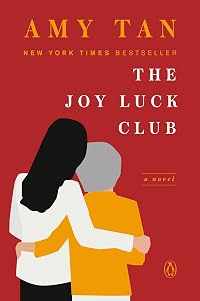
The Joy Luck Club
by Amy Tan
On This Page
Description
In 1949, four Chinese women--drawn together by the shadow of their past--begin meeting in San Francisco to play mah jong, invest in stocks and "say" stories. They call their gathering the Joy Luck Club--and forge a relationship that binds them for more than three decades.Tags
Recommendations

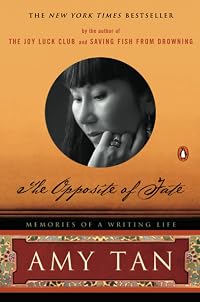
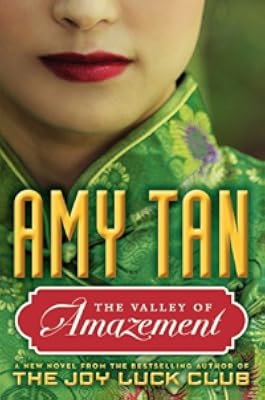
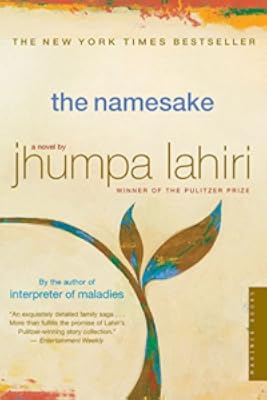


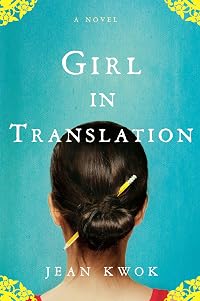

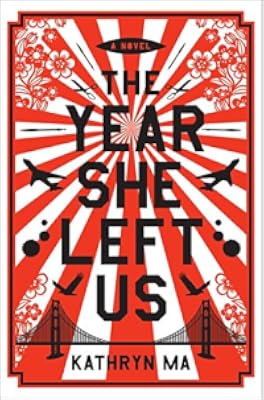
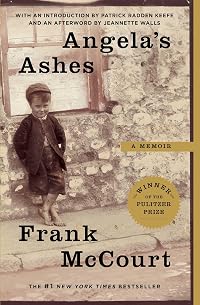
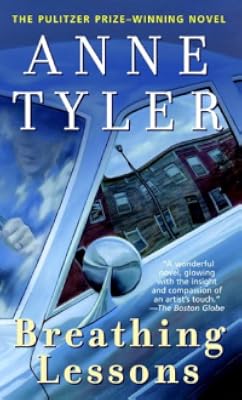
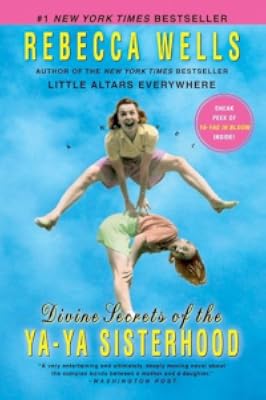
Member Recommendations
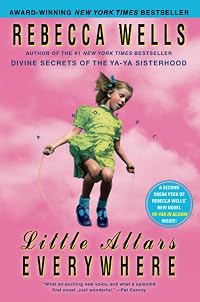
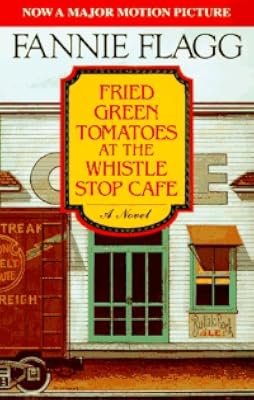
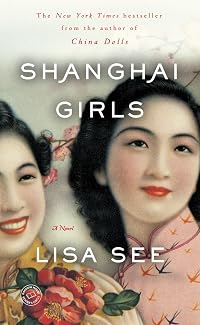
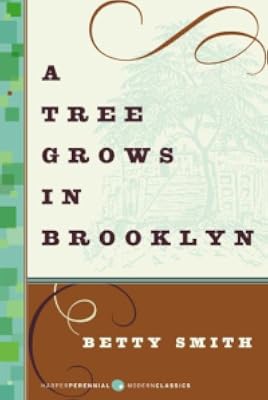
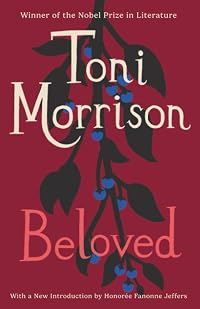
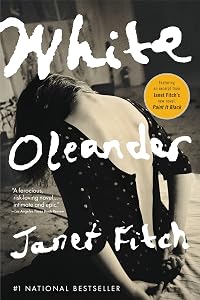
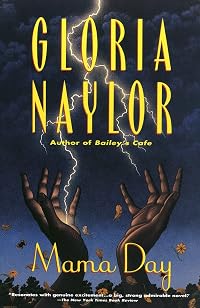
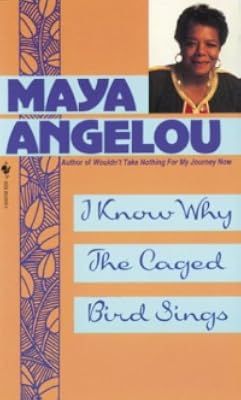
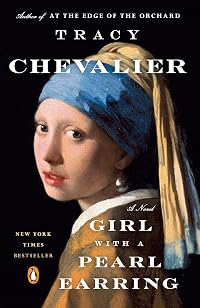
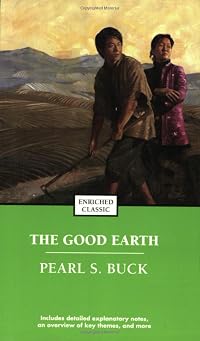
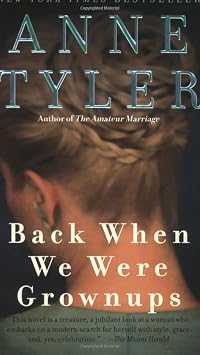
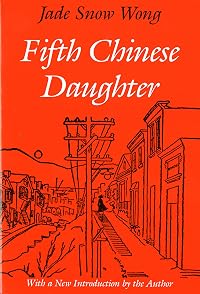
Jennie_103 Another story of generations of chinese women.
60
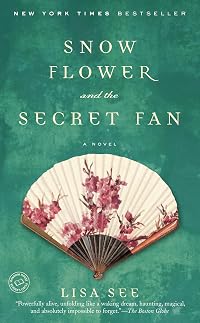
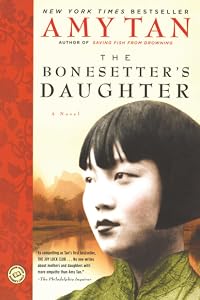
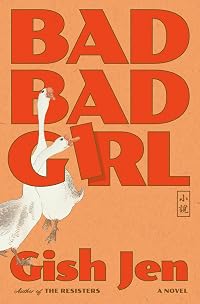
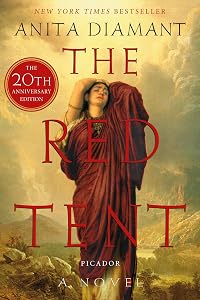
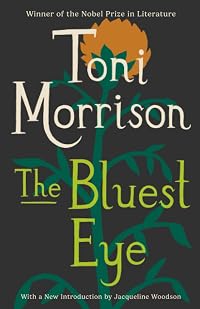
laytonwoman3rd This novel explores similar themes of the generation gap in immigrant Chinese families---the "old ways" in conflict with the new world.
30
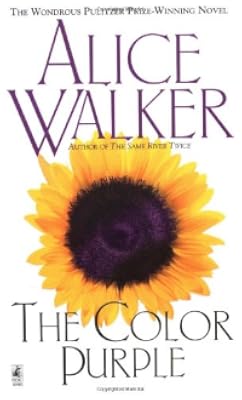
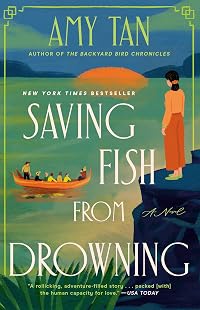
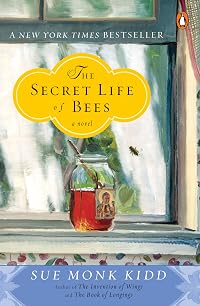
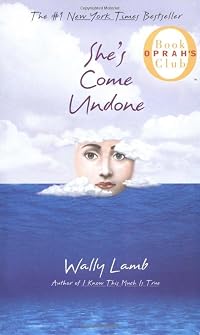
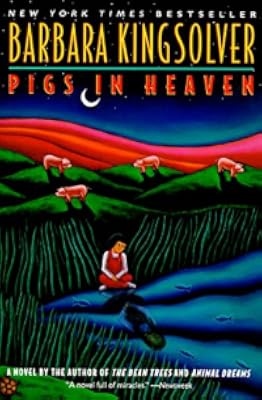
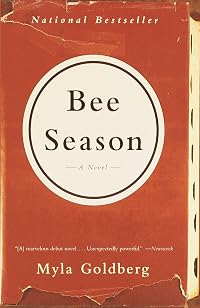
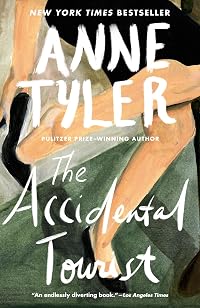
Othemts In a superficial way this book reminds me of the stories of Amy Tan in that they show the strains of relationships between mothers and daughters, immigrants and American-born.
10
Member Reviews
When her mother, Suyuan, dies Jing-mei "June" Woo is invited to take her place in the mah jong table in the Joy Luck Club along with her friends, An-mei Hsu, Lindo Jong, and Ying-ying St. Clair. The women were from various places in China with very different backgrounds, but all met after they immigrated to San Francisco in the late 1940s. The narrative intersperses their stories with that of their American daughters, including Rose Hsu Jordan, Waverly Jong, and Lena St. Clair in addition to Jing-mei.
I had to keep reminding myself that this book was written in 1989, because it didn't read like a nearly 35-year-old book. The stories are set up as each move in a mah jong game, eventually building up to a whole that gives the reader a show more fuller perspective of the seven narrators' stories, and that of the newly-deceased Suyuan, despite the fact that she never speaks herself. It's intricately crafted and shows how little we can really know of another person: like these mothers and daughters, we see others through our own prisms of experience and our relationship with them, not necessarily seeing the complex whole of a human being. An excellent book club choice. show less
I had to keep reminding myself that this book was written in 1989, because it didn't read like a nearly 35-year-old book. The stories are set up as each move in a mah jong game, eventually building up to a whole that gives the reader a show more fuller perspective of the seven narrators' stories, and that of the newly-deceased Suyuan, despite the fact that she never speaks herself. It's intricately crafted and shows how little we can really know of another person: like these mothers and daughters, we see others through our own prisms of experience and our relationship with them, not necessarily seeing the complex whole of a human being. An excellent book club choice. show less
I just finished rereading this book for the second time in less than a month. I'm preparing for a special get-together of my book club. We first met to talk about this book, The Joy Luck Club, in 1990 (or 1989), before book clubs were really 'a thing.' I remember my excitement at being included in this group of women who loved to read, and being totally blown away by Tan's book, which was like nothing I had ever read before. A book about four mothers and four daughters, a book that showed everyone's point of view, conflicting and otherwise. I book that showed the tensions but, mostly, the love between mothers and daughters, and the difficulties faced by Chinese-born mothers and their American-born children. "One cannot read a book. One show more can only reread it." A quote attributed to Nabokov (among others). I know rereading a loved book can sometimes prove disappointing, but I was confident that this wouldn't be the case with TJLC. In fact, the opposite was true, because now that I'm 35 years older than I was when I first read it, I still feel compassion for all of the characters, but much more than before for the 'misunderstood' mothers. TJLC is a book that doesn't merely hold up on rereading, but that yields even greater gifts. show less
The structuring of this 'novel' intrigues me: four pairs of mother-daughter, two stories allocated to each individual, adding up to sixteen stories spread across four delineated sections. As balance is a recurring theme, I wonder whether there isn't some unstated significance to this? Each of the sixteen chapters is a wonderful whole and delicately written with its own beginning and end; any one of them could be excerpted and presented independently. The challenge lies in remembering whose daughter or mother is whose, and filtering which stories I'd already read that belonged to them. I was frequently flipping back to confirm these things, or referencing the helpful list at the front that pairs the mother-daughter sets, so I'd not show more recommend an e-book version.
In the first section we're provided with the background of the mothers' lives in China, with exposure to the different place and culture they grew up in, the hardships unique to those circumstances that they had to overcome - fleeing from war, or an arranged marriage, etc. In the second section we're given the childhood perspective of their daughters: children who do not know or understand this background we've been given, trying to interpret and absorb their mothers' lessons as they are growing up in America. The third section presents the daughters as adults probing in search of new adult relationships with their mothers (including my favourite chapter, "Four Directions"). The concluding section belongs again to the mothers, completing their stories by describing how they came to America. For all that the daughters feel burdened by what their mothers say, they've little idea about the weight of what has not been told.
The result is eight well-rounded characters: four who are wise with age, and four who have struggled under the shadow of that wisdom but are beginning to find their own. Four pairings that complement one another to produce a fulsome picture of Chinese immigration and integration with the West, but also a wonderful portrait of mother-daughter relationships and the handing down of knowledge and culture. show less
In the first section we're provided with the background of the mothers' lives in China, with exposure to the different place and culture they grew up in, the hardships unique to those circumstances that they had to overcome - fleeing from war, or an arranged marriage, etc. In the second section we're given the childhood perspective of their daughters: children who do not know or understand this background we've been given, trying to interpret and absorb their mothers' lessons as they are growing up in America. The third section presents the daughters as adults probing in search of new adult relationships with their mothers (including my favourite chapter, "Four Directions"). The concluding section belongs again to the mothers, completing their stories by describing how they came to America. For all that the daughters feel burdened by what their mothers say, they've little idea about the weight of what has not been told.
The result is eight well-rounded characters: four who are wise with age, and four who have struggled under the shadow of that wisdom but are beginning to find their own. Four pairings that complement one another to produce a fulsome picture of Chinese immigration and integration with the West, but also a wonderful portrait of mother-daughter relationships and the handing down of knowledge and culture. show less
This was fascinating, touching, and heartbreaking all at once. I loved how it explored the complicated relationships between all the main characters and why they are the way they are - though it wasn't always easy and I certainly didn't always agree with them. The aspects of Chinese culture and history it went into were also really interesting and I really liked the way it was written and the story was unraveled.
This is a story of mothers and daughters, structured around the four women players of a regular game of mahjong. Each of four sections is split into four parts, one for each of the mahjong players, simulating the taking of turns during a game. It starts with the mother’s life in China and proceeds to the daughter’s life in the US.
One of the highlights is the portrayal of the Chinese culture and traditions, and the difficulty of passing them along to a younger generation, especially those immersed in American culture. I think the author does an excellent job of putting the reader into the heads of both generations. We see the older women through the lens of the younger, and vice-versa, so we understand their motivations and also see show more the disconnects between the generations.
The novel examines the changing roles of women, which becomes more pronounced when compared to the traditions of past generations of Chinese women deferring to men, sacrificing for the family, and suffering in silence. The game of mahjong is not discussed in any detail. I found it a delightful exploration of the value of family, memories, and identity. show less
One of the highlights is the portrayal of the Chinese culture and traditions, and the difficulty of passing them along to a younger generation, especially those immersed in American culture. I think the author does an excellent job of putting the reader into the heads of both generations. We see the older women through the lens of the younger, and vice-versa, so we understand their motivations and also see show more the disconnects between the generations.
The novel examines the changing roles of women, which becomes more pronounced when compared to the traditions of past generations of Chinese women deferring to men, sacrificing for the family, and suffering in silence. The game of mahjong is not discussed in any detail. I found it a delightful exploration of the value of family, memories, and identity. show less
I haven't picked this up since high school, but I was thrilled to get around to re-reading this. Each sentence is poetry; the Chinese customs, language, nuances, and characters float right off the page. It's a beautiful book to read. I also love the differences between the mothers and daughters; at first you think it's generational, but it's all about being raised American, in a new land with new customs. The Joy Luck Club tells of four Chinese women who immigrated to America in their youth and their four daughter who were raised American. The daughters can't understand where their parents came from, not the struggles, the humiliations, the secrets. They are too wrapped up in themselves and ashamed of their mothers and their odd show more beliefs. As the stories unfold (alternating chapters feature different perspectives); the mothers reminiscing about how they were raised and persevered, the daughters start to realize that they are more then their differences, they have a resilience, a strength in spirit that needed to be overcome, but deep down they are closer to their mothers than they ever thought possible. Storytelling at it's finest. show less
My mom insisted I read The Joy Luck Club, but it was only after I saw it on the AP Lit reading list that I decided to concede to my mother’s request. And I’m glad I did because The Joy Luck Club is a beautifully written book that’s insightful without coming across as overly academic and stuffy.
“And even though I taught my daughter the opposite, still she came out the same way! Maybe it is because she was born to me and she born a girl. And I was born to my mother and I was born a girl. All of sue are like stairs, one step after another, going up and down, but all going the same way.” {pg. 215}
Amy Tan’s writing style really drawls you in and she does a fantastic job of establishing voices for all eight characters, no easily show more feat I’m sure. True, twice I had to check the name to make sure I was connecting the right mother and daughter, but each character is clearly their own person with their own experiences and struggles.
“And I want to tell her this: We are lost, she and I, unseen and not seeing, unheard and not hearing, unknown by others.” {pg. 67}
Obviously, based on the back cover blurb, The Joy Luck Club is about mother-daughter relationships. But despite being completely rooted in Chinese culture, I could still understand what Tan was trying to explain through each of the mother’s relationships with their respective daughters.
“But inside I am becoming ashamed. I am ashamed she is ashamed. Because she is my daughter and I am proud of her, and I am her mother but she I not proud of me.” {pg. 255}
Still, some of women’s stories bored me and a couple frustrated me with their “do as I say, not as I do” attitudes. I realize that this is a somewhat common philosophy among mothers {Err, not you, Mom}, but I couldn’t help but to yell at these women for criticizing their own daughters as they chose their own courses, when some of them did the exact same thing in China. show less
“And even though I taught my daughter the opposite, still she came out the same way! Maybe it is because she was born to me and she born a girl. And I was born to my mother and I was born a girl. All of sue are like stairs, one step after another, going up and down, but all going the same way.” {pg. 215}
Amy Tan’s writing style really drawls you in and she does a fantastic job of establishing voices for all eight characters, no easily show more feat I’m sure. True, twice I had to check the name to make sure I was connecting the right mother and daughter, but each character is clearly their own person with their own experiences and struggles.
“And I want to tell her this: We are lost, she and I, unseen and not seeing, unheard and not hearing, unknown by others.” {pg. 67}
Obviously, based on the back cover blurb, The Joy Luck Club is about mother-daughter relationships. But despite being completely rooted in Chinese culture, I could still understand what Tan was trying to explain through each of the mother’s relationships with their respective daughters.
“But inside I am becoming ashamed. I am ashamed she is ashamed. Because she is my daughter and I am proud of her, and I am her mother but she I not proud of me.” {pg. 255}
Still, some of women’s stories bored me and a couple frustrated me with their “do as I say, not as I do” attitudes. I realize that this is a somewhat common philosophy among mothers {Err, not you, Mom}, but I couldn’t help but to yell at these women for criticizing their own daughters as they chose their own courses, when some of them did the exact same thing in China. show less
Members
- Recently Added By
Published Reviews
ThingScore 100
“Amy Tan’s blockbuster novel understands the Bay Area as a threshold to new identities, depicting not only the deep international roots of many of California’s residents but also the chasm between younger generations and their immigrant parents.”
added by Lemeritus
In Tan's hands, these linked stories - diverse as they are - fit almost magically into a powerfully coherent novel, whose winning combination of ingredients - immigrant experience, mother-daughter ties, Pacific Rim culture - make it a book with the ``good luck'' to be in the right place at the right time.
added by Shortride
In the hands of a less talented writer such thematic material might easily have become overly didactic, and the characters might have seemed like cutouts from a Chinese-American knockoff of ''Roots.'' But in the hands of Amy Tan, who has a wonderful eye for what is telling, a fine ear for dialogue, a deep empathy for her subject matter and a guilelessly straightforward way of writing, they show more sing with a rare fidelity and beauty. She has written a jewel of a book. show less
added by Shortride
Lists

Read the book and saw the movie
1,170 works; 195 members

Recommend the 20 best books you've read in the last five years
2,168 works; 604 members

Best Books With Sisters
130 works; 30 members

20th Century Literature
1,161 works; 55 members

PBS The Great American Read
100 works; 21 members

Female Author
1,234 works; 67 members

Best Family Stories
241 works; 22 members

Best Fiction Set in China
43 works; 27 members
Female Protagonist
1,056 works; 57 members

The Immigrant's Stories
74 works; 19 members

Women's Stories
88 works; 13 members

1980s
356 works; 23 members

Best family sagas
244 works; 34 members

Female Friendship
54 works; 12 members

Books Featured on Gilmore Girls
307 works; 21 members
LibraryThingers' 1001 Books You Must Read Before You Die
442 works; 30 members

Books Set in California
112 works; 15 members

100 New Classics
101 works; 13 members

50 Books from the Past 50 Years
50 works; 8 members

Blue Pyramid 1,276 Best Books of All Time
1,248 works; 32 members
National Book Award Finalists - Fiction
377 works; 12 members

Rory Gilmore Book Club
193 works; 5 members
Literature About Women and Girls
426 works; 40 members

The bookshelf of Lisa Simpson
23 works; 4 members

Books You Read During High School (For School)
301 works; 53 members
TML 200 Best Books 1950-1999
202 works; 10 members
Best of American Literature
146 works; 9 members

NPRs audience picks: 100 best beach reads
105 works; 12 members
100 World Classics
99 works; 15 members
Best Domestic Fiction
77 works; 6 members
Carole's List
445 works; 13 members

Asia
178 works; 7 members

Want to Read
4 works; 1 member
Five star books
1,767 works; 110 members
Overdue Podcast
808 works; 9 members

Stories set in China
10 works; 2 members

Favorite Books from the 1980s
27 works; 3 members

Mothers and Daughters
114 works; 11 members

Books About Older People
50 works; 11 members
Best Books of the 20th Century
193 works; 5 members

Books Read in 2015
3,299 works; 129 members

Llibres que he llegit el 2012
28 works; 1 member
First Novels
373 works; 17 members

Books Read in 2022
5,226 works; 115 members

Books Set in San Francisco
31 works; 8 members

A Good Read (Radio 4)
287 works; 1 member
American Lit for Eng 11 Research Project
368 works; 6 members

Books Read in 2011
684 works; 20 members

Recommended Reading : 600 Classics Reviewed, Editors of Salem Press, 2015
634 works; 6 members

Read in 2011
81 works; 1 member

Gen X Library
245 works; 4 members

Books Read in 2025
4,128 works; 98 members

Retrospective of 20th- and 21st-century literature
154 works; 1 member

Physical TBR List
68 works; 1 member

Book of the Month Selections 2016 to Present
130 works; 5 members

The Complete Rory Gilmore Reading List
506 works; 5 members
School Made Us Read It
380 works; 196 members

The Modern Library (The Two Hundred Best Novels....
202 works; 1 member

BBC World Book Club
267 works; 5 members
Rebel Women Reading List
25 works; 2 members

Reading Glasses Podcast
410 works; 3 members

A Smorgasbord of Culinary Fiction
221 works; 94 members
Mustich's 1000 Books to Read Before You Die: A Life Changing List
1,001 works; 20 members

AP Lit
363 works; 6 members

Novels/Poems/Short Stories/Anything Storytelling Related
112 works; 2 members
Books available on Open Library
171 works; 4 members

AlphaKIT: Brown
21 works; 4 members
Penguin Random House
458 works; 4 members

Makes Me Want to Eat (or Drink)
39 works; 12 members
Global Reads: Books Set in East Asia
139 works; 12 members
Shannon's Read-Alikes List
71 works; 8 members

World Book Club (BBC World Service)
212 works; 1 member

Best of World Literature
437 works; 52 members

Unread books
1,063 works; 87 members
Author Information

40+ Works 53,642 Members
Some Editions
Awards and Honors
Awards
Distinctions
Notable Lists
Series
Belongs to Publisher Series
Work Relationships
Is contained in
Contains
Has the adaptation
Is abridged in
Inspired
Has as a reference guide/companion
Has as a study
Has as a supplement
Has as a commentary on the text
Has as a student's study guide
Common Knowledge
- Canonical title
- The Joy Luck Club
- Original title
- The Joy Luck Club
- Alternate titles*
- Töchter des Himmels : Roman
- Original publication date
- 1989
- People/Characters
- Suyuan Woo; Jing-Mei "June" Woo; Lindo Jong; Waverly Jong; An-Mei Hsu; Rose Hsu Jordan (show all 8); Lena St. Clair; Ying-Ying "Betty" St. Clair
- Important places
- San Francisco, California, USA; California, USA; China
- Related movies
- The Joy Luck Club (1993 | Wayne Wang | IMDb)
- Dedication
- To my mother and the memory of her mother. You asked me once what I would remember. This, and much more.
- First words
- The old woman remembered a swan she had bought many years ago in Shanghai for a foolish sum.
- Last words
- (Click to show. Warning: May contain spoilers.)Her same eyes, her same mouth, open in surprise to see, at last, her long-cherished wish.
- Blurbers
- Dorris, Michael; Walker, Alice
- Original language
- English
- Disambiguation notice
- Please don't combine with commentaries or educational adaptations
*Some information comes from Common Knowledge in other languages. Click "Edit" for more information.
Classifications
Statistics
- Members
- 19,363
- Popularity
- 312
- Reviews
- 219
- Rating
- (3.88)
- Languages
- 23 — Catalan, Chinese, Danish, Dutch, English, Estonian, Finnish, French, German, Greek, Hungarian, Icelandic, Indonesian, Italian, Japanese, Norwegian (Bokmål), Norwegian, Portuguese, Romanian, Spanish, Swedish, Thai, Turkish
- Media
- Paper, Audiobook, Ebook
- ISBNs
- 153
- UPCs
- 2
- ASINs
- 63