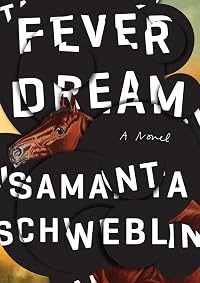
Fever Dream
by Samanta Schweblin
On This Page
Description
"A young woman named Amanda lies dying in a rural hospital clinic. A boy named David sits beside her. She's not his mother. He's not her child. Together, they tell a haunting story of broken souls, toxins, and the power and desperation of family. Fever Dream is a nightmare come to life, a ghost story for the real world, a love story and a cautionary tale. One of the freshest new voices to come out of the Spanish language and translated into English for the first time, Samanta Schweblin show more creates an aura of strange psychological menace and otherworldly reality in this absorbing, unsettling, taut novel"-- show lessTags
Recommendations
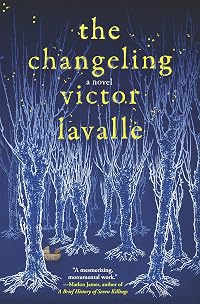
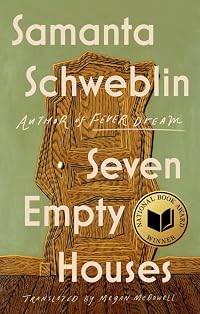

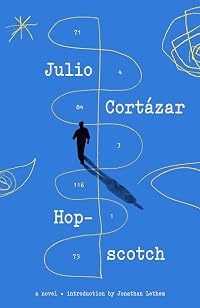
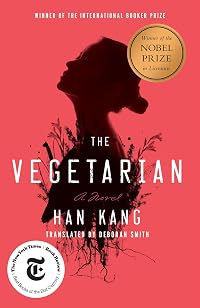
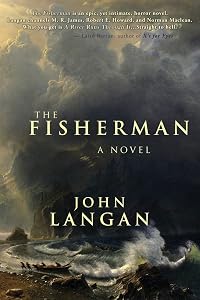
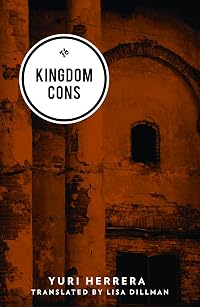
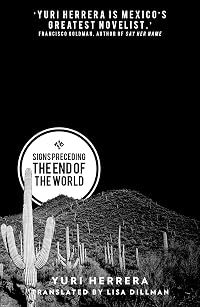


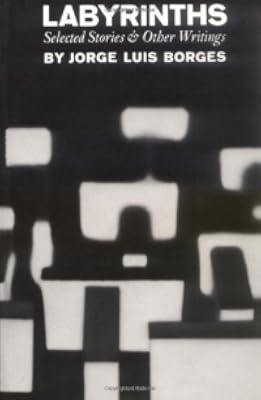
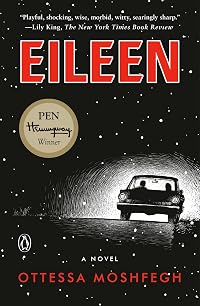
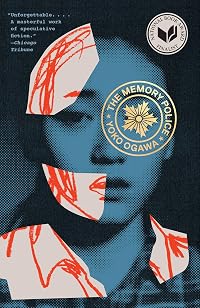
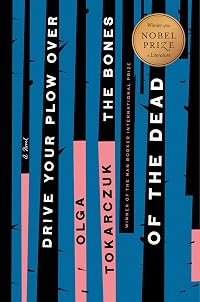
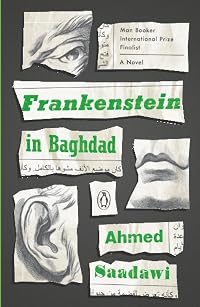
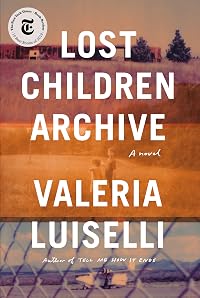
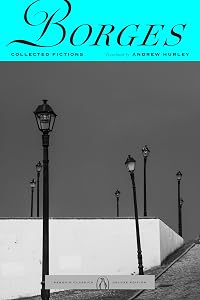
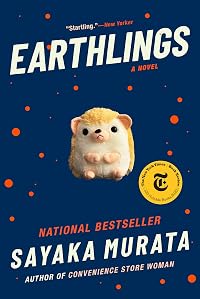
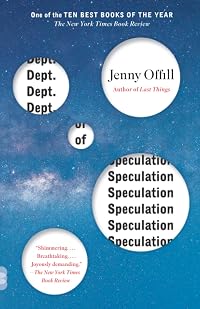
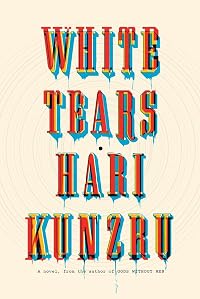

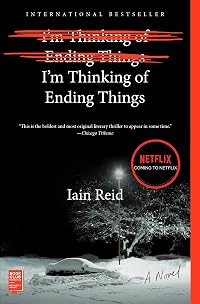
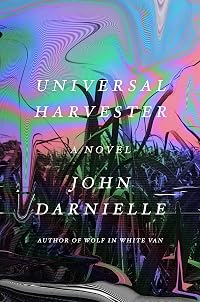
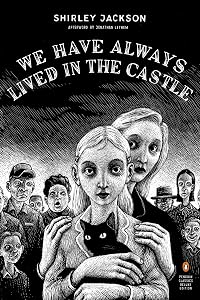
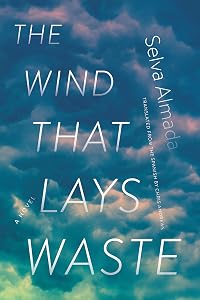
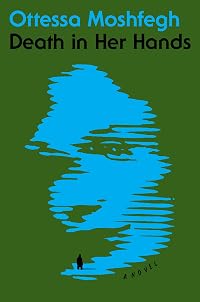

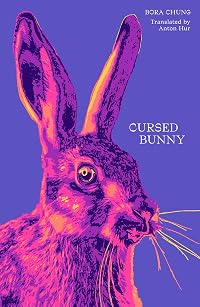
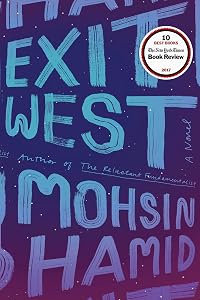
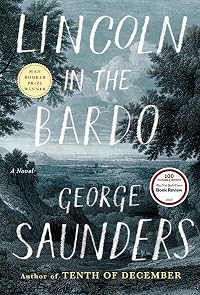

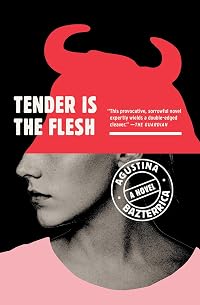
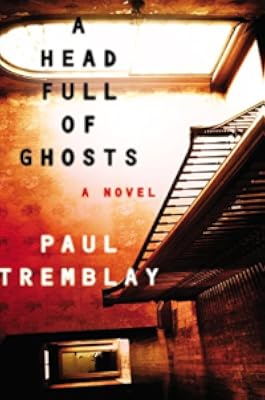
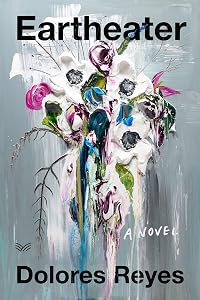
Member Recommendations

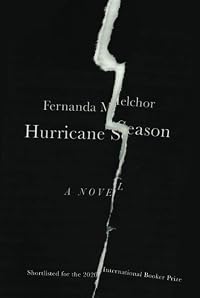
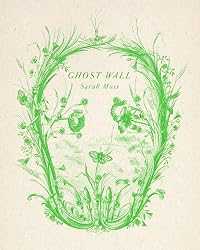
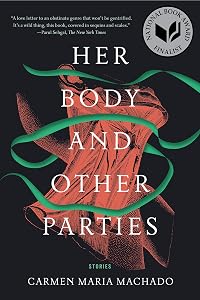
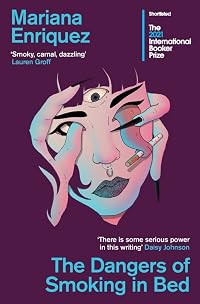
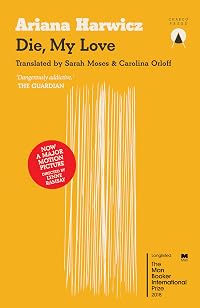
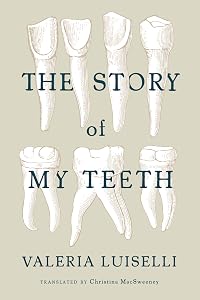
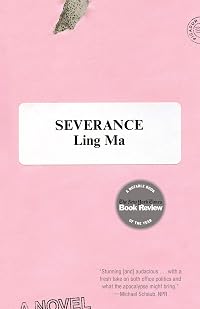
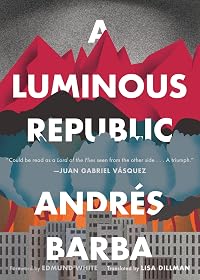
banjo123 Both books made my skin crawl, in a good way. Both deal with environmental issues.
20
Member Reviews
I read this book in Spanish because, well, I'm from Argentina and so is the author of this book. But I decided to write the review in English so it might reach more people, because I've read several reviews saying they didn't understand anything that happens. This is completely understandable. You need to read this book at least twice to fully catch all the hints. Maybe I can shine some light on that. Not that I'm a genius at analyzing literature (although I did analyze this novel for a paper I had to write for college), but being from Argentina does give me some insight into what the underlying subject of this novel is, which many people don't seem to see.
SPOILERS AHEAD.
The story is about a woman, Amanda, and her daughter, Nina, who show more go on vacation to the country to get away from the craziness of the city and experience some peace and quiet. But all that goes to hell when Amanda meets Carla. Carla tells her the story of how her son, David, got sick and hasn't been the same since the town's healer cured him by moving part of his soul to a different body. Since then, Amanda starts getting paranoid and scared for her daughter's safety. She's always calculating the "rescue distance" to always know how long it would take her to reach Nina in the event of danger. This thread that joins mother and daughter gets so twisted that, when there actually is danger, Amanda doesn't notice. That's how she and Nina get poisoned when they sit on some wet grass.
The story is told through the dialogue between David (Carla's son) and Amanda in the emergency room to which Amanda gets sent after she is poisoned. David is pushing Amanda to remember how she got to the emergency room, always telling her they're running out of time because she's dying.
There's palpable tension from beginning to end because, when David rushes Amanda to skip the unimportant details, he is also rushing us, asking us to read faster or else Amanda will die without knowing what happened to her. There is a constant sense of imminent danger.
What a fantastic first line. Honestly, I was gripped instantly. And it sets the tense, dark tone of the novel perfectly. The tension is accomplished by making us feel that we're running out of time and by giving the reader very subtle hints of information. The dark tone is set by the twisted mother-child relationship that both Amanda and Carla have. On one hand, you have Carla, who is terrified of her son after he loses half of his soul and no longer acts like the boy she knows and is creepy as hell, almost like an empty shell. On the other hand, you have Amanda, who is obsessed with her daughter's safety even when there's no sign of danger anywhere. The loving mother-child relationship gets shown in such a dark, twisted way that it's impossible not feel disturbed.
And then you have the fantasy elements. This is what most people don't see: there really aren't any other fantasy elements besides the "soul migration" the healer uses to help cure the poisoning. It seems most people see the dead animals, the poison, and the deformed kids as fantasy or horror elements. From the dark tone of the novel and its confusing way of revealing information, it would be easy to mistake them as such. But the truth is all of that is actually the most realistic elements of the novel. The animals dropping dead for no reason, the grass and the water being poisonous and the kids being deformed are the consecuenses of a herbicide called glyphosate, which is commonly used in our farms in Argentina. It's highly toxic and is known to cause all the things shown in this novel. From the way this novel is written, it's amazing how you can't tell these are real things unless you're aware of the situation in our farms. It is so implicit it actually seems like it's one of the fantasy elements of the novel.
This short novel has a fantastic mix of suspense, horror and fantasy. It is hard to understand on the first read, you need at least two. It's a weird novel, it has weird written all over it, which is what makes it so amazing. It is told in a very non-linear way, so it's very confusing unless you already know what happens. The entire thing is actually one big flashback, with smaller flashbacks in between. It's Amanda in the emergency room telling her story to David, but inside that story there is also the story Carla tells her about David. And at the very end you have a flashforward. David shows Amanda the future after she's died, to show her Nina survived the poisoning thanks to the soul migration. It is also hinted that David was the one who received that piece of Nina's soul, since he sits on the car in the same position Nina did.
Recommended for those who like a challenge and those who can stomach the creepy and the disturbing. show less
SPOILERS AHEAD.
The story is about a woman, Amanda, and her daughter, Nina, who show more go on vacation to the country to get away from the craziness of the city and experience some peace and quiet. But all that goes to hell when Amanda meets Carla. Carla tells her the story of how her son, David, got sick and hasn't been the same since the town's healer cured him by moving part of his soul to a different body. Since then, Amanda starts getting paranoid and scared for her daughter's safety. She's always calculating the "rescue distance" to always know how long it would take her to reach Nina in the event of danger. This thread that joins mother and daughter gets so twisted that, when there actually is danger, Amanda doesn't notice. That's how she and Nina get poisoned when they sit on some wet grass.
The story is told through the dialogue between David (Carla's son) and Amanda in the emergency room to which Amanda gets sent after she is poisoned. David is pushing Amanda to remember how she got to the emergency room, always telling her they're running out of time because she's dying.
There's palpable tension from beginning to end because, when David rushes Amanda to skip the unimportant details, he is also rushing us, asking us to read faster or else Amanda will die without knowing what happened to her. There is a constant sense of imminent danger.
They're like worms.
What a fantastic first line. Honestly, I was gripped instantly. And it sets the tense, dark tone of the novel perfectly. The tension is accomplished by making us feel that we're running out of time and by giving the reader very subtle hints of information. The dark tone is set by the twisted mother-child relationship that both Amanda and Carla have. On one hand, you have Carla, who is terrified of her son after he loses half of his soul and no longer acts like the boy she knows and is creepy as hell, almost like an empty shell. On the other hand, you have Amanda, who is obsessed with her daughter's safety even when there's no sign of danger anywhere. The loving mother-child relationship gets shown in such a dark, twisted way that it's impossible not feel disturbed.
And then you have the fantasy elements. This is what most people don't see: there really aren't any other fantasy elements besides the "soul migration" the healer uses to help cure the poisoning. It seems most people see the dead animals, the poison, and the deformed kids as fantasy or horror elements. From the dark tone of the novel and its confusing way of revealing information, it would be easy to mistake them as such. But the truth is all of that is actually the most realistic elements of the novel. The animals dropping dead for no reason, the grass and the water being poisonous and the kids being deformed are the consecuenses of a herbicide called glyphosate, which is commonly used in our farms in Argentina. It's highly toxic and is known to cause all the things shown in this novel. From the way this novel is written, it's amazing how you can't tell these are real things unless you're aware of the situation in our farms. It is so implicit it actually seems like it's one of the fantasy elements of the novel.
This short novel has a fantastic mix of suspense, horror and fantasy. It is hard to understand on the first read, you need at least two. It's a weird novel, it has weird written all over it, which is what makes it so amazing. It is told in a very non-linear way, so it's very confusing unless you already know what happens. The entire thing is actually one big flashback, with smaller flashbacks in between. It's Amanda in the emergency room telling her story to David, but inside that story there is also the story Carla tells her about David. And at the very end you have a flashforward. David shows Amanda the future after she's died, to show her Nina survived the poisoning thanks to the soul migration. It is also hinted that David was the one who received that piece of Nina's soul, since he sits on the car in the same position Nina did.
Recommended for those who like a challenge and those who can stomach the creepy and the disturbing. show less
"Fresh and startling, this is like nothing you've ever read before."
Bold words indeed. And yet, this might possibly be the quickest I've ever read a novella -- in little more than 90 minutes. I literally could not put it down; the way the story starts off, its breakneck pace, the words, the questions, the curiosity... dang near perfection! Here's page one:
If you're open to the creepy, to the surreal, to the unconventional show more narrative structure, I dare you to pick this up and NOT devour it in one sitting.
The depths of maternal love and the lengths to which she'll go to save her child wrapped up in an ecological horror story set in Argentina. When I say "horror," I mean in the (now seemingly) old-fashioned sense of the word: meticulous storytelling that conjures fear through a blend of reality and fantasy, an almost instant state of anxiety, dread, and suspicion.
4.5 stars
"I always imagine the worst-case scenario. Right now, for instance, I'm calculating how long it would take me to jump out of the car and reach Nina if she suddenly ran and leapt into the pool. I call it the "rescue distance": that's what I've named the variable distance separating me from my daughter, and I spend half the day calculating it, though I always risk more than I should." show less
Bold words indeed. And yet, this might possibly be the quickest I've ever read a novella -- in little more than 90 minutes. I literally could not put it down; the way the story starts off, its breakneck pace, the words, the questions, the curiosity... dang near perfection! Here's page one:
They're like worms.
What kind of worms?
Like worms, all over.
It's the boy who's talking, murmuring into my ear.
I am the one asking questions.
Worms in the body?
Yes, in the body.
Earthworms?
No, another kind of worms.
It's dark and I can't see. The sheets are rough, they bunch up under my body. I can't move, but I'm talking.
If you're open to the creepy, to the surreal, to the unconventional show more narrative structure, I dare you to pick this up and NOT devour it in one sitting.
The depths of maternal love and the lengths to which she'll go to save her child wrapped up in an ecological horror story set in Argentina. When I say "horror," I mean in the (now seemingly) old-fashioned sense of the word: meticulous storytelling that conjures fear through a blend of reality and fantasy, an almost instant state of anxiety, dread, and suspicion.
4.5 stars
"I always imagine the worst-case scenario. Right now, for instance, I'm calculating how long it would take me to jump out of the car and reach Nina if she suddenly ran and leapt into the pool. I call it the "rescue distance": that's what I've named the variable distance separating me from my daughter, and I spend half the day calculating it, though I always risk more than I should." show less
This is a book that should not have worked for me.
It has everything I usually resist:
fragmented structure
surreal logic
conversations that don’t behave like real dialogue
a constant sense that the ground is shifting under your feet
And yet…it absolutely worked.
From the first page, the novel feels like being pulled into someone else’s mind at the exact moment it is failing. The story unfolds as a conversation between Amanda and a boy named David, but it doesn’t read like a conversation. It reads like an interrogation, or maybe a forced reconstruction. He keeps her on track, stripping away anything unnecessary, pushing her toward one thing: understanding what happened.
That structure creates something very specific. This isn’t a show more ghost story, and it isn’t even really a mystery in the traditional sense. It feels more like the final thoughts of a dying woman trying to check every box before she disappears:
Is my child safe?
What caused this?
Where did it begin?
The book never gives you stable footing. There are hints of environmental poisoning, hints of something almost folkloric with the woman in the greenhouse who can “transfer” illness, and hints that none of these explanations are complete. Instead of resolving that tension, the novel lets both exist at once, which makes it deeply unsettling.
What stayed with me most is the idea of control. Amanda believes in something she calls “rescue distance,” a way of measuring how far she is from saving her child if something goes wrong. It’s a comforting framework, but the book quietly dismantles it. You can be vigilant, careful, attentive—and still be too late. Or worse, there may never have been a moment where you could have changed the outcome at all.
There’s also a colder layer underneath that I can’t shake. The children who “survive” may not be the same, but the book never lets us fully see that from their perspective. The loss exists mainly for the adults. From the inside, it may just feel normal. That asymmetry is more disturbing than anything overtly horrific.
I wouldn’t call this a traditionally satisfying read. It’s disorienting, unresolved, and deliberately unstable. But that instability is exactly why it works. It feels less like reading a story and more like being placed inside a system that is breaking down in real time.
Somehow, despite being everything I usually avoid, I loved it. show less
It has everything I usually resist:
fragmented structure
surreal logic
conversations that don’t behave like real dialogue
a constant sense that the ground is shifting under your feet
And yet…it absolutely worked.
From the first page, the novel feels like being pulled into someone else’s mind at the exact moment it is failing. The story unfolds as a conversation between Amanda and a boy named David, but it doesn’t read like a conversation. It reads like an interrogation, or maybe a forced reconstruction. He keeps her on track, stripping away anything unnecessary, pushing her toward one thing: understanding what happened.
That structure creates something very specific. This isn’t a show more ghost story, and it isn’t even really a mystery in the traditional sense. It feels more like the final thoughts of a dying woman trying to check every box before she disappears:
Is my child safe?
What caused this?
Where did it begin?
The book never gives you stable footing. There are hints of environmental poisoning, hints of something almost folkloric with the woman in the greenhouse who can “transfer” illness, and hints that none of these explanations are complete. Instead of resolving that tension, the novel lets both exist at once, which makes it deeply unsettling.
What stayed with me most is the idea of control. Amanda believes in something she calls “rescue distance,” a way of measuring how far she is from saving her child if something goes wrong. It’s a comforting framework, but the book quietly dismantles it. You can be vigilant, careful, attentive—and still be too late. Or worse, there may never have been a moment where you could have changed the outcome at all.
There’s also a colder layer underneath that I can’t shake. The children who “survive” may not be the same, but the book never lets us fully see that from their perspective. The loss exists mainly for the adults. From the inside, it may just feel normal. That asymmetry is more disturbing than anything overtly horrific.
I wouldn’t call this a traditionally satisfying read. It’s disorienting, unresolved, and deliberately unstable. But that instability is exactly why it works. It feels less like reading a story and more like being placed inside a system that is breaking down in real time.
Somehow, despite being everything I usually avoid, I loved it. show less
Strange, disturbing, intense, with a building suspenseful creepiness, this is not so much a horror novel as a warning:
Amanda is lying in an emergency clinic, having a conversation with the boy David, who may or may not be part of her fever dream. David is not her child; Nina is her child, from whom she is acutely aware of “the rescue distance,” which she feels like a rope that goes taut when that distance becomes too great. What’s happened to Nina is one source of Amanda’s, and our, increasing alarm.
David encourages Amanda to remember and relate events leading up to her show more current condition but constantly admonishes her when she lingers over what would seem to be a crucial detail:
There is a point that is very important for Amanda to become aware of, and her time is very limited. And lest you think this is a garden variety ghost story or tale of supernatural horror, it’s not. That it successfully induces an atmosphere of horror is part of its genius. show less
“And while we wait, we have to find the exact moment when the worms come into being.
“Why?
“Because it’s important, it’s very important for us all.”
Amanda is lying in an emergency clinic, having a conversation with the boy David, who may or may not be part of her fever dream. David is not her child; Nina is her child, from whom she is acutely aware of “the rescue distance,” which she feels like a rope that goes taut when that distance becomes too great. What’s happened to Nina is one source of Amanda’s, and our, increasing alarm.
David encourages Amanda to remember and relate events leading up to her show more current condition but constantly admonishes her when she lingers over what would seem to be a crucial detail:
“None of this is important. We’re wasting time.”
There is a point that is very important for Amanda to become aware of, and her time is very limited. And lest you think this is a garden variety ghost story or tale of supernatural horror, it’s not. That it successfully induces an atmosphere of horror is part of its genius. show less
As Disturbing As Ever (even on a 3rd reading)
Review of the Riverhead Books english language paperback edition (2018) of the Spanish language original "Distancia de rescate" (The Rescue Distance) (2014)
I re-read the English translation of Schweblin's breakthrough novel after the background revelations that were provided by the Afterward in the Estonian edition Nähtamatu niit (The Phantom Thread) (2020). My first reading in English was dominated by the fear and horror of the situation as conveyed in Schweblin's slow unveiling of imminent death. The extensive Estonian afterward provides the additional context of the toxic environmental situation in the Pampas of Argentina due to chemical treatments to preserve an unnatural agricultural show more monoculture.
Having that background does make you more aware of every single reference to poisoning or toxicity in the text, but I found I was still completely wrapped up in the simile descriptions of the infections acting like "worms" as they invaded their animal and human victims. Schweblin takes what could have been read as a simple environmental protest into a compelling and disturbing piece of writing. Additional background knowledge doesn't weaken or distract from its impact. show less
Review of the Riverhead Books english language paperback edition (2018) of the Spanish language original "Distancia de rescate" (The Rescue Distance) (2014)
I re-read the English translation of Schweblin's breakthrough novel after the background revelations that were provided by the Afterward in the Estonian edition Nähtamatu niit (The Phantom Thread) (2020). My first reading in English was dominated by the fear and horror of the situation as conveyed in Schweblin's slow unveiling of imminent death. The extensive Estonian afterward provides the additional context of the toxic environmental situation in the Pampas of Argentina due to chemical treatments to preserve an unnatural agricultural show more monoculture.
Having that background does make you more aware of every single reference to poisoning or toxicity in the text, but I found I was still completely wrapped up in the simile descriptions of the infections acting like "worms" as they invaded their animal and human victims. Schweblin takes what could have been read as a simple environmental protest into a compelling and disturbing piece of writing. Additional background knowledge doesn't weaken or distract from its impact. show less
Amanda and her young daughter Nina are spending a summer holiday in a village in the country (the old-fashioned sort of holiday where dad comes out from the city at the weekends). Amanda is a nervous mother, constantly aware of the length of the invisible cord attaching her to her toddler — the "rescue distance" of the Spanish title. And she's all the more frightened when her neighbour, Clara, tells her a strange tale about how a local traditional healer saved the life — but apparently not the soul — of her son David. Despite herself, Amanda has come to believe that there is something very evil, in a horror-film kind of way, going on in the village, involving children with strange deformities, and the unexplained deaths of farm show more animals. As David patiently interviews her in her hospital bed after she falls ill herself, we start to realise that there is a horrifyingly simple, and quite rational explanation for all this. He keeps trying to steer Amanda towards seeing it, but she can't help veering back to the irrational.
Clever, and written in a very original way (and with a lot of characteristically Porteño vocabulary that defeated the dictionary on my Kobo...) — I found myself reading this as more a book about parenthood than about pollution catastrophes. And of course about the struggle between the rational and the irrational in our minds when we come under stress. show less
Clever, and written in a very original way (and with a lot of characteristically Porteño vocabulary that defeated the dictionary on my Kobo...) — I found myself reading this as more a book about parenthood than about pollution catastrophes. And of course about the struggle between the rational and the irrational in our minds when we come under stress. show less
I am going to start this review with a link to the Tournament of Books, which you can find here. I have enjoyed following the TOB, and this year, [Fever Dream] won out over [Lincoln in the Bardo]; [Exit West]; [Sing, Unburied Sing] and other books. The reviewers all found this literary horror story impossible to put down.
[[Meaghan O'Connell]] wrote:
I had no intention to stay up past my bedtime to read an entire book that night, but putting it down was unfathomable. I was gripped, yes, but also sick with dread. I had to keep reading if for no other reason than with the hope that if I reached the end everything would be settled, the suspense would be over, the mystery solved. I was too ill at ease to look away. Getting up to pee in the show more quiet house had me genuinely unnerved, the way you feel after a bad dream. Vigilant. It had me clutching the walls in the hallway as I made my way to the bathroom, and later when I went to check on my sleeping son (I had to!).
And here is [[Shelly Oria]] :
"Well, Fever Dream saw me and went, Ha. “Ha” as in, I so got this. “Ha” as in, This sucker? I’m going to lure her into my cage, make a cute face so she pets me, AND THEN EAT HER ALIVE. You think I’m being dramatic? Read Fever Dream; this book will make you its bitch."
OK, so I had to read it after that build-up, so I got it from the library, but then forgot the above warnings and picked it up at 9 PM on a weeknight. I had to read straight through. Luckily it is only 180 pages.
Originally written in Spanish (translator Megan McDowell), it's a dialogue with woman who lies dying, in a conversation with a young boy, the son of a friend, who might be a ghost. Or maybe not? Creepy, great writing and translating, about parenthood and environmental terror. It's a gut punch.
I am not sure it's actually better than all those other books, but I can't argue with the judgement. I will not be forgetting this book soon. show less
[[Meaghan O'Connell]] wrote:
I had no intention to stay up past my bedtime to read an entire book that night, but putting it down was unfathomable. I was gripped, yes, but also sick with dread. I had to keep reading if for no other reason than with the hope that if I reached the end everything would be settled, the suspense would be over, the mystery solved. I was too ill at ease to look away. Getting up to pee in the show more quiet house had me genuinely unnerved, the way you feel after a bad dream. Vigilant. It had me clutching the walls in the hallway as I made my way to the bathroom, and later when I went to check on my sleeping son (I had to!).
And here is [[Shelly Oria]] :
"Well, Fever Dream saw me and went, Ha. “Ha” as in, I so got this. “Ha” as in, This sucker? I’m going to lure her into my cage, make a cute face so she pets me, AND THEN EAT HER ALIVE. You think I’m being dramatic? Read Fever Dream; this book will make you its bitch."
OK, so I had to read it after that build-up, so I got it from the library, but then forgot the above warnings and picked it up at 9 PM on a weeknight. I had to read straight through. Luckily it is only 180 pages.
Originally written in Spanish (translator Megan McDowell), it's a dialogue with woman who lies dying, in a conversation with a young boy, the son of a friend, who might be a ghost. Or maybe not? Creepy, great writing and translating, about parenthood and environmental terror. It's a gut punch.
I am not sure it's actually better than all those other books, but I can't argue with the judgement. I will not be forgetting this book soon. show less
Members
- Recently Added By
Lists

2018 Tournament of Books
18 works; 12 members

Lithub: The 50 Best Contemporary Novels Under 200 Pages
50 works; 4 members

Female Horror Author
35 works; 2 members

Best Horror Mega-List
342 works; 6 members

Diverse Horror
262 works; 6 members

2018 Hugo Eligible Novels
170 works; 16 members

Kirkus Starred Fiction Reviews of Books Published in 2017
412 works; 7 members

Latin America
45 works; 6 members

Books Read in 2021
5,361 works; 114 members

Reading Glasses Podcast
410 works; 3 members

Books recommended by Calgary Public Library staff
1,588 works; 4 members

contemporary literary fiction list to check out
47 works; 1 member

Reedsydiscovery 100 Best Horror Books of All Time
100 works; 5 members

Rooster Summer Reading Challenge 2017
6 works; 3 members
Author Information

36+ Works 3,833 Members
Some Editions
Awards and Honors
Awards
Distinctions
Notable Lists
Common Knowledge
- Canonical title
- Fever Dream
- Original title
- Distancia de rescate
- Original publication date
- 2017-01-10 (English translation) (English translation); 2014
- People/Characters
- Amanda; David; Nina; Carla; Omar
- Important places
- Argentina
- Epigraph
- For the first time in a long while, he looked down and saw his hands. If you have had this experience, you'll know just what I mean.
—Jesse Ball, The Curfew - Dedication
- For my sister, Pamela
- First words
- They're like worms.
- Last words
- (Click to show. Warning: May contain spoilers.)He doesn't see the important thing: the rope finally slack, like a lit fuse, somewhere; the motionless scourge about to erupt.
- Blurbers
- Ball, Jesse; Keret, Etgar; Vásquez, Juan Gabriel; Phillips, Helen; Zambra, Alejandro
- Original language
- Spanish
- Canonical DDC/MDS
- 863.64
- Canonical LCC
- PQ7798.29.C5388
Classifications
- Genres
- General Fiction, Fiction and Literature, Horror
- DDC/MDS
- 863.64 — Literature & rhetoric Spanish Literature Spanish fiction 20th Century 1945-2000
- LCC
- PQ7798.29 .C5388 — Language and Literature French, Italian, Spanish and Portuguese literatures Spanish literature Provincial, local, colonial, etc. Spanish America
- BISAC
Statistics
- Members
- 1,630
- Popularity
- 13,835
- Reviews
- 94
- Rating
- (3.70)
- Languages
- 13 — Danish, Dutch, English, Estonian, Finnish, French, German, Italian, Russian, Spanish, Swedish, Turkish, Portuguese (Portugal)
- Media
- Paper, Audiobook, Ebook
- ISBNs
- 46
- ASINs
- 9