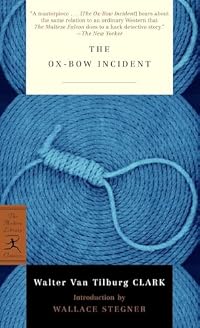
The Ox-Bow Incident
by Walter Van Tilburg Clark
On This Page
Description
Set in 1885, The Ox-Bow Incident is a searing and realistic portrait of frontier life and mob violence in the American West. First published in 1940, it focuses on the lynching of three innocent men and the tragedy that ensues when law and order are abandoned. The result is an emotionally powerful, vivid, and unforgettable re-creation of the Western novel, which Clark transmuted into a universal story about good and evil, individual and community, justice and human nature. As Wallace Stegner show more writes, [Clark's] theme was civilization, and he recorded, indelibly, its first steps in a new country. show lessTags
Recommendations

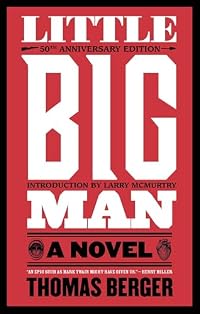

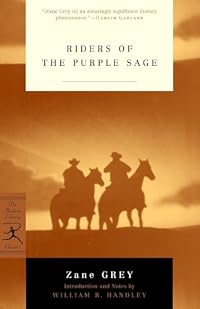
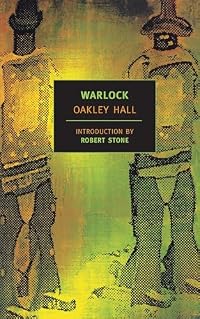
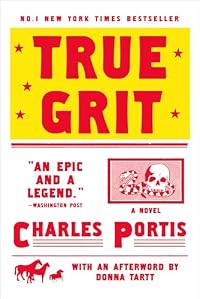


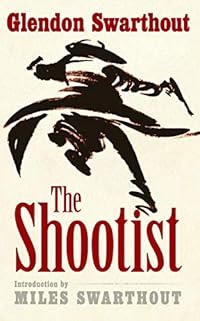
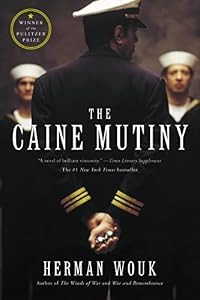

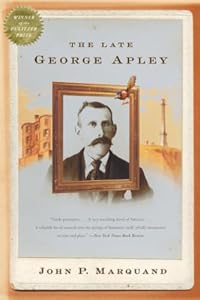
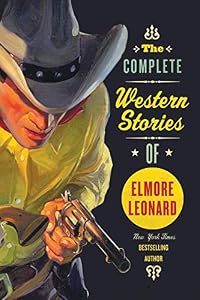
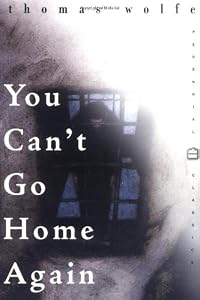
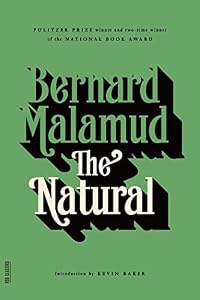



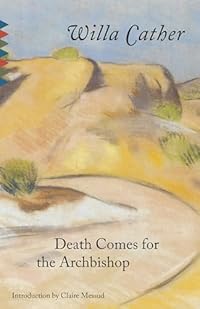
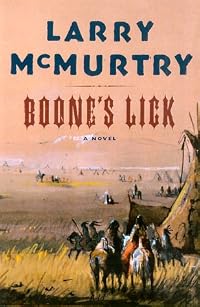

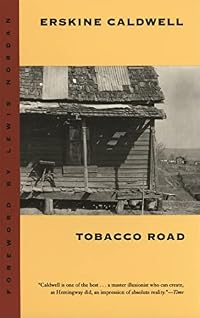
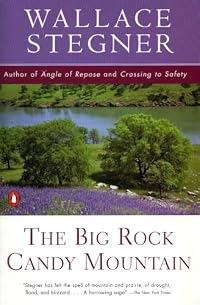

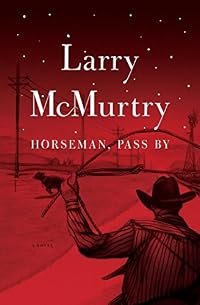
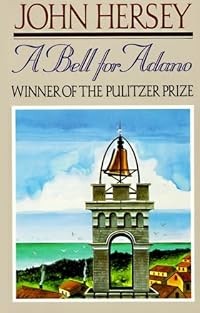
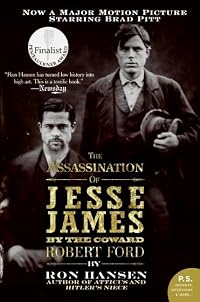

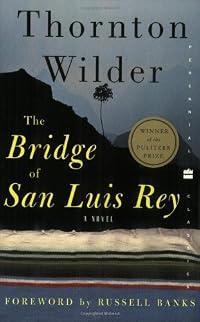

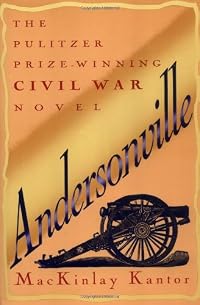
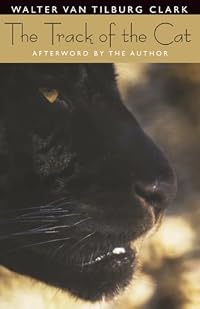

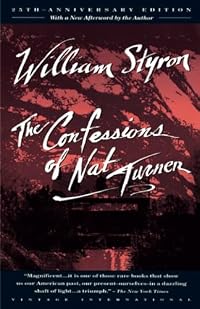
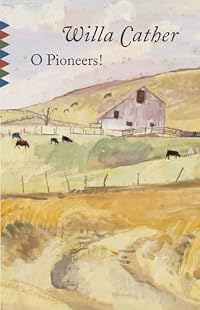
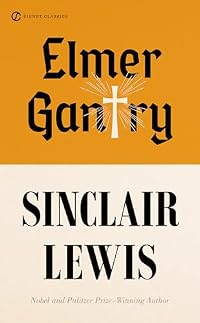
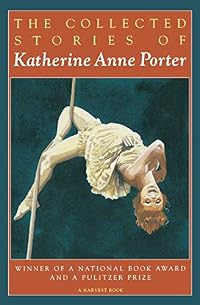
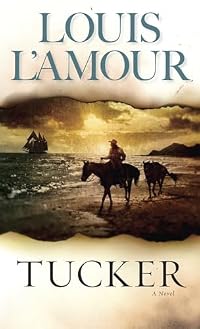
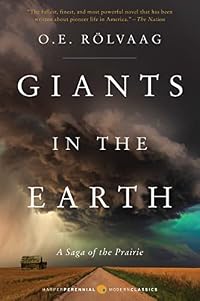
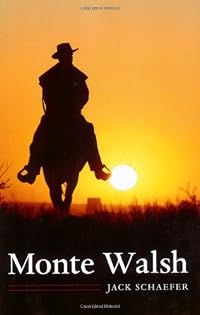


Member Recommendations

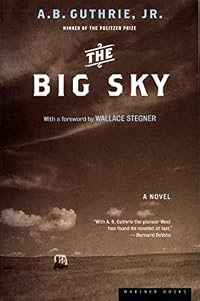
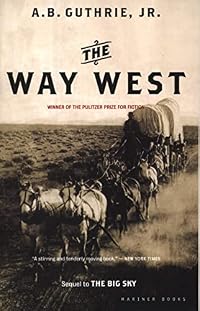
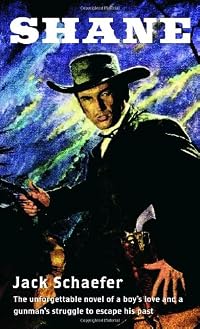
mysterymax This book also explores mob/vigilante thinking and is a classic in its own way.
Member Reviews
Clark's words about his tale --
The book was written in 1937 and '38, when the whole world was getting increasingly worried about Hitler and the Nazis, and emotionally it stemmed from my part of this worrying. A number of the reviewers commented on the parallel when the book came out in 1940, saw it as something approaching an allegory of the unscrupulous and brutal Nazi methods, and as a warning against the dangers of temporizing and of hoping to oppose such a force with reason, argument, and the democratic approach. They did not see, however, or at least I don't remember that any of them mentioned it (and that did scare me), although it was certainly obvious, the whole substance and surface of the story, that it was a kind of American show more Naziism that I was talking about. I had the parallel in mind, all right, but what I was most afraid of was not the German Nazis, or even the Bund, but that ever-present element in any society which can always be led to act the same way, to use authoritarian methods to oppose authoritarian methods.
---
A peeling back of the baseness, absurdity, and horror of mob justice framed in the comforting setting of the Wild West. The slow build with abundant chances for a changed course - even though we can see the inevitable murders ahead. Those who speak against are considered crazy or worse, weak. As if fear wasn't a prerequisite of bravery. While those who are complicit via their conflicted silence are the significant majority, who if forced to act alone or lead would not find the drive or justification. Peer pressure in its ugliest, most terrifying form.
---
Most men are more afraid of being thought cowards than of anything else, and a lot more afraid of being thought physical cowards than moral ones. There are a lot of loud arguments to cover moral cowardice, but even an animal will know if you're scared. [...] he was going to find that it was the small but present "we," not the big, misty "we," that shaped men's deeds, no matter what shaped their explanations. show less
The book was written in 1937 and '38, when the whole world was getting increasingly worried about Hitler and the Nazis, and emotionally it stemmed from my part of this worrying. A number of the reviewers commented on the parallel when the book came out in 1940, saw it as something approaching an allegory of the unscrupulous and brutal Nazi methods, and as a warning against the dangers of temporizing and of hoping to oppose such a force with reason, argument, and the democratic approach. They did not see, however, or at least I don't remember that any of them mentioned it (and that did scare me), although it was certainly obvious, the whole substance and surface of the story, that it was a kind of American show more Naziism that I was talking about. I had the parallel in mind, all right, but what I was most afraid of was not the German Nazis, or even the Bund, but that ever-present element in any society which can always be led to act the same way, to use authoritarian methods to oppose authoritarian methods.
---
A peeling back of the baseness, absurdity, and horror of mob justice framed in the comforting setting of the Wild West. The slow build with abundant chances for a changed course - even though we can see the inevitable murders ahead. Those who speak against are considered crazy or worse, weak. As if fear wasn't a prerequisite of bravery. While those who are complicit via their conflicted silence are the significant majority, who if forced to act alone or lead would not find the drive or justification. Peer pressure in its ugliest, most terrifying form.
---
Most men are more afraid of being thought cowards than of anything else, and a lot more afraid of being thought physical cowards than moral ones. There are a lot of loud arguments to cover moral cowardice, but even an animal will know if you're scared. [...] he was going to find that it was the small but present "we," not the big, misty "we," that shaped men's deeds, no matter what shaped their explanations. show less
An absolutely devastating story. Clark vividly and convincingly captures the laconic, muscular masculinity of the raw American west while deftly layering it with philosophical meditations and prose that is sometimes surprisingly dazzling. It's the best of all worlds. I knew it was good when I had to set it aside for five minutes so I could rail against the characters.
Often mistaken as 'a western', Clark's 1940 masterpiece is far from it. Although loosely disguised as a a western, it is really an in-depth study of the dichotomy between justice and vengeance. It also takes a hard look at mob rule and why people are so reluctant to behave as individuals at a time where much of the world was in the thrall of charismatic tyrants.
Now that I've thoroughly bored you with my literary critique of this excellent book, forget everything I said and just read it. You will be entertained and will come away from it a better person. Sorry, no gunfighters, though.
My thanks to the folks at the Catching up on Classics group for giving me the opportunity to read and discuss this and many other fine books.
Now that I've thoroughly bored you with my literary critique of this excellent book, forget everything I said and just read it. You will be entertained and will come away from it a better person. Sorry, no gunfighters, though.
My thanks to the folks at the Catching up on Classics group for giving me the opportunity to read and discuss this and many other fine books.
The Ox-bow Incident by Walter Van Tilburg Clark is a classic story that happens to be set in the American West. This is no “Cowboy” story with the good hero winning over the evil villain. This is much more of a study of mob mentality, the loss of individuality, and how a love of violence can overcome one’s sense of judgement and morality.
The story is simple and direct, two cowpokes come riding into town after a winter on the range. They are simply looking for a good time and a way to unwind after the long winter with just each other for company. Unfortunately the town of Bridger Wells, Nevada doesn’t have a lot to offer. Drinking, card playing and sleeping seem to be the main events. Even the companionship of a woman is denied show more as the last single woman was recently encouraged to leave by the good wives of the community. Local talk is of a rash of cattle rustling that has been going on over the winter months. Suddenly a rider comes galloping into town with the news that a local cowboy has been shot and killed.
As people gather, the mood changes to one of anger and bewilderment, and, eager for revenge they are easily whipped into a frenzy. The decision is made to strike out and deliver their version of justice to the killers. Our two cowboys, being new to the town felt they were getting more than their share of sideways glances when talk of cattle rustling came up so they decided it was in their best interest to join in with the mob.
Written in a tight, taunt fashion, the author delivers his story in a simple direct, somewhat allegorical manner. Each character represents a separate view of moral justice and how far they are willing to go, from sadistic eagerness to extreme reluctance. A simple story, but one that touches on many importance subjects including injustice and racism. The Ox-Bow Incident is a book will stay with me and certainly deserves it’s Classic label. Highly recommended. show less
The story is simple and direct, two cowpokes come riding into town after a winter on the range. They are simply looking for a good time and a way to unwind after the long winter with just each other for company. Unfortunately the town of Bridger Wells, Nevada doesn’t have a lot to offer. Drinking, card playing and sleeping seem to be the main events. Even the companionship of a woman is denied show more as the last single woman was recently encouraged to leave by the good wives of the community. Local talk is of a rash of cattle rustling that has been going on over the winter months. Suddenly a rider comes galloping into town with the news that a local cowboy has been shot and killed.
As people gather, the mood changes to one of anger and bewilderment, and, eager for revenge they are easily whipped into a frenzy. The decision is made to strike out and deliver their version of justice to the killers. Our two cowboys, being new to the town felt they were getting more than their share of sideways glances when talk of cattle rustling came up so they decided it was in their best interest to join in with the mob.
Written in a tight, taunt fashion, the author delivers his story in a simple direct, somewhat allegorical manner. Each character represents a separate view of moral justice and how far they are willing to go, from sadistic eagerness to extreme reluctance. A simple story, but one that touches on many importance subjects including injustice and racism. The Ox-Bow Incident is a book will stay with me and certainly deserves it’s Classic label. Highly recommended. show less
The Ox-Bow Incident was first published in 1940 but its premise could have been about modern mob mentality. It is the story of a rumor and what happens when a community is whipped into a frenzied need for self-righteous justice. In Nevada someone has been rustling cattle. When two men are pinned for the crime the mob cries for retaliation. Then they find out one of their own has been murdered. Now, they want the men lynched. While this is a western it could take place anywhere a collective group of angry people let their emotions get the better of them. It's the story of what happens when this group takes the law into their own hands. Clark's character development is brilliant. Each man in the story is a study in emotion. The tension show more that builds due to violence and bred by hate and suspicion rings true. show less
I found this book excruciatingly boring while I was reading it, but I have thought about it a lot in the last few months. I think that’s the mark of a work of some importance, though I still didn’t enjoy it much. It is not really a western even though it’s about a posse committing an extralegal killing. It is more of a philosophical novel about groupthink and ethics.
This is not the typical genre western full of myth and fantasy. There are no gunfights, no good guys, no roundups, no whore with a heart of gold. This is a tragedy without a hero moving slowly and inevitably toward its climax and never quite reaching a resolution. It moves like a Shakespearean play through its five acts and like Shakespeare spends more time on character than on plot and action. Along the way, it asks about justice, civilization, and violence; about why people act the way they do in groups; about who feels guilt and who feels failure; about how easily some grant themselves forgiveness. And while some tragedies move from climax to catharsis, this one just moves on.
Members
- Recently Added By
Published Reviews
Since it first appeared in 1940, Clark’s psychological western has steadily gained admirers, both in its original form, and as a popular film. This new edition adds much supplementary material in its effort to confirm the novel’s status as a modern masterpiece.
added by Richardrobert
Lists

Best Historical Fiction
620 works; 257 members

Recommend the 20 best books you've read in the last five years
2,167 works; 601 members

Read the book and saw the movie
1,170 works; 195 members

The American West
18 works; 2 members

Read These Too
458 works; 9 members

Books available on Open Library
171 works; 4 members

25 Best Western Novels (Western Writers of America)
25 works; 1 member
School Made Us Read It
380 works; 196 members
Author Information

14+ Works 2,166 Members
Some Editions
Awards and Honors
Work Relationships
Is contained in
Has the adaptation
Is abridged in
Has as a student's study guide
Common Knowledge
- Canonical title
- The Ox-Bow Incident
- Original publication date
- 1940
- Important places
- Nevada, USA
- Important events
- Johnson County War (referenced)
- Related movies
- The Ox-Bow Incident (1943 | IMDb)
- First words
- Gil and I crossed the eastern divide about two by the sun.
- Last words
- (Click to show. Warning: May contain spoilers.)"Yeh," I said.
Classifications
- Genres
- Fiction and Literature, General Fiction, Historical Fiction
- DDC/MDS
- 813.52 — Literature & rhetoric American literature in English American fiction in English 1900-1999 1900-1945
- LCC
- PS3505 .L376 .O9 — Language and Literature American literature American literature Individual authors 1900-1960
- BISAC
Statistics
- Members
- 1,811
- Popularity
- 11,952
- Reviews
- 44
- Rating
- (3.87)
- Languages
- 7 — Dutch, English, French, German, Italian, Portuguese, Swedish
- Media
- Paper, Ebook
- ISBNs
- 41
- UPCs
- 1
- ASINs
- 55