
The Virginian: A Horseman of the Plains
by Owen Wister
On This Page
Description
This groundbreaking novel is considered by many to be one of the most important early entries in the western genre. Recounting in rich detail the daily life of a foreman on a vast ranch in Wyoming, this gripping tale has sparked imaginations for more than a century, inspiring at least six film and television versions..
Tags
Recommendations




















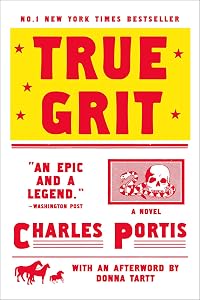

Member Recommendations
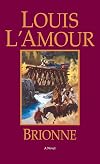
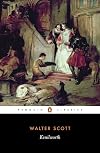
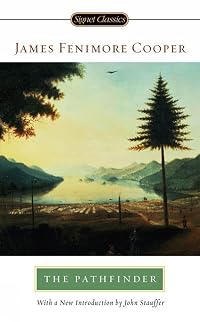
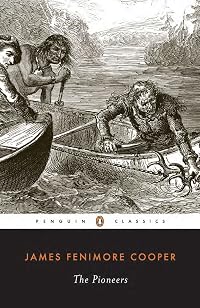
Morryman84 This is the Sir Walter Scott novel the Virginia was reding throughout The Virginian, and I always like to recommend Scott's novels
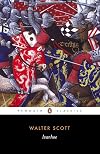
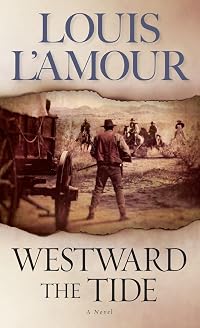
Morryman84 Another Hero who went out of his way to save the Damsel
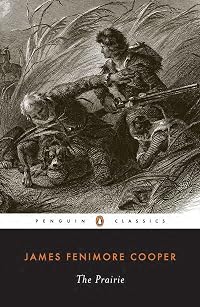
Morryman84 Both main characters seek to save the damsel in distress, and it is a Walter Scott Novel

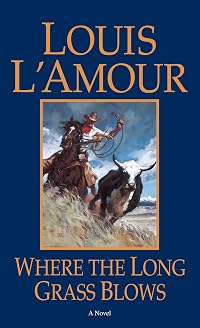
Morryman84 Both came from the East and found themselves on the
West
Member Reviews
Published in 1902 and widely regarded as the book that set the conventions of the western genre. It is well-written, in that unhurried way familiar to lovers of good Victorian literature. It is basically a romance, telling the story of the long courtship of a young, highly-educated schoolmistress just arrived from the east, by the titular character, the Virginian, a cowboy whose name we never find out.
So it's undoubtedly a romance, but it's much more than that. It's a character study of the character of the Virginian, and a love letter to the frontier, to the untamed and beautiful wilderness and the character of its people. The descriptions have the authority of an author that actually was there and saw the old west with his own eyes. show more There are lynchings and gunfights, but the are not really the point of the story.
Although the writing is good, it may seem strange that the narrative point of view changes. We start with third-person subjective, from the point of view of an eastern visitor that becomes a friend of the Virginian, and we discover that character and the western setting through his eyes. Later, the point of view becomes third person omniscient. Probably the reason for that is that the novel grew from several short stories that the author had written previously.
I found it quite enjoyable, and very readable more than a century after being written. show less
So it's undoubtedly a romance, but it's much more than that. It's a character study of the character of the Virginian, and a love letter to the frontier, to the untamed and beautiful wilderness and the character of its people. The descriptions have the authority of an author that actually was there and saw the old west with his own eyes. show more There are lynchings and gunfights, but the are not really the point of the story.
Although the writing is good, it may seem strange that the narrative point of view changes. We start with third-person subjective, from the point of view of an eastern visitor that becomes a friend of the Virginian, and we discover that character and the western setting through his eyes. Later, the point of view becomes third person omniscient. Probably the reason for that is that the novel grew from several short stories that the author had written previously.
I found it quite enjoyable, and very readable more than a century after being written. show less
Great. It’s a western, before western was a genre. It has a “confirmed bachelor” narrator that meanders from first person to omniscient, and it reads a bit like Mark Twain and a bit like Jane Austen. The author touches on a lot of things, and includes enough coded hints about queerness to help a lonely reader feel seen, and I appreciate that effort. This is best book I’ve read in a bit, and the only recent read that I look forward to reading again some day. All the western genre cliches are here but it feels like maybe this was written before those cliches were deeply established. Old book, so there are gender and race issues—I think the author is self-aware about the world he describes and aims to achieve a hairline fracture show more in the roles and stereotypes of the era. Very quotable and philosophic. Genuine threats. Humanized villains. Wholesome, but not treacle…except the last chapter, which a modern author would have omitted entirely. Recommended for anyone who likes old books. show less
"… the romance of American adventure had drawn them all alike to this great playground of young men…" (pg. 51)
Heralded as one of the originators and codifiers of what we now call the 'Western', despite being a huge fan of the genre I did not expect to be moved greatly by Owen Wister's 1902 novel The Virginian. And in its first act, it is a trial; wordy and indulgent and somewhat boorish, in the way that only turn-of-the-century writing can be. I found my eyes glazing over whole passages, many written in dialect. It is sentimental and the characters do not land easily. In the early stages it is hard to gauge what the book will be about.
But the impact of this novel on the popular image of the West is all but unparalleled, even if its show more title and author are not well known today, and if you are a fan of Westerns you read The Virginian and feel very much at home. (Those who are currently playing the Red Dead Redemption 2 video game might note the name of one of Wister's minor characters, a Mr. Le Moyne.) All the tropes which are now old-hat – the trail dust, the code of honour, the gunfight as resolution – came from books like Wister's, and when you read the Western's Genesis they become fresh again.
But The Virginian is not solely a museum piece; after a rocky start it becomes a fiercely engaging read in its own right. There are some great scenes and set-pieces (the resolving gun duel, for example, or the heartbreaking 'Balaam and Pedro' interlude), some spicy exchanges of dialogue, and some beautiful descriptive passages and turns-of-phrase. The book's sentimentality becomes more rugged (of the frankly-my-dear-I-don't-give-a-damn variety), in no small part because its dorky narrator takes a back seat, and the romanticism is, at times, irresistible.
When the book is assessed it often gets a kicking, not only because Westerns in general get a kicking nowadays, but because of a perceived racial and classist element. But I felt my Oxford World's Classics edition overegged this point; it is unreasonable to expect an enlightened 21st-century attitude from the book, and being conditioned by Robert Shulman's Introduction to expect some reactionary screed, I was surprised how tame The Virginian was on this front. It has its opinions, to be sure, but the editor of this contemporary volume is partisan; he does not let Wister breathe and, in his introduction and endnotes, tries to prejudice the reader against him. Whilst the Oxford edition succeeds in some respects, in its determination to direct the reader towards a specific appraisal it might be the worst curatorship of a classic I have yet read.
For Wister's The Virginian was not merely the first past the post for the Western saga. Its author was not really the creator of the Western tropes, but the observer and then articulator of what the West meant as an ideal. Wister did what any writer should do: he looked at what there was, found what was lying unspoken behind it and then brought that knowledge back, whilst entertaining his audience at the same time. He put his own biases into it – and sometimes clumsily – but considering what he achieves as artwork and frame he should be forgiven that. show less
Heralded as one of the originators and codifiers of what we now call the 'Western', despite being a huge fan of the genre I did not expect to be moved greatly by Owen Wister's 1902 novel The Virginian. And in its first act, it is a trial; wordy and indulgent and somewhat boorish, in the way that only turn-of-the-century writing can be. I found my eyes glazing over whole passages, many written in dialect. It is sentimental and the characters do not land easily. In the early stages it is hard to gauge what the book will be about.
But the impact of this novel on the popular image of the West is all but unparalleled, even if its show more title and author are not well known today, and if you are a fan of Westerns you read The Virginian and feel very much at home. (Those who are currently playing the Red Dead Redemption 2 video game might note the name of one of Wister's minor characters, a Mr. Le Moyne.) All the tropes which are now old-hat – the trail dust, the code of honour, the gunfight as resolution – came from books like Wister's, and when you read the Western's Genesis they become fresh again.
But The Virginian is not solely a museum piece; after a rocky start it becomes a fiercely engaging read in its own right. There are some great scenes and set-pieces (the resolving gun duel, for example, or the heartbreaking 'Balaam and Pedro' interlude), some spicy exchanges of dialogue, and some beautiful descriptive passages and turns-of-phrase. The book's sentimentality becomes more rugged (of the frankly-my-dear-I-don't-give-a-damn variety), in no small part because its dorky narrator takes a back seat, and the romanticism is, at times, irresistible.
When the book is assessed it often gets a kicking, not only because Westerns in general get a kicking nowadays, but because of a perceived racial and classist element. But I felt my Oxford World's Classics edition overegged this point; it is unreasonable to expect an enlightened 21st-century attitude from the book, and being conditioned by Robert Shulman's Introduction to expect some reactionary screed, I was surprised how tame The Virginian was on this front. It has its opinions, to be sure, but the editor of this contemporary volume is partisan; he does not let Wister breathe and, in his introduction and endnotes, tries to prejudice the reader against him. Whilst the Oxford edition succeeds in some respects, in its determination to direct the reader towards a specific appraisal it might be the worst curatorship of a classic I have yet read.
For Wister's The Virginian was not merely the first past the post for the Western saga. Its author was not really the creator of the Western tropes, but the observer and then articulator of what the West meant as an ideal. Wister did what any writer should do: he looked at what there was, found what was lying unspoken behind it and then brought that knowledge back, whilst entertaining his audience at the same time. He put his own biases into it – and sometimes clumsily – but considering what he achieves as artwork and frame he should be forgiven that. show less
We never know the Virginian's name and maybe this was the way 'The Man with No Name' western got started. In any case, the Virginian was the first true cowboy in literature. With his story, Wister spawned a whole genre of literature and, in turn, movies. The story follows the Tenderfoot's introduction to both the Frontier West and the Virginian and tracks the growth of their friendship, their travels, and the events of their lives. The Virginian goes from a practical joking youngster to a ranch foreman while the Tenderfoot gains respect as a frontiersman. The Virginian is faced with horse thieves and mean spirited ranchers who abuse their animals. He saves and falls in love with the new school teacher, fresh from the East, and must work show more for three years to win her love and respect. He must hang his once best friend who has turned to horse thievery. And, he is forced into a gun battle on the eve of his nuptials.
While much of this sounds cliche, the reader must remember that this book establised all that would become cliche in the genre of cowboy and western literature. What's not cliche is Wister's well-rounded, complete, and deeply emotional hero, the Virginian. While this character inspired much of the strong, silent cowboys in westerns, he is not that kind of a character. Though not effusive, he is plain about his love and intentions for Miss Molly Ward. Though not weak, he is talkative and clear about how hanging his once best friend haunts his dreams and his waking thoughts. Though not afraid, he does not quickly and unthinkingly decide to meet the evil Trampas in gun battle, fearing the loss of his love's understanding and respect. The depth of the Virginian's character is unsurpassed and it only makes you want to know more about him.
Much of the novel is inspired by Wister's own travels in the Frontier West. Wister is clearly the mold for the Tenderfoot, as the compilation of his journals and letters makes clear. And, the Virginian was inspired by a couple of individuals Wister met and befriended on these journey's. The writing is filled with wonderful depictions of the rough country and the rough men and women who populated it. Wister makes clear that there was a distinct difference in language, culture, and perspective between the East and West at the time. But he also makes clear that, whatever differences might exist, the West and its inhabitants were not the savage, uncooth, and unprincipaled heathens there were thought by those in the East. Instead, he viewed and described them in the novel and his other writings as highly principaled and honorable people, depending on such principals and honor to survive the West and create a new civilized piece of the world.
Obviously, I loved this book. And, as stated before, I also loved Out West, His Journals and Letters a great deal. I would suggest to anyone who reads and enjoys The Virginian to seek out this compliation of his journals and letters as it details the seminal thoughts in his writing career and the real life events and people who inspired the later novel.
5 bones!!!!! show less
While much of this sounds cliche, the reader must remember that this book establised all that would become cliche in the genre of cowboy and western literature. What's not cliche is Wister's well-rounded, complete, and deeply emotional hero, the Virginian. While this character inspired much of the strong, silent cowboys in westerns, he is not that kind of a character. Though not effusive, he is plain about his love and intentions for Miss Molly Ward. Though not weak, he is talkative and clear about how hanging his once best friend haunts his dreams and his waking thoughts. Though not afraid, he does not quickly and unthinkingly decide to meet the evil Trampas in gun battle, fearing the loss of his love's understanding and respect. The depth of the Virginian's character is unsurpassed and it only makes you want to know more about him.
Much of the novel is inspired by Wister's own travels in the Frontier West. Wister is clearly the mold for the Tenderfoot, as the compilation of his journals and letters makes clear. And, the Virginian was inspired by a couple of individuals Wister met and befriended on these journey's. The writing is filled with wonderful depictions of the rough country and the rough men and women who populated it. Wister makes clear that there was a distinct difference in language, culture, and perspective between the East and West at the time. But he also makes clear that, whatever differences might exist, the West and its inhabitants were not the savage, uncooth, and unprincipaled heathens there were thought by those in the East. Instead, he viewed and described them in the novel and his other writings as highly principaled and honorable people, depending on such principals and honor to survive the West and create a new civilized piece of the world.
Obviously, I loved this book. And, as stated before, I also loved Out West, His Journals and Letters a great deal. I would suggest to anyone who reads and enjoys The Virginian to seek out this compliation of his journals and letters as it details the seminal thoughts in his writing career and the real life events and people who inspired the later novel.
5 bones!!!!! show less
Published in 1902, this book is considered a seminal novel of the American west. Set in Wyoming Territory in the 1870’s and 1880’s, the book’s narrator is met at the railroad station by the Virginian, and they gradually become friends. The Virginian works as a cowboy on a cattle ranch. He develops a romantic interest in the new schoolteacher, recently arrived from Vermont. He faces a gradually increasing animosity from a dishonest and jealous opponent. He experiences mental anguish over his role in frontier justice.
At the time it was written, this historical period was not that long in the past. Dramatic tension is established through the underlying conflict between Eastern and Western views of what should constitute show more “civilization” with the East represented by the schoolteacher and the West by the Virginian and his employer. Action oriented scenes are fewer than expected. Much of the narrative is spent in describing the landscape, riding horses, and engaging in dialogue. The Virginian’s friend, serving as narrator, becomes omniscient in places where he could not have been privy to events and conversations.
This novel is remarkably clear of Hollywood tropes. For example, it contains minimal gunfighting and Indians play only a background role. The story itself is entertaining and more complex than I had expected. show less
At the time it was written, this historical period was not that long in the past. Dramatic tension is established through the underlying conflict between Eastern and Western views of what should constitute show more “civilization” with the East represented by the schoolteacher and the West by the Virginian and his employer. Action oriented scenes are fewer than expected. Much of the narrative is spent in describing the landscape, riding horses, and engaging in dialogue. The Virginian’s friend, serving as narrator, becomes omniscient in places where he could not have been privy to events and conversations.
This novel is remarkably clear of Hollywood tropes. For example, it contains minimal gunfighting and Indians play only a background role. The story itself is entertaining and more complex than I had expected. show less
A great western, and furthermore considered by many to be THE First Western. However even, if it came out today after hundreds of westerns have been written, it’d still be a great work.
Ostensibly the tale of “The Virginian”, an unnamed noble cowboy who falls in love with the local schoolmarm and has to confront criminal elements in the cattle community. This book was written in 1902 and definitely has the slow pace of late 1800s, early twentieth century literature. However, it’s easy to become engrossed in the world and forget the slow pace as you live in this bygone era. The joy of the book is not in the progression of the plot but in the establishment of the setting and development of the characters. Closing this novel, it’s show more hard to leave the world of Sunk Creek Ranch.
It’s certainly romanticized but it’s hard not to fall in love with this version of America. Particularly the land itself. Wister has an incredible talent for description and the landscape becomes almost a character. After finishing, it’s hard not to long for the days of exploring the lonely vastness of the country.
The title character is well explored and Wister clearly establishes the western hero. Like a chivalric knight The Virginian is a man with a strong code and a specific outlook. Even though so many characters have tried to emulate him, The Virginian still remains an intriguing enigmatic mix of gentleman and barbarian. Additionally, the supporting cast all add something interesting and have clearly been the inspiration for many characters.
Despite it establishing so many Western staples, I believe even those who don’t typically enjoy westerns will relish the story, characters, and rich scenery. This novel has inspired countless imitations but very few that match its quality. show less
Ostensibly the tale of “The Virginian”, an unnamed noble cowboy who falls in love with the local schoolmarm and has to confront criminal elements in the cattle community. This book was written in 1902 and definitely has the slow pace of late 1800s, early twentieth century literature. However, it’s easy to become engrossed in the world and forget the slow pace as you live in this bygone era. The joy of the book is not in the progression of the plot but in the establishment of the setting and development of the characters. Closing this novel, it’s show more hard to leave the world of Sunk Creek Ranch.
It’s certainly romanticized but it’s hard not to fall in love with this version of America. Particularly the land itself. Wister has an incredible talent for description and the landscape becomes almost a character. After finishing, it’s hard not to long for the days of exploring the lonely vastness of the country.
The title character is well explored and Wister clearly establishes the western hero. Like a chivalric knight The Virginian is a man with a strong code and a specific outlook. Even though so many characters have tried to emulate him, The Virginian still remains an intriguing enigmatic mix of gentleman and barbarian. Additionally, the supporting cast all add something interesting and have clearly been the inspiration for many characters.
Despite it establishing so many Western staples, I believe even those who don’t typically enjoy westerns will relish the story, characters, and rich scenery. This novel has inspired countless imitations but very few that match its quality. show less
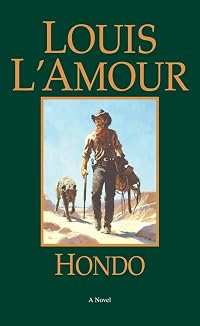
This book, published in 1902, has been hailed as the first Western. The Virginian of the novel is the forefather of Hondo and Shane and every other strong but silent cowboy found in films. Here's a snippet:
The Virginian's pistol came out, and his hand lay on the table, holding it unaimed. And with a voice as gentle as ever, the voice that sounded almost like a caress, but drawling a very little more than usual, so that there was almost a space between each word, he issued his orders to the man Trampas: "When you call me that, SMILE." And he looked at Trampas across the table.
There is some amusement in finding out where all those elements of the Western came from--the poker game that leads to a quick draw, the beautiful school marm and show more more. However, despite its venerable age, I can't call this a classic. True classics live because they have rounded characters who feel real, male and female both, instead of being filled with stereotypes. And they endure because of strong prose styles. This novel can boast neither.
This is the kind of book that indicates obscenities with blanks but allows racial epithets to be casually flung about. It's told by an unnamed first person narrator about the unnamed title protagonist, at times drifting into a kind of third person as events are narrated the point of view character never witnessed. Mark Twain this ain't.
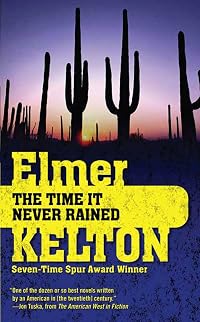
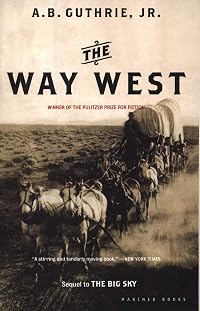
There is some some smile-worthy humor and a fine turn of phrase here and there, but overall this reads like a rather creaky, if bloated, dime store novel. Comparing this to the other books on the Western recommendation list I was working through, I found this a more entertaining read than Zane Grey's Riders of the Purple Sage or Louis L'Amour's Hondo, but not as well-written as Elmer Kelton's Many a River or Jack Schaefer's Shane. And the book certainly isn't up to the gold standard of novels like The Big Sky, Little Big Man, True Grit, Lonesome Dove or The Ox-Bow Incident. show less
The Virginian's pistol came out, and his hand lay on the table, holding it unaimed. And with a voice as gentle as ever, the voice that sounded almost like a caress, but drawling a very little more than usual, so that there was almost a space between each word, he issued his orders to the man Trampas: "When you call me that, SMILE." And he looked at Trampas across the table.
There is some amusement in finding out where all those elements of the Western came from--the poker game that leads to a quick draw, the beautiful school marm and show more more. However, despite its venerable age, I can't call this a classic. True classics live because they have rounded characters who feel real, male and female both, instead of being filled with stereotypes. And they endure because of strong prose styles. This novel can boast neither.
This is the kind of book that indicates obscenities with blanks but allows racial epithets to be casually flung about. It's told by an unnamed first person narrator about the unnamed title protagonist, at times drifting into a kind of third person as events are narrated the point of view character never witnessed. Mark Twain this ain't.
There is some some smile-worthy humor and a fine turn of phrase here and there, but overall this reads like a rather creaky, if bloated, dime store novel. Comparing this to the other books on the Western recommendation list I was working through, I found this a more entertaining read than Zane Grey's Riders of the Purple Sage or Louis L'Amour's Hondo, but not as well-written as Elmer Kelton's Many a River or Jack Schaefer's Shane. And the book certainly isn't up to the gold standard of novels like The Big Sky, Little Big Man, True Grit, Lonesome Dove or The Ox-Bow Incident. show less
Members
- Recently Added By
Lists

The Guardian's 1000 Novels Everyone Must Read
1,005 works; 547 members

Best Westerns
20 works; 6 members

Best 20th Century Books as of 1924
100 works; 6 members

Newark Public Library's 1904 List of a Thousand of the Best Novels
95 works; 5 members

CCE 1000 Good Books List
1,033 works; 12 members

Books about Frontier Life and Pioneers
55 works; 7 members

Publisher's Weekly Bestsellers Part I - 1895-1939
399 works; 8 members

Books With the Most Memorable Titles
478 works; 158 members

25 Best Western Novels (Western Writers of America)
25 works; 1 member
Talk Discussions
Past Discussions
The Virginian in Westerns (April 2012)
Author Information

61+ Works 3,237 Members
Owen Wister was born Philadelphia, Pennsylvania on July 14, 1860. He graduated from Harvard University in 1882 and studied musical composition in Paris for two years. He spent the summer of 1885 in Wyoming for his health. He graduated from Harvard Law School in 1888 and was admitted to the bar in 1889. He practiced law for two years in show more Philadelphia and continued to spend his summers in the West. In 1891, after the acceptance by Harper's of two of his Western sketches, he decided to pursue a literary career. His works included Lin McLean, The Virginian, Lady Baltimore, and Roosevelt: The Story of a Friendship, 1880-1919. He also wrote a number of children's books. He died on July 21, 1938. (Bowker Author Biography) show less
Some Editions
Awards and Honors
Awards
Distinctions
Notable Lists
Series
Belongs to Publisher Series
Work Relationships
Is contained in
Has the adaptation
Is abridged in
Has as a reference guide/companion
Has as a student's study guide
Common Knowledge
- Canonical title
- The Virginian: A Horseman of the Plains
- Original title
- The Virginian: A Horseman of the Plains; The Virginian
- Alternate titles
- The Virginian
- Original publication date
- 1902
- People/Characters
- The Virginian; Molly Wood; Trampas
- Important places
- Wyoming, USA; Medicine Bow, Wyoming, USA
- Important events
- Johnson County War (1892-04)
- Related movies
- The Virginian (1914 | IMDb); The Virginian (1923 | IMDb); The Virginian (1929 | IMDb); The Virginian (1946 | IMDb); The Virginian (1962 | IMDb); The Virginian (2000 | IMDb)
- Dedication
- To Theodore Roosevelt
Some of these pages you have seen, some you have praised, one
stands new-written because you blamed it; and all, my dear critic,
beg leave to remind you of their author's changeless admiration. - First words
- Some notable sight was drawing the passengers, both men and women, to the window; therefore I rose and crossed the car to see what it was.
- Quotations
- I had stepped into a world new to me indeed, and novelties were ocurring with scarce any time to get breath between them. As to where I should sleep, I had forgotten that problem altogether in my curiosity. What was the Virgi... (show all)nian going to do now? I began to know that the quiet of the man was volanic.
- Last words
- (Click to show. Warning: May contain spoilers.)Their eldest boy rides the horse Monte; and, strictly between ourselves, i think his father is going to live a long while.
- Original language
- English
Classifications
Statistics
- Members
- 2,641
- Popularity
- 7,083
- Reviews
- 48
- Rating
- (3.76)
- Languages
- Czech, English, Finnish, Spanish
- Media
- Paper, Audiobook, Ebook
- ISBNs
- 177
- UPCs
- 2
- ASINs
- 123