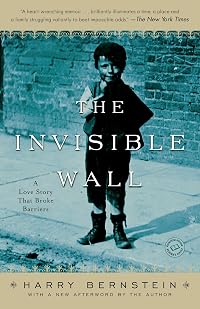
On This Page
Description
This enchanting true story, written when the author was ninety-three, is a moving tale of working-class life, social divide, and forbidden love on the eve of the first World War. The narrow street on which Harry grew up appeared identical to countless other working-class English neighborhoods--except for the invisible wall that ran down the center of the street, dividing the Jewish families on one side from the Christians on the other. The geographical distance may have been yards, but show more socially, it was miles. Families on either side did not speak or meet. But when Harry's older sister fell for the boy across the street, Harry became a go-between for the lovers, crossing the great divide to hide their secret. When the truth inevitably came out, Harry had to decide, at a very young age, what he believed was morally right. show lessTags
Recommendations






Member Recommendations
Member Reviews
At the age of 96, Harry Bernstein published this, the first volume of his memoirs, which he had started writing a few years earlier after the death of his wife. An impressive feat in and of itself. But equally impressive is the work itself, the story of Harry's childhood, told in a straightforward, gentle tone with incredible detail. My only quibble is with the subtitle: "A love story that broke barriers." In my mind, this sounds like a marketing gimmick and lessons the true value of the memoir, but that decision was most likely not the author's.
Harry Bernstein grew up on a narrow street in the English mill town of Lancashire during the first world war. It is an area of extreme poverty and segregation: one side of the street is show more inhabited by Christians and the other side by Jews. An invisible wall runs down the middle that is only semi-permeable. Harry's father is a brutal alcohol, and his mother struggles to keep Harry and his siblings fed and clothed. Her self-sacrificing nature is put to the test when an interfaith relationship strains the little community.
Although poverty, religious differences, and the impact of war are at the heart of the book, it is not all gloom and doom. There is love, friendship, and hope. Harry is both an observer and a participant in the dramas of the day, and his perspective has both the innocence of childhood and a calm reflective quality. I very much enjoyed reading this first volume, and may look for the second, The Dream, about his adolescence in America. show less
Harry Bernstein grew up on a narrow street in the English mill town of Lancashire during the first world war. It is an area of extreme poverty and segregation: one side of the street is show more inhabited by Christians and the other side by Jews. An invisible wall runs down the middle that is only semi-permeable. Harry's father is a brutal alcohol, and his mother struggles to keep Harry and his siblings fed and clothed. Her self-sacrificing nature is put to the test when an interfaith relationship strains the little community.
Although poverty, religious differences, and the impact of war are at the heart of the book, it is not all gloom and doom. There is love, friendship, and hope. Harry is both an observer and a participant in the dramas of the day, and his perspective has both the innocence of childhood and a calm reflective quality. I very much enjoyed reading this first volume, and may look for the second, The Dream, about his adolescence in America. show less
When I got to the end of this book, I was thinking, "I really liked it, but that ending just wasn't believable. Never happen that way." And then I realized that I wasn't reading a novel, but a memoir. It did happen that way. This is a wonderful story that explores the wall between the Jewish and Christian neighbors on a street in an impoverished English town in the early 20th century. It's also a story of love: the central question of the book asks whether or not love can overcome that invisible wall. And in the meantime, it gives fascinating insight into the lives of real people in a place and time not really so far away. Highly recommended.
Harry Bernstein was a writer all his life, but didn't enjoy success as a writer until 2007 when he published his first memoir, THE INVISIBLE WALL. He was 96 years old when the book came out. It was translated into a few other languages and became an immediate sentimental favorite. It covers Harry's life from his earliest memories, ages 4-12. It is a compelling personal look at the divide between the Christian and Jewish families on one dirt poor street in an English manufacturing town. Harry's memories are acutely personal and often heartbreaking to read, as his family was desperately poor and his father was something of a brute. At first Harry was the youngest of five, then when he was ten, another brother was born. It's a show more coming-of-age story. It's a star-crossed love story. It's, it's ... Ah, what the hell. I could tell you more, but ... It's a memoir, okay? And one of the best I have ever read (and I've read a lot of 'em). My wife read it first, and zoomed through it in just a couple days. Got me curious. Me too. Two days. It's that good, it's that moving, it's that much of a page-turner that it will keep you awake into the wee hours wanting to know what happens next. And now that I've finished it, I still want to know what happened next. Because, oh yeah, I forgot to tell you. Harry wrote THREE MORE memoirs in the next few years. (Bernstein died in 2011 at the age of 101.) I've ordered the next two, THE DREAM and THE GOLDEN WILLOW, and can't wait to read them. The other one, as far as I know, has not yet been published, at least not in English. Harry Bernstein was one hell of a good writer. This is a TEN-STAR book. I give it my highest recommendation. show less
This is a memoir written by a 96 year old man, looking back on his childhood in Europe centered around World War 1. Harry, a small child for most of the novel, tells of the anti-semitism on his street, and the occasional joyful joining of the two religions on it (Judaism and Christianity). The memoir also focuses on his sister falling in love with a Christian.
This book didn't grip me in the way that a great memoir could, but I'll be damned if it wasn't written superbly or made me tear up at the ending. It didn't bring much of anything new to the table, instead preferring to highlight the age-old theme of "We are all the same; do not let our divisions, religious or otherwise, separate us."
But for me, it was touching. I won't be racing show more to the bookstore to buy the sequel for this book, but I'm glad that I read it. show less
This book didn't grip me in the way that a great memoir could, but I'll be damned if it wasn't written superbly or made me tear up at the ending. It didn't bring much of anything new to the table, instead preferring to highlight the age-old theme of "We are all the same; do not let our divisions, religious or otherwise, separate us."
But for me, it was touching. I won't be racing show more to the bookstore to buy the sequel for this book, but I'm glad that I read it. show less
The Story
This is the first part of Harry Bernstein’s life story. It starts with his earliest childhood memories in a small English mill town, just prior to World War I. Harry lives on a street in which one side of it is occupied with Christian families while the other side houses Jewish residents. In the middle of the street is the “invisible wall” that separates the two “communities” that all reside together on this little street. Like many families at the time, they are faced with extreme poverty thus living a life with meals of bread and butter with tea.
Harry’s father works at a tailor’s shop and makes meager money. Of what he does earn, he spends most of it on drinks in a local pub. He is a ghost of a presence in the show more family home and, when he is there, his presence is ominous and scary for the family members. Harry describes his mother as the glue that held the family together and maintains enormous respect for her. He lives with several siblings in this little home including two sisters and three brothers. Of his siblings, he writes most about his older sister, Lily, who falls in love with a Christian boy from the opposite side of the “invisible wall.” Their love story is tragic as Harry’s family refuses to allow her to have any type of a romantic relationship with him. In fact, it is made known to her that if she pursues the relationship, that she will be considered dead to the family.
Admist their great poverty, lack of proper education, and sufferance of prejudice, they remain hopeful that relatives in America will eventually send them tickets for passage to America. The readers watch the small triumphs and great misfortunes to this family with a sense of being “a fly on the wall” to this story.
The Review
Harry Bernstein was 96 years old when this book was published and I believe now he is either 99 or nearing it. He has also written a sequel to The Invisible Wall entitled The Dream which details their eventual passage to and life in America. I am very interested in reading on to hear the outcome of their immigration and how their lives turned out. Thankfully, at the end of this book, the reader does get an understanding of Harry’s outcome when they are able to read about his travel back to England with his beloved wife, Ruby.
I read this book immediately after reading Angela’s Ashes. I’m not sure that this was a positive thing because the books are quite similar in nature, although completely different stories. But, the effect of the poverty, the diet, and the alcoholic father was repetitious to the prior read so I don’t think that it gave me the same impact that it would have if I had read them months apart. But, that’s not Harry’s fault… it was mine because I had no idea that the content of the two books were so similar. What sets them apart? The second half of this book (my favorite part, by the way) is focused on the tragic love story of Lily and Arthur as seen through the eyes of Harry. How all parties dealt with this “taboo” love was riveting and thought-provoking.
I think that Harry did a lovely job with the prose of this book. Not only was the book well written, but it kept me involved emotionally in the story. I can’t imagine accomplishing such a tremendous dream of publishing not one, but two books, in my ninties. That completely amazes me! Even more remarkable is its international acclaim and the accomplishment of being a New York Times Bestseller. After reading this book, which includes a chapter of The Dream at the end, I have found enormous respect for Harry Bernstein and thank him for sharing his remarkable tale.
Favorite Quotes:
This book had some memorable quotes that I’d love to share:
“I think of the slaughters that have taken place in the wars throughout history, the one that is being fought now in France, and I ask myself, why does God countenance all this? If God is our creator, the supreme, kind and benevolent being whom we all worship, why does he permit us to destroy one another? And why does he permit one religion to persecute another when both are his children? And so there came that terrible question - supposing, supposing it is all fantasy - is there really a God?”
“The war, it seemed, had almost completely destroyed the invisible wall that had separated us, bringing the two sides together.”
“…They’ve got us fooled with words like patriotism and duty and honor, and they’ve got us divided up into classes and religions so that each one of us figures he’s better than the other. But it’ll all change, ‘arry. Believe me, it will. People get smarter. The human brain has a potential for development. Someday it will grow big enough so that everybody will see and understand the truth, and then we won’t act like a bunch of sheep, and then that wall that separates the two sides of our street will crumble, just like the Wall of Jericho. Maybe Lily and I gave it a little push today. But one day you’ll hear a trumpet blow, and then it will be all gone. Oh yes, ‘arry, we’re going to have a better world. Things won’t always be the way they are now. I promise you, there’ll be a better world than the one we’re living in today.”
On Sher’s “Out of Ten Scale:”
This is a book club read for me and I went into reading this book with a completely open mind. However, like I said in the review, being on the heels of Angela’s Ashes really made the timing of this read a little “off” for me. It’s like watching two World War II movies in a row… you’re going to have your favorite of the two. In addition, the second movie may not have the same impact as the first. I still have to give this my honest opinion in my rating and for the genre Non-Fiction:Memoir, I am going to rate this book an 8.5 OUT OF 10. show less
This is the first part of Harry Bernstein’s life story. It starts with his earliest childhood memories in a small English mill town, just prior to World War I. Harry lives on a street in which one side of it is occupied with Christian families while the other side houses Jewish residents. In the middle of the street is the “invisible wall” that separates the two “communities” that all reside together on this little street. Like many families at the time, they are faced with extreme poverty thus living a life with meals of bread and butter with tea.
Harry’s father works at a tailor’s shop and makes meager money. Of what he does earn, he spends most of it on drinks in a local pub. He is a ghost of a presence in the show more family home and, when he is there, his presence is ominous and scary for the family members. Harry describes his mother as the glue that held the family together and maintains enormous respect for her. He lives with several siblings in this little home including two sisters and three brothers. Of his siblings, he writes most about his older sister, Lily, who falls in love with a Christian boy from the opposite side of the “invisible wall.” Their love story is tragic as Harry’s family refuses to allow her to have any type of a romantic relationship with him. In fact, it is made known to her that if she pursues the relationship, that she will be considered dead to the family.
Admist their great poverty, lack of proper education, and sufferance of prejudice, they remain hopeful that relatives in America will eventually send them tickets for passage to America. The readers watch the small triumphs and great misfortunes to this family with a sense of being “a fly on the wall” to this story.
The Review
Harry Bernstein was 96 years old when this book was published and I believe now he is either 99 or nearing it. He has also written a sequel to The Invisible Wall entitled The Dream which details their eventual passage to and life in America. I am very interested in reading on to hear the outcome of their immigration and how their lives turned out. Thankfully, at the end of this book, the reader does get an understanding of Harry’s outcome when they are able to read about his travel back to England with his beloved wife, Ruby.
I read this book immediately after reading Angela’s Ashes. I’m not sure that this was a positive thing because the books are quite similar in nature, although completely different stories. But, the effect of the poverty, the diet, and the alcoholic father was repetitious to the prior read so I don’t think that it gave me the same impact that it would have if I had read them months apart. But, that’s not Harry’s fault… it was mine because I had no idea that the content of the two books were so similar. What sets them apart? The second half of this book (my favorite part, by the way) is focused on the tragic love story of Lily and Arthur as seen through the eyes of Harry. How all parties dealt with this “taboo” love was riveting and thought-provoking.
I think that Harry did a lovely job with the prose of this book. Not only was the book well written, but it kept me involved emotionally in the story. I can’t imagine accomplishing such a tremendous dream of publishing not one, but two books, in my ninties. That completely amazes me! Even more remarkable is its international acclaim and the accomplishment of being a New York Times Bestseller. After reading this book, which includes a chapter of The Dream at the end, I have found enormous respect for Harry Bernstein and thank him for sharing his remarkable tale.
Favorite Quotes:
This book had some memorable quotes that I’d love to share:
“I think of the slaughters that have taken place in the wars throughout history, the one that is being fought now in France, and I ask myself, why does God countenance all this? If God is our creator, the supreme, kind and benevolent being whom we all worship, why does he permit us to destroy one another? And why does he permit one religion to persecute another when both are his children? And so there came that terrible question - supposing, supposing it is all fantasy - is there really a God?”
“The war, it seemed, had almost completely destroyed the invisible wall that had separated us, bringing the two sides together.”
“…They’ve got us fooled with words like patriotism and duty and honor, and they’ve got us divided up into classes and religions so that each one of us figures he’s better than the other. But it’ll all change, ‘arry. Believe me, it will. People get smarter. The human brain has a potential for development. Someday it will grow big enough so that everybody will see and understand the truth, and then we won’t act like a bunch of sheep, and then that wall that separates the two sides of our street will crumble, just like the Wall of Jericho. Maybe Lily and I gave it a little push today. But one day you’ll hear a trumpet blow, and then it will be all gone. Oh yes, ‘arry, we’re going to have a better world. Things won’t always be the way they are now. I promise you, there’ll be a better world than the one we’re living in today.”
On Sher’s “Out of Ten Scale:”
This is a book club read for me and I went into reading this book with a completely open mind. However, like I said in the review, being on the heels of Angela’s Ashes really made the timing of this read a little “off” for me. It’s like watching two World War II movies in a row… you’re going to have your favorite of the two. In addition, the second movie may not have the same impact as the first. I still have to give this my honest opinion in my rating and for the genre Non-Fiction:Memoir, I am going to rate this book an 8.5 OUT OF 10. show less
There are so many amazing aspects to The Invisible Wall, the first of three volumes of a memoir by Harry Bernstein, I am not sure where to start. I guess the most amazing fact I learned was that it is never too late to write your story. Mr. Bernstein started this first book at the age of 96. Almost unbelievable given the clarity of the story. His memory of the pain, poverty, and racism that prevailed in his early life is still as vivid in his writing as it must have been then.
He retells the story of his life as well as the lives of his families from his first memories of being brought up in a small mill town in England where the segregation is block by half block. Jews on one side of the street and Christians on the other side of the show more street. They seem to interact only on Friday evenings when the Christians will help them by coming into their homes to light their fires after sundown for the sabbath evening meal.
With the bleak weather, bleak living conditions, bleak education options for the Jewish children, this could easily be a very bleak story but it is in fact a story filled with love, a son's love for his mother, a daughter's love of her Christian neighbor, and a mother's love for her family that enables her to rise above huge obstacles, the largest being her alcoholic, abusive husband. The backdrop of all of these smaller stories is the story of England during World War I. The Great War seems to be a uniting factor in some ways for all the families of this small town but it is not enough to overcome many of the roadblocks between the different factions residing there.
I am ready to dive into the second volume of Mr. Bernstein's life as he immigrates to the United States and finds his way. Be uplifted and read this amazing story of life and how giving up was not in the vocabulary of the Bernstein family. show less
He retells the story of his life as well as the lives of his families from his first memories of being brought up in a small mill town in England where the segregation is block by half block. Jews on one side of the street and Christians on the other side of the show more street. They seem to interact only on Friday evenings when the Christians will help them by coming into their homes to light their fires after sundown for the sabbath evening meal.
With the bleak weather, bleak living conditions, bleak education options for the Jewish children, this could easily be a very bleak story but it is in fact a story filled with love, a son's love for his mother, a daughter's love of her Christian neighbor, and a mother's love for her family that enables her to rise above huge obstacles, the largest being her alcoholic, abusive husband. The backdrop of all of these smaller stories is the story of England during World War I. The Great War seems to be a uniting factor in some ways for all the families of this small town but it is not enough to overcome many of the roadblocks between the different factions residing there.
I am ready to dive into the second volume of Mr. Bernstein's life as he immigrates to the United States and finds his way. Be uplifted and read this amazing story of life and how giving up was not in the vocabulary of the Bernstein family. show less
Invisible Wall is about two groups of people living on a down trodden street in pre WW1 England. Jews on one side Gentiles on the other. Separating the two an invisible wall, that is breached on rare, but necessary occasions. That is until a Romeo and Juliet situation arises. The memoir is written by the now 97 year old brother. The writing style and number of characters took me a number of pages to get used to, but then I was hooked. Reading until late into the night, wanting/needing to see how it all went. I was not disappointment. I hope Harry Bernstein lives a lot longer and write many more books.
Members
- Recently Added By
Lists

Best Autobiographies and Memoirs
370 works; 67 members

Best family memoirs
28 works; 11 members
Childhood Memoirs
7 works; 3 members

Family Drama
56 works; 14 members

England
19 works; 1 member

Best Family Stories
241 works; 22 members

Books Read in 2014
2,344 works; 86 members

Books featuring alcoholics
103 works; 18 members
First Novels
373 works; 17 members
Author Information

5 Works 1,353 Members
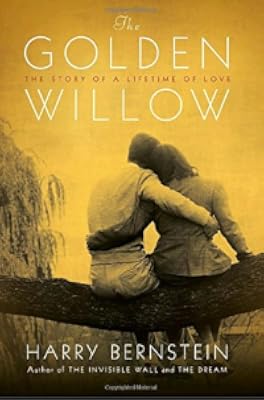
Harry Bernstein was born in Stockport, England on May 30, 1910. His family moved to Chicago in 1922 and he attended Lane Technical Preparatory School. After his dream of becoming an architect was dashed by an instructor, he began writing. After he graduated, he moved to New York City and published short stories in several magazines including Story show more and Literary America. He eventually found work as a script reader for Columbia Pictures. In the 1950s, he tried to earn a living as a freelance writer, selling work to The Daily News, Popular Mechanics and Family Circle, but he ended up editing Home of Tomorrow, a construction trade magazine. His novel, The Smile, was published in 1981 but sold poorly. He is best known for his three memoirs: The Invisible Wall: A Love Story That Broke Barriers (2007), The Dream (2008), and The Golden Willow: The Story of a Lifetime of Love (2009). He died on June 3, 2011 at the age of 101. (Bowker Author Biography) show less
Awards and Honors
Series

Common Knowledge
- Canonical title*
- Den osynliga väggen
- Original title
- The invisible wall : a love story that broke barriers
- Original publication date
- 2006-03-20
- People/Characters
- Harry Bernstein; Joe Bernstein; Saul Bernstein; Lily Bernstein; Sarah Harris; Larry (show all 11); Arthur Forshaw; Freddy Gordon; Annie Green; Margie Forshaw; Rose Bernstein
- Important places
- Lancashire, England, UK; Manchester, England, UK
- Important events
- World War I
- Dedication
- Dedicated to Ma, who gave us so much, and received so little. Can this book make up for it? Can anything?
- First words
- Outwardly, I suppose, our street looked pretty much the same as any other in the working-class section of a Lancashire mill town did in those days.
- Last words
- (Click to show. Warning: May contain spoilers.)My father hitched up his trousers, coughed, and returned to his seat, but not before he had cast a glare at me that revealed the hatred he felt toward me, still not forgetting the episode in the immigration office and the question of whether he was my father.
- Blurbers
- Hopkins,Billy; O'Neill, Gilda; Wheal, Donald James; McDonald, Michael Patrick
*Some information comes from Common Knowledge in other languages. Click "Edit" for more information.
Classifications
Statistics
- Members
- 1,056
- Popularity
- 24,417
- Reviews
- 41
- Rating
- (4.08)
- Languages
- 6 — English, Finnish, German, Italian, Norwegian (Bokmål), Swedish
- Media
- Paper, Audiobook, Ebook
- ISBNs
- 37
- UPCs
- 1
- ASINs
- 4