On This Page
Description
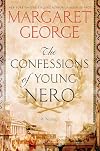
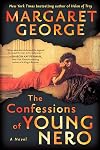
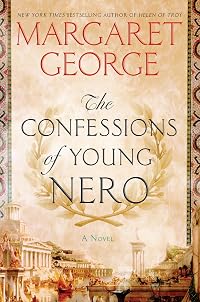
"New York Times bestselling author Margaret George has brought history to vivid life with her chronicles of queens and kings. Now, she turns her gaze to an Emperor ... Built on the backs of those who fell before it, Julius Caesar's imperial dynasty is only as strong as the next person who seeks to control it. In the Roman Empire no one is safe from the sting of betrayal: man, woman--or child. As a boy, Nero's royal heritage becomes a threat to his very life, first when the mad emperor show more Caligula tries to drown him, then when his great aunt attempts to secure her own son's inheritance. Faced with shocking acts of treachery, young Nero is dealt a harsh lesson: it is better to be cruel than dead. While Nero idealizes the artistic and athletic principles of Greece, his very survival rests on his ability to navigate the sea of vipers that is Rome. The most lethal of all is his own mother, a cold-blooded woman whose singular goal is to control the empire. With cunning and poison, the obstacles fall one by one. But as Agrippina's machinations earn her son a title he is both tempted and terrified to assume, Nero's determination to escape her thrall will shape him into the man he was fated to become--an Emperor who became legendary. With impeccable research and captivating prose, The Confessions of Young Nero is the story of a boy's ruthless ascension to the throne. Detailing his journey from innocent youth to infamous ruler, it is an epic tale of the lengths to which man will go in the ultimate quest for power and survival"-- show lessTags
Recommendations










Member Reviews
Like most of you (I’m assuming), I really only think of one thing when I hear about Nero: the emperor who fiddled madly while Rome burned down around him. Well, Margaret George, one of historical fiction’s great writers, has set her sights on the infamous Roman emperor in an attempt to (at least partially) clear his name.
The novel (the first of two planned for Emperor Nero) focuses mainly on Nero’s childhood and early years as emperor. Born Lucius Domitius Ahenobarbus, and nephew to the then-emperor Caligula (yes, that Caligula), who had his sister (Nero’s mother) banished from the country as a potential threat to his rule. Nero gets his first taste of Roman imperial politics at the tender age of three, when Caligula tries to show more drown him in a lake. Surviving the attempt, the young Nero’s situation is barely improved with the return of his mother after Caligula’s death, as her machinations, and those of the current rulers of the Roman empire, promise more pain and betrayal for the boy.
After ascending the throne at age sixteen, Nero pledges to himself to be a different style of emperor than his uncle, Caligula, or any of his scheming relatives waiting in the wings. An artist and musician at heart, he attempts to seek his own path as the most powerful man in the world.
George uses historical sources to bring accuracy and realism to her work, and this book is no exception. While artistic license must be taken (especially with Nero, whose achievements were largely posthumously suppressed from the historical record), Margaret George takes pain to ensure that her book cleaves as closely as possible to verifiable truth (and you know how I love a fictional book with a bibliography). Ultimately, this book is about family, and how the cutthroat and brutal dynamics of the Roman elite can sully even the most optimistic dreamer.
Any lover of history or historical fiction will find a lot to love in this book. Margaret George is the queen of historical fiction for good reason. The book is engagingly written and suspenseful, and George’s characterization of the young emperor is complex and compelling. In all, this is a highly readable book about a man who exists today as a caricature of himself.
An advance copy of this book was provided by the publisher via NetGalley in exchange for an honest review. Confessions of a Young Nero will be available for purchase on March 7th, 2017. show less
The novel (the first of two planned for Emperor Nero) focuses mainly on Nero’s childhood and early years as emperor. Born Lucius Domitius Ahenobarbus, and nephew to the then-emperor Caligula (yes, that Caligula), who had his sister (Nero’s mother) banished from the country as a potential threat to his rule. Nero gets his first taste of Roman imperial politics at the tender age of three, when Caligula tries to show more drown him in a lake. Surviving the attempt, the young Nero’s situation is barely improved with the return of his mother after Caligula’s death, as her machinations, and those of the current rulers of the Roman empire, promise more pain and betrayal for the boy.
After ascending the throne at age sixteen, Nero pledges to himself to be a different style of emperor than his uncle, Caligula, or any of his scheming relatives waiting in the wings. An artist and musician at heart, he attempts to seek his own path as the most powerful man in the world.
George uses historical sources to bring accuracy and realism to her work, and this book is no exception. While artistic license must be taken (especially with Nero, whose achievements were largely posthumously suppressed from the historical record), Margaret George takes pain to ensure that her book cleaves as closely as possible to verifiable truth (and you know how I love a fictional book with a bibliography). Ultimately, this book is about family, and how the cutthroat and brutal dynamics of the Roman elite can sully even the most optimistic dreamer.
Any lover of history or historical fiction will find a lot to love in this book. Margaret George is the queen of historical fiction for good reason. The book is engagingly written and suspenseful, and George’s characterization of the young emperor is complex and compelling. In all, this is a highly readable book about a man who exists today as a caricature of himself.
An advance copy of this book was provided by the publisher via NetGalley in exchange for an honest review. Confessions of a Young Nero will be available for purchase on March 7th, 2017. show less
Typically, I do not read historical fiction, but this book was an absolute goldmine of a book. It is the story of the Roman emperor Nero. The book was extremely well researched and historically accurate. It was obvious Margaret George conducted a ton of research before writing this book. The book presents a side of Nero that most of us have never heard of or read of before. The prose flowed well, like water running downhill. The narrative was easy to read and was engaging. It is a long book, over 500 pages, so it took a while to read, but it was a joy to do so.
The story is told in the first person POV, mostly from Nero’s perspective, with a few chapters told from the point of view of other characters, such as Locusta, a poisoner, and show more Acte, one of Nero’s lovers.
This book shows a side of Nero not often seen. Nero is often portrayed as the emperor who “fiddled while Rome burned.” But George shows several other perspectives of the great emperor. Nero was a visionary in engineering, architecture, and urban planning. He was exceedingly generous and identified with the common man more than he did with the aristocrats of the day. Nero was blessed with artistic talent and culture. He was a poet, musician, athlete, and chariot racer, who had a passion for the arts and performing on stage.
This book is part one of a two book series and ends at the great fire in Rome. I plan to read the second book in the series immediately. While this book ends at the fire, it and the second book (as I understand) can each stand on their own.
I cannot recommend this book highly enough, especially for fans of ancient Rome and those who love a great historical fiction novel. Even though I do not normally care for historical fiction, this book may make me change my mind about that. show less
The story is told in the first person POV, mostly from Nero’s perspective, with a few chapters told from the point of view of other characters, such as Locusta, a poisoner, and show more Acte, one of Nero’s lovers.
This book shows a side of Nero not often seen. Nero is often portrayed as the emperor who “fiddled while Rome burned.” But George shows several other perspectives of the great emperor. Nero was a visionary in engineering, architecture, and urban planning. He was exceedingly generous and identified with the common man more than he did with the aristocrats of the day. Nero was blessed with artistic talent and culture. He was a poet, musician, athlete, and chariot racer, who had a passion for the arts and performing on stage.
This book is part one of a two book series and ends at the great fire in Rome. I plan to read the second book in the series immediately. While this book ends at the fire, it and the second book (as I understand) can each stand on their own.
I cannot recommend this book highly enough, especially for fans of ancient Rome and those who love a great historical fiction novel. Even though I do not normally care for historical fiction, this book may make me change my mind about that. show less
Historical fiction is a very popular genre that comes in many forms. Perhaps the most difficult to pull off for an author is the straight fictionalisation of historical events or an historical life with no added frills or speculations. This is what Margaret George gives us with this ‘life’ of Nero.
The book is a re-telling of the life of Nero from being a small boy through to the burning of Rome. It is told mostly (excluding some short asides and comments from other characters) in the voice of Nero himself, as if this were a diary or journal. If course, no such document exists.
The historical environment is well-researched, detailed and believable. The geography, the culture, the politics and the every day activities of the characters show more all feel grounded in reality. George eschews the standard take on Nero and delves deep into his character to understand what made him the Emperor he eventually became.
As a child and adolescent Nero is dominated by his mother. He lives in a world where few can be trusted. And where unspeakable acts for political gain are the norm. As Nero grows up and becomes Emperor we see that he wants to be a diligent, hard working and essentially humane ruler. Through the course of the book we see him slowly, bit by bit, fall into the patterns of intrigue and evil that he initially despised. It is clear that the end of the book, with Nero returning to a burning Rome, represents a pivotal moment in his life where he will turn to either darkness or light, and it is the strength of George’s writing that we are not certain which path he will take.
As a life told in fiction this is very good. show less
The book is a re-telling of the life of Nero from being a small boy through to the burning of Rome. It is told mostly (excluding some short asides and comments from other characters) in the voice of Nero himself, as if this were a diary or journal. If course, no such document exists.
The historical environment is well-researched, detailed and believable. The geography, the culture, the politics and the every day activities of the characters show more all feel grounded in reality. George eschews the standard take on Nero and delves deep into his character to understand what made him the Emperor he eventually became.
As a child and adolescent Nero is dominated by his mother. He lives in a world where few can be trusted. And where unspeakable acts for political gain are the norm. As Nero grows up and becomes Emperor we see that he wants to be a diligent, hard working and essentially humane ruler. Through the course of the book we see him slowly, bit by bit, fall into the patterns of intrigue and evil that he initially despised. It is clear that the end of the book, with Nero returning to a burning Rome, represents a pivotal moment in his life where he will turn to either darkness or light, and it is the strength of George’s writing that we are not certain which path he will take.
As a life told in fiction this is very good. show less
Margaret George masterfully brings Emperor Nero to life in The Confessions of Young Nero, offering a deeply humanized perspective on one of history’s most infamous figures. Rather than portraying him as a one-dimensional tyrant, the novel explores his formative years, ambitions, and struggles, making him a far more complex and sympathetic character.
The storytelling is immersive, blending historical accuracy with rich detail, and the pacing keeps you engaged throughout. The book ends on a cliffhanger, leaving readers eager for the next installment.
For history lovers, this is a must-read—both enlightening and captivating.
The storytelling is immersive, blending historical accuracy with rich detail, and the pacing keeps you engaged throughout. The book ends on a cliffhanger, leaving readers eager for the next installment.
For history lovers, this is a must-read—both enlightening and captivating.
***This book was reviewed for the Manhattan and Seattle Book Reviews and via Netgalley***
George's Confessions of Young Nero humanises an oft demonised ghost from distant ages past, he who 'fiddled’ whilst Rome burned. We follow Nero’s musings about his childhood, and see how known and suspected events likely shaped the real Nero's life. This is the first of a pair of books, unusual for George, who specialises in rich historic fiction memoirs, biographies, and autobiographies. It concludes with the burning of Rome.
George paints a picture of a Nero who is quite unlike the emperors before him. Where they enjoyed war, he enjoyed music. Where they enjoyed bloodshed in the gladiator arenas, he enjoyed the performing arts, and feats of show more athletic prowess. These preferences made Nero a most atypical Roman ruler.
Effectively orphaned as a toddler, Nero grew up during Caligula's reign. That alone would be enough to adversely affect the growth of a child. Following Caligula's death, the new emperor, Claudius, recalled Nero's mother from exile. In retrospect, perhaps it would have been better for the young Nero if his mother had remained in her enforced seclusion. As ruthless as the rest of her family, Agrippina’s machinations put her son at the head of the Roman empire. However, her plans of being de facto empress backfire when Nero asserts his rightful authority, and eventually makes one of the hardest decisions of his young life.
The Nero presented here is far from the 'insane’ man his name might at first conjure. He seems more introspective than his predecessors, a philosopher more than a warrior. Even with his love and appreciation of the performing arts, and Greek athletics, Nero strikes me as an introvert. Without certain influences of early life, and the viciousness of his family, I think he would have been a gentle-tempered musician.
Progressive for the times, Nero was generous to a fault, with a bent towards protecting and aiding the common folk. A romantic at heart, he frequently overturned traditions, to the dismay and confusion of the nobility. George has done an astounding job of bringing the enigmatic, wrongly vilified Nero to bright, vibrant life. I cannot wait til the second of this duology comes out!
🎻🎻🎻🎻🎻 Highly recommended if you love historical fiction, and tales of ancient Rome. show less
George's Confessions of Young Nero humanises an oft demonised ghost from distant ages past, he who 'fiddled’ whilst Rome burned. We follow Nero’s musings about his childhood, and see how known and suspected events likely shaped the real Nero's life. This is the first of a pair of books, unusual for George, who specialises in rich historic fiction memoirs, biographies, and autobiographies. It concludes with the burning of Rome.
George paints a picture of a Nero who is quite unlike the emperors before him. Where they enjoyed war, he enjoyed music. Where they enjoyed bloodshed in the gladiator arenas, he enjoyed the performing arts, and feats of show more athletic prowess. These preferences made Nero a most atypical Roman ruler.
Effectively orphaned as a toddler, Nero grew up during Caligula's reign. That alone would be enough to adversely affect the growth of a child. Following Caligula's death, the new emperor, Claudius, recalled Nero's mother from exile. In retrospect, perhaps it would have been better for the young Nero if his mother had remained in her enforced seclusion. As ruthless as the rest of her family, Agrippina’s machinations put her son at the head of the Roman empire. However, her plans of being de facto empress backfire when Nero asserts his rightful authority, and eventually makes one of the hardest decisions of his young life.
The Nero presented here is far from the 'insane’ man his name might at first conjure. He seems more introspective than his predecessors, a philosopher more than a warrior. Even with his love and appreciation of the performing arts, and Greek athletics, Nero strikes me as an introvert. Without certain influences of early life, and the viciousness of his family, I think he would have been a gentle-tempered musician.
Progressive for the times, Nero was generous to a fault, with a bent towards protecting and aiding the common folk. A romantic at heart, he frequently overturned traditions, to the dismay and confusion of the nobility. George has done an astounding job of bringing the enigmatic, wrongly vilified Nero to bright, vibrant life. I cannot wait til the second of this duology comes out!
🎻🎻🎻🎻🎻 Highly recommended if you love historical fiction, and tales of ancient Rome. show less
"There is no respect for hidden music. Whatever it meant, my life would be governed by it."
The Confessions of Young Nero was quite a fun book that allowed me to read and reminisce about ancient Rome and the three years of Latin I took in high school!
Although I have heard of the Emperor Nero, I must admit that I did not know too much about him. Basically, all I knew was that he “fiddled while Rome burned” and not much else.
So, was Nero really as horrible as history tends to portray him to be? The author doesn’t seem to think so, and the actual facts gleaned from historical evidence seem to point toward the contrary.
From the author’s Afterword:
"I was drawn to him as I sensed the vast gap between the perception of him and what he show more really was. It is possible, with the help of modern historical analysis, to blow the fog away and see a different person standing before you, not the madman who fiddled, the pyromaniac who burned Rome, the violent sex fiend and debauched tyrant, but a man of considerable talent, a visionary in many ways – in architecture and urban planning, engineering projects, diplomacy, and artistic freedom. He also was a man of integrity, ingenuity, and generosity."
Margaret George’s The Confessions of Young Nero is the first in a historical fiction duology of this often-misinterpreted emperor of ancient Rome. The story gives the reader an introspective look at the young Nero: from his days as a boy learning athletics and in love with chariot racing, to the day he became emperor at the tender age of sixteen, to the day Rome famously burned. It was an interesting insight into the mind of this character from ancient history, and I enjoyed learning about him, other historical characters, as well as the events surrounding him.
Although Nero lived a fairly privileged life, I still couldn’t help but feel sympathetic toward his plight. Yes, young Lucius Domitius Ahenobarbus became Emperor Nero Claudius Caesar Drusus Germanicus, able to enact his will unto the people with little more than a blink of an eye. But the journey toward fulfilling the destination was rocky, to say the least: fraught with cunning, deceit, and murder (not necessarily in that order, and not necessarily by his own hand).
"It was my first, and must brutal, lesson in what lengths to which evil people will go, and for what flimsy reasons. I have never forgotten it, nor let down my guard since. Let them call me cruel. Better that than dead."
The Nero that the author portrayed was unlike the Nero that I thought I knew. This Nero was traumatized from an early age (the very beginning of the book shows his attempted murder by the then-Emperor Caligula), living in a society where murder was an acceptable means to an end, and constantly going against the grain with his love of performing, chariot racing, not wearing a toga, and wearing his hair long (all of which were against the societal norms of the day).
This was a long (528 pages!) but rewarding read. The author did a good job of making Nero – as well as the other characters – relatable, complex, and interesting. If you’re interested in ancient Rome, seriously, give it a read. Margaret George is a wonderful writer, and I cannot wait to see how this book will conclude in its sequel!
Thank you to NetGalley and Berkley Publishing Group for an advanced copy of this eBook in exchange for an honest review!
P.S. If you're interested, you can check out this review on my blog:
https://allisonsadventuresintowonderlands.wordpress.com/2017/03/24/margaret-geor... show less
The Confessions of Young Nero was quite a fun book that allowed me to read and reminisce about ancient Rome and the three years of Latin I took in high school!
Although I have heard of the Emperor Nero, I must admit that I did not know too much about him. Basically, all I knew was that he “fiddled while Rome burned” and not much else.
So, was Nero really as horrible as history tends to portray him to be? The author doesn’t seem to think so, and the actual facts gleaned from historical evidence seem to point toward the contrary.
From the author’s Afterword:
"I was drawn to him as I sensed the vast gap between the perception of him and what he show more really was. It is possible, with the help of modern historical analysis, to blow the fog away and see a different person standing before you, not the madman who fiddled, the pyromaniac who burned Rome, the violent sex fiend and debauched tyrant, but a man of considerable talent, a visionary in many ways – in architecture and urban planning, engineering projects, diplomacy, and artistic freedom. He also was a man of integrity, ingenuity, and generosity."
Margaret George’s The Confessions of Young Nero is the first in a historical fiction duology of this often-misinterpreted emperor of ancient Rome. The story gives the reader an introspective look at the young Nero: from his days as a boy learning athletics and in love with chariot racing, to the day he became emperor at the tender age of sixteen, to the day Rome famously burned. It was an interesting insight into the mind of this character from ancient history, and I enjoyed learning about him, other historical characters, as well as the events surrounding him.
Although Nero lived a fairly privileged life, I still couldn’t help but feel sympathetic toward his plight. Yes, young Lucius Domitius Ahenobarbus became Emperor Nero Claudius Caesar Drusus Germanicus, able to enact his will unto the people with little more than a blink of an eye. But the journey toward fulfilling the destination was rocky, to say the least: fraught with cunning, deceit, and murder (not necessarily in that order, and not necessarily by his own hand).
"It was my first, and must brutal, lesson in what lengths to which evil people will go, and for what flimsy reasons. I have never forgotten it, nor let down my guard since. Let them call me cruel. Better that than dead."
The Nero that the author portrayed was unlike the Nero that I thought I knew. This Nero was traumatized from an early age (the very beginning of the book shows his attempted murder by the then-Emperor Caligula), living in a society where murder was an acceptable means to an end, and constantly going against the grain with his love of performing, chariot racing, not wearing a toga, and wearing his hair long (all of which were against the societal norms of the day).
This was a long (528 pages!) but rewarding read. The author did a good job of making Nero – as well as the other characters – relatable, complex, and interesting. If you’re interested in ancient Rome, seriously, give it a read. Margaret George is a wonderful writer, and I cannot wait to see how this book will conclude in its sequel!
Thank you to NetGalley and Berkley Publishing Group for an advanced copy of this eBook in exchange for an honest review!
P.S. If you're interested, you can check out this review on my blog:
https://allisonsadventuresintowonderlands.wordpress.com/2017/03/24/margaret-geor... show less
I will start by noting that I have read all of Ms. George’s books; she is one of my favorite authors so I was very excited to see something new and to learn that there is a second book in the series. Perhaps it’s bias but I love going into a book just knowing it’s going to be good. There are a few authors that I completely trust that will be true when I pick up their books and Ms. George is up at the top of that list.
In this new book she brings the Roman emperor Nero to life – you know about Nero, right? The guy who fiddled while Rome burned. Would it surprise you to learn that not everything written about Nero is true? Would it surprise you to learn that some of the more provocative and horrible things written about him were show more true? But which are and which were a product of the old “history is written by the victors” school of smear the losers so we winners look all the better? That question gets trickier to answer when an author is dealing with a figure who lived so very long ago. Not much written record has survived and much of what is available was written many years after Nero’s demise.
Ms. George does an excellent job of reading between the lines of history to parse the best and the worst of our hero to present a story of a young man who was really never meant to rule but who had a mother who was determined that he would. The book is told in his voice and it starts from when he is very young – 4 years old – and he is a very prescient child. This was the only (minor) complaint I had with the book. It seemed that the narration maintained its tone for the bulk of Nero’s early life despite beginning at such an early age. It changes towards the end as he comes into his power but for a good third of the book Nero’s voice is similar whether he is a toddler of 4 or a preteen. This is minor and picky but there you go.
Other than that I loved, loved, loved this book. It took me back to one of my favorite times in history to one of the emperors about which I didn’t know as much as I would like. Nero is a very complicated character and he admittedly did some awful things but somehow in context and compared to some of the rest of his family he almost seemed angelic. Not to forgive him his actions by any mean but to at least refute some of the worst wrongs of his reputation.
The book is a page turner that brings ancient Rome to life for the reader; the architecture, the food, the raucous parties and the machinations of power. It’s a tale of a mother’s desire for power for not just for son but for herself. It’s a story of love and hate, revenge and all that comes with money and power. It’s also the story of a young man who was a poet, musician and strong proponent of the arts at a time when most were not.
Read it. Learn about this compelling and complex man. show less
In this new book she brings the Roman emperor Nero to life – you know about Nero, right? The guy who fiddled while Rome burned. Would it surprise you to learn that not everything written about Nero is true? Would it surprise you to learn that some of the more provocative and horrible things written about him were show more true? But which are and which were a product of the old “history is written by the victors” school of smear the losers so we winners look all the better? That question gets trickier to answer when an author is dealing with a figure who lived so very long ago. Not much written record has survived and much of what is available was written many years after Nero’s demise.
Ms. George does an excellent job of reading between the lines of history to parse the best and the worst of our hero to present a story of a young man who was really never meant to rule but who had a mother who was determined that he would. The book is told in his voice and it starts from when he is very young – 4 years old – and he is a very prescient child. This was the only (minor) complaint I had with the book. It seemed that the narration maintained its tone for the bulk of Nero’s early life despite beginning at such an early age. It changes towards the end as he comes into his power but for a good third of the book Nero’s voice is similar whether he is a toddler of 4 or a preteen. This is minor and picky but there you go.
Other than that I loved, loved, loved this book. It took me back to one of my favorite times in history to one of the emperors about which I didn’t know as much as I would like. Nero is a very complicated character and he admittedly did some awful things but somehow in context and compared to some of the rest of his family he almost seemed angelic. Not to forgive him his actions by any mean but to at least refute some of the worst wrongs of his reputation.
The book is a page turner that brings ancient Rome to life for the reader; the architecture, the food, the raucous parties and the machinations of power. It’s a tale of a mother’s desire for power for not just for son but for herself. It’s a story of love and hate, revenge and all that comes with money and power. It’s also the story of a young man who was a poet, musician and strong proponent of the arts at a time when most were not.
Read it. Learn about this compelling and complex man. show less
Members
- Recently Added By
Lists

ALA The Reading List
490 works; 28 members

A High School Trip to Italy
55 works; 7 members

Books Set in Rome
98 works; 2 members
Author Information

18+ Works 13,533 Members
Margaret George lives with her husband in Madison, Wisconsin.
Awards and Honors
Awards
Series

Common Knowledge
- Canonical title
- The Confessions of Young Nero
- Original publication date
- 2017
- People/Characters
- Nero Claudius Caesar Augustus Germanicus; Caligula; Agrippina the Younger; Claudius I, Emperor of Rome
- Important places
- Rome, Italy; Roman Empire
- First words
- This is not the first time I have been imprisoned.
- Blurbers
- Gabaldon, Diana; Saylor, Steven; Penman, Sharon Kay; Chiaverini, Jennifer; Dray, Stephanie; Bradford, Barbara Taylor
Classifications
Statistics
- Members
- 407
- Popularity
- 76,379
- Reviews
- 32
- Rating
- (3.81)
- Languages
- English, Italian, Russian, Spanish
- Media
- Paper, Audiobook, Ebook
- ISBNs
- 26
- ASINs
- 5