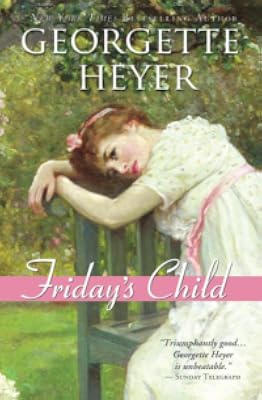
Friday's Child
by Georgette Heyer
On This Page
Description
Georgette Heyer's sparkling romances have charmed and delighted millions of readers. Her characters brilliantly illuminate one of the most exciting and fascinating eras of English history-when drawing rooms sparkled with well-dressed nobility and romantic intrigues ruled the day. Heyer's heroines are smart and independent; her heroes are dashing noblemen who know how to handle a horse, fight a duel, or address a lady. And her sense of humor is legendary. When the incomparable Miss Milbourne show more spurns the impetuous Lord Sherington's marriage proposal (she laughs at him-laughs!) he vows to marry the next female he encounters, who happens to be the young, penniless Miss Hero Wantage, who has adored him all her life. Whisking her off to London, Sherry discovers there is no end to the scrapes his young, green bride can get into, and she discovers the excitement and glamorous social scene of the ton. Not until a deep misunderstanding erupts and Sherry almost loses his bride, does he plumb the depths of his own heart, and surprises himself with the love he finds there. 'Reading Georgette Heyer is the next best thing to reading Jane Austen.' -Publishers Weekly Georgette Heyer (1902?1974) wrote over fifty novels, including Regency romances, mysteries, and historical fiction. She was known as the Queen of Regency romance, and was legendary for her research, historical accuracy, and her extraordinary plots and characterizations. show lessTags
Recommendations

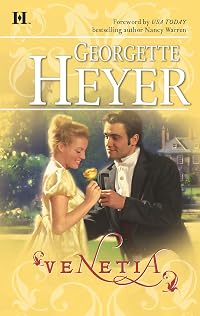
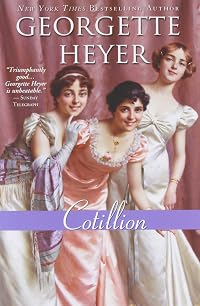





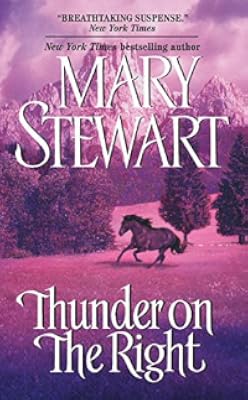

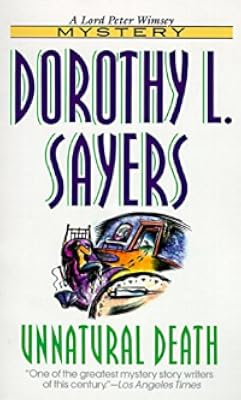
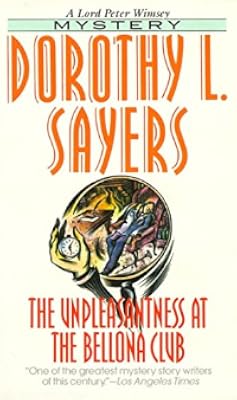
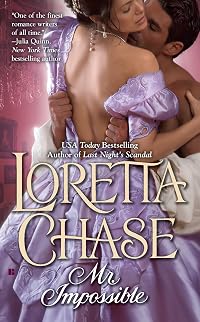




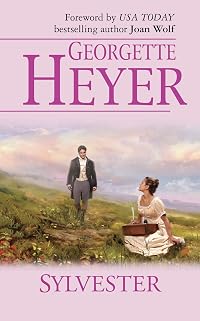
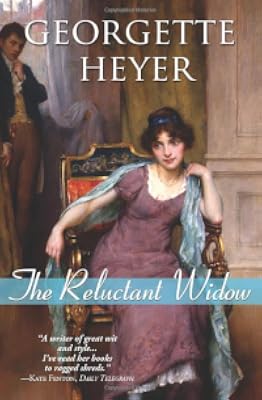
Member Recommendations
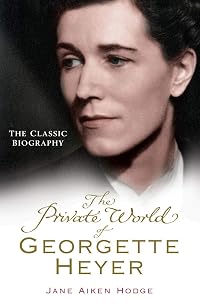
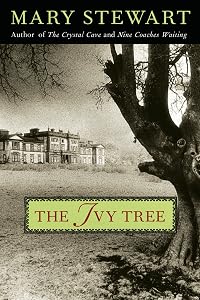
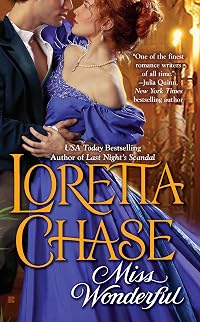
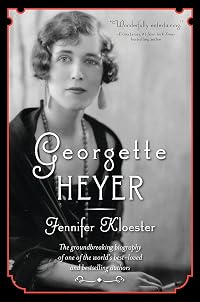
ncgraham Both books feature heroines who have lived all their lives in the country and are brought to London to be introduced into the ton, attend masquerade balls, and be spirited away by their respective unlikely knights whenever they fall unwittingly into social error. But somehow Heyer manipulates the various circumstances and events in such a way that the drama of each story is distinct, memorable, and moving.
60
moonsoar The main females in both books are up to the same sort of shenanigans in both books.
52

Member Reviews
Exactly what it says on the tin: Anthony, Lord Sheringham (nicknamed Sherry), aged 23, is desperate to get his hands on his inheritance. His father left it in trust until he reached age 25 or until he married, whichever comes first. After finding his suit rejected by Isabella, the Season's Incomparable, Sherry vows to marry the first female he sees!
What luck it happens to be Hero Wantage, a girl six years his junior, who hails him as he rushes back to town. Hero is a very sweet girl, orphaned as a child, who has been living with her odious Cousin Jane. Jane is ready to wash her hands of Hero and has told her that she's to become a governess at a seminary in Bath. Hero hates the idea, but feels she has no other choice. Sherry has known show more both Isabella and Hero since they were all kids, and he feels a brotherly sort of pity when he hears her sad story. Then it occurs to him that marriage would solve both of their problems: it would rescue Hero from this abominable fate, and it would release his funds directly into his hands.
Sherry proposes to Hero, who promptly accepts (she's been in love with him for about as long as she's known him), and they dash off to London, procure a special license, and set about setting up a household together. Hero has absolutely no notion of Society (and Sherry's mother, the now-dowager Lady Sheringham, hates her guts) so it falls to Sherry to guide her through the thorns of the ton - until misunderstandings mount to the nth degree, causing Hero to run away because she fears she has made Sherry interminably angry with her foibles and scrapes. (He did tell her he was sending her to his mother, whom he has no idea hates his wife, so its understandable that Hero would be so upset.) Suddenly Sherry realizes what he's lost and he vows to win her back, with comedic results.
This story is absolutely adorable ♥ Sherry and Hero are both young and stupid, but they are well-meaning and good-natured. They both mature over the course of the story, and realize what it means to be married, even in name only. They are surrounded by a hilarious cast of secondary characters: Isabella, the Incomparable, has wonderful shades of grey; Sherry's BFFs Gil, George, and Ferdy, who adore Hero (whom they nicnkame Kitten) almost as much as Sherry himself does; the odious Cousin Jane and her plain-faced daughters; and the wretched villain Sir Montagu, who has it out for everybody in this entire circle, because he is the one callous asshole in the entire story.
This book appealed to me more than I anticipated; it has that sweet sense of puppy love that I personally adore; it is a gentle narrative, and wonderful bit of escapism. I love the little details, too, like how everyone calls Hero "Lady Sherry," immediately adopting Sheringham's nickname for her. Ferdy is absolutely hilarious with his obliviousness; George and Isabella are in love with each other but refuse to admit it, causing their own scrapes; and damn if Gil doesn't deserve to be the hero of his own novel! He was truly the most mature and thoughtful of the lot.
The ending is a bit much, but otherwise this was the perfect, sweet, innocent little Romance. It's replaced The Corinthian at the top of my favorite Heyers list (so far). show less
What luck it happens to be Hero Wantage, a girl six years his junior, who hails him as he rushes back to town. Hero is a very sweet girl, orphaned as a child, who has been living with her odious Cousin Jane. Jane is ready to wash her hands of Hero and has told her that she's to become a governess at a seminary in Bath. Hero hates the idea, but feels she has no other choice. Sherry has known show more both Isabella and Hero since they were all kids, and he feels a brotherly sort of pity when he hears her sad story. Then it occurs to him that marriage would solve both of their problems: it would rescue Hero from this abominable fate, and it would release his funds directly into his hands.
Sherry proposes to Hero, who promptly accepts (she's been in love with him for about as long as she's known him), and they dash off to London, procure a special license, and set about setting up a household together. Hero has absolutely no notion of Society (and Sherry's mother, the now-dowager Lady Sheringham, hates her guts) so it falls to Sherry to guide her through the thorns of the ton - until misunderstandings mount to the nth degree, causing Hero to run away because she fears she has made Sherry interminably angry with her foibles and scrapes. (He did tell her he was sending her to his mother, whom he has no idea hates his wife, so its understandable that Hero would be so upset.) Suddenly Sherry realizes what he's lost and he vows to win her back, with comedic results.
This story is absolutely adorable ♥ Sherry and Hero are both young and stupid, but they are well-meaning and good-natured. They both mature over the course of the story, and realize what it means to be married, even in name only. They are surrounded by a hilarious cast of secondary characters: Isabella, the Incomparable, has wonderful shades of grey; Sherry's BFFs Gil, George, and Ferdy, who adore Hero (whom they nicnkame Kitten) almost as much as Sherry himself does; the odious Cousin Jane and her plain-faced daughters; and the wretched villain Sir Montagu, who has it out for everybody in this entire circle, because he is the one callous asshole in the entire story.
This book appealed to me more than I anticipated; it has that sweet sense of puppy love that I personally adore; it is a gentle narrative, and wonderful bit of escapism. I love the little details, too, like how everyone calls Hero "Lady Sherry," immediately adopting Sheringham's nickname for her. Ferdy is absolutely hilarious with his obliviousness; George and Isabella are in love with each other but refuse to admit it, causing their own scrapes; and damn if Gil doesn't deserve to be the hero of his own novel! He was truly the most mature and thoughtful of the lot.
The ending is a bit much, but otherwise this was the perfect, sweet, innocent little Romance. It's replaced The Corinthian at the top of my favorite Heyers list (so far). show less
This is a romantic comedy about an 1810s Regency courtship told with a 1930s screwball sensibility. It's fabulous.
The ostensible center of the story is the self-absorbed Viscount Sheringham, the bubble-brained Hero Wantage and their "marriage of convenience." Sheringham needs a wife in order to get at his fortune and Hero needs an alternative to becoming a governess. So why not marriage! Unfortunately, matrimony cramps Sherry's swinging bachelor lifestyle, and Hero is completely unprepared for her new position in High Society. Complications result! Can love be far behind?
Sherry and Hero are never gratingly obnoxious -- despite their selfishness/stupidity, they're too good-humored and affectionate for the reader to hate -- but they're show more not the real appeal here. The true genius of this novel is Sherry's three friends: the romantic Lord George Wrotham, the laconic Mr. Gilbert Ringwood, and the wonderful, sublime, incomparable Honourable Ferdinand Fakenham. show less
The ostensible center of the story is the self-absorbed Viscount Sheringham, the bubble-brained Hero Wantage and their "marriage of convenience." Sheringham needs a wife in order to get at his fortune and Hero needs an alternative to becoming a governess. So why not marriage! Unfortunately, matrimony cramps Sherry's swinging bachelor lifestyle, and Hero is completely unprepared for her new position in High Society. Complications result! Can love be far behind?
Sherry and Hero are never gratingly obnoxious -- despite their selfishness/stupidity, they're too good-humored and affectionate for the reader to hate -- but they're show more not the real appeal here. The true genius of this novel is Sherry's three friends: the romantic Lord George Wrotham, the laconic Mr. Gilbert Ringwood, and the wonderful, sublime, incomparable Honourable Ferdinand Fakenham. show less
This is fabulously silly and far fetched and just such fun!
Lord Sherringham offers marriage to the beautiful Isabella, who turns him down. IN a fit of pique, he says he'll marry the first woman he sees - and that happens to be Miss Hero Wantage, who is the peniless relation of a neighbour and a girl he has almost gorn up with. She's just 17, and is about to go to be a teacher or governess, and ends up being Sherry's wife. All of which happens in the first few chapters. From there you have what happens when one partner married unthinkingly someone who loves them almost to distraction. They are both very very young and inexperienced in the ways of the world, the opposite sex and adulthood. After a series of scrapes and disasters, most of show more which seem to involve Hero having taken Sherry at his word when he was being an idiot or showing off to his friends, his friends (and he should thank his lucky stars that he has one very sensible and sensitive friend) decide that something should be done.
It's a different take on the regency romance, in that they start the book married. Marriage requires adjustments and give and take and certainly for most of the book, all the loving and giving is one sided (Hero is represented by the title), but the end (while utterly ridiculous in several ways) does give you hope that things might just go a boit more smoothly in the future. Silly, eye-rolling but adorable. It's a bit like my favourite fluffy socks, you can't wear them out in public but sometimes they're exactly right. show less
Lord Sherringham offers marriage to the beautiful Isabella, who turns him down. IN a fit of pique, he says he'll marry the first woman he sees - and that happens to be Miss Hero Wantage, who is the peniless relation of a neighbour and a girl he has almost gorn up with. She's just 17, and is about to go to be a teacher or governess, and ends up being Sherry's wife. All of which happens in the first few chapters. From there you have what happens when one partner married unthinkingly someone who loves them almost to distraction. They are both very very young and inexperienced in the ways of the world, the opposite sex and adulthood. After a series of scrapes and disasters, most of show more which seem to involve Hero having taken Sherry at his word when he was being an idiot or showing off to his friends, his friends (and he should thank his lucky stars that he has one very sensible and sensitive friend) decide that something should be done.
It's a different take on the regency romance, in that they start the book married. Marriage requires adjustments and give and take and certainly for most of the book, all the loving and giving is one sided (Hero is represented by the title), but the end (while utterly ridiculous in several ways) does give you hope that things might just go a boit more smoothly in the future. Silly, eye-rolling but adorable. It's a bit like my favourite fluffy socks, you can't wear them out in public but sometimes they're exactly right. show less
This has most of the standard tropes of Heyer's romances and was utterly predictable and I loved it. In fact, this might be one of my favorites -- Hero is a charming protaganist and Sherry as the bridegroom who finds he's bitten off more than he bargained for is endearing as well. I think the characters I enjoyed most though, were Sherry's cousins/friends, Ferdy and Ringwood.
Rejected by the incomparable beauty Miss Milbourne, and stung by the criticisms of his mama, young Lord Sheringham vows to marry the next woman he sees, making good on his promise when he encounters his naive and penniless neighbor, Miss Hero Wantage, on the road to London. This impetuous action leads to any number of amusing escapades, for neither had the least notion of what it means to be married...
An engaging read, Friday's Child has been compared unfavorably to Heyer's earlier novel, The Convenient Marriage, which also features the story of a very young heroine and her unexpected marriage. While I agree that the characters of Sherry and "Kitten" - the one so immature, the other so passive - leave something to be desired, I cannot show more help but feel that to compare them to Rule and Horry (of The Convenient Marriage) is to miss the point. This is a tale of growing up and realizing where one's heart lies, and it is hard to imagine how Heyer could have told her story if Sherry had been as sophisticated and knowing as Lord Rule.
That said, I am in agreement that The Convenient Marriage is the more enjoyable novel, and Rule the more desirable hero. I imagine this says quite as much about my own requirements in a romance as it does about Heyer's work... show less
An engaging read, Friday's Child has been compared unfavorably to Heyer's earlier novel, The Convenient Marriage, which also features the story of a very young heroine and her unexpected marriage. While I agree that the characters of Sherry and "Kitten" - the one so immature, the other so passive - leave something to be desired, I cannot show more help but feel that to compare them to Rule and Horry (of The Convenient Marriage) is to miss the point. This is a tale of growing up and realizing where one's heart lies, and it is hard to imagine how Heyer could have told her story if Sherry had been as sophisticated and knowing as Lord Rule.
That said, I am in agreement that The Convenient Marriage is the more enjoyable novel, and Rule the more desirable hero. I imagine this says quite as much about my own requirements in a romance as it does about Heyer's work... show less
Marry in haste, repent in leisure is an old proverb that could well have been in Georgette Heyer’s mind as she thought up the plot to Friday’s Child. An angry rejected suitor swears to marry the first woman he sets his eyes upon, but perhaps fate has stepped in and given him his perfect match, if only he could see it. Young poor-relation Hero, accepts his proposal as she has always had a crush on Lord Anthony and sees this as a perfect way to avoid being shipped off as a governess. Although her family comes to see the benefits of this alliance, and their friends rally around, Lord Anthony’s mother does not seem in any hurry to come around and, in fact, seems to be enjoying slandering her new daughter-in-law to all who will show more listen.
Hero, having been raised simply in the country does not know all the fine details of manoeuvring through polite society. With no one to guide her, she makes plenty of missteps along the way. Lord Anthony, instead of helping her, often either laughs at her follies or scolds her. Eventually she makes a mistake that he can’t excuse and she decides the best solution is to run away.
How these two young people overcome all obstacles, including their own rather silly and at times, selfish natures made for a very clever and intriguing story. These two had a lot of growing up to do, as they both tend to be impulsive and between them possess only about half a brain. They are however charming and very likeable and you can’t help but root for them.
As always with Georgette Heyer, her eye to detail is spot on whether she is describing the fashionable clothes, furnishings or food of the day. I truly think her best work is in the dialogue, she uses the popular phrasing from that time and some very clever and amusing tidbits are sprinkled throughout. I thoroughly enjoyed this light comedy of errors. show less
Hero, having been raised simply in the country does not know all the fine details of manoeuvring through polite society. With no one to guide her, she makes plenty of missteps along the way. Lord Anthony, instead of helping her, often either laughs at her follies or scolds her. Eventually she makes a mistake that he can’t excuse and she decides the best solution is to run away.
How these two young people overcome all obstacles, including their own rather silly and at times, selfish natures made for a very clever and intriguing story. These two had a lot of growing up to do, as they both tend to be impulsive and between them possess only about half a brain. They are however charming and very likeable and you can’t help but root for them.
As always with Georgette Heyer, her eye to detail is spot on whether she is describing the fashionable clothes, furnishings or food of the day. I truly think her best work is in the dialogue, she uses the popular phrasing from that time and some very clever and amusing tidbits are sprinkled throughout. I thoroughly enjoyed this light comedy of errors. show less
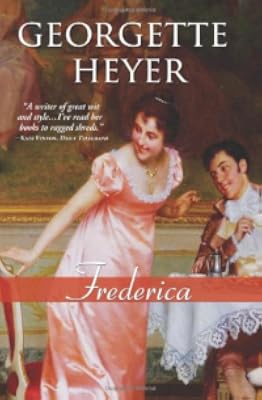
Either I've overdosed on Heyer in the past two weeks, or this book really did hit my embarrassment squick hard. I kind of despise everyone in this story, including the protagonists -- people this stupid should not get happy endings, damn it. I kept wanting to lock Hero away in a damn tower with nothing but serious books, punch Sherry in the face for his casual selfishness, and take everyone's money away. NO ONE in this is a grownup, and that was what I loved so about [b:Frederica|311196|Frederica|Georgette Heyer|http://photo.goodreads.com/books/1173644878s/311196.jpg|2128291]. I think I will be taking a break from Regency until Grand Sophy is back in the library.
Members
- Recently Added By
Published Reviews
ThingScore 75
“Nonsense” is certainly one word to describe Georgette Heyer’s Friday’s Child, an amusing romp of a novel about the early months of a marriage between two excessively silly and immature people in Regency London. ... It is thoroughly unbelievable, but it works because it is also thoroughly funny, and because, beneath all the silliness and froth, it offers a surprisingly serious look at show more gender roles, marriage and growing up. show less
added by lquilter
Lists

Favorite Georgette Heyer Novels, Ranked
49 works; 29 members

Historical Fiction
889 works; 91 members

Comedy of Manners
73 works; 1 member

Books With Nursery Rhyme Titles
37 works; 8 members

Books Read in 2016
4,666 works; 197 members
Talk Discussions
Past Discussions
Heyer Discussion: [Friday's Child] in 75 Books Challenge for 2009 (February 2010)
Author Information

125+ Works 78,302 Members
Georgette Heyer was born on August 16, 1902 at Wimbledon, London. She wrote The Black Moth as a story for her brother Boris. Her father, impressed with his daughter's imagination, suggested that she prepare it to be published, which it was by Constable in 1921. Having scored an instant success with The Black Moth at the age of nineteen under her show more own name, Georgette Heyer, she experimented with a pseudonym, Stella Martin, for her third book, published by Mills & Boon. She continued writing and in 1925 she married Ronald Rougier, a mining engineer. After reasonable but not spectacular sales from her first few books the instant success of These Old Shades in 1926 brought her a solid source of income which was very necessary at the time since the family relied to a large extent on the income from Georgette Heyer's writing. She wrote over fifty books during her lifetime and created the Regency England genre of romance novels. She died on July 4, 1974 at the age of 71. (Bowker Author Biography) show less
Some Editions
Series
Belongs to Publisher Series
rororo (910)
Common Knowledge
- Canonical title*
- Olycksfågel
- Original title
- Friday's Child
- Original publication date
- 1944
- People/Characters
- Lord Anthony Sheringham; Hero Wantage; Gil Ringwood; Isabella Milborne; Ferdy Fakenham; George Wrotham (show all 8); Lady Saltash; Jason [Friday’s Child]
- Important places
- London, England, UK; Bath, Somerset, England, UK
- First words
- "Do not, I beg of you, my lord, say more!" uttered Miss Millbourne, in imploring accents, slightly averting her lovely countenance, and clasping both hands at her bosom.
- Last words
- (Click to show. Warning: May contain spoilers.)"Good heavens! No, by God, so I won't!"
- Original language
- English
*Some information comes from Common Knowledge in other languages. Click "Edit" for more information.
Classifications
Statistics
- Members
- 1,765
- Popularity
- 12,527
- Reviews
- 60
- Rating
- (3.96)
- Languages
- 5 — English, Estonian, German, Italian, Swedish
- Media
- Paper, Audiobook, Ebook
- ISBNs
- 44
- UPCs
- 1
- ASINs
- 33