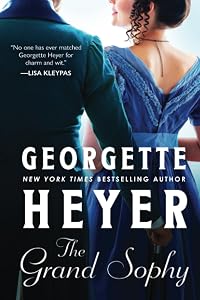
The Grand Sophy
by Georgette Heyer
On This Page
Description
Resourceful, adventurous and utterly indefatigable, Sophy is hardly the mild-mannered girl that the Rivenhalls expect when they agree to take her in. Kind-hearted Aunt Lizzy is shocked; stern Cousin Charles and his humourless fiancée Eugenia are disapproving. With her inimitable mixture of exuberance and grace Sophy soon sets about endearing herself to her family, but finds herself increasingly drawn to her cousin. Can she really be falling in love with him, and he with her? And what of his show more betrothal to Eugenia?. show less
Tags
Recommendations
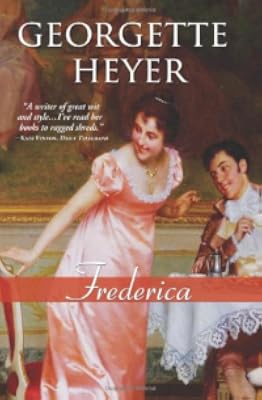


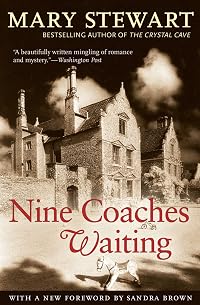

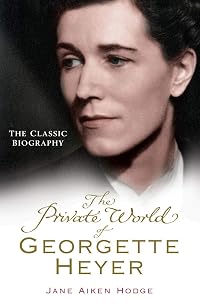
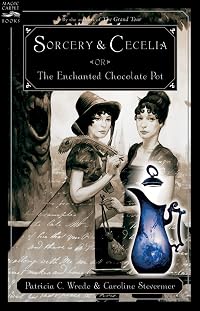
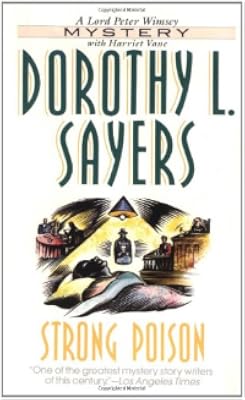
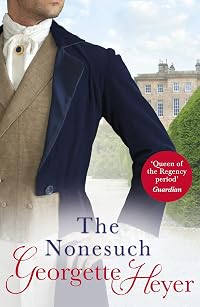
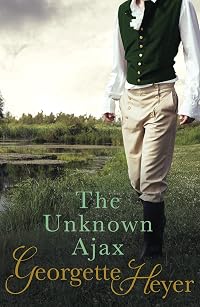








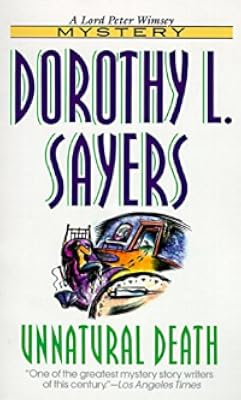
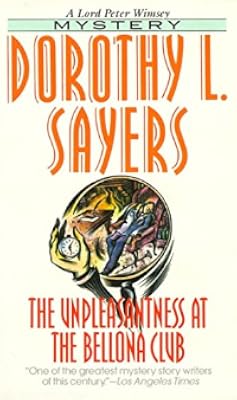
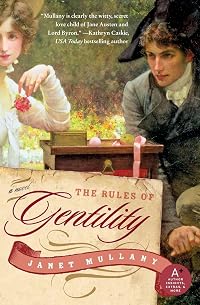
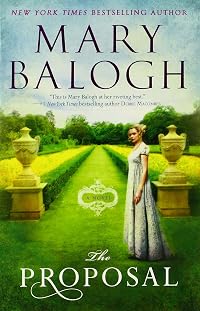
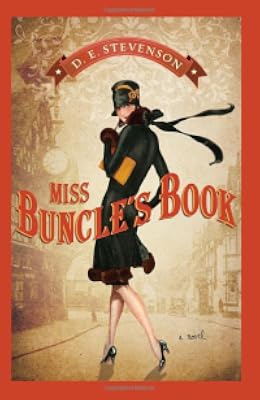
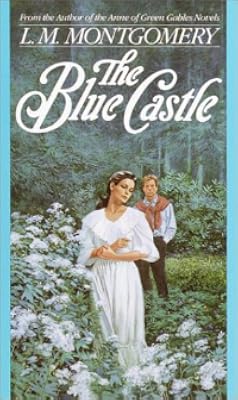

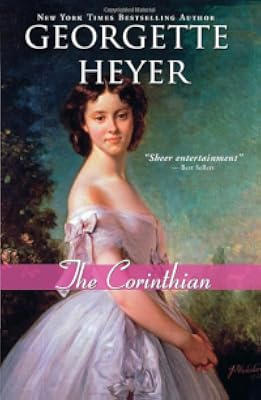
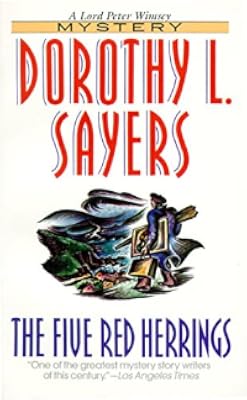



Member Recommendations

Bjace While it's not in the same genre, the books are similiar. Both Sophy and Flora Post are Miss Fix-its, whose practical, problem-solving approach to life is a contrast to the silliness of their relatives. Also, both are delightful reads in different ways.
40
moonsoar The main females in both books are up to the same sort of shenanigans in both books.

Member Reviews
When the lively, loving and very independent Miss Sophia Stanton-Lacy comes to stay with her relatives in Berkeley Square, none of the Rivenhall family, from nervous Lady Ombersley to stern Cousin Charles, have any notion that their lives will never be the same. Soon perceiving that she has come to an unhappy home, Sophy determines that she will set all to rights, whether this entails assisting Hubert with his financial difficulties, helping beautiful Cecilia to find her true love, nursing young Amabel back to health, or disentangling Charles from his obnoxious fiancée.
One of Heyer's most charming Regency Romances, The Grand Sophy features an appealing and admirable heroine, whose sangfroid in the face of her Cousin Charles's frequent show more expressions of outrage is hilarious to observe. This well-written story might, in fact, have ranked among my favorite Heyer novels, had my pleasure in it not been diminished by the unfortunate inclusion of a very ugly and anti-Semitic scene, midway through the book.
I am referring, of course, to the passage concerning the Jewish moneylender, to be found in the eleventh chapter of the book. I have had occasion before this, to feel somewhat uncomfortable with the throwaway comments made in some of Ms. Heyer's novels about "going to the Jews" (frequenting moneylenders), but have always believed them to indicate a broad-based cultural anti-Semitism that would have been current during the time depicted, rather than outright authorial prejudice.
Such cannot be said in this case however, as Mr. Goldhanger's depiction has clear racial overtones. Described as having "long greasy curls, a semitic nose, and an ingratiating leer," his villainous behavior is attributed, not to his profession or personal character, but to his "race." Heyer never actually says he's a villain BECAUSE he's a Jew, but her remarks about the "the instinct of his race" make it plain that such is her implication.
This is a very short passage in an otherwise outstanding novel, and I would not argue that it ruins the book. But reading it left such a nasty taste in my mouth, that it could not be entirely forgotten either. Truly, a sad blemish on Georgette Heyer's name. show less
One of Heyer's most charming Regency Romances, The Grand Sophy features an appealing and admirable heroine, whose sangfroid in the face of her Cousin Charles's frequent show more expressions of outrage is hilarious to observe. This well-written story might, in fact, have ranked among my favorite Heyer novels, had my pleasure in it not been diminished by the unfortunate inclusion of a very ugly and anti-Semitic scene, midway through the book.
I am referring, of course, to the passage concerning the Jewish moneylender, to be found in the eleventh chapter of the book. I have had occasion before this, to feel somewhat uncomfortable with the throwaway comments made in some of Ms. Heyer's novels about "going to the Jews" (frequenting moneylenders), but have always believed them to indicate a broad-based cultural anti-Semitism that would have been current during the time depicted, rather than outright authorial prejudice.
Such cannot be said in this case however, as Mr. Goldhanger's depiction has clear racial overtones. Described as having "long greasy curls, a semitic nose, and an ingratiating leer," his villainous behavior is attributed, not to his profession or personal character, but to his "race." Heyer never actually says he's a villain BECAUSE he's a Jew, but her remarks about the "the instinct of his race" make it plain that such is her implication.
This is a very short passage in an otherwise outstanding novel, and I would not argue that it ruins the book. But reading it left such a nasty taste in my mouth, that it could not be entirely forgotten either. Truly, a sad blemish on Georgette Heyer's name. show less
Originally posted on Tales to Tide You Over
Georgette Heyer offers fun stories with engaging characters in an over-the-top manner that is never more present than in The Grand Sophy. Sophy is everything that is against strict society, having been raised motherless within the diplomatic community on the Continent. She’s half parenting her very own father and often responsible for arranging and organizing all manner of events despite her young age.
Drop such an unusual personality into a family ruled by the iron fist of Charles, the oldest brother, who is austere as a direct reaction to his father’s wasteful nature, so much so that he’s forgotten almost all the value to come from bending a little. His family is half afraid of his show more tyrannical nature, and terrified of the changes expected when he marries his fiancée, a young lady so proper she has little else to recommend herself.
Even though the book begins without introducing either of the main characters, I soon had them figured out. In general, the way to find the main characters when reading Heyer is to find the persons most at odds with the other. Sophy and Charles butt heads consistently throughout the book.
I don’t often like romances where one of the major characters is already engaged because it seems unfair for them not to follow through on their commitment, but in the case of Cousin Charles, his fiancée, Miss Wraxton, is a truly unlovable character who crushes the life out of Charles at the least excuse. Even better, it’s obvious there is no way for the two of them to be happy together as Charles will only go so far against his loyalty to his brother and sisters, that distance limited by what he determines is good for them. Miss Wraxton, however, wants to reform them all into mirror images of herself, a pending disaster of which the rest of the family is all too aware.
What I found harder to forgive is the caricature of Jews presented in the moneylender. On the one hand, it’s a fascinating glimpse not just into the presentation of Jews in the Regency Era but that of anti-Semitism in WWII, a general attitude complicit in the rejection of refuges and the inability to accept the truth of what was happening under the Nazis. Heyer wrote The Grand Sophy during this timeframe, so the book is a window into attitudes accepted as normal. It did make for rough reading where those passages were concerned, however, undercutting my enjoyment and the intended humor.
Ultimately, The Grand Sophy offers another story founded on pure and utter chaos. With the exception of the anti-Semitism, it is another lovely, outrageous story peopled with a fun and challenging cast. Dialogue is one of Heyer’s strengths and this is no less fantastic an example while Sophy’s rejection of social convention is a grand look at how women were expected to behave and the fear that surrounded such constraints.
I could see the moments of connection and change between the main characters, especially within Charles so when they came together in the end, though rather abrupt, it worked for me. Sophy would have trampled over any other suitor while her presence offered hope for the whole family in restoring Charles’ good nature, which obligation, family history, and the hand of Miss Wraxton had all but destroyed. show less
Georgette Heyer offers fun stories with engaging characters in an over-the-top manner that is never more present than in The Grand Sophy. Sophy is everything that is against strict society, having been raised motherless within the diplomatic community on the Continent. She’s half parenting her very own father and often responsible for arranging and organizing all manner of events despite her young age.
Drop such an unusual personality into a family ruled by the iron fist of Charles, the oldest brother, who is austere as a direct reaction to his father’s wasteful nature, so much so that he’s forgotten almost all the value to come from bending a little. His family is half afraid of his show more tyrannical nature, and terrified of the changes expected when he marries his fiancée, a young lady so proper she has little else to recommend herself.
Even though the book begins without introducing either of the main characters, I soon had them figured out. In general, the way to find the main characters when reading Heyer is to find the persons most at odds with the other. Sophy and Charles butt heads consistently throughout the book.
I don’t often like romances where one of the major characters is already engaged because it seems unfair for them not to follow through on their commitment, but in the case of Cousin Charles, his fiancée, Miss Wraxton, is a truly unlovable character who crushes the life out of Charles at the least excuse. Even better, it’s obvious there is no way for the two of them to be happy together as Charles will only go so far against his loyalty to his brother and sisters, that distance limited by what he determines is good for them. Miss Wraxton, however, wants to reform them all into mirror images of herself, a pending disaster of which the rest of the family is all too aware.
What I found harder to forgive is the caricature of Jews presented in the moneylender. On the one hand, it’s a fascinating glimpse not just into the presentation of Jews in the Regency Era but that of anti-Semitism in WWII, a general attitude complicit in the rejection of refuges and the inability to accept the truth of what was happening under the Nazis. Heyer wrote The Grand Sophy during this timeframe, so the book is a window into attitudes accepted as normal. It did make for rough reading where those passages were concerned, however, undercutting my enjoyment and the intended humor.
Ultimately, The Grand Sophy offers another story founded on pure and utter chaos. With the exception of the anti-Semitism, it is another lovely, outrageous story peopled with a fun and challenging cast. Dialogue is one of Heyer’s strengths and this is no less fantastic an example while Sophy’s rejection of social convention is a grand look at how women were expected to behave and the fear that surrounded such constraints.
I could see the moments of connection and change between the main characters, especially within Charles so when they came together in the end, though rather abrupt, it worked for me. Sophy would have trampled over any other suitor while her presence offered hope for the whole family in restoring Charles’ good nature, which obligation, family history, and the hand of Miss Wraxton had all but destroyed. show less
“The Grand Sophy” by Georgette Heyer delivered exactly what I expected: a sparkling, if somewhat dated, Regency romance. At times, it felt stuffy and blustery, especially in the dialogue, where I found myself struggling with the verbosity of certain characters.
»*Really, Horace, I must say that I think that most unjust of you, for how could he help it? It is so mortifying for him! And, what is more, excessively unfortunate, because I don’t doubt that had he been able to attach Cecilia… But no one can deny that nothing could be more ill-timed than Charlbury’s mumps!*«
This type of rambling speech made the beginning of the book feel quite slow for me. The social dynamics and constant talk of marriages seemed quaint and show more twee—typical of early 20th-century historical fiction, yet it grated on me initially. However, as the story progressed and Sophy’s vivacious nature took centre stage, the novel became utterly irresistible. From orchestrating romantic entanglements to causing delightful mayhem, Sophy is a force of nature.
Though it’s tempting to dismiss such stories as too formulaic or predictable, Heyer demonstrates masterful pacing. Her truly witty writing, far better than many imitators in the Regency romance genre, propelled the latter half of the book to become a page-turner of the highest degree. Compared to Heyer’s *Venetia*, I found *The Grand Sophy* more energetic. While old-fashioned in certain areas, it holds up far better than many of her contemporaries.
Four out of five stars.
Blog | Facebook | Twitter | Mastodon | Instagram | Pinterest | Medium | Matrix | Tumblr
Ceterum censeo Putin esse delendam show less
»*Really, Horace, I must say that I think that most unjust of you, for how could he help it? It is so mortifying for him! And, what is more, excessively unfortunate, because I don’t doubt that had he been able to attach Cecilia… But no one can deny that nothing could be more ill-timed than Charlbury’s mumps!*«
This type of rambling speech made the beginning of the book feel quite slow for me. The social dynamics and constant talk of marriages seemed quaint and show more twee—typical of early 20th-century historical fiction, yet it grated on me initially. However, as the story progressed and Sophy’s vivacious nature took centre stage, the novel became utterly irresistible. From orchestrating romantic entanglements to causing delightful mayhem, Sophy is a force of nature.
Though it’s tempting to dismiss such stories as too formulaic or predictable, Heyer demonstrates masterful pacing. Her truly witty writing, far better than many imitators in the Regency romance genre, propelled the latter half of the book to become a page-turner of the highest degree. Compared to Heyer’s *Venetia*, I found *The Grand Sophy* more energetic. While old-fashioned in certain areas, it holds up far better than many of her contemporaries.
Four out of five stars.
Blog | Facebook | Twitter | Mastodon | Instagram | Pinterest | Medium | Matrix | Tumblr
Ceterum censeo Putin esse delendam show less
This is Georgette Heyer “over the top!” In this one it is the “wandering” niece who comes home to England to “set the family right.” Sophy is by far Heyer’s strongest and most intrepid female character (and that is saying something). She is also my favorite character. She is outrageous, audacious and provides some of the most hilarious episodes in Heyer’s oeuvre. For those who prefer their romantic heroines to be more insipid Cecelia – a damsel born to be in distress -- is a charming dolt whom Sophy saves from her impetuous mistake of choosing the wrong suitor.
I had a great ride with The Grand Sophy, by Georgette Heyer. Thank you for the recommendation, Ilana! I had read a Heyer mystery, and liked it well enough, but it had none of the wit and sass of this one. The Grand Sophy is labeled a "Regency romance", but to me it is a comedy of manners, one that reminded me at times of Wodehouse with its humorous plot twists.
Lord Ombersley has badly handled the family finances, and son Charles, favored financially by a relative, has to take charge. He dominates the family by necessity, as he tries to extricate them from their difficulties. Nice Lady Ombersley lives in fear of Charles' opinions, brother Hubert, well in debt himself, is afraid of Charles, and sister Cecilia is frustrated by Charles' show more desire that she marry a financially sound wooer, rather than the Adonis-like poet she admires. In keeping with his upright, responsible views, Charles has become engaged to Miss Wraxton, a model of rectitude and an expert at depressing everyone.
Then Sophy crashes onto the scene, and disrupts everything. The daughter of Lady Ombersley's peripatetic and successful brother Horace, she has been raised to assert herself and trust her instincts, and her instinct here is to fix the mess this family is in. Clever and filled with common sense, she outmaneuvers frustrated Charles at every turn, and begins to guide the family and others toward a more satisfying alignment.
Charles fights back.
“Let me tell you, my dear Cousin, that I should be better pleased if you would refrain from meddling in the affairs of my family!”
“Now, that,” said Sophy, “I am very glad to know, because if ever I should desire to please you I shall know just how to set about it. I daresay I shan’t, but one likes to be prepared for any event, however unlikely.”
Sophy is indomitable, and hilarious. She's not fond of Miss Wraxton, and vice versa.
“I shall be much obliged to you, cousin, if you will refrain from telling my sisters that she has a face like a horse!’
‘But, Charles, no blame attaches to Miss Wraxton! She cannot help it, and that, I assure you, I have always pointed out to your sisters!’
‘I consider Miss Wraxton’s countenance particularly well-bred!’
‘Yes, indeed, but you have quite misunderstood the matter! I meant a particularly well-bred horse!’
Sophy is an extremely capable free spirit, able to handle horses and guns and men and women with dexterity and elan. “Is it not unsupportable to be held down to a canter when you long to gallop for miles?” She frustrates the heck out of poor Charles, and raises jiggery pokery to a high art.
“It is abominable, Sophy!"
“Yes, if the motive were not pure!”
Her joyfulness is irresistible, and we root for her to vanquish the villains and save the Ombersleys from themselves. There is one unfortunate hiccup with the stereotyping of a Jewish moneylender. Other than that, once Sophy appears on the scene, this one is a high-spirited gallop from start to finish. show less
Lord Ombersley has badly handled the family finances, and son Charles, favored financially by a relative, has to take charge. He dominates the family by necessity, as he tries to extricate them from their difficulties. Nice Lady Ombersley lives in fear of Charles' opinions, brother Hubert, well in debt himself, is afraid of Charles, and sister Cecilia is frustrated by Charles' show more desire that she marry a financially sound wooer, rather than the Adonis-like poet she admires. In keeping with his upright, responsible views, Charles has become engaged to Miss Wraxton, a model of rectitude and an expert at depressing everyone.
Then Sophy crashes onto the scene, and disrupts everything. The daughter of Lady Ombersley's peripatetic and successful brother Horace, she has been raised to assert herself and trust her instincts, and her instinct here is to fix the mess this family is in. Clever and filled with common sense, she outmaneuvers frustrated Charles at every turn, and begins to guide the family and others toward a more satisfying alignment.
Charles fights back.
“Let me tell you, my dear Cousin, that I should be better pleased if you would refrain from meddling in the affairs of my family!”
“Now, that,” said Sophy, “I am very glad to know, because if ever I should desire to please you I shall know just how to set about it. I daresay I shan’t, but one likes to be prepared for any event, however unlikely.”
Sophy is indomitable, and hilarious. She's not fond of Miss Wraxton, and vice versa.
“I shall be much obliged to you, cousin, if you will refrain from telling my sisters that she has a face like a horse!’
‘But, Charles, no blame attaches to Miss Wraxton! She cannot help it, and that, I assure you, I have always pointed out to your sisters!’
‘I consider Miss Wraxton’s countenance particularly well-bred!’
‘Yes, indeed, but you have quite misunderstood the matter! I meant a particularly well-bred horse!’
Sophy is an extremely capable free spirit, able to handle horses and guns and men and women with dexterity and elan. “Is it not unsupportable to be held down to a canter when you long to gallop for miles?” She frustrates the heck out of poor Charles, and raises jiggery pokery to a high art.
“It is abominable, Sophy!"
“Yes, if the motive were not pure!”
Her joyfulness is irresistible, and we root for her to vanquish the villains and save the Ombersleys from themselves. There is one unfortunate hiccup with the stereotyping of a Jewish moneylender. Other than that, once Sophy appears on the scene, this one is a high-spirited gallop from start to finish. show less
For the most part, I enjoyed this, my first Georgette Heyer. It was light, just what I thought I needed for the moment. Sophy is delightful! She is a woman ahead of her time in her refusal to play the helpless female and her fearless assault on the male-dominated society. The writing is witty, the storyline never sags. The last chapter is absolutely hilarious.
Alas, this book lost at least 1.5 stars because of the gratuitous anti-Semitism. I say gratuitous because she didn't need it for the story. I don't want to give too much away, so I will just say that the moneylenders in general and one in particular didn't have to be so precisely and venomously identified as being Jewish. She also compares her cousin, in a moment of anger, to a show more Jew. Since the book was published in 1950, there was no reason for Heyer to be insensitive towards this issue, unlike Shakespeare and Dickens, who lived in very different times. Not sure I can read more of her work because of this problem. I hate to say it, but I am just being honest. show less
Alas, this book lost at least 1.5 stars because of the gratuitous anti-Semitism. I say gratuitous because she didn't need it for the story. I don't want to give too much away, so I will just say that the moneylenders in general and one in particular didn't have to be so precisely and venomously identified as being Jewish. She also compares her cousin, in a moment of anger, to a show more Jew. Since the book was published in 1950, there was no reason for Heyer to be insensitive towards this issue, unlike Shakespeare and Dickens, who lived in very different times. Not sure I can read more of her work because of this problem. I hate to say it, but I am just being honest. show less
The Grand Sophy is what brought me to Georgette Heyer, and it's still a deeply satisfying read. It feels polished and hilarious and utterly charming. Sophy is wonderfully independent and her dialogue makes me laugh out loud. The introductory monkey scene is a marvel and a wonder, and it begins as it means to go on.
Advanced Readers Copy provided by Edelweiss.
Advanced Readers Copy provided by Edelweiss.
Members
- Recently Added By
Published Reviews
ThingScore 75
"By now entrenched in the Regency subgenre she had created, for her next novel, The Grand Sophy, Georgette Heyer created a protagonist able to both challenge its rules and manipulate its characters, and a tightly knitted plot whose final scene almost begs for a stage dramatization. The result is either among her best or most infuriating books, depending upon the reader. I find it both."
added by lquilter
Lists

Favorite Georgette Heyer Novels, Ranked
49 works; 29 members

Best Historical Fiction
620 works; 261 members

Comfort Reads
221 works; 41 members

Top Five Books of 2013
1,562 works; 721 members

Historical Fiction
889 works; 91 members
Books I've Read More Than Once
602 works; 49 members

Recommend the 20 best books you've read in the last five years
2,168 works; 606 members
Best Family Stories
241 works; 22 members

Top Five Books of 2014
1,064 works; 398 members
TML 200 Best Books 1950-1999
202 works; 10 members

Comedy of Manners
73 works; 1 member

Books We Love to Reread
688 works; 296 members
Books We Couldn't Put Down
443 works; 197 members

Books Read in 2025
4,091 works; 97 members

Books Read in 2023
5,547 works; 145 members
Favorite Romance Fiction
247 works; 115 members
Books We Want To Read Again For The First Time
384 works; 160 members

Books that are a victim of Cancel Culture
46 works; 3 members

Books Read in 2020
4,379 works; 124 members

Books Read in 2021
5,361 works; 114 members

Fiction with Women's Names in the Title
378 works; 15 members
Five star books
1,757 works; 108 members

Books Read in 2019
4,052 works; 110 members

Books Read in 2018
4,360 works; 110 members

Books on my Kindle
162 works; 3 members

Books Read in 2016
4,666 works; 197 members

1950s
340 works; 22 members

A Novel Cure
742 works; 23 members

One Book, Many Authors
441 works; 40 members
The Modern Library (The Two Hundred Best Novels....
202 works; 1 member
Top-Rated Books on LibraryThing
272 works; 117 members
Author Information

125+ Works 78,087 Members
Georgette Heyer was born on August 16, 1902 at Wimbledon, London. She wrote The Black Moth as a story for her brother Boris. Her father, impressed with his daughter's imagination, suggested that she prepare it to be published, which it was by Constable in 1921. Having scored an instant success with The Black Moth at the age of nineteen under her show more own name, Georgette Heyer, she experimented with a pseudonym, Stella Martin, for her third book, published by Mills & Boon. She continued writing and in 1925 she married Ronald Rougier, a mining engineer. After reasonable but not spectacular sales from her first few books the instant success of These Old Shades in 1926 brought her a solid source of income which was very necessary at the time since the family relied to a large extent on the income from Georgette Heyer's writing. She wrote over fifty books during her lifetime and created the Regency England genre of romance novels. She died on July 4, 1974 at the age of 71. (Bowker Author Biography) show less
Some Editions
Awards and Honors
Series
Belongs to Publisher Series
rororo (531)
Work Relationships
Is contained in
Common Knowledge
- Canonical title*
- Adorable Sophie
- Original title
- The Grand Sophy
- Original publication date
- 1950
- People/Characters
- Sophia Stanton-Lacy 'Sophy'; Charles Rivenhall; Cecilia Rivenhall; Hubert Rivenhall; Eugenia Wraxton; Augustus Fawnhope (show all 12); Lord Charlbury; Doña Sancia, Marquesa de Villacañas; Sir Horace Stanton-Lacy; Elizabeth Rivenhall, Lady Ombersley 'Lizzy'; Lord Ombersley; Amabel Rivenhall
- Important places
- London, England, UK
- First words
- The butler, recognizing her ladyship's only surviving brother at a glance, as he afterward informed his less percipient subordinates, favored Sir Horace with a low bow, and took it upon himself to say that my lady, although n... (show all)ot at home to less nearly connected persons, would be happy to see him.
- Last words
- (Click to show. Warning: May contain spoilers.)'I don't: I dislike you intensely!' he said savagely.
Entranced by these loverlike words, Miss Stanton-Lacy returned his embrace with fervor, and meekly allowed herself to be led off to the stables. - Blurbers
- Roberts, Nora; James, Eloisa; Heath, Lorraine; Doyle, Elizabeth
- Original language
- English
- Canonical DDC/MDS
- 823.914
*Some information comes from Common Knowledge in other languages. Click "Edit" for more information.
Classifications
Statistics
- Members
- 3,195
- Popularity
- 5,417
- Reviews
- 141
- Rating
- (4.22)
- Languages
- 10 — Dutch, English, Estonian, French, German, Italian, Polish, Portuguese, Spanish, Swedish
- Media
- Paper, Audiobook, Ebook
- ISBNs
- 60
- UPCs
- 1
- ASINs
- 54